

Numerous 17th–19th-century artifacts found on the grounds of the Potocki Palace in Ivano-Frankivsk
As Viktoriia Susanina, First Deputy Head of the Ivano-Frankivsk urban territorial community, reported on her Facebook page, a number of interesting structures and artifacts were discovered on the grounds of the Potocki Palace complex, the “Palace” Space of Innovative Creations, during archaeological supervision of earthworks.
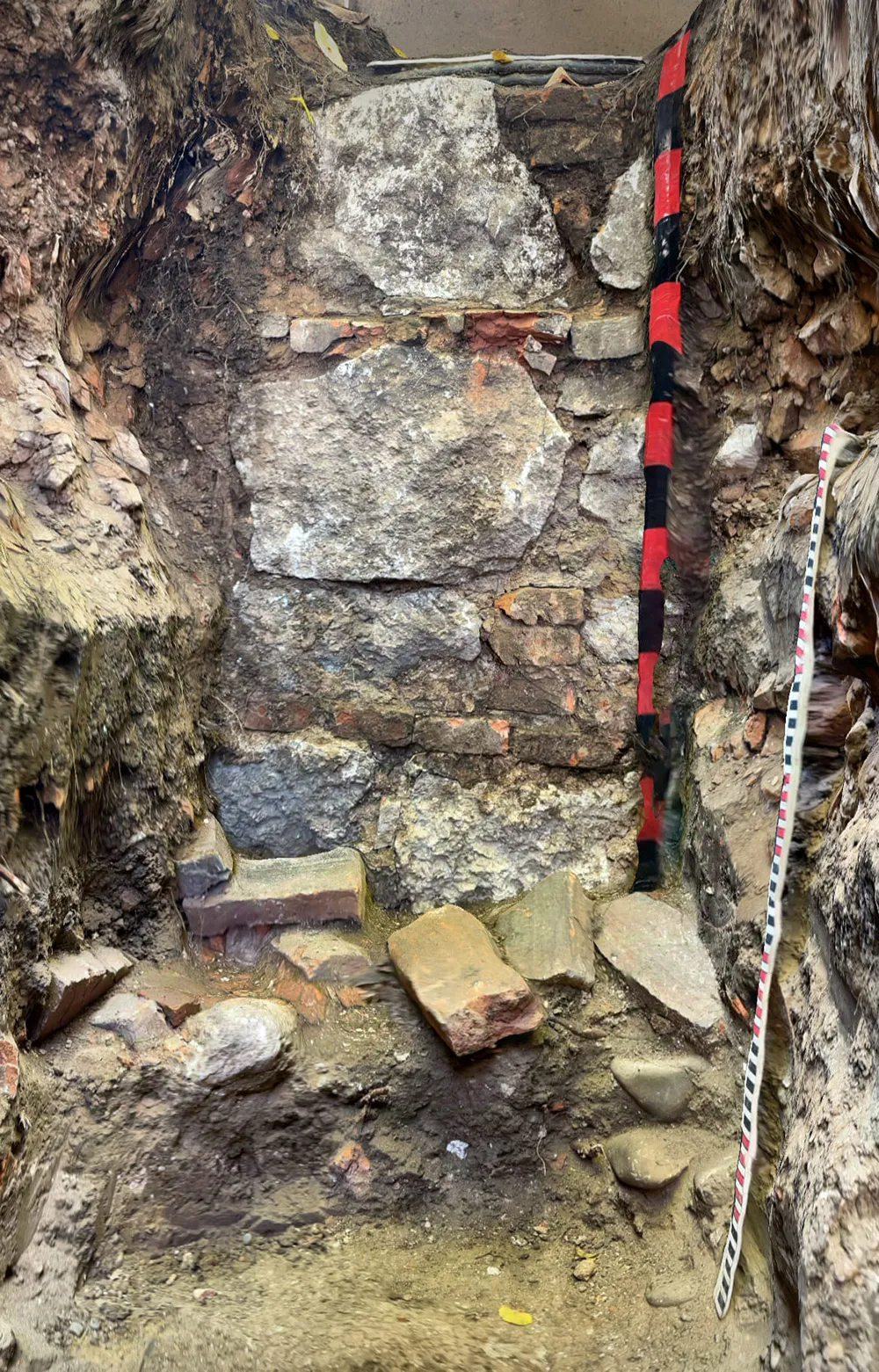
In particular, previously unexplored foundations of as yet unidentified buildings and structures, provisionally dated to the 17th and 19th centuries, were recorded.
Remains of paving of the grounds with ceramic brick and rubble stone, provisionally dated to the 17th and 19th centuries.
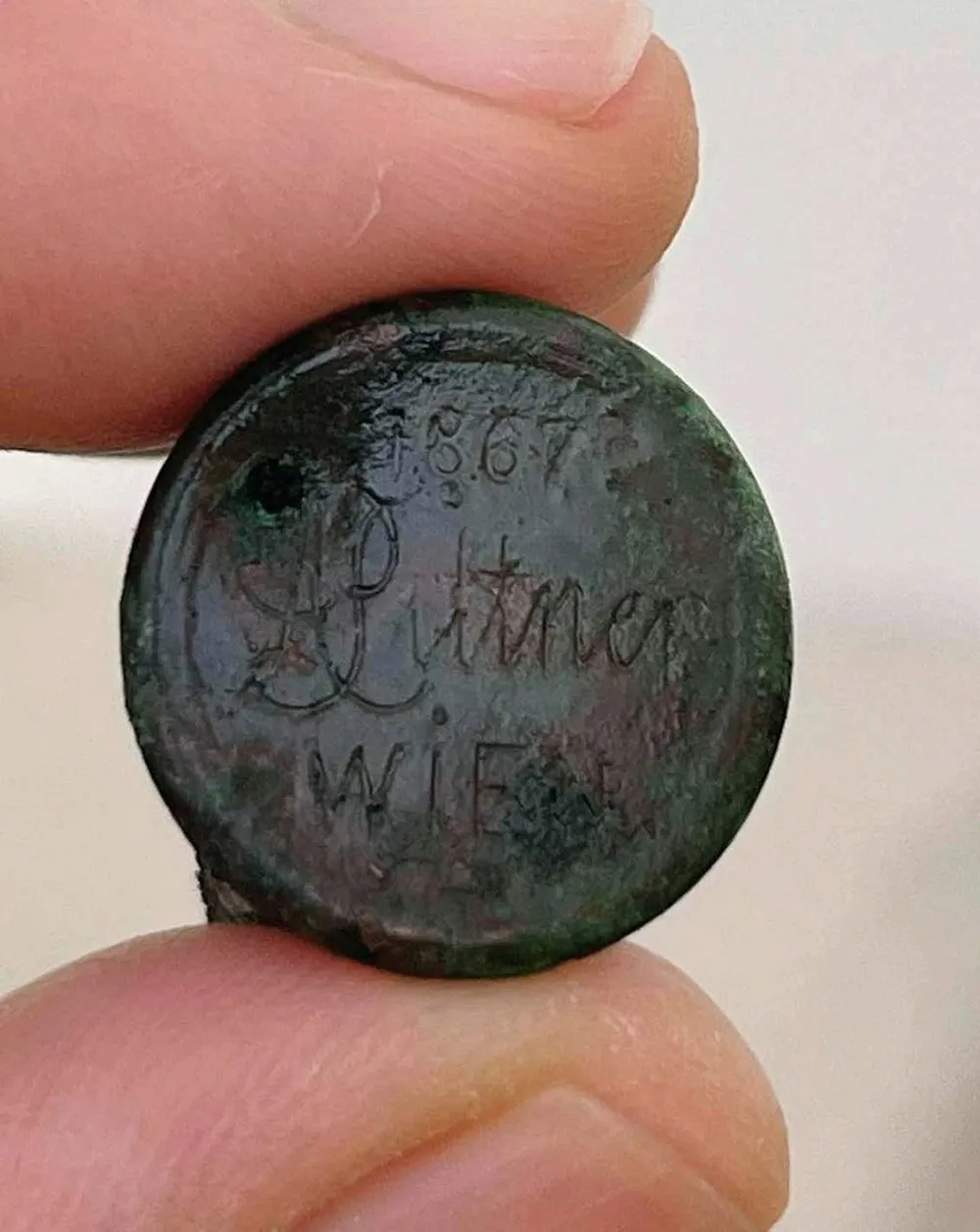
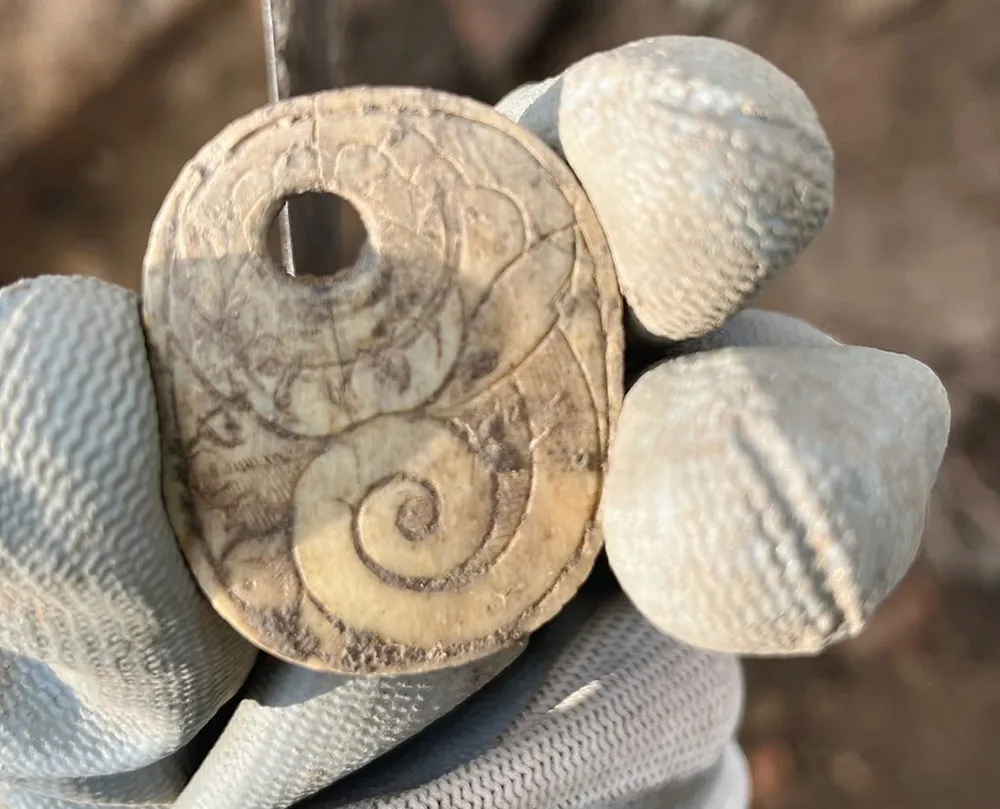
In addition, objects of various periods were found, more than 320 items in total. They have been sent to a research centre for further study.
The archaeological supervision was carried out by the state enterprise “Research Centre ‘Archaeological Preservation Service of Ukraine’” of the Institute of Archaeology of the National Academy of Sciences of Ukraine.
The progress of the archaeological work can be seen in more detail in the video.
Background
The Potocki Palace is a monument of architecture and urban planning of historical significance in the city of Ivano-Frankivsk. The palace complex was built in 1672–1682 and completed in the 1980s.
It was built by the Polish Crown Hetman Andrzej Potocki for himself and his family. It was first used as the residence of the owners of Stanisławów, and later for decades as a military hospital. In Soviet times a military hospital operated here.
At present researchers do not even have an approximate “portrait” of the residence. The history of the palace is most likely preserved in Polish or Austrian archives.
The Potocki Palace in Ivano-Frankivsk is a protected cultural heritage site and is safeguarded by the state: by decision of the executive committee of the Ivano-Frankivsk Oblast Council of People’s Deputies of 26 May 1981, No. 238, it was recognised as a monument of local significance.
At present the local authorities continue to restore it.
(Source: Wikipedia)


