Utkonosivka. Erdek Burnu

· 3 min read
Utkonosivka is a large village in Izmail district with a population of 4,000. The name alone could be a tourist magnet for this village – it sounds like something straight out of Australia. Where does the name come from? Perhaps there was once a breeding station here for raising platypuses (utkonosy)? And why not “Kachkodziobivka” – that would be funnier.
The village, on the shores of the large Lake Kahul (Katlabuh), was founded in 1752 by Romanian settlers. More precisely, they were ethnic Moldovans, since Romania did not yet exist at the time, but in any case subjects of the Ottoman Empire, because these were its lands. The village was placed on a cape whose outline resembled a duck’s bill, and so the village received its name, a Turkish one of course, the official one – Erdek Burnu, “Duck’s Bill” – by which it was called until 1947. True, sometime in the 1930s, when Romanians ruled Bessarabia, it was renamed Gheorghe Duca (after a Romanian statesman), but the name never took hold. And in 1947, when all the “Tatar” names were being removed, Erdek Burnu was removed too. Instead the name was translated into Russian, and for some reason the village came to be called not “Duck Nose” (Utinyi Nos) but Utkonosovka (“Platypus”). And in Ukrainian it was for some reason not renamed Kachkodziobivka – if you are going to make people laugh, then let’s do it fully.
Of Utkonosivka’s present population, 90% are ethnic Romanians, who speak Romanian and consider it their native language. This is not surprising, since Romania is only some ten kilometres from here, and until the end of the Second World War this territory was Romanian.
The main adornment and tourist attraction of Utkonosivka could be Lake Kahul (Katlabuh) – a large floodplain lake that formed in the valley of the Danube tributary of the same name – but it is not a tourist attraction at all. I am not sure there is a beach anywhere here, or whether there are fishing grounds. Though there should be, and the village probably attracts anglers, but they are not tourists. Perhaps it was for them, visitors from Izmail or somewhere, that the “Manhattan” club was opened in the village (not cheap, according to Google), or perhaps for the locals – it is a big village, after all.
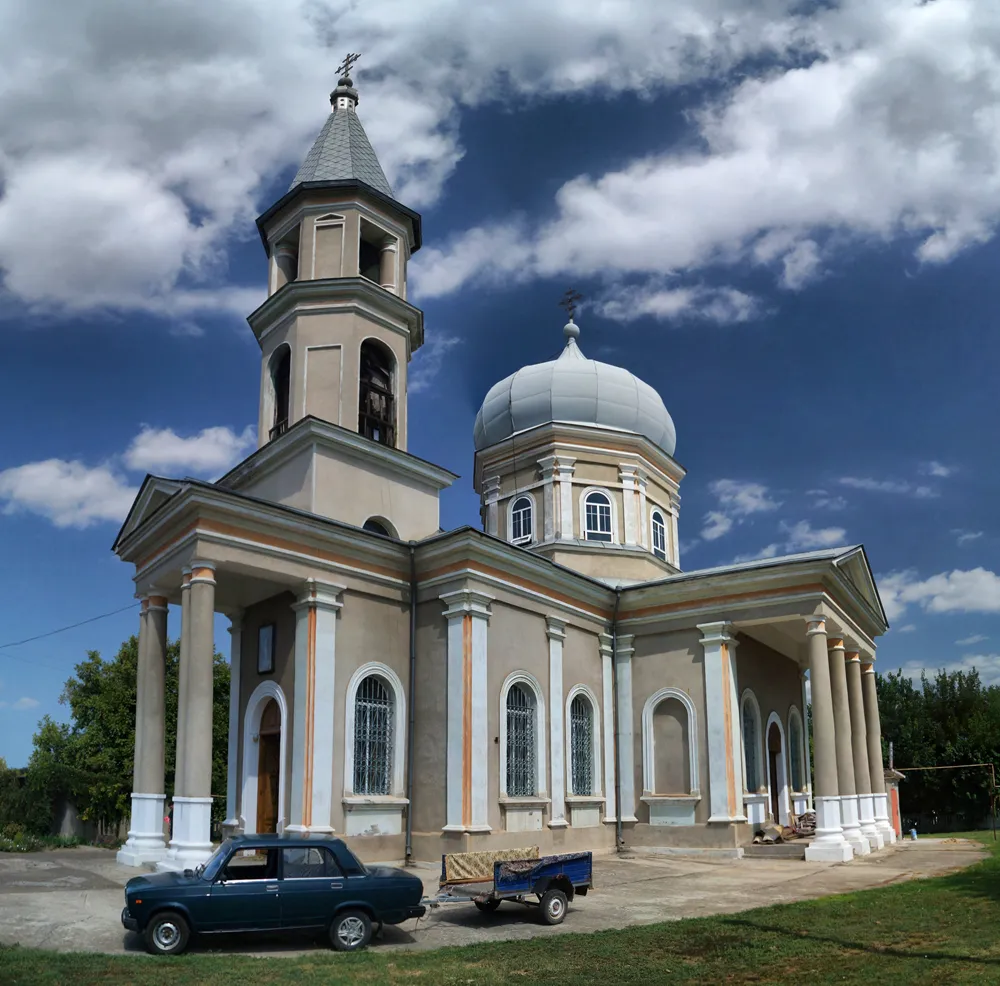
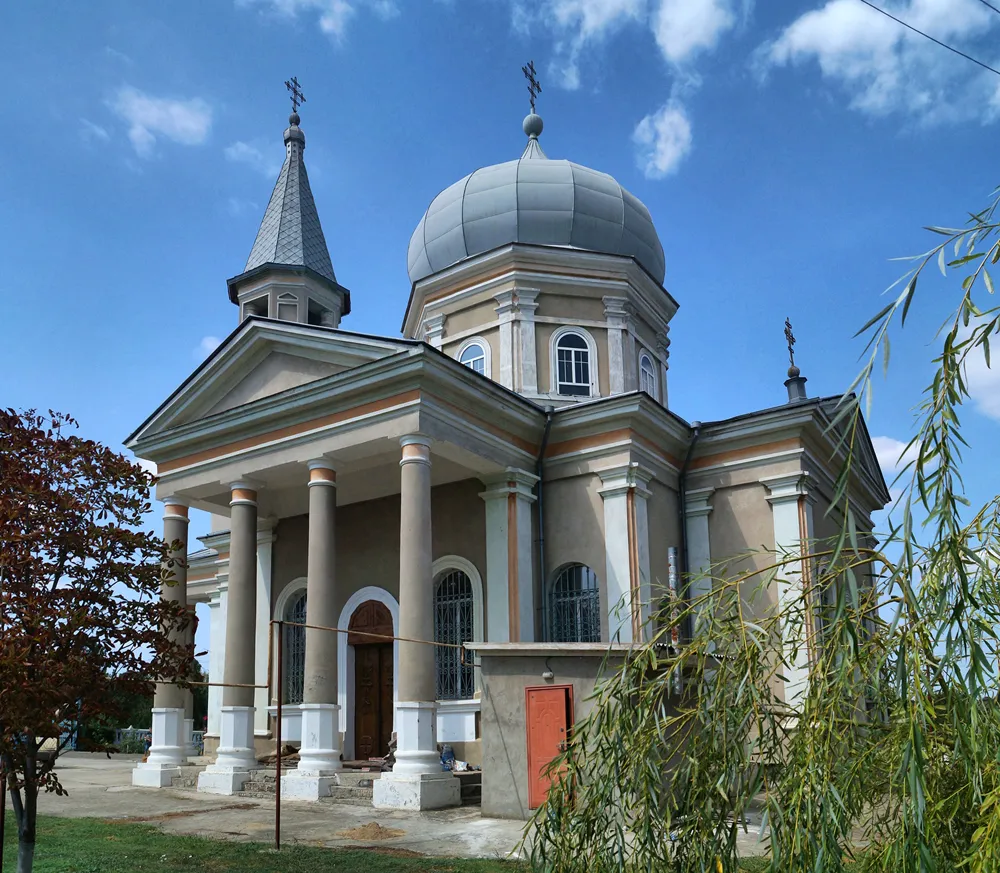
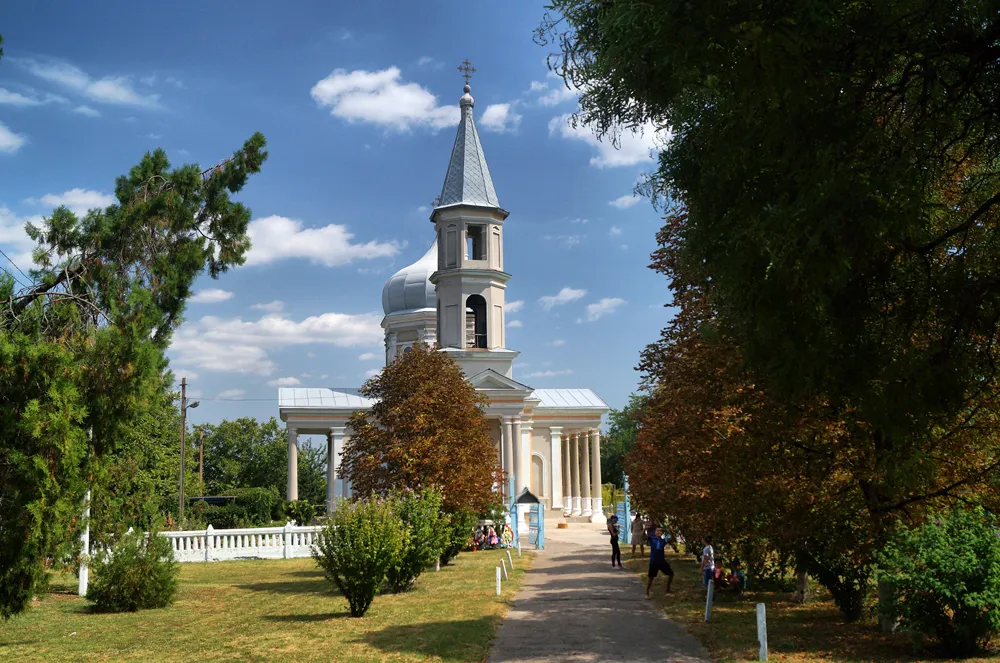
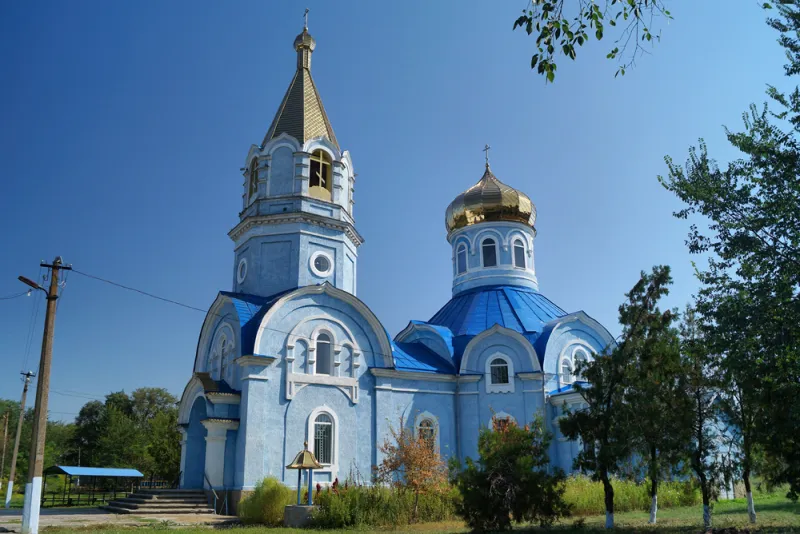
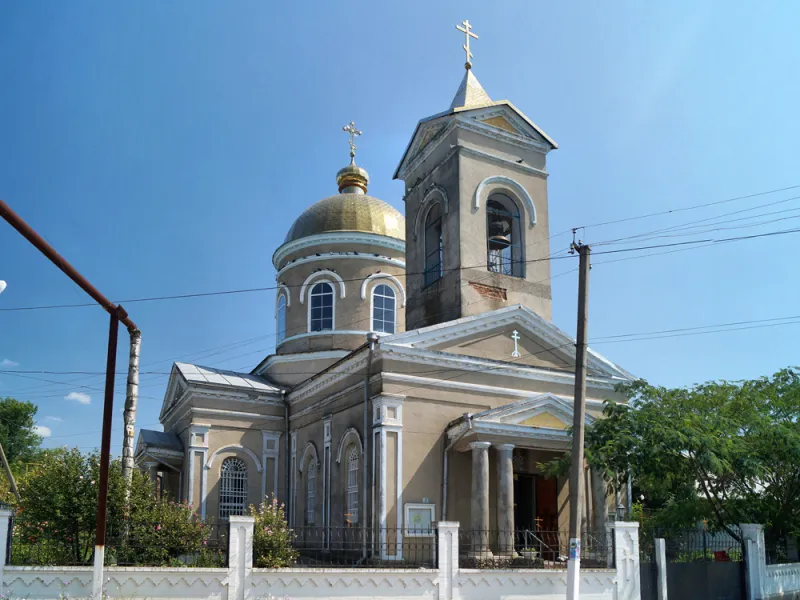
And the main architectural monument of Utkonosivka is the Church of the Archangel Michael, built in 1847. The style of the church is late Neoclassicism with elements of diocesan (Neo-Russian) architecture. The church has a characteristic southern colour – it is all narrow, delicate, airy. The church is quite large, very pretty, neat and well kept. Almost all the parishioners are Romanians who speak Romanian, but services are held in Russian, because it belongs to the Moscow Patriarchate, after all.
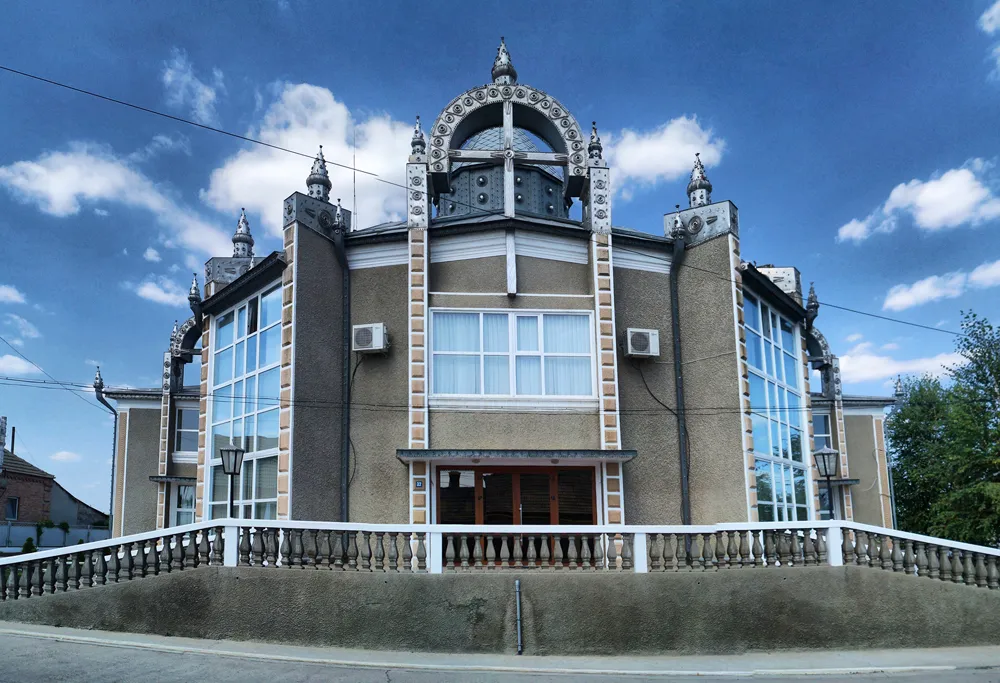
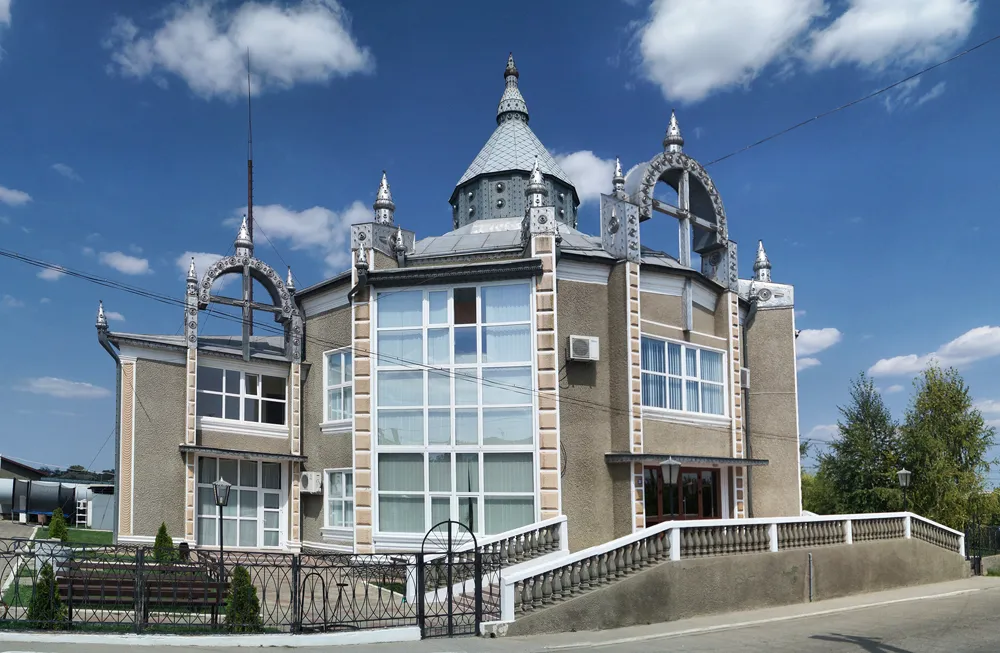
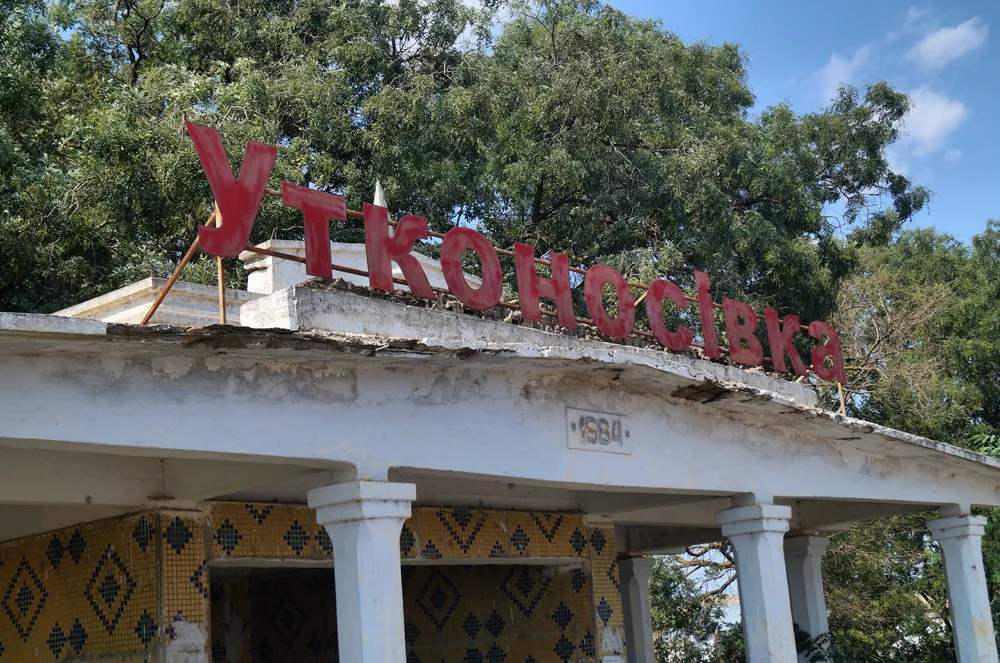
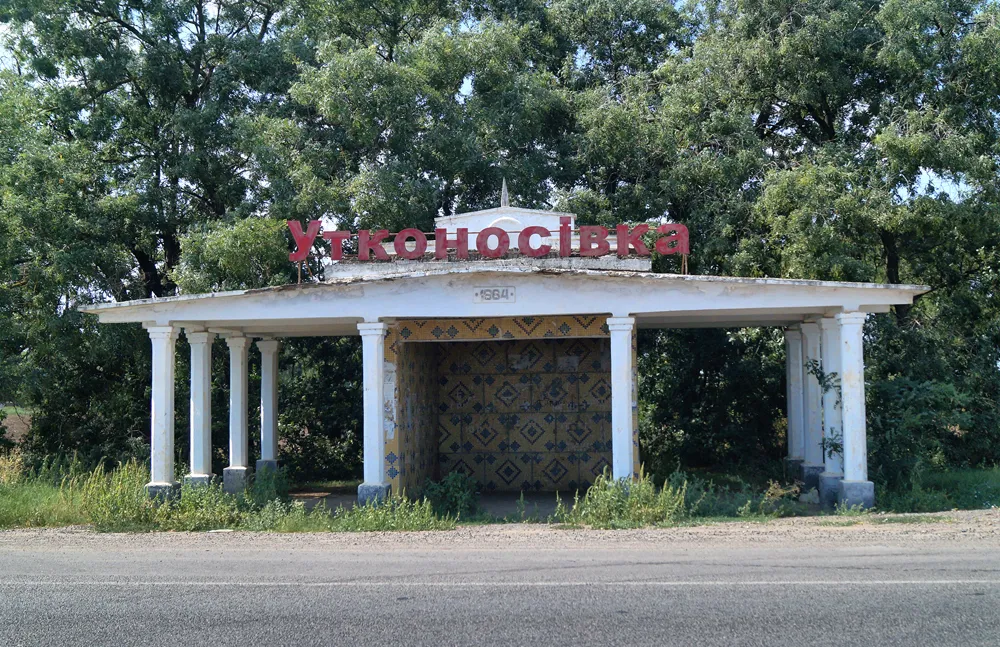
The village also has an interesting Protestant church building – big glass windows and pompous sheet-metal decor. We have seen something similar on Roma Hill in Soroca (Moldova) and in Romanian Roma villages. And here too it certainly was not done without Roma craftsmen. The decor is “not for everyone”, but very colourful. And even more colourful are the bus stops with the name “Utkonosivka” – everyone itches to take a photo next to them. So where is the promotion, where is the advertising? With a name like that the village should be a tourist magnet of Bessarabia.
Text and photos by Roman Malenkov.