Novosilske. Satu Nou

· 1 min read
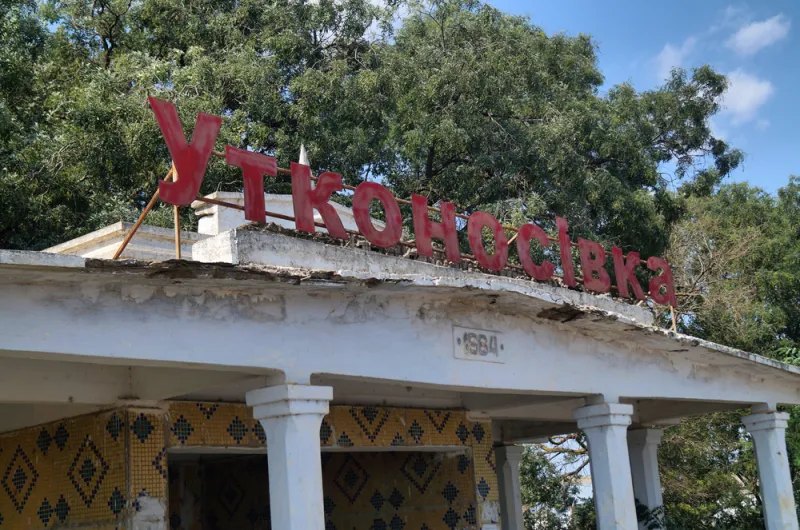
Until 1947 the village of Novosilske was called Satu Nou, which translates from Romanian as “New Village”. The Soviet authorities, like any imperialists, liked to translate geographic names, and so they translated it as Novosyolskoye. Today the village has about 3,500 residents, 92% of them ethnic Romanians, who name Romanian as their native language.
Like any settlement in this area, Satu Nou passed from country to country: the Ottoman Empire, the Russian Empire, the Principality of Moldavia, Russia again, Romania, the USSR. Today it is Ukraine, of course.
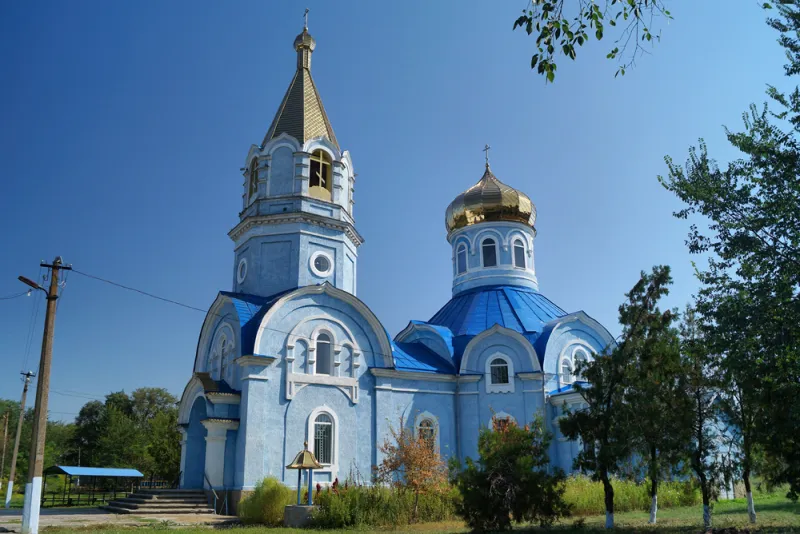
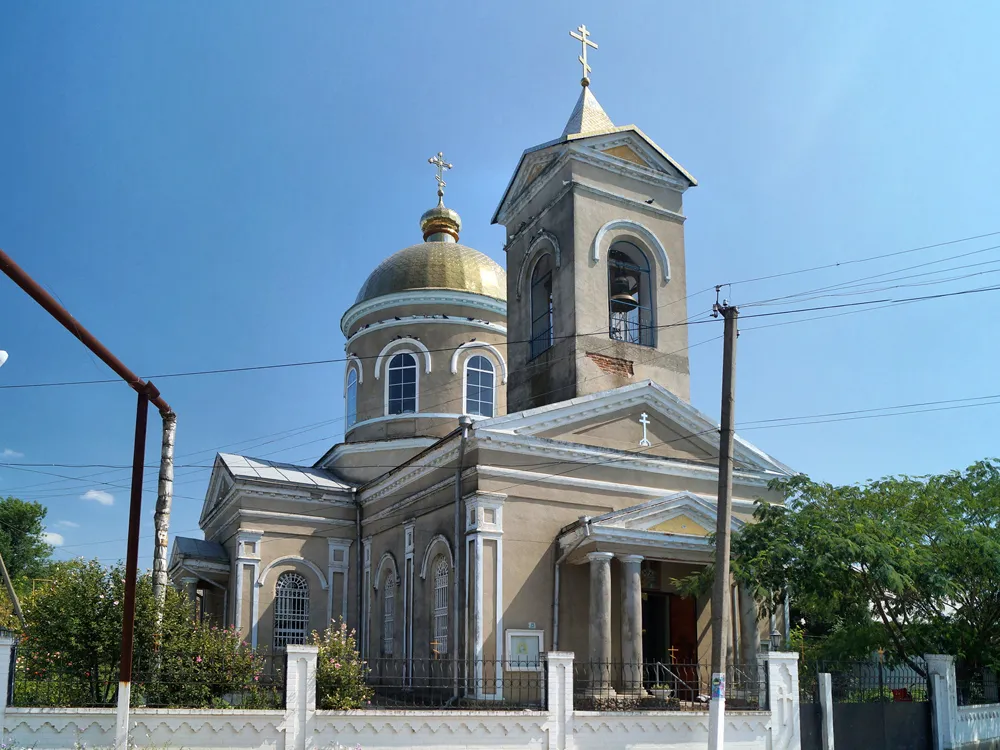
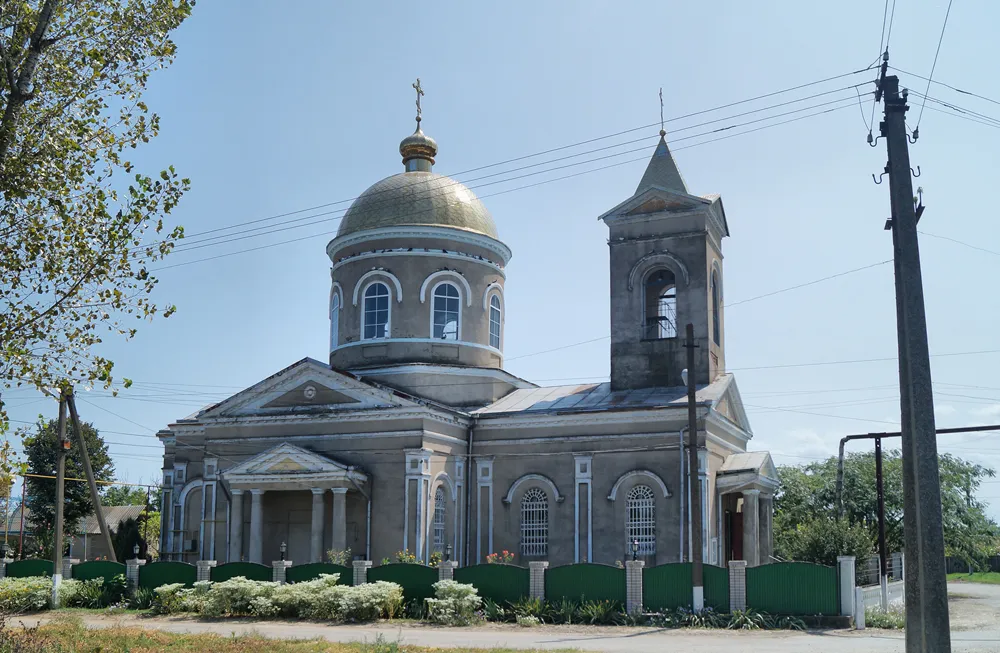
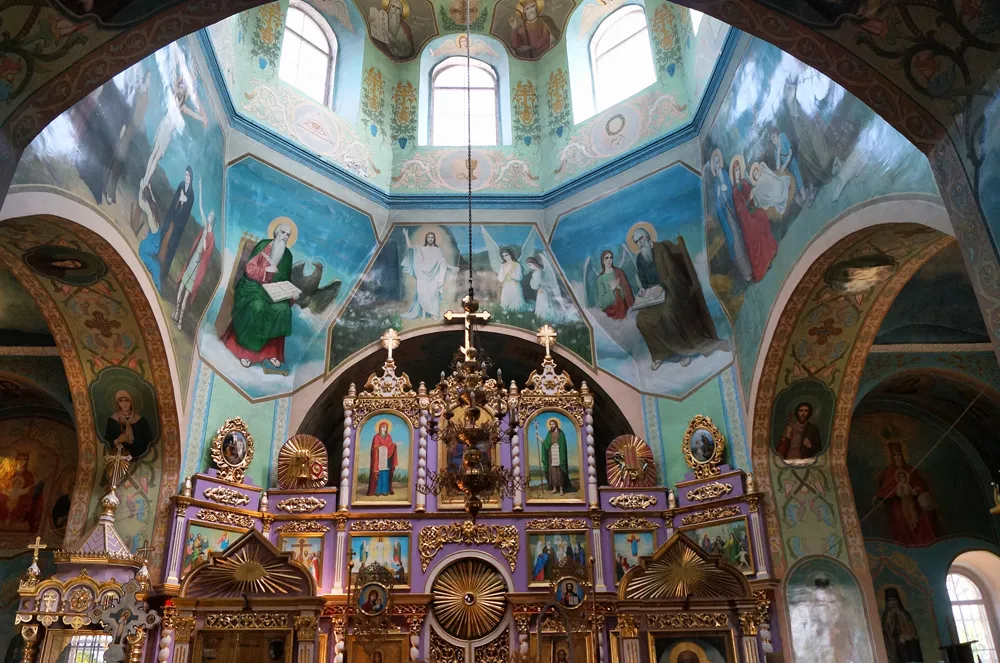
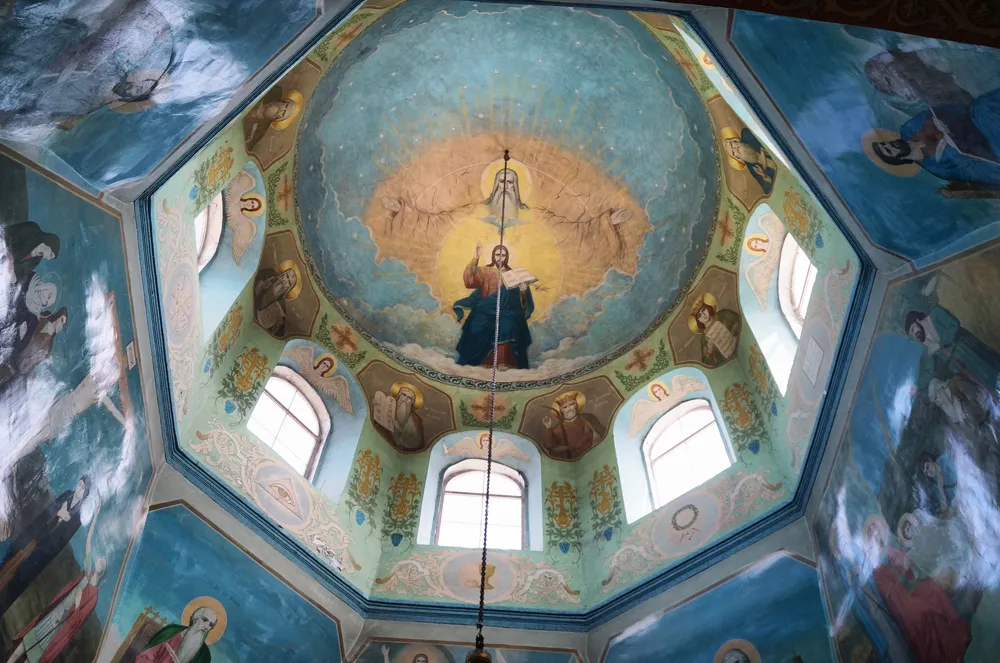
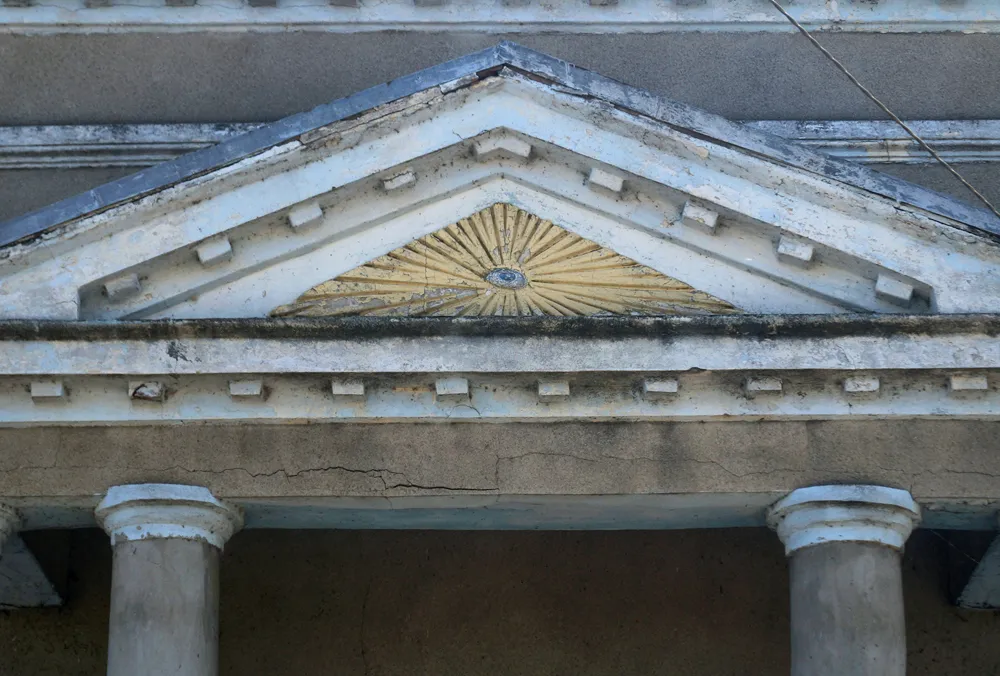
The main landmark of the village is the St. Nicholas Church, built in 1810 in the Classical style. In the Soviet period, somewhere in the 1960s, they wanted to plant explosives and destroy the church, but the local residents did not allow it, saving their shrine.
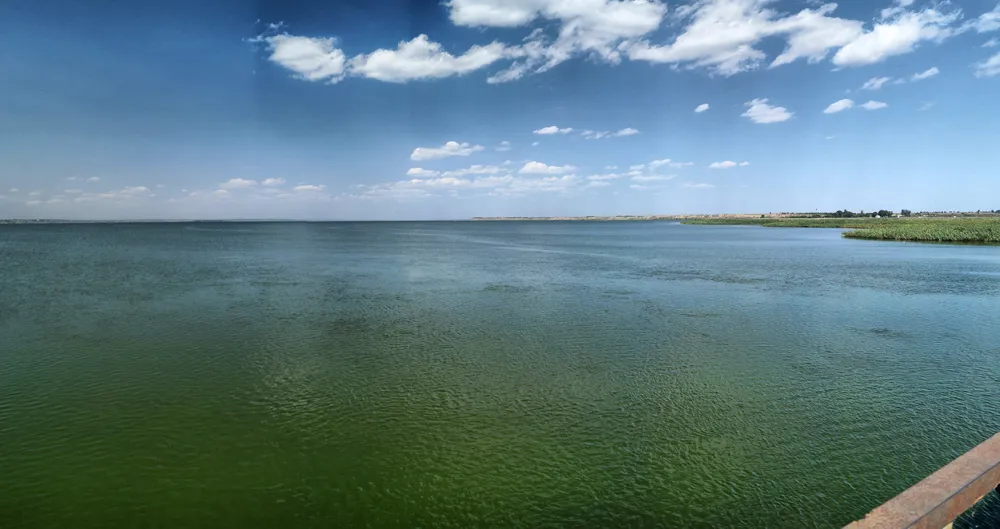
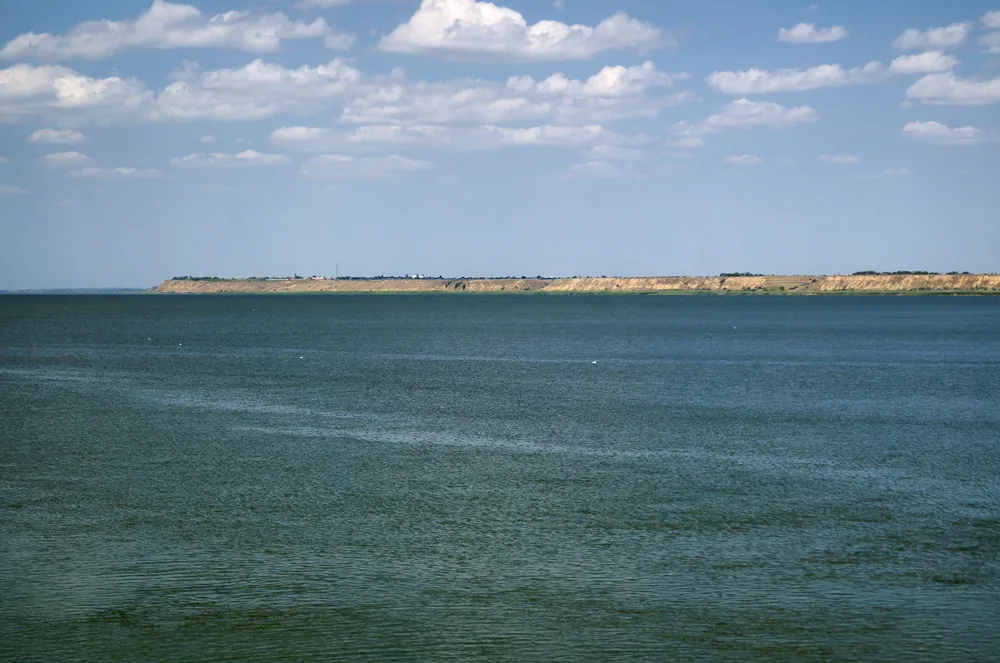
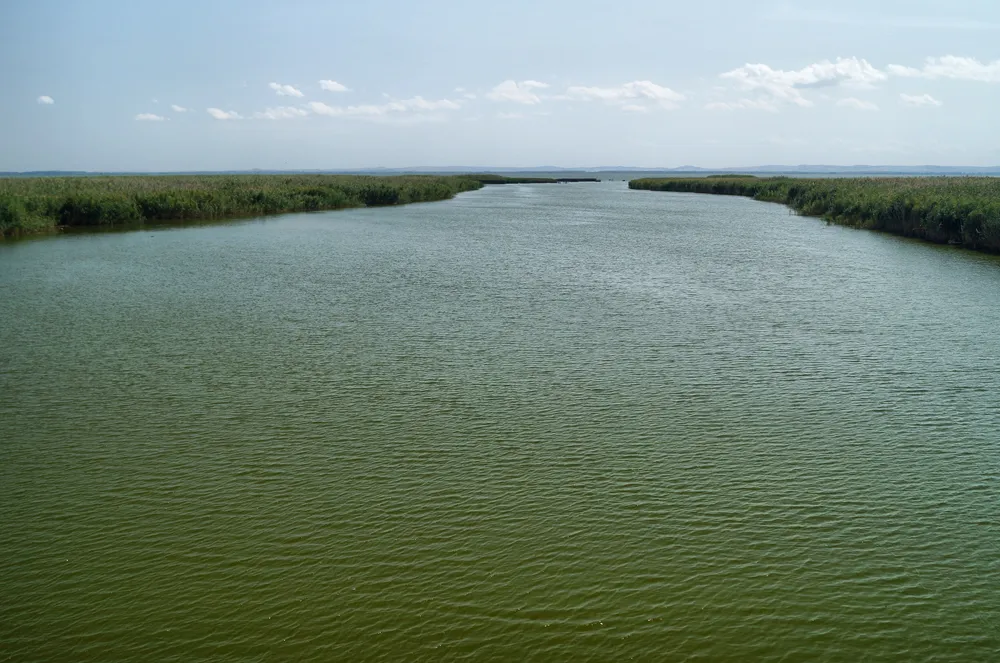
The village of Novosilske lies between the large Danube lakes Yalpuh, Cahul and Kuhurlui. The views here are beautiful and there are a great many anglers. Once, during another Russo-Turkish war, the Russian army, led by Tsar Nicholas I, crossed the river near Satu Nou. The emperor ordered a church to be built in memory of such a momentous event. The crossing took place on the day of St. Ferapont, so the church was dedicated to Ferapont. But that church has not survived to our time — what became of it and who destroyed it, I do not know. Yet Ukrainian internet resources often call the Novosilske St. Nicholas Church the Ferapont church. That is not true.
Text and photos by Roman Malenkov.
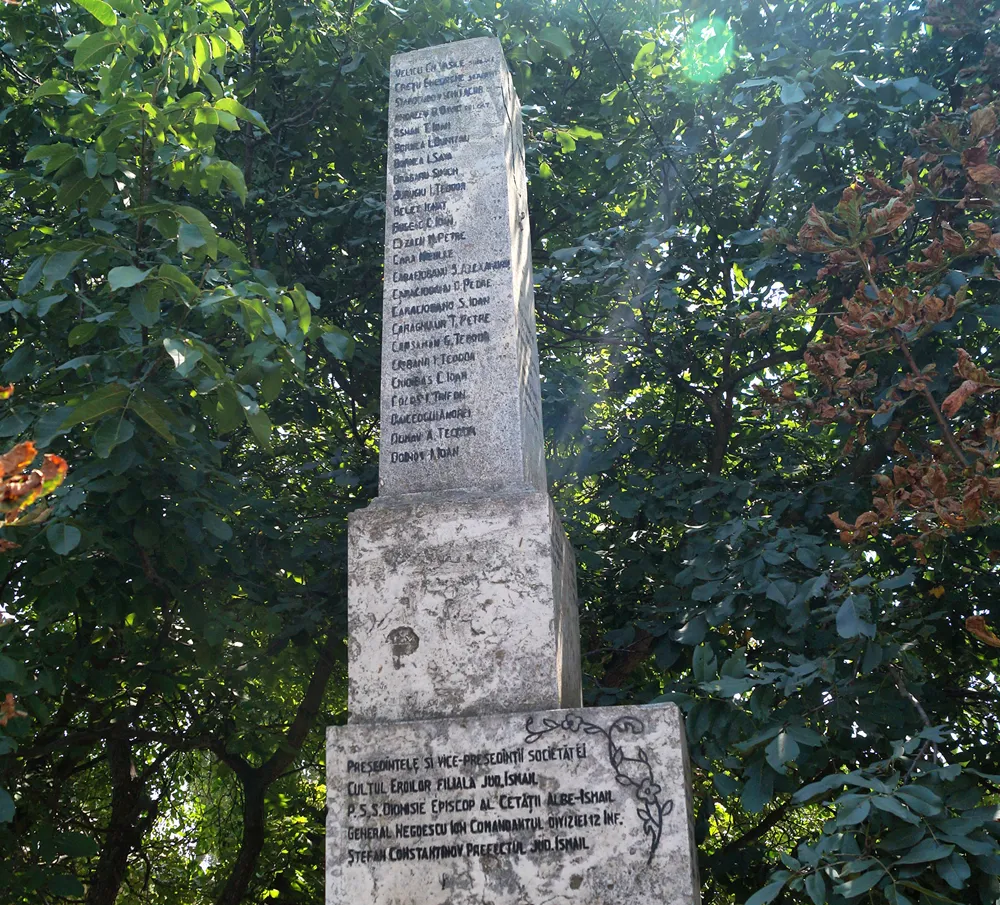
The last photo shows a monument to fellow villagers who died in the First World War.