Kremenchuk

· 4 min read
In the past I knew this city thanks to two things – the KrAZ truck and the football team Kremin. The team was far from the strongest, but it played for six years in the Top League of Ukrainian football. As for KrAZ – it is awesome; as a child I was fascinated by this giant, military, with big wheels. And I knew nothing else about Kremenchuk. Later I learned that it is a big city, though not a regional centre – it has over two hundred thousand inhabitants and a whole heap of large factories and plants. And I also remembered Ilf and Petrov, who made Kremenchuk the hometown of Ostap Bender’s childhood.
Taras Shevchenko once wrote down in his notes, after visiting Kremenchuk, a folk song:
A pike swims from Kremenchuk,
Swims along quietly,
Whoever does not know love
Does not know sorrow.
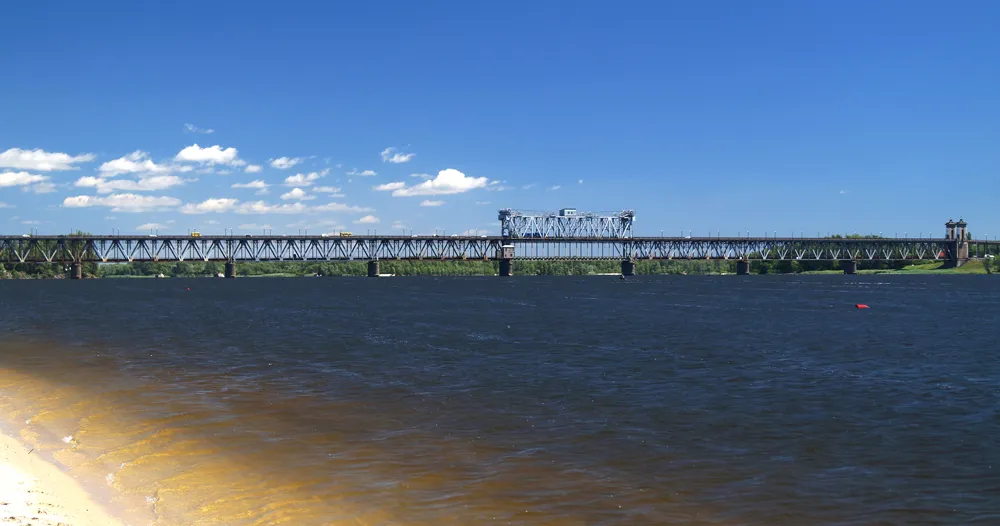
There are more verses, but one is enough to understand – there is a lot of fish in Kremenchuk, because the Dnipro is here. Whether there are many pike in particular I do not know, but a monument to the song’s heroine has been put up. Upstream of the city on the Dnipro stands the dam of the Kremenchuk Reservoir, and in the city itself there is a unique two-tier road-and-rail bridge. It was built in 1870 to a unique design by the famous engineer Amand Struve. The Germans blew up the bridge during their retreat, but in the postwar period it was restored on the old stone piers. This bridge is now considered one of the main landmarks of Kremenchuk. It is called the Kriukiv bridge, because it connected two towns – Kremenchuk and Kriukiv. Now it is one.
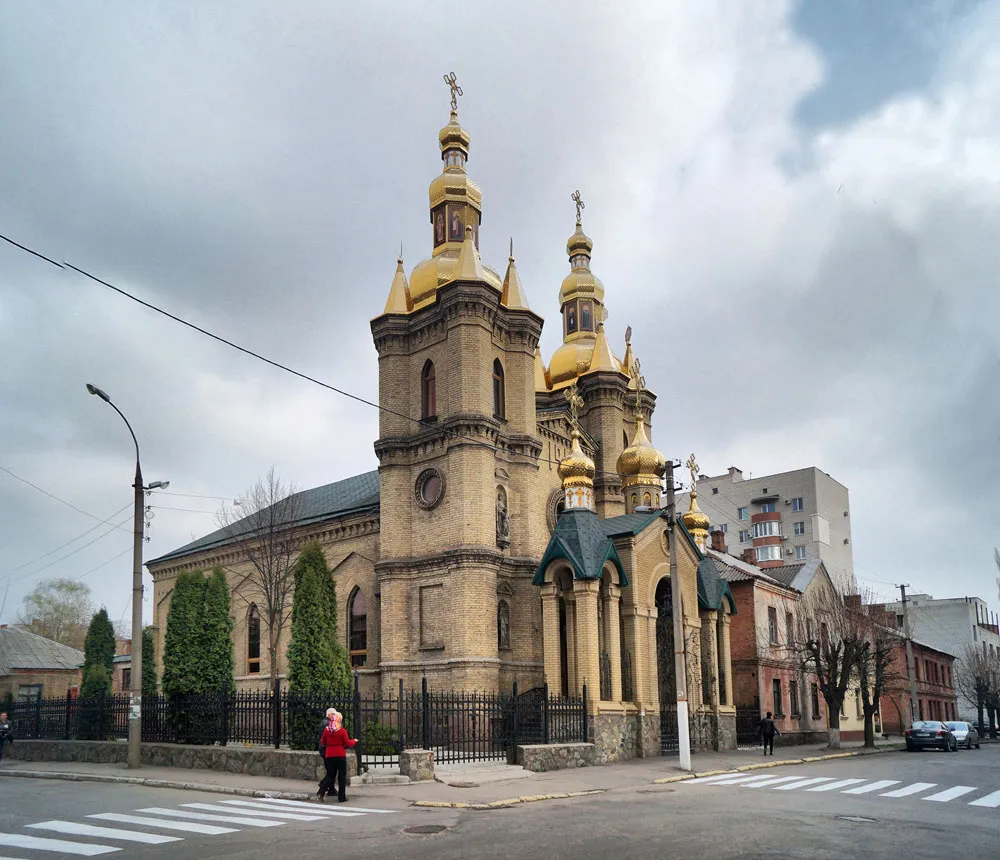
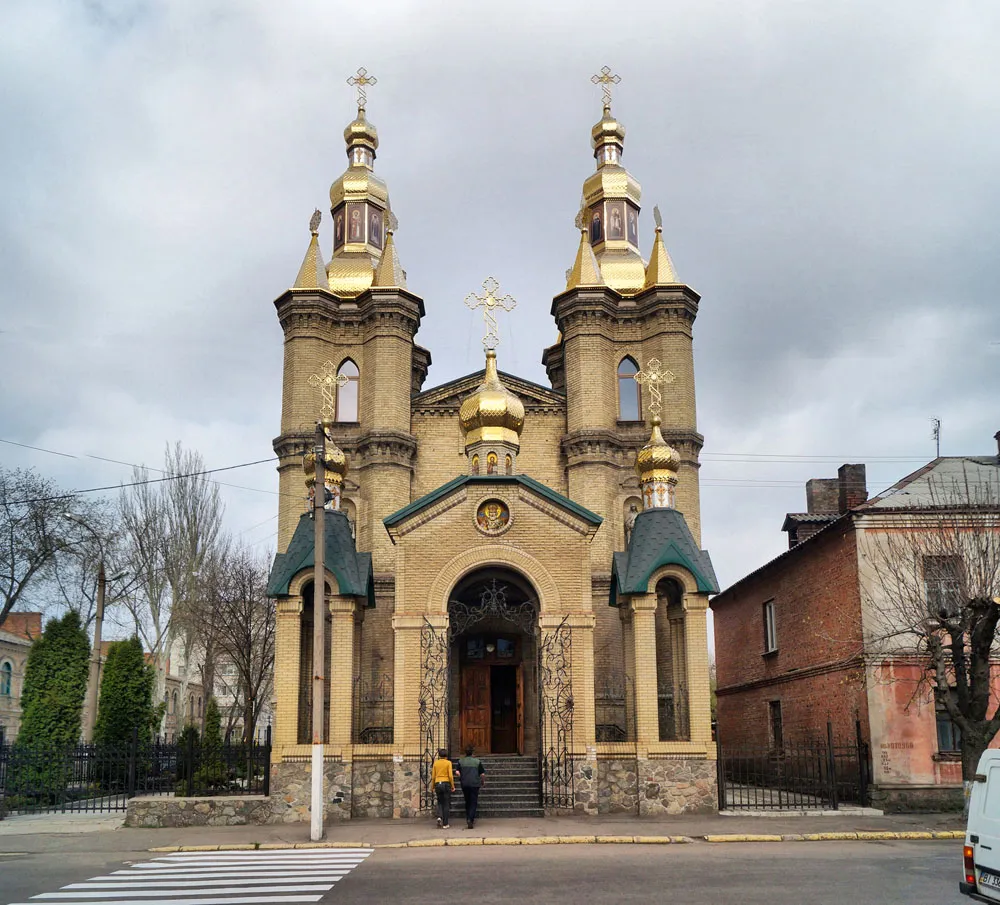
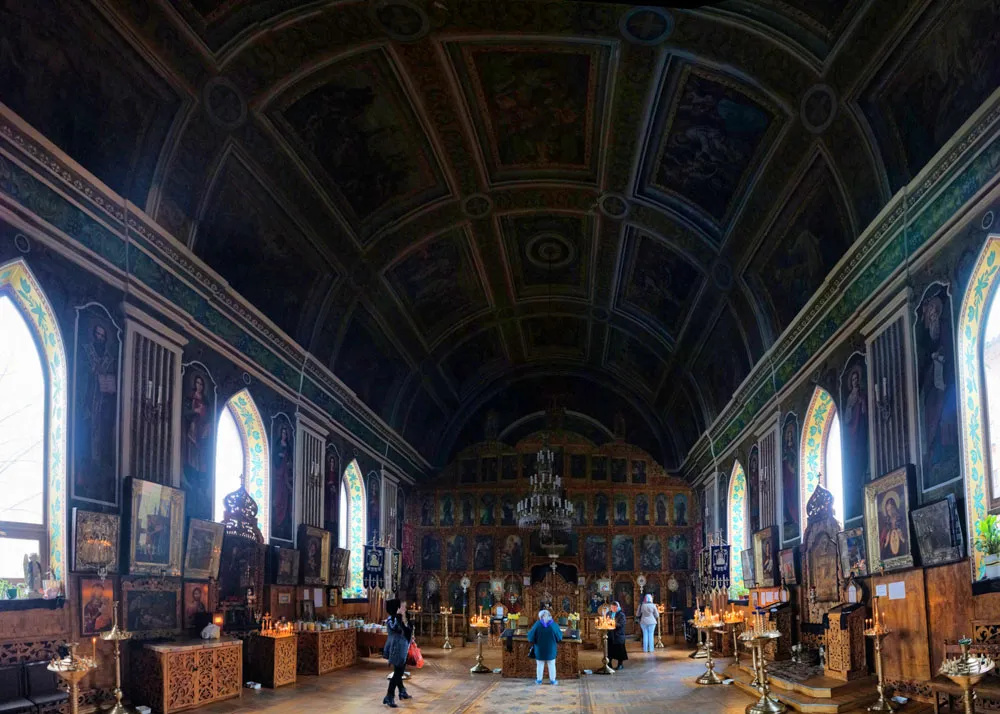
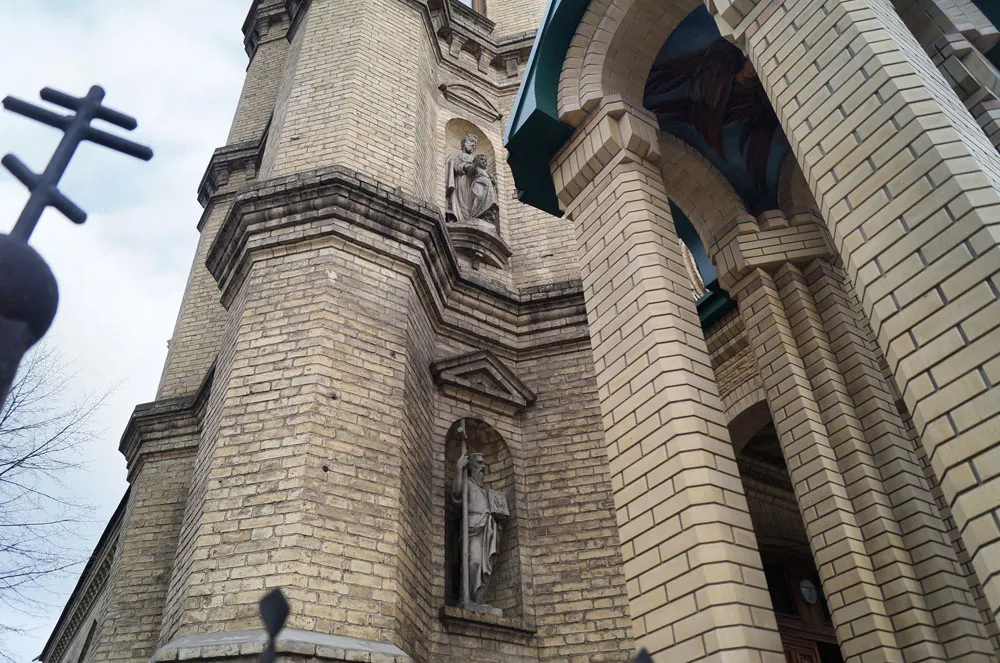
St. Nicholas Church (a former Roman Catholic church)
Kriukiv was earlier called Kurukiv, then in the 18th century Krukiv, and in the 19th century it became Kriukov – this is when the Russians changed the name to one more euphonious to their ear. In 1625 the Kurukiv Treaty was concluded near this settlement, although the settlement itself is first found in written documents in 1646.
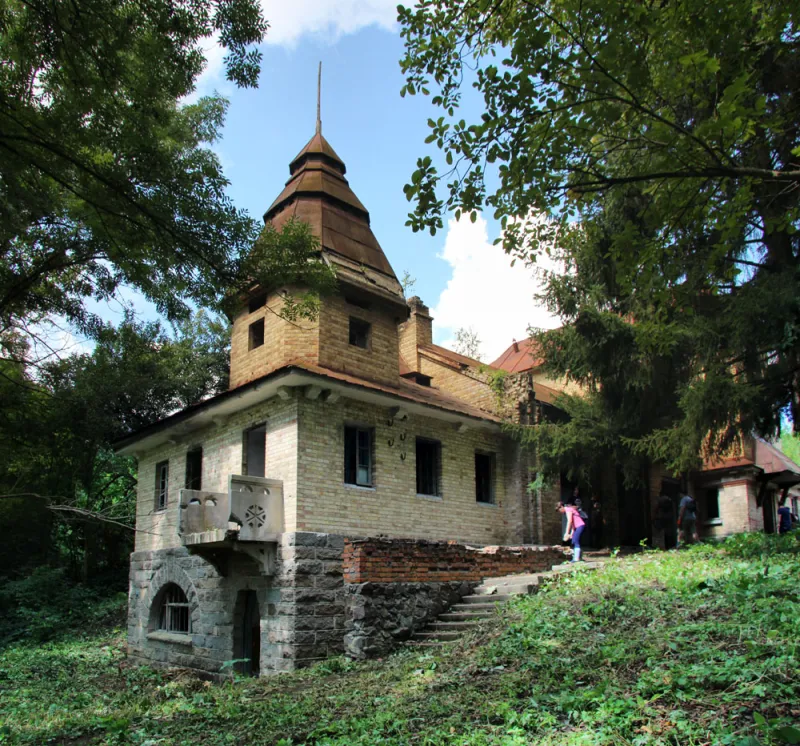
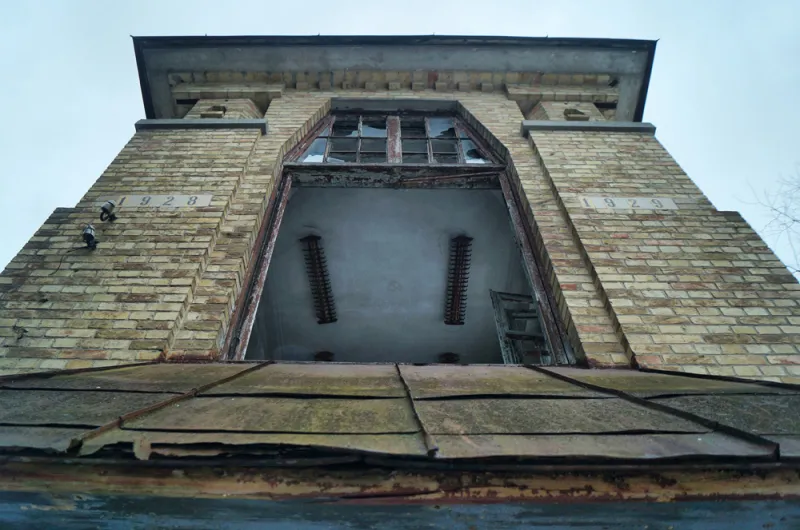
In 1817 Krukiv was annexed to Kremenchuk and became the right-bank part of the city, but it developed quite autonomously – it held its own bazaars and many merchants lived here. Some of the merchants’ houses have survived to our time. And the main landmark of Kriukiv is the Kotlov Club – the largest building erected in the Ukrainian Art Nouveau style. It was built for the railcar repair workshops in 1927–1927. The design was made by the architect Fedir Mazulenko.
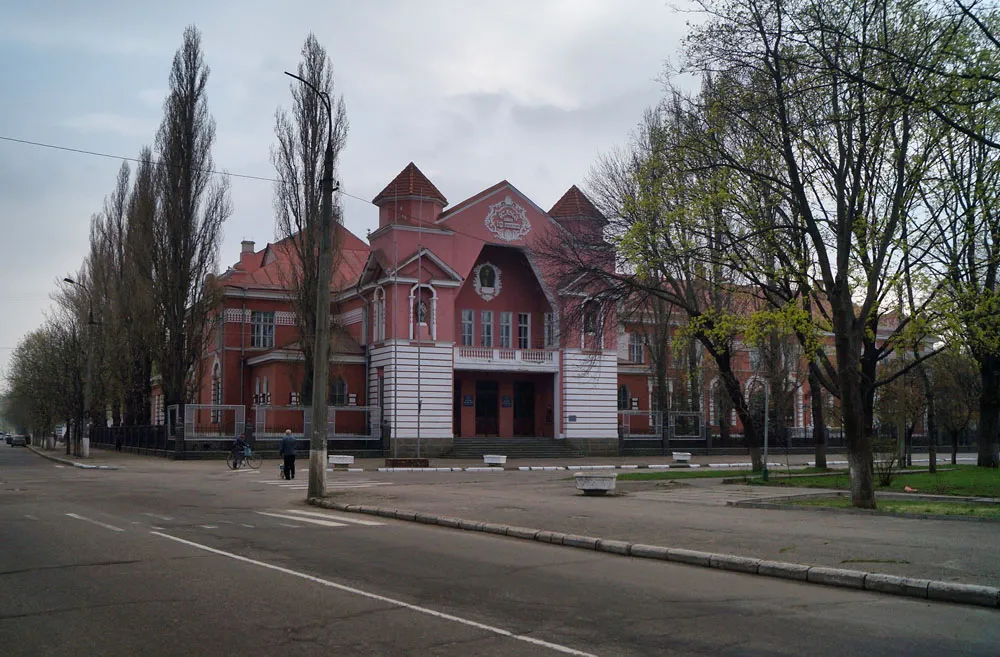
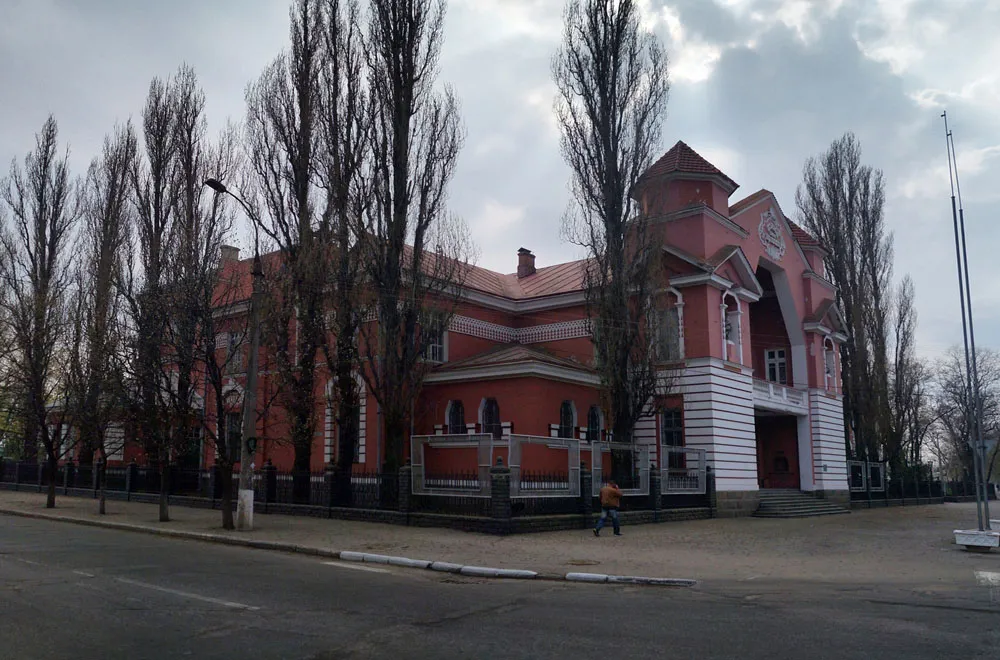
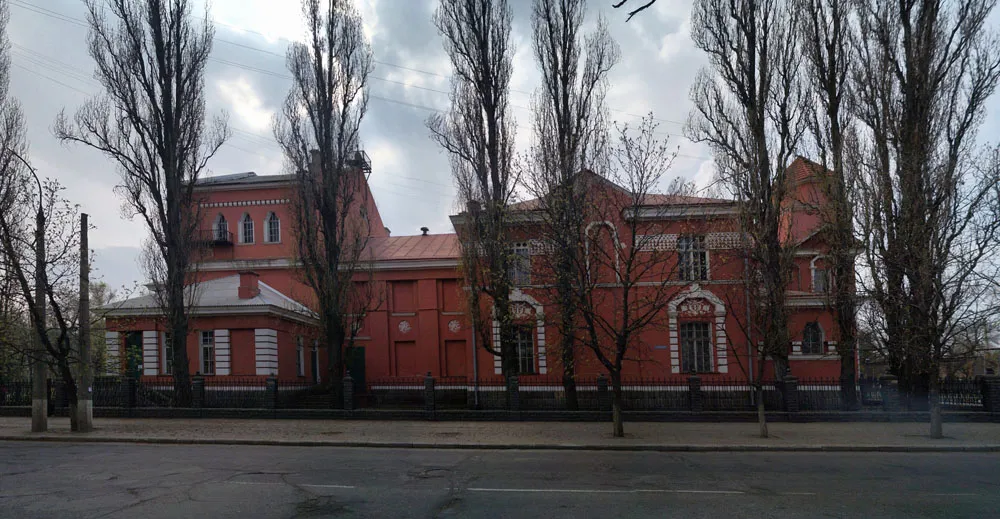
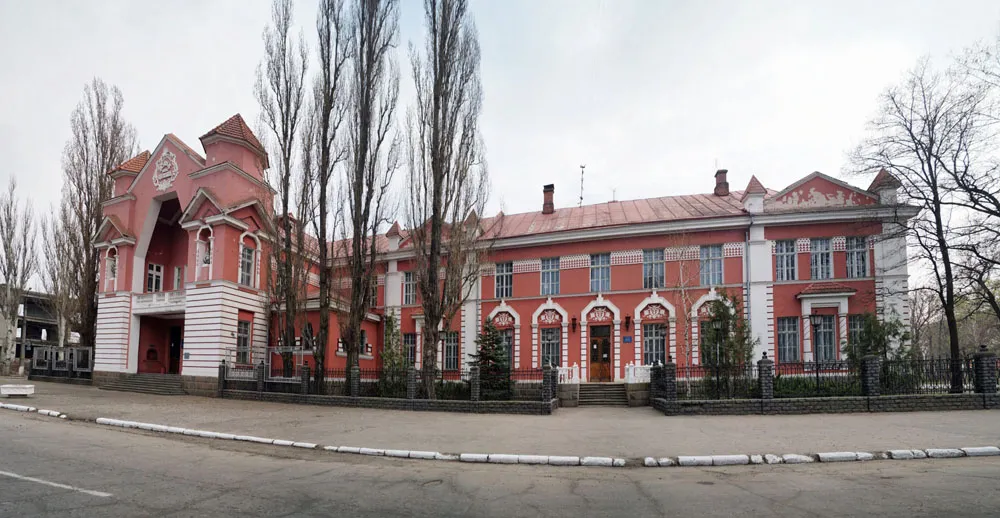
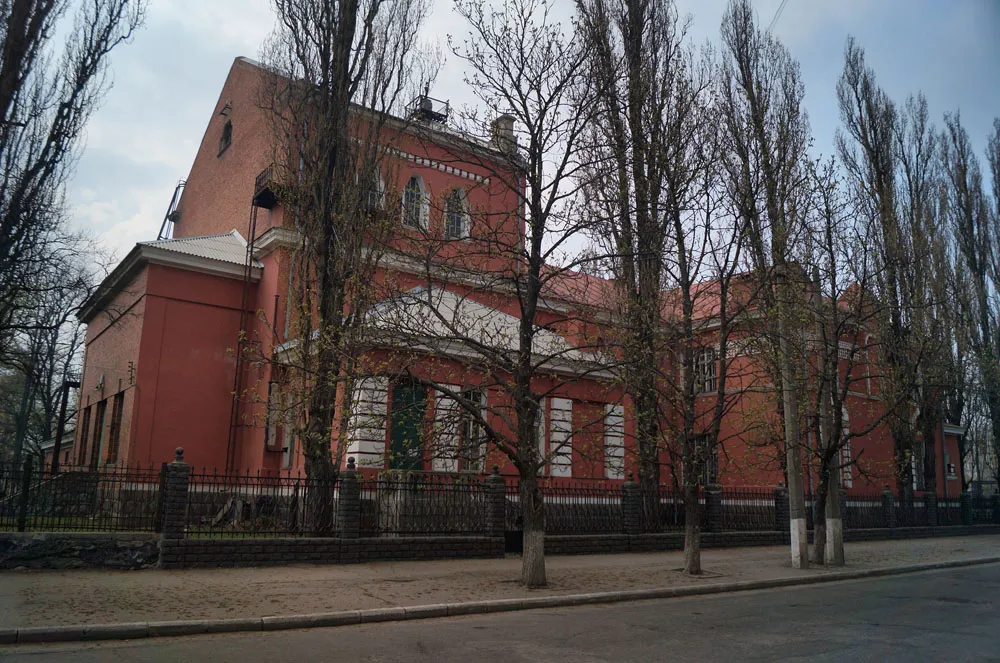
The Kotlov Club – the largest building erected in the Ukrainian Art Nouveau style
The city of Kremenchuk is first mentioned in 1550 as a crossing on the Dnipro – Kermenchyk. The name is of Turkic origin and means “small fortress”. Although officially the founding of Kremenchuk is dated to 1571, when the Poles, under the leadership of Joachim Bielski, built a fortress here that was meant to block the Cossacks’ way to the Zaporozhian Sich.
In 1635 the plan of the Kremenchuk fortress was drawn by Beauplan, and in 1638 it was captured by the insurgent army of Yakiv Ostrianyn and Dmytro Hunia.
In 1649 Kremenchuk became the centre of a sotnia of the Chyhyryn Regiment, and in 1661 the centre of its own regiment. But in 1663 the city was taken by storm by the troops of Ivan Briukhovetskyi, and it fell into decline.
In 1774 the Novorossiya Governorate was created. Kremenchuk became its centre and began to develop as an industrial city. A foundry, an arms factory, a saltpetre works, a shipyard and several factories were established here.
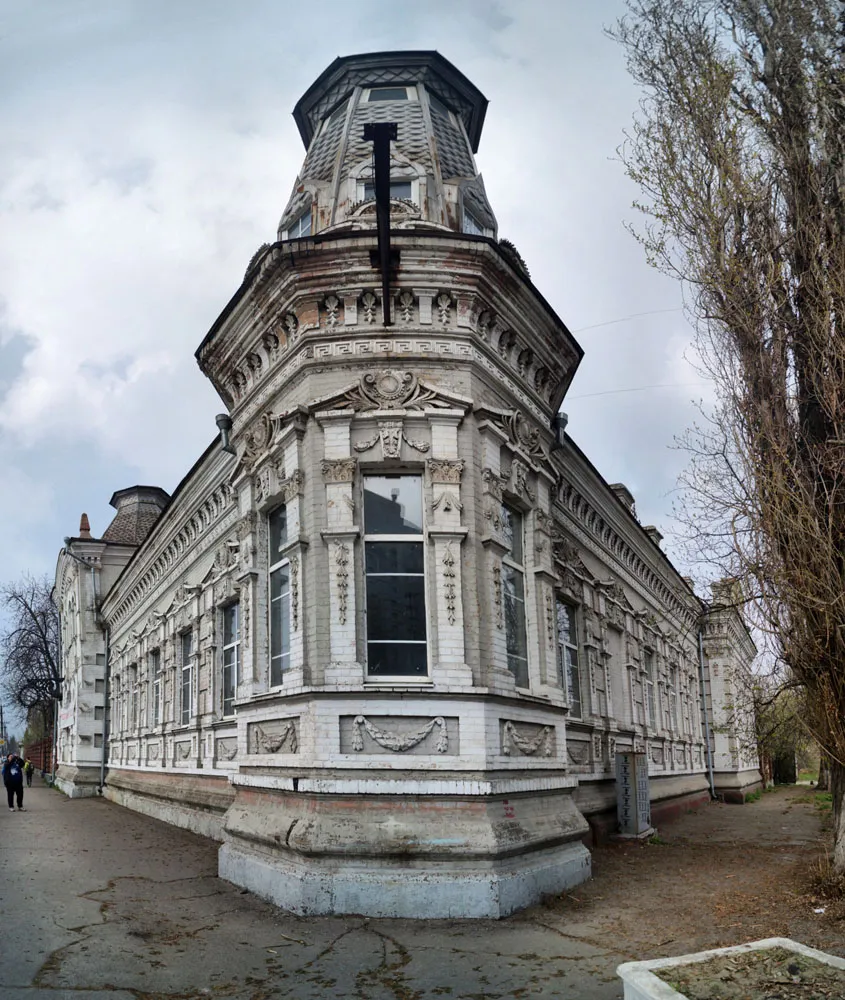
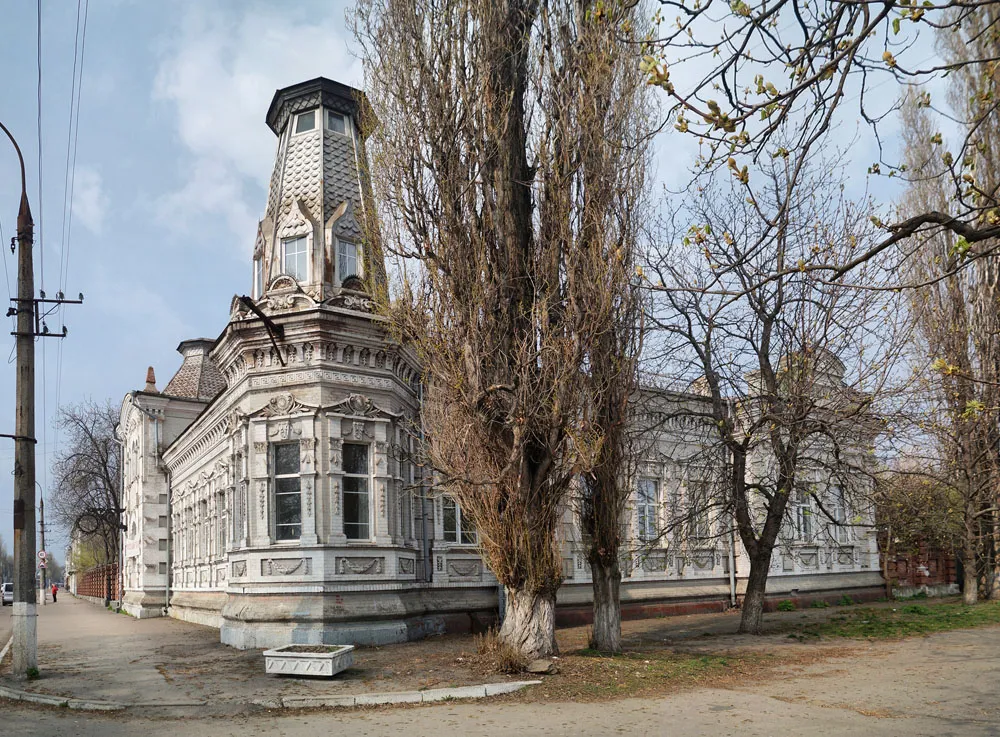
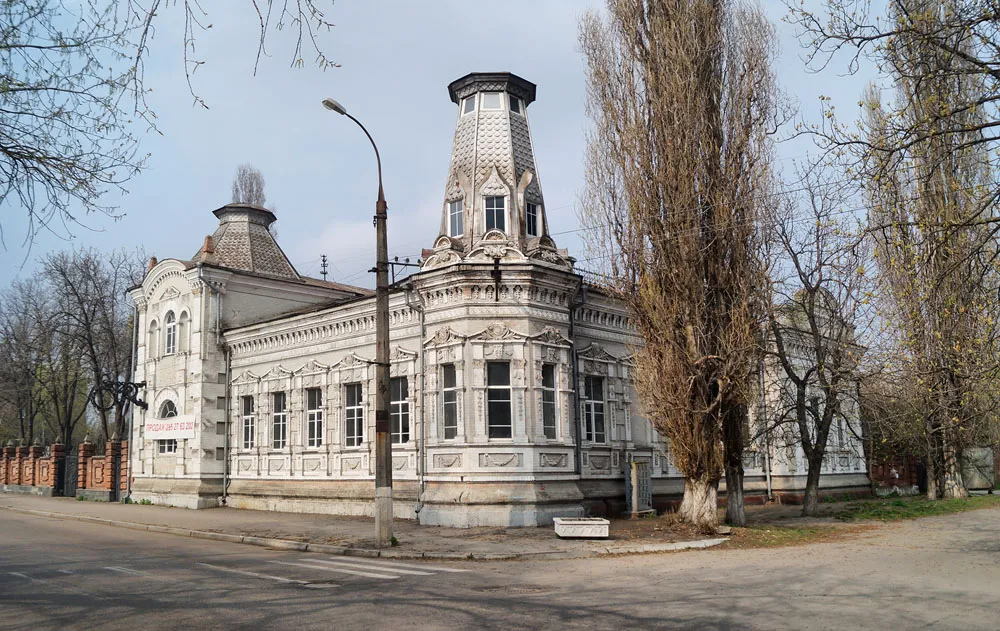
The house of the merchant Churkin
At the end of the 18th century Kremenchuk became the centre of a county in the Poltava Governorate. It continued to develop and was the main centre of industry and trade in the governorate. Paved streets and churches appeared in the city, but most of the buildings were destroyed in 1941 during massive bombing of the city. Even so, old buildings are still plentiful in the city today – former colleges and gymnasiums, luxurious merchants’ houses – and the main landmark of the city is the House for Observing Ship Traffic on the Dnipro, built in 1787.
Personally I really like the former Roman Catholic church, built in 1910 in the Neo-Gothic style. Today the building houses the St. Nicholas Church of the OCU.
The architectural monuments of local significance in Kremenchuk include quite a few buildings erected in the 1950s. These are truly beautiful buildings – models of Soviet architecture.
Text and photos by Roman Malenkov.