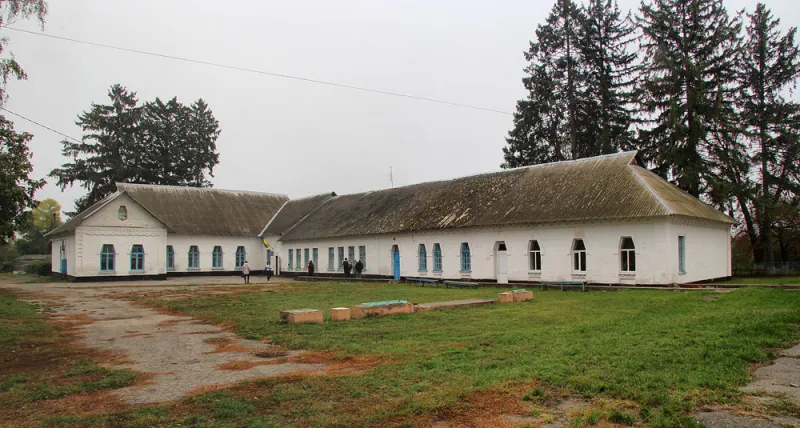
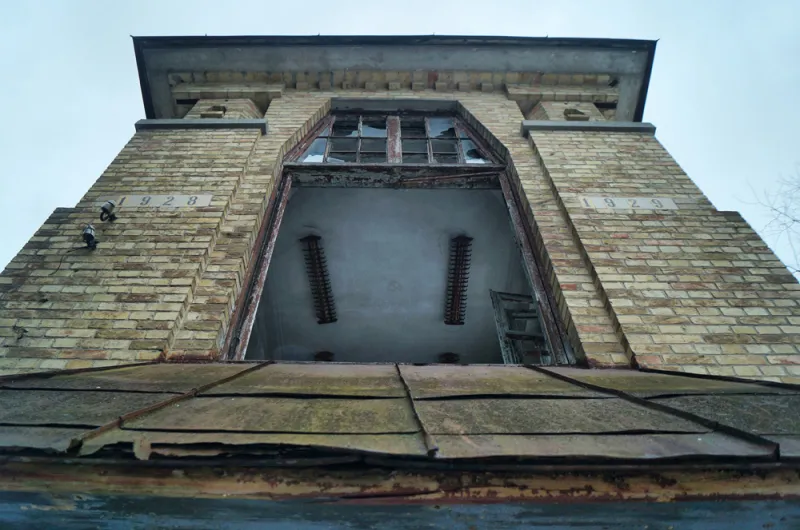
Opishnia. Capital of pottery

· 4 min read
Opishnia is the best-known pottery settlement in Ukraine. Even the name of the town comes from the word “opoka”, a kind of clay rock used in pottery. Although there is a version that the name comes from the word “opishytysia”, to dismount from a horse for a rest. Who knows. Local residents say Opishne, and Opishnia is already a Soviet adapted word.
In Russian it is generally Oposhnia; how they love to distort geographical names.
The products of the Opishne potters are known all over the world, and have been for a long time. At the end of the 19th century more than half of the potters of the Poltava region lived in Opishne, and there were times when ceramic wares by potters were almost the only crockery in every home. Pots, jugs, bowls, mugs: everything was made of clay. In Opishne every third family was engaged in pottery. So they write, though personally I wonder why the other two thirds of families did not do pottery, since the sales market was so well established that buyers came to the bazaar in Opishne from almost all of Ukraine, while the Opishne people themselves took their wares to many bazaars of the Poltava region. Of course, it is clear that a town must have various craftsmen: carpenters, coopers, blacksmiths, tailors, cobblers. And there were also many carters: pots had to be transported, and this work was not simple, for you could break somebody else’s pots…
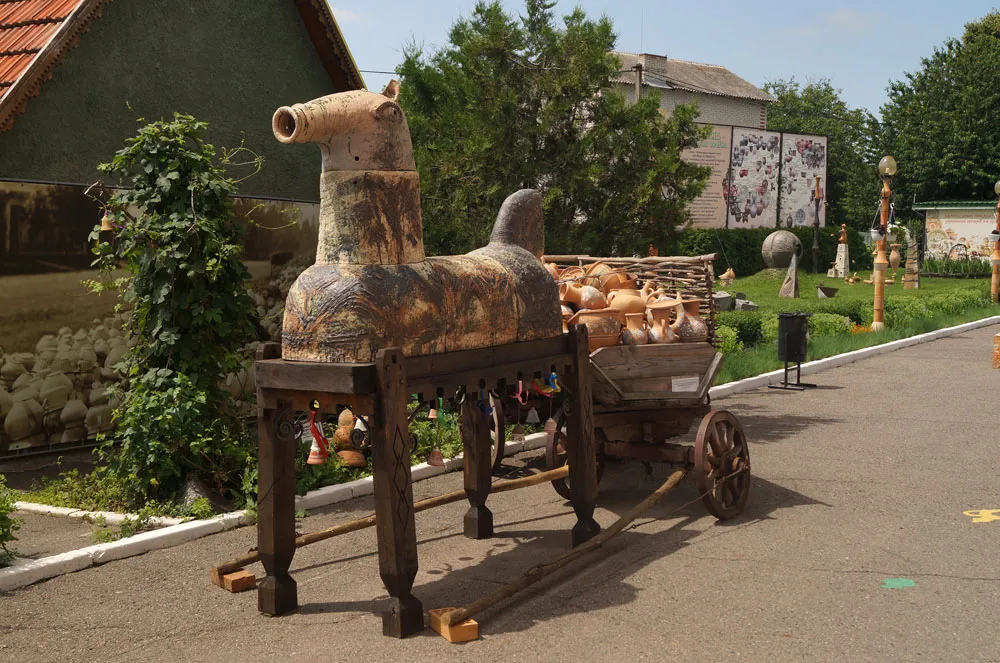
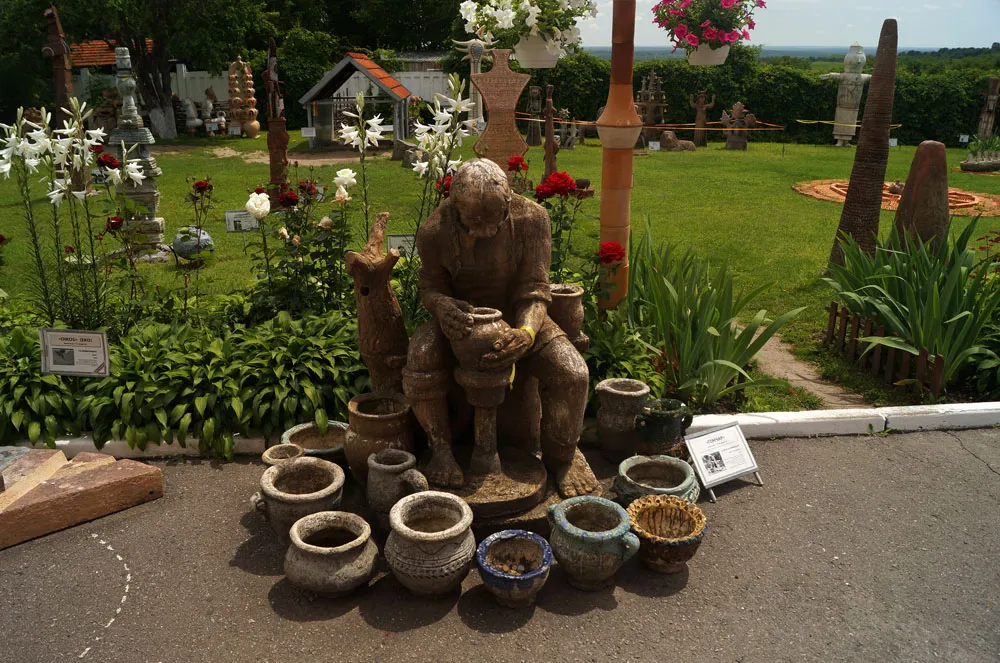
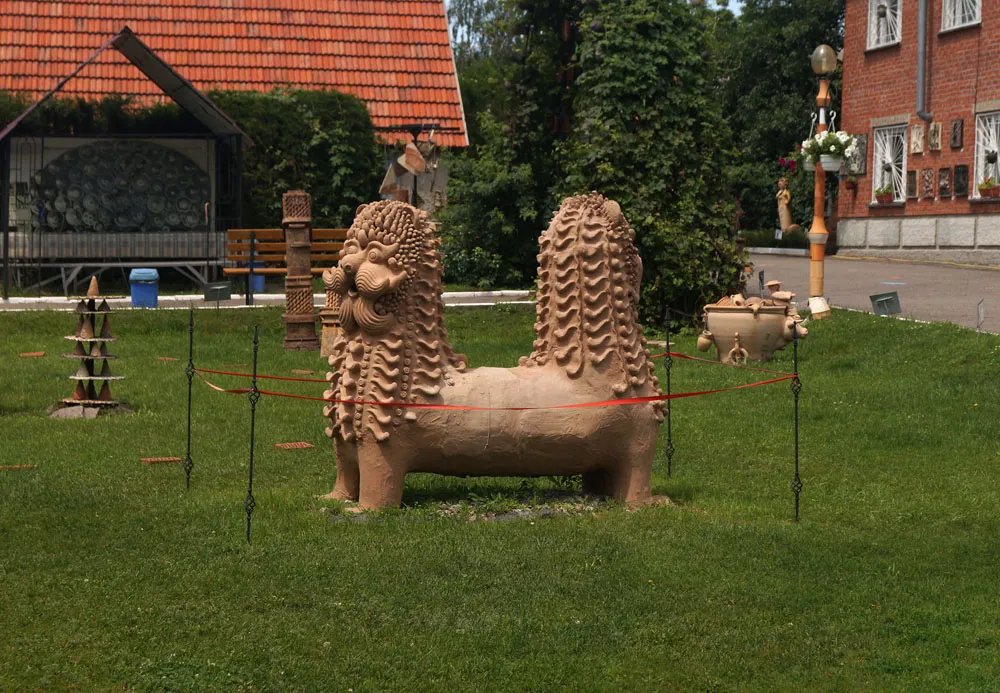
At the end of the 19th century 1,218 households in Opishne were engaged in pottery. Such a wide spread of a complex and creative craft was probably helped not only by deposits of pottery clay (there were plenty of them across the Dnipro region generally) but also by the social composition of Opishne’s population: they were mostly Cossacks, who in the 18th century had three companies of their own, and in the 19th preserved the traditional Cossack order and estate. Accordingly, the Cossacks were never enserfed and were free to choose a profession not necessarily connected with agriculture. A few families began to make pots, and others followed them.
Opishne is one of the oldest settlements in the Poltava region. The first written mention of it dates from the 12th century. Situated on hills, the town was convenient for defence, so several earthen fortifications were built here against nomads.
In Lithuanian times Opishne was already a significant settlement. One of its first known owners was Prince Leksa Hlynskyi, a descendant of the Golden Horde commander Mamai.
At the beginning of the 17th century, by then part of the Polish-Lithuanian Commonwealth, Opishne received Magdeburg Law. Then came the Khmelnytskyi era, the Ruin and Muscovite rule.
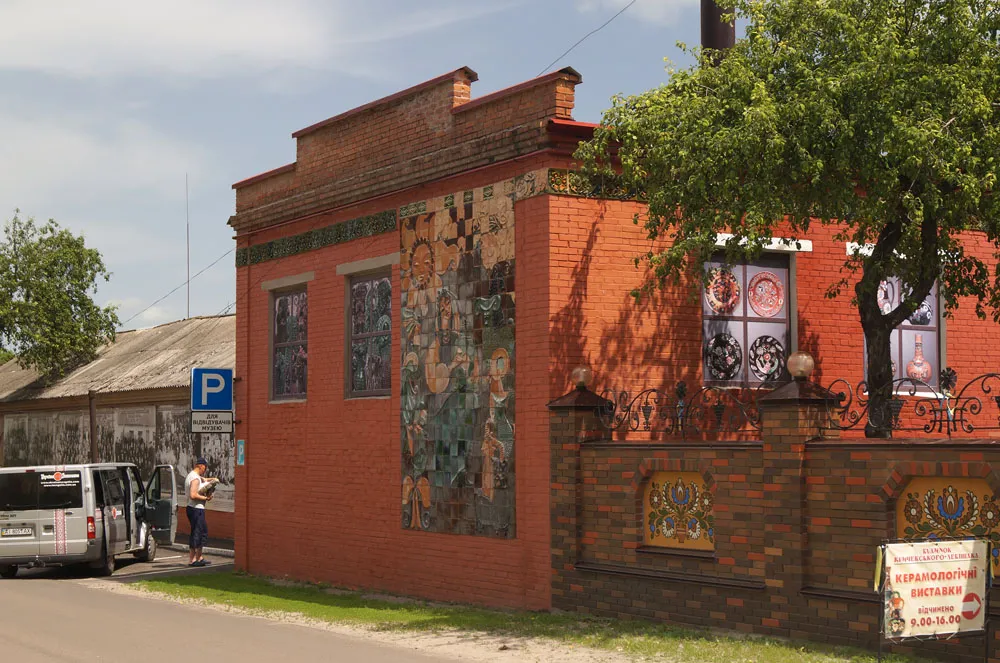
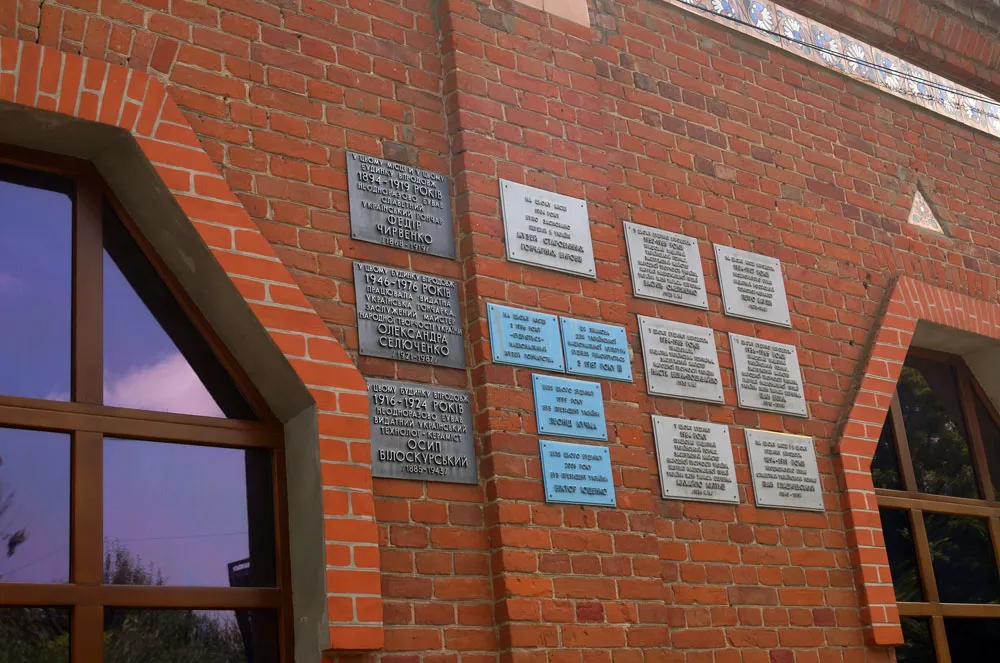
In the 20th century the Bolsheviks came to Opishne and the name Opishnia appeared. Fortunately, the people of Opishne did not abandon pottery, even though they felt the Soviet press. Pottery artels were created, the best known of which was called “Khudozhnii Keramik”. In the post-war period a pottery factory of the same name appeared on the basis of this artel.
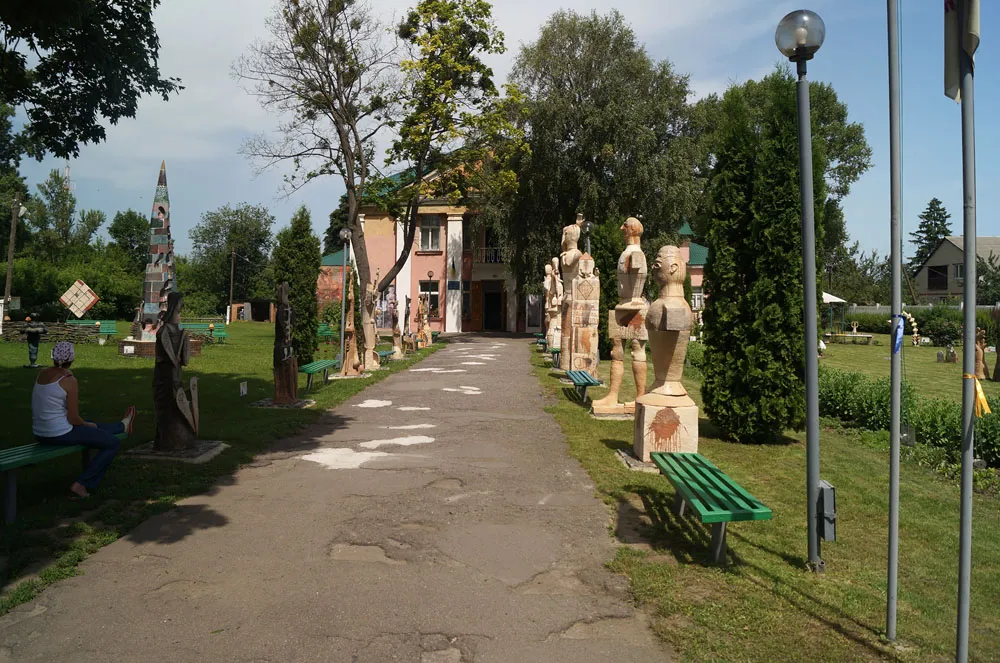
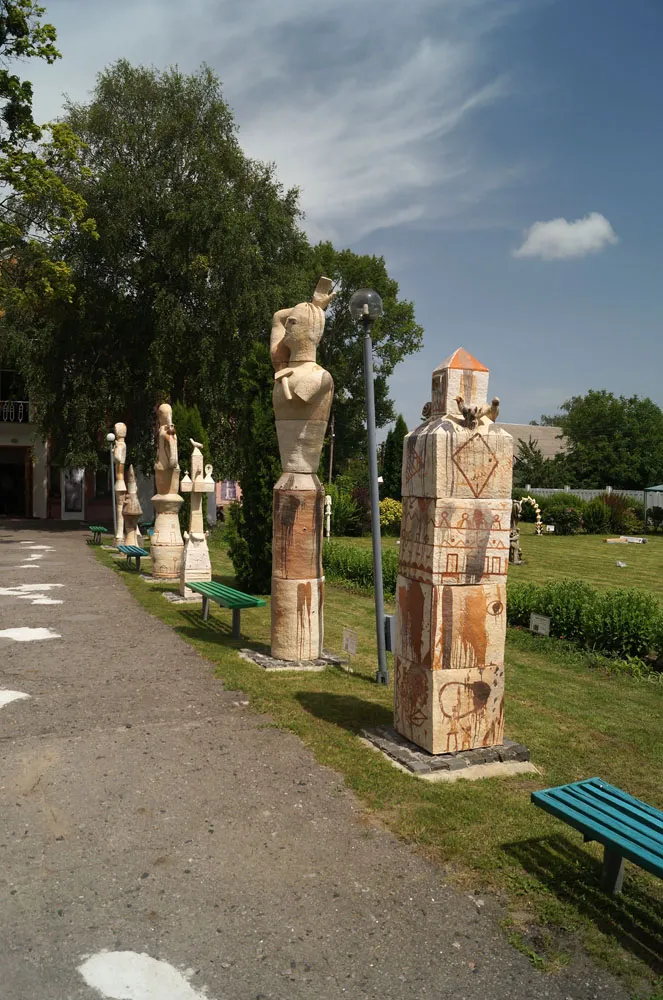
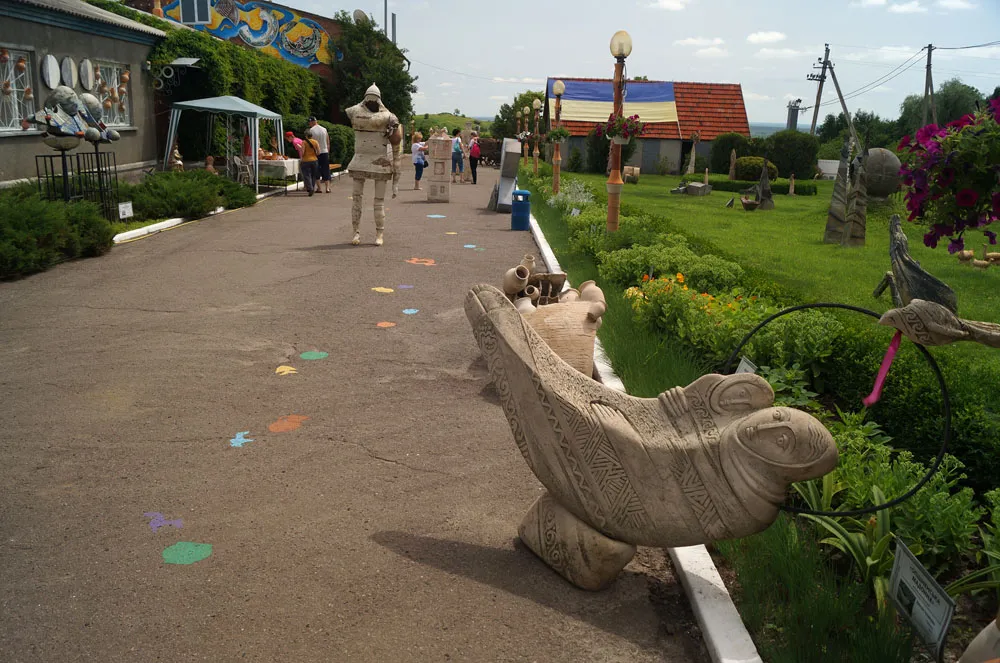
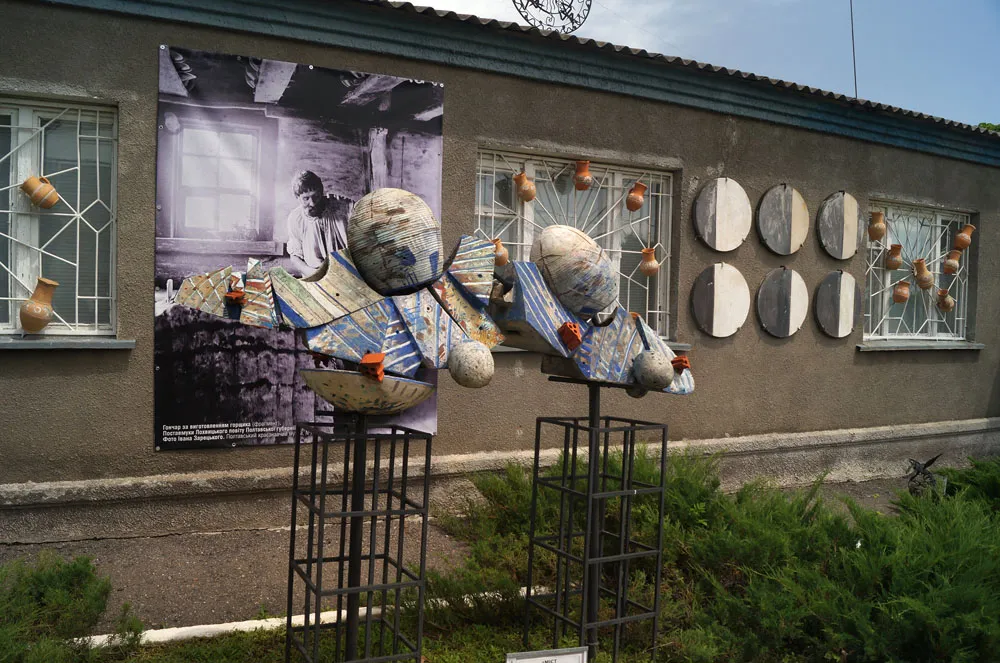
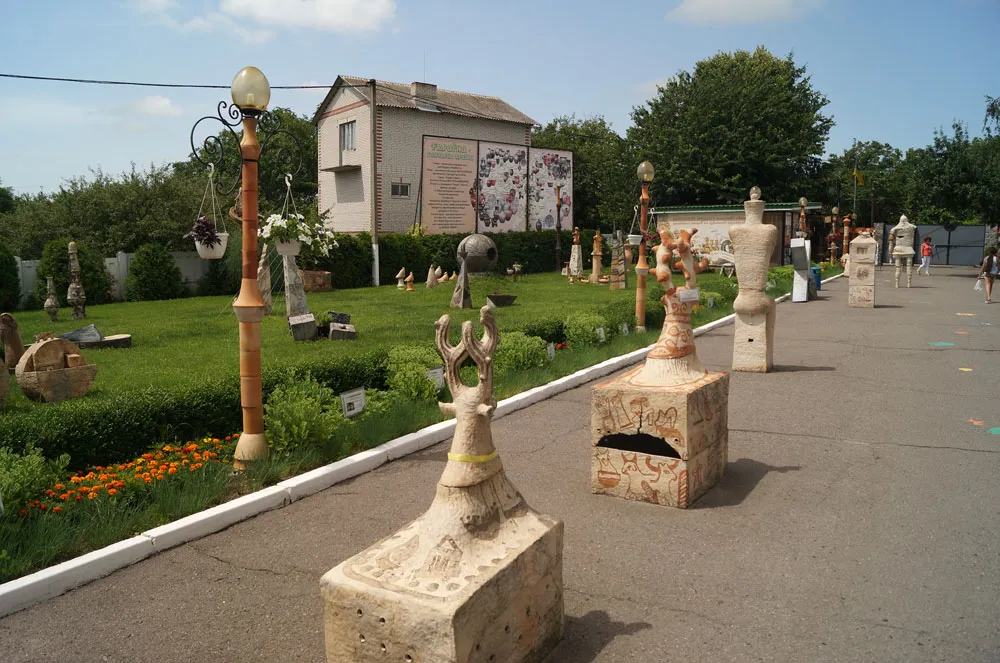
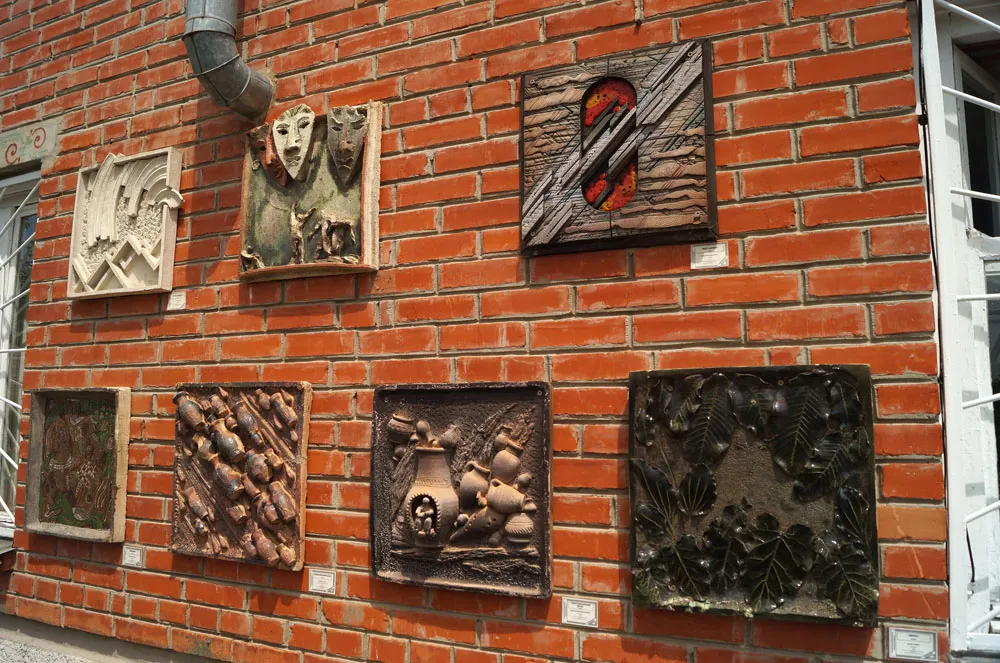
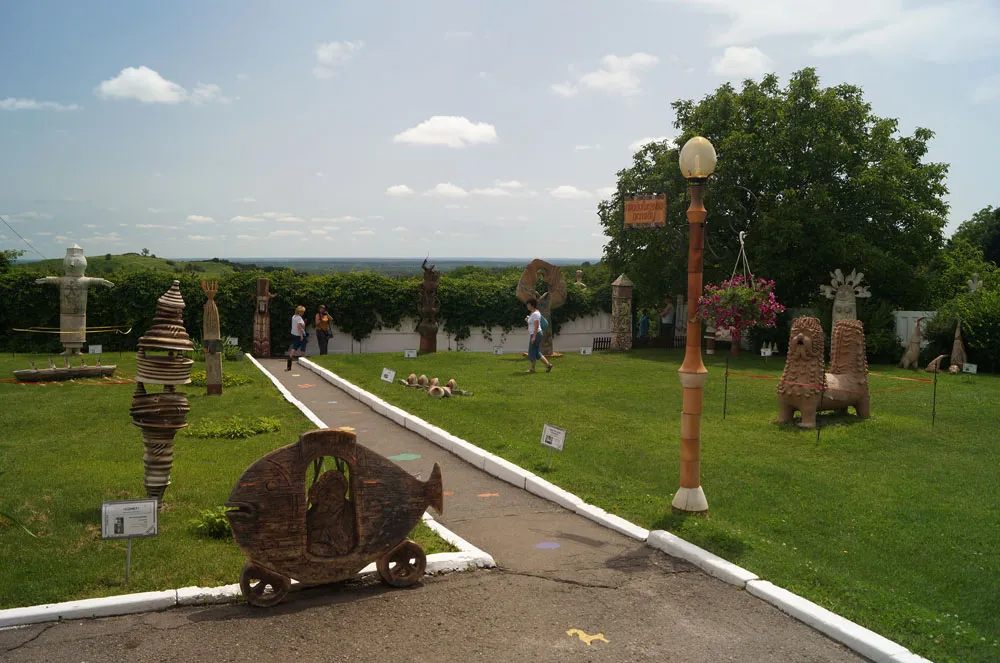
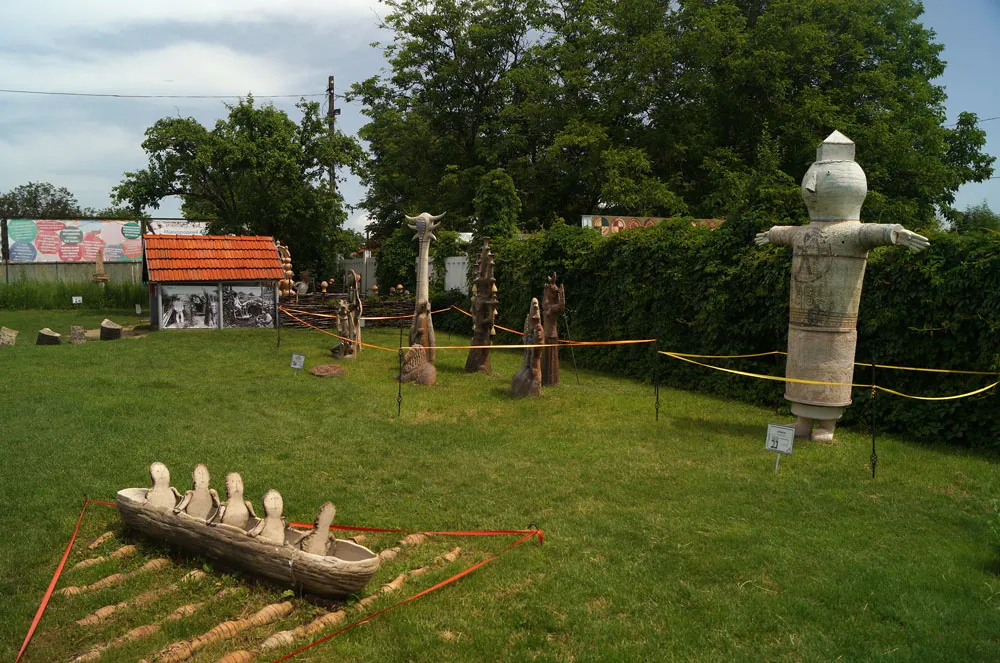
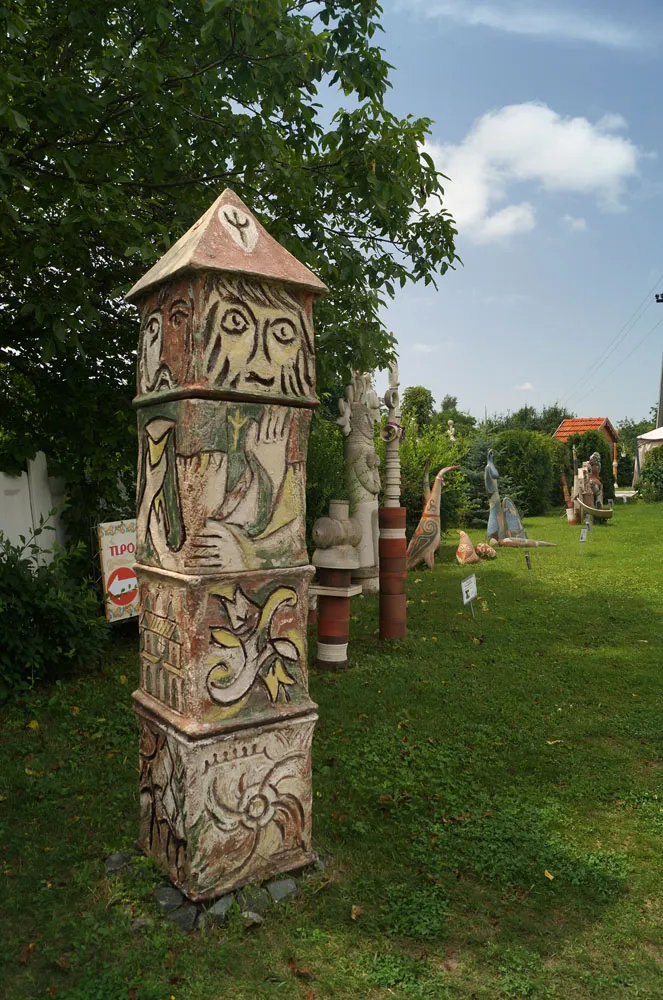
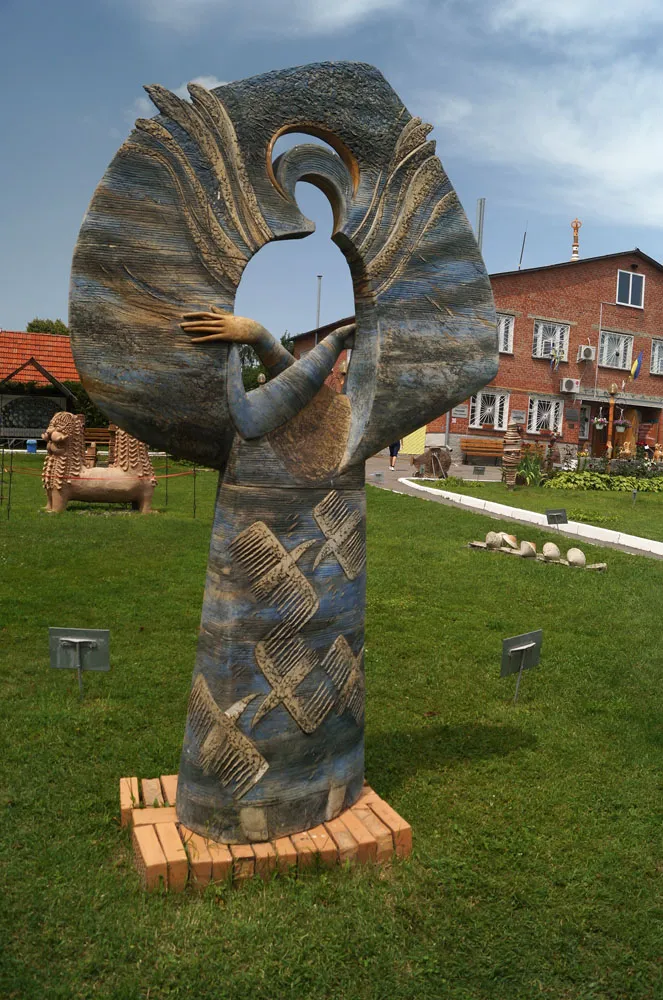
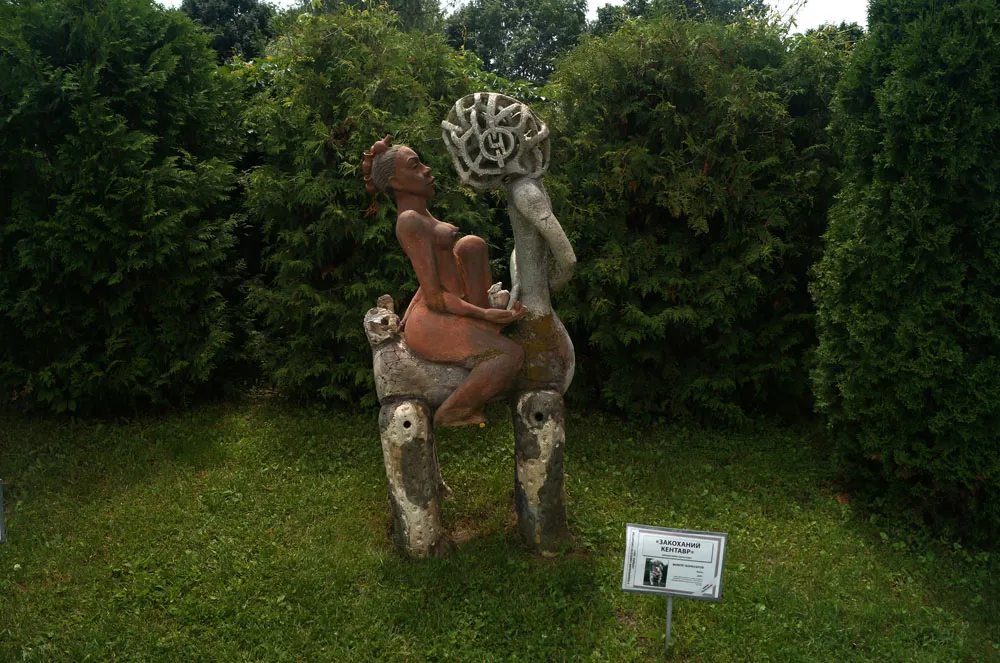
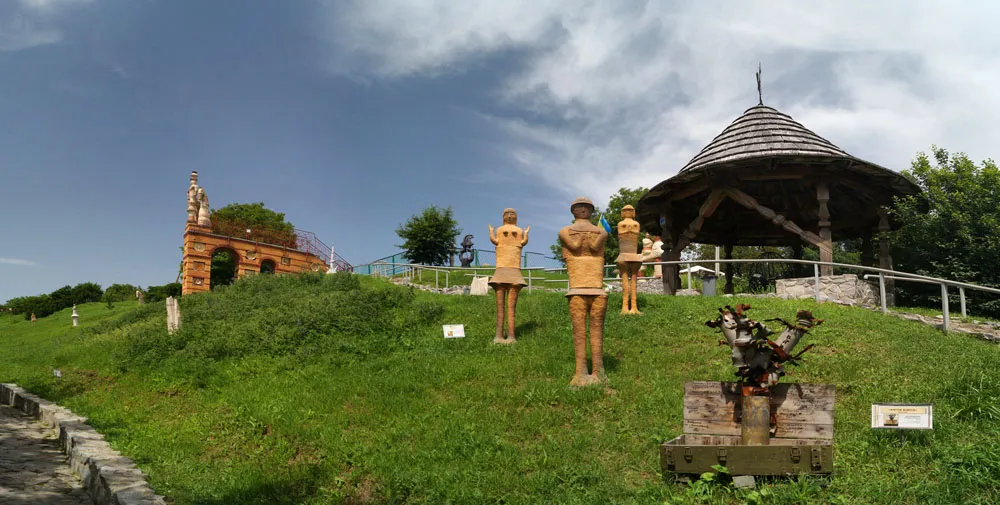
In 1986 the Museum of Pottery was created, and three years later it was transformed into the State Museum-Reserve of Ukrainian Pottery. In 2001 it acquired the status of a National museum. Needless to say, the museum is very interesting, as is the territory around it, with picturesque hills and park decoration. And of course with pottery wares.
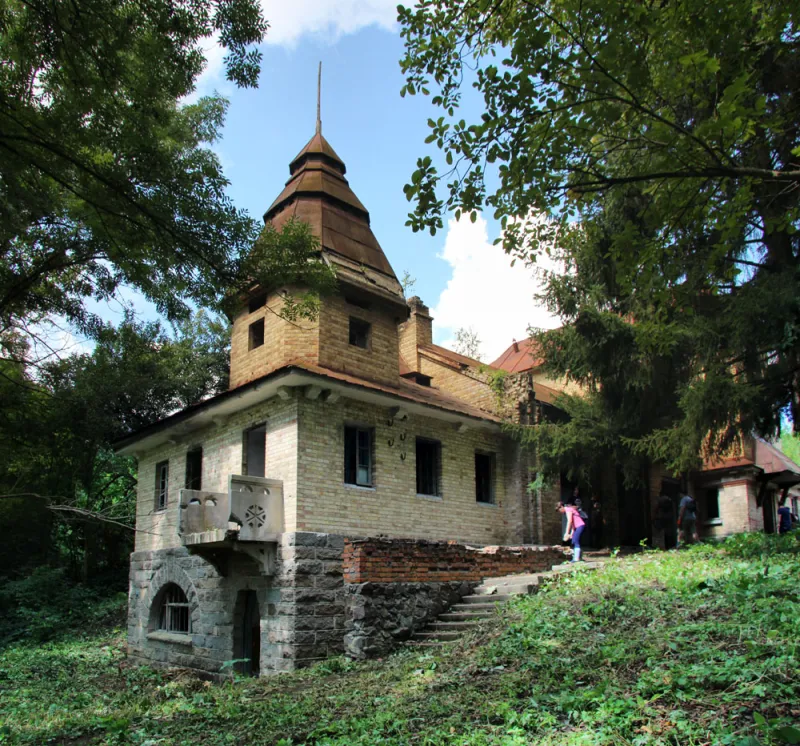
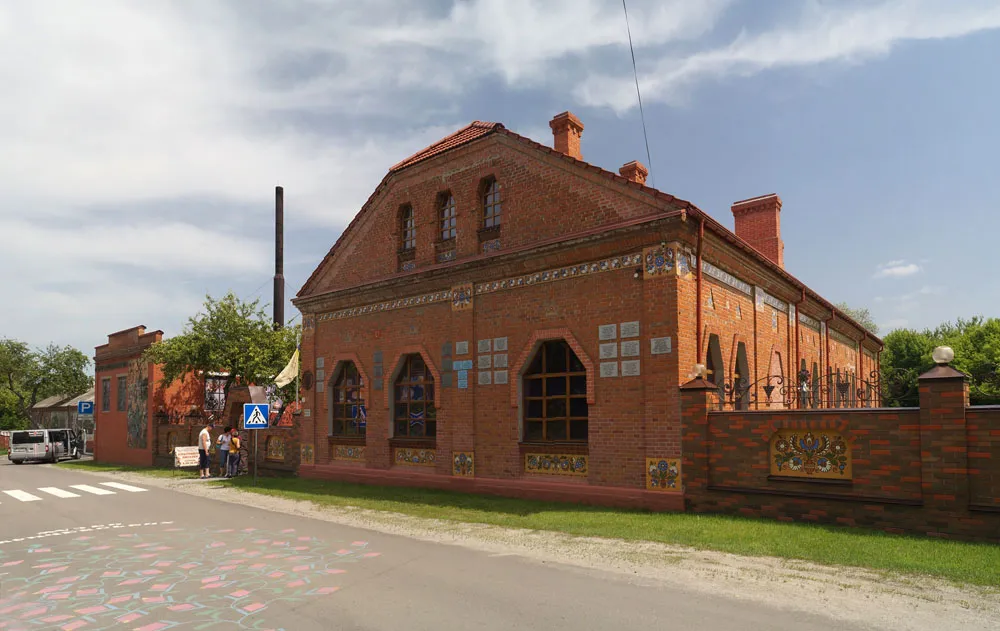
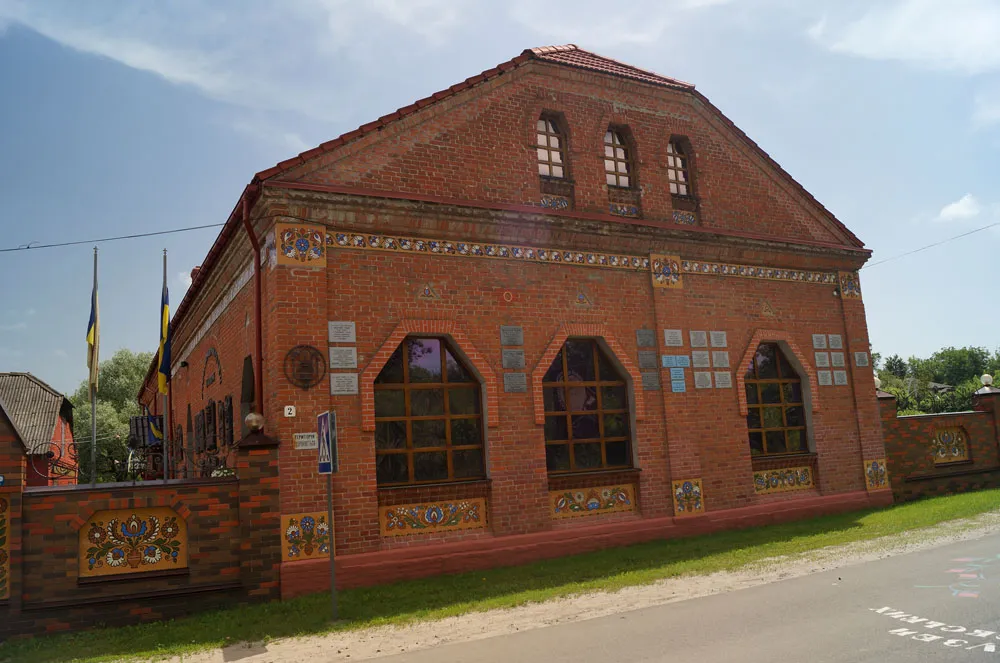
The museum-reserve includes the Krychevskyi Family Museum, located in a house built in 1916 to a design by the outstanding architect Vasyl Krychevskyi and the ceramics technologist Ivan Lebishchak. The style of the building is Ukrainian Art Nouveau, and it is called the most outstanding pottery building in Ukraine. It was built with funds of the Poltava Governorate Zemstvo (whose building Krychevskyi designed) and was meant to be a kind of showroom for the zemstvo’s products.
All writers and poets, sculptors and artists, master potters, Party leaders of the Union and deputies have visited Opishne. Heads of the USSR and of independent Ukraine have been here.
Opishne is constantly developing and changing. The Spiritual Centre and the Poshyvailo Family Museum-Estate have already opened. Tens of thousands of tourists come here, because Opishne is interesting.
Text and photos by Roman Malenkov.