Perehonivka

· 2 min read
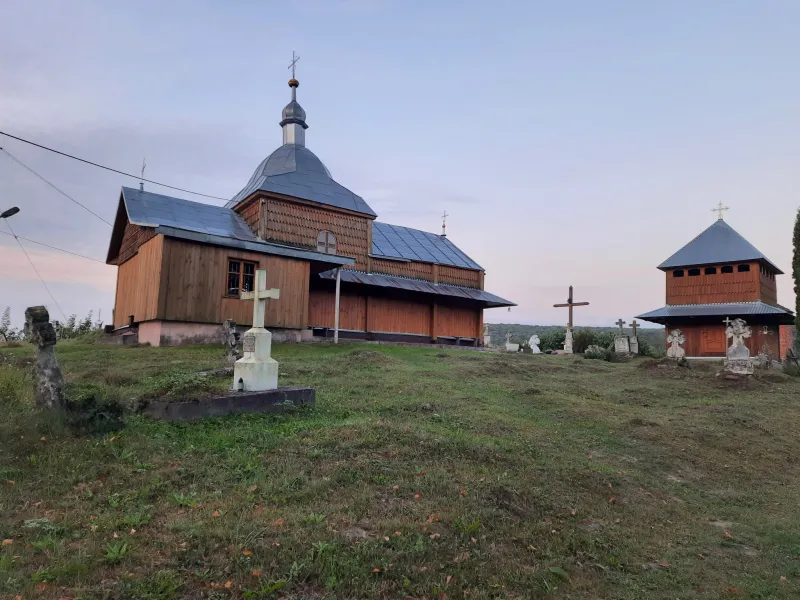
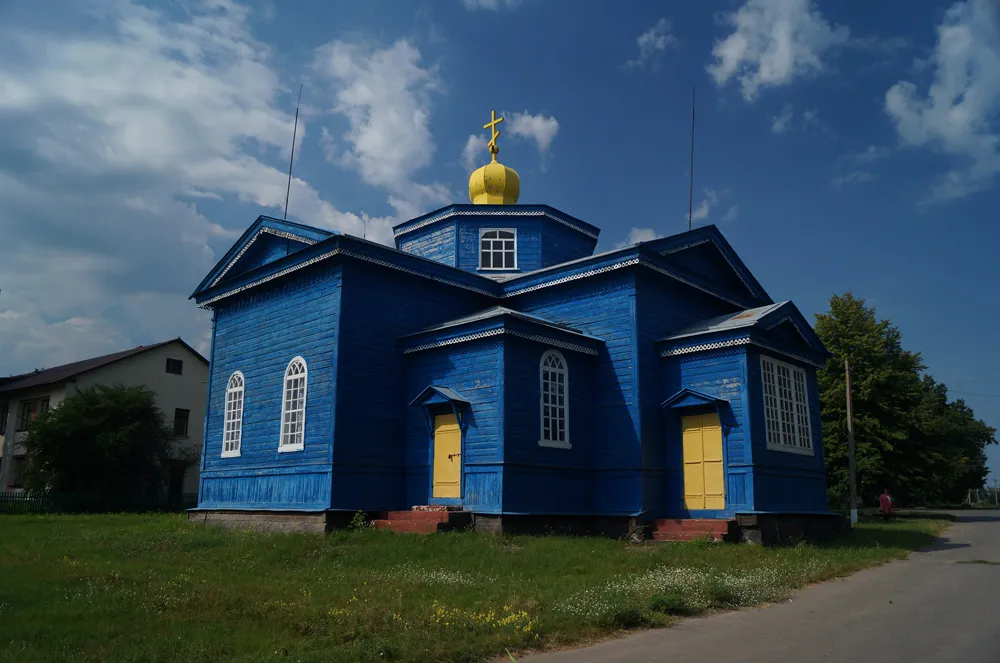
The village of Perehonivka in Poltava district has preserved a wooden Church of St. Elijah, built in 1907. Here is what Wikipedia says about the church:
At the end of the 19th century the church was begun by Russian soldiers who lived in the village as settlers. In 1907 the church became one of the functioning ones.
The money and land for the building were provided by wealthy citizens Anistrat and Fedosii Kabluchka. Both founders are buried near the church; the graves are on the side of the new school building.
In autumn 1934 the church was closed. The central bell and the rest of the bells were taken down and smashed. The destruction was carried out on the initiative of local Komsomol members, who then organized a club in the church and later a collective-farm storeroom.
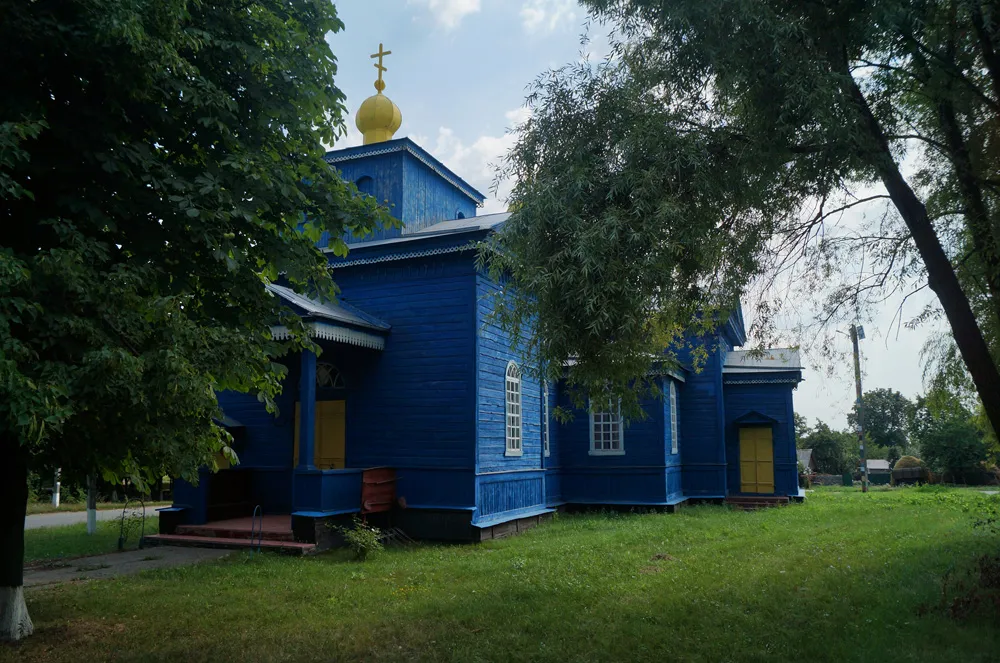
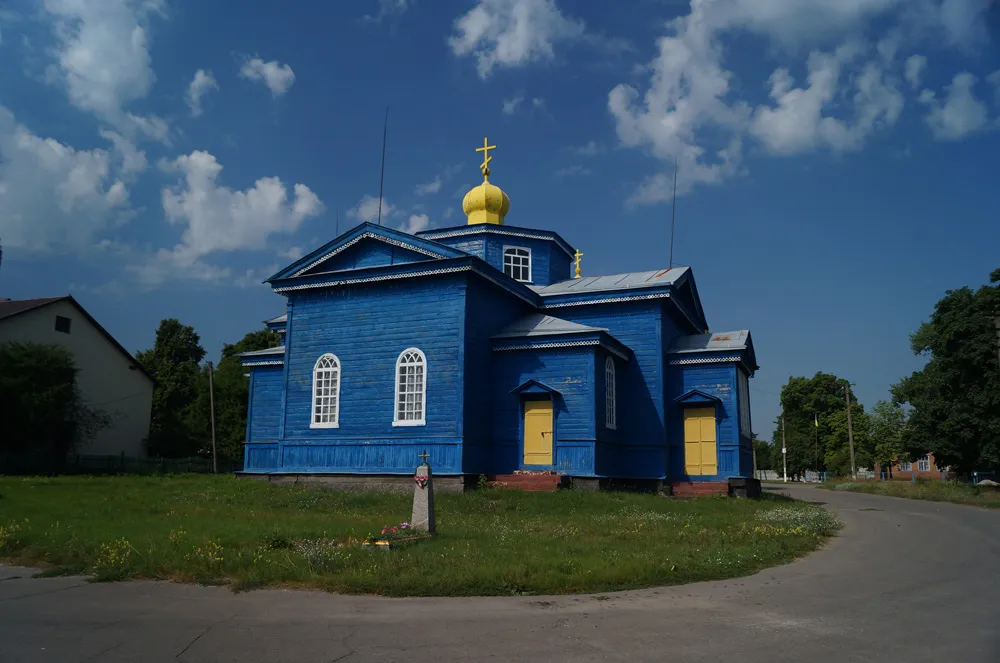
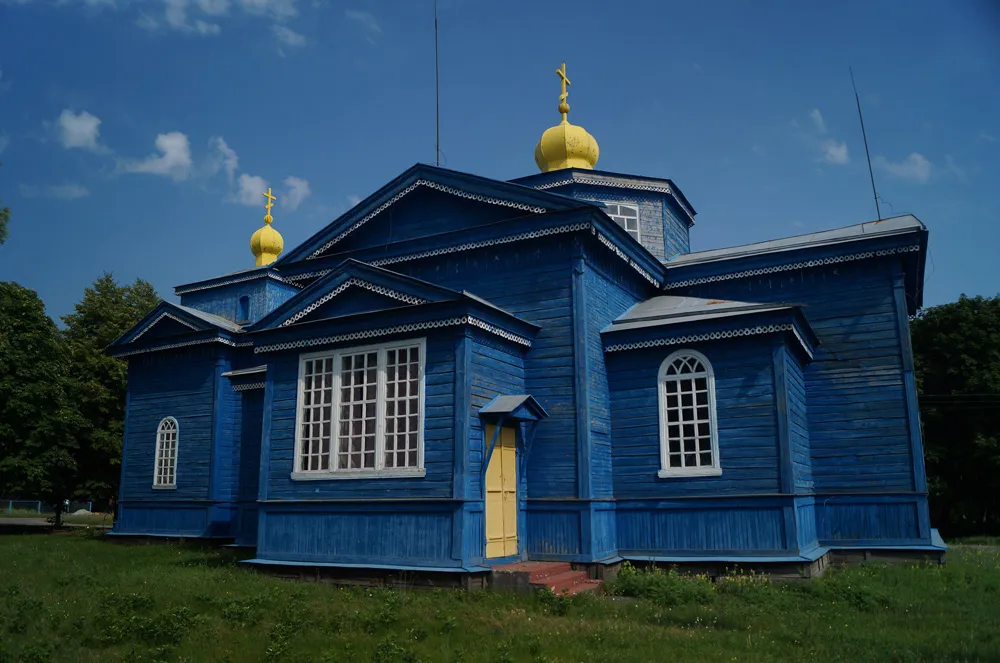
During the German occupation in 1942 the church community resumed its activity. As they retreated, the Germans wanted to burn the church and brought straw into it, but fellow villagers Kindrat Lukych Hrytsenko, Mykyta Lukych Hrytsenko, Ivan Lukych Hrytsenko, Mykola Ivanovych Hrytsenko, Hryhorii Hnatovych Kabluchka, Taras Hnatovych Kabluchka, Ivan Yukhymovych Moskalenko, Ivan Ivanovych Cherevko and Onopriy Rodionovych Cherevko carried all the straw out beyond the village, thereby saving the church.
In 1945 the building was repaired. In the second half of the 1940s the religious community of the Church of St. Elijah was registered by the Soviet authorities. In 1959 it was removed from state registration, after which the church building was used until 1979 as a storeroom of the local Chkalov collective farm.
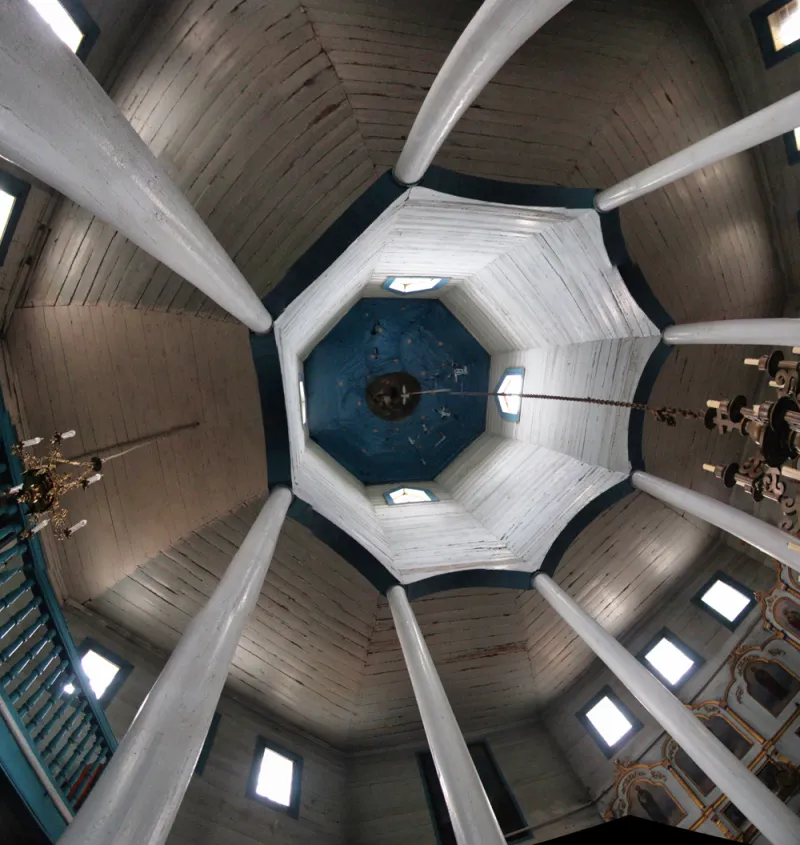
It is wooden (built without a single nail), on a masonry plinth, with an attached bell tower. The building was cross-shaped, but its exterior is now somewhat changed. The domes were very tall, much taller than the present ones. The bell tower stood at the back, where the cross is now. There were 7 bells in all, every one cast in copper. The central one weighed 63 poods 17 pounds (about 1,050 kg), and the inscription cast inside read: “Джевела Пантелеймон” (“Dzhevela Panteleimon”).
Photos by Roman Malenkov.