Dubrovytsia: the oldest town in the Rivne region

· 3 min read
The first written mention of Dubrovytsia dates from 1005. By age it is the oldest town in the Rivne region and one of the oldest in Ukraine. At first it was simply a fortified town built by Grand Prince Volodymyr Sviatoslavych, and it was mentioned in the list of towns of the Turov diocese. The next written mention of Dubrovytsia, in 1184, already refers to it as the capital of a small appanage principality. It was probably the centre of a principality only briefly, since until the mid-12th century it belonged to the Principality of Turov, and in 1240 it was destroyed by Batu’s horde.
The Church of St. John the Baptist
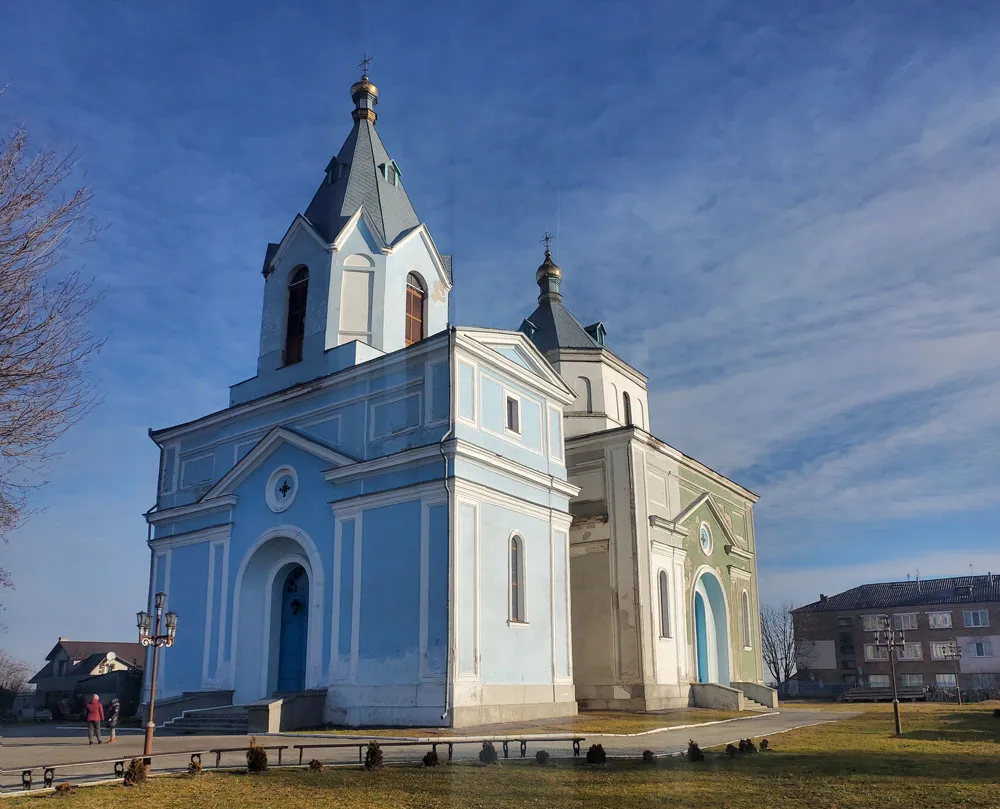
The Church of the Nativity of the Mother of God
The Museum of History and Ethnography
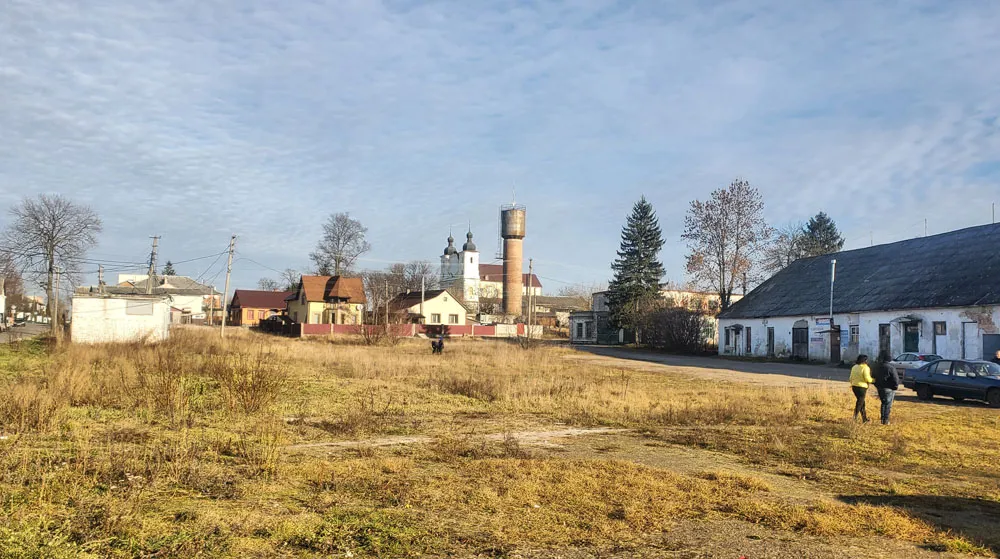
In the times of the Grand Duchy of Lithuania and the Polish-Lithuanian Commonwealth, Dubrovytsia was a sizeable fortified town and belonged in turn to various owners: the Holszański, Kurbski, Firlej, Wiśniowiecki, Brzostowski families and others. In 1893, with the partition of Poland, Dubrovytsia came under the rule of Russia.
From 1917 Dubrovytsia, with interruptions, was part of the Ukrainian People’s Republic, and from 1920 to 1939 Poland again owned it. And then you know the rest, so I will not repeat myself. The history of Dubrovytsia is described in considerable detail on Wikipedia.
Today Dubrovytsia is a small town with 9,300 inhabitants. Until recently it was a district centre, but it is now part of Sarny district.
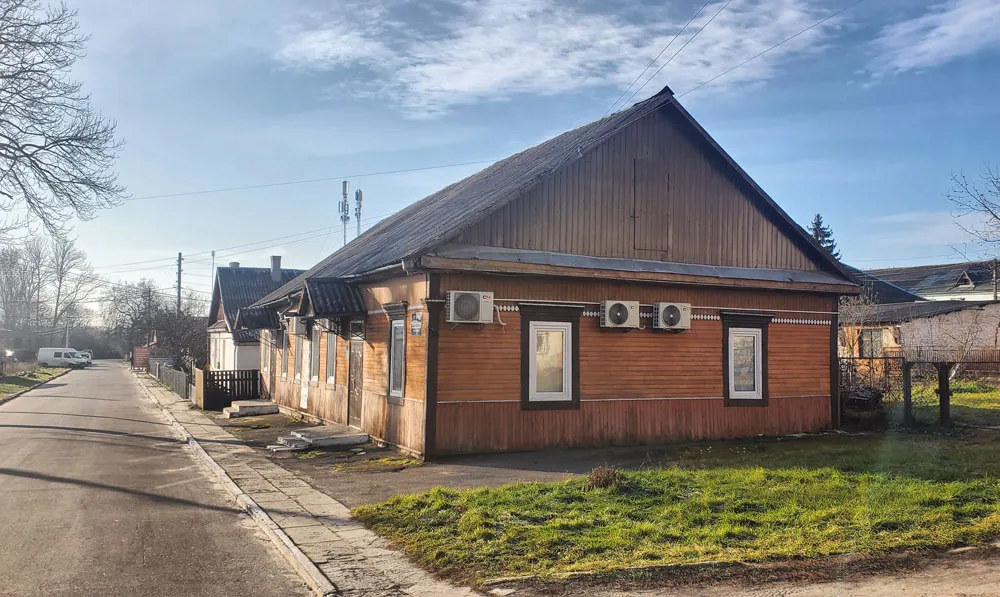
Somewhat sleepy and provincial, Dubrovytsia is interesting for its Polissian local colour, an indicator of which is the considerable number of wooden houses, including old ones. The district library is housed in one such building. The town also has its own museum of history and ethnography, but Dubrovytsia’s main sights are religious (places of worship).
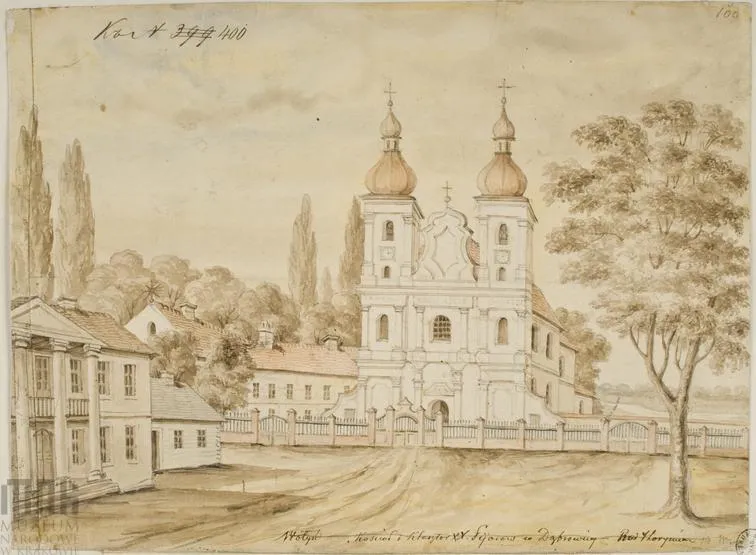
The Church of St. John the Baptist. Drawing by Napoleon Orda
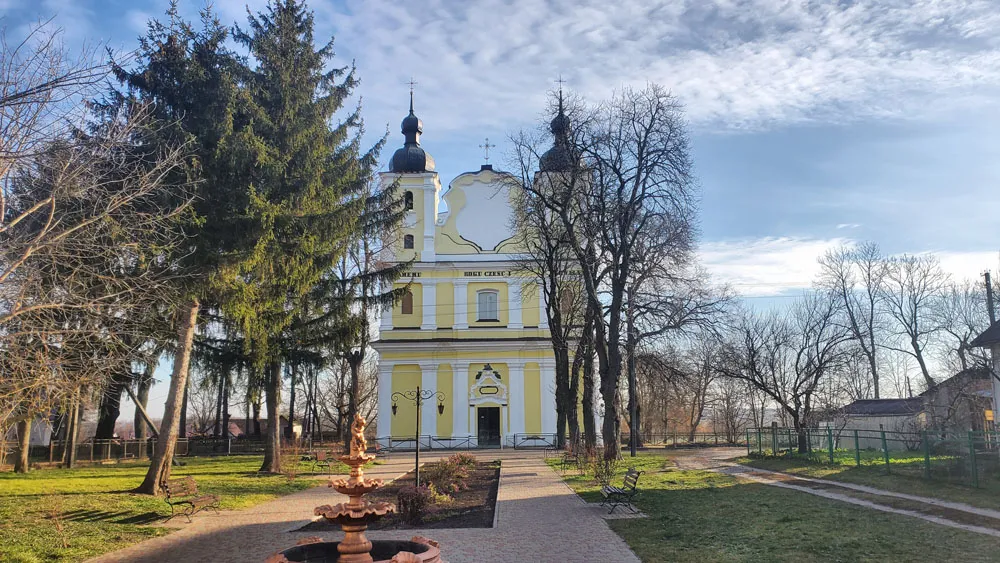
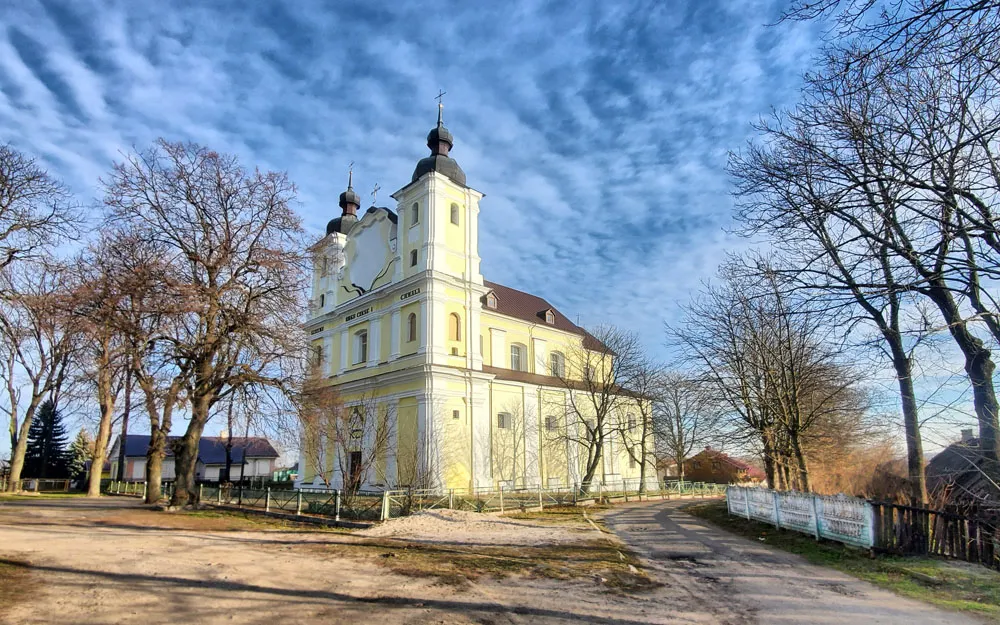
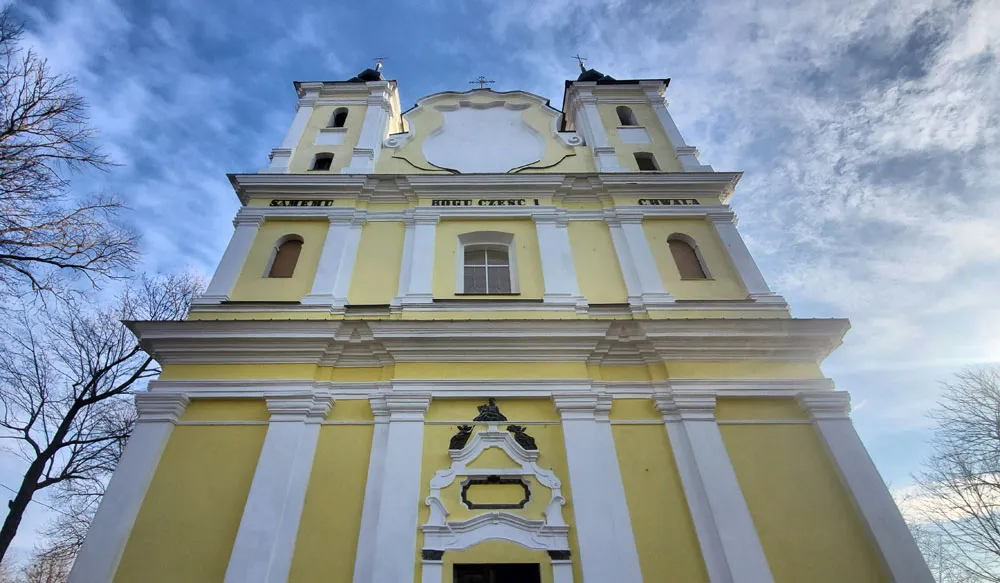
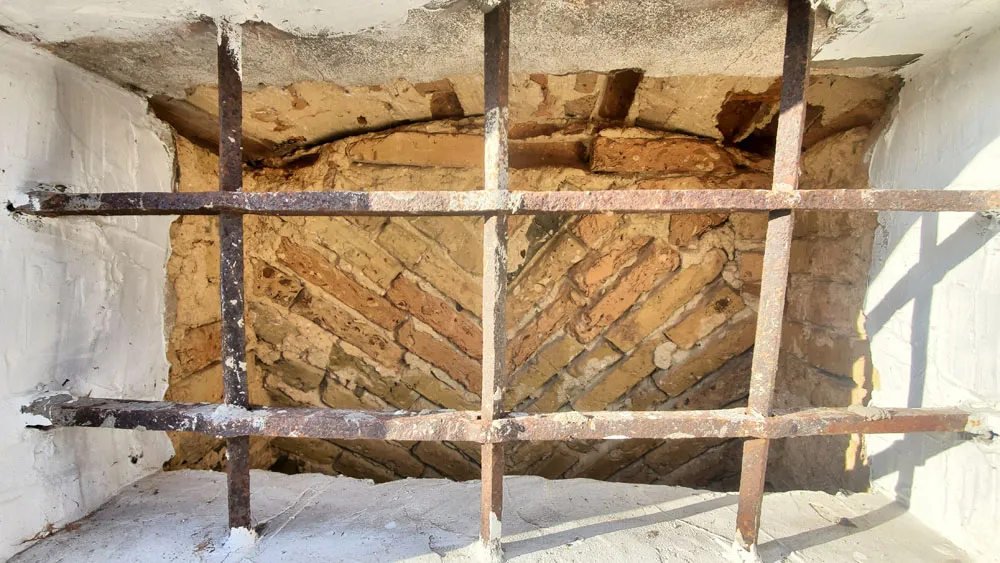
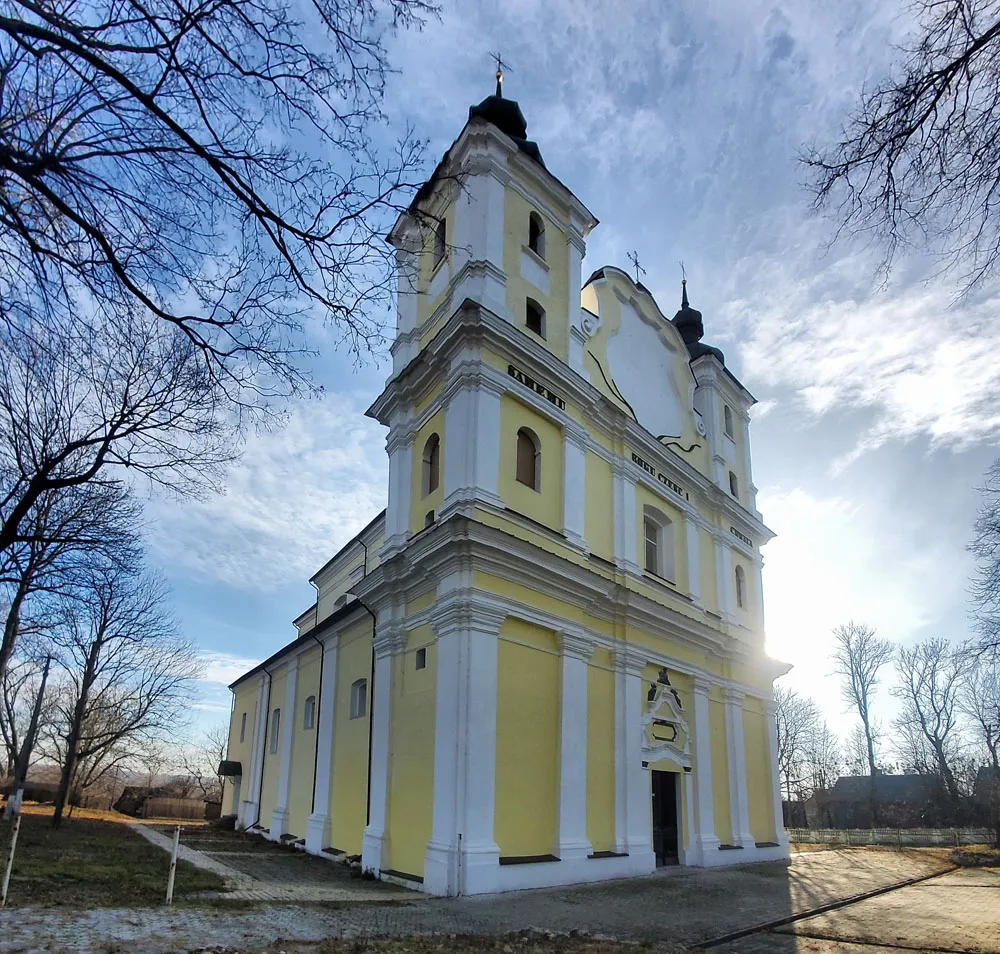
The Church of St. John the Baptist is probably the main attraction worth travelling to Dubrovytsia for. It took a long time to build, from 1695 to 1742. The design of the building, in the Rococo style, was developed by Kazimierz Pniewski, rector of the Polish University of the Arts. In the 18th and early 19th centuries the church was the main church of the Piarist monastery, but in 1832, after the Polish uprising, the Russians closed the monastery and made the church a parish church.
In 1945 the Soviet authorities closed the church and turned it into an industrial warehouse. Everything was plundered, the organ was dismantled and taken away somewhere, and the building was repainted red…
Since 1992 the Church of St. John the Baptist has again belonged to the Roman Catholic community. Today it is in very good condition. It is an architectural monument of national significance.
Another monument of national significance in Dubrovytsia is the Church of the Nativity of the Mother of God. It was built in 1861 in a plain Synodal-diocesan style: a large cube with a dome and an attached tented bell tower, standard for most churches of the empire at that time.
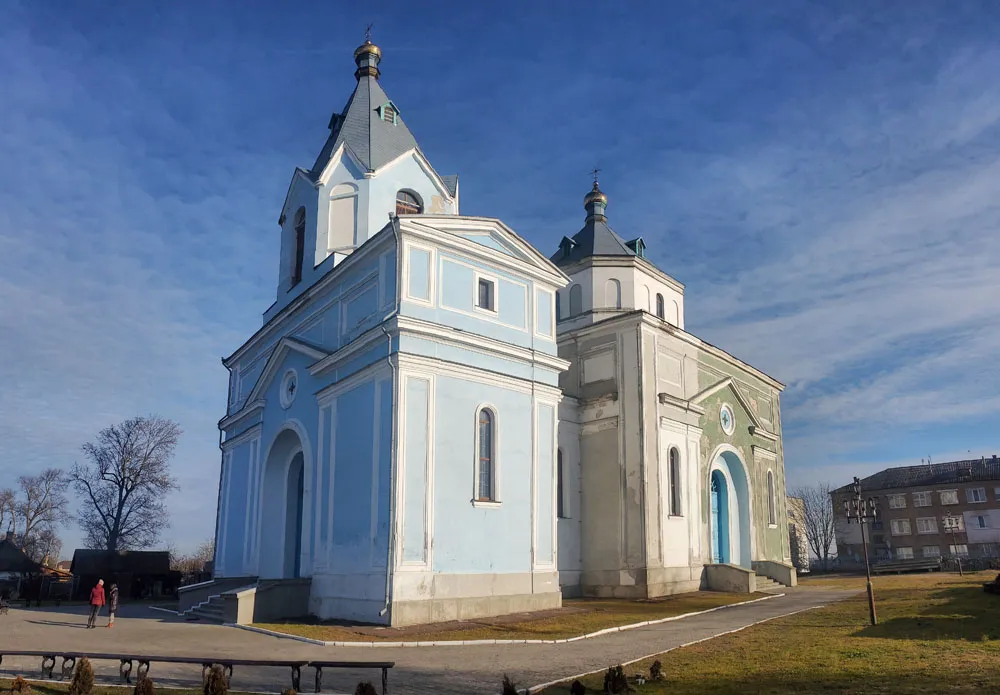
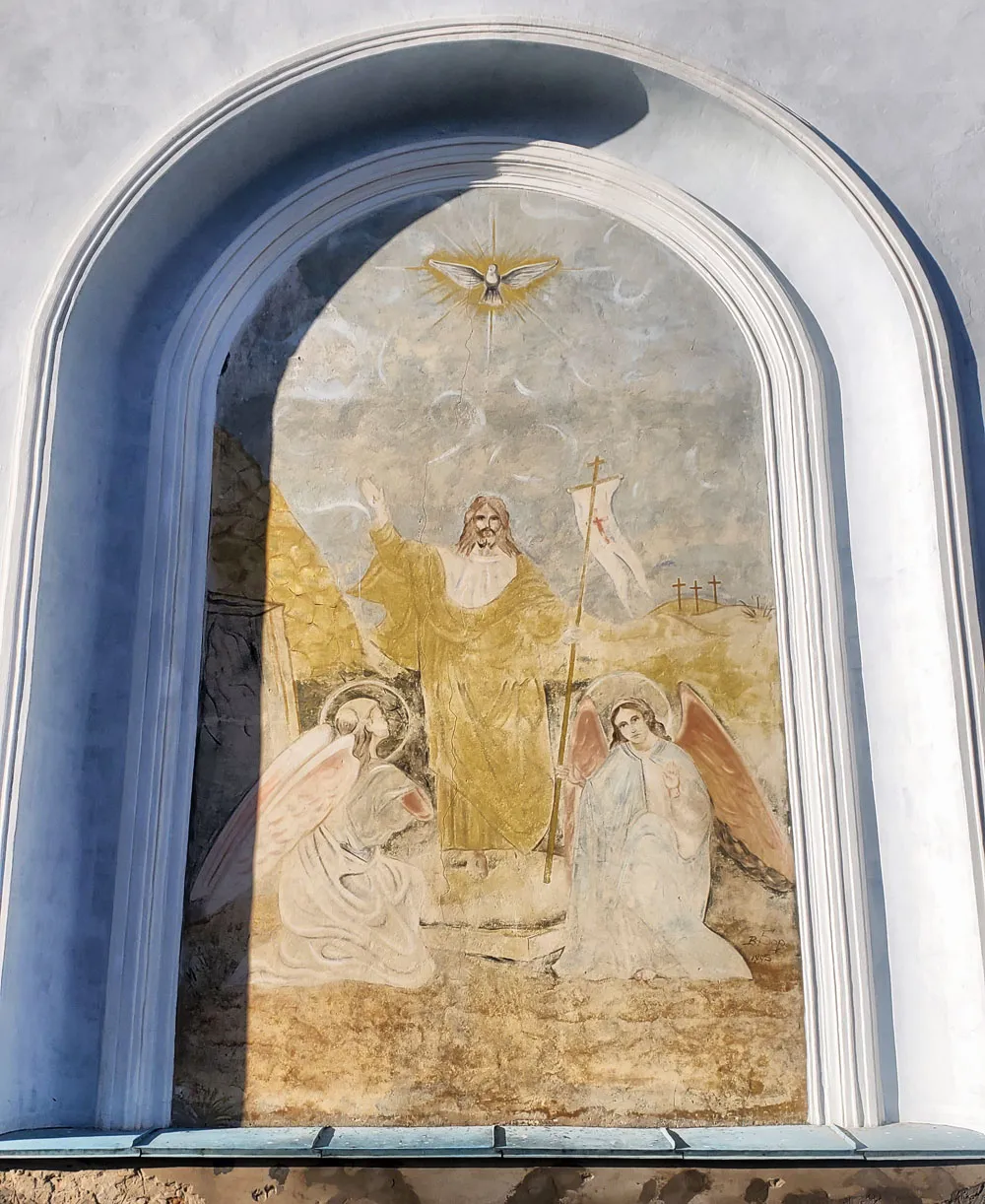
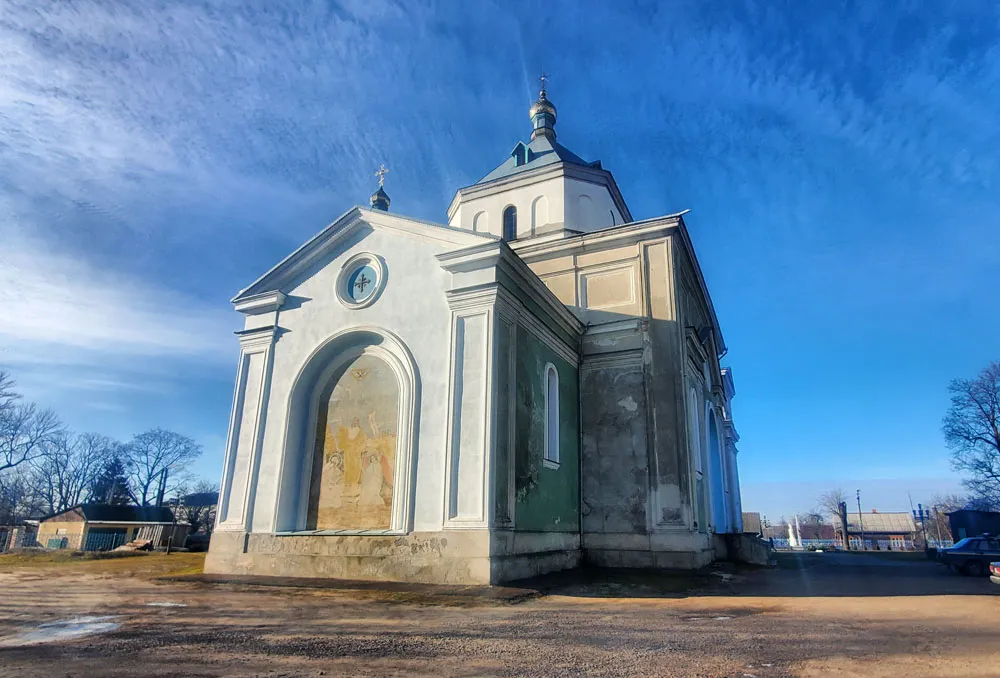
The Church of the Nativity of the Mother of God
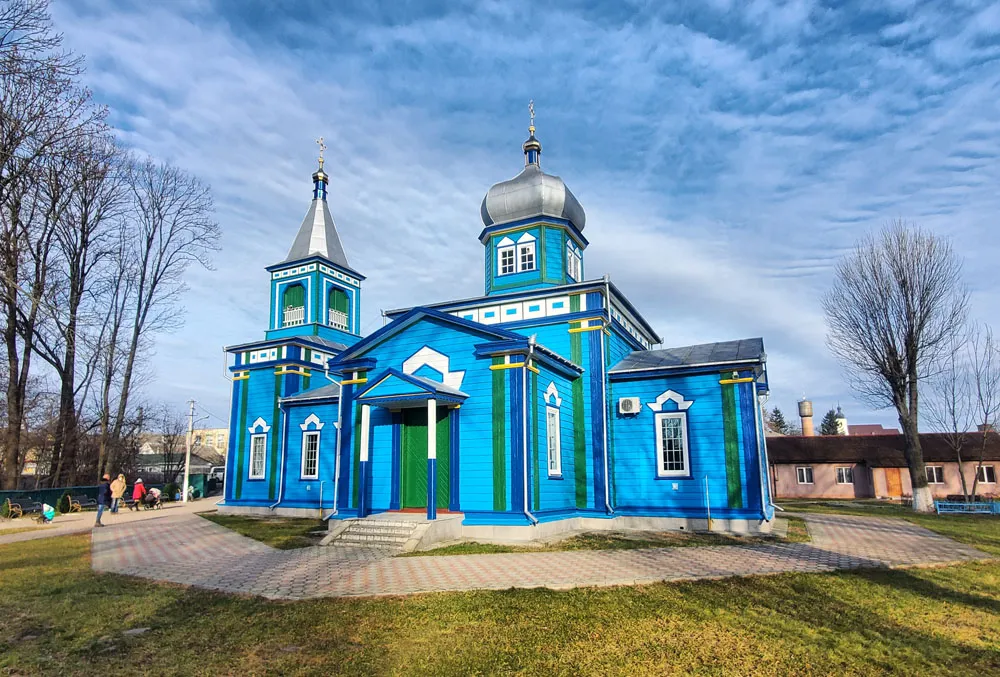
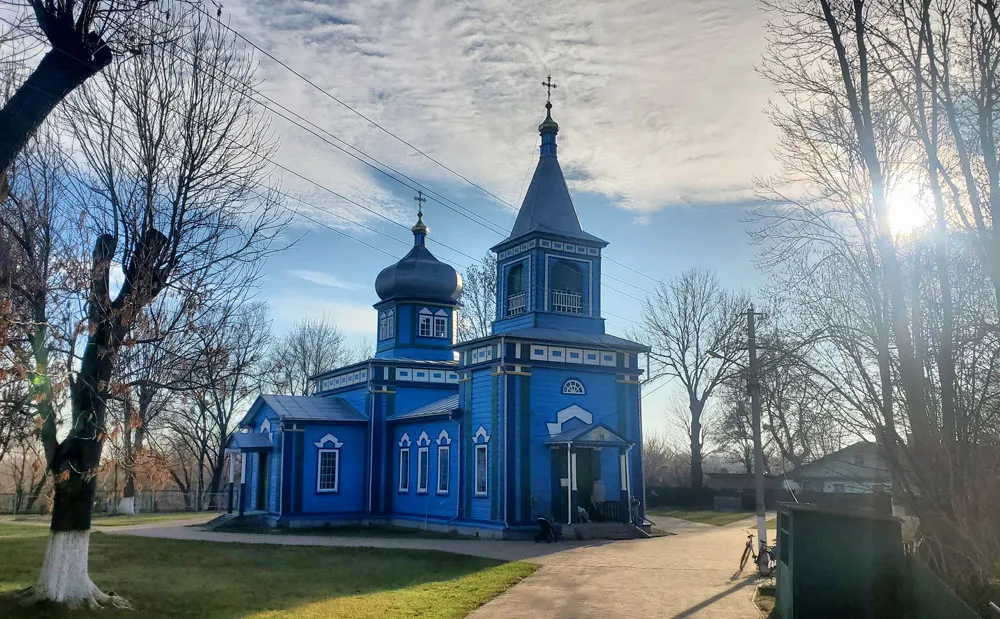
St. Nicholas Church
In Soviet times the Church of the Nativity of the Mother of God was closed. A salt warehouse was set up here, and they even wanted to demolish it. The church was saved by the head of the local police.
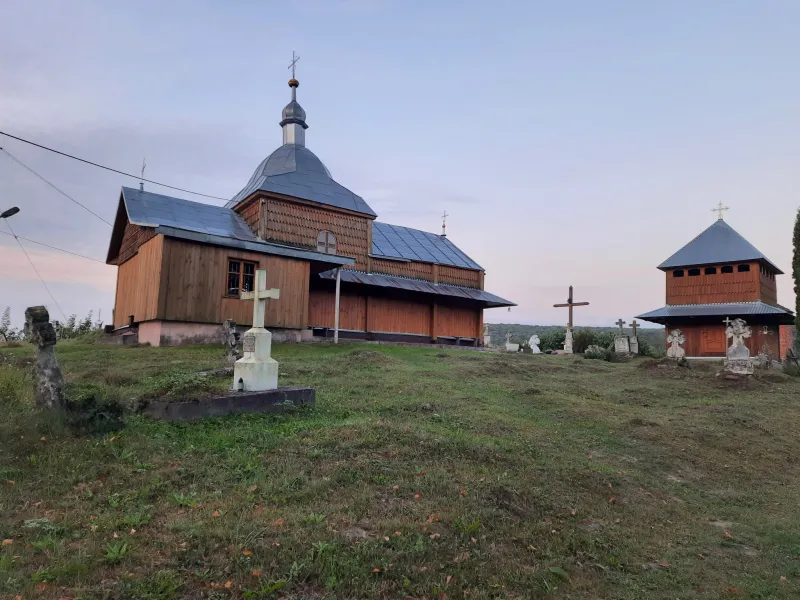
Dubrovytsia has one more old church: the wooden diocesan-type St. Nicholas Church, built in 1872. It is an architectural monument of local significance. At one time a one-class public school with 40 pupils operated at the church.
Our general impression of Dubrovytsia was quite good. The town seems well kept, the road to it is good, and the churches are restored. It is worth including in tourist routes and going.
Text and photos by Roman Malenkov
See more photos of Dubrovytsia in our photo gallery