

The capital adds to the State Register of Monuments: new protected status for Kyiv’s architectural gems
The Kyiv Scientific and Methodological Centre for the Protection, Restoration and Use of Cultural Heritage Sites (KNMC) announced on its Facebook page that, thanks to the registration documentation prepared by the centre’s specialists, the Ministry of Culture of Ukraine has officially entered a number of landmark buildings in the capital into the State Register of Immovable Monuments of Ukraine as monuments of local significance.
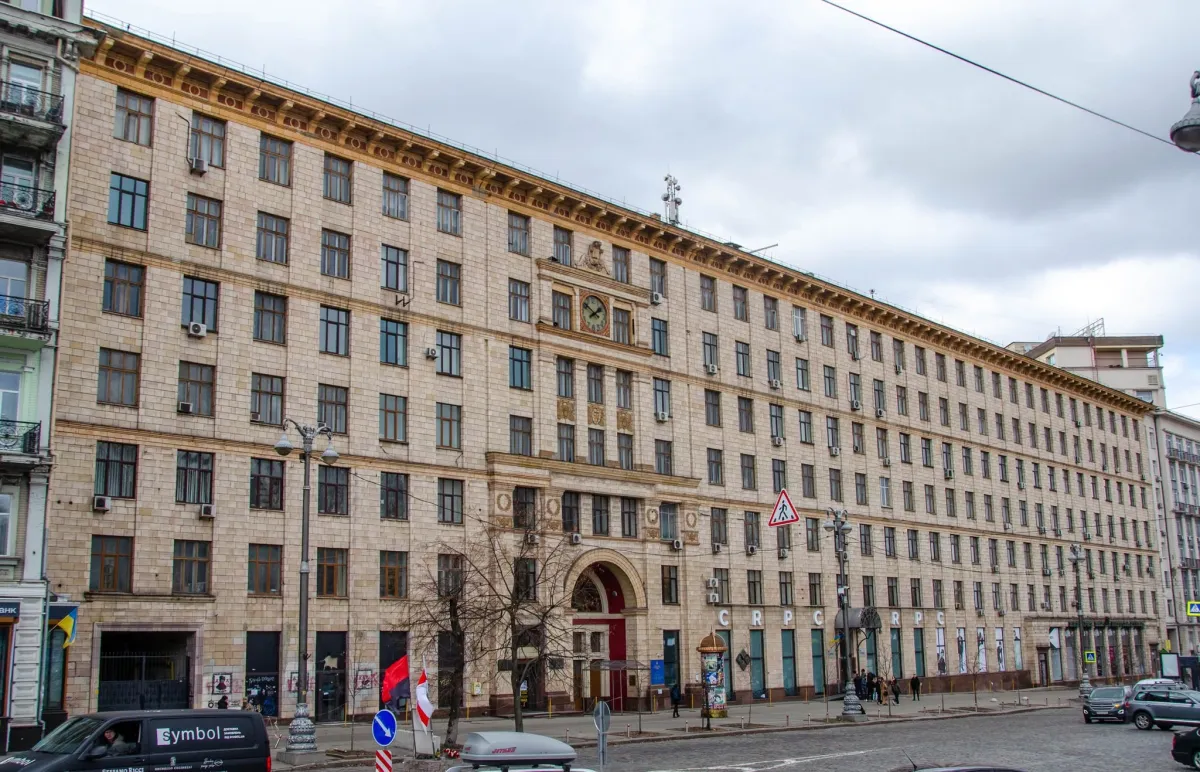
This list covers buildings that form Kyiv’s unique architectural and artistic ensemble and illustrate different eras of its development — from refined pre-revolutionary classicism to the monumental forms of Stalinist Empire style.
The newly designated official monuments include:
- The building of the Section of Social Sciences of the National Academy of Sciences of Ukraine (4 M. Hrushevskoho St.) — a vivid example of post-war Soviet architecture (Stalinist Empire style) from 1960, associated with the lives and work of prominent Ukrainian scholars and cultural figures.
- The ensemble in Podil (19–21 Nyzhnii Val St.), which unites several valuable buildings of different periods, pre-revolutionary and early:
- The urban estate of the merchant I. Blinder (late 19th – early 20th century);
The building of the former Blinder Hotel (1889, with a later extension in the 1990s);
A residential building with shops (the oldest part dates from 1839, with later reconstructions in the 19th century and an extension in 1994).
Special attention in this list is deserved by the complex at 19–21 Nyzhnii Val Street, a living illustration of how Kyiv’s Podil developed and was built up after the massive fire and replanning in the first half of the 19th century.
The estate of the merchant Isaak Blinder and the buildings on its grounds demonstrate the classic charm of old merchant Kyiv. The Blinder Hotel itself, which operated here from 1899 to 1916, was an important part of the infrastructure of Podil, the district of contract fairs and trade. Travellers, entrepreneurs and visitors of the day stayed in this area thanks to its proximity to the river port and lively market life.
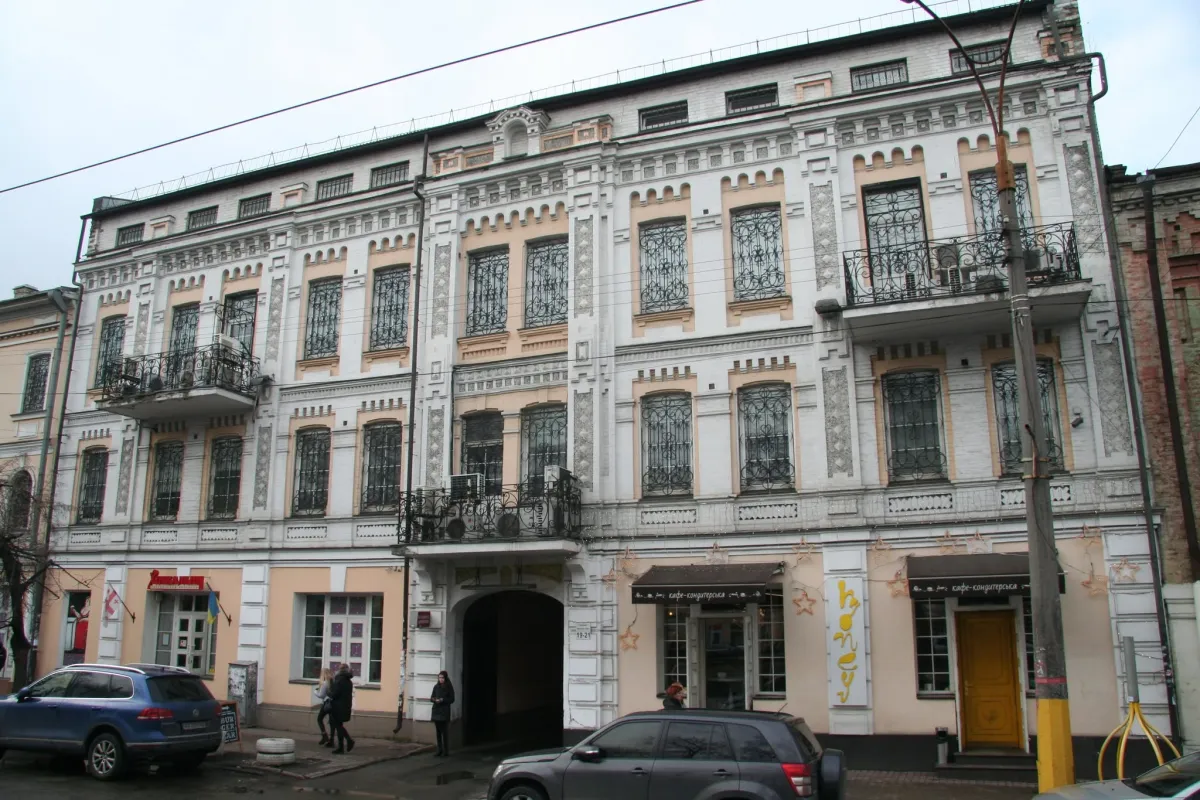
The surviving elements of the façades and internal structure of these buildings convey the spirit of the late 19th century, when commercial construction was combined with a refined brick style and the owners’ desire to give their income-generating buildings a presentable appearance.
The official status of local monuments guarantees these buildings additional legal protection against rebuilding or destruction, helping to preserve Kyiv’s authentic architectural heritage for future generations.


