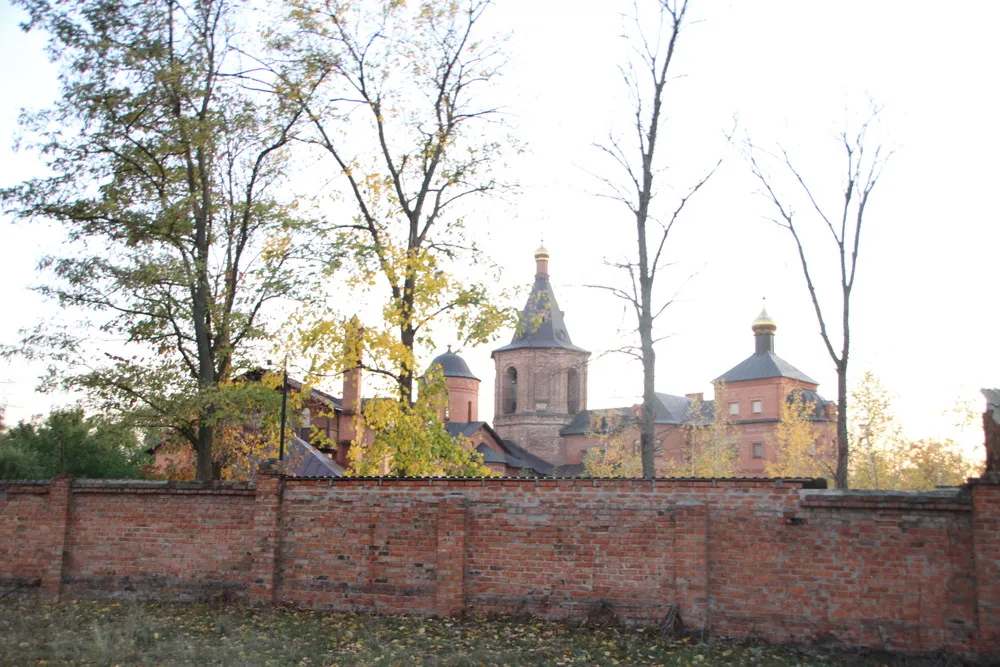
Chernechchyna. Monastery

· 3 min read
The village of Chernechchyna in the Okhtyrka area speaks for itself with its very name. It is a settlement which, at its founding, was populated by serfs of the Holy Trinity Monastery, which owned the lands around the village.
Not far from the village several hillforts of the 7th–10th centuries, a settlement of Scythian times and a burial ground with about 2,000 (!!!) kurgans were found.
But it is the monastery that will interest us.
In 1641 the border town of Okhtyr (or Okhtyrsk) was founded on an ancient hillfort and destroyed in 1652. Two years later, in 1654, with the tsar’s permission, in the south-western part of the hillfort 40 monks of the Lebedyn Trinity Monastery, after its burning, who had come from the Right Bank led by hegumen Ioannikii, founded a monastery originally called the Annunciation Monastery.
At first all the monastery buildings, namely the church, refectory and cells, built in 1671–1676, were wooden.
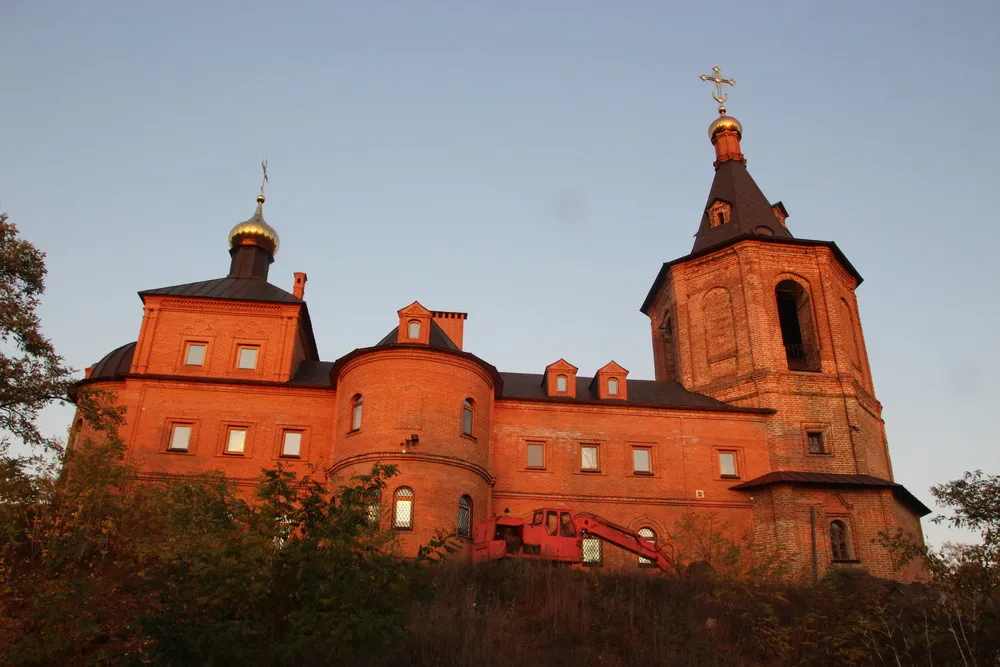
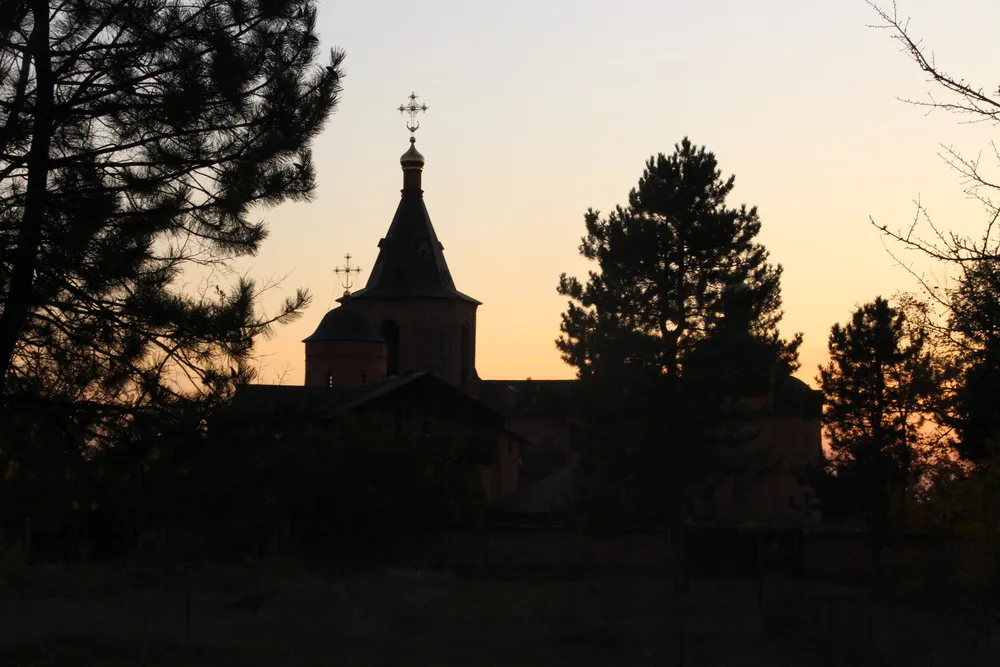
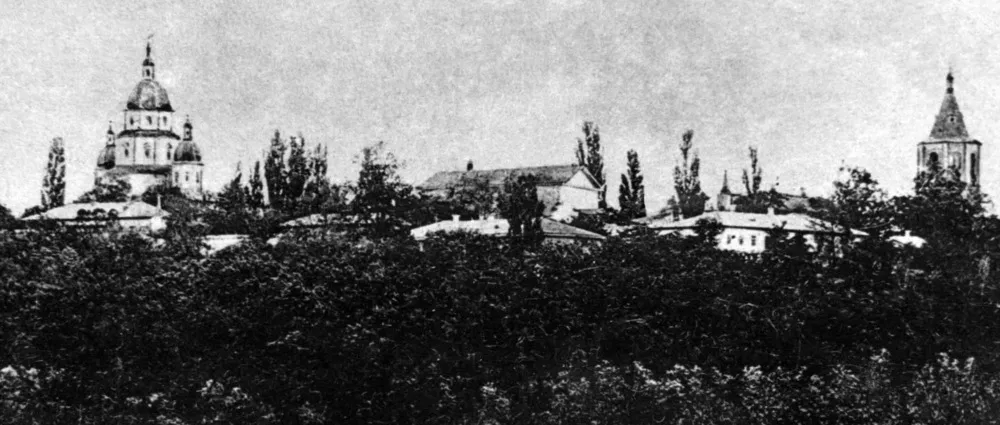
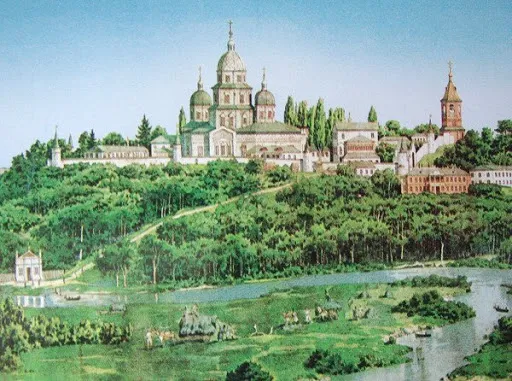
The monastery began to develop actively under the abbot Tymofii Vasyliovych Nadarzhynskyi, confessor of Peter I, in the first quarter of the 18th century. At his expense, in 1724–1727, the Trinity Cathedral was built of local brick, and T. Nadarzhynskyi was buried in it after his death. It was then that the monastery was renamed the Holy Trinity Monastery and surrounded by a brick defensive wall. Some time later, in 1741, a masonry bell tower, a refectory with the Church of Sts. Peter and Paul, and cells were also built. Since then, surrounded by walls, the monastery has resembled a fortress.
By decree of Catherine II the monastery was closed in 1787, and remained so until 1842, when, after numerous petitions, permission was given to restore the cloister. At the beginning of the 20th century a hundred and fifty monks with novices lived in the monastery.
History has handed down to us lithographs in which the cloister looks from afar like some fairy-tale city, as well as photographs by Stefan Taranushenko
When the Bolsheviks came to power, the monastery was closed in 1917; two years later the abbot, Archimandrite Aristarkh, was killed and the churches were plundered.
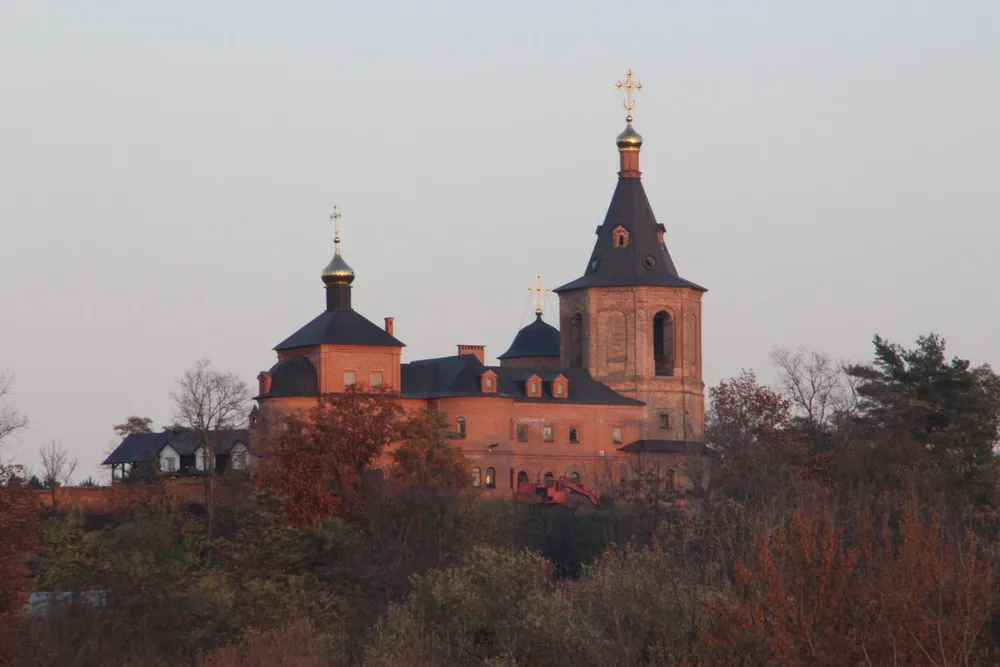
From 1920 the territory of the cloister housed either a children’s colony or a children’s shelter, later a military unit. In the 1940s, and especially during the war, the cathedral and all the structures were destroyed, except the defensive bell tower. After the war all surviving buildings were dismantled for brick. The bell tower itself also suffered. In the 1970s the “Promzviazok” factory set up an antenna testing ground here, which ceased operating in the 1990s. Rebuilding of the cloister began only in 2002, when the monastic cloister was reopened. They started with the bell tower; in the following years cells for the brethren, the house church of All Venerable Fathers and a hotel for pilgrims were built. Last, in 2012, a new Holy Trinity Church was built and consecrated
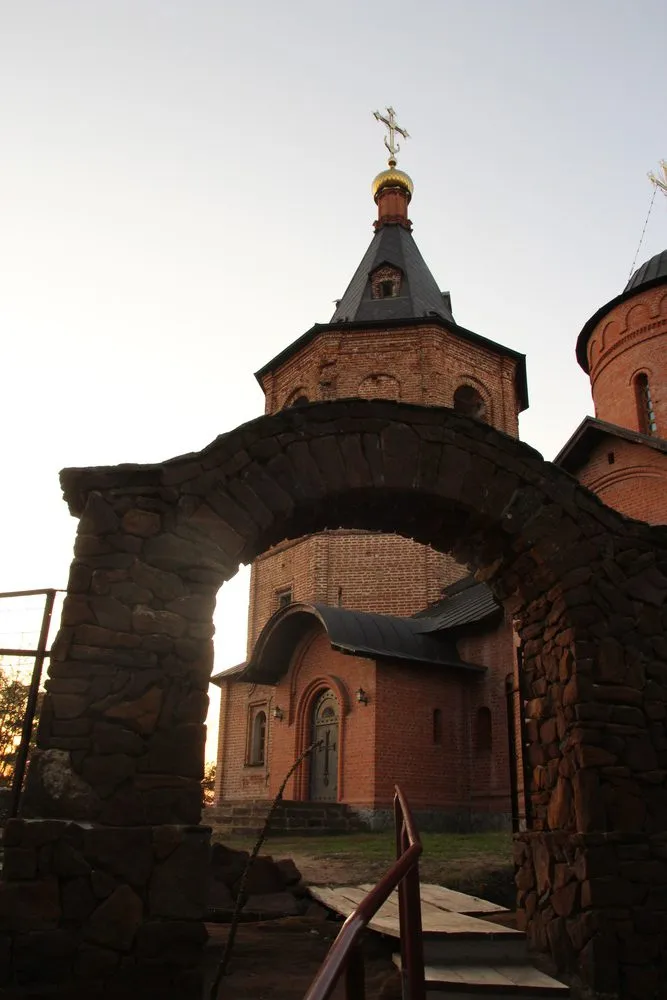
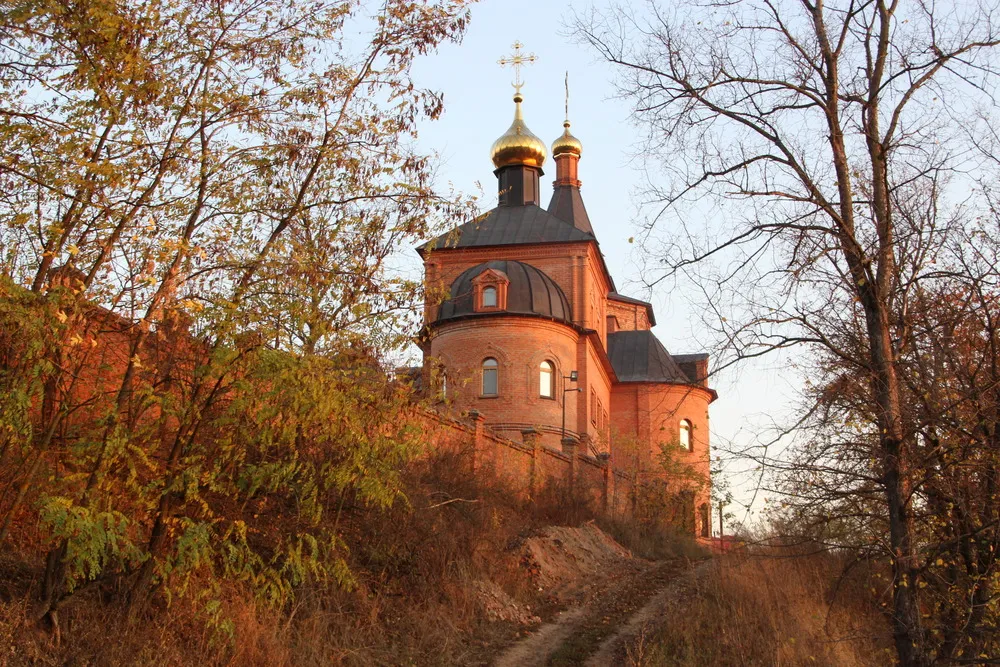
The bell tower of the Okhtyrka Trinity Monastery is a rare surviving example of a defensive-type monastery bell tower of the first half of the 18th century, a monument of architecture of local significance, and together with the hillfort, or as it is also called the Monastery Hill, it is considered a monument of nature, archaeology and history. The hill offers wonderful views of the banks of the Vorskla.
They say the monastery churches have a beautiful rich iconostasis and church utensils, but the Moscow priests (the monastery belongs to the UOC-MP) are quite hostile to any photography, and in 2018 they even damaged a quadcopter of employees of the “Bilsk” reserve who were filming the architecture and landscapes. So be careful if you want to keep your equipment intact.
Text and photos by Ihor Dorozhok, Oleh Hodyna and Maksym Nazarenko.