

Sydoriv. Castle and Roman Catholic church

· 3 min read
The castle.
The history of Sydoriv Castle is connected first of all with the Kalinowski family of the Kalinowa coat of arms.
The family descends from Andrzej (Jędrzej) Kalinowski (1465–1531). His great-grandson was Walenty Aleksander Kalinowski, general of the Podolian lands; his wife was Elżbieta Struś. They had 3 sons, of whom the youngest, Marcin (Martin), became Field Crown Hetman and, after the death of his brothers, inherited many lands in Podillia: Vinnytsia and Uman. In Sydoriv there was the family castle. Here Hetman Marcin Kalinowski ordered a stone castle to be built in 1640 on a hill on an island formed by the rivers Sukhodil and Slobidka.
The castle had the form of an island and measured 30 by 178 metres.
In 1672 the castle was taken by the Turks, and in 1673 recaptured by the Crown army. For 3 years Jan Samuel Chrzanowski was commandant here (he and his wife Anna later distinguished themselves in the defence of Terebovlia in 1675). J. S. Chrzanowski left the castle, the Turks occupied it again and destroyed it considerably. Later the castle was rebuilt with the help of another descendant of the family, the Kamianets castellan Marcin Kalinowski (? – 1738), who also contributed to the construction here of a church of unusual architecture (both Marcin Kalinowskis were buried in it). After the death of Ludwik Kalinowski, Sydoriv passed to his daughter Tekla, who was married to Bielski, and later to her daughter Aniela Mączyńska.
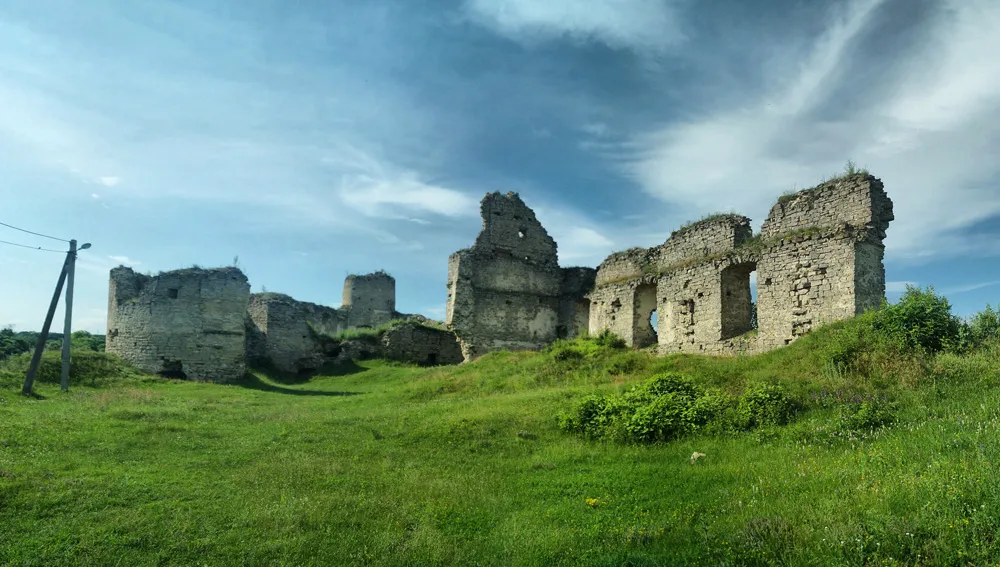
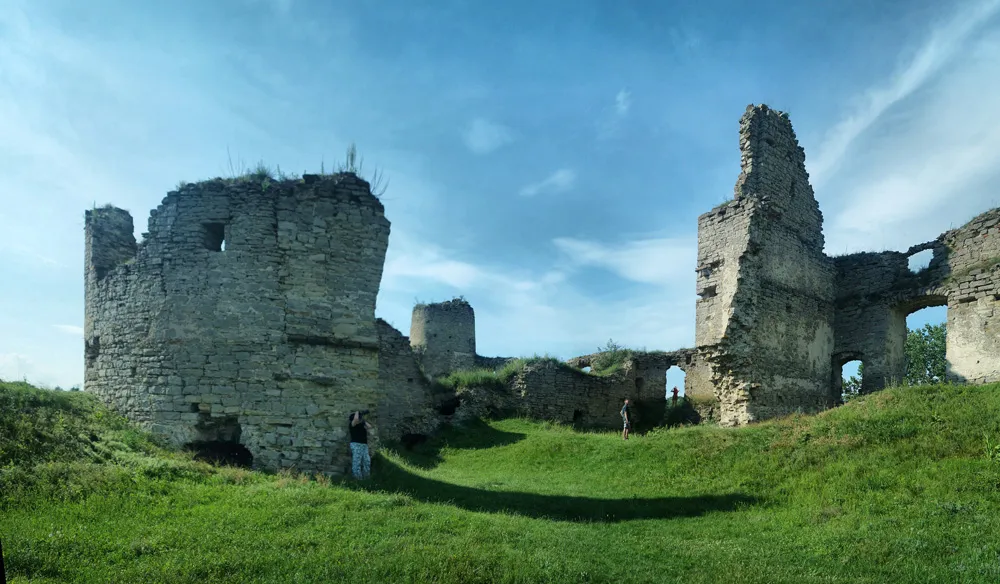
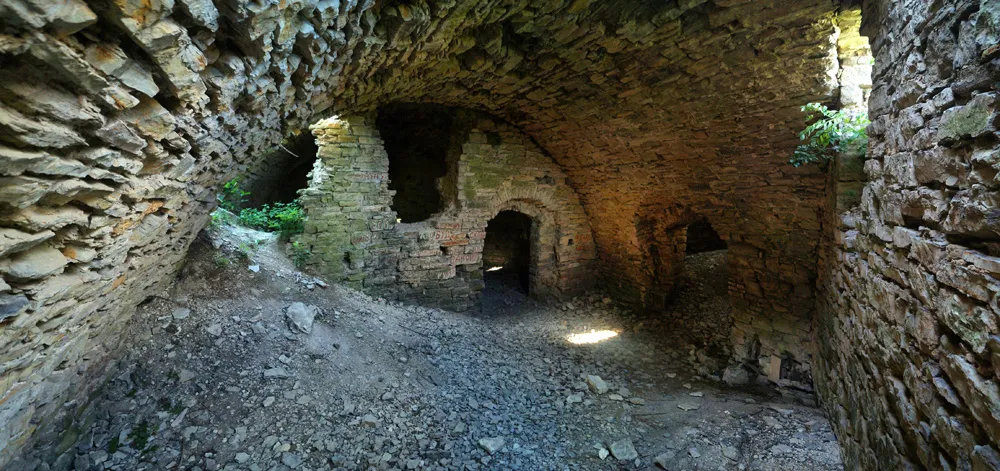
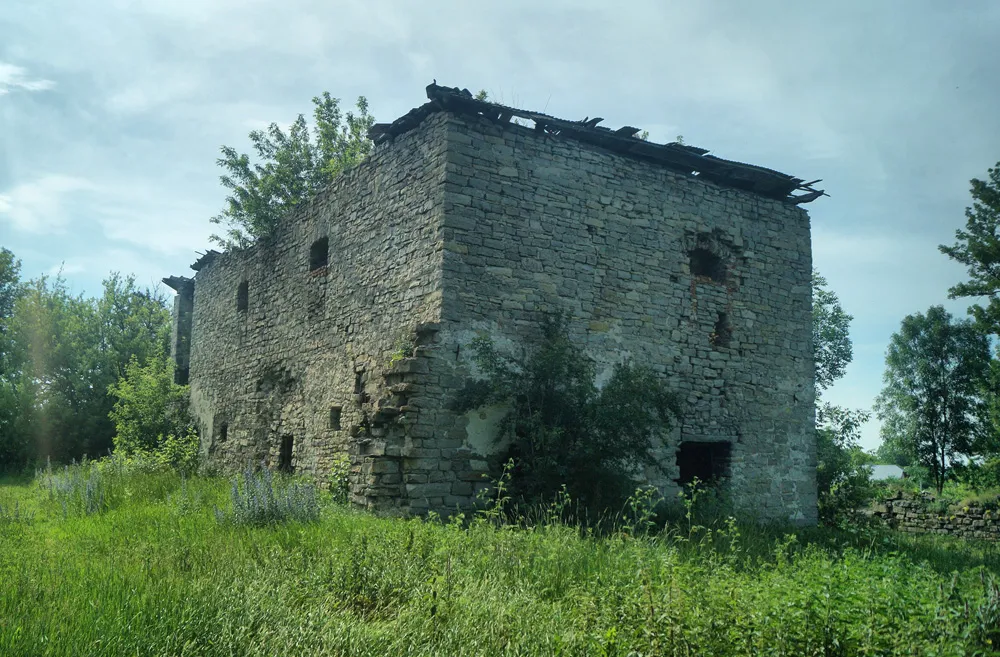
At the beginning of the 19th century the castle was bought by Ignacy Pajgert, and so Sydoriv passed to the Pajgert family, which owned it until 1941. The poet and painter Józef Pajgert had a huge library here. The last of the Pajgert family did not look after the castle and it began to decline. The south-eastern part of the castle is completely destroyed.
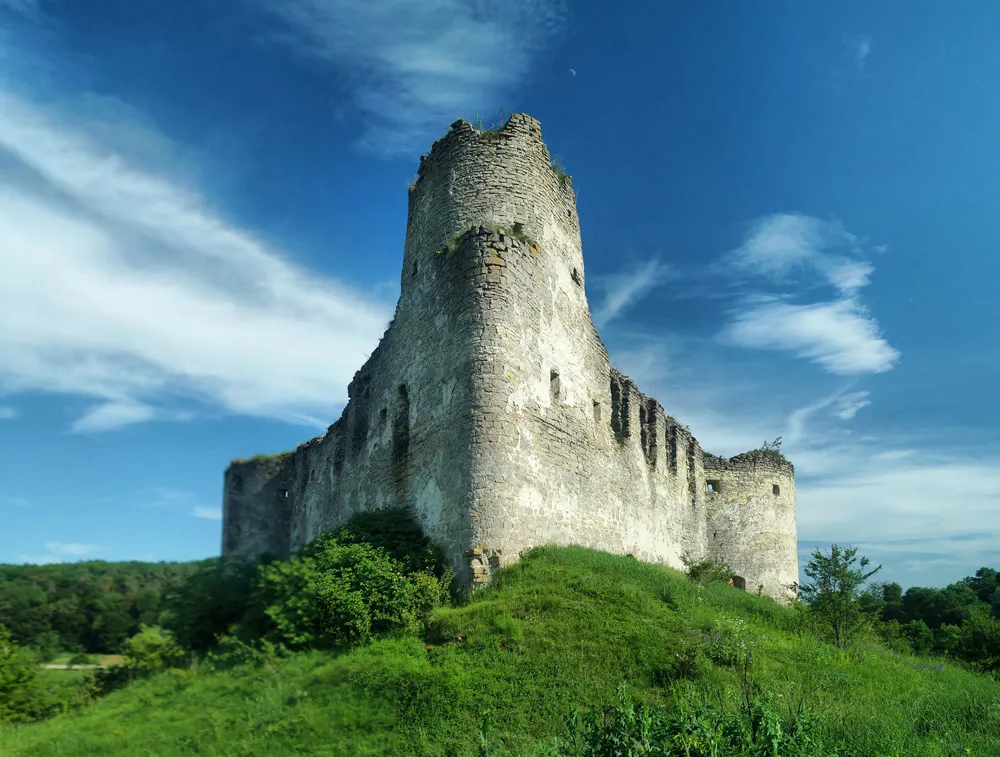
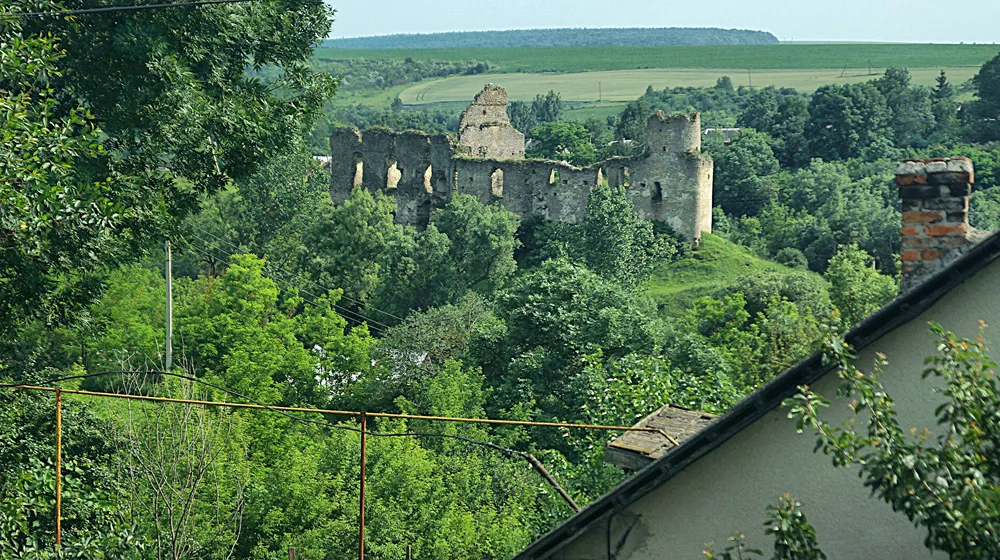
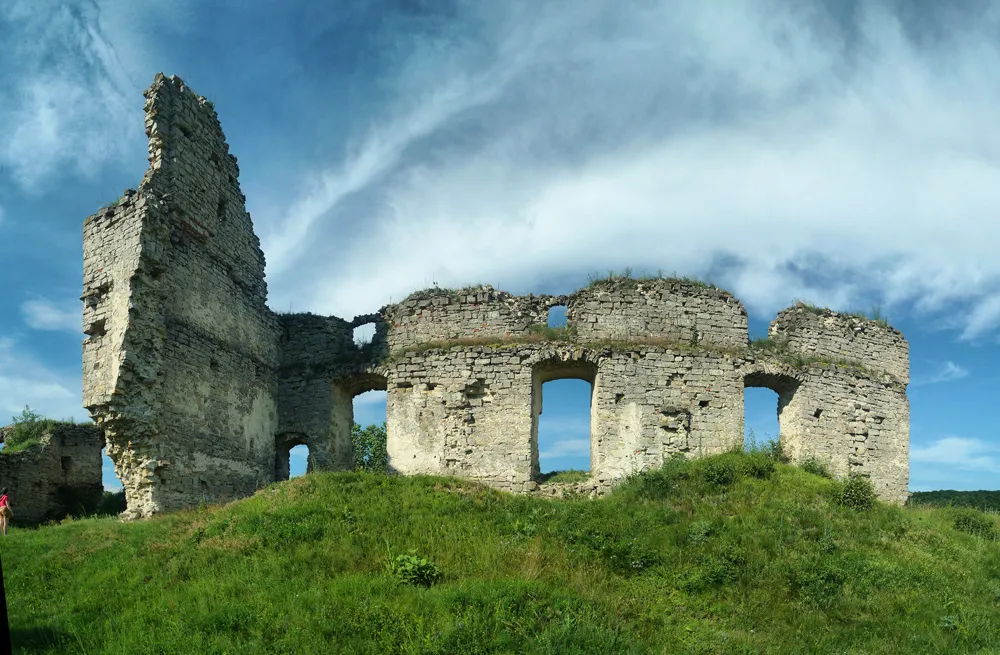
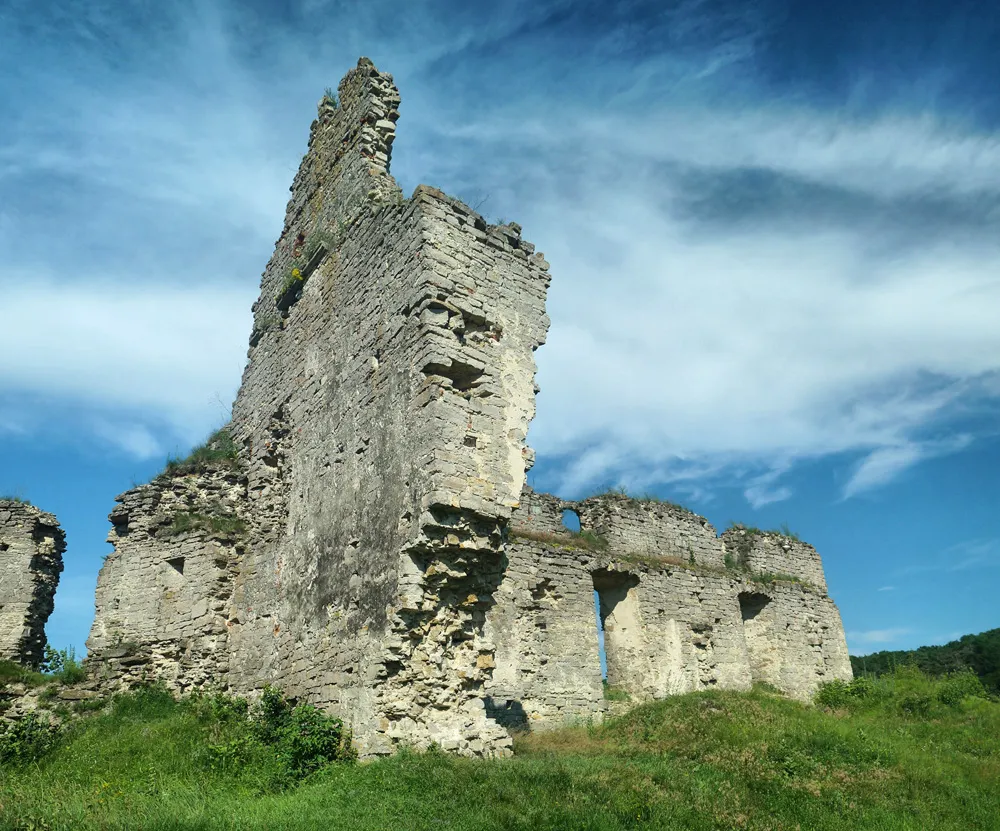
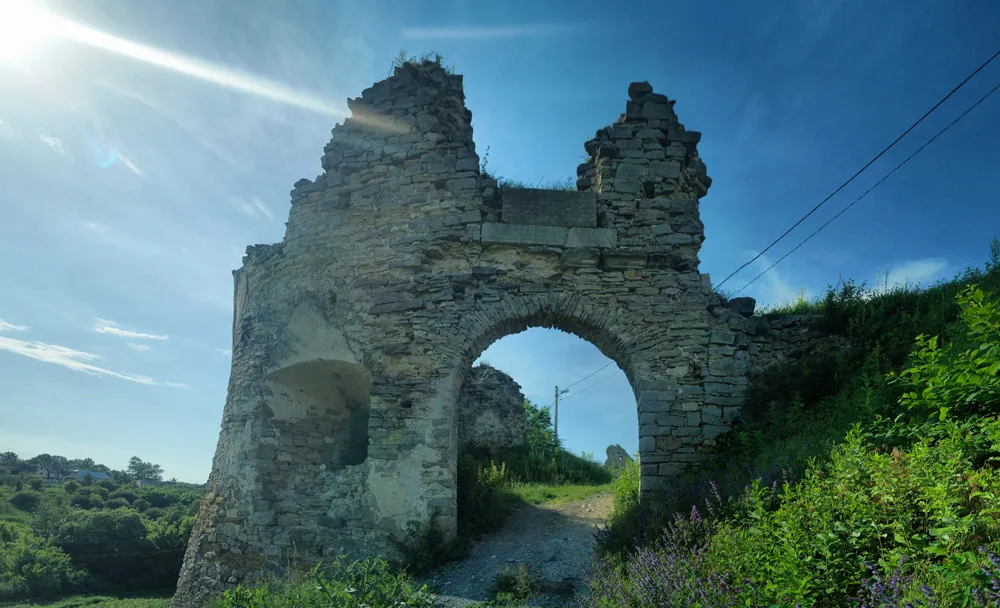
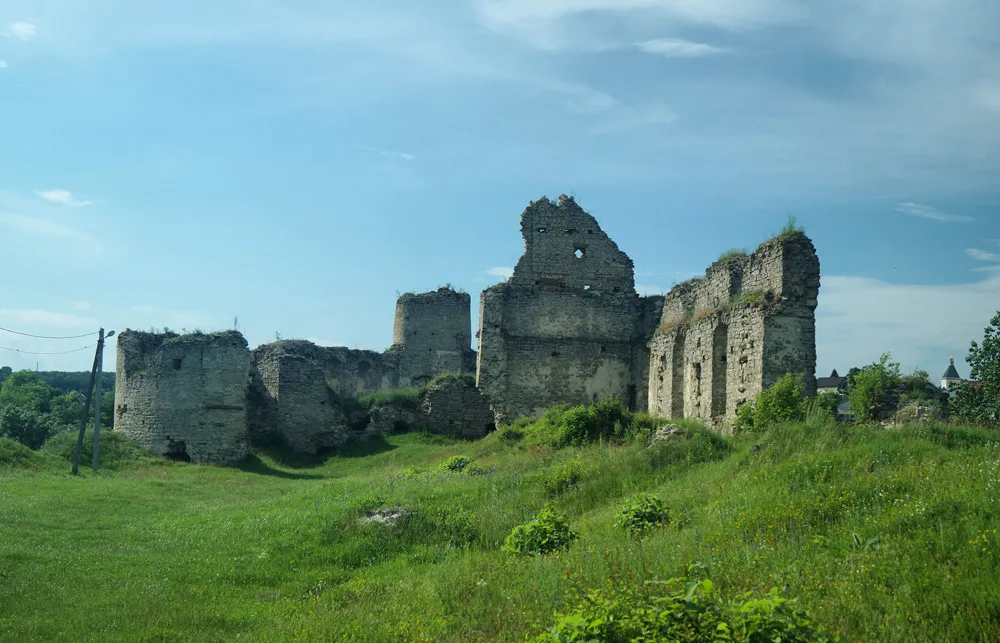
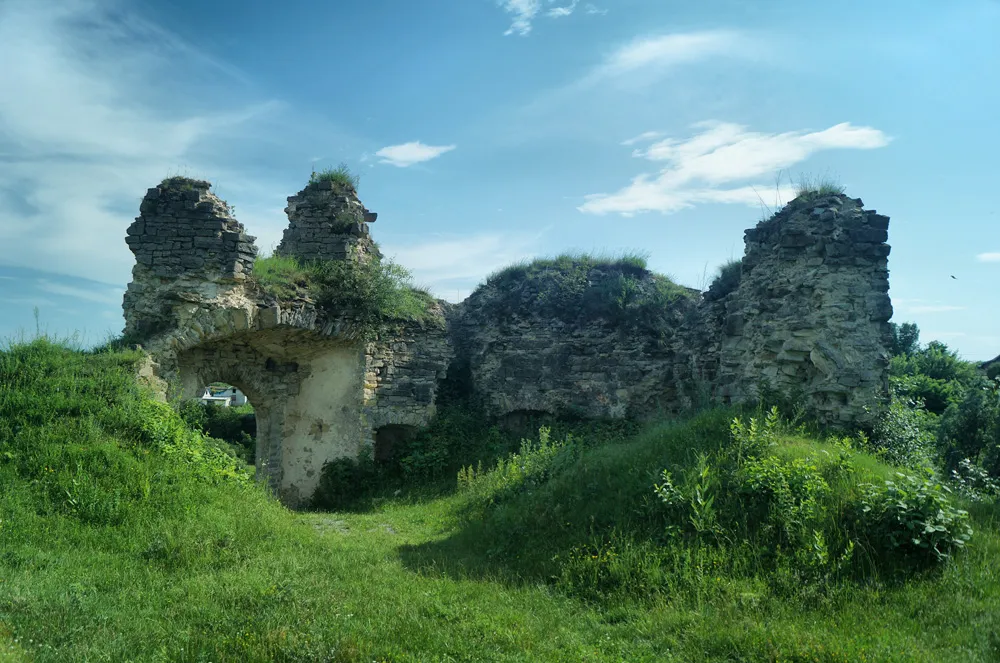
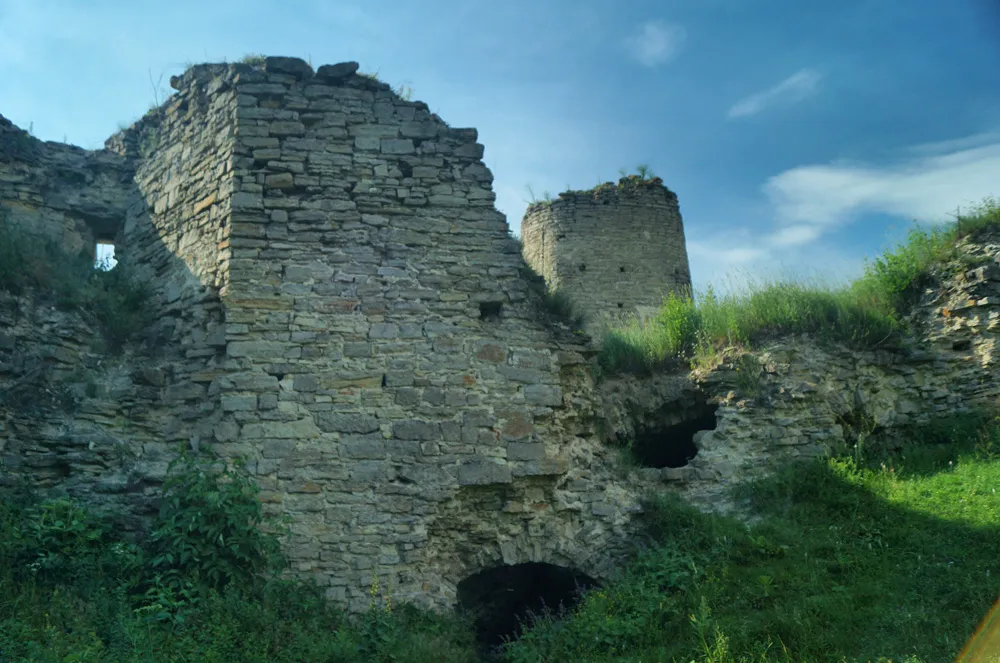
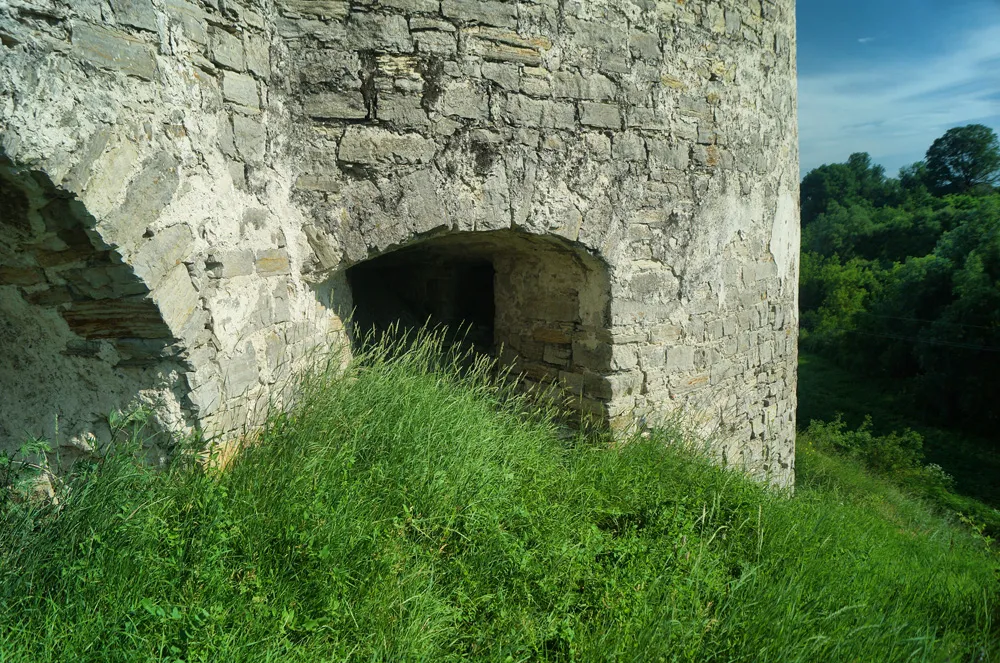
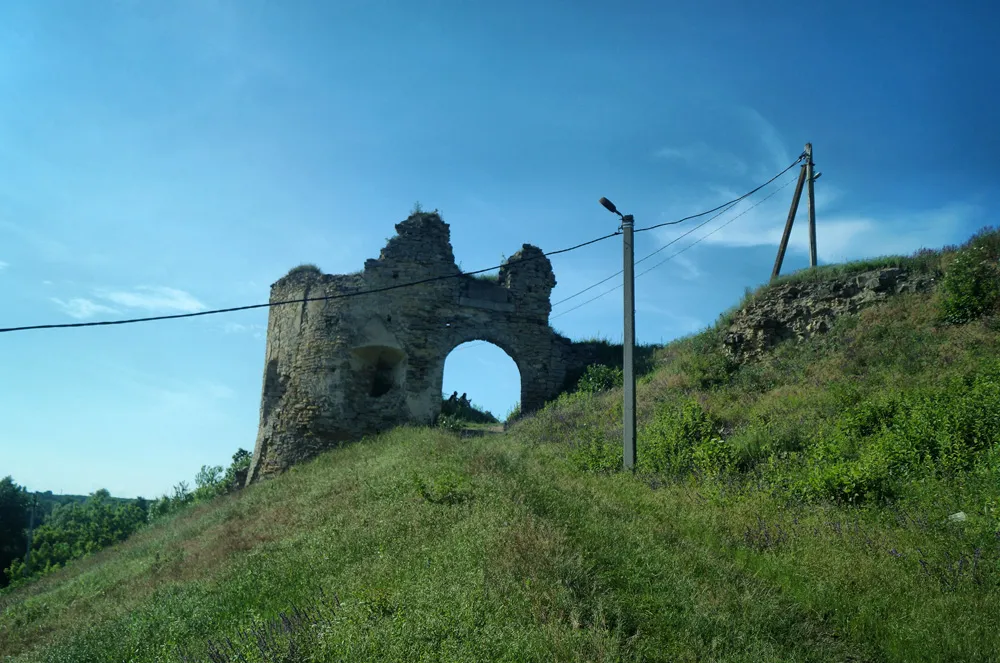
The northern part of the castle has survived best, where a two-tier watchtower, triangular in plan and somewhat rounded on the outside, dominates. Built into the walls running from both sides of the watchtower are 2 semicircular two-tier bastions. Also preserved, in a semi-ruined state, is the southern semicircular two-tier bastion with an entrance arch and buttresses.
Church of the Immaculate Conception of the Blessed Virgin Mary.
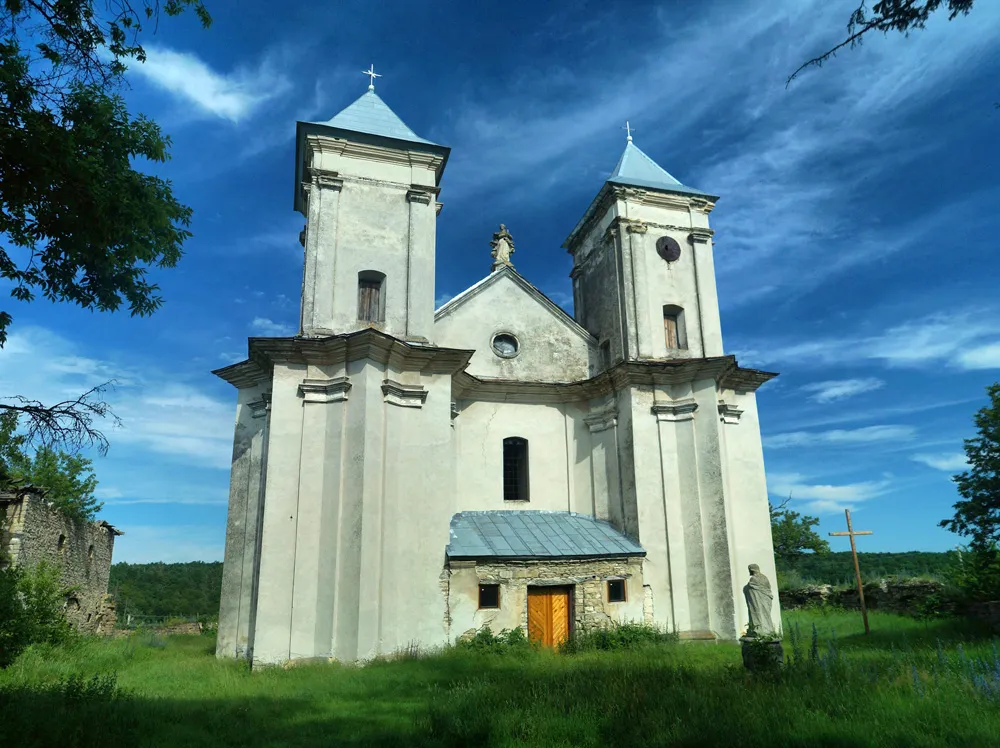
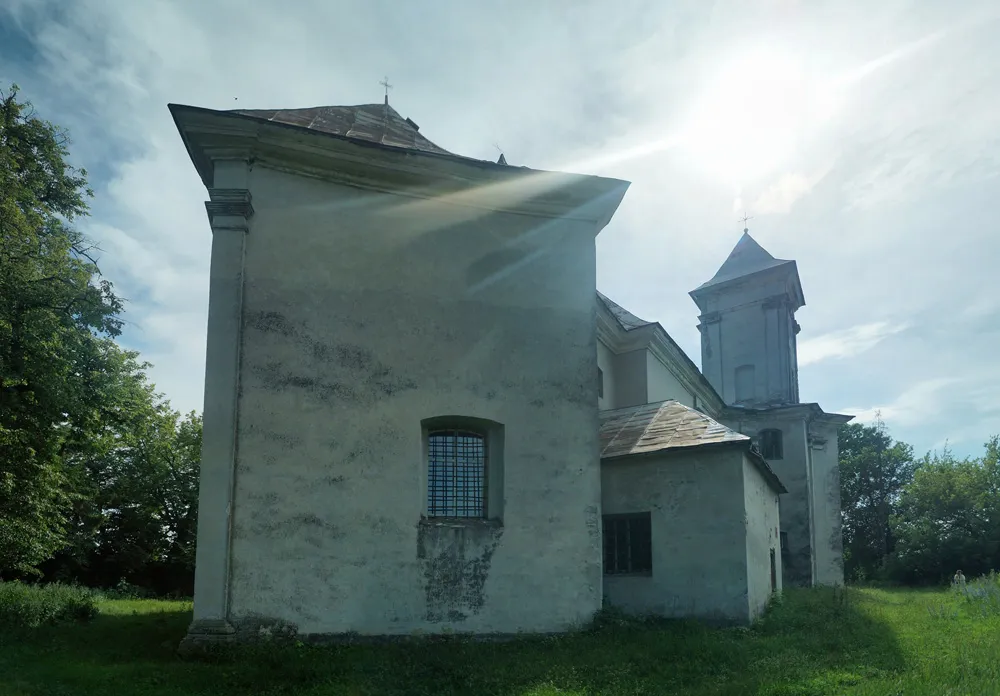
Built as a Dominican church in 1741. Construction began on the initiative and with the support of the Kamianets castellan Marcin Kalinowski, and the construction itself was completed with the help of his son Ludwik. The church was built in the shape of the Kalinowa family coat of arms. The architect of the church was the Kamianets commandant Jan de Witte.
Until 1945 the church housed a miraculous image of the Mother of God of the Latin rite, which was then taken to Warta Bolesławiecka (Poland). In 1994 a copy of this icon was made for Sydoriv.
In the crypt were buried the Crown Hetman Marcin Kalinowski (killed in the Battle of Batih) and his relative, the founder, Marcin Kalinowski.
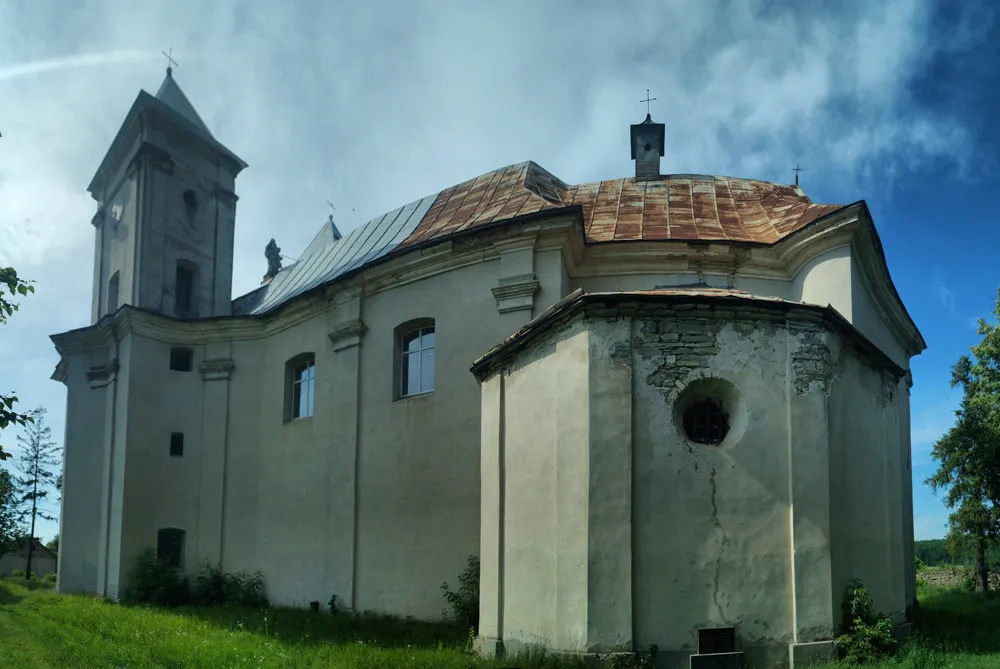
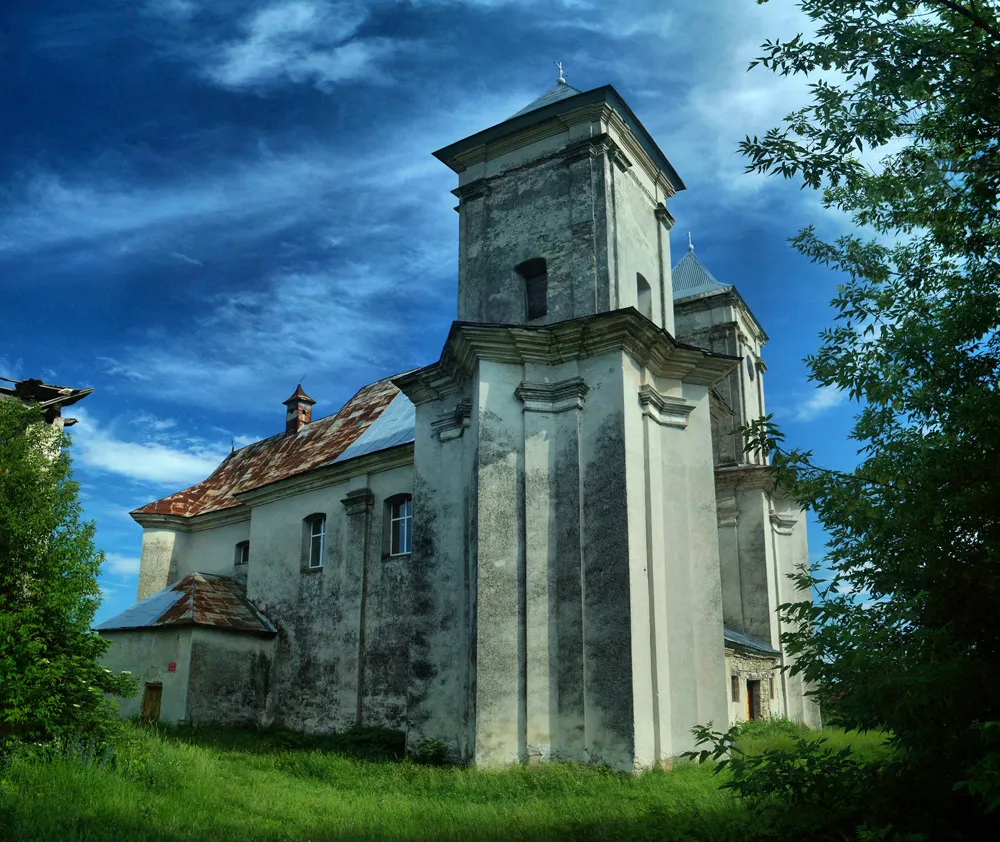
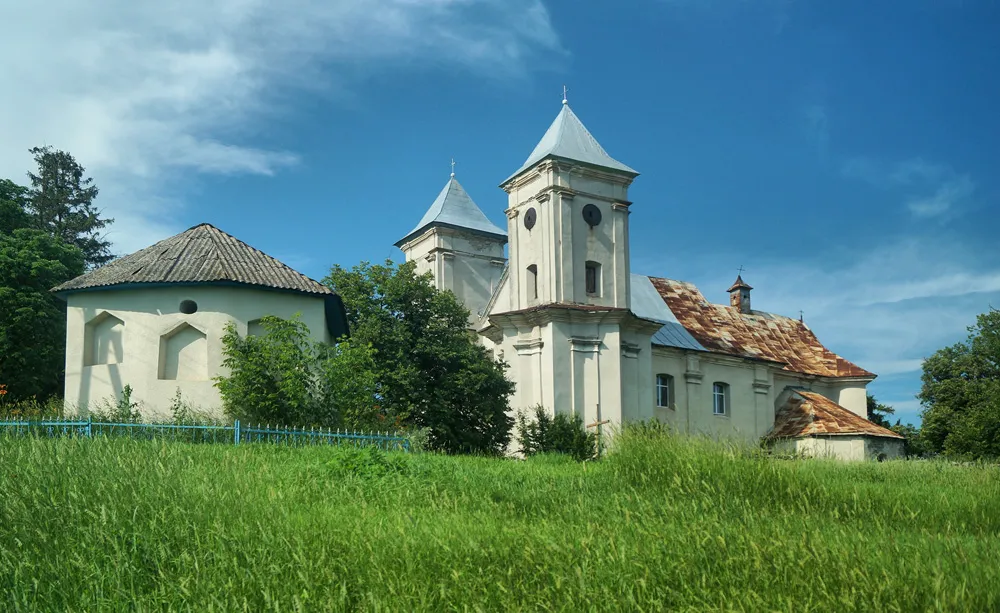
Photos by Roman Malenkov.


