Trostianets in the Zboriv area

· 2 min read
The first written mention of Trostianets in the Zboriv district dates from 1437.
In the interwar period the village, then called Trostianets Velykyi, had a People’s House, an agricultural shop, a farmstead of the Sisters of Mercy, a dairy of the Dairy Cooperative, a mill of the “Millers’ Union”, Greek Catholic and Roman Catholic parishes, a primary school, a fire station and a “Ukrainian People’s House”.
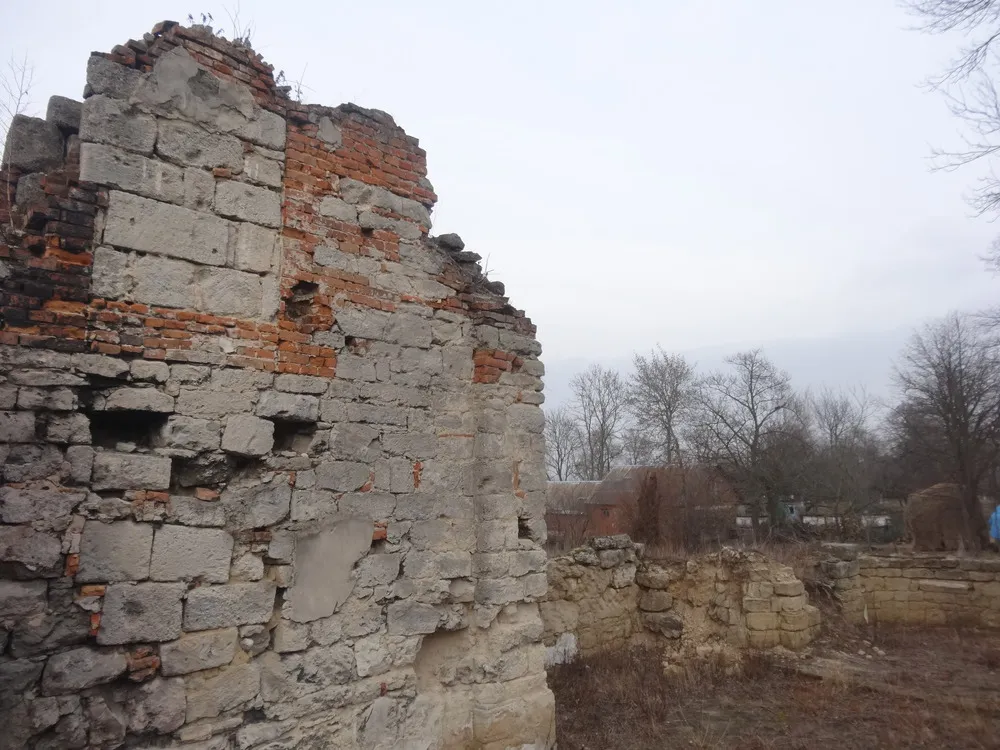
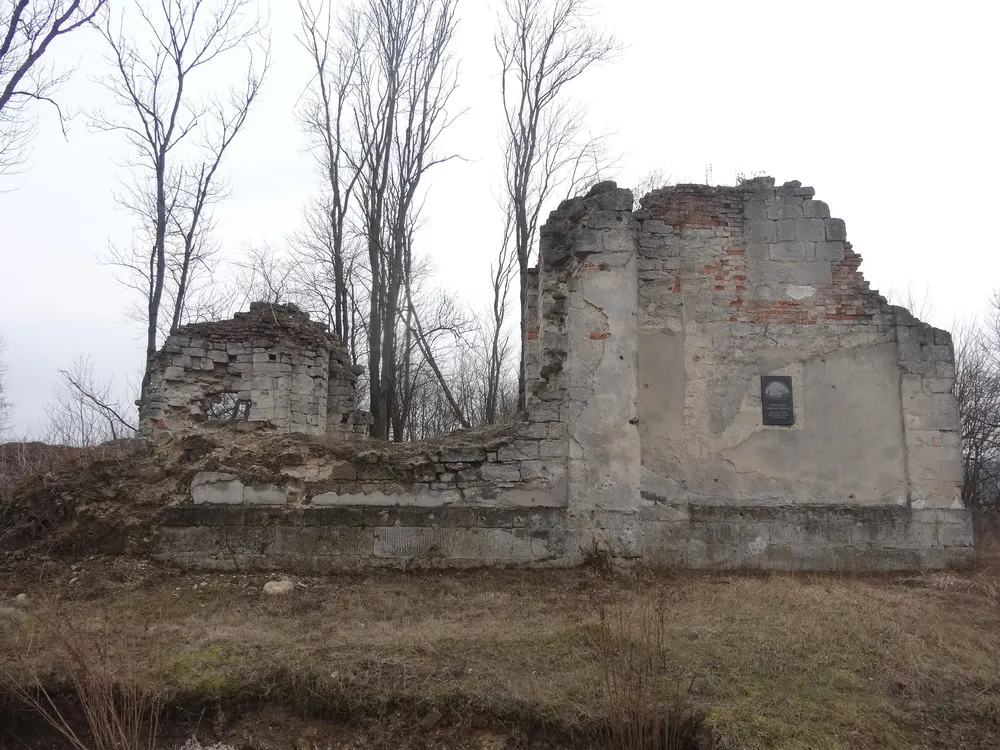
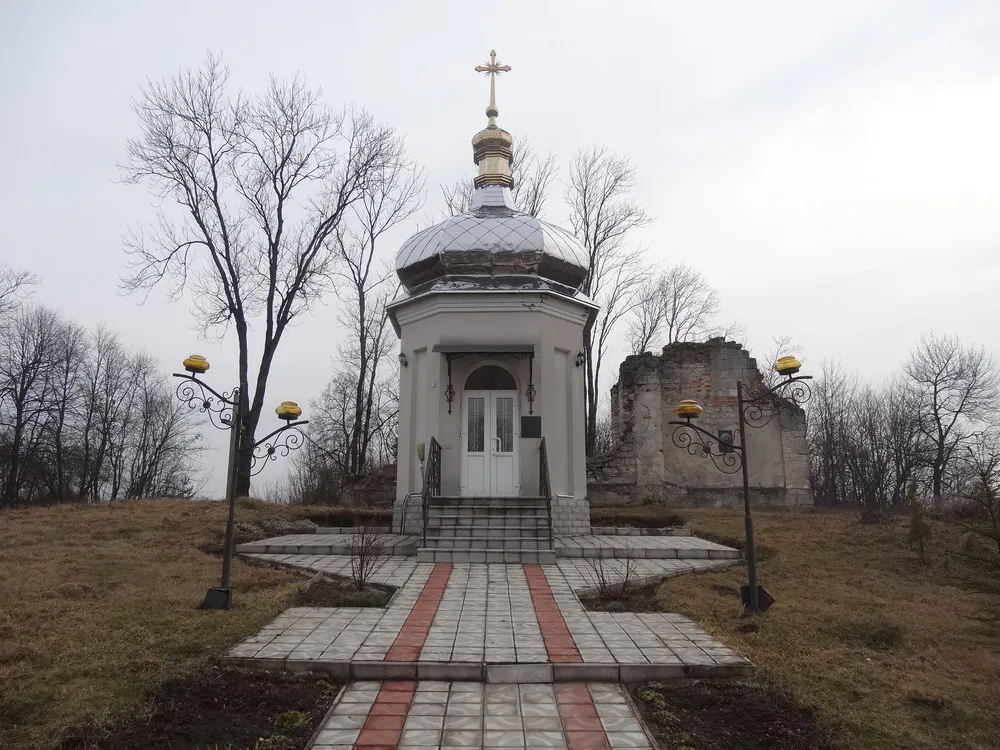
Trostianets has two shrines: one is the ruined former Church of St. Paraskevi, built in 1893, the other is the functioning Church of St. Paraskevi (a former Roman Catholic church).
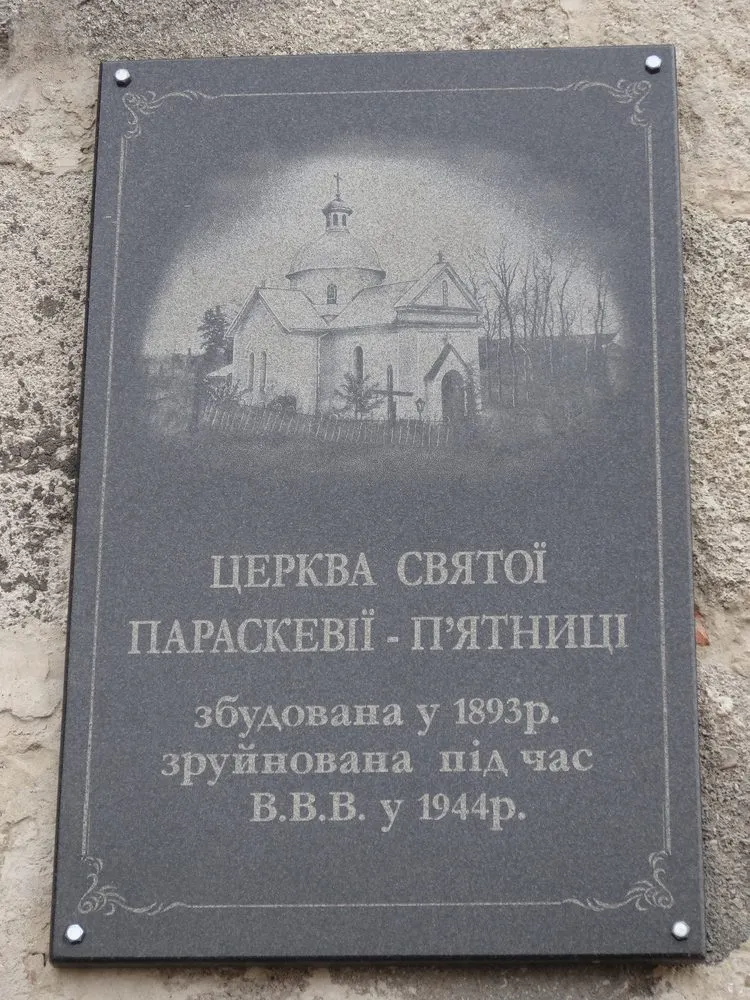
In 1944, during the advance of the Soviet troops, the Germans set up an observation post in the first church, which stood on a hill, from which they corrected the fire of German artillery. The church was shelled by Red Army artillery and partly destroyed. A few years later the village community tried to rebuild and restore the shrine, but the collective-farm chairman, on the contrary, gave an order to dismantle the church for building materials. Only fragments of the walls remain of the church. A chapel has been built next to the remains of the church, and there is a memorial plaque about those events.
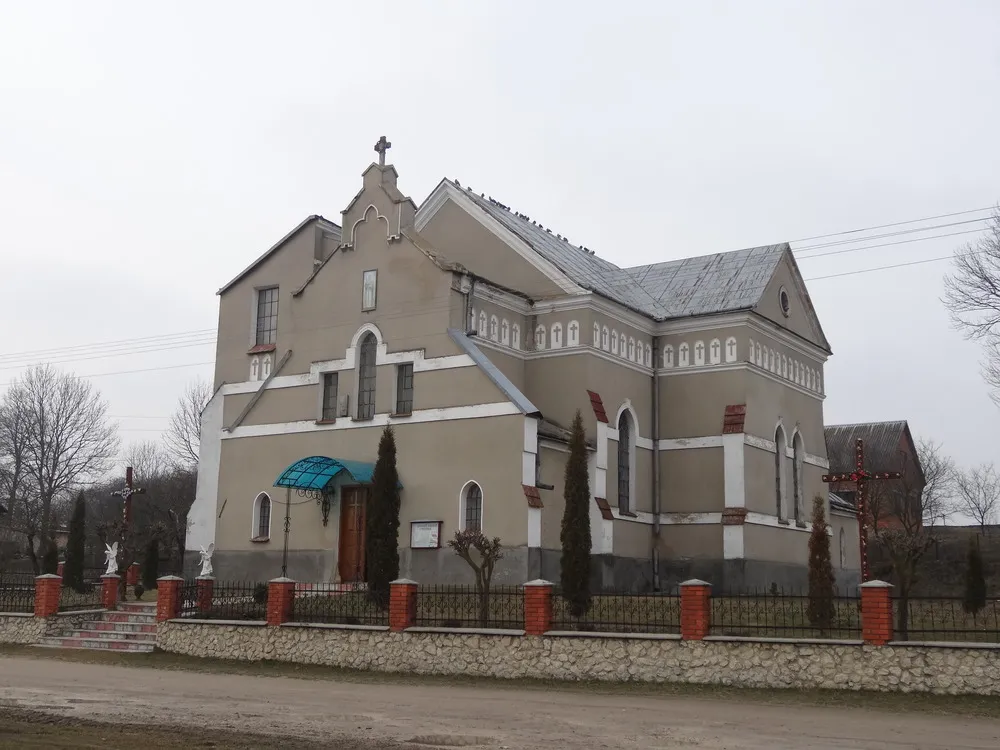
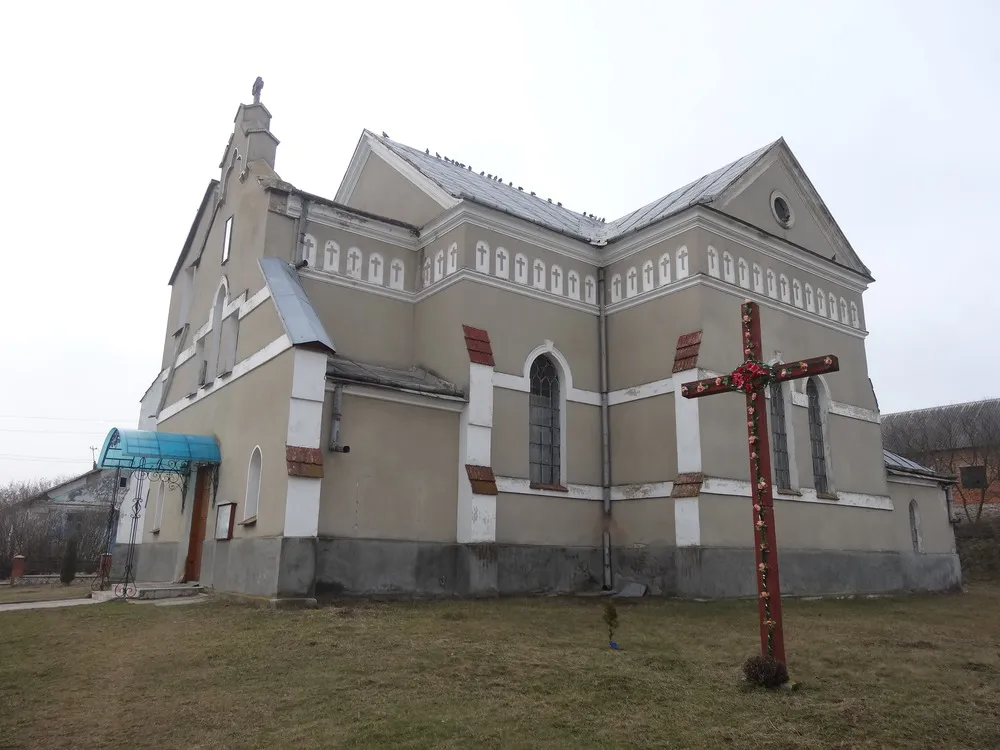
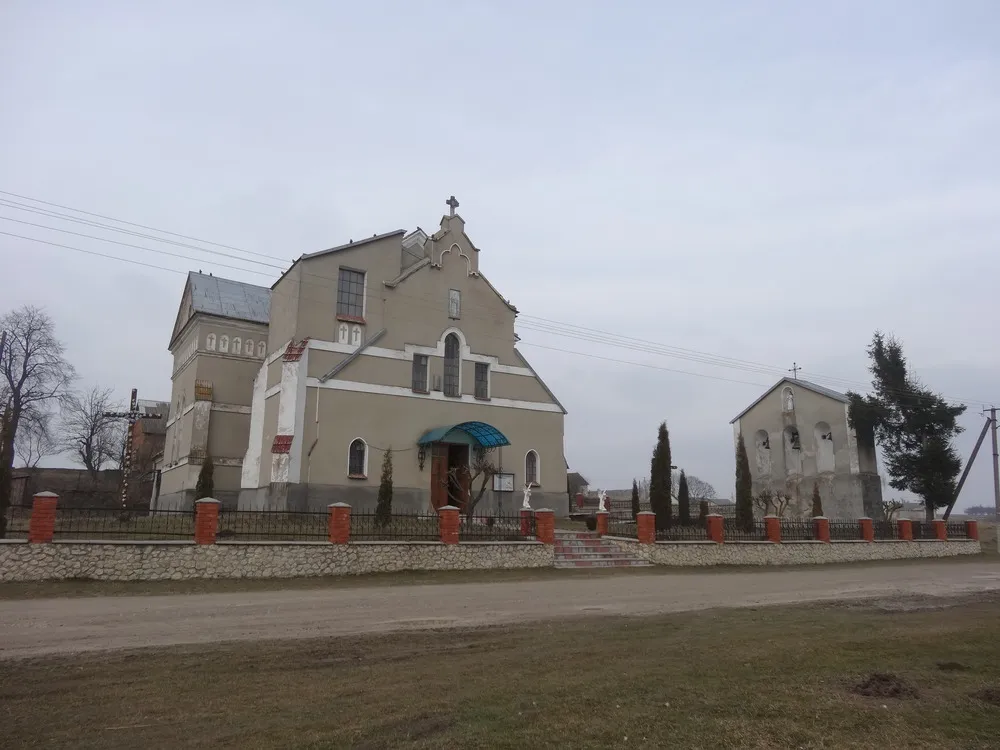
In 1950 the church was moved into the Roman Catholic church in another part of the village, for which it was somewhat rebuilt: the tented tower was taken down and the roof was redone. However, the classic Gothic style can still be traced thanks to the surviving authentic elements. When the Roman Catholic church was built… unfortunately, we found no answer to that. At present the Church of St. Paraskevi belongs to the village’s Greek Catholic community.
Near the village, at the place where in 1941 the Germans shot 202 Soviet army prisoners of war and where a mass grave is located, a rather unusual monument was erected in 1948 (reconstructed in 1978): an obelisk, in the lower part of which is depicted the head of a mother.
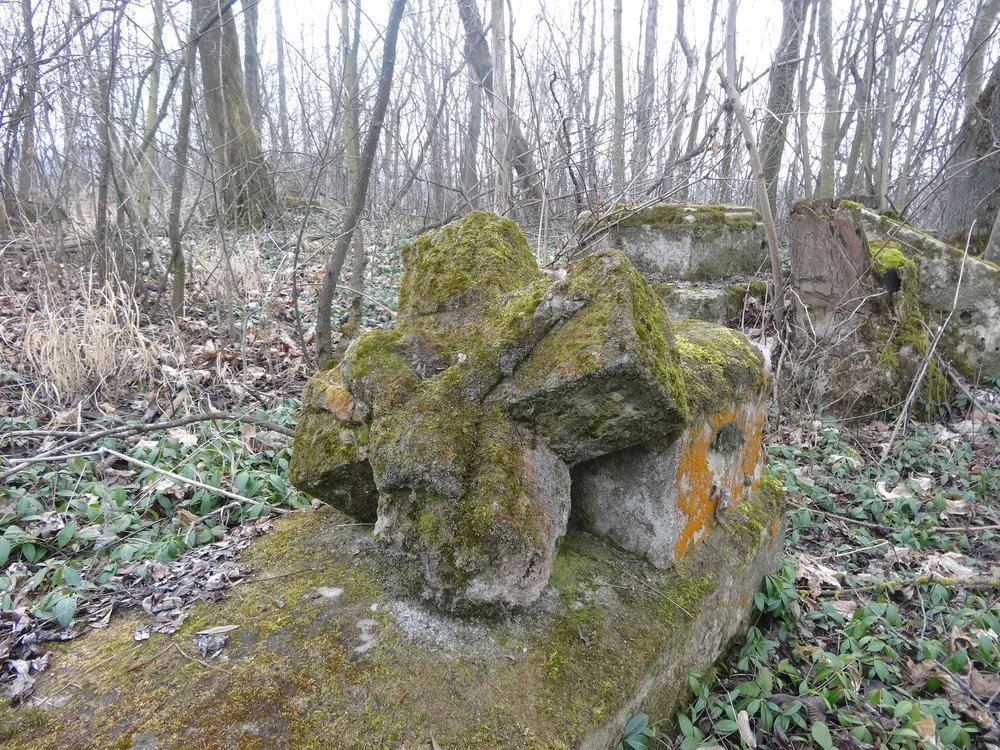
P.S. If you go into the old cemetery near the ruined church, especially alone, be careful. Quite deep holes leading down to the crypts are overgrown with moss, and one careless step sideways or back, and that is it. Broken legs are the least that can happen, and we saw no people anywhere nearby during our trip.
Text and photos by Ihor Dorozhko.