Volunteer clean-up at the Cossack cemetery in the village of Stina (photo report)

· 2 min read
Yesterday our website reported on a well-attended volunteer clean-up (toloka) at the unique cemetery in the village of Dzyhivka. But it was not the only “cemetery” event held on the initiative of Ukraine Incognita last weekend. A day earlier, on Saturday 4 November, a similar event took place in the village of Stina as well, also in Vinnytsia Oblast.
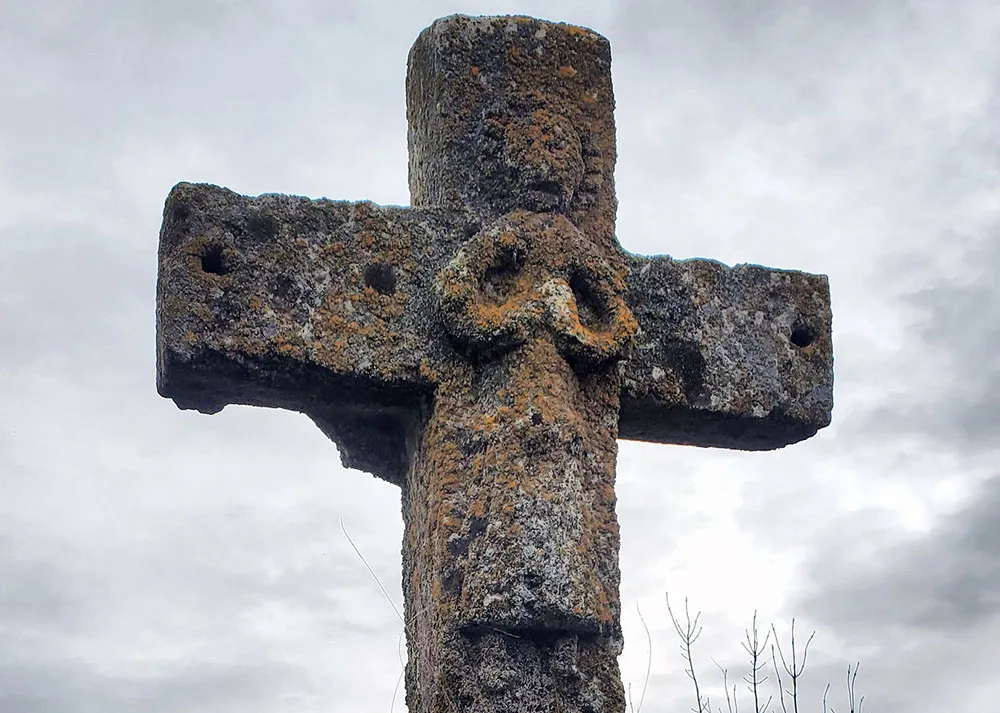
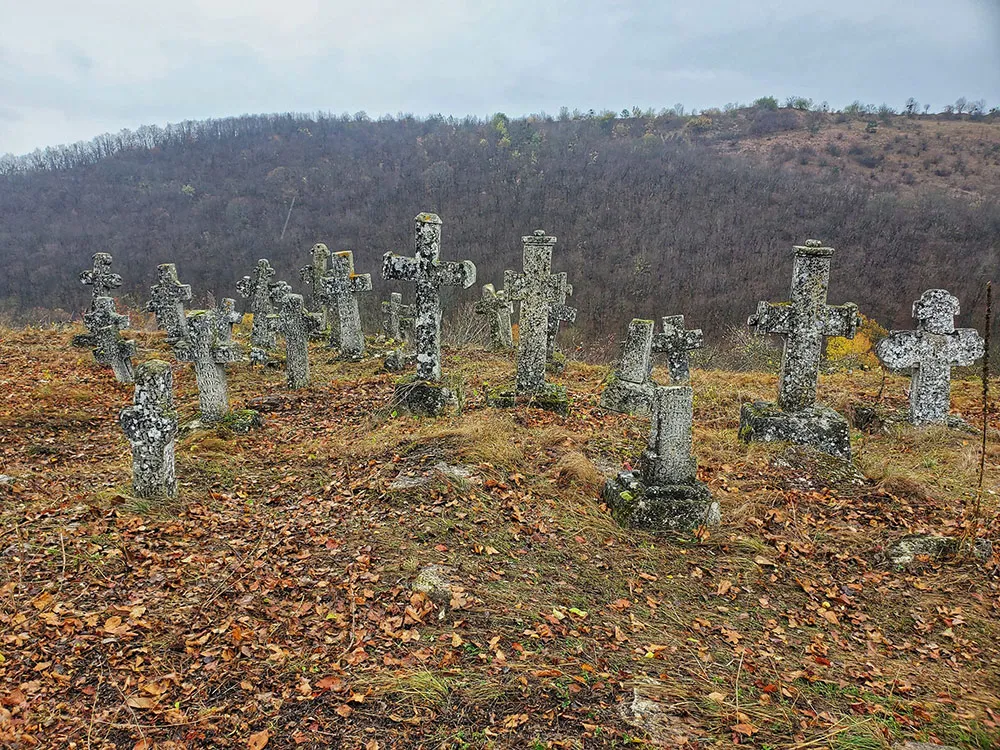
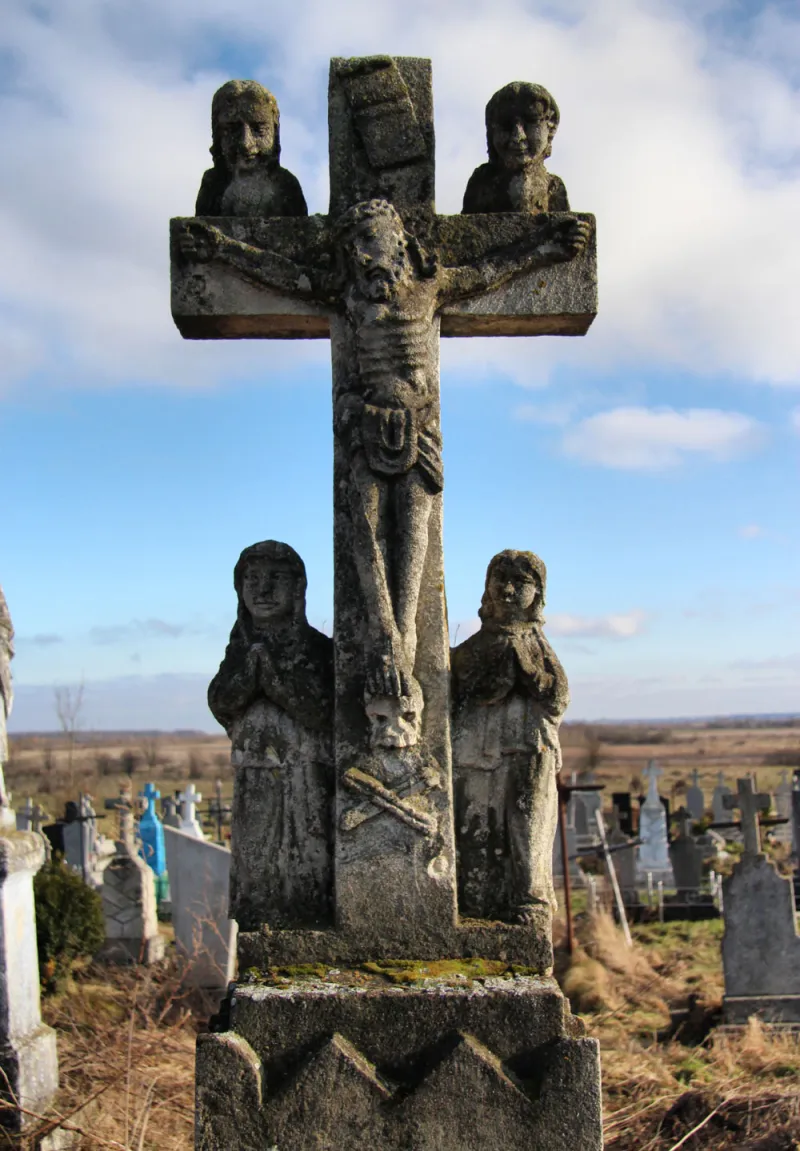
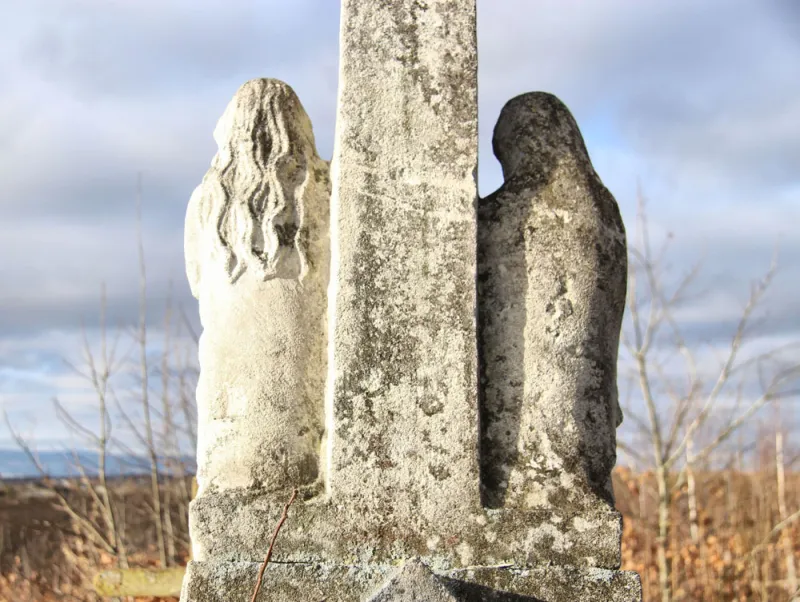
One of the old crosses in the village of Stina
The Cossack defence of the castle in the village of Stina (1651) is a well-known heroic episode of Ukrainian history. The crown troops were unable to take the castle then, but many defenders fell. They were buried in the cemetery, which was then called the Castle Cemetery.
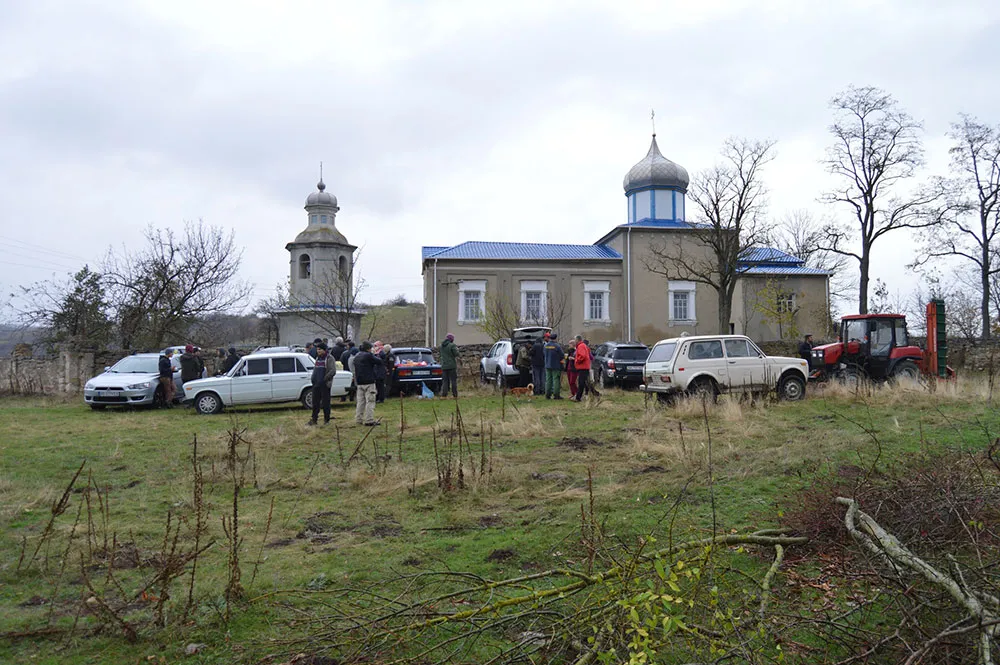
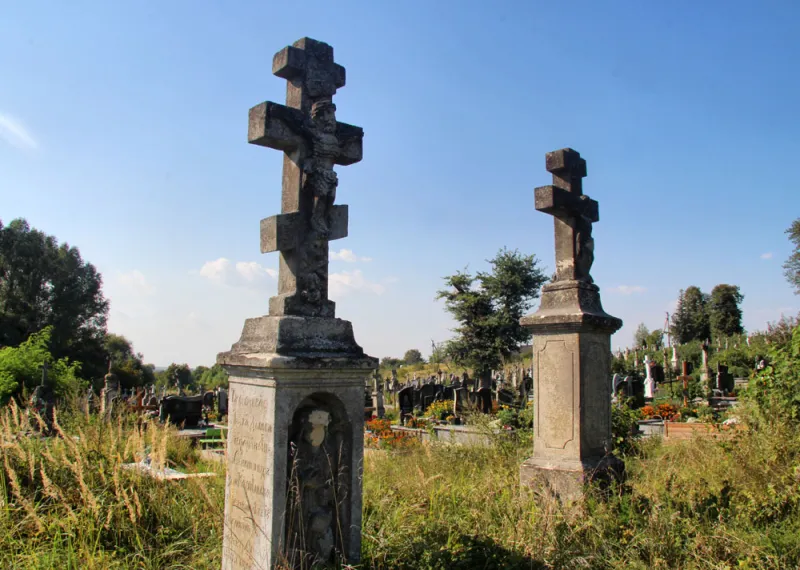
The castle was later dismantled for stone (a fairly traditional fate). Today a church with a stone fence stands on its site. But the cemetery has survived! It has quite a few crosses from the 19th century; there are some whose epitaphs have been erased by time, so they are hard to date, but we know for certain that the Cossack defenders lie there too…
Substantive research is needed, but the cemetery is now in a state of disrepair, many crosses are broken, and there is a suspicion that in the Soviet period the oldest Cossack crosses were deliberately destroyed. During their expeditions the Ukraine Incognita team have repeatedly seen the remains of smashed gravestones in fences built of stones, including the church fence.
But even the later crosses, dating from the century before last, are quite interesting and unique.
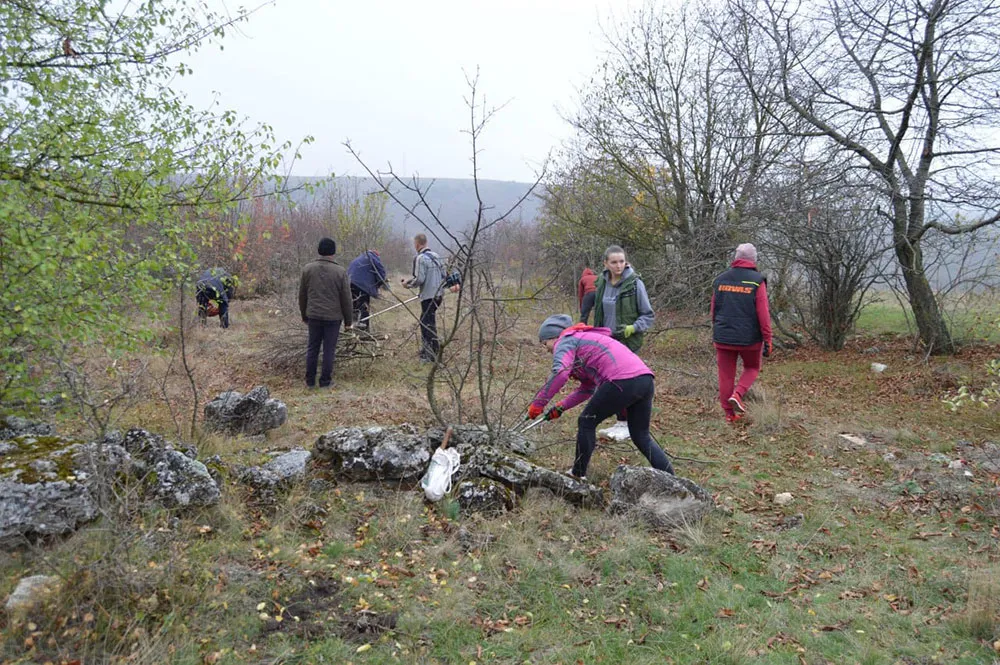
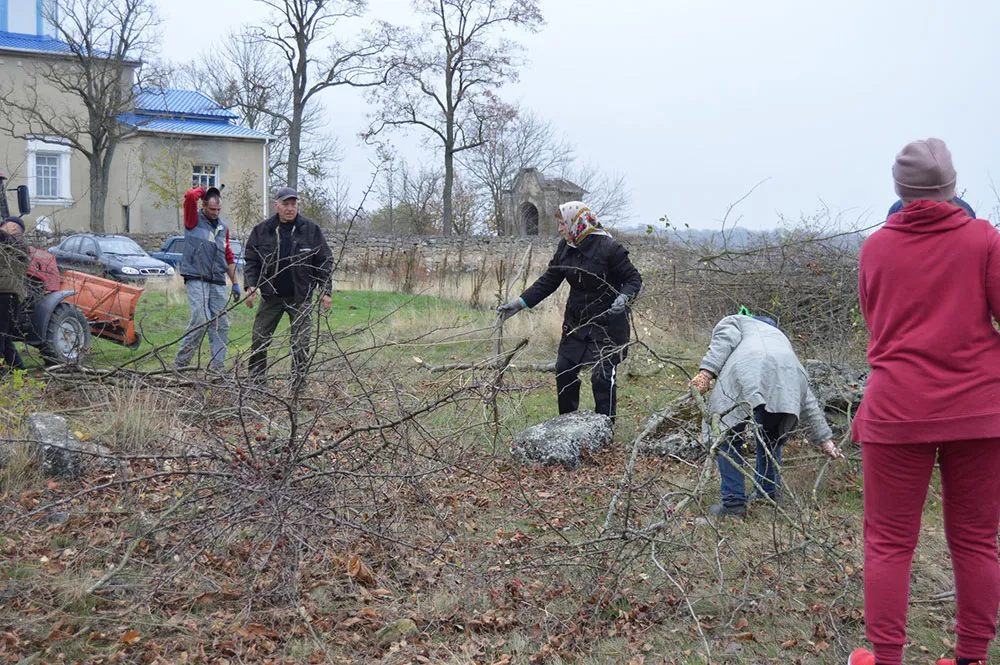
Unfortunately, as in the case of Dzyhivka, the necropolis is very overgrown with trees and shrubs. While last year the Ukraine Incognita expedition could still walk through and photograph most of its areas, this year that became practically impossible.
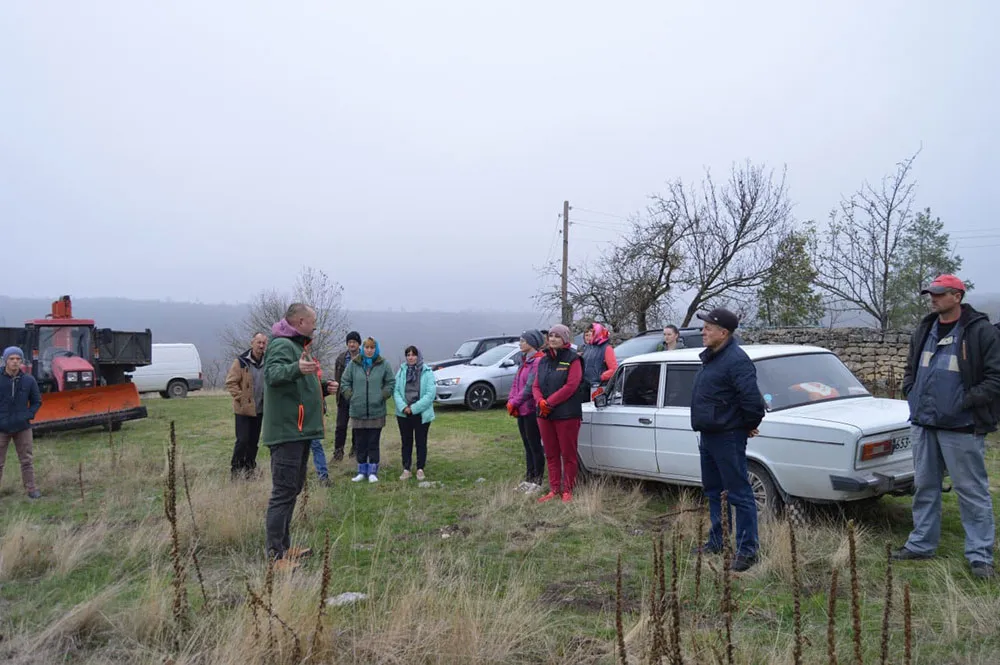
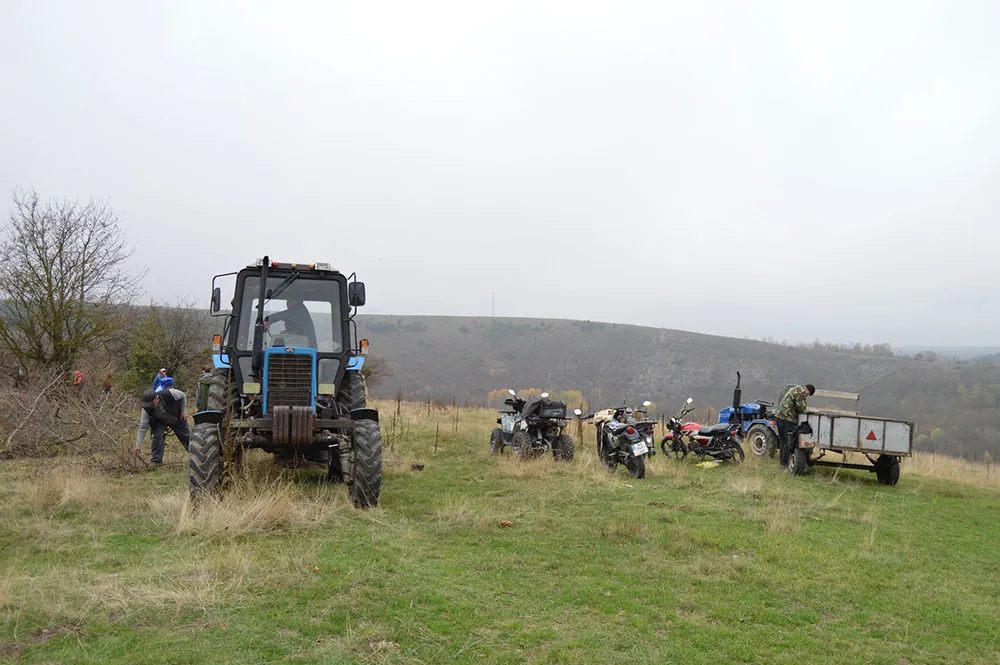
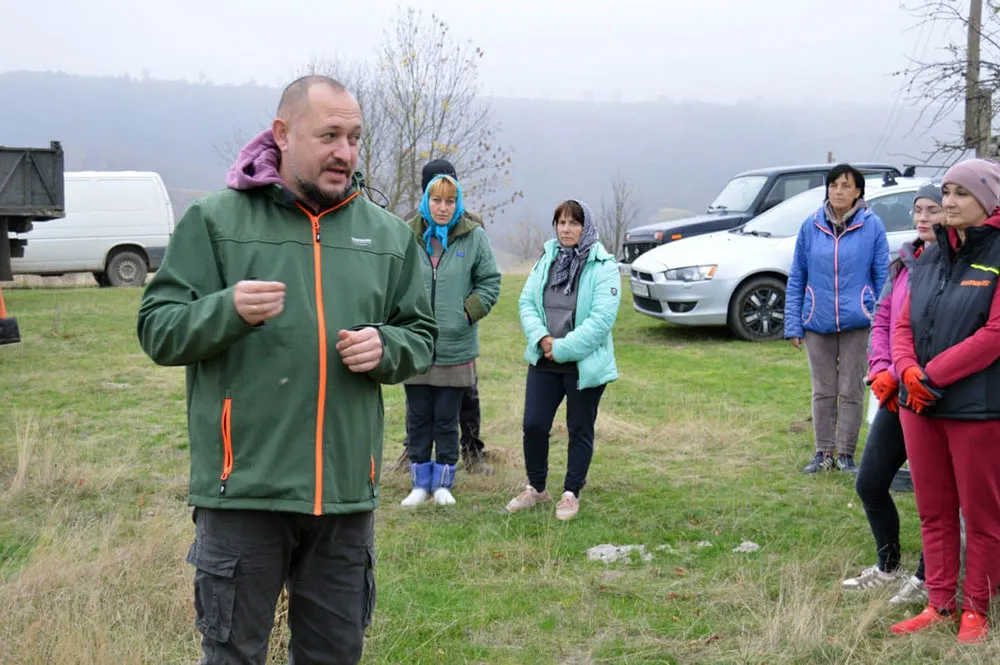
Up to 60 local residents, led by the head of the village of Stina, turned out for the toloka to clear the cemetery.
“We gathered here to honour our history, our past. After all, our Cossacks are buried here,” said Ivan Zaiats, head of the village of Stina, commenting on the toloka.
Residents of neighbouring settlements also came to the event.
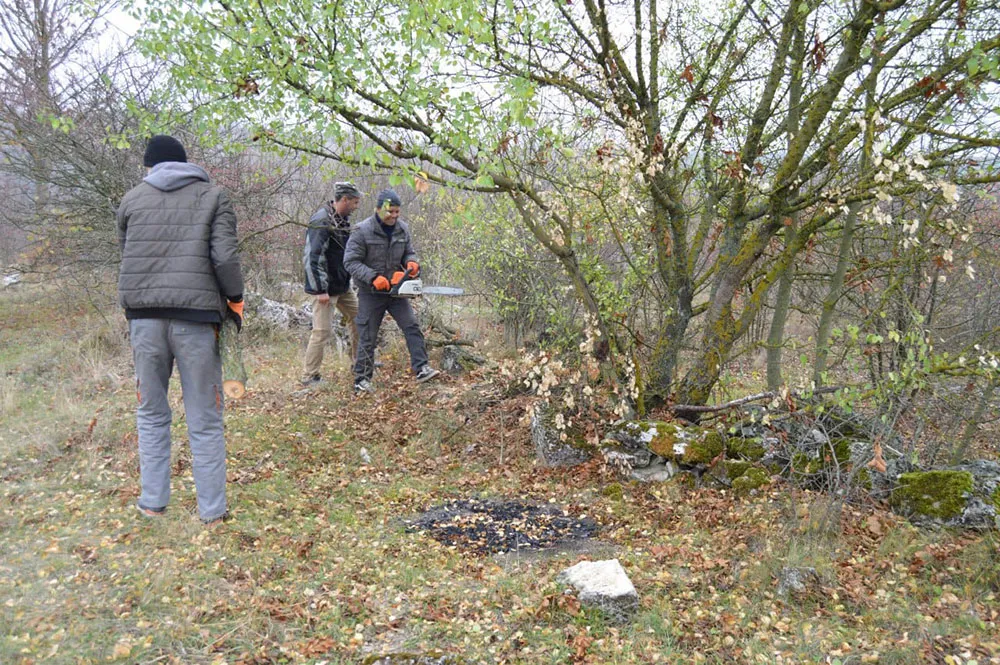
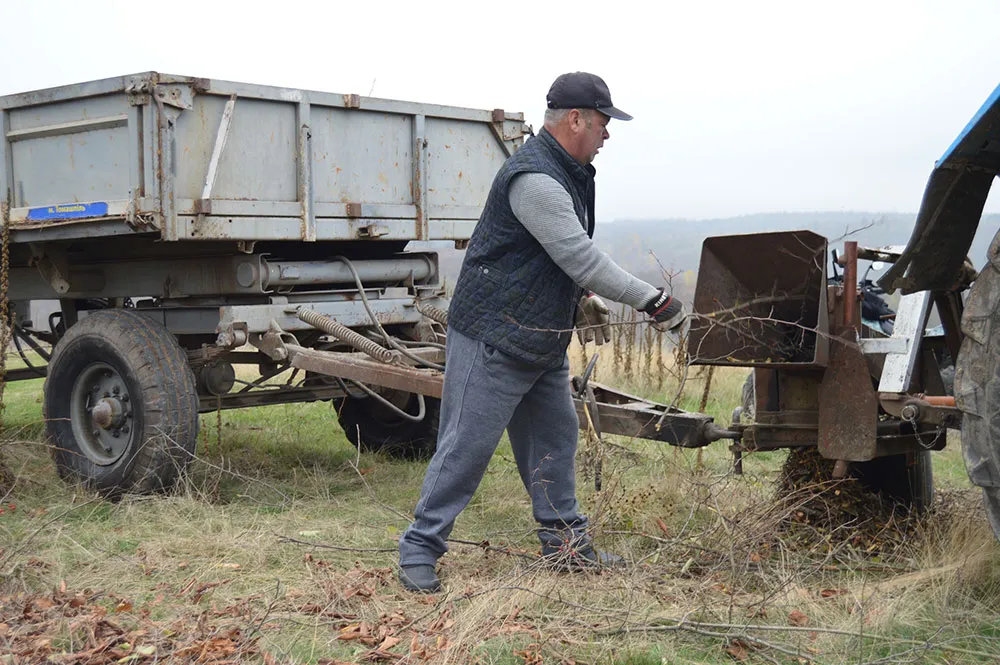
In particular, Oleksandr Bodnar, a resident of Tomashpil, joined the toloka. He trimmed trees with an electric saw: “I think that preserving our heritage, our Cossack glory, is very important,” he said.
One of the initiators of the toloka was Yaroslav Herashchenko, an activist of the Stina eco-centre. According to him, preserving and tidying up the necropolis is also important because in future an interesting and popular tourist route could be developed here. And that would contribute to the development of the village economy.
Some fifteen residents of the neighbouring village of Kalynka also took part in the toloka.
See the photo report on the progress of the toloka. Photos by Ukraine Incognita and Eco-Center Stina.