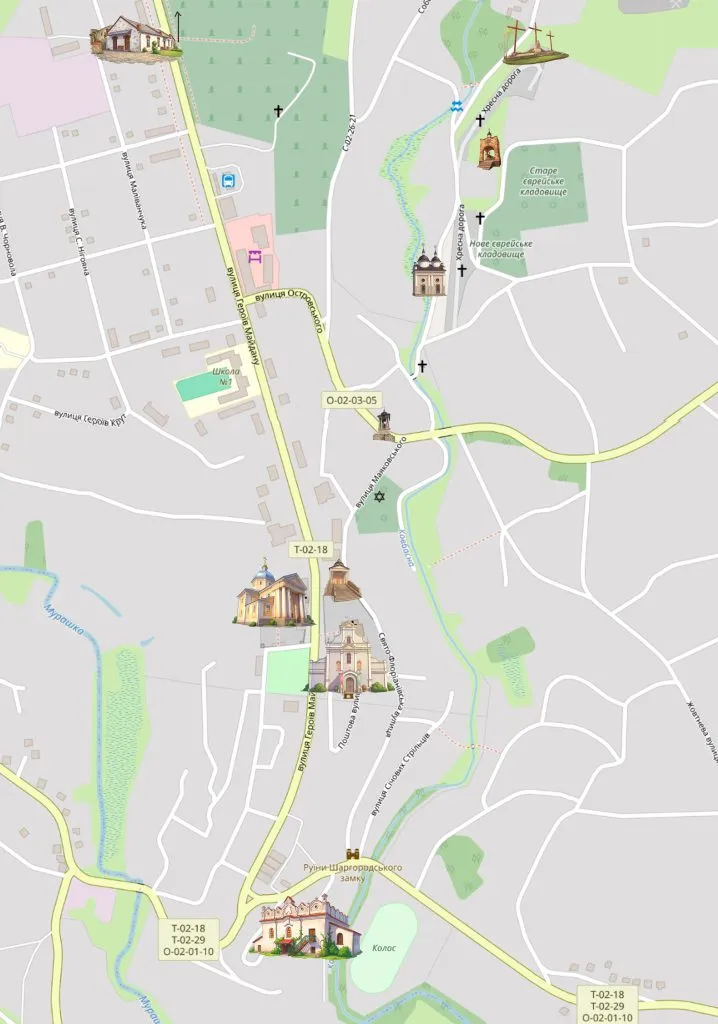
Tourist route: The incredible Sharhorod region
Locations (tourist magnets) of the tour “The Incredible Sharhorod Region”
On the way from Vinnytsia, possibly with a quick look at the sites:
Brailiv
The town of Brailiv in Vinnytsia Oblast was founded in the 16th century, and its development was linked to the building of religious, manor and industrial infrastructure over the 18th–19th centuries. In the 1740s the magnate Franciszek Salezy Potocki founded a Trinitarian monastery here; its complex now functions as the Orthodox Holy Trinity Convent, next to which stands the parish Trinity Church (kostel) built in the 19th century. In the second half of the 19th century, with funds from the railway entrepreneur Karl von Meck, a classicist manor palace was built in Brailiv and a landscape park of more than 8 hectares was laid out, where the composer Pyotr Tchaikovsky stayed many times. The town’s economic and social life is complemented by a large three-storey 19th-century water mill, two synagogue buildings that attest to the former Jewish community, and an old cemetery with preserved stone crosses of Ukrainian and Polish types.
Mezhyriv
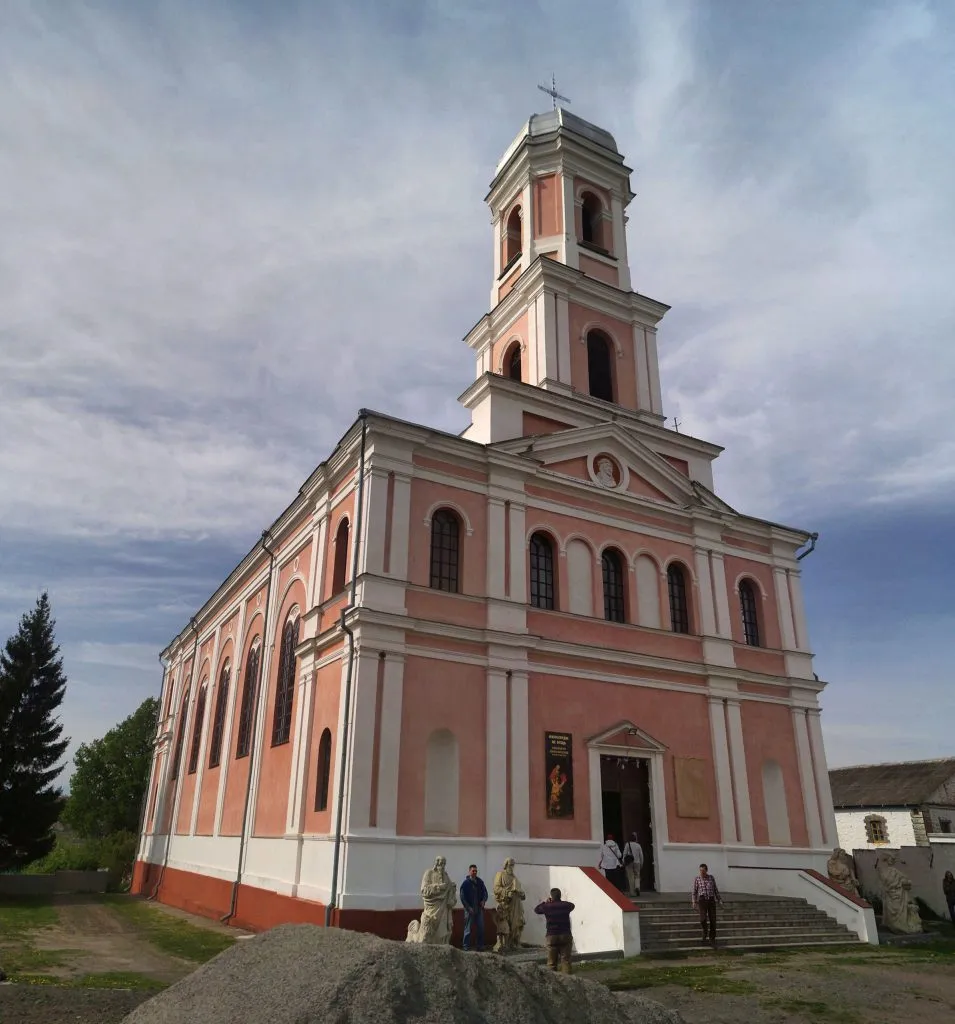
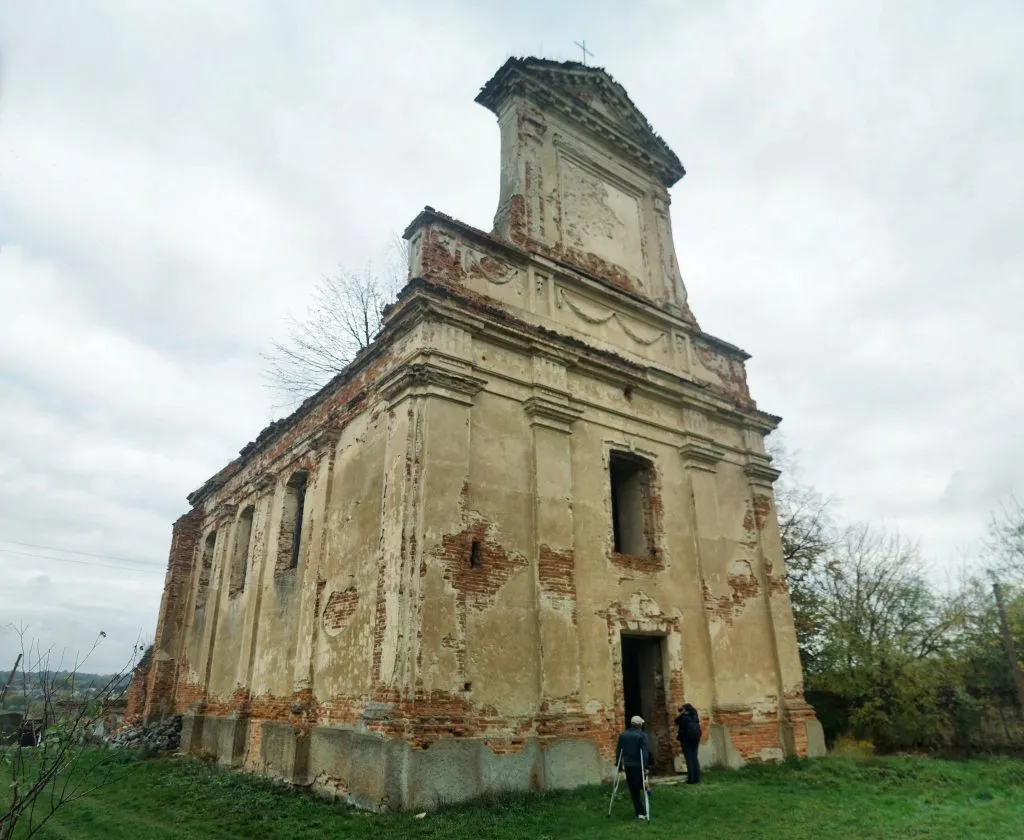
Mezhyriv is a village in the Zhmerynka district of Vinnytsia Oblast, which from 1591 held Magdeburg rights and had the status of a town, whose heyday in the 19th century was ensured by a trade route and local crafts. The surviving historical and architectural sites of the settlement include the ruins of the Church of the Ascension of the Blessed Virgin Mary (built in 1794 as a Dominican monastery and closed in 1831 after the November Uprising), the active Orthodox Church of St Alexander Nevsky (built in 1865 in the classicist style), the ruins of a 19th-century synagogue, which attest to the town’s sizeable Jewish community, and the remains of an industrial lime kiln of the 19th century.
Cherniatyn
The palace in the village of Cherniatyn was built in the first half of the 19th century as the residence of the Witoslawski noble family. Construction of the building in the English Gothic Revival style was begun by the Polish court official Ignacy Witoslawski and completed by his son Ignacy Ksawery. The architectural project was carried out under the direction of the Maltese architect Henry Ittar, and the 31-hectare park was designed by the landscape architect Dionizy Mikler. In 1865, owing to the owners’ financial difficulties and sanctions after the January Uprising, the estate was bought out by the state treasury and later sold to the Russian entrepreneur Vasily Lvov. Since 1930 the building has been used by an educational institution, thanks to which the building and elements of its interior decoration have survived to this day.
The main part of the route
Nosykivka
The village of Nosykivka is known for the manor complex of the Shchenovsky sugar manufacturers, built in the first half of the 19th century and rebuilt in the classicist style in the early 20th century. The palace ensemble includes a two-storey main building, outbuildings, a network of underground cellars and a park. The interiors have preserved elements of the original layout, authentic stucco, fragments of ceiling and parquet decoration, and a staircase, while the cellar rooms show brick vaulting that was used for household needs and for storing produce. In the 21st century, restoration work began at the site, including conservation of the load-bearing structures, roof repair, clearing of the underground spaces and gradual restoration of the interior rooms in order to preserve this cultural heritage.
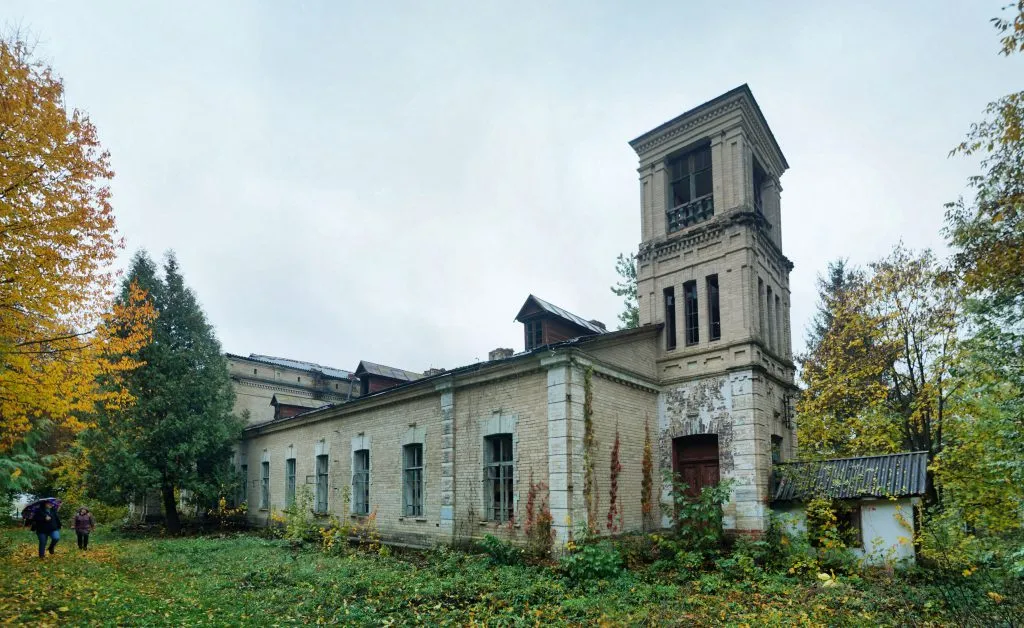
Sharhorod
Sharhorod was founded in 1585 by the Polish magnate Jan Zamoyski under a privilege granted by King Stephen Báthory. To defend against Tatar raids, Zamoyski built castle fortifications and a fortified synagogue. In the 17th century Sharhorod found itself at the centre of the events of the National Liberation War led by Bohdan Khmelnytsky, and from 1672 to 1699 it was under Ottoman rule. From the end of the 18th century the town became part of the Russian Empire, and in the Soviet period it served as a district centre.
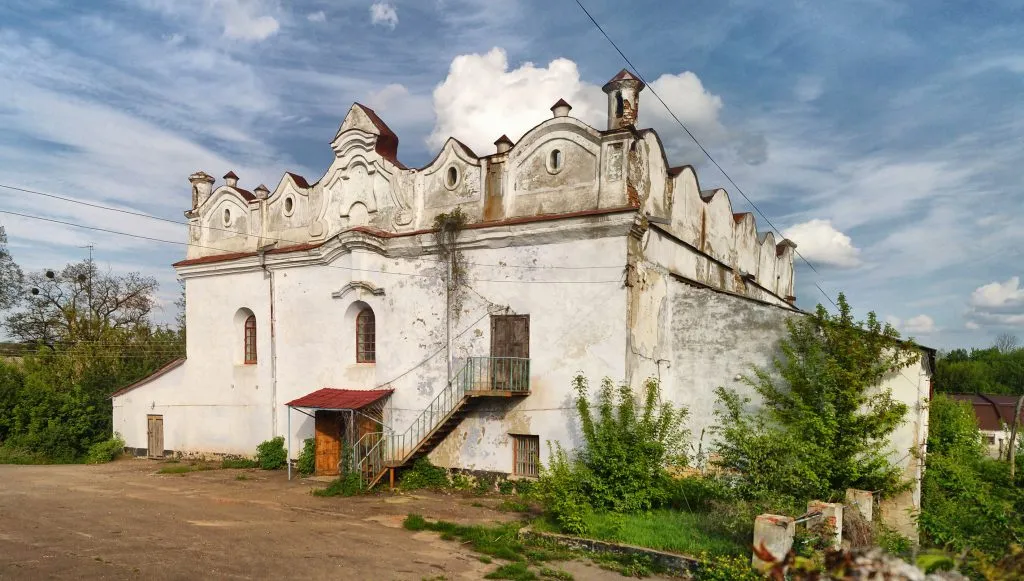
Sharhorod’s historic buildings are represented by the remains of a Jewish town (shtetl), where residential and commercial structures of the 17th–19th centuries have survived. The central structure of this complex is the fortified synagogue built in 1589. The defensive and religious architectural landmarks also include fragments of the 16th-century Zamoyski castle, the Church of St Florian (kostel) of 1595 and the 18th-century Orthodox Monastery of St Nicholas.
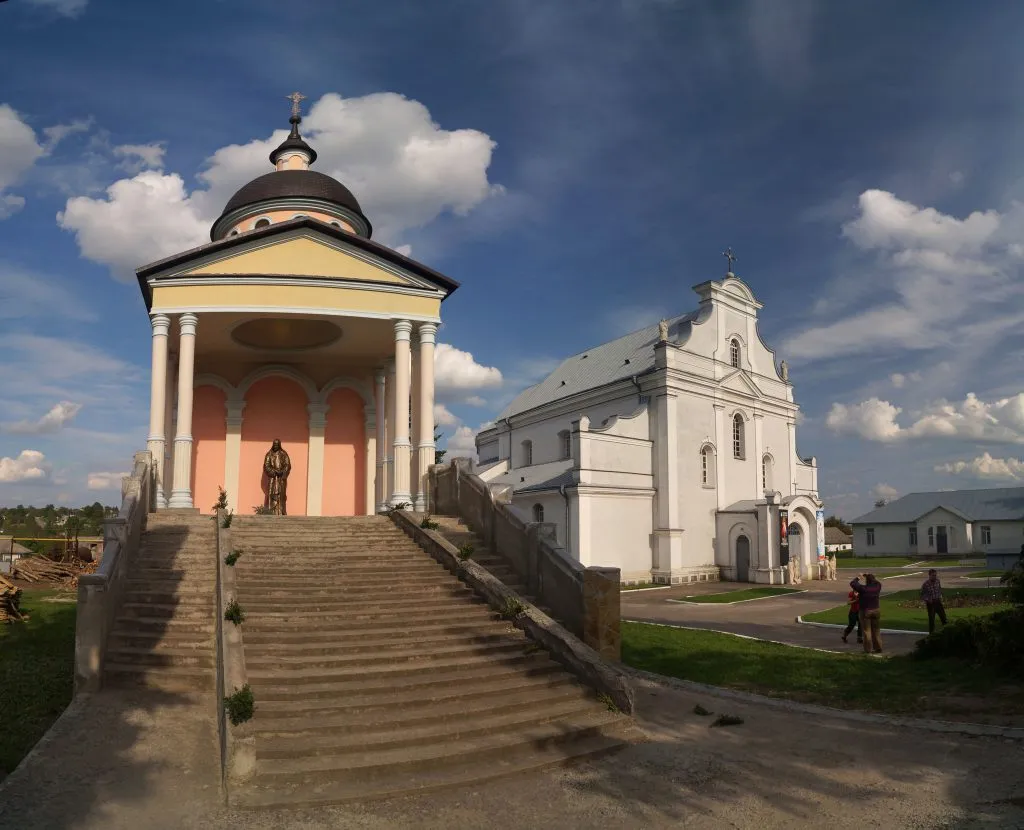
The town’s religious infrastructure includes an active Catholic pilgrimage site, the Calvary. It is a Way of the Cross 3 kilometres long, consisting of 14 separate chapel stations built along a landscape route on the outskirts of the town.
Sharhorod’s modern cultural and tourist sector is based on several sites. These include the Sharhorod Rafinad art residency, located on the grounds of a former sugar factory, the visitor gallery of the local artist Leontii Kostur, and a seasonal site, the lavender meadow for visitors in the summer period.
The town’s economic and craft potential is realized through the production and sale of local craft products. A visit to these sites is included in the standard local-history and tourist routes of the region.
Budne
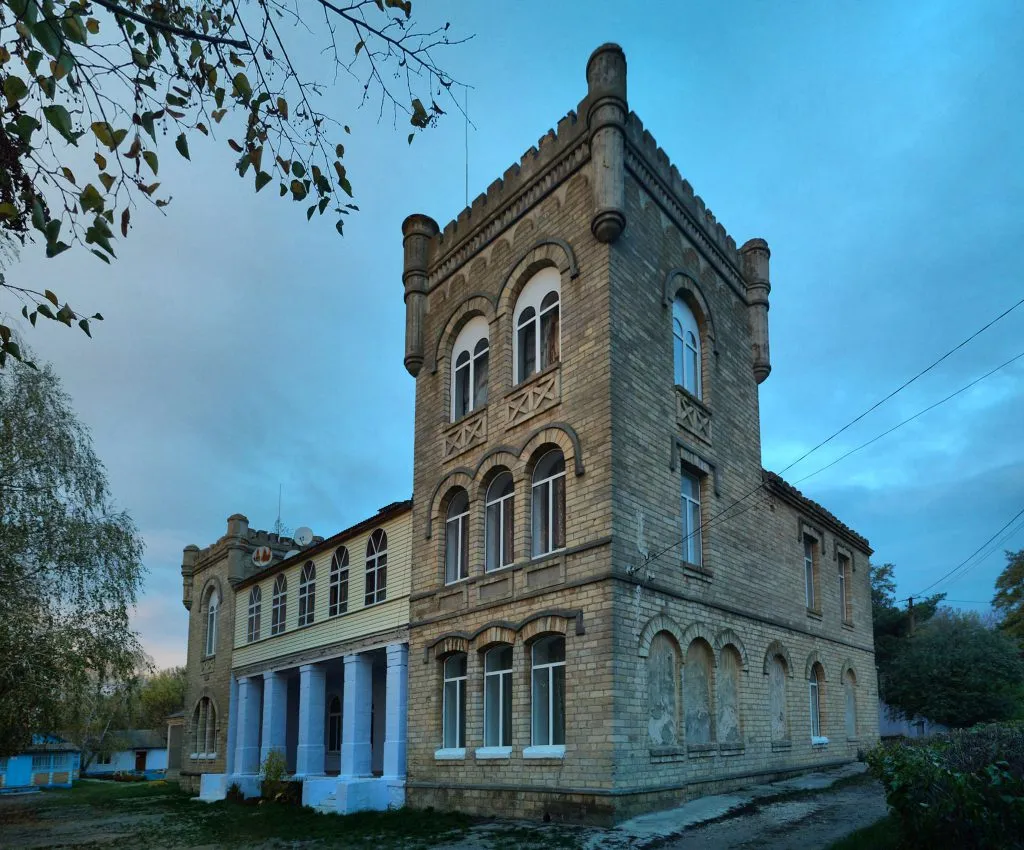
The palace in the village of Budne was built in 1905 as the private residence of Viktor Hlavatsky, the local landowner. The building was constructed in the Neo-Romanesque style, with a symmetrical layout, massive walls, semicircular arches and decorative tower-like elements. In the Soviet era the building was seized by the state and reorganized to meet the needs of local infrastructure, which led to partial rebuilding of the interior rooms and the loss of the original interior. Today the building has preserved its main exterior volumetric features and is listed in the register of local architectural monuments.
Konatkivtsi
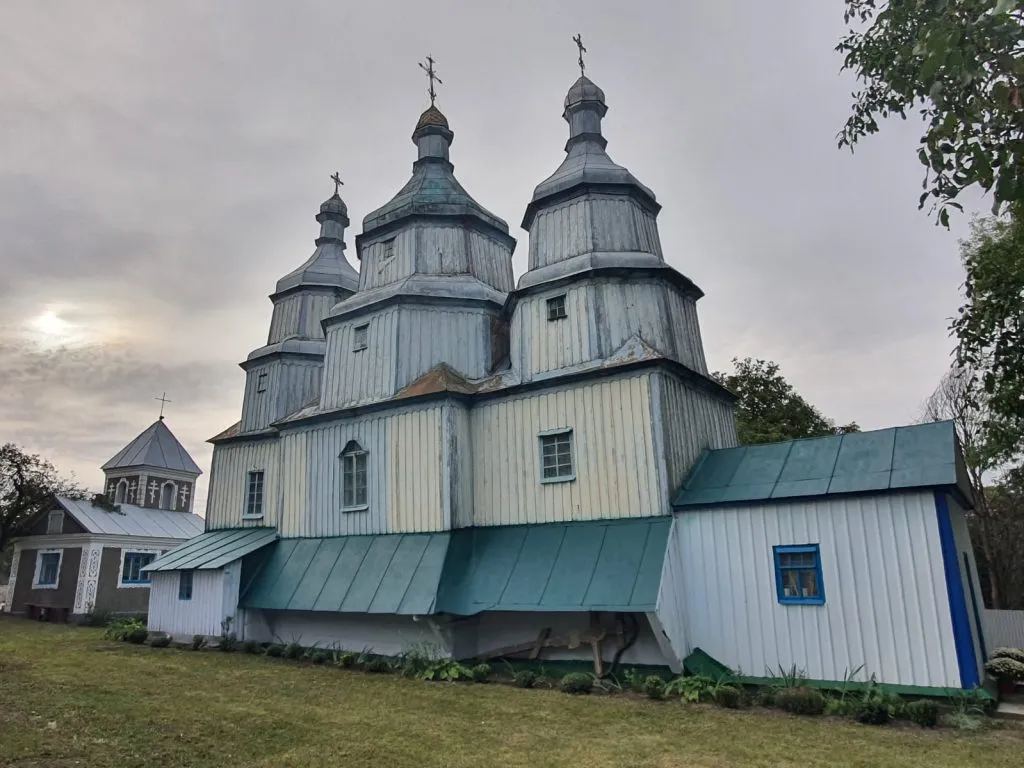
The village of Konatkivtsi is known from written sources since the 16th century. On its territory is a hydrological natural monument of local significance, the “Southern Window” spring, which functions as a natural outlet of groundwater. The architectural and historical landmark of the village is the wooden Church of the Exaltation of the Cross, built in 1775, a sample of the traditional sacred wooden architecture of Podillia. These sites have protected natural and cultural-historical status and are under state protection.
Murafa
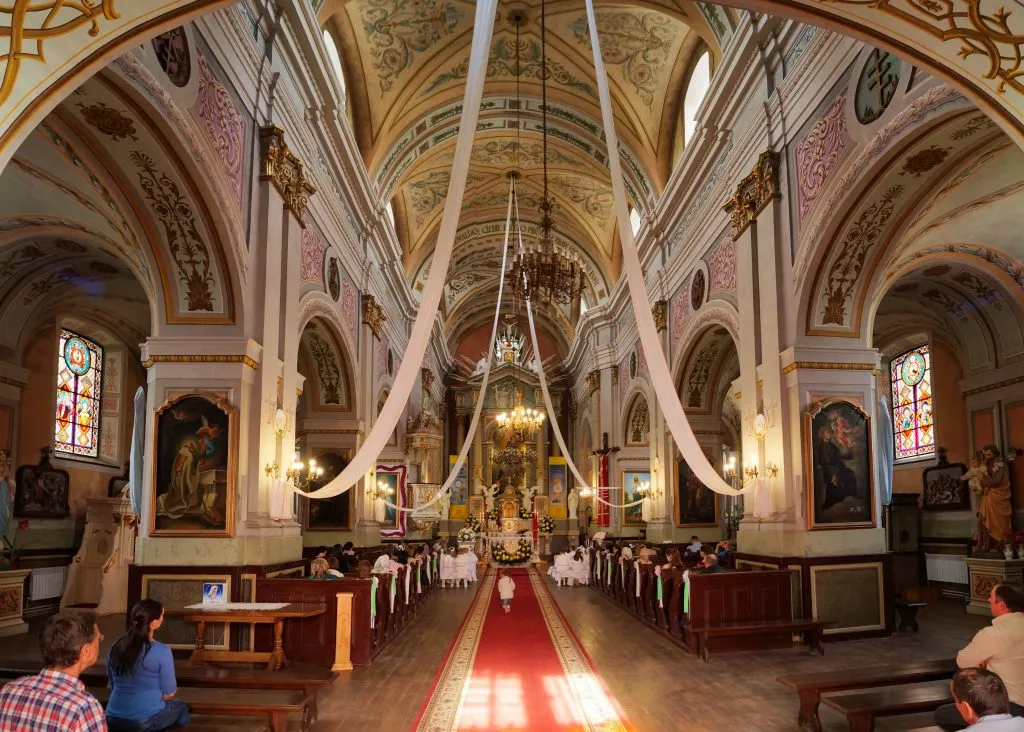
The village of Murafa in the Zhmerynka district of Vinnytsia Oblast lies on the Murafa River and has a rich historical and architectural heritage. Its key landmark is the brick Baroque Church of the Immaculate Conception of the Blessed Virgin Mary (kostel), built in 1786–1791 on the site of an earlier wooden church and Dominican monastery founded in the 17th century by the Jazłowiecki nobles; the building contains underground crypts and tunnels. The landscape of the area is shaped by the canyon of the Murafa River with natural viewing points and an abandoned limestone quarry with exposed rock, where building stone was once extracted.
Klekotyna
The water mill in the village of Klekotyna was built in 1825 and, after restoration under the name “Syvyi Mlyn” (the Grey Mill) returned to operation. The site has preserved the historic grain-processing technology, which makes it possible to produce and sell flour ground on stone millstones.
Potential sites: the adits near the village of Murafa, the park in the village of Fedorivka, and the botanical nature reserve near the village of Kopystyryn. All of them need further research.
Sharhorod (description of the sites)
“Monument to a New Monument” (also known as “Monument to a Monument” or “Monument to an Undiscovered Monument”) is a landmark sculpture by Zhanna Kadyrova, installed in the town of Sharhorod in Vinnytsia Oblast in 2009. The work was created within the art residency “Sharhorod Rafinad” (the “ARCH Sharhorod” festival).
The Rafinad Sharhorod art residency is a unique cultural and artistic space located on the grounds of a former 19th-century sugar factory. Founded by the artist and patron Oleksandr Pohribnyi in the 2000s, the residency has turned industrial heritage into a centre of contemporary art, where Ukrainian and foreign artists create installations, sculptures, paintings and public art in synergy with the town’s rich historical context. Besides creating open-air art objects, Rafinad has become a venue for international symposia, exhibitions and research into the spatial and cultural memory of the region.
The lavender meadow is a picturesque place for relaxation and photo shoots, created on the edge of a forest, where even rows of purple bushes blend organically with the surrounding natural landscape. The best time to visit is during the lavender’s mass bloom (usually from mid-June to mid-July), when the field is filled with bright colours and a rich, soothing scent. Besides atmospheric photo spots and walks in the fresh air, visitors can often buy a freshly cut bouquet, a lavender sachet or natural locally made products based on essential oils.
The Sharhorod synagogue, built at the end of the 16th century (around 1589), is one of the oldest fortified synagogues in Ukraine and a unique architectural monument of the Renaissance with Baroque elements. The building was an important element of the town’s defence system: its massive thick walls with loopholes, high-set windows and shaped attic allowed the community to defend itself during enemy attacks. During the period of Ottoman rule in Podillia (1672–1699) the building was used as a mosque, but later it was returned to the Jewish community and preserved its authentic layout and original monumental appearance through the centuries.
Sharhorod Castle, built at the end of the 16th century (around 1585) by the Polish magnate Jan Zamoyski on a high promontory between the Murashka and Kovbasna rivers, was one of the most powerful fortresses of Eastern Podillia. Although over the centuries most of its fortifications were dismantled, a unique landmark has survived to our time: a Renaissance stone castle house (kamianytsia), considered the oldest residential building of its type in Ukraine, together with fragments of the fortress ramparts and underground passages.
The Sharhorod Holy Nicholas Monastery for men, founded in the 17th century as the Pokrovets brotherhood, is a remarkable architectural landmark and an important spiritual shrine of the Vinnytsia region. The ornament of the complex is the majestic Cathedral of St Nicholas, built in the Baroque style, which together with the bell tower, cells and defensive walls forms a unique ensemble combining elements of religious and fortification architecture. Over its history the monastery has gone through changes of denomination and the Soviet-era closure, but today it has been restored and remains a centre of Orthodox faith and tranquillity.
The Church of St Florian is an outstanding architectural monument of national significance, built in 1595 by the town’s founder, the Polish chancellor Jan Zamoyski. The Baroque basilica, built of pink sandstone and decorated with delicate fresco painting and a carved altar, has a unique history: it survived the period of Ottoman rule (when it was turned into a mosque) and the Soviet period, remaining one of the few churches in Podillia where services continued almost without interruption. Today this majestic three-nave church (kostel) is an active Roman Catholic church and also the key compositional dominant and spiritual ornament of Sharhorod’s historic centre.
The Sharhorod Calvary is one of the best-known Catholic pilgrimage complexes in Ukraine, recreating the last journey of Jesus Christ to Golgotha. Founded by Franciscan monks back in the 18th century, this Way of the Cross runs over picturesque hills along the Murashka River and consists of 14 chapel stations symbolizing individual episodes of the Passion of Christ. Every year, especially during Lent and religious holidays, the Sharhorod Calvary attracts pilgrims and tourists as a unique spiritual centre and a notable architectural and landscape landmark of Podillia.