

In Chemerivtsi, municipal workers brought in soil containing Trypillia artifacts (photos)

· 2 min read
In the town of Chemerivtsi in Khmelnytskyi Oblast, pottery belonging to the Trypillia culture has been found in soil brought in by municipal workers for flowerbeds and lawns. This was reported in the Facebook group “Chemerivtsi Town – ROXOLANA’S LAND” by the user Nataliia Grebenovych.
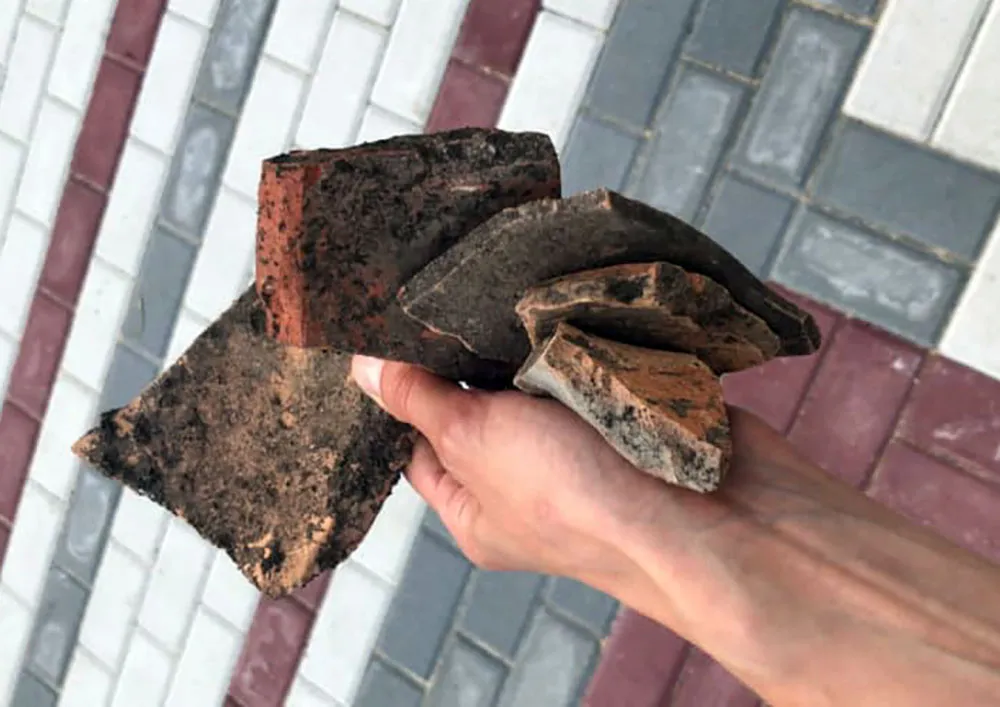
Trypillia pottery. Here and below, photos by Nataliia Grebenovych
“Near the music school, on the Husiatyn highway and in other places where the Chemerivtsi municipal service brought soil, I noticed pottery in it. It looks like this is Trypillia culture”, she reported.
The user Volodymyr Humeniuk explained where the soil with pottery came from:
“The soil was brought from the Zhabynetskyi quarry, where there was a Trypillia settlement of more than 15 hectares. The regional “guardian” of historical heritage was there, saw it, took a photo and vanished, although this settlement was mentioned even in historical documents…”
That is, the soil brought in is the so-called “overburden”, the layer that is removed before sand is extracted.
A scholar from Kamianets-Podilskyi, archaeologist and Candidate of Historical Sciences Ihor Starenkyi, who is currently serving in the Armed Forces of Ukraine, commented on the situation as follows:
“The Trypillia settlement in Zhabyntsi is known in the literature and is recorded, among other things, in reference materials. If a settlement is being destroyed by a quarry, it must be excavated. Another question is who will give the money for excavations. The information that Trypillia materials ended up in Chemerivtsi with imported soil must be recorded, otherwise someone will later have to puzzle over where the pottery came from in the absence of a stratigraphic cultural layer.
From memory I cannot say whether the Trypillia settlement in Zhabyntsi has any heritage protection status, but if memory serves, it seems it does not.”
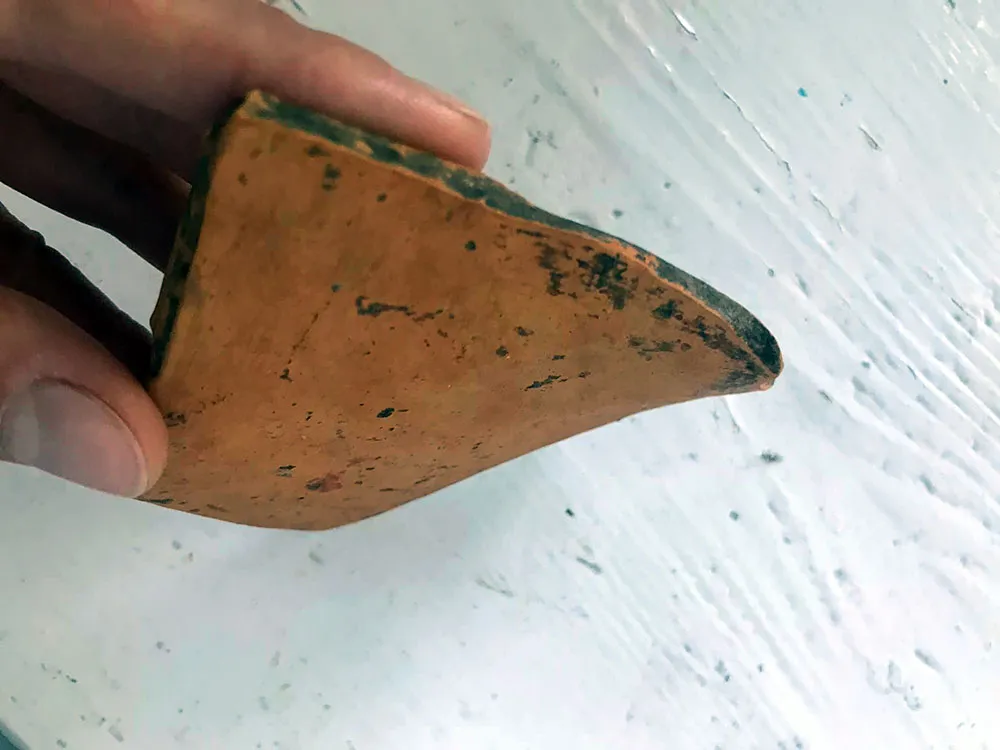
Trypillia pottery
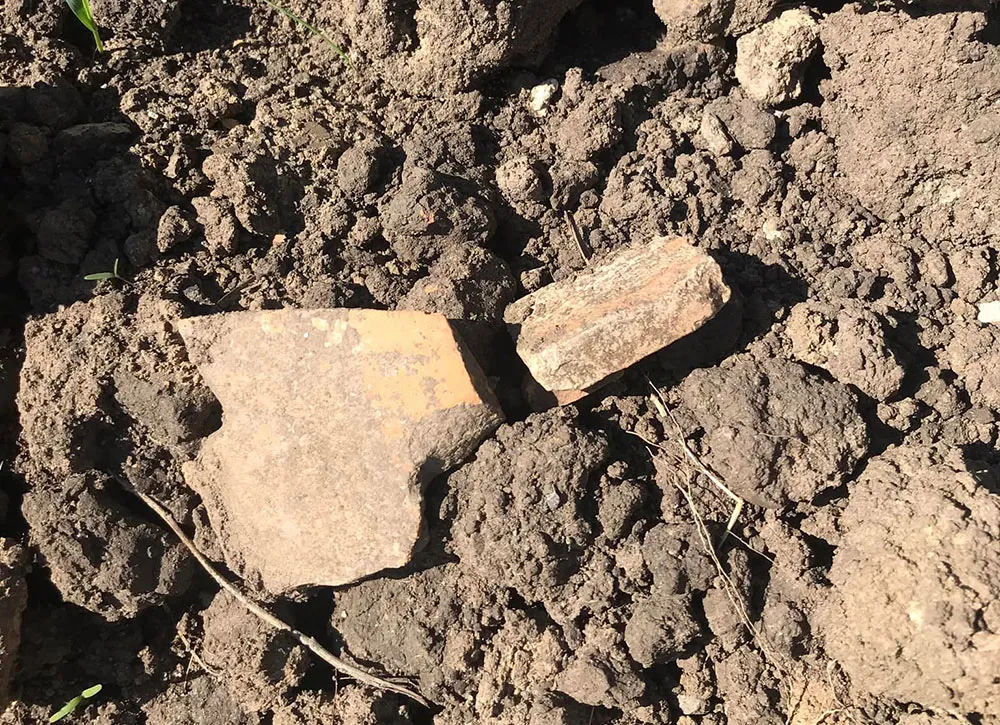
Trypillia pottery
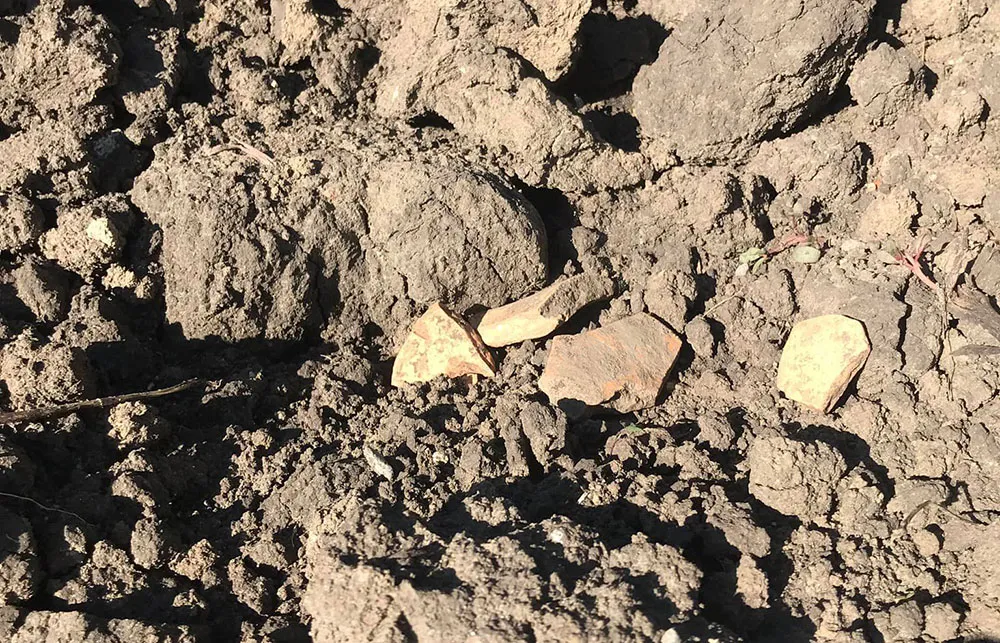
Trypillia pottery
In addition, Ihor Starenkyi remarked that:
“For a site not to be destroyed, it must be included in the Register (but in our realities the law does not protect even a settlement with the status of a monument). The status of a monument is granted by the Ministry of Culture on the recommendation of the regions. But documents lie in the Ministry of Culture for years gathering dust. Often an initiative shown locally is not supported at the top, and without monument status archaeological settlements are defenceless, because by law they essentially do not exist.”
Whether the heritage protectors of Khmelnytskyi Oblast have reacted to the social media reports about the destruction of an archaeological site is not yet known.


