

Busha. The fortress in literature and the real one

· 10 min read
The Busha fortress was built in the second half of the 16th century by the Grand Crown Chancellor and Hetman Jan Zamoyski. It got its name from one of the rivers that wash the cape above which the fortification towers, the Bushanka and the Murafa.
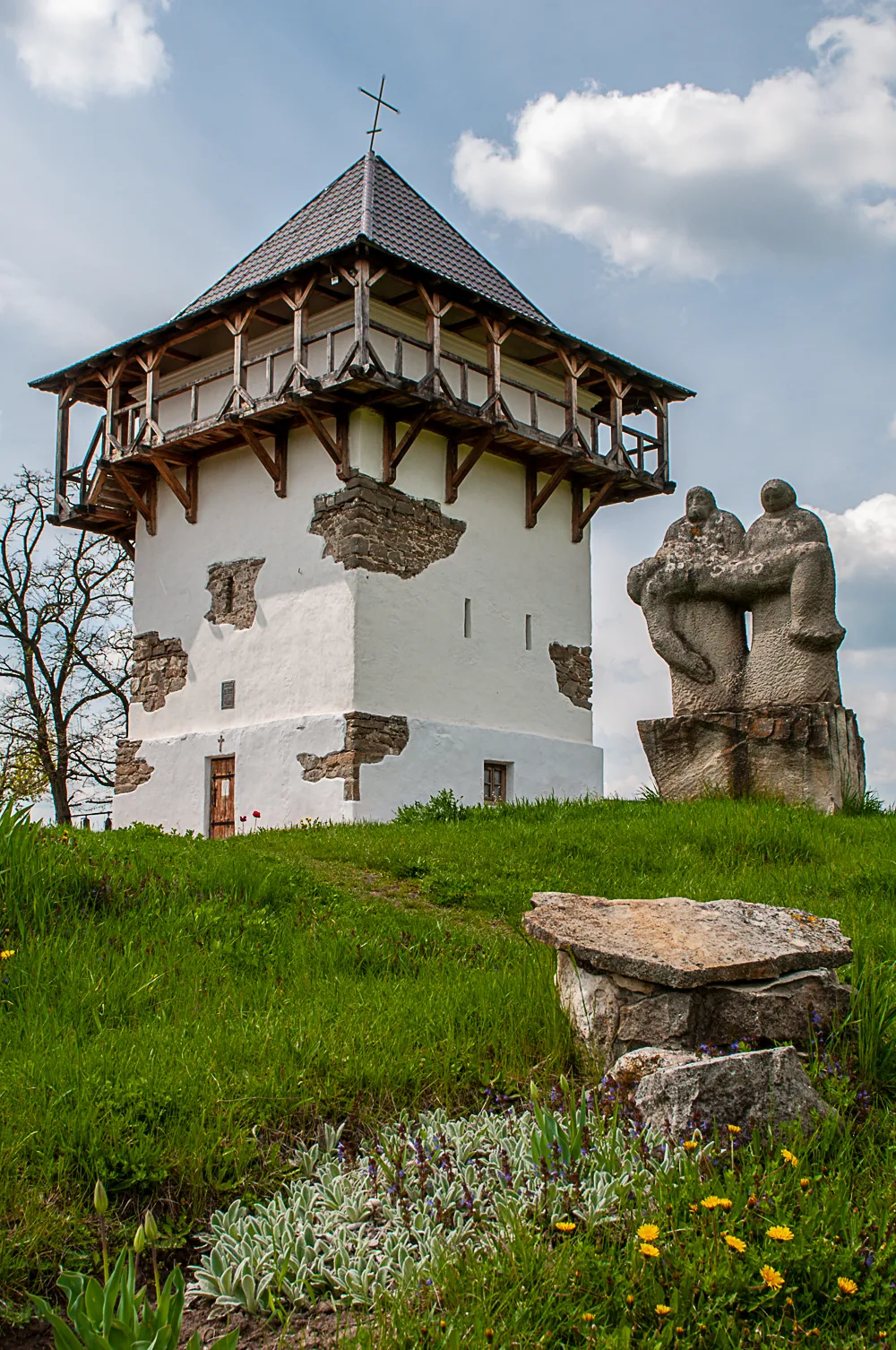
As repeated from article to article on the internet, “the engineer Guillaume de Beauplan claimed that the Busha castle had 6 towers, each with its own powder cellar. The towers were connected to each other by underground passages. The castle gate was in the north wall, not far from two watchtowers.” Strangely, nowhere is there a reference to this “claim” of Beauplan. Perhaps because, at least, Guillaume Levasseur de Beauplan’s “Description of Ukraine, Several Provinces of the Kingdom of Poland Stretching from the Borders of Muscovy to the Limits of Transylvania, Together with Their Customs, Way of Life and Methods of Waging War” contains no mention of the town of Busha. Where, then, did this description come from?
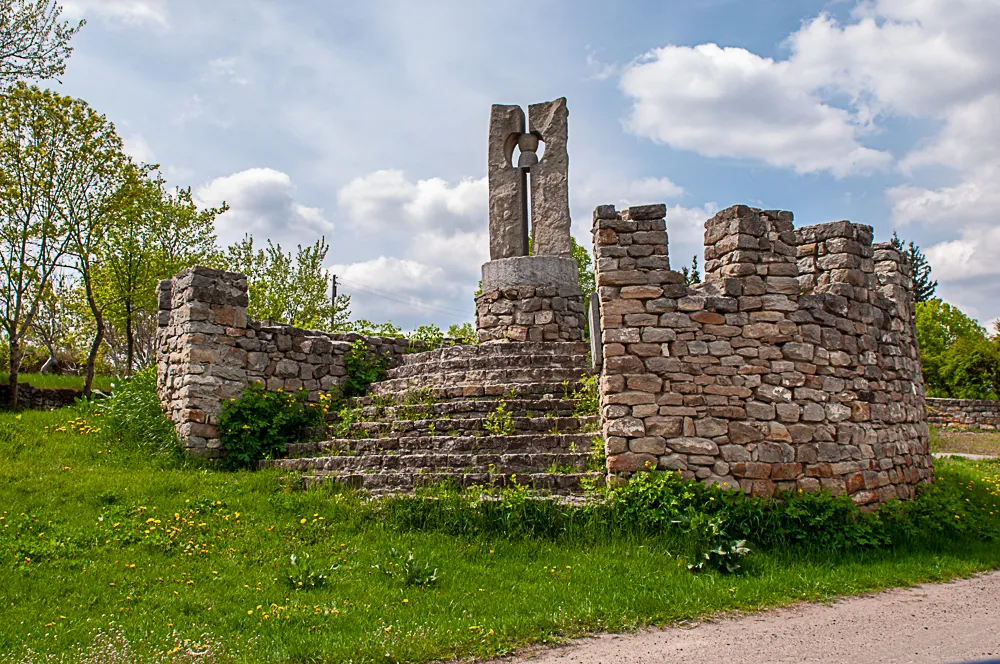
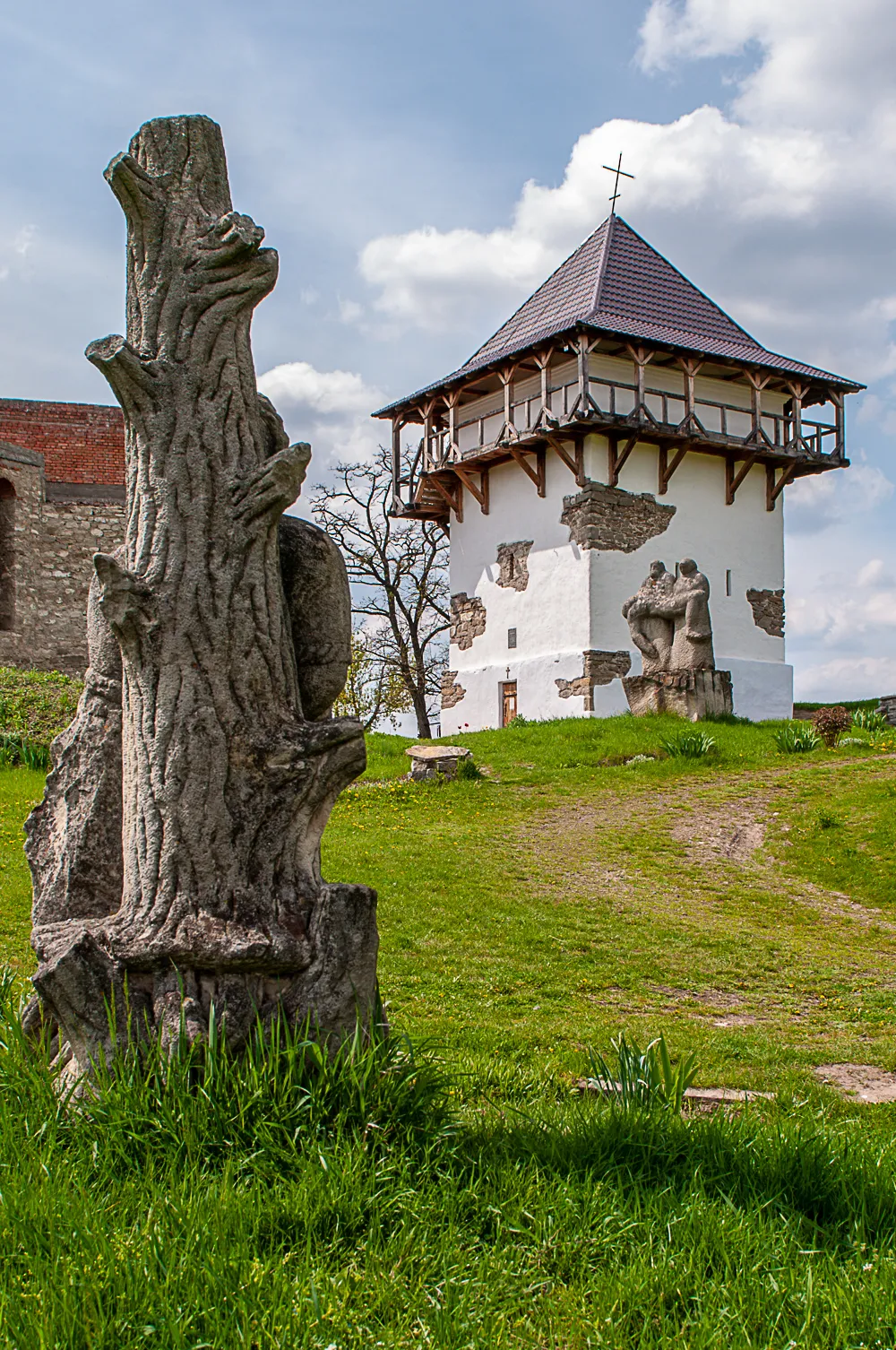
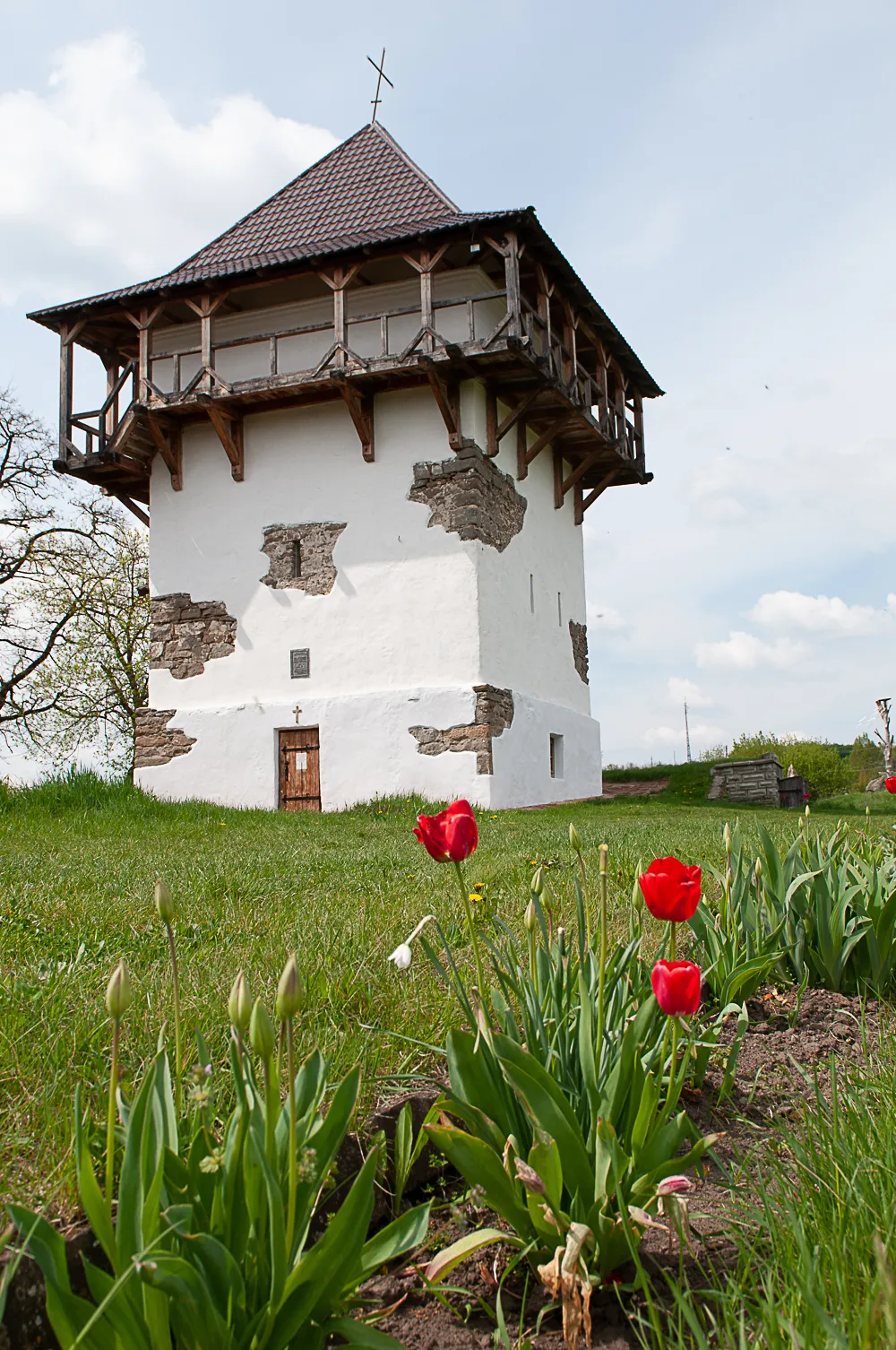
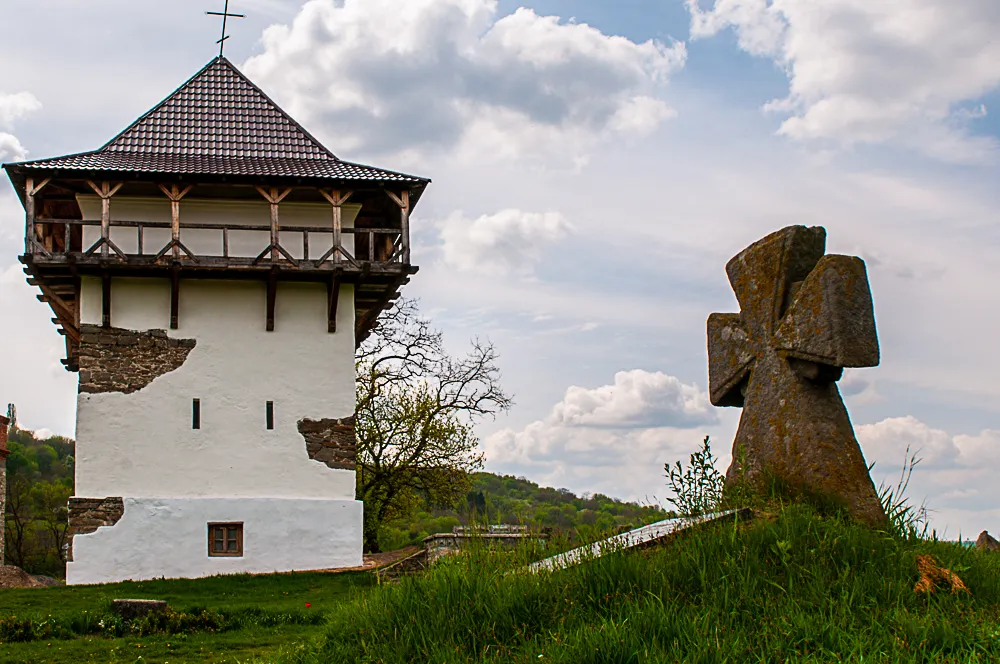
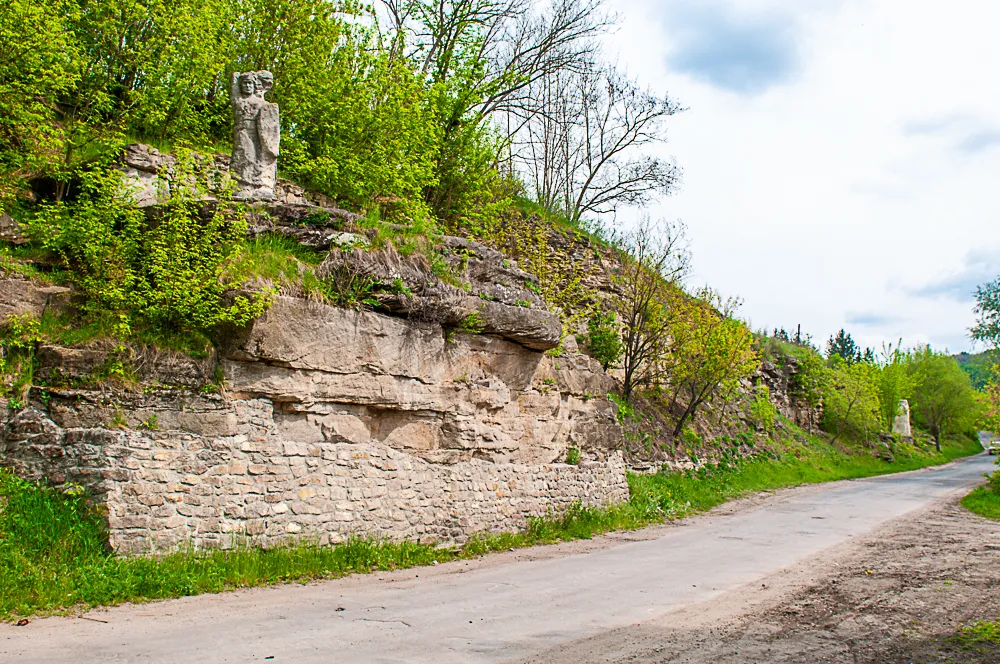
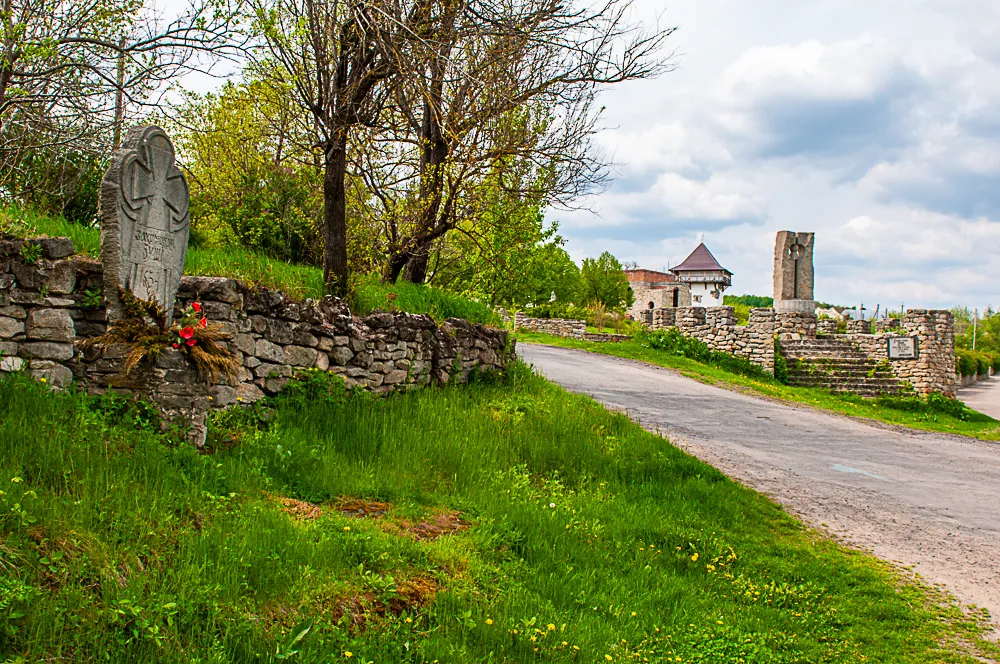
Of the fortress only one of the watchtowers remains now. During the Polish siege in November 1654, Olena or Maryana (opinions differ even on what she was called), the wife of the Cossack sotnyk Zavisnyi, set fire to the powder cellar. The brave sotnyk’s wife, the remnants of the garrison, and the soldiers of Stanisław “Rewera” Potocki and Stefan Czarniecki went to meet the apostle Peter.
A description of the remains of the fortress, rather than the castle, is in the “Diary” of the scout Ulrich von Werdum under 16 November 1671:
“… bis an die Eonfluens der beiden Ströme Muraqua und Buzaza; deren die erste vom Süden, und die letzte vom Norden herkommt, und die eine gar spitze Ecke von Klippen machen, da Sie zusammen fliessen; auf welcher Spitze, und so landwärts an vormals die Stadt Busza gelegen, davon man noch die Ruinen sehen und haben abnehmen kann, das Sie in Form eines langen schmalen Triangels gebauet gewesen, davon zwo Seiten durch ob gedachte beiden Flüsse beflossen, und die dritte mit Wallen und Graben verwahret gewesen. Vor 18 Jahren haben die Polen sie erst ruiniret, und etliche Jahr hernach haben die Tatern alle Einwohner, so noch da geblieben, weggeführtet. Jetzünd war nichts mehr da vorhanden als vier Häuser, eine Mühle, undt eine verfallene Kirche …”.
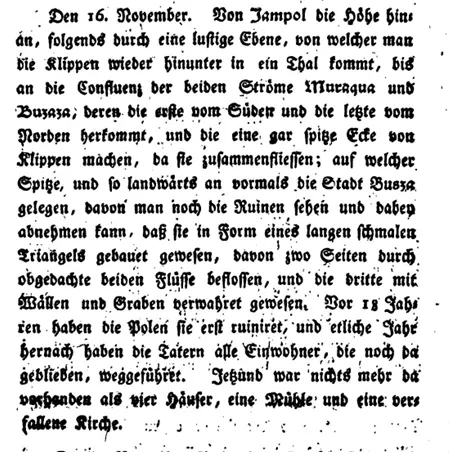
And here is my translation, not as literary (“On this hilltop (…) once stood the town of Busha”, as on Wikipedia), but more exact: “…up to the confluence of the two rivers Muraqua and Buzaza, of which the first comes from the south and the last from the north. And they make a very sharp angle of rock, and they already flow together (merge). On the point, the tip (the end, the summit) and so inland lay the town of Busha. Its ruins can still be seen, and it is evident that they were built in the form of a long narrow triangle, two sides of which were washed by the rivers, and the third was protected by a rampart (embankment, wall) and a ditch. 18 years ago the Poles first ruined it, and a few years later the Tatars carried off all the inhabitants who remained there. Now nothing is left there except four houses, a mill and a half-ruined church…”
Perhaps “Beauplan’s claim” was borrowed from Mykhailo Starytskyi’s novel “The Siege of Busha”? Many of you have probably been to Busha, and perhaps someone has even read the book, whose first page has the following description of the fortress: “South of Mohyliv, two gin from the Dniester, on a high rock of the left bank there nestled the small town of Busha with its stronghold-castle that dominated the surroundings. On a narrow crag, like an eagle’s nest, that castle hung, and far off against the blue sky it showed white with its crenellated walls and its loophole towers. At the foot of that rock, scattered like chicks around a hen, were tiny peasant and townsfolk cottages, wrapped in the boughs of green orchards; here and there among the thatched roofs rose tall tiled roofs, which showed red from afar among the green. The town of Busha itself, that is, the market square, on one side leaned against the steep rock, and around it was bounded by a high earthen rampart and a sturdy oak palisade. Beyond the town the suburb stretched right to the edge; on two sides it was enclosed by a ravine, on the third by ramparts, and on the fourth by a great pond that drew its water from the Bushka river and was held by a stone dam. That castle, the “Eagle’s Nest”, with the town of Busha and a whole set of surrounding villages and estates, belonged to the Czarniecki family…”
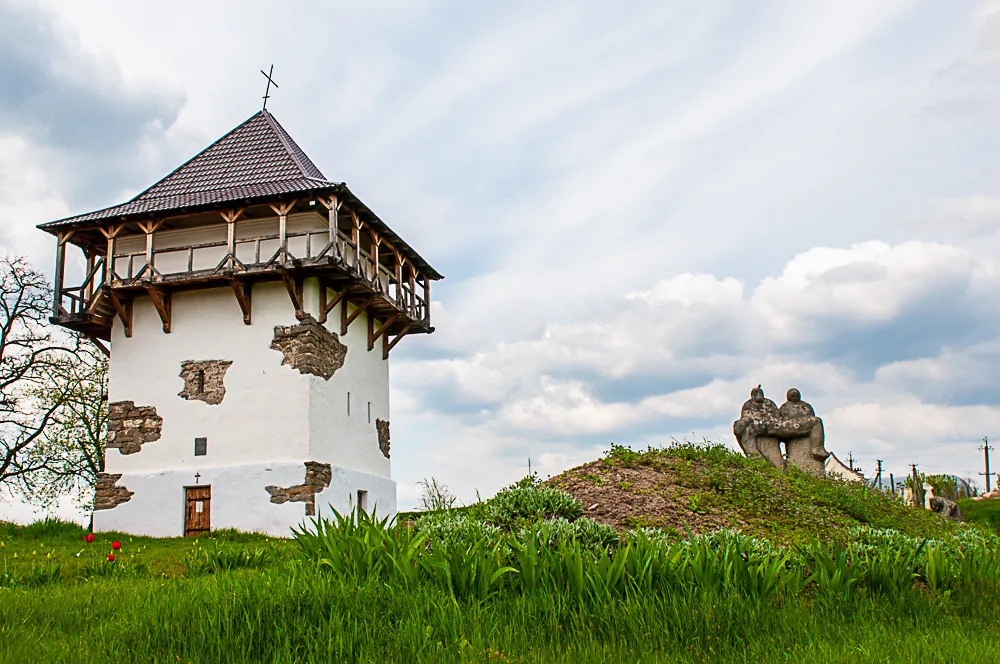
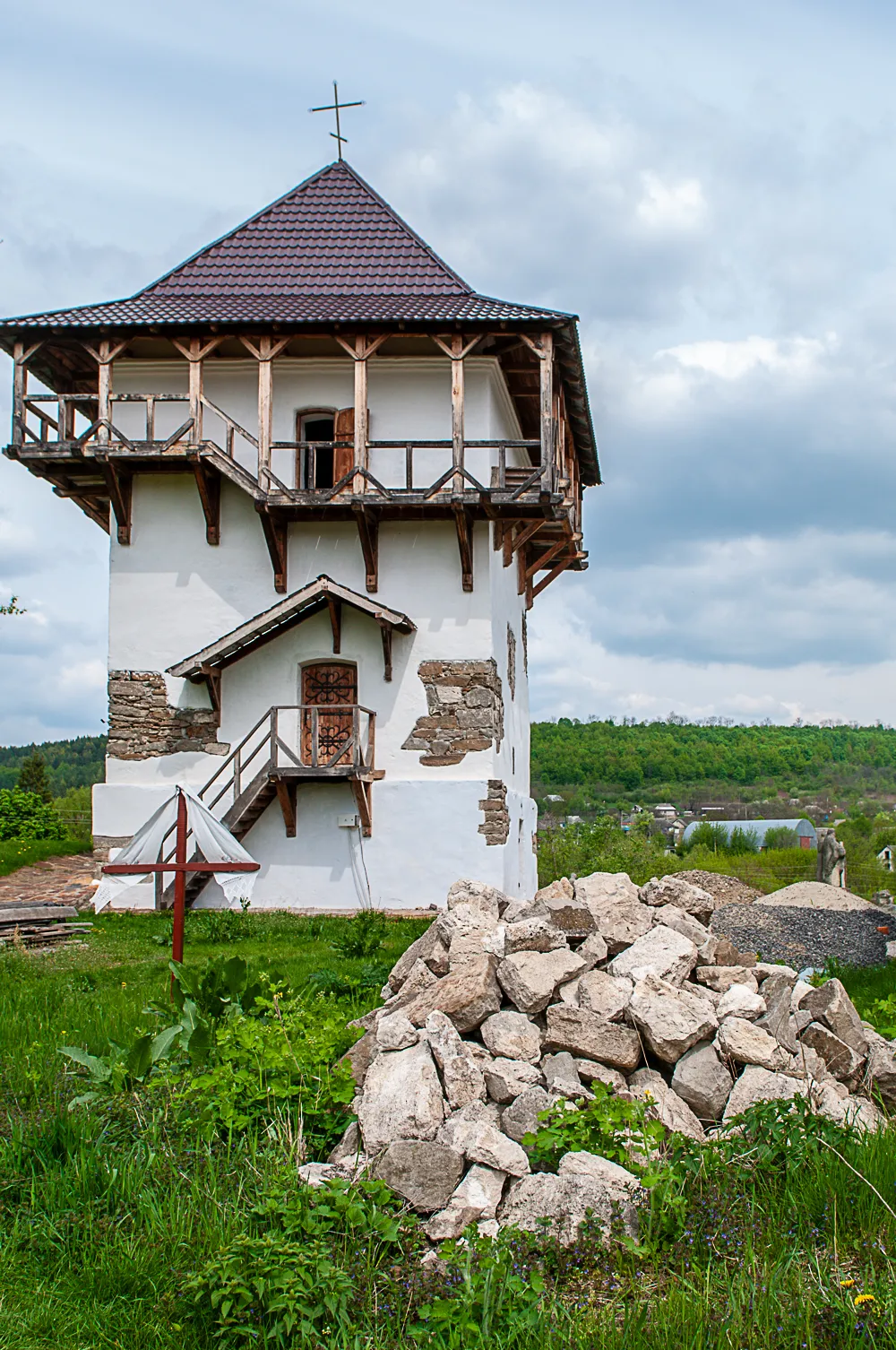
I wonder whether you got the impression that the fortress could have resembled an “Eagle’s Nest”? Or did the writer somewhat romanticise the setting, together with the characters? In my opinion, Starytskyi’s expression “Eagle’s Nest” is a common cliché typical of historical or adventure novels when describing castles.
Starytskyi artistically reinterpreted all the events. The main heroine is Orysia, the daughter of the sotnyk Mykhailo Zavisnyi: “her slender figure, wrapped in blue-grey waves of incense smoke, seems light, transparent. The features of her pretty little face are both elegant and noble; in her dark, slightly knitted brows lie unshakable will and courage; her brown eyes under long dark lashes blaze with fire; on her marble brow lie thoughts that are not a child’s, though in the expression of her lips shines a child’s beauty.” She
However, it seems to me that another character is for some reason entirely overlooked, namely Antos Koretskyi, Orysia’s beloved, “so handsome, good, with fair curls, blue eyes and a white gentleman’s face”. He is a Pole; his family was killed by the girl’s father (of which the young man does not know), in revenge for the death of his wife and the burned house caused by Antos’s father. Zavisnyi only took pity on the little boy and took him in to bring up.
As a rule, attention is paid to the love line of the relationship, but Anton Koretskyi is a far more important character. It is he in Starytskyi who represents thoughts about harmony between Poles and Cossacks: “…those bestialities, that hellish hatred and malice towards a brother, can harmony really be ruled by such a whirlpool of inhuman passions in a shaken, blood-soaked state? No, a thousand times no! He knows this people, which has set itself to impoverish and exterminate the dissolute nobility; he lived with it, he shared both joys and sorrows with it; those sincere golden hearts are full of both cold courage and warm, boundless affection; only do not touch their freedom, their faith, their customs, and they will take on their strong breasts the whole burden of the raids of the predatory Asiatic, and glorious Poland behind an iron wall will bloom in peace… But is it possible to inspire such thoughts in a frenzied licence? He had found like-minded people too, but the overwhelming number of opponents crushed them… “
Perhaps, if on both sides there had been more of those who thought like Starytskyi’s hero, the history of both Ukraine and Poland would have taken a different course. If only people like Antos Koretskyi had “come to the helm of government and convinced the nobility, wandering in the gloom of ignorance, to renounce this fratricidal plunder, not to tear from the defenders of their country their rights, not to mock their holy faith…”, but what happened happened. Taras Shevchenko would say the same later:
So, Pole, friend, brother!
Insatiable priests, magnates
Have set us apart, divided us,
And we would still be living so.
Give your hand to the Cossack
And give your pure heart!
And again in the name of Christ
We shall renew our quiet paradise.
P.S. For the curious, a quotation from Mykhailo Hrushevskyi’s “History of Ukraine-Rus” about the siege of Busha:
“Only long-suffering Busha again refused obedience. 6,000 inhabitants installed themselves here, in impregnable castles that boasted the name of nieces of Kamianets, as Kochowski says; he counts 12 thousand townspeople, and adds a good many troops of various kinds from neighbouring Wallachia. The first assaults of Czarniecki, sent to the town on 28 November, were repelled, with numerous losses among the Poles; quite a few distinguished officers fell, and Czarniecki himself received a bullet in the leg. But he did not abandon the town, and having received reinforcements from the hetmans, he continued to take it, assault after assault. He called on the besieged in vain to surrender: they would not agree, and sent the trumpeter-envoy away with blows. To the Polish assaults they replied with counter-sorties and drove the Poles out of the positions they had taken. So passed the second day of the dogged siege, until Czarniecki finally succeeded in finding a more weakly defended place in the fortifications, above the pond, where the water was not so deep as to serve as an insurmountable obstacle. Here he managed to reach the fortifications and set them on fire. Fire engulfed the wooden structures, but the besieged, instead of saving themselves from this danger by submission, decided to perish without surrendering: confessing to one another, they threw themselves on the enemy’s weapons, or killed one another; even women threw themselves into the fire or into wells.
Particularly renowned among the Polish soldiers was the courage of the wife of the sotnyk Zavistnyi, who, after her husband was killed, sat on a burning barrel of gunpowder in order to fly into the air rather than fall to the enemy’s mercy. During the night the little town with its seven churches and several thousand people burned to the ground. Few slipped away in the darkness and saved their lives.
The soldiers related that in one of the caves, knowing its inaccessibility, more than 70 people had hidden, but the baggage-train service tracked down this hiding place by various signs that the women left, having lost their kerchiefs in flight, and so on. Captain Cellarius was sent there to take them; he promised mercy if they surrendered, but they did not accept this favour, or did not believe it, and answered his words with shots. Then Cellarius decided to take them without shedding blood. They noticed a small stream above and diverted it with ditches into the cave, so that it flooded it. The obstinate perished in the water but did not surrender. ‘Thus perished Busha’, Kochowski concludes this account, vivid as is rare for him…
By contrast, the relation of the chief actor of this tragedy, Czarniecki, to the king is very dry and schematic, although quite wordy. He stresses the attentiveness with which he examined the situation, riding round the town from the night, over hills and dales, before beginning the assault. Having let the besieged have their fill of skirmishing, he lured them out onto the neighbouring hill, and then went on the offensive as well, routed their sortie and, as Polish soldiers liked to put it, “rode into the town after them”, capturing during the pursuit one of the town’s wickets. Fear fell on the besieged, and the Polish army took one line of ramparts after another and would have taken the town, but was too tired, so that Czarniecki had to halt the battle and sent to the hetman asking for fresh troops. While waiting for them, Czarniecki sent an envoy to the besieged, advising them to surrender, but they refused, and when in the meantime the infantry arrived from the hetman, Czarniecki launched a decisive assault. At his command the infantry forded the water at the most accessible place, and this finally broke the courage of the besieged. True, the Polish army also suffered considerable losses, but they are not to be regretted, Czarniecki remarks, because at this price a place long known as a den of robbers was destroyed.”
Such is the story of the “eagle’s nest” that was not one, but defended itself like an eagle.
Text and photos by Serhii Shcherbii


