Uzhhorod Castle, Unghvár

· 3 min read
Uzhhorod Castle is often called Unghvár (from the Hungarian Ungvár, “castle on the Ung river”). The Uzh river is called Ung in Hungarian. It is not the most aesthetically striking castle stronghold in Ukraine, and in beauty it cannot be compared with Palanok or Khotyn. There are no tall towers, picturesque crenellations and spires here, but for lovers of fortification architecture Uzhhorod Castle is a wonderful location. And we should note that in strength Unghvár was hardly inferior to most Ukrainian castles. And in general, beauty is a rather subjective notion.
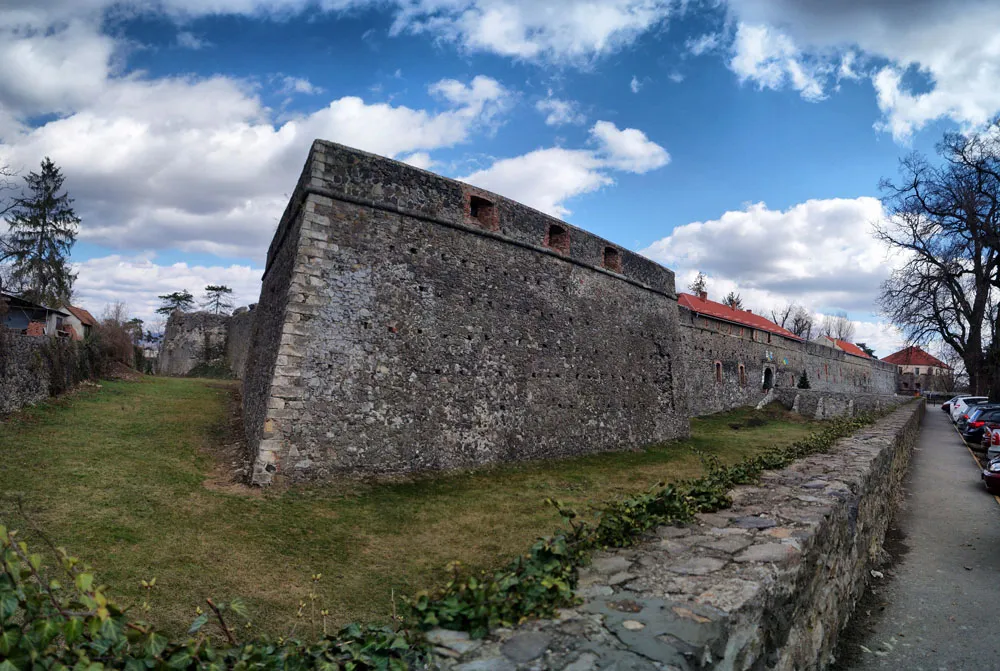
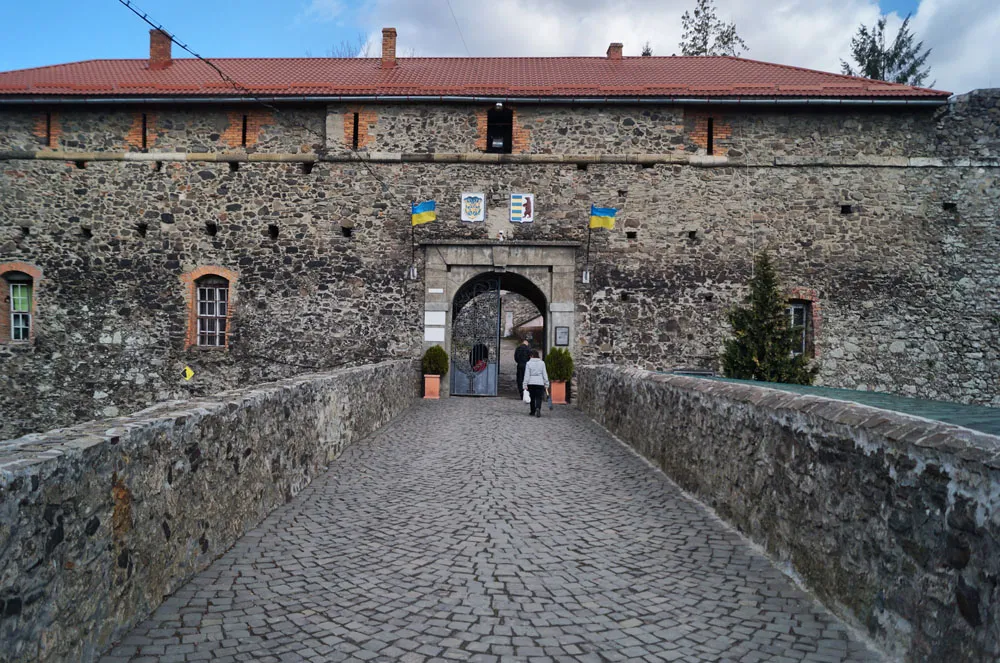
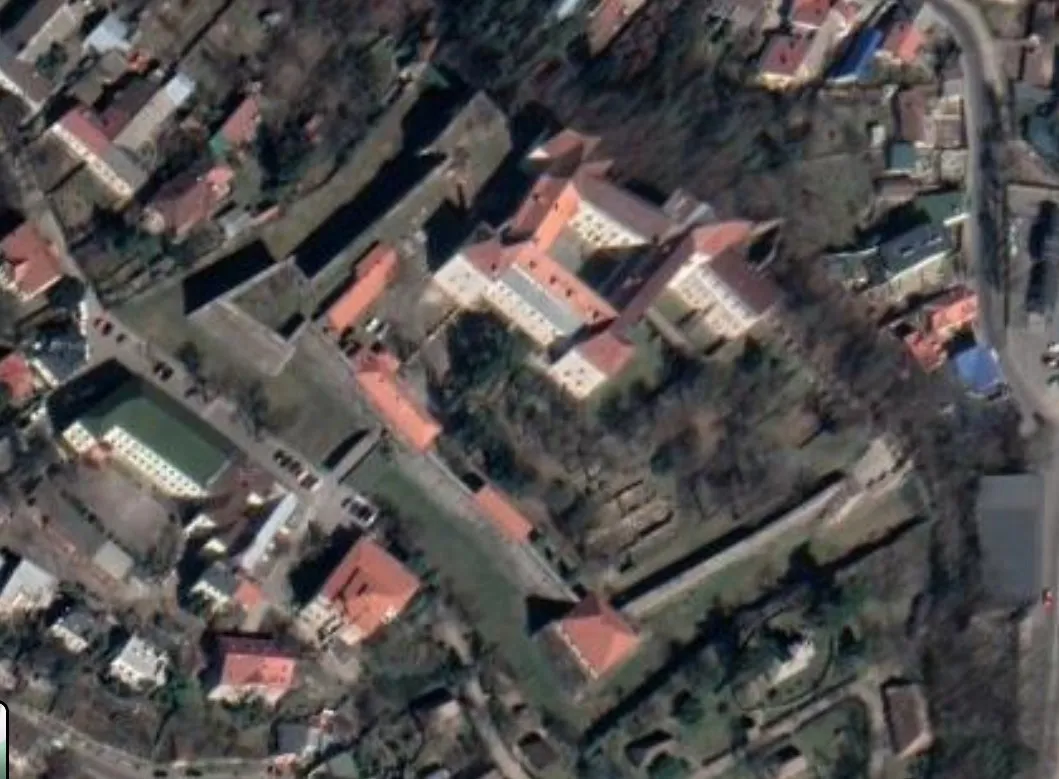
The castle in Uzhhorod appeared in effect with the appearance of the town; it was probably the town itself. It was built by the White Croats back in the 9th century, a fortification of earth and timber, traditional for those times. The Hungarians took the castle from the White Croats in the 10th century. They rebuilt it in stone, probably in the 13th century, after the Mongol-Tatar invasion. A hundred years later the Hungarian king Charles Robert of Anjou gave Unghvár Castle and the town to the Drugeth family, an Italian-French magnate dynasty. They owned Uzhhorod Castle until 1691.
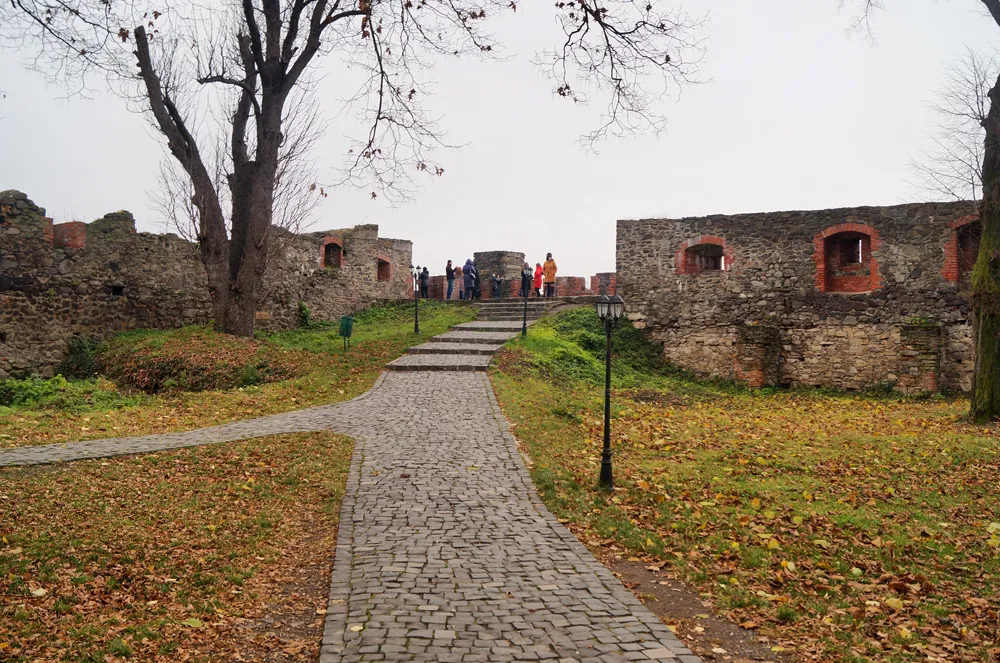
The castle received its present Renaissance-Baroque forms in the 16th and 17th centuries. It was then also rebuilt according to new fortification technologies: the walls were made lower and surrounded by a wide dry moat-trap with a rampart, and four bastions appeared at the corners. New artillery technologies demanded this: cannons were becoming more powerful and longer-ranged, and high walls with towers became an excellent target for them.
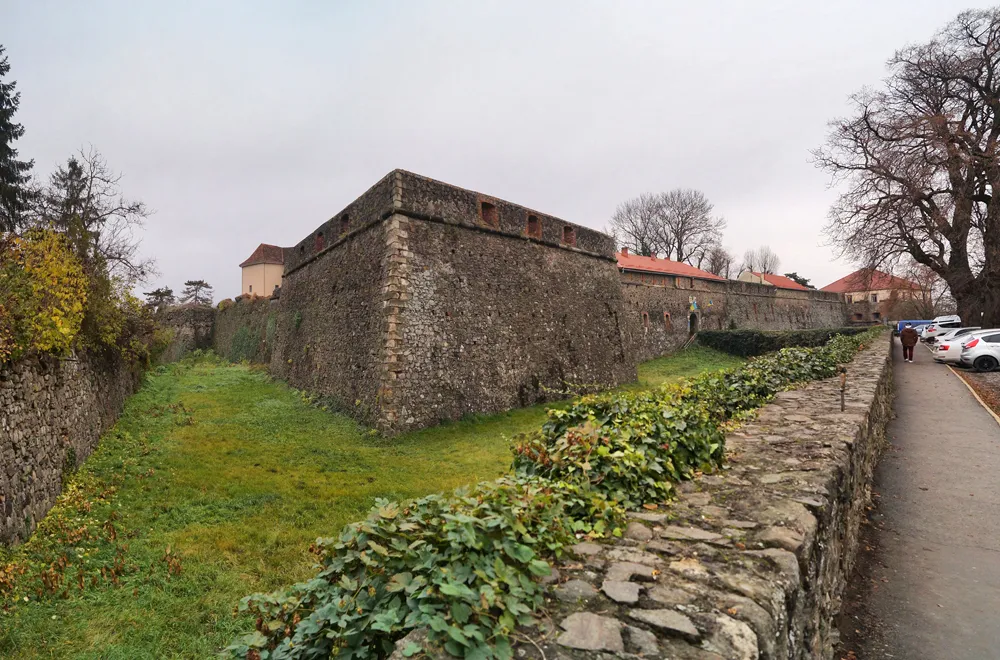
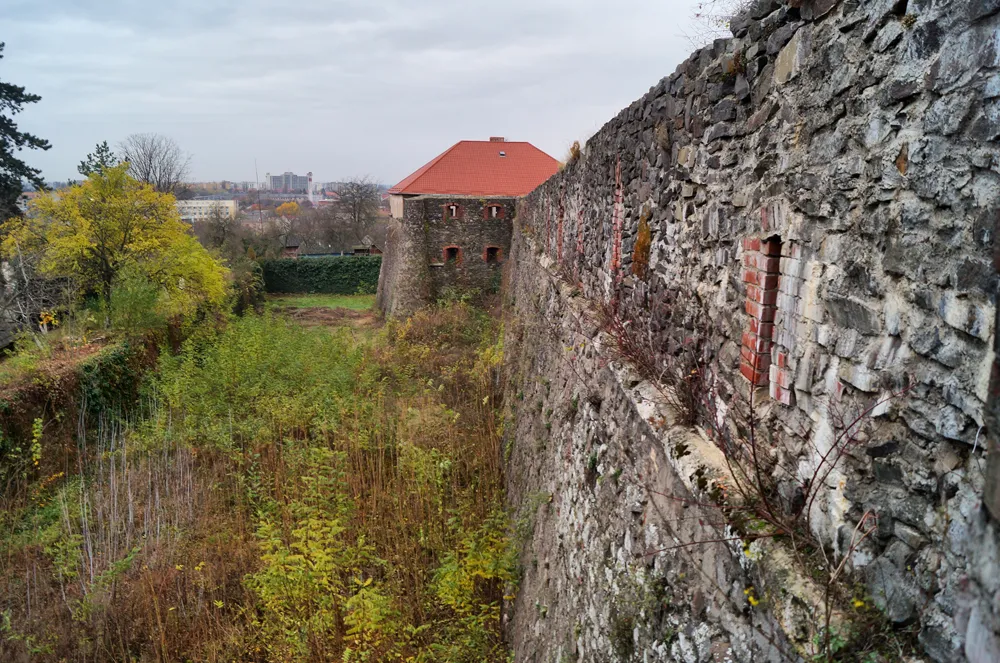
The Drugeth Palace, built opposite the main gate, has four corner towers and is the last line of defence, the citadel. It looks very severe and has almost no exterior decoration. It was hardly ideal for comfortable living, and heating such a building is not easy either, but it performed its fortification function reliably, protecting the Drugeths from their enemies.
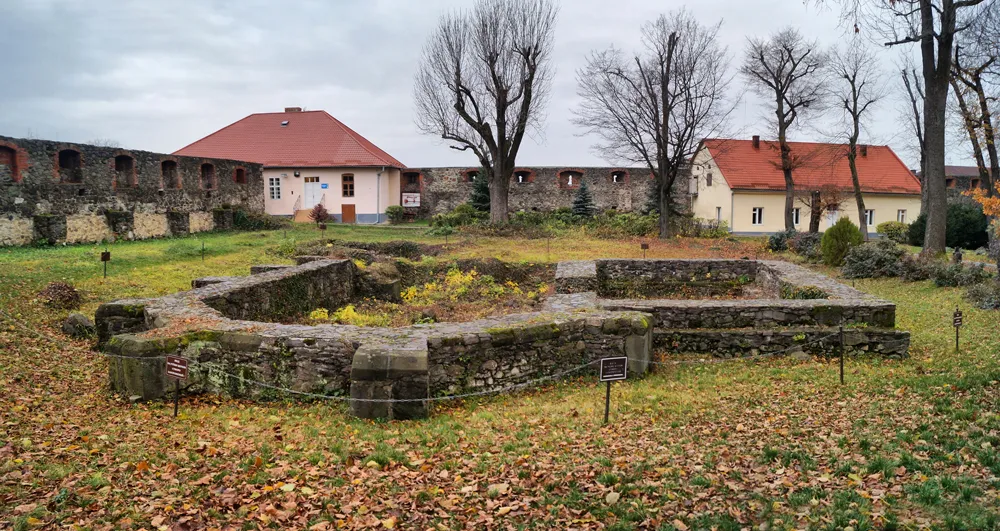
Beside the palace, inside the castle walls, there stood from the 13th century the Church of St. George. Today only its foundation survives.
In the 18th century Unghvár Castle effectively lost its fortification significance. It last served as a stronghold during the anti-Habsburg war of Francis II Rákóczi, 1703–1711 (its official name is the War of Independence of the Hungarian people; I do not much like that, since the Hungarians themselves were also conquerors). It then withstood several sieges, including one by the peasant army of highlanders (mostly Ukrainian Rusyns) led by Ivan Beca. It all ended with the defeat of the Hungarians and the final capture of Uzhhorod by the Austrians. The castle was stripped of all the valuables the Drugeths had accumulated over centuries; everything was taken to Vienna. And in 1775 Empress Maria Theresa gave the castle to the Greek Catholic diocese.
Today Uzhhorod Castle is a wonderful museum complex. If you are in Uzhhorod, be sure to visit.
Text and photos by Roman Malenkov.
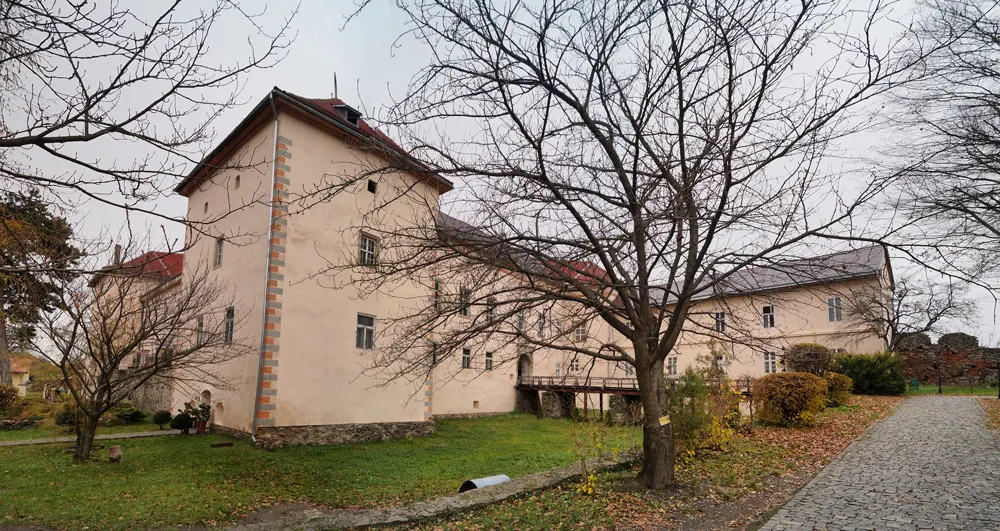
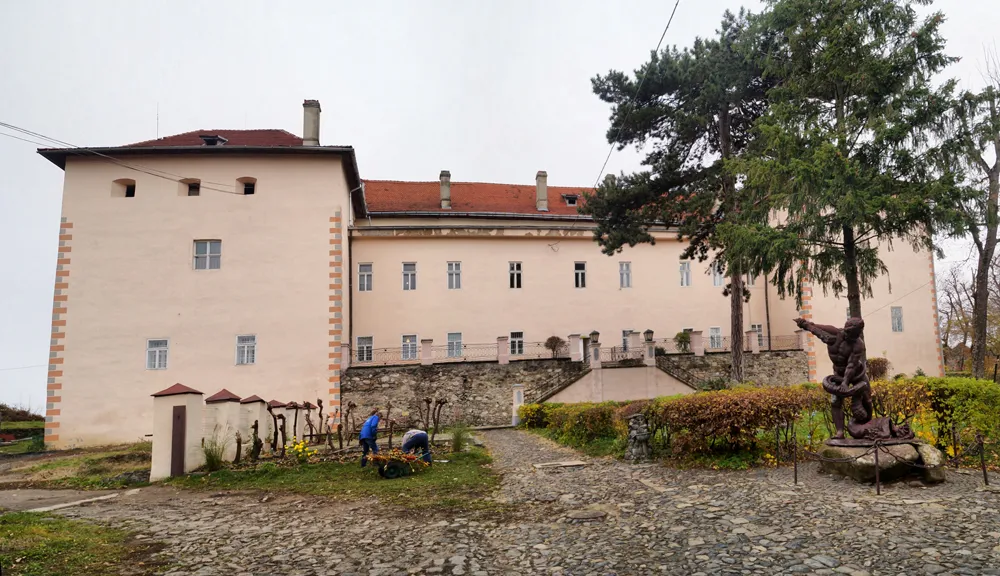
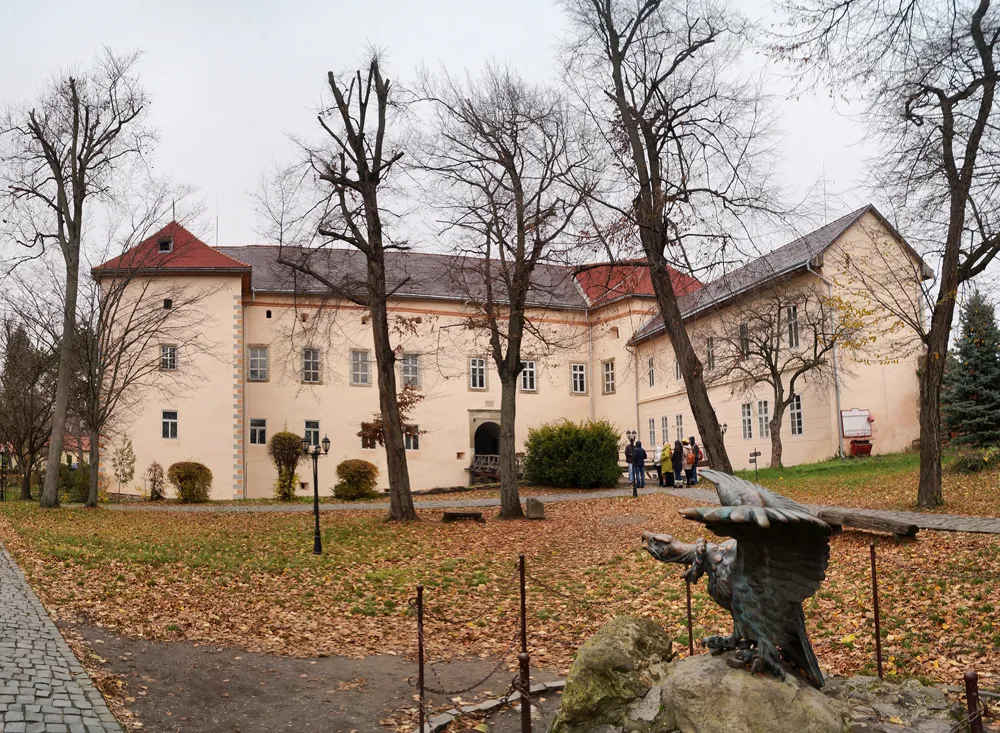
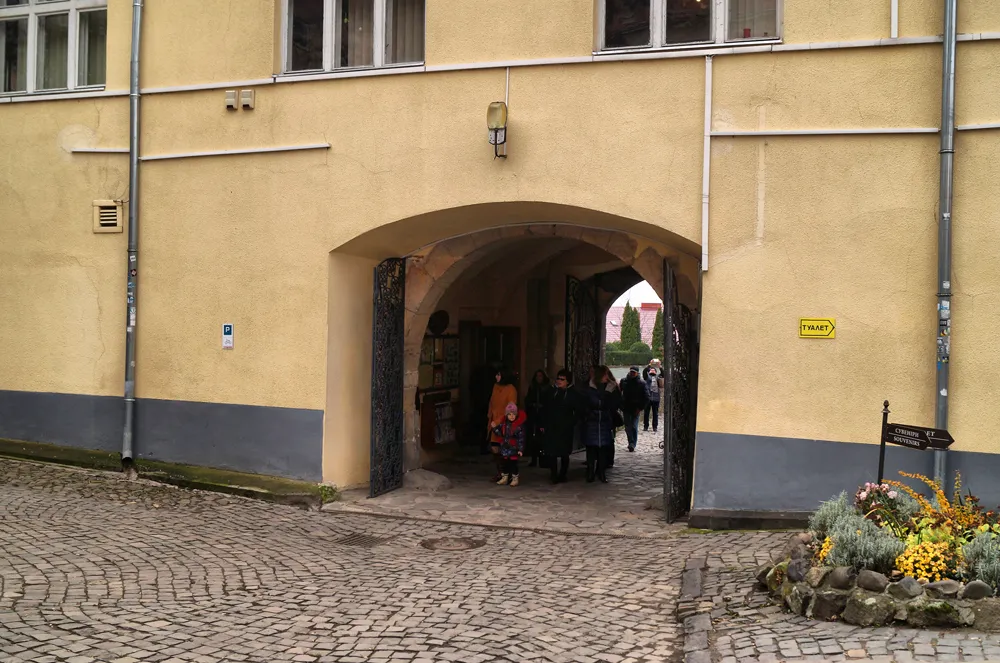
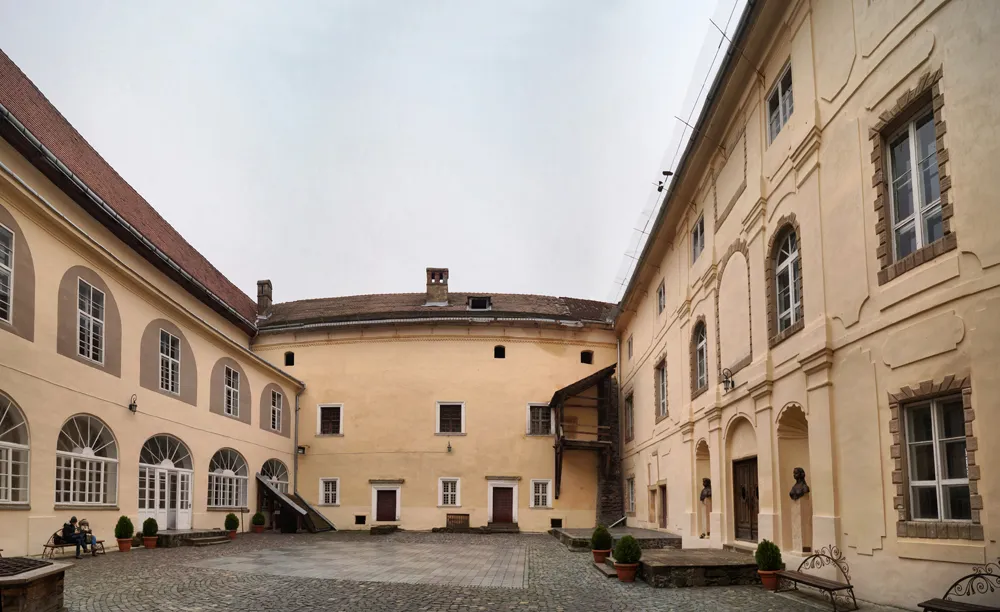
The palace-citadel
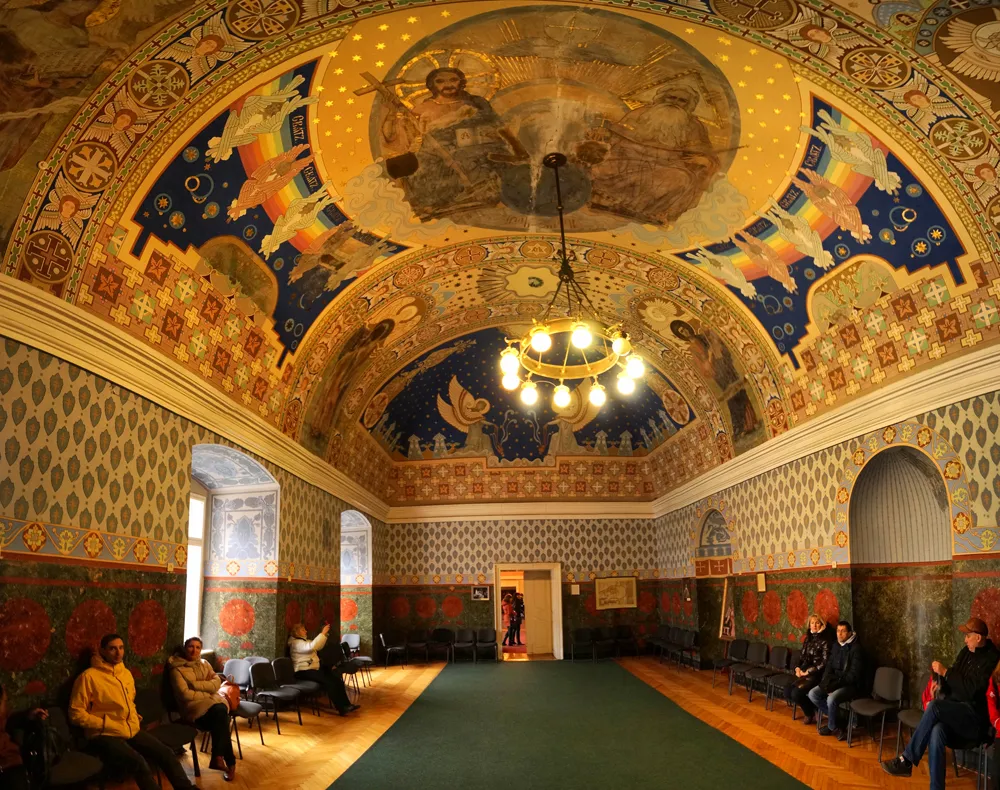
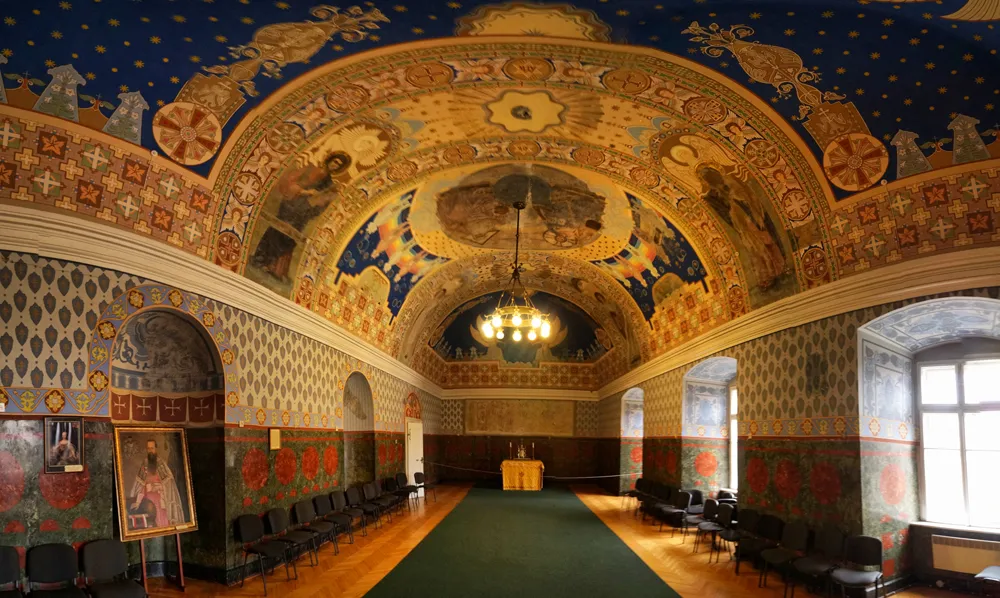
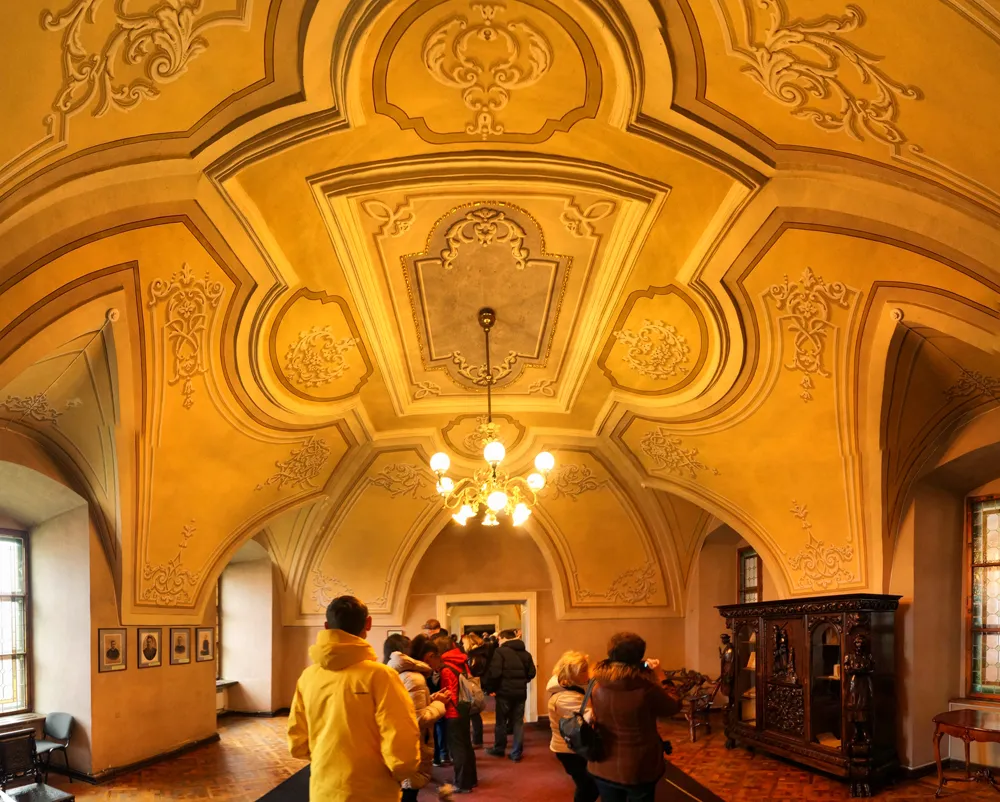
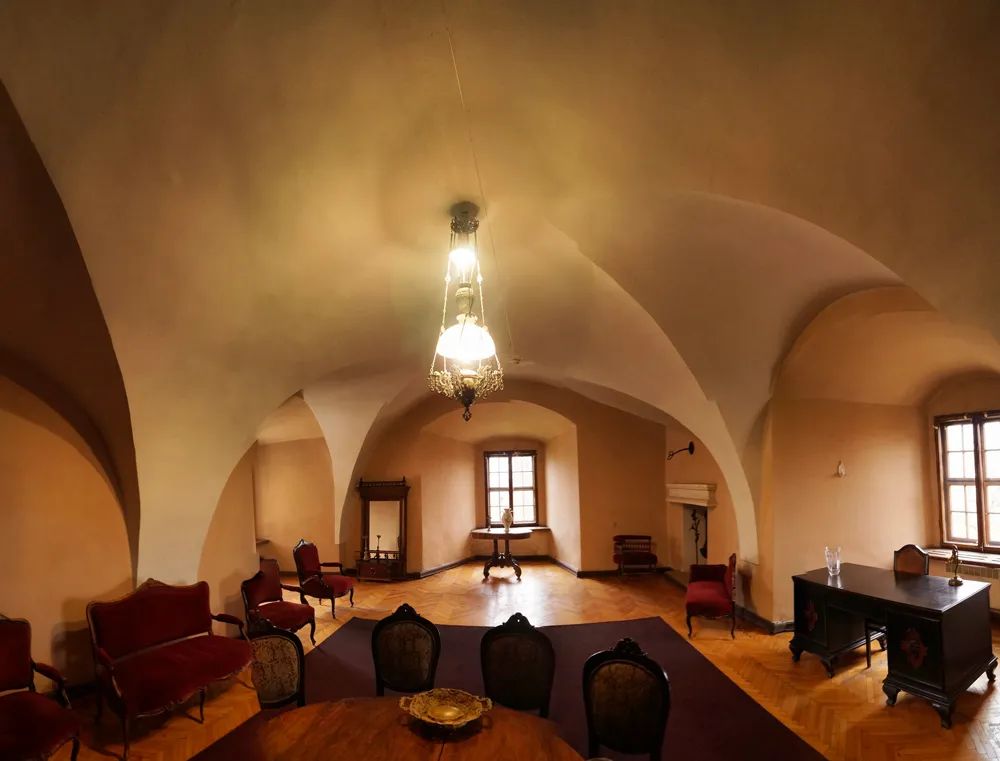
Interiors
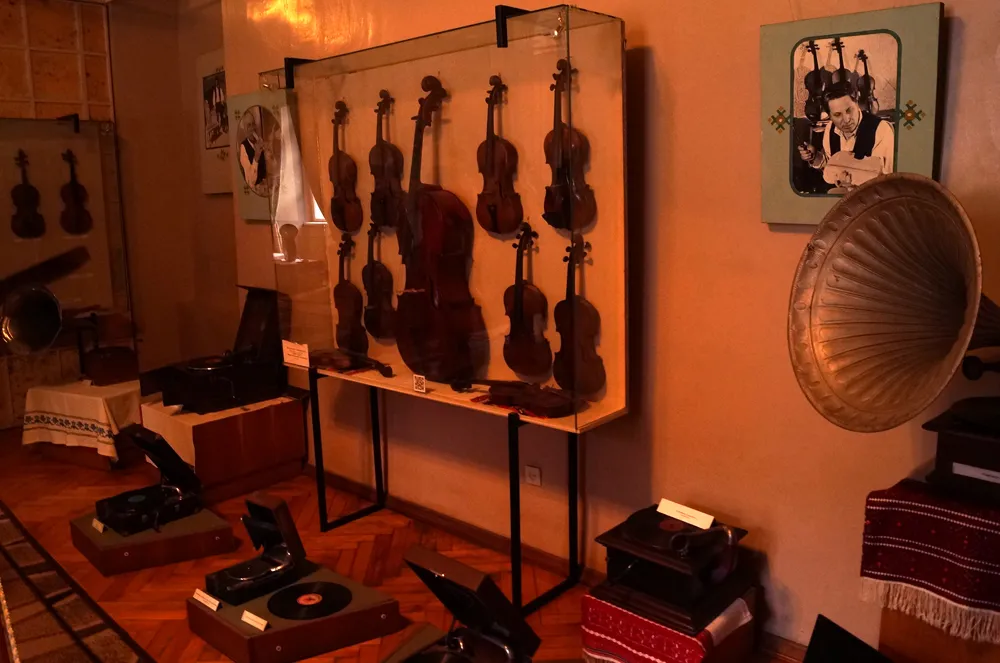
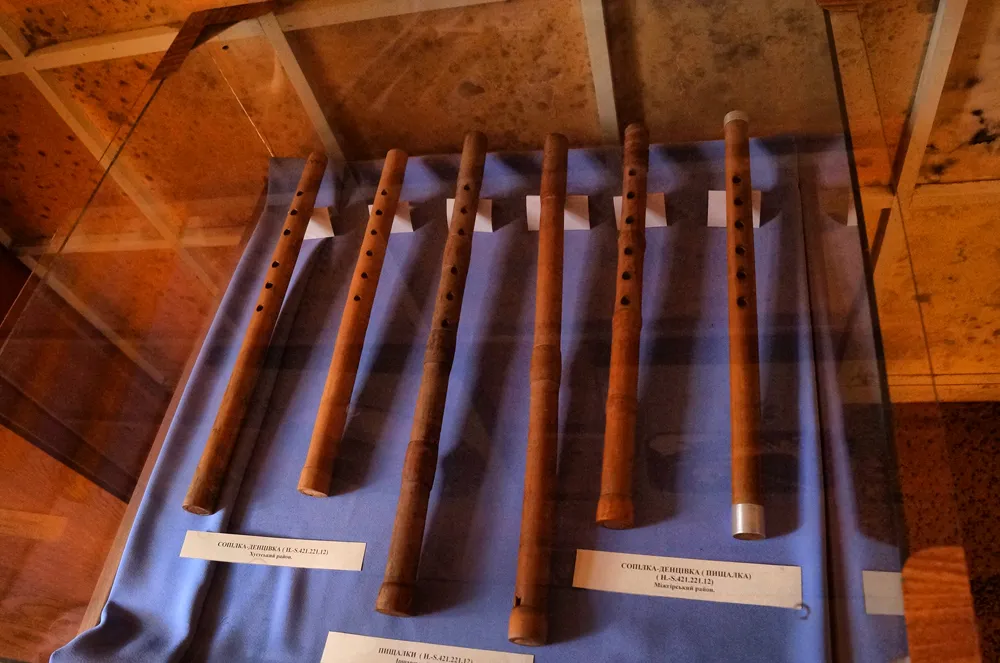
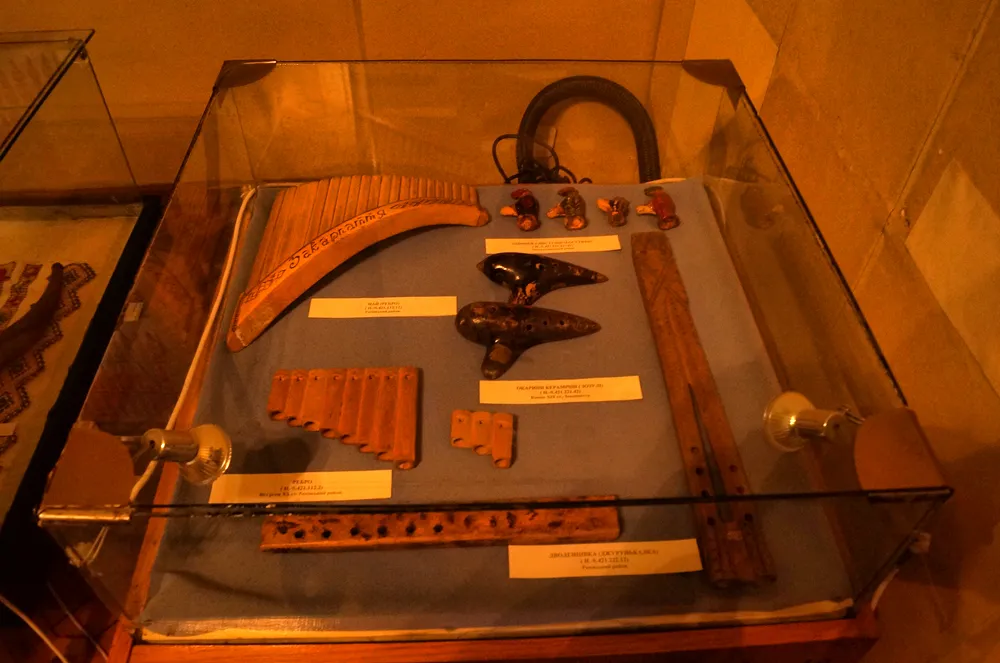
The Museum of Musical Instruments