

St. Nicholas Fortress (Šibenik)

· 2 min read
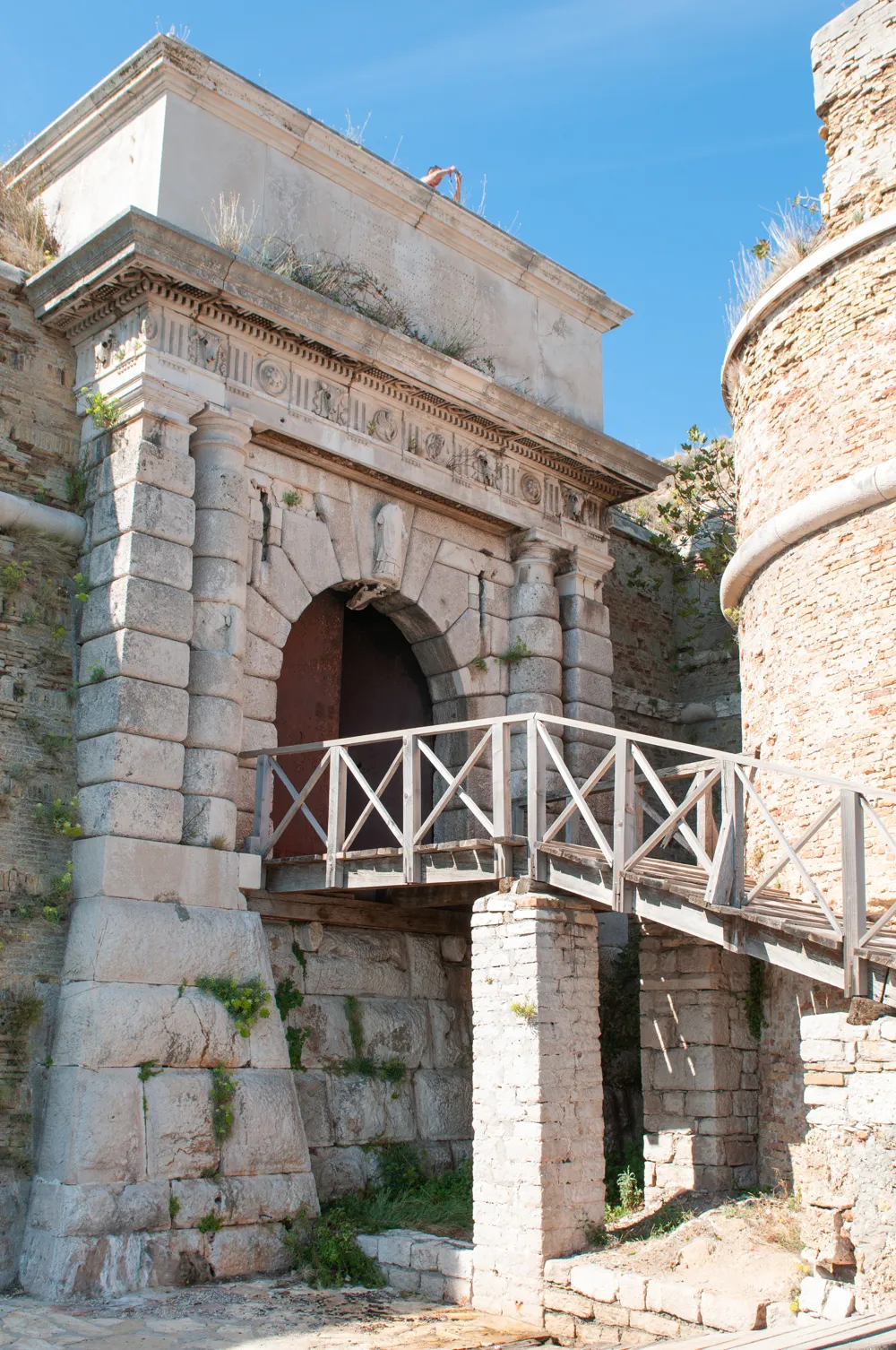
Most fortresses, castles and forts are located on dry land and surrounded by a wet or dry moat. It is a paradise for photographers, as long as they are not in a densely built-up city. Some structures stand on islands in the middle of a river or the sea, and you have to sail to them. You can feel like a pirate with a camera in hand. But in Croatia, near Šibenik, you can wade to St. Nicholas Fortress (in Croatian Tvrđava sv. Nikole, and in Italian, since it cannot be done without Italian here, Fortezza di San Nicolò) by rolling up your trouser legs.
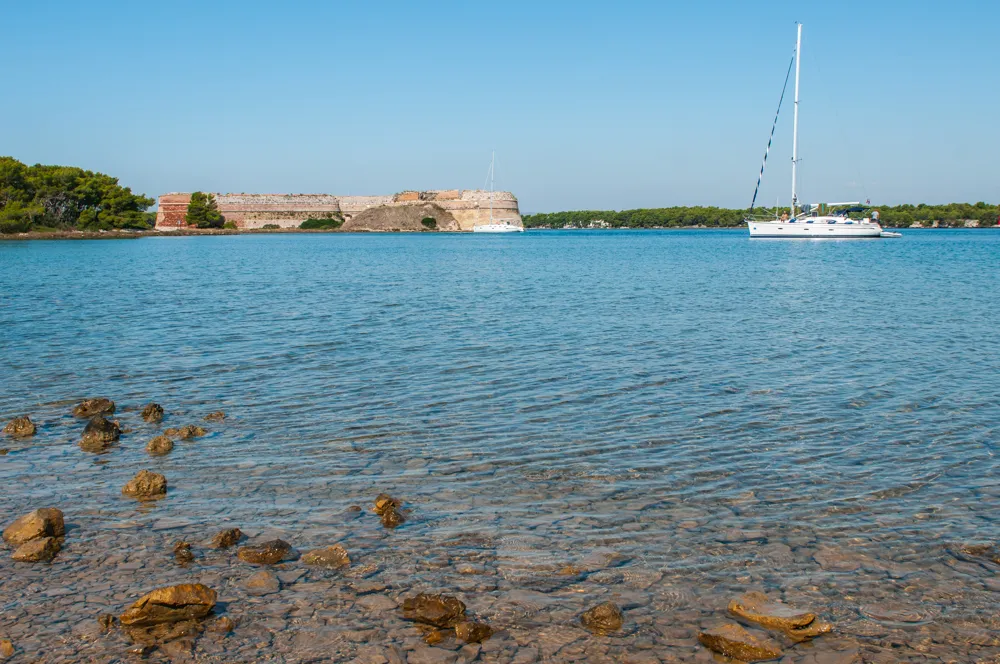
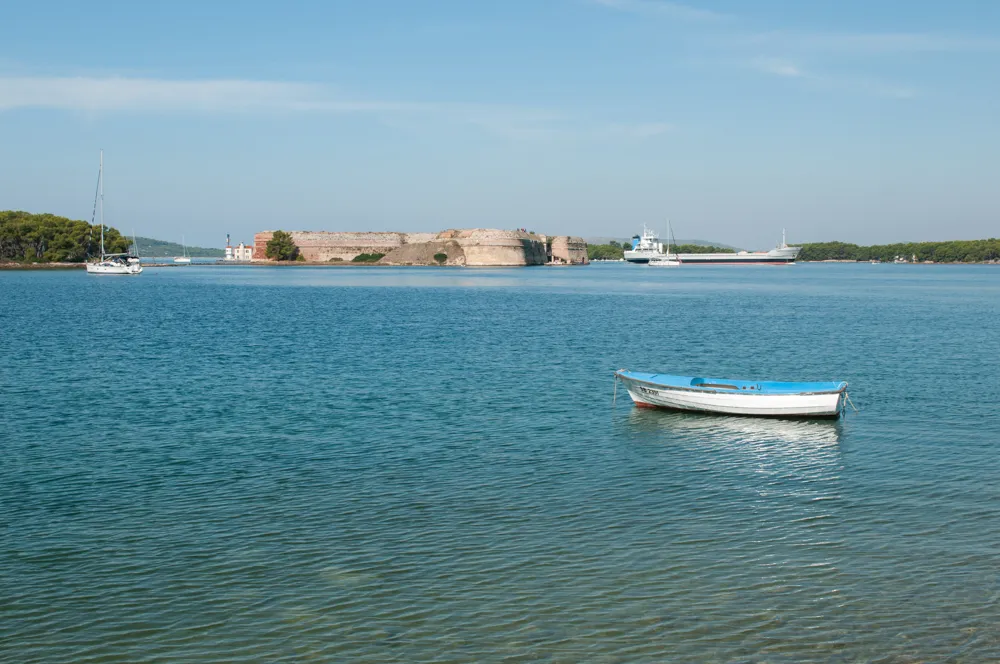
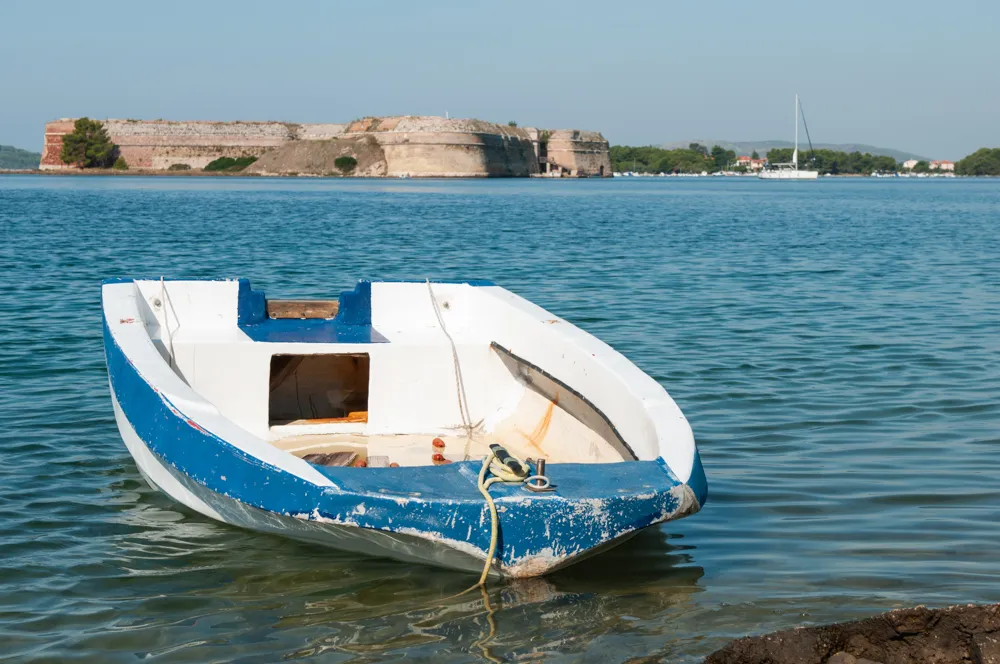
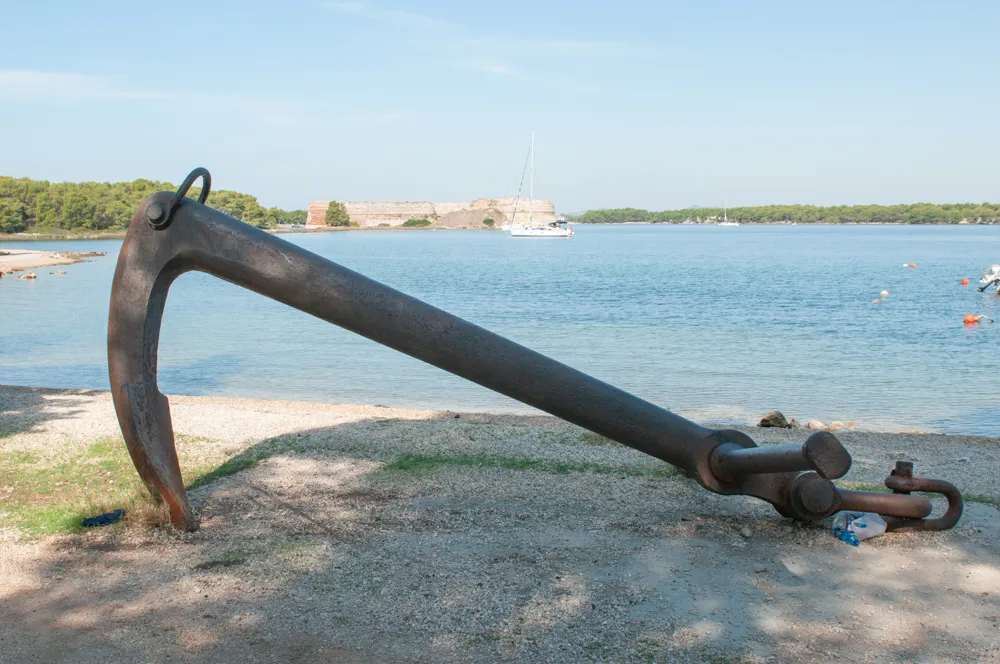
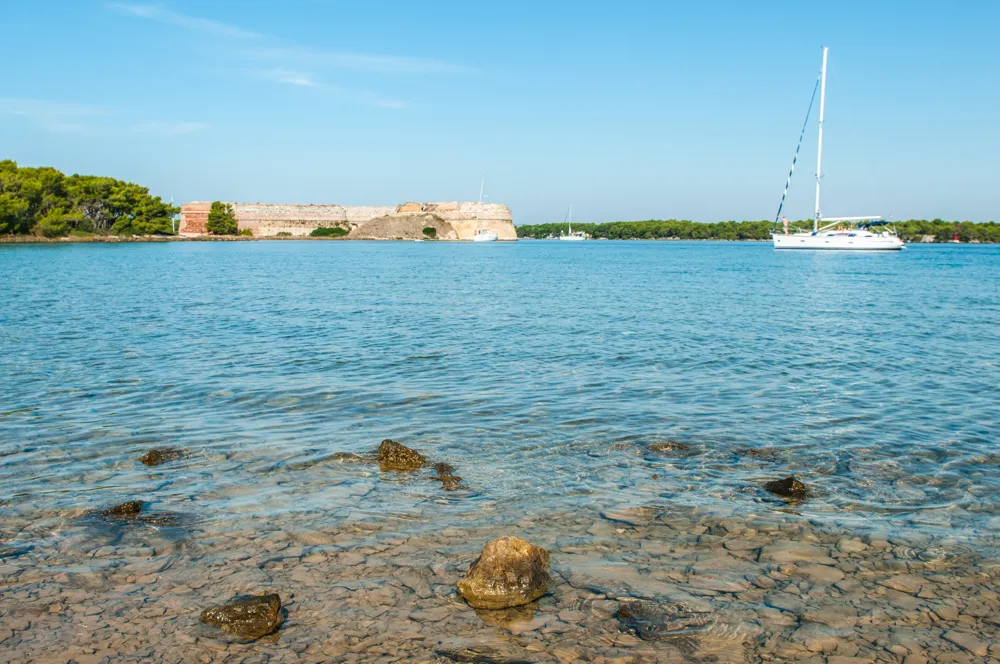
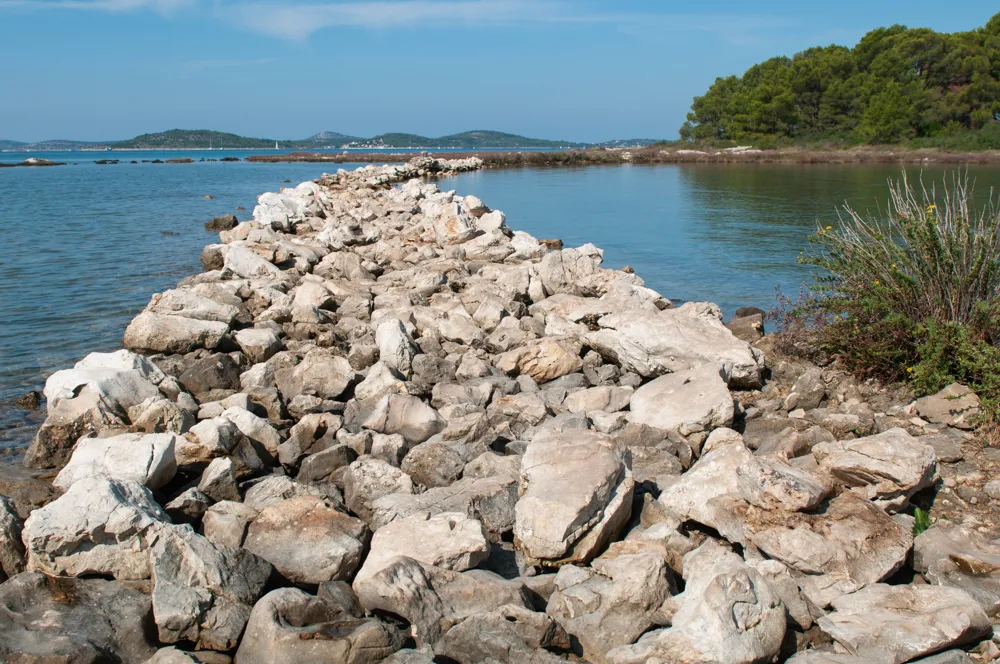
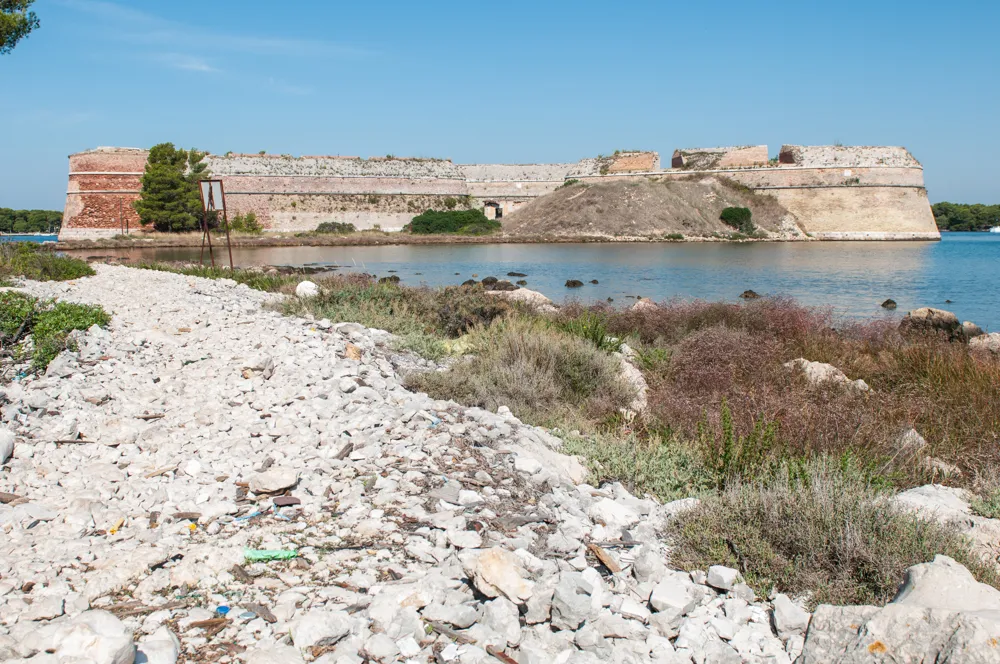
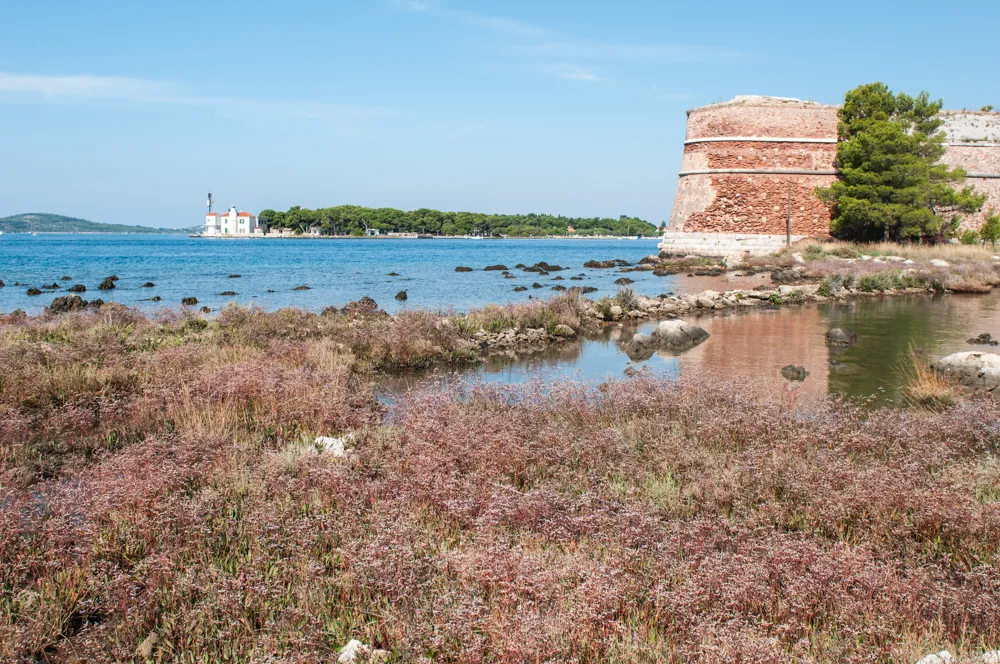
It is a very unusual experience to burst through the gates of a stronghold splattered with mud up to the ears. By the way, entry is free and open, although it is a UNESCO World Heritage Site as part of the Venetian defensive works of the 16th-17th centuries.
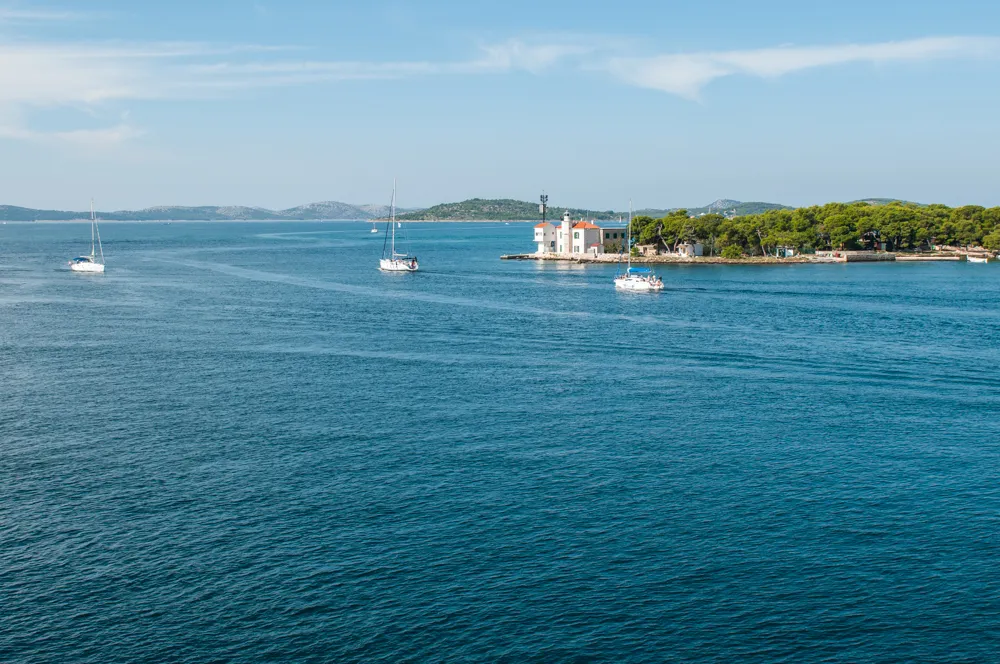
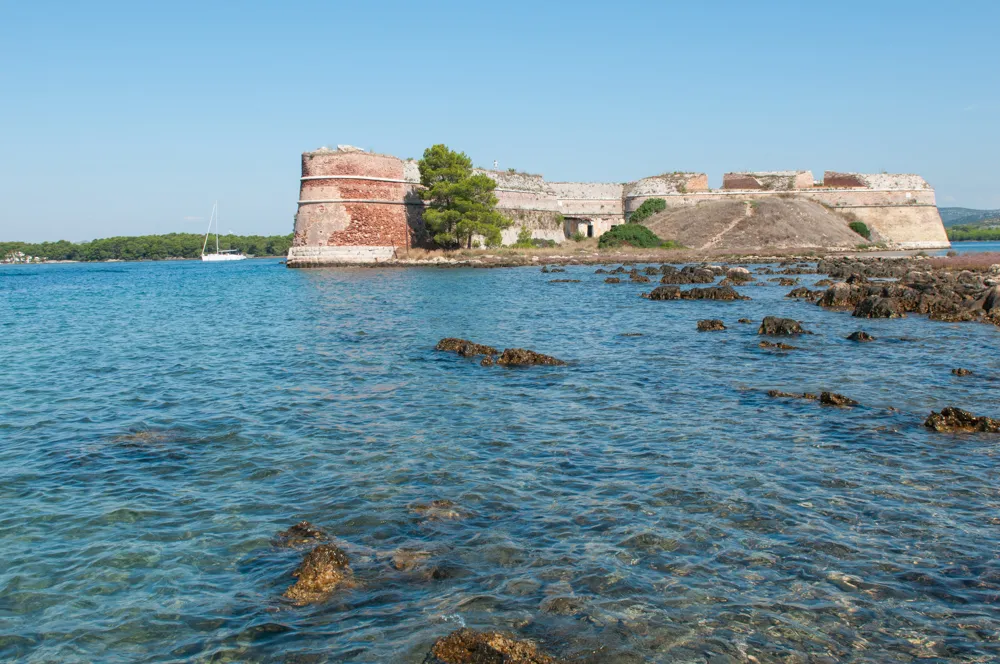
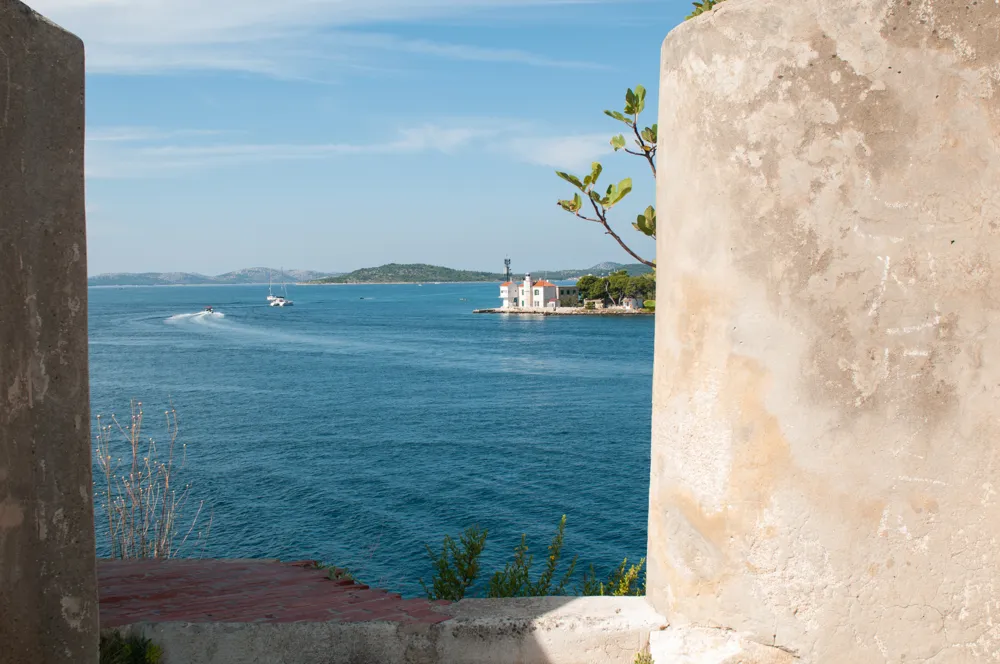
The city of Šibenik (now Croatian) lies where the Krka river flows into the Adriatic Sea. The sea is connected to it by the narrow St. Anthony Channel, Kanal Sveti Ante, or (if you do not like all the saints) the Šibenik Channel. It is over 2,000 metres long and some 150-200 metres wide, such a narrow throat that, once you get through it, you enter a broad lagoon on whose shore the city lies. The fortress was built by the Venetians in 1525 to protect the only sea access to the city from the Turks. The fortress was designed and built under the supervision of the famous Venetian architect Hyeronimus di San Michaela. Once the armament of the small fort consisted of 32 cannons, but the fort never took direct part in any fighting at all, although it served the military until 1979.
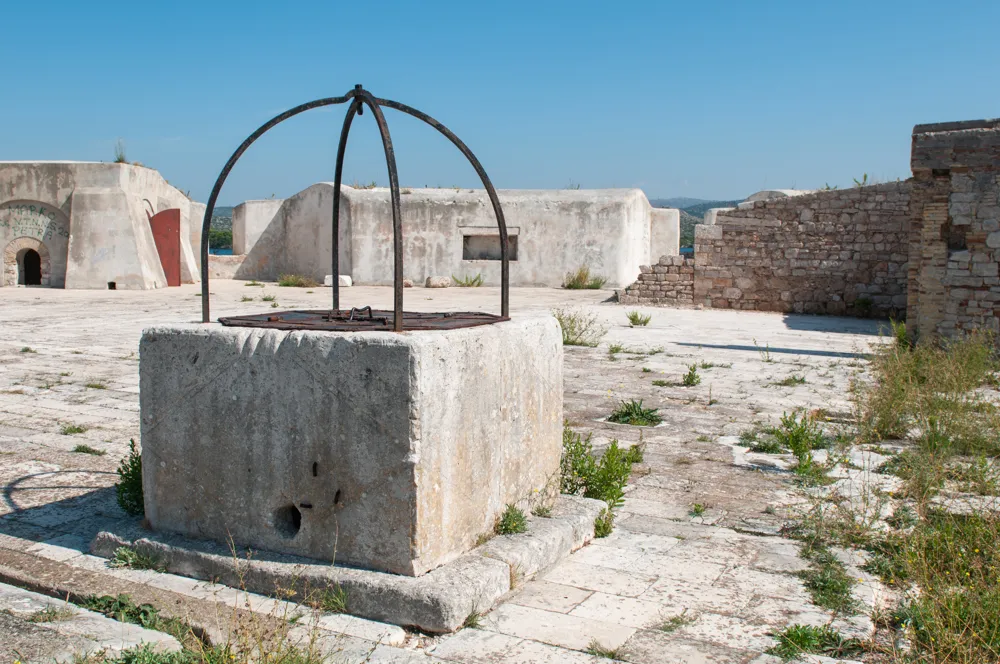
The fortress inherited its name from the Benedictine monastery of St. Nicholas on the island of Ljuljevac, on whose site it was built. The fortress was part of the Venetian defensive line that stretched a thousand kilometres from the Italian region of Lombardy, through the Croatian Adriatic coast, all the way to Montenegro. And it is the only Venetian military fort located entirely in the sea. It is an extraordinary feeling when you are on the lower level of the fort and the sea waves roll noisily in through the gun embrasures.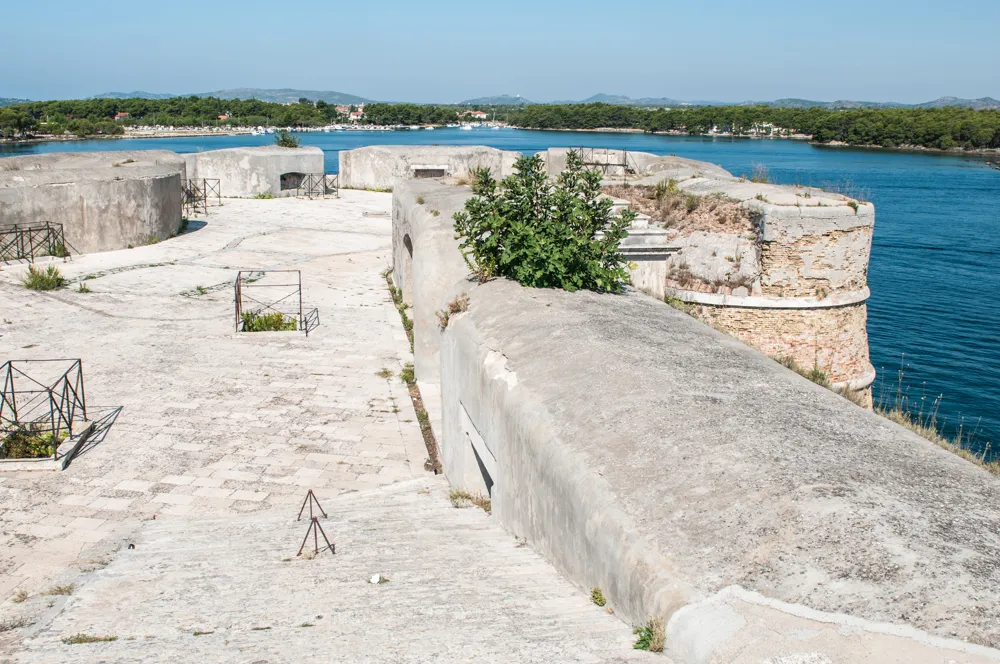
Text and photos by Serhii Shcherbii



