Greece. Argos

· 4 min read
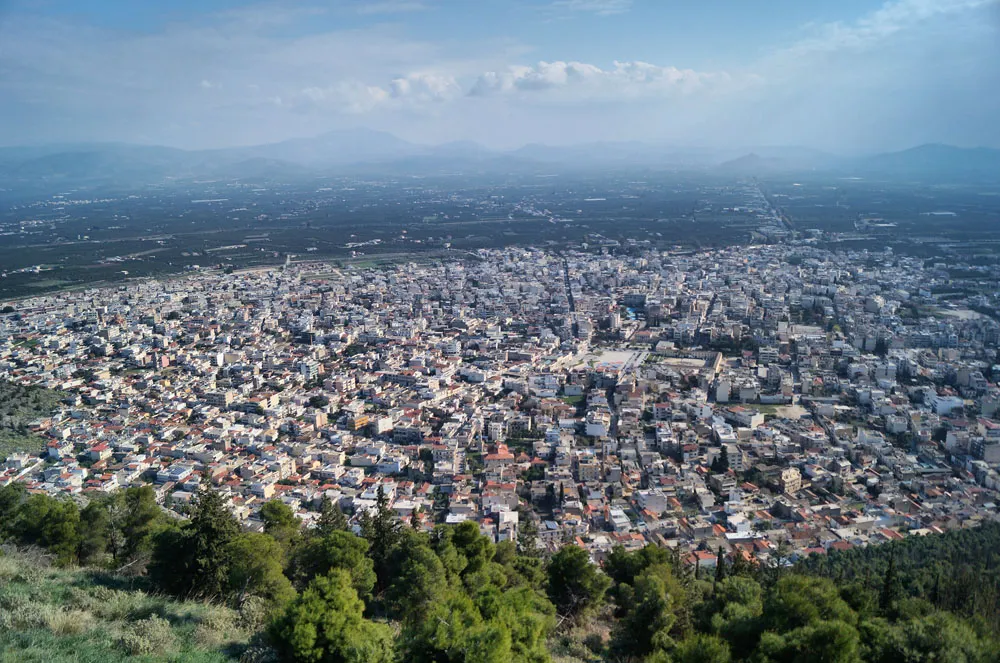
Argos lies a little north of Nafplio. It is twice as large as the latter, but Nafplio is far better known today – a tourist magnet, after all. That is how it happens when there is so much of interest that something has to be left out, so on the way to Nafplio most tourists skip Argos – the oldest continuously inhabited city in Greece, the capital of Argolis and one of the capitals of the Peloponnese.
To be honest, I would have chosen Nafplio too, but as it happened, in January 2020 my family and I spent three days in that lovely Venetian-Greek town, so we found time for Argos and for Tiryns as well – curiosities located quite nearby. True, only Lavrin went with me, while the girls stayed to enjoy Nafplio, and I understand them…
The history of Argos is described in relative detail on Wikipedia, so I do not want to repeat it; I will say only that Argos is 7,000 years old – fantastic – seven millennia of people living here without a break. Argos is among the three oldest cities in Europe (together with Plovdiv in Bulgaria and Mantua in Italy). Like other large Greek poleis, it was a city-state and waged constant wars with its neighbours over territory. And it often won, even against Sparta itself. It belonged to the Peloponnesian League, fought against Athens, was a great and majestic city, but declined, like most Greek poleis – in 395 the city was completely destroyed by the Goths.
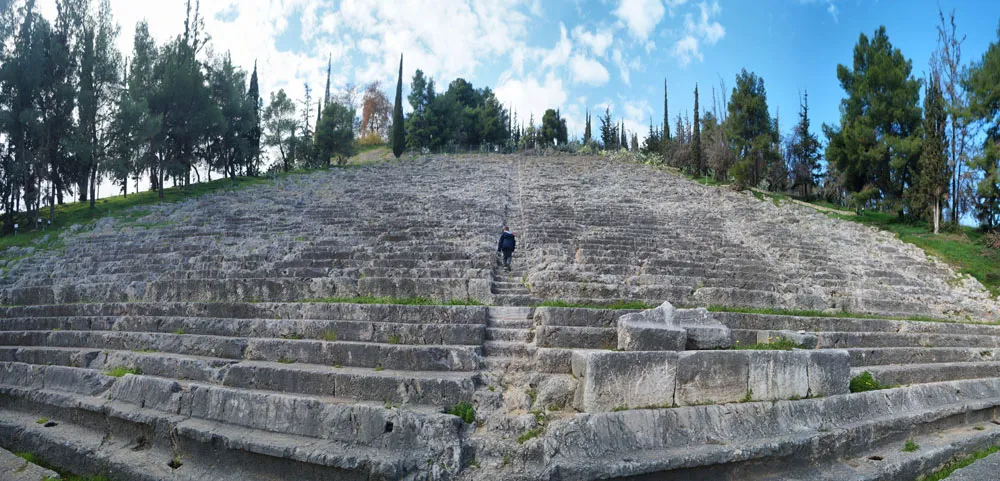
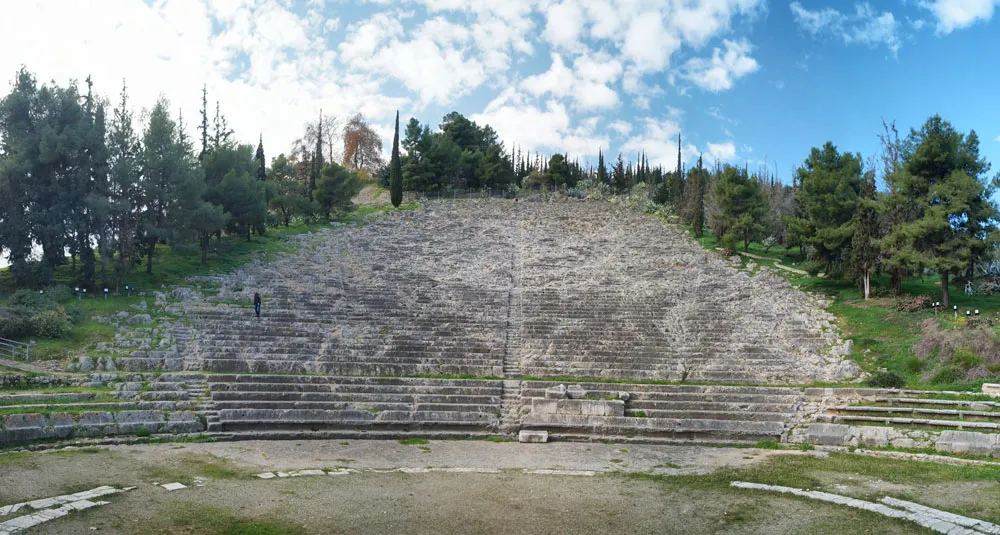
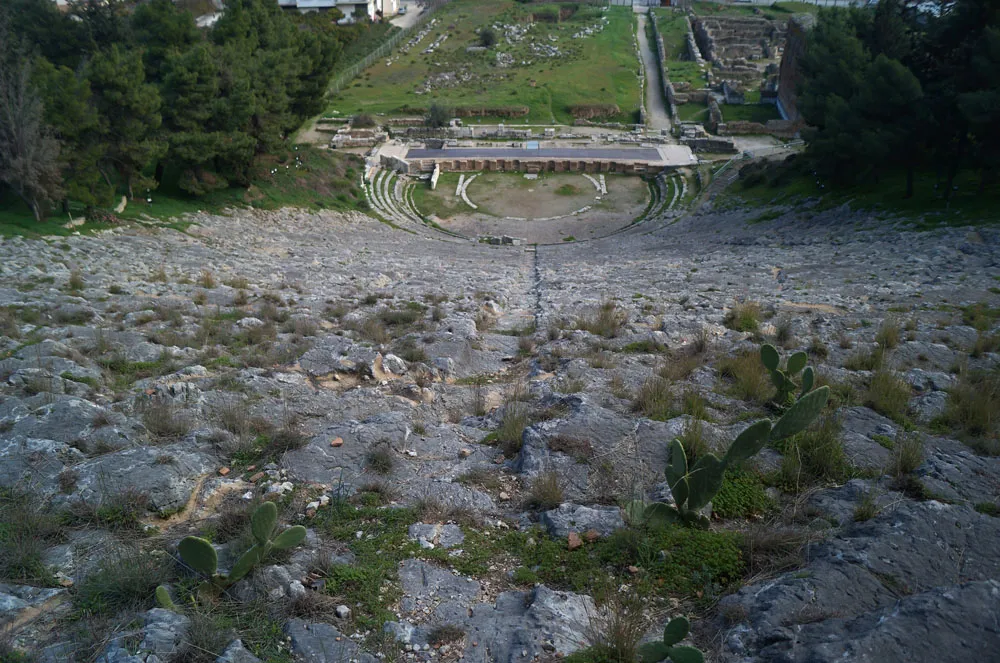
The main landmark of Argos is considered to be the ancient theatre. Huge, one of the largest. It could hold more than twenty thousand spectators – personally I find it hard to imagine such a crowd in a theatre. At football – yes, I have been to matches with over a hundred thousand, but at a theatre… You need such an interesting play for twenty thousand to come, such powerful advertising and promotion, and you also need that many wealthy people who can afford to go to the theatre…
It turns out that the theatre of Argos, dating from 270 BC, was for a long time the arena for the Nemean Games – competitions held twice a year that rivalled the Olympic ones in popularity. After the contests, competitions of musicians and concerts were held in the arena, and people gathered for these events from all over the Peloponnese. Interestingly, the spectators of these competitions were exclusively adult men; women and children were forbidden to enter.
The theatre has 90 rows, divided by stairs into four sectors. Lavrin and I counted the steps, but I, forgetful as I am, forgot the exact number – about 120, it seems. Some theatre.
In Christian times all such shows and games were regarded as manifestations of paganism, so the theatre was abandoned and forgotten. In time it was covered with a layer of soil and overgrown with trees, and only in 1892 did French archaeologists discover this huge structure.
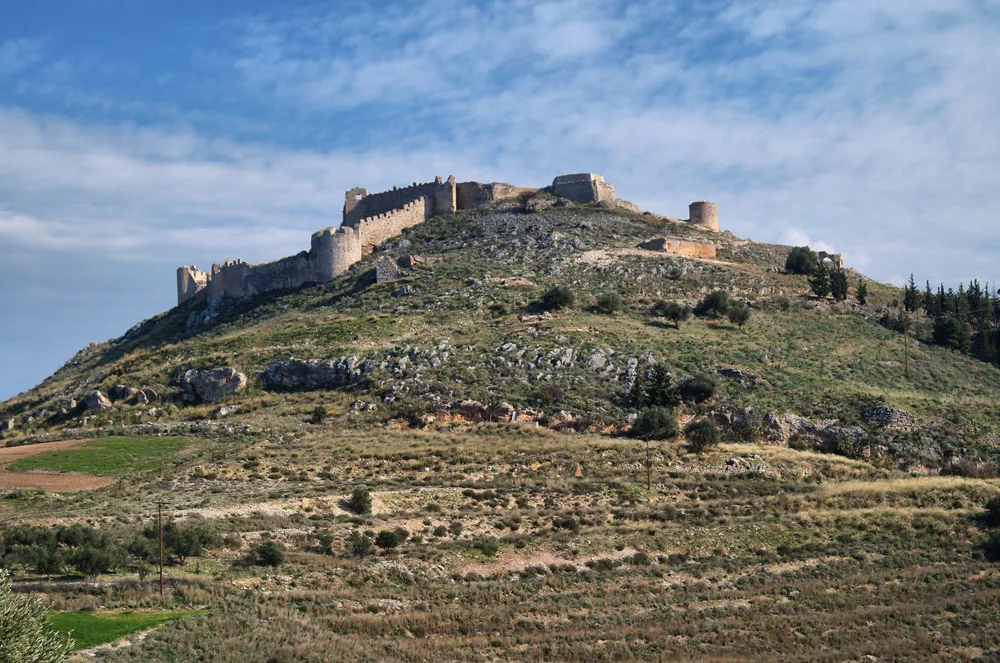
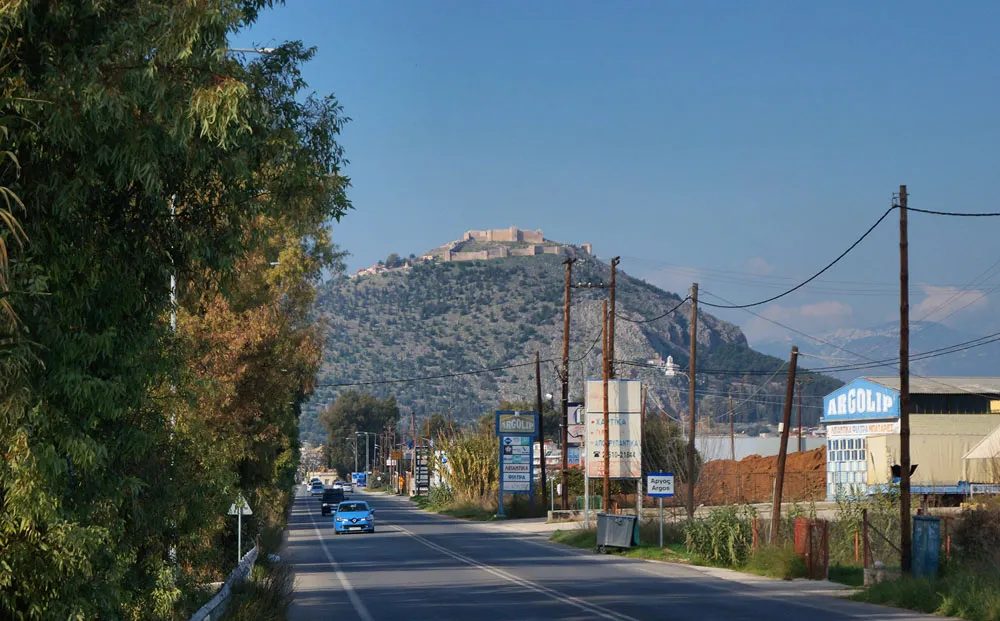
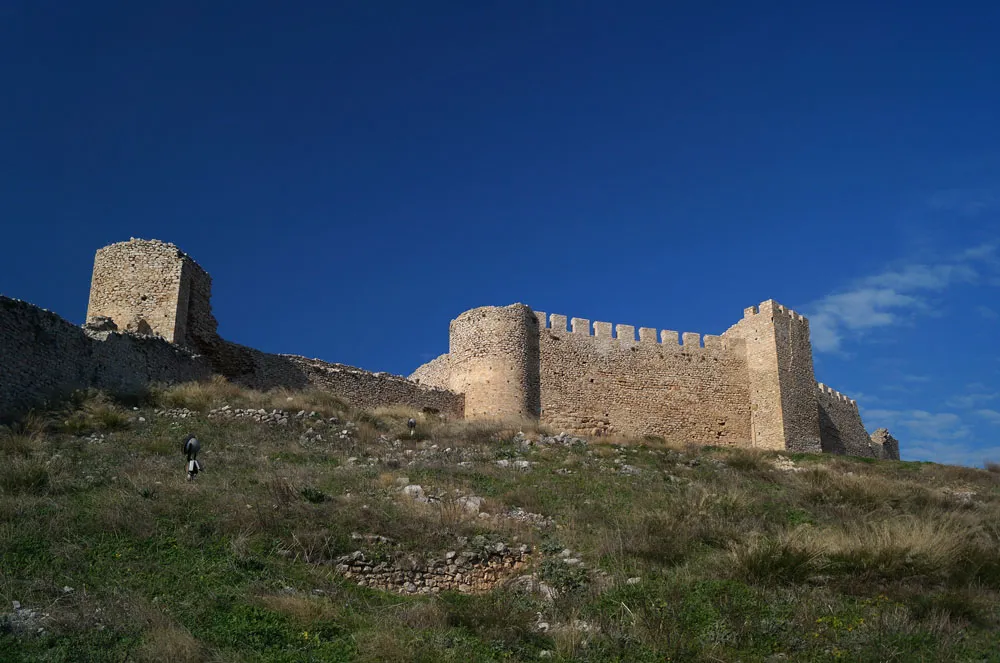
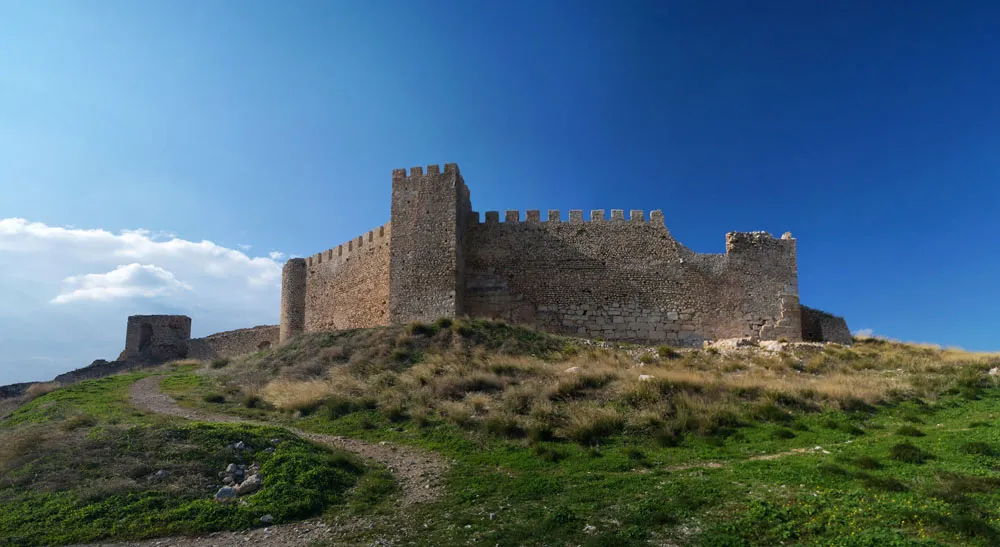
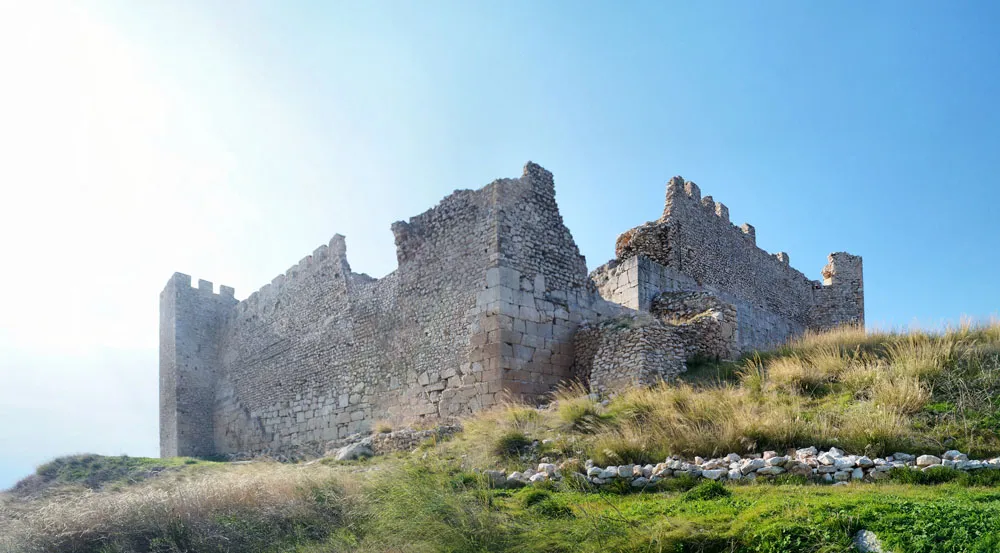
The theatre was cut right into the rocky slope of the mountain, on whose summit a fortress still stands. It is called Larissa, after the daughter of the city’s founder. It was the acropolis of Argos, and the city’s aristocracy lived there. For the games and concerts the wealthy had to go a long way down. I wonder how they got back up the mountain? Probably only on horses or in carriages – after a few drinks it is unrealistic to manage such a steep climb.
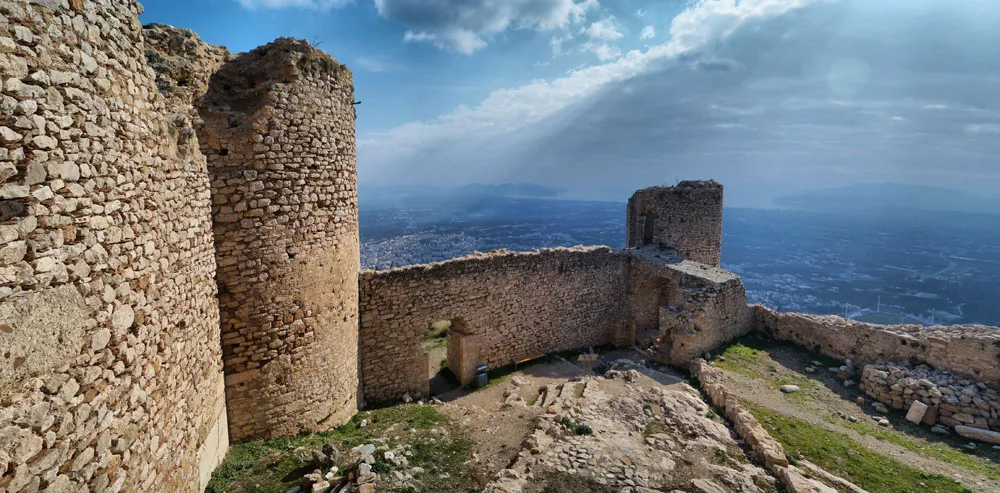
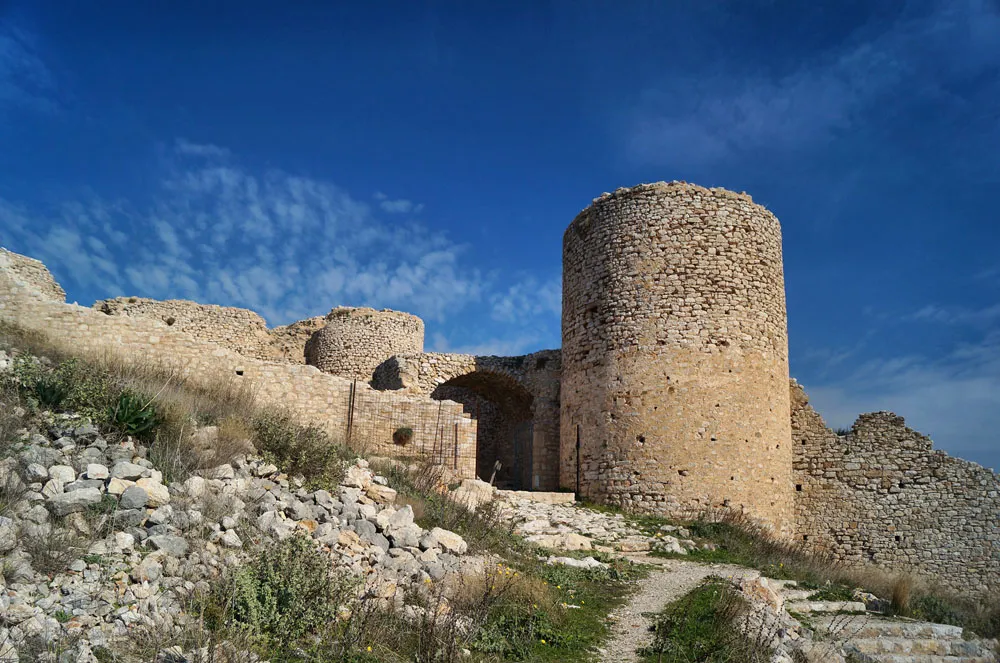
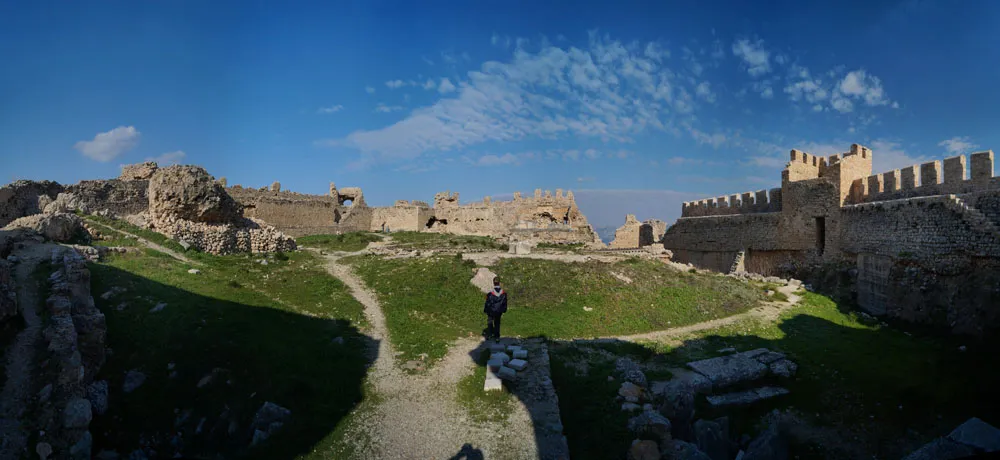
Of the acropolis, the walls and the remains of some buildings have survived, excavated by archaeologists in the last century, including a Byzantine church and cisterns for storing water. The fortifications date from the 6th–5th centuries BC, although the fortress was rebuilt in the Roman, Byzantine, Venetian and Ottoman periods. Today it is not guarded, and entry is free.
The Larissa fortress was the main magnet that drew me to Argos. It is visible from all around, and at night it is beautifully lit.
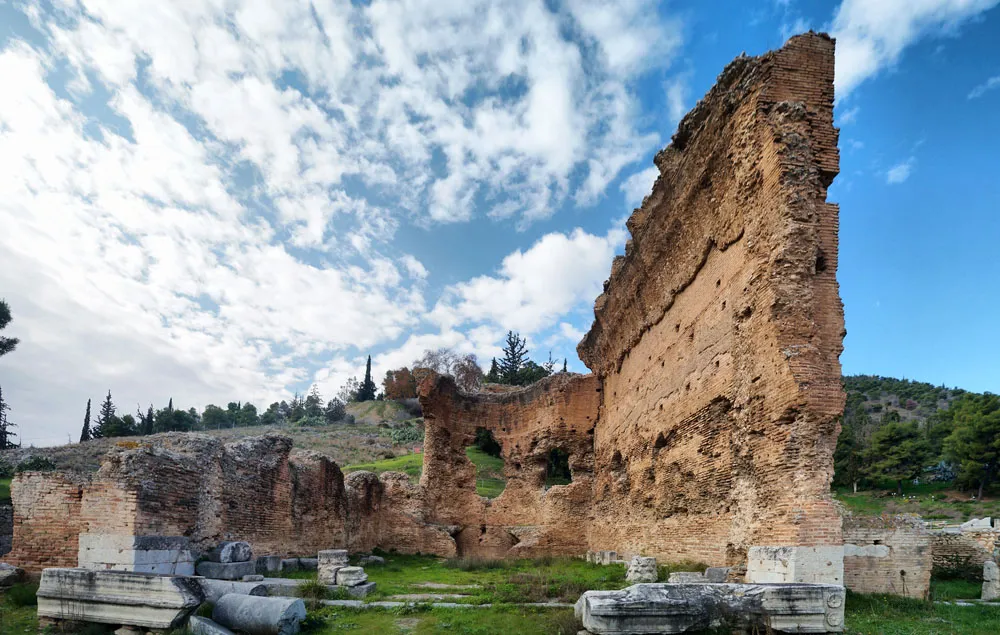
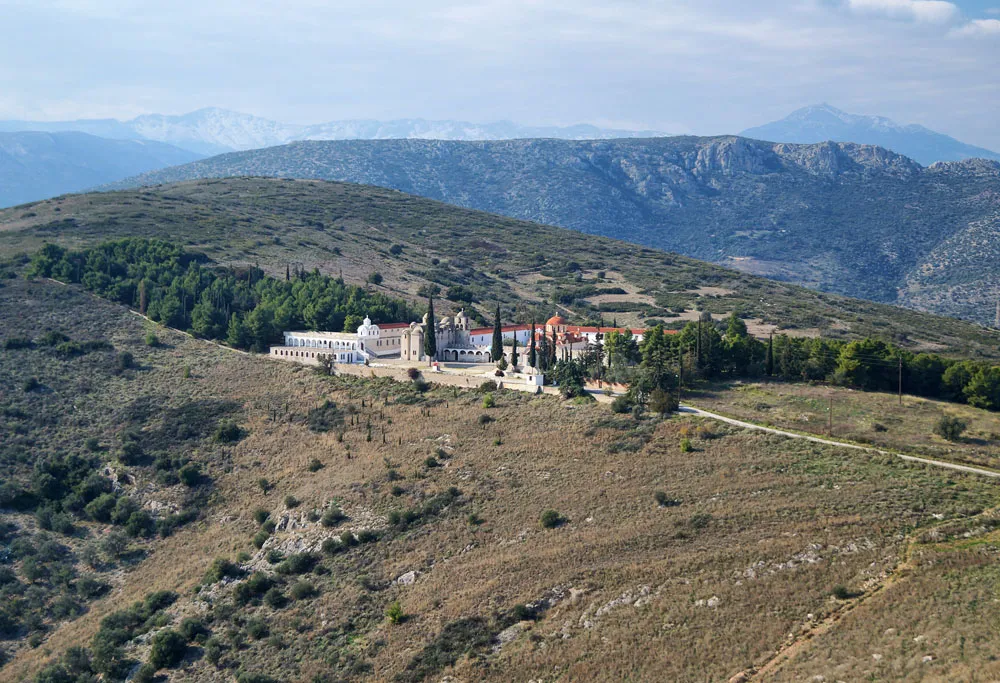
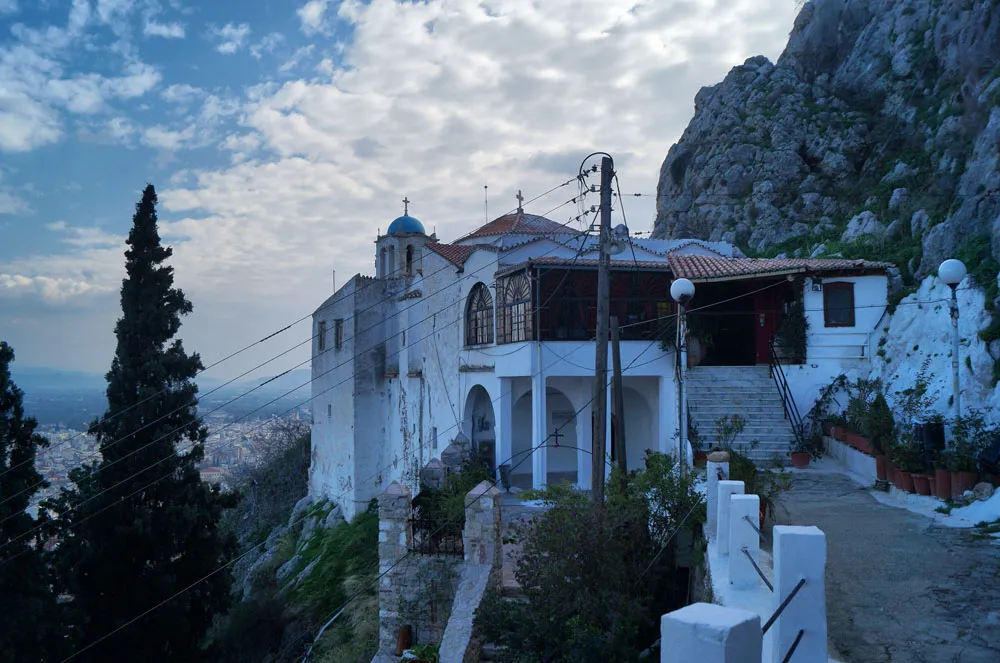
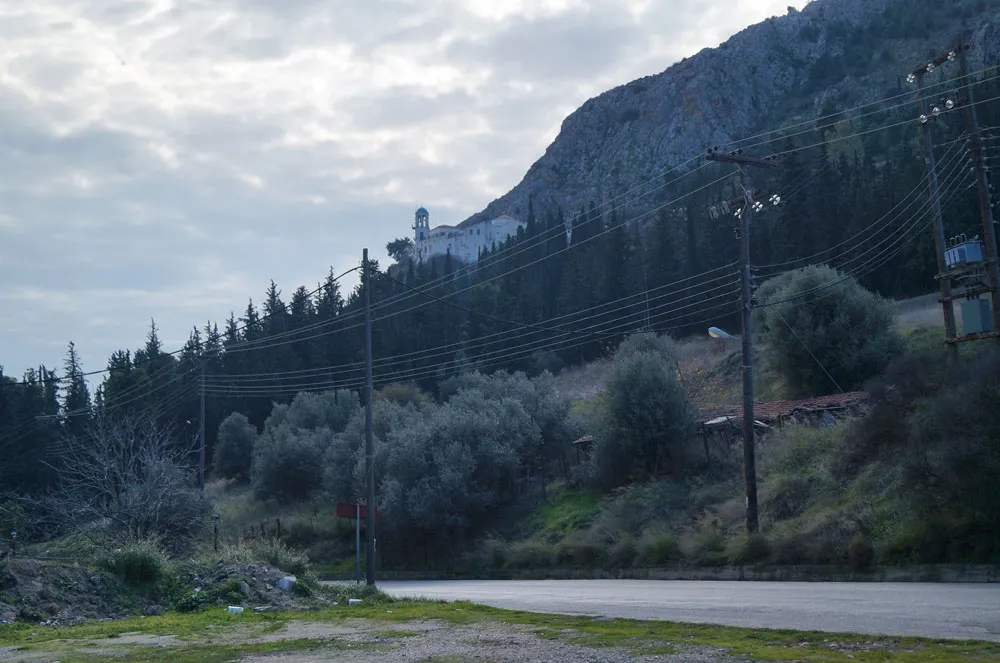
Besides the theatre and the fortress, on the outskirts of Argos there are two mountain monasteries – both can be seen from the hill, from the fortress – and the town itself is full of excavated ancient ruins, especially near the theatre.
Text and photos by Roman Malenkov. From the book “10 Countries After Quarantine”.