Greece: Aegina Island

· 3 min read
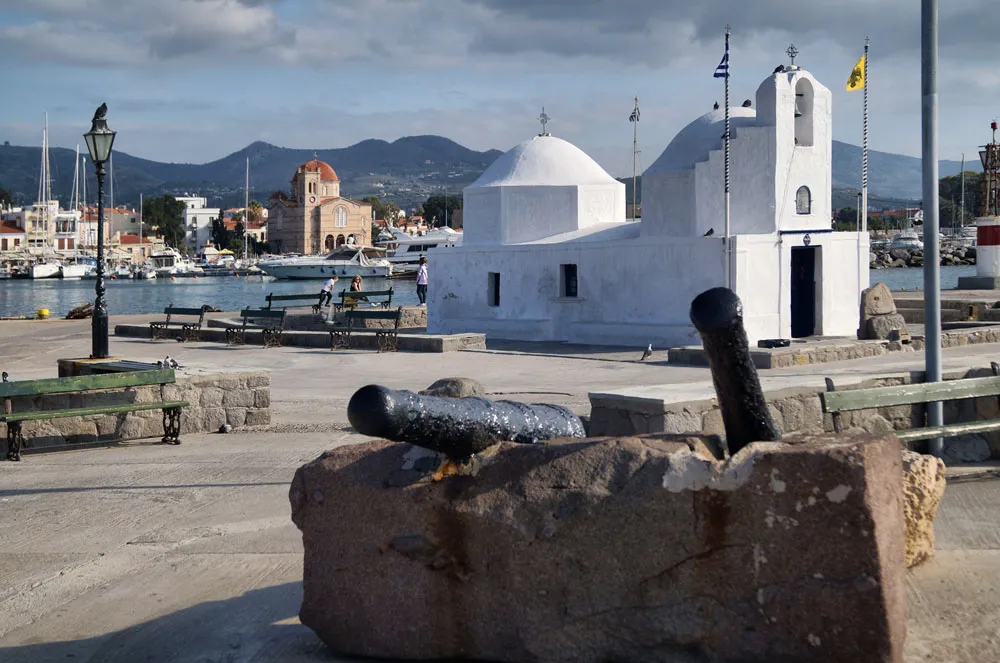
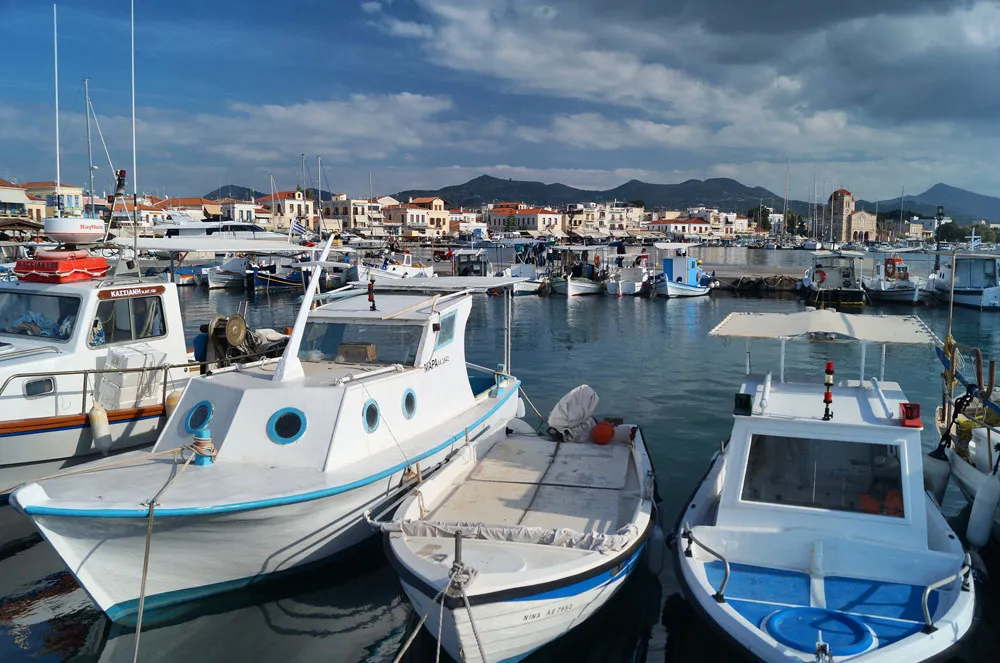
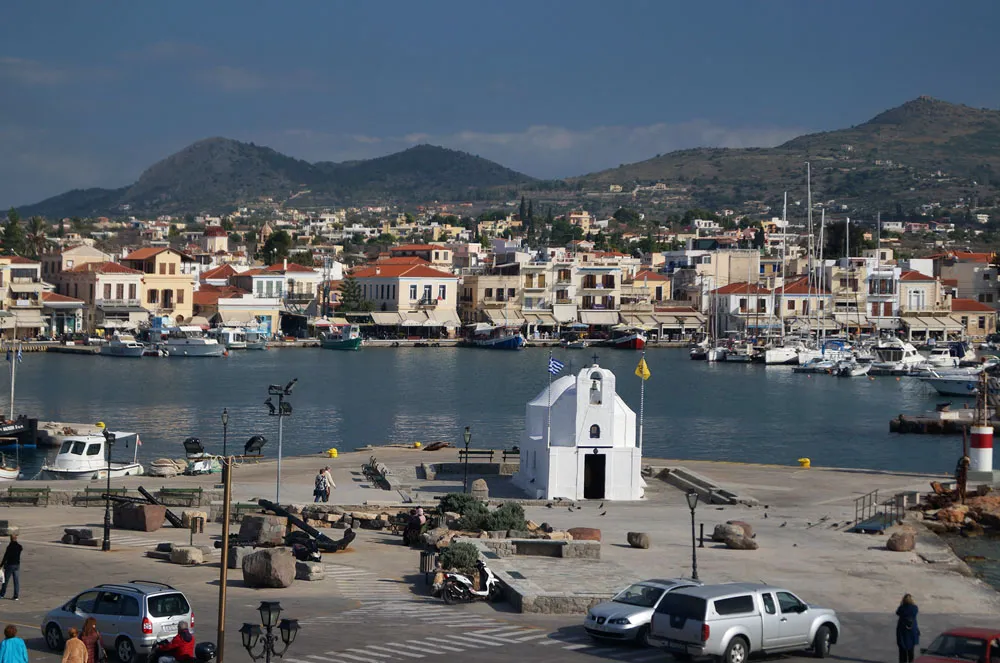
It was not the pistachios that struck me about Aegina. Here I felt for the first time the colour and wonder of life on a small island, which over millennia has accumulated the treasures of many civilisations but treats them not as treasures at all, rather as something perfectly ordinary, commonplace. I was struck by the nature: the sharp-peaked mountains of Aegina and of the surrounding islands, many of which were visible here, whereas I had thought such things could be seen only somewhere in South-East Asia. I was struck by the harbour, with a large concrete pier on which a small church shone white and the muzzles of cannons that had been raised right there in the port loomed dark, and beyond the port, in various colours, the dense development of the waterfront and of the town of the same name advanced, with churches and bell towers in some Italian style. I did not expect to see anything like this in Greece; I was left speechless with astonishment and delight. So this is Aegina.
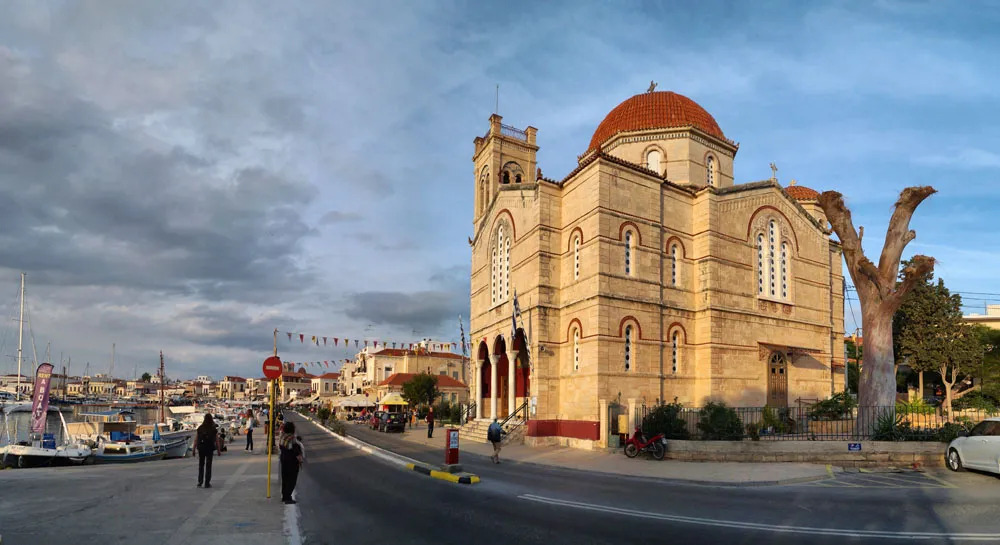
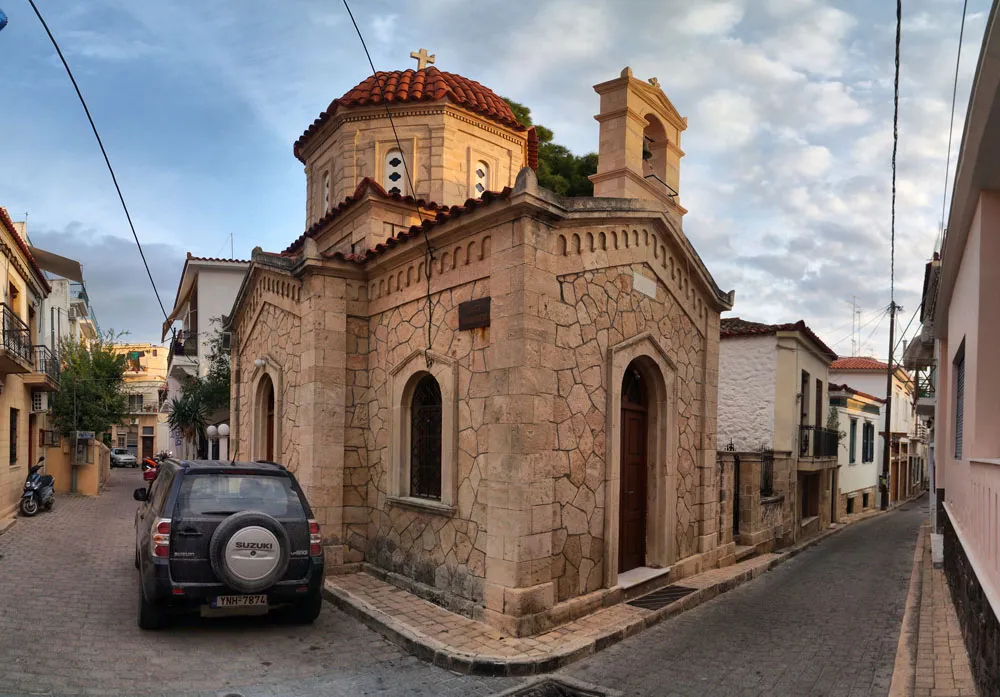
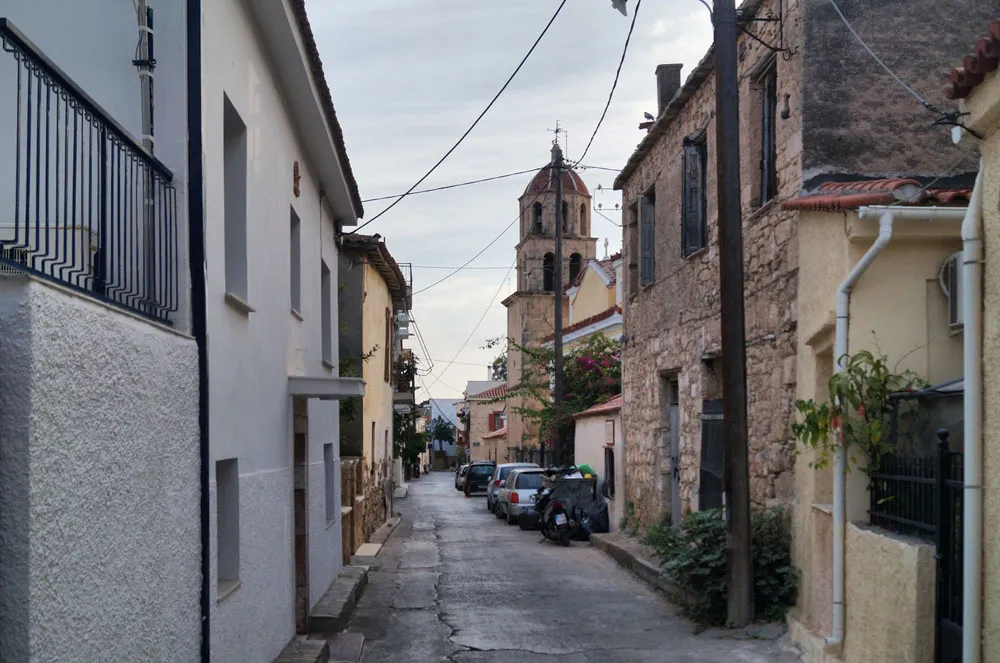
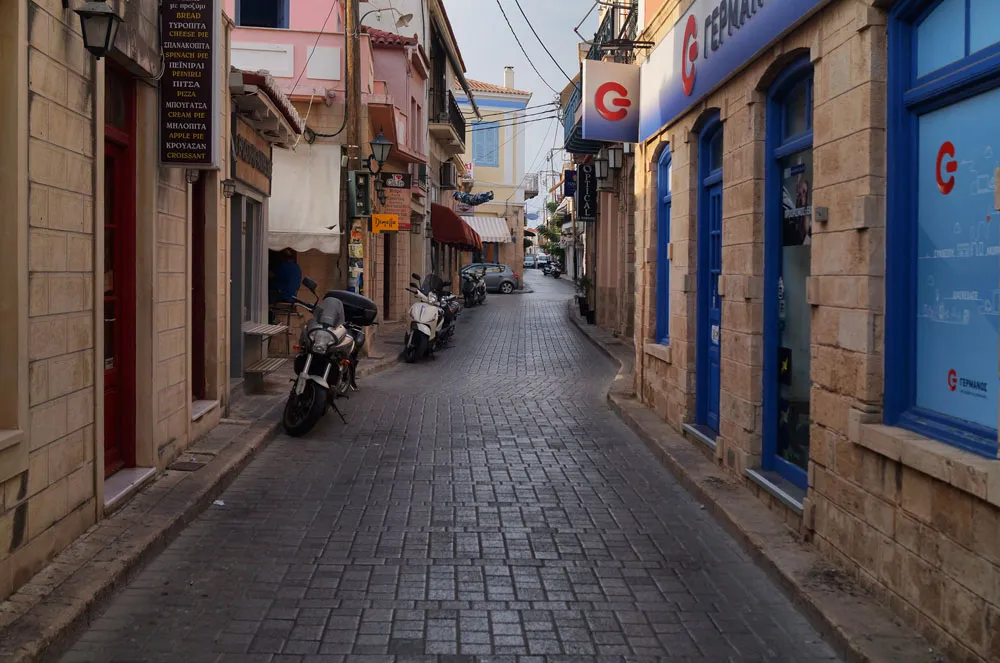
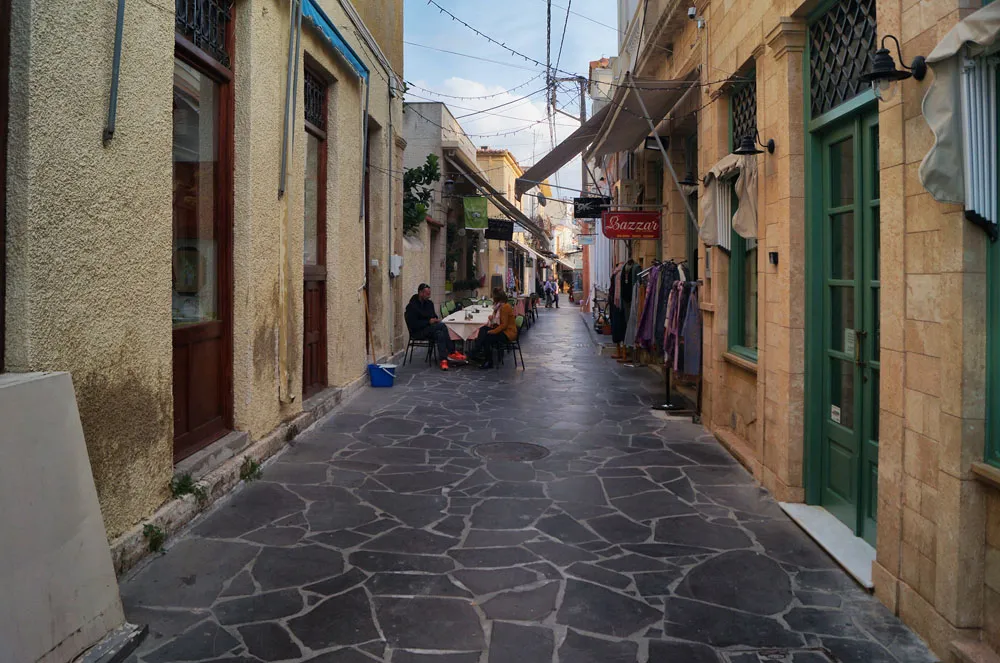
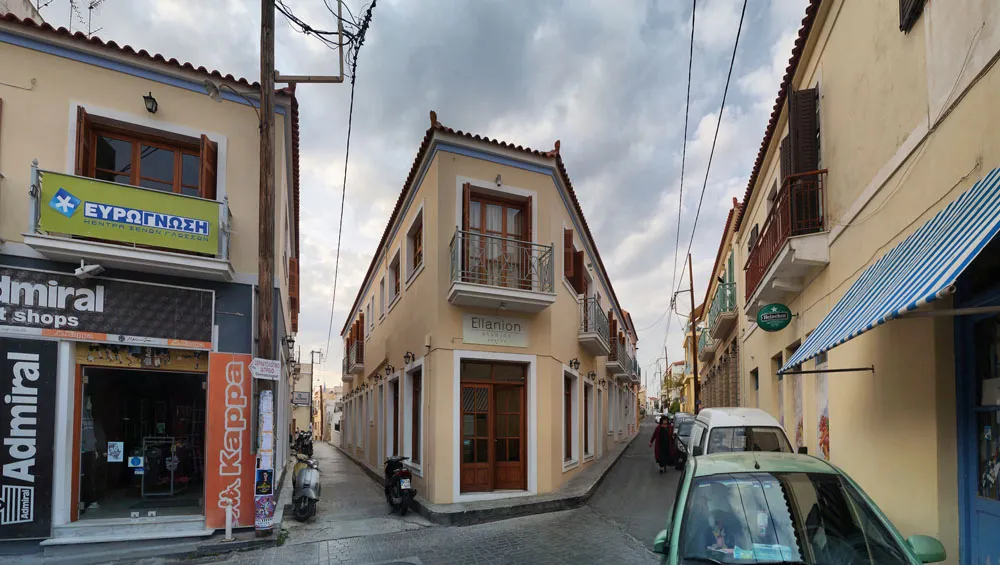
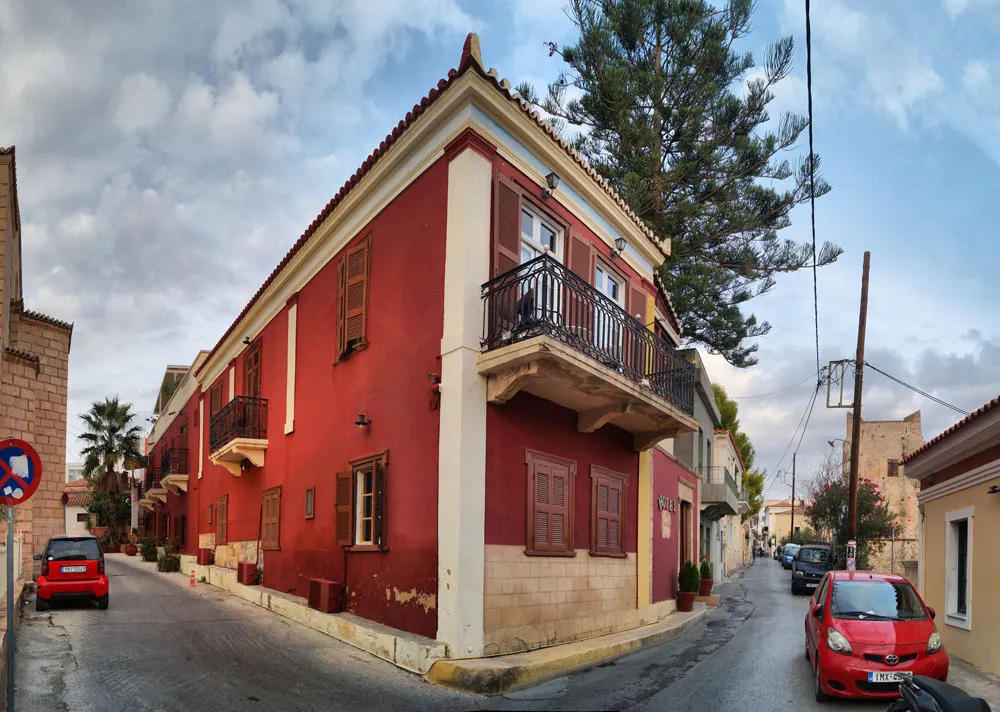
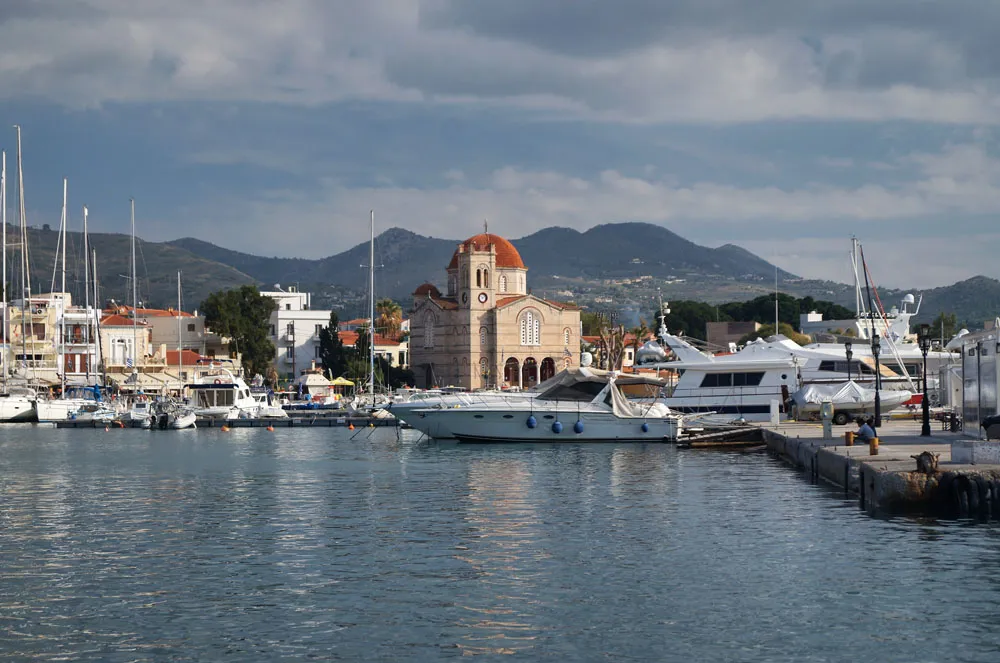
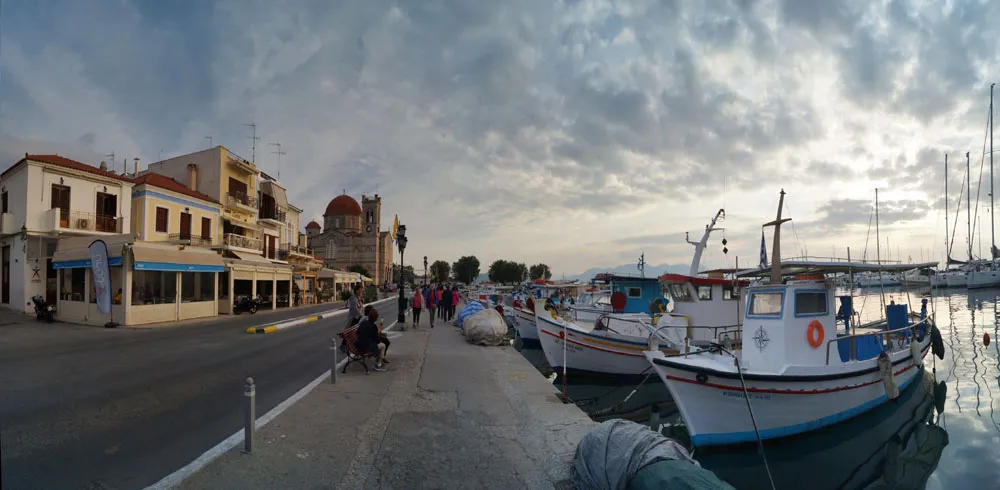
The marina of Aegina is exceptionally welcoming and cosy. There are hundreds of fishing boats here, probably a heap of fresh fish in season, although there certainly is some in winter too. On the large concrete pier, sailors, and more often tourists, are greeted by the Chapel of St. Nicholas, and further on, on the beautiful waterfront, stands the Church of the Presentation of the Virgin, built in 1906 in the Italian Neo-Renaissance style. From the waterfront narrow and winding streets, mostly for pedestrians and mopeds, stretch into the town. You can wander here for hours and photograph endlessly.
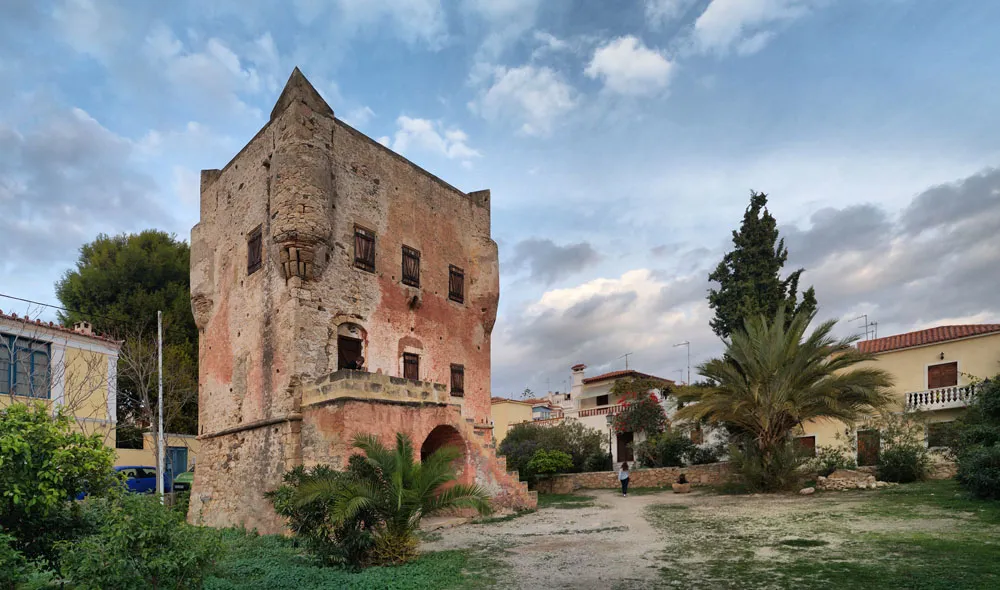
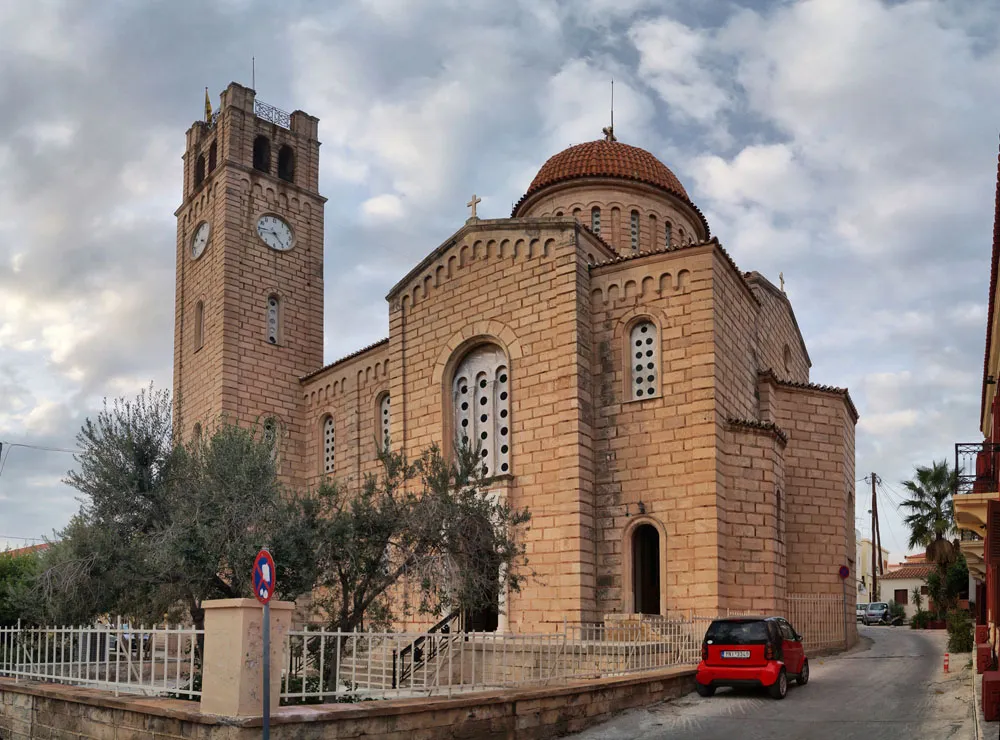
The streets and architecture of the island’s capital, Aegina, are the legacy of the Venetians, who held the island from 1451 to 1540 and then for another 27 years from 1687 to 1715. Of the buildings erected directly by the Venetians, however, only the Marcello Tower has survived, a defensive or watch tower, ten minutes’ walk from the port. It stands just behind the town’s largest church, the Church of St. Nicholas. And again Italian features: 1890s eclecticism with a slide into historicism, something like Neo-Renaissance.
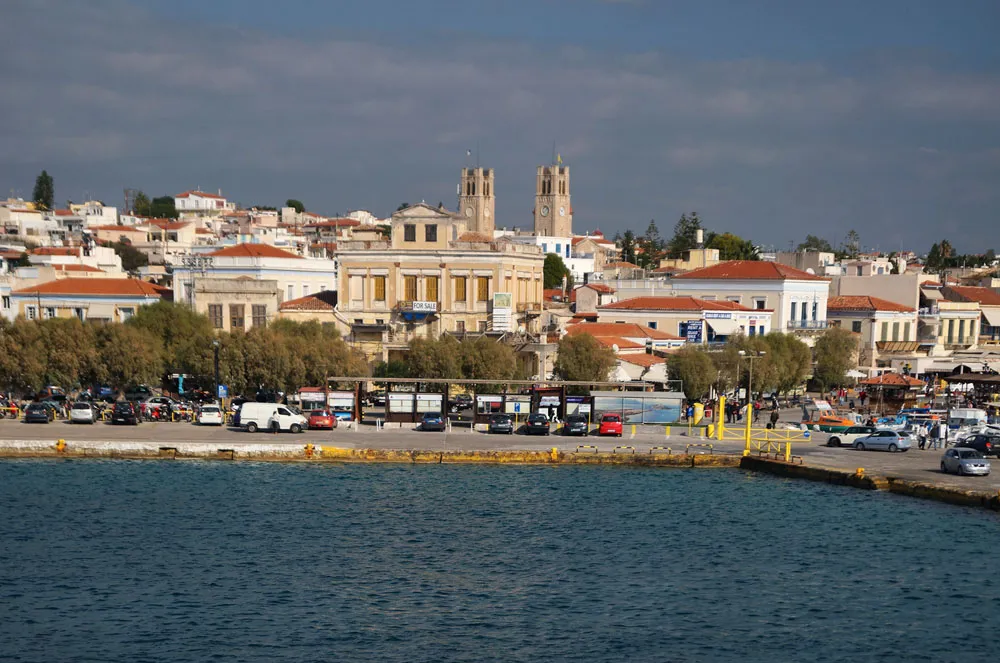
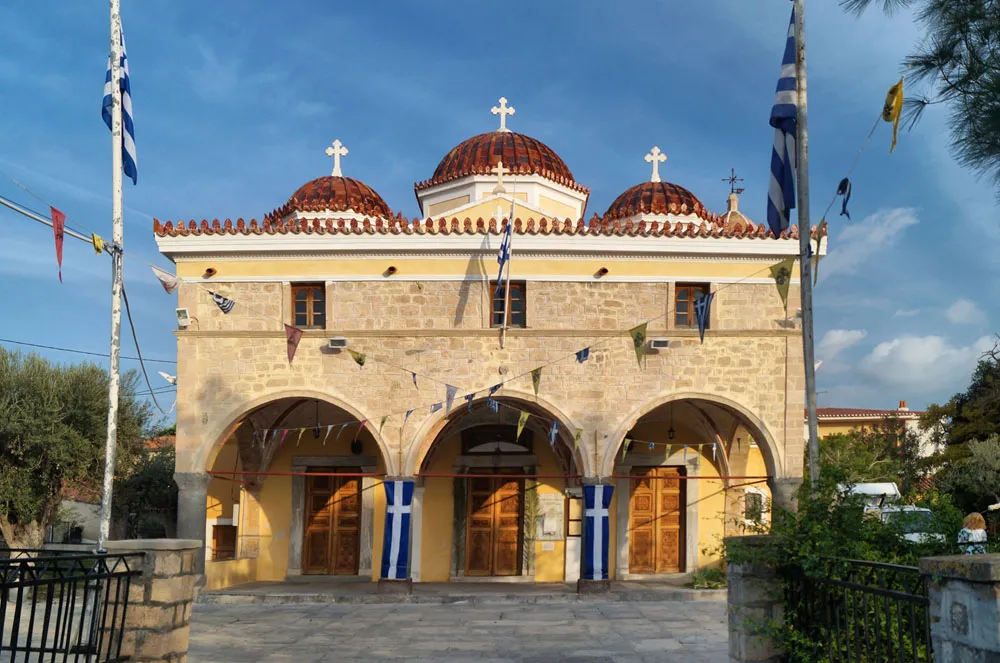
In 1827–1829 Aegina served as the first capital of the newly created Greek state: the Greek government was housed here in the Kyverniou house, and officials took their oath in what is now the town’s main church, the metropolitan Cathedral of the Dormition of the Mother of God, built in 1806. I am amazed how such a tiny town, which can be walked around the perimeter in a few hours, could be the capital of Greece itself, the cradle of civilisation. Although in 1829 the capital of the country became a town not much bigger, Nafplio, and only in 1834 did the king move the country’s official centre to Athens.
The most visited sight of Aegina is the archaeological museum with the ruins of the ancient polis. It is 350 metres from the port. In general the greatest distances between the town’s attractions do not exceed 400 metres: everything is very compact and convenient. There are many tavernas serving local dishes, and many fish restaurants. You sit at a table by the sea, order fish with vegetables and a glass of ouzo, or better a small bottle, and relax, contemplating the mountainous outlines of the neighbouring islands and the ships that endlessly ply near Aegina.
On the island of Aegina there is not only the town of the same name but also 11 other settlements. There are ancient ruins and monasteries, but I did not go to them.
Text and photos by Roman Malenkov.