Greece. Koroni

· 6 min read
We reached the Venetian fortress and town of Koroni, where we planned to spend the night, from Mystras via Kalamata along a mountain road – hard, narrow and winding, but extraordinarily picturesque. Views of snow-capped peaks, arches and tunnels, wild goats – beautiful. One thing was bad: the car had summer tyres, and I am not sure they even know in Greece that winter ones exist. So when we climbed higher and felt a mirror of ice on the road, it was a bit scary. As soon as a snow-chains sign appeared, we slowed down and crept along carefully. Honestly, such a road is very tiring for a driver, so almost nobody takes it – everyone heads north to Megalopolis and from there southwest along the motorway, 50 kilometres longer but without the nerves. Still, when we went back to Sparta we chose the mountain serpentines again, because where else would you see such beauty.
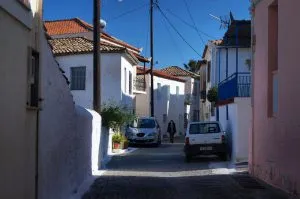
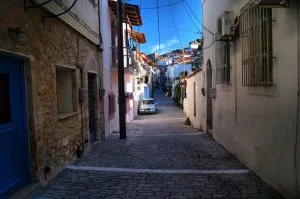
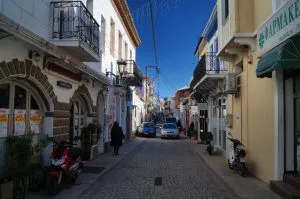
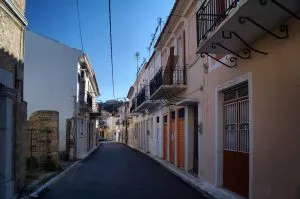
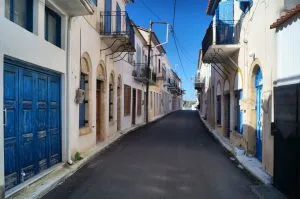
We checked in again after dark, again into a cold house – on the Peloponnese almost nobody has fixed radiators or other heaters; people warm themselves with fan heaters, oil radiators and, most often, air conditioners. This time the air conditioner was very powerful – in half an hour it thoroughly heated two bedrooms and the living room. And the house turned out to be very interesting and comfortable, on a colourful old Venetian street so narrow that we barely got the car onto it – we would not have driven in, but the owner said go on, go on – it is wide here and there is parking.
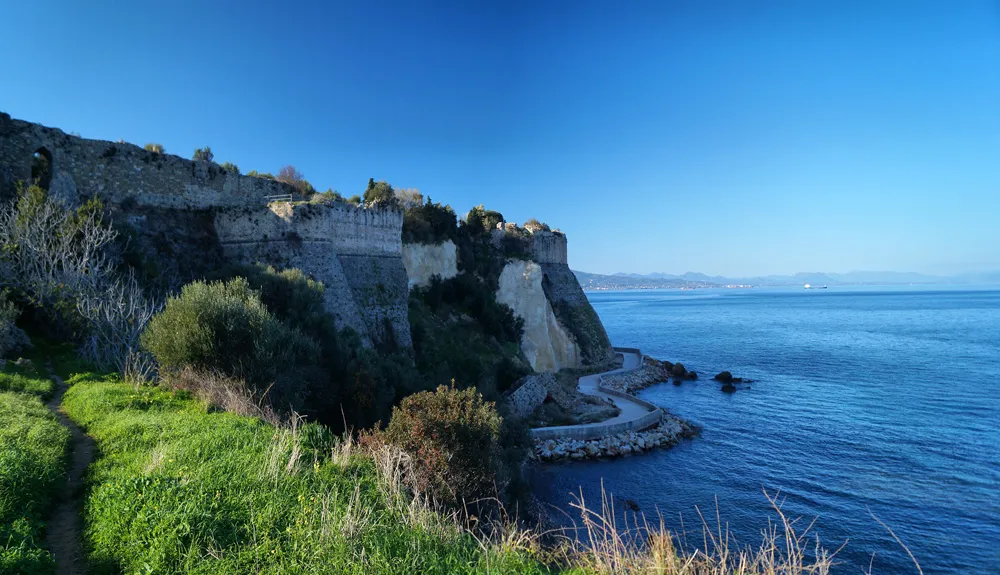
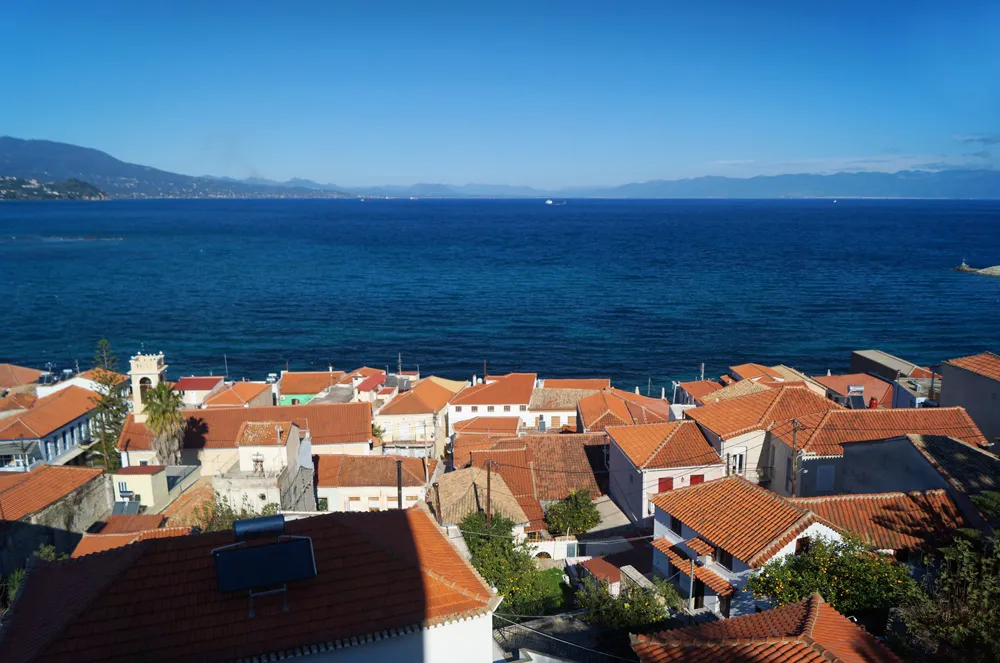
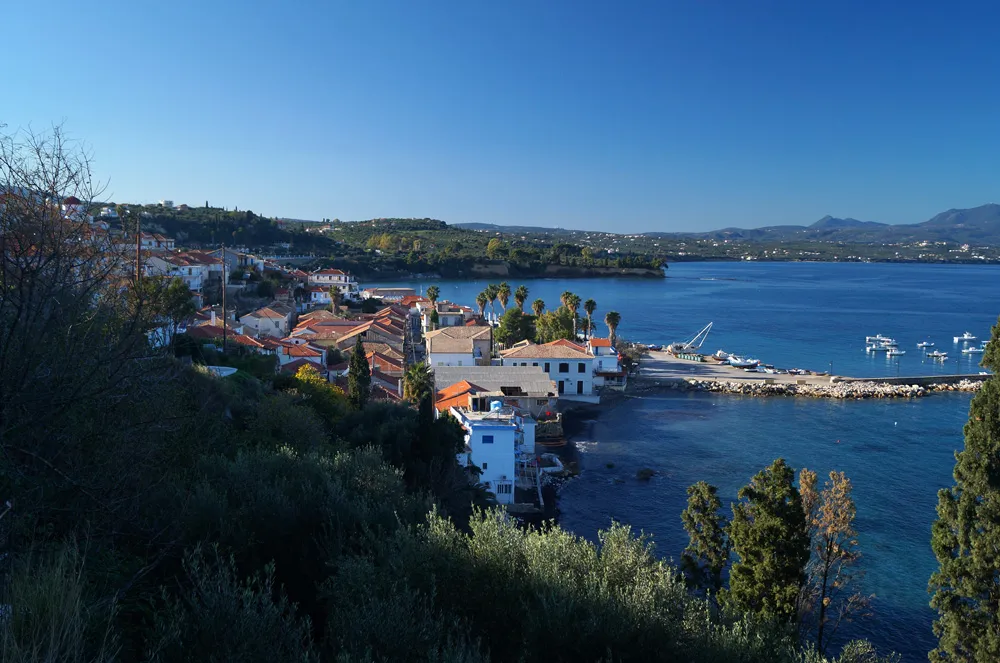
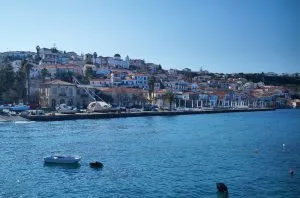
Tired, we went to bed and did not notice at all that our windows and balcony faced the sea. In the morning of 8 January, the second day of Ukrainian Christmas, we got a great surprise – a fairy-tale blue-turquoise sea dotted with dozens of fishing boats – the perfect picture by a marine painter, but live.
Koroni lies at the tip of the “little finger” of the Peloponnese, on the east side. On the other side of the same Messenia peninsula stands the town of Methoni. I will tell you about Methoni later, but for now, about Koroni.
As for the founding of the town and its early times, I will keep quiet, because nobody knows when it was, but it was very long before our era. They were digging a pit for the fortress foundation and found a copper crow, and a crow in Greek is “korone” or something like that, so they decided the town would be Korone. The Italians then changed it in their own way. Although there is a version that they dug up a Latin coin – a crown – and not a copper crow at all.
In 1204 Koroni was seized by the Franks, but two years later the Venetian fleet recaptured the fortress, and in 1209 the Prince of Achaea, Villehardouin, signed an agreement with the Venetians under which the fortresses of Methoni and Koroni passed into the lifelong possession of the Venetian doges. Modon and Coron – this is what they came to be called, adding that they were the “principal eyes of the Republic”, seeing far from the doges’ residence.
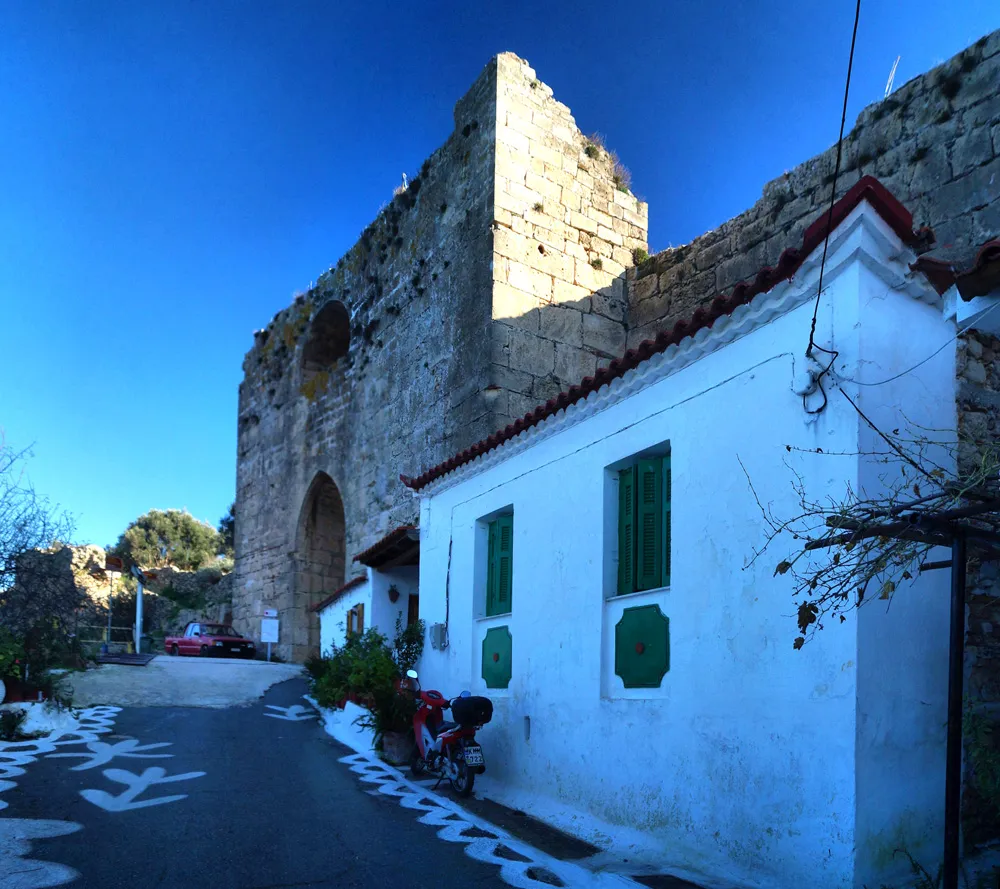
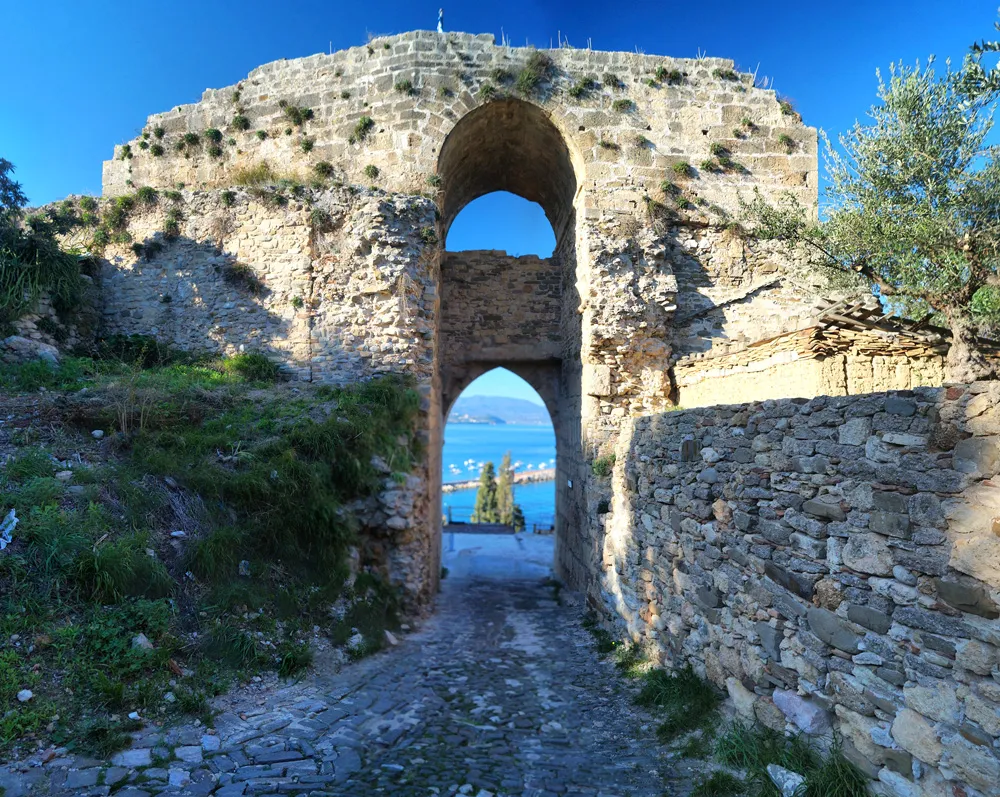
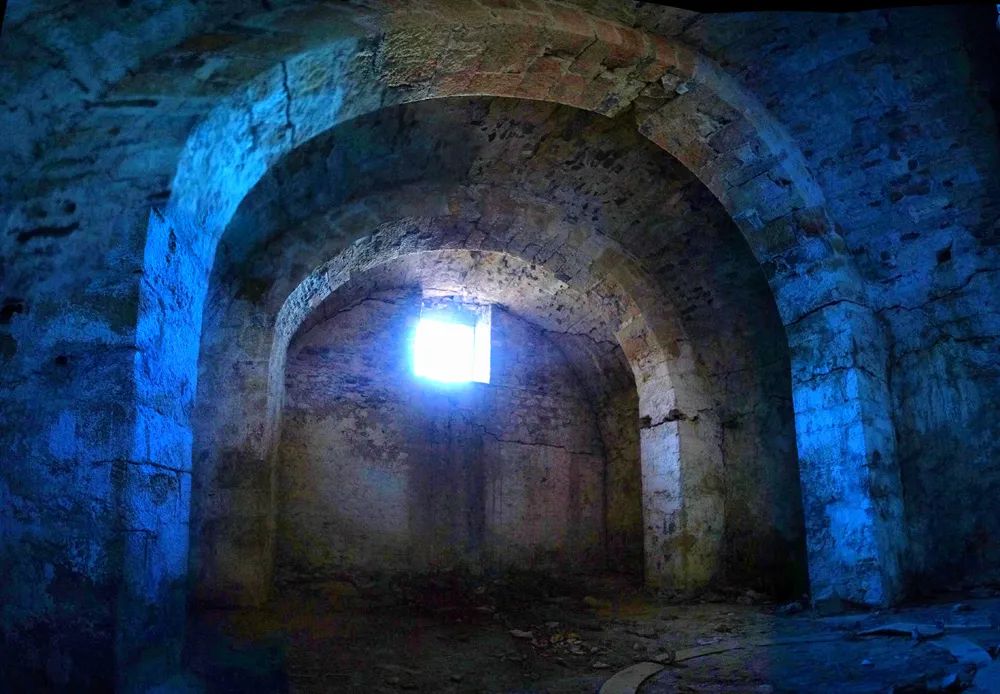
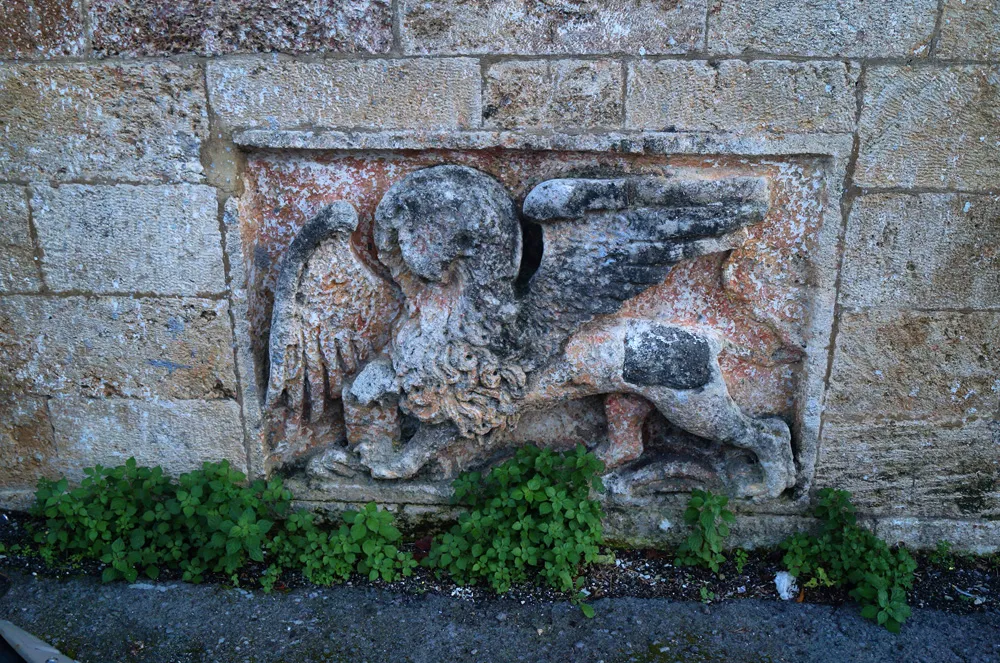
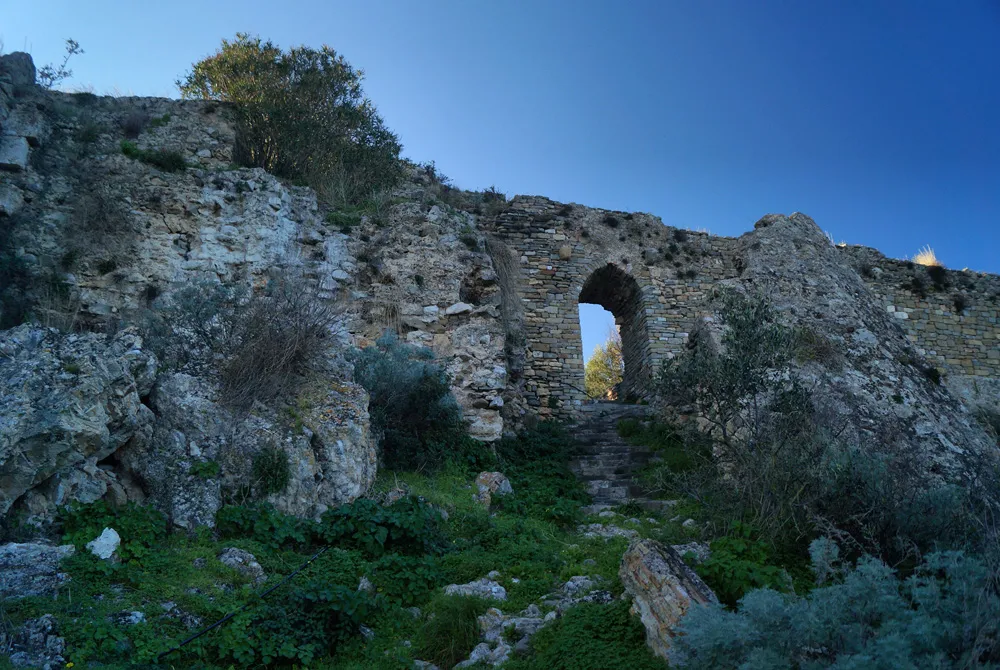
The Venetian period in Koroni lasted three centuries – three centuries of prosperity and luxury. All Venetian ships on their way to the Levant and the Holy Land stopped at Koroni or Methoni, under the protection of mighty walls and cannons. Merchants traded their wares here, leaving considerable sums. They paid for route planning and for forming convoys to protect against pirates.
Both fortresses were governed and developed in parallel with a common city council, but Koroni was the main one – here stood the residences of the captains of both fortresses, and here was the seat of the Latin bishop. Incidentally, one of the bishops of Koroni was Angelo Correr, the future Pope Gregory XII.
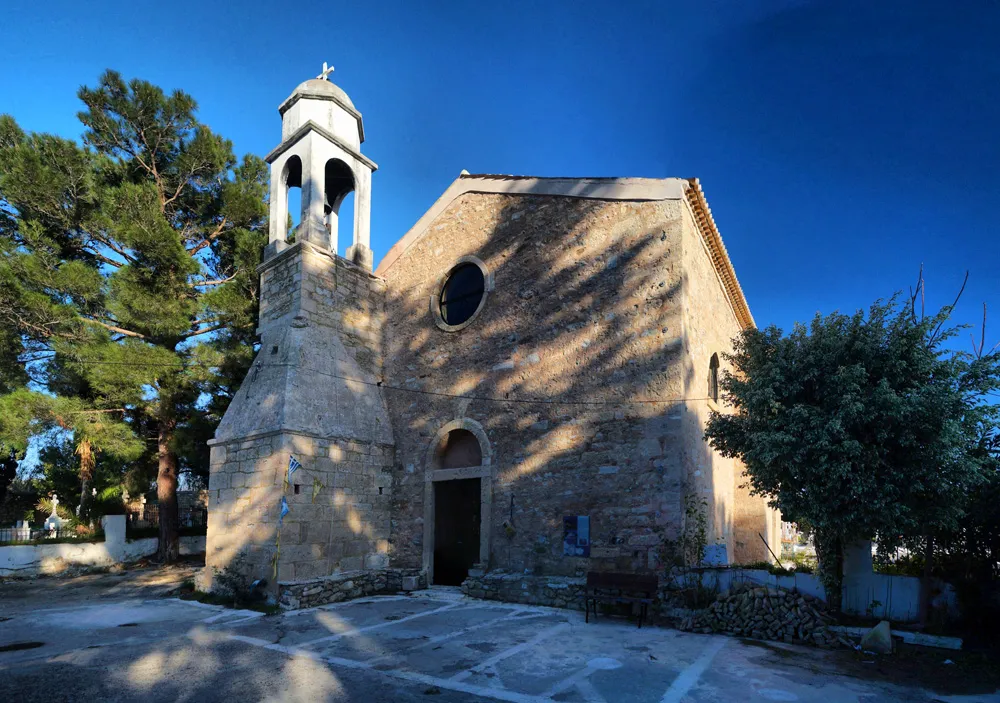
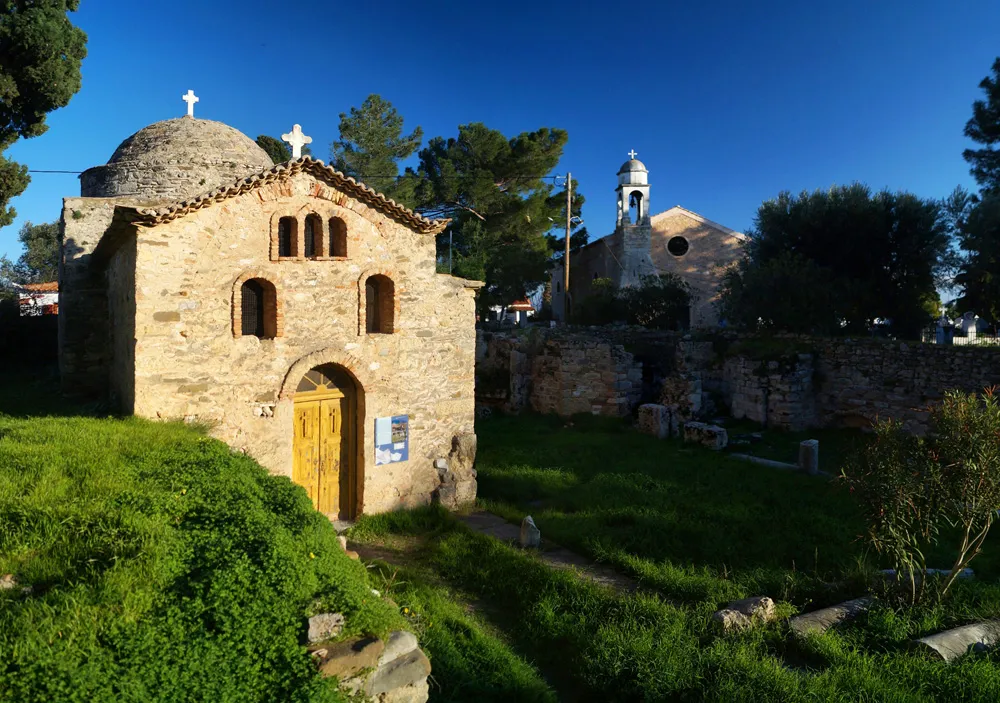
The Venetians did not forbid the Orthodox faith, so Koroni also had the seat of a Greek bishop, and numerous churches built as early as Byzantine times were functioning.
In the 15th century the Principality of Achaea declined and Venice added a third to the two “eyes” – Navarino (now Pylos). By then the Ottoman Empire had become a new powerful force in the Mediterranean; it first attacked the fortresses in 1428, forcing Venice to pay tribute for a time, and in 1460 it seized the whole Despotate of the Morea of Byzantium – the Peloponnese peninsula. But for a long time the Ottomans could do nothing against the trio of Venetian “eyes”. Only in 1500 was the fortress of Methoni taken by storm – frightened Koroni and Navarino were forced to capitulate.
Until 1715 Koroni belonged alternately to the Ottomans, the Venetians and the Genoese. Then came more than a century of exclusively Ottoman rule, and in 1828 it was liberated by the allies, to be handed over to the Greeks for good.
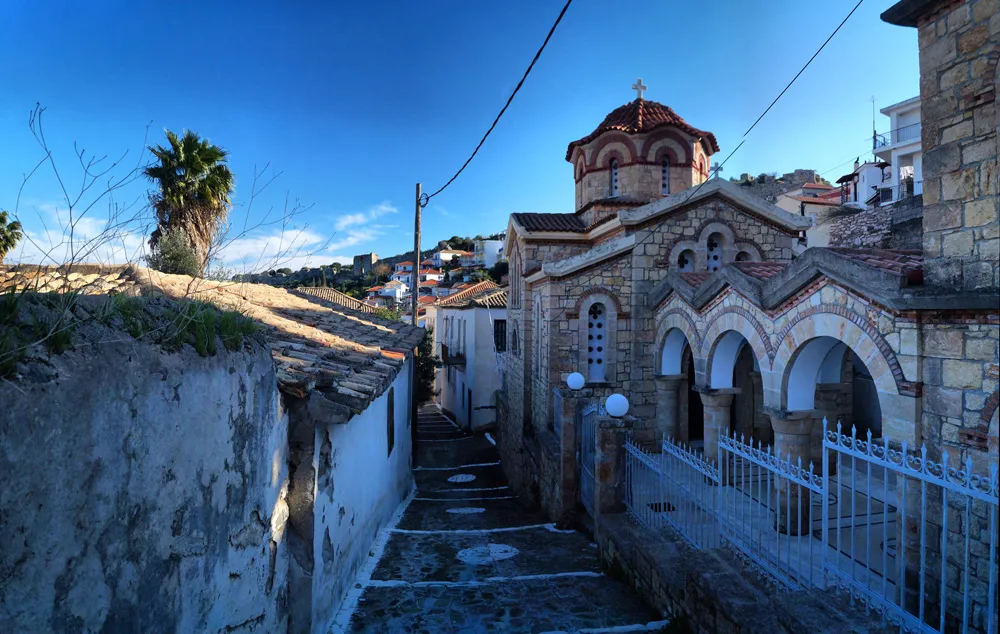
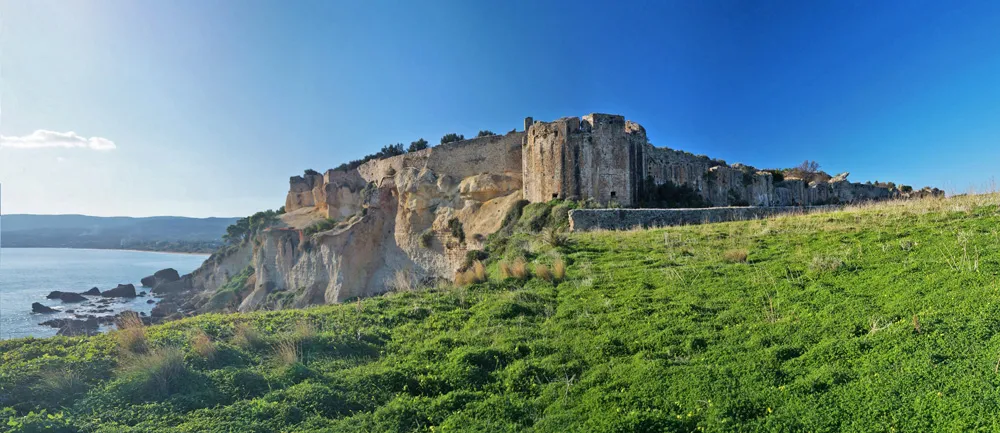
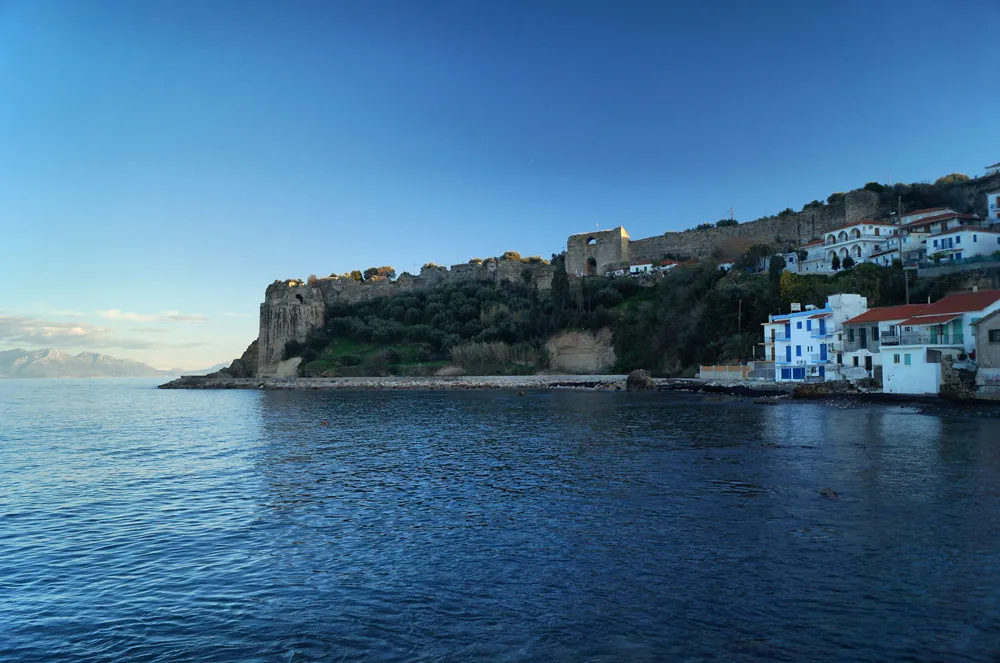
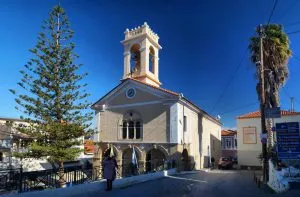
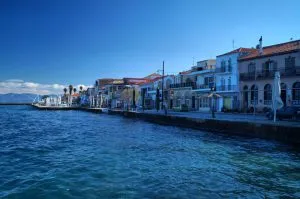
Koroni is a wonderful place to stop for a day during a trip around the Peloponnese. Venetian street architecture is always interesting and colourful. On the first line, right by the sea, there is a row of tavernas, but we did not get into them – on 8 January, the second day of the Epiphany celebrations, they were all closed. Instead we admired to our heart’s content the old harbour bay, now filled with fishing boats. There is also a long, narrow pier-breakwater made of large stones – from it you can take wonderful photos of the Venetian town. Beyond the pier rise the walls and towers of the fortress.
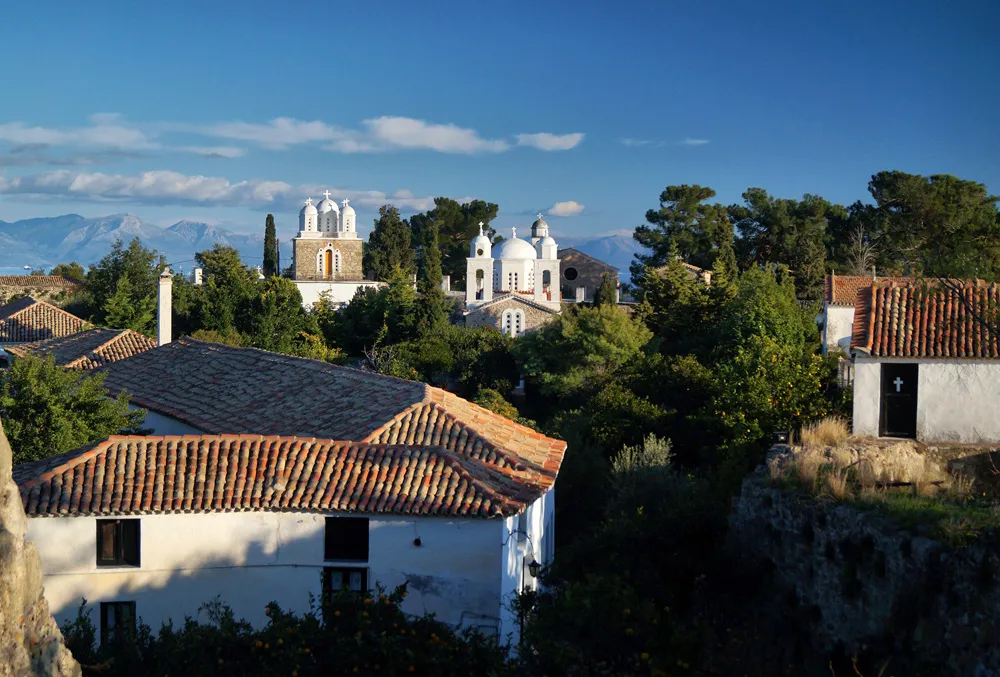
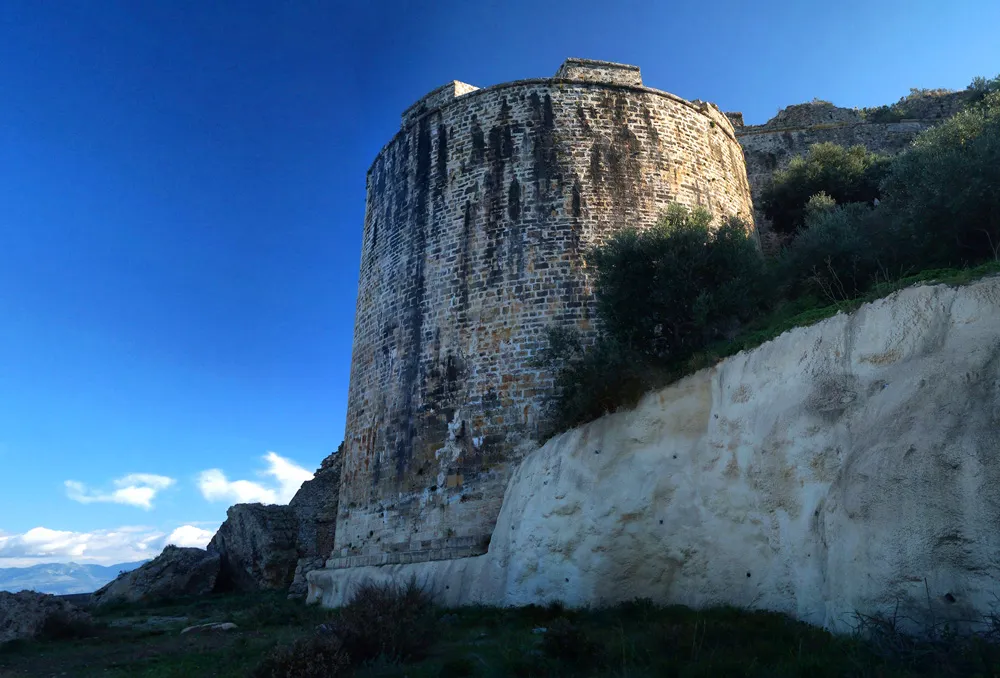
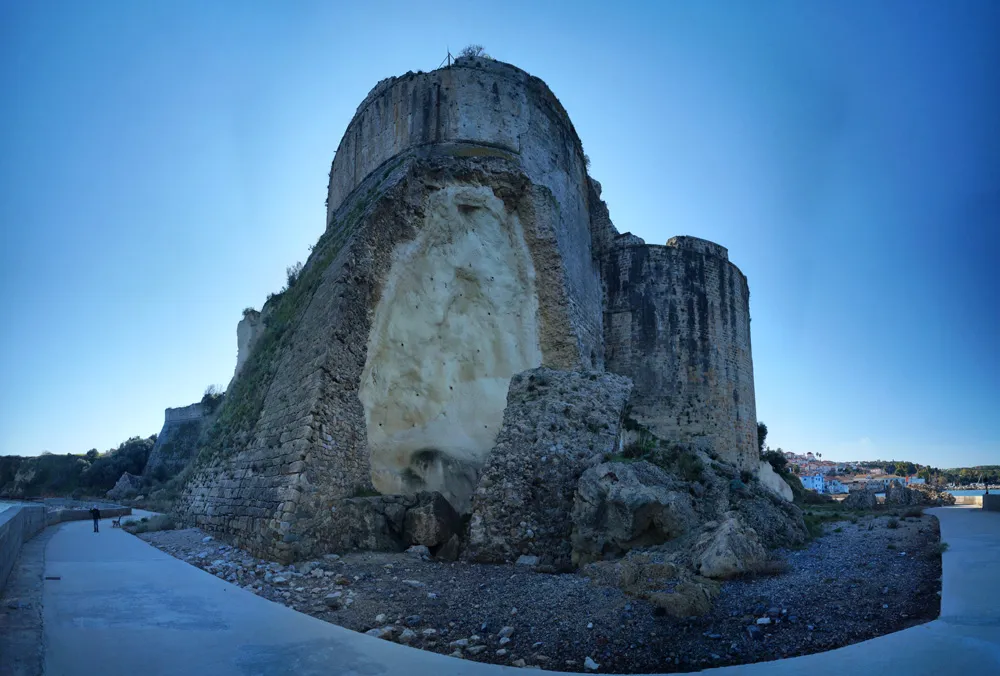
You can walk around the fortress perimeter – I advise doing so, because it is washed by the sea on three sides and looks completely different, sometimes as picturesque ruins and sometimes as an impregnable stronghold surrounded by mighty towers. Inside the fortress there are houses of modern Greeks, with household vegetable plots and a small farm. There is also a convent founded at the end of the 19th century. Right outside the walls, by the sea, nestles the present main shrine of Koroni – the church of Panagia Eleistria (Our Lady of Mercy), built in 1897. Once, in the 19th century, the Virgin Mary appeared three times to an elderly Koroni resident, Maria Statakis, and indicated the place where a miracle-working icon was hidden. Statakis showed this place to the townspeople, and the image was dug up. Today pilgrims come to the icon from all over Greece, and on the Friday after Easter a great festival takes place here every year.
Text and photos by Roman Malenkov for the book “10 countries after quarantine”.