Spain. Ávila. The largest fortress in Europe

· 5 min read
As a child I used to do cycling. For a long time, until I finished school. I sometimes watched races too, since now it is only football and biathlon. And I remember as if it were today the shots when, during the Vuelta, the peloton rides for a long time along enormous fortress walls and towers. Where is this? Could such a thing really exist in the world? That is what I thought then. About ten years ago I found out that it was Ávila, one of the largest medieval fortresses in Europe.
In 2019 I was returning from Tenerife. I flew via Madrid to Cologne, and had five days in the Spanish capital. And from there to Ávila it is 110 kilometres. How could I not go? I immediately jumped on the metro, got to the railway station and an hour and a half later I was already freezing under the incredible walls of Ávila. Why freezing? Ávila stands at an altitude of 1,100 metres, I had not guessed it, and so did not think that at the end of October, even in Spain, it would be cold at such an altitude. Five degrees below zero, and I was dressed for the Canaries. Brr. But even in the cold, the illuminated towers and churches of Ávila simply enchanted me. And I stayed for a few days.
Ávila stands at an altitude of 1,131 m above sea level. It is probably the coldest Spanish provincial capital. In November it was minus five here every night, so be prepared that Ávila is not a hot beach. Although the area around the town is treeless and stony, reminiscent of a dry steppe. Probably there are big temperature swings here, which do not favour vegetation.
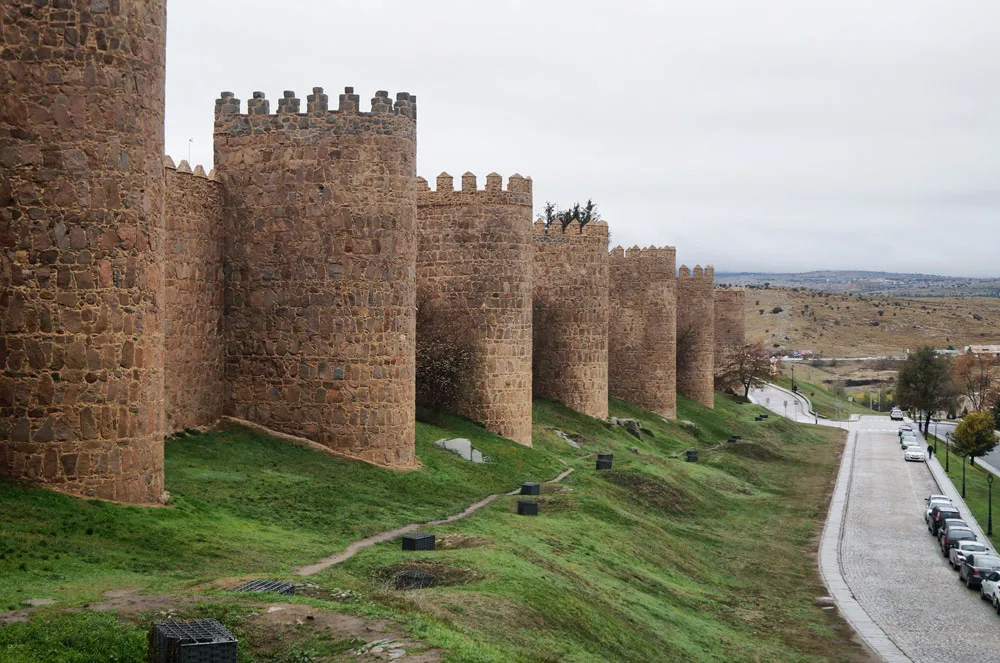
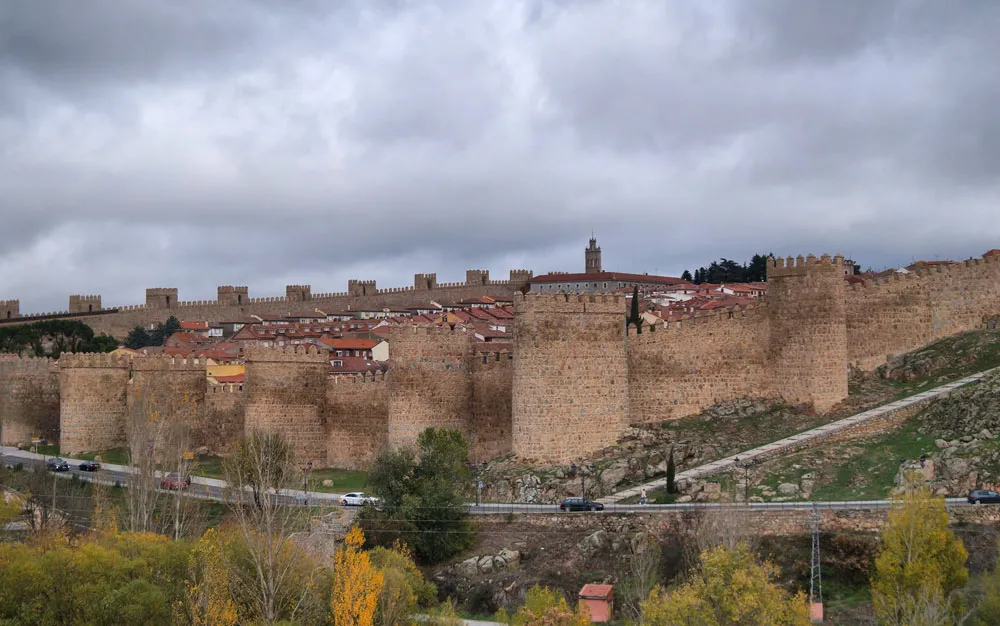
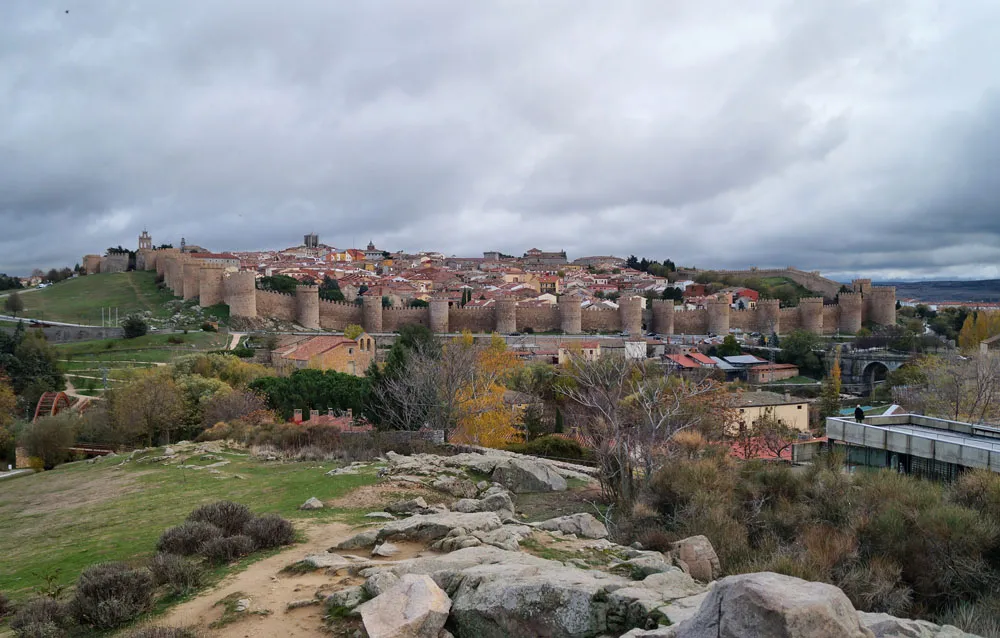
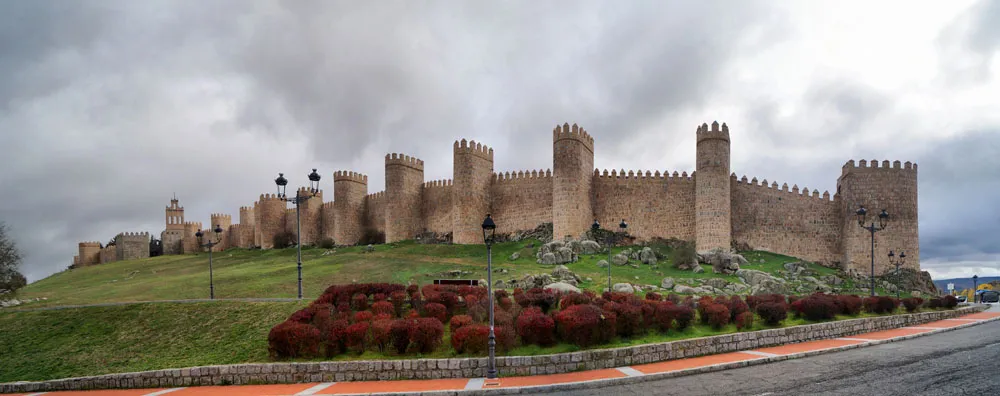
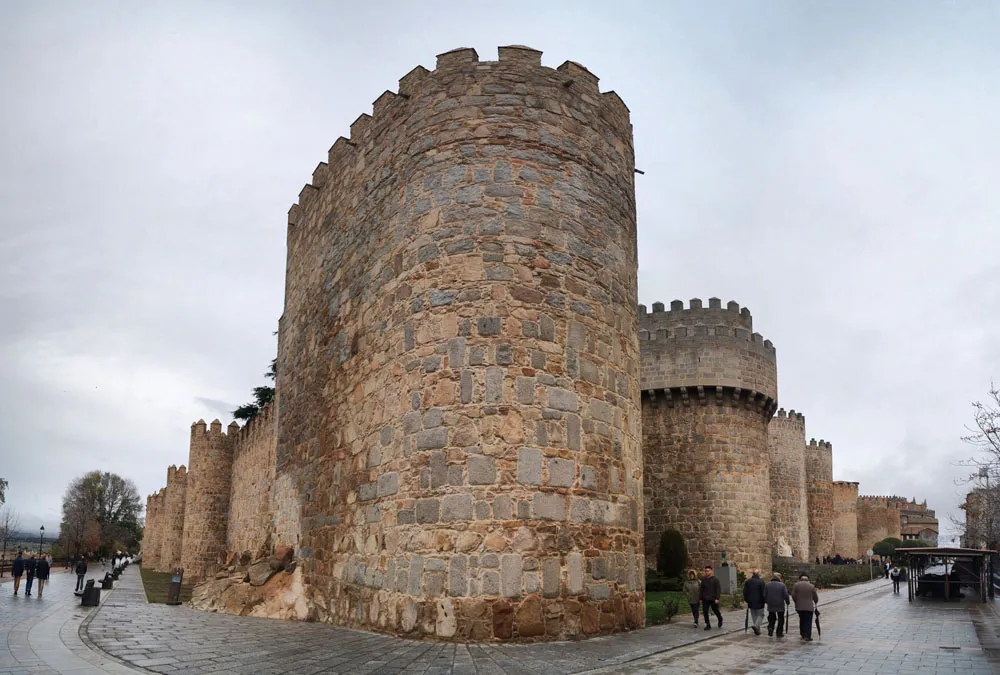
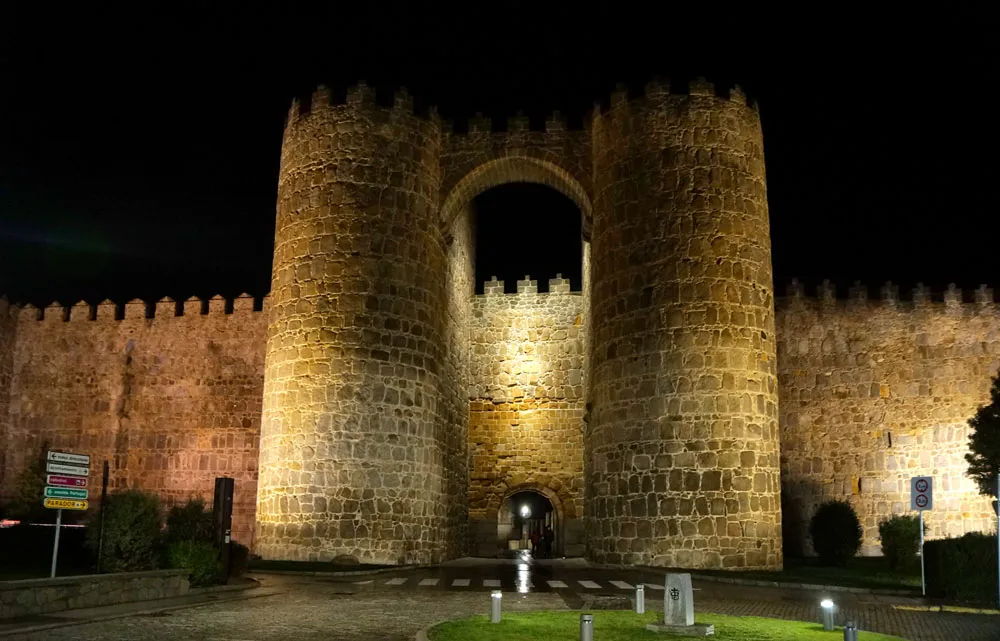
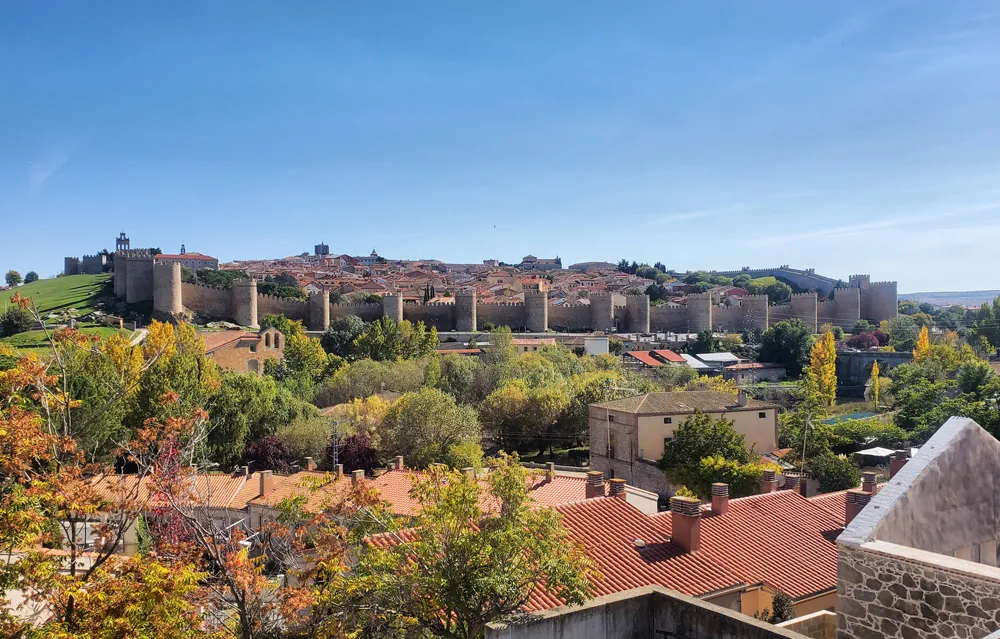
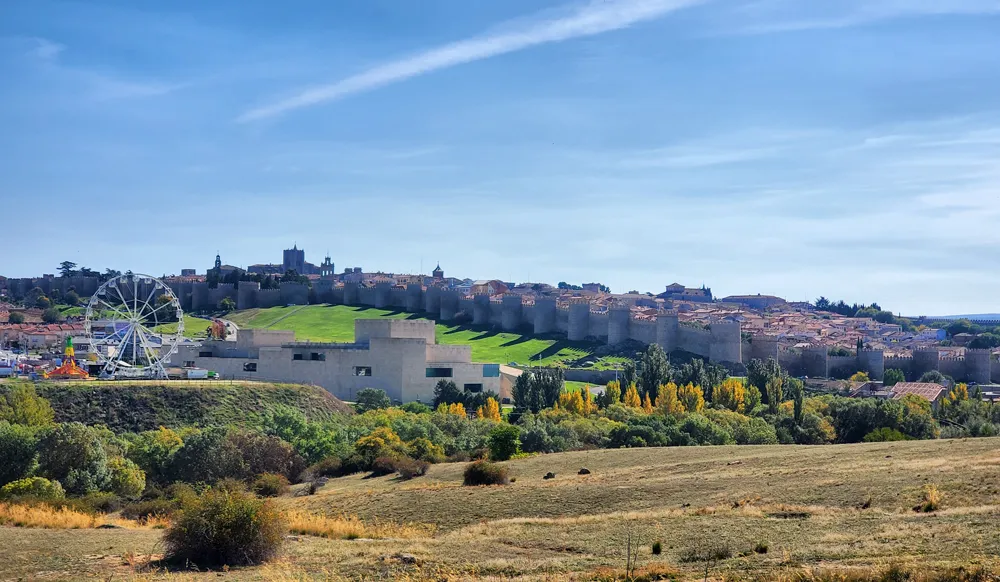
The old town is entirely enclosed by high stone walls with 88 towers and nine gates. At least that is what Google says; I did not count them myself. Fortifications on this spot were built by the Romans and the Arabs, in whose time Ávila was already a significant polis. The present fantastic walls were built in the 11th century by Raymond of Burgundy, son-in-law of King Alfonso VI, on the king’s own orders. From the very beginning it was meant to be a royal fortress that would shelter the monarch’s family in case of an enemy attack on the capital, Toledo, which is about a hundred kilometres from here. They write that the walls were built in 7 years, but that is a beautiful legend; it is impossible.
Around the town there are several miradors, viewing platforms from which the grandeur of the walls of Ávila can be seen. From them the town looks truly fairy-tale, and you feel like some medieval traveller who, after a long journey, has seen an incredible city. At night the walls are beautifully illuminated, so I strongly recommend staying overnight to see this spectacle.
The walls of Ávila were never taken by storm until the appearance of artillery. Well protected as it was, the town was a powerful trading centre; there was a significant Jewish community here, although most were Christians, as the large number of churches shows, a dozen of which, together with the walls, are on the UNESCO list.
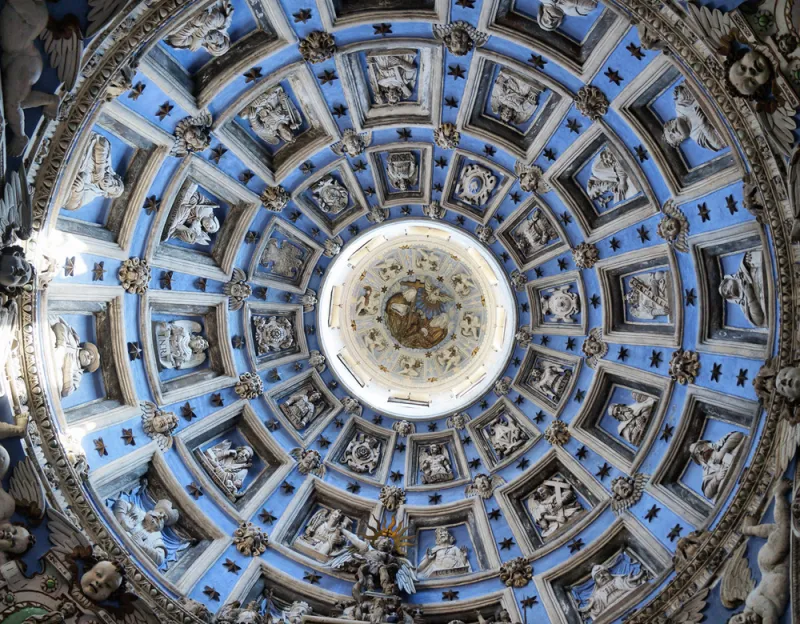
The main church of Ávila is the Cathedral of San Salvador. It is unique, because its apse is a powerful tower of the fortress, and the bell tower also served a defensive function. It is a fine example of defensive, relatively austere Gothic. The cathedral is huge, 85 metres long. It is incredible inside; be sure to visit.
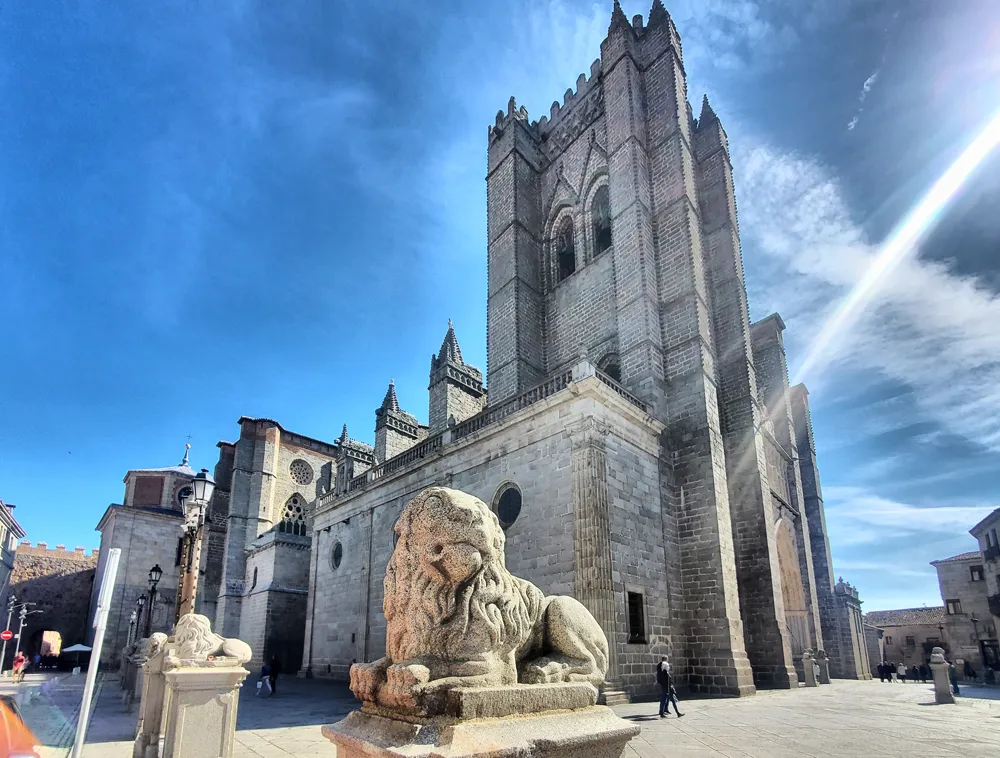
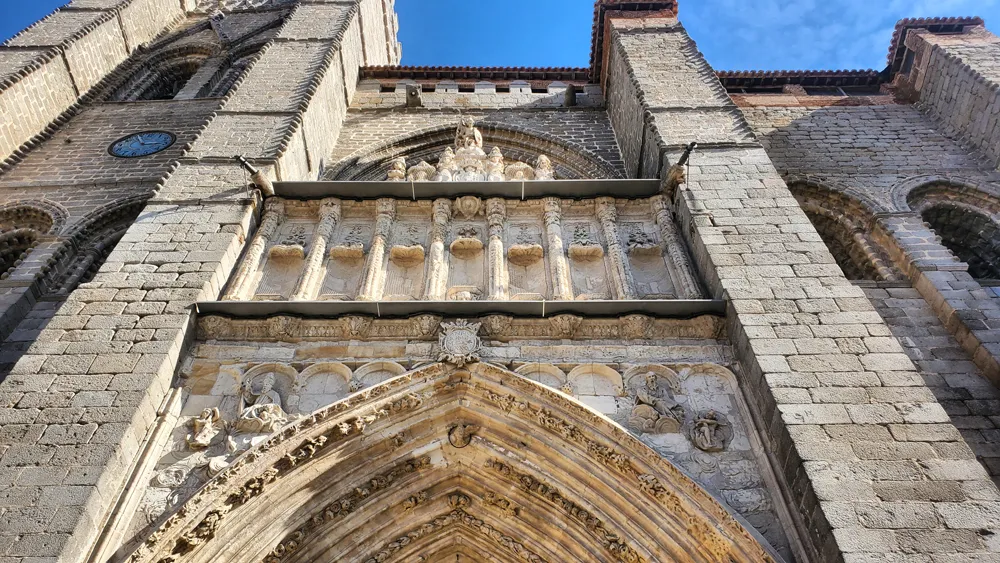
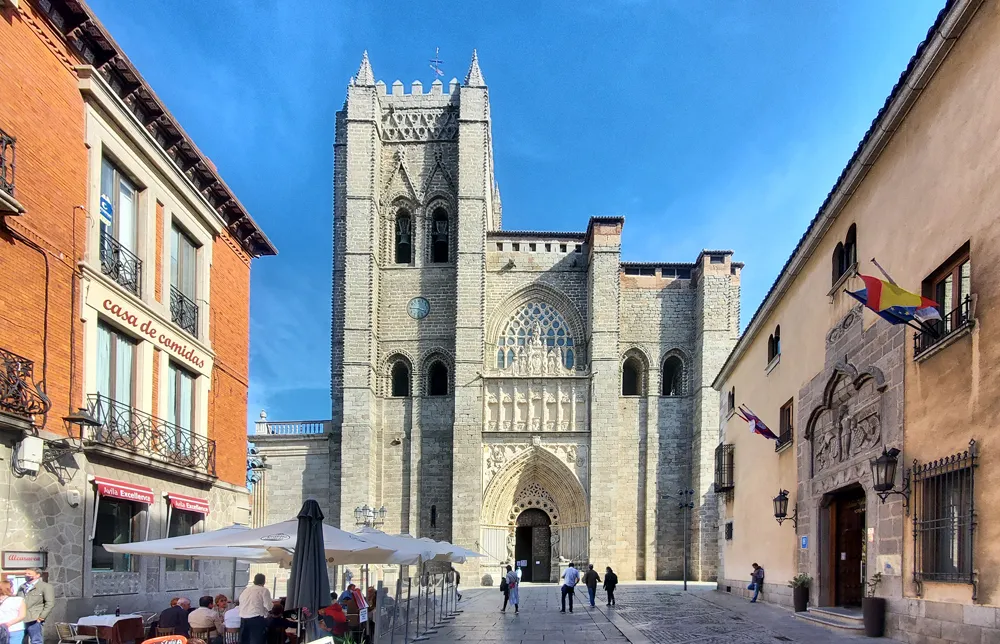
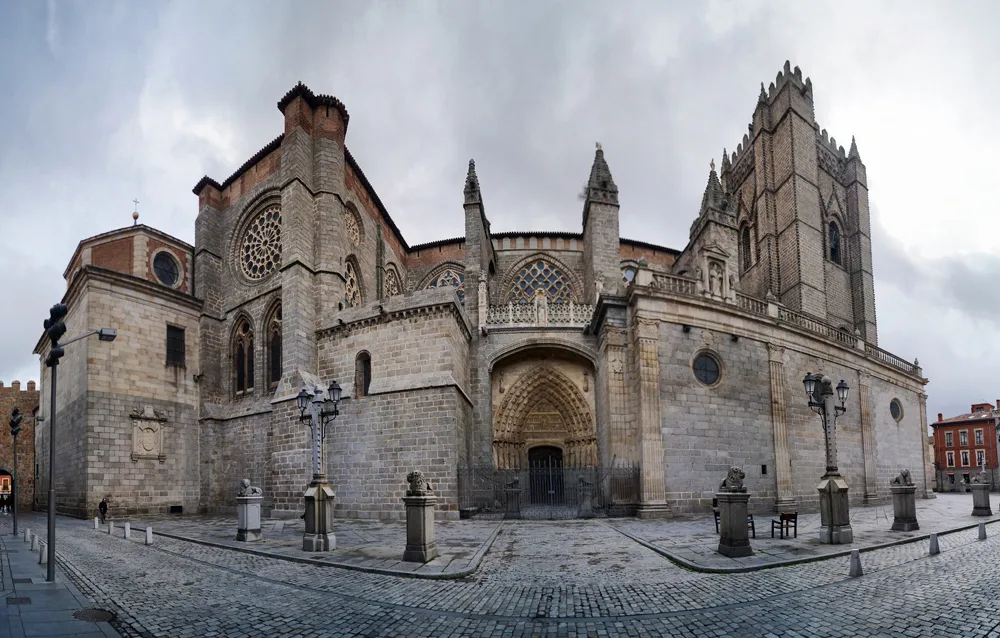
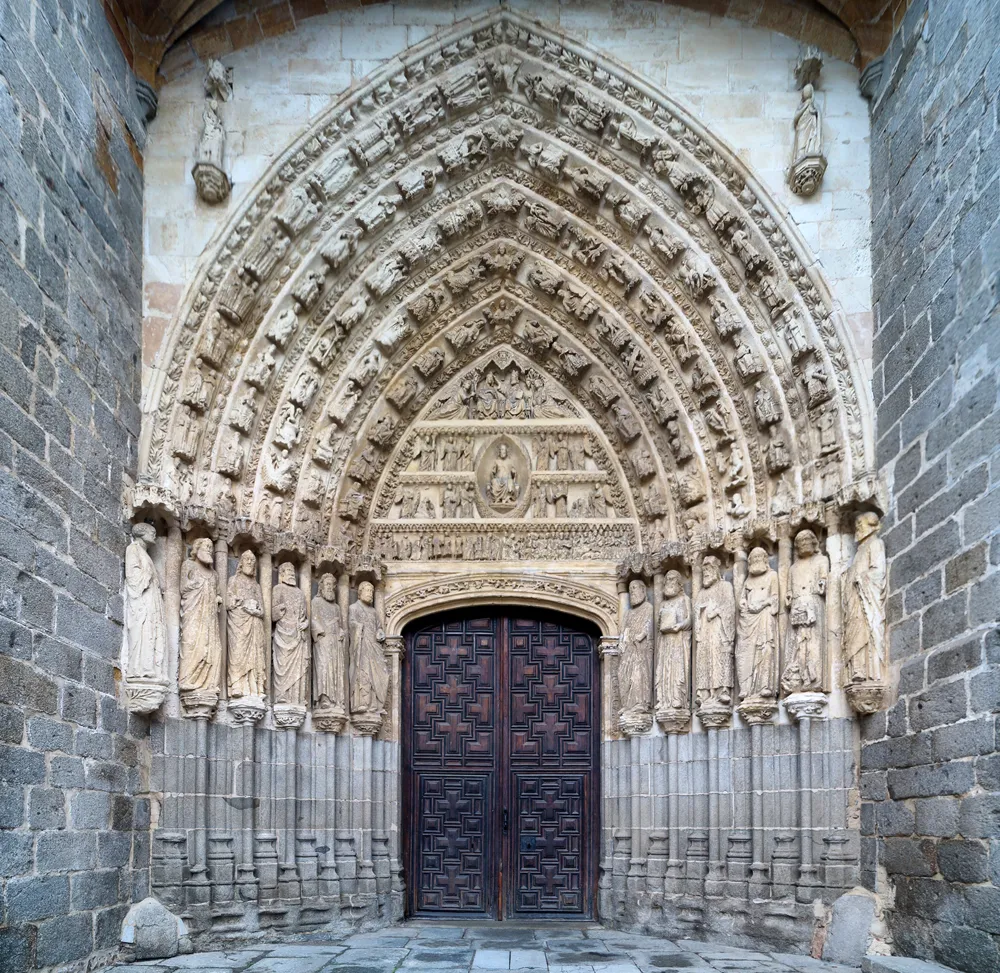
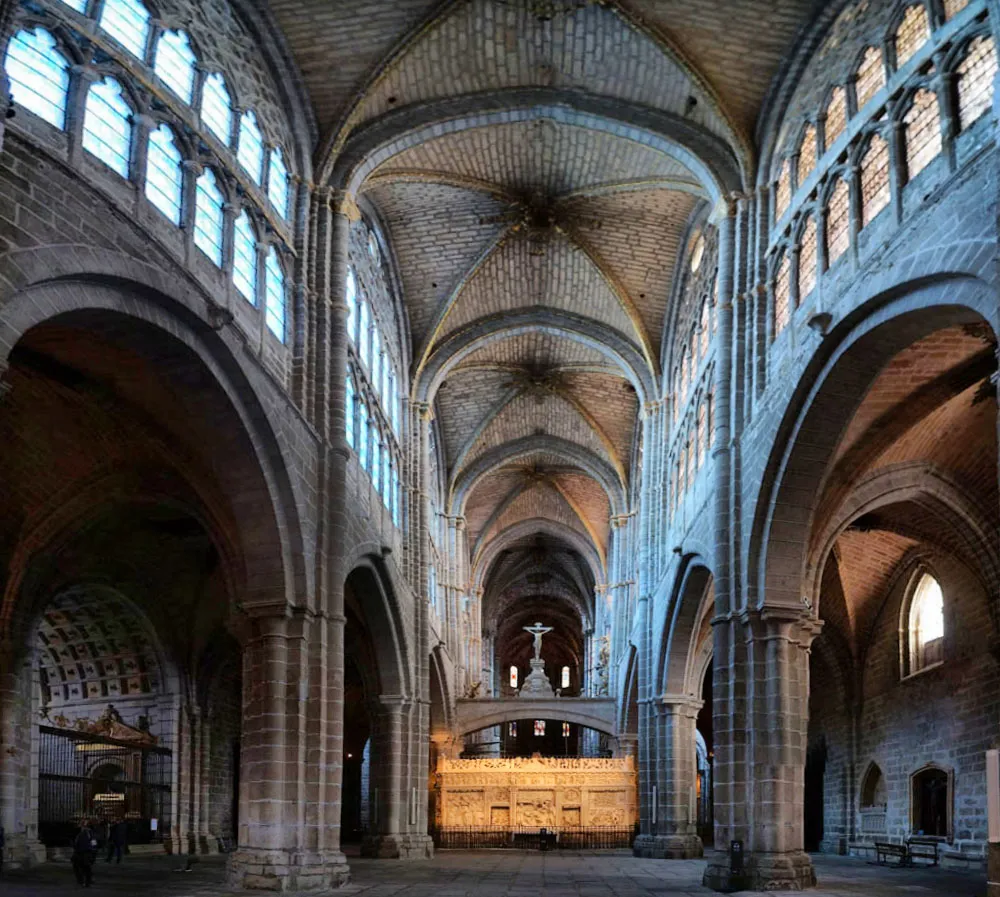
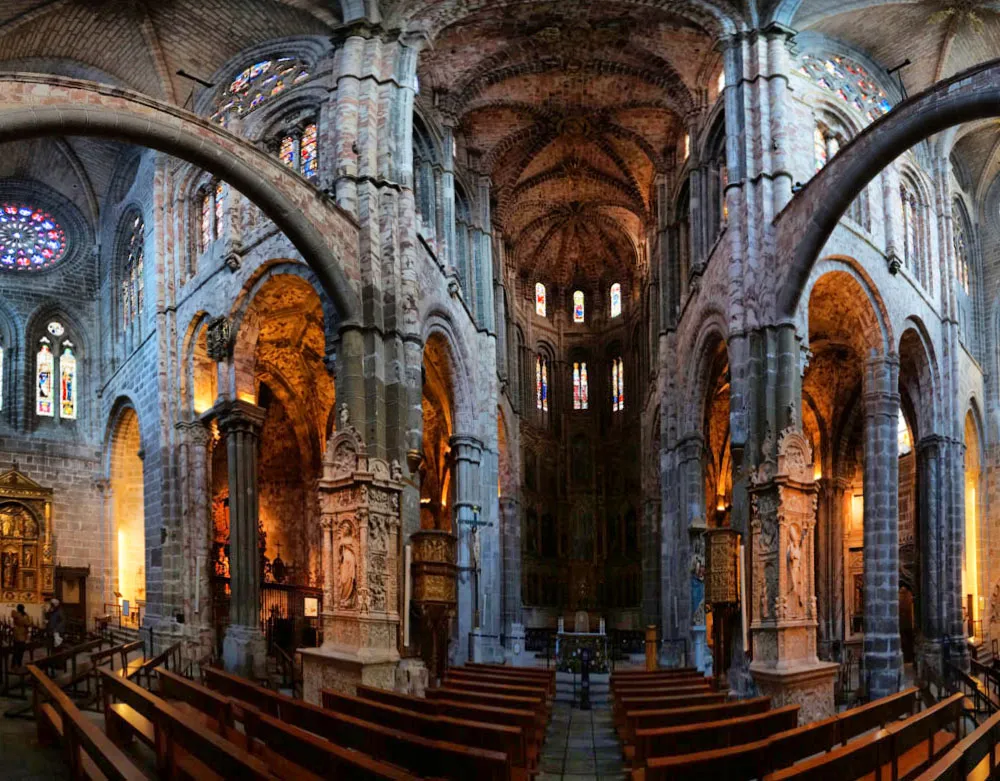
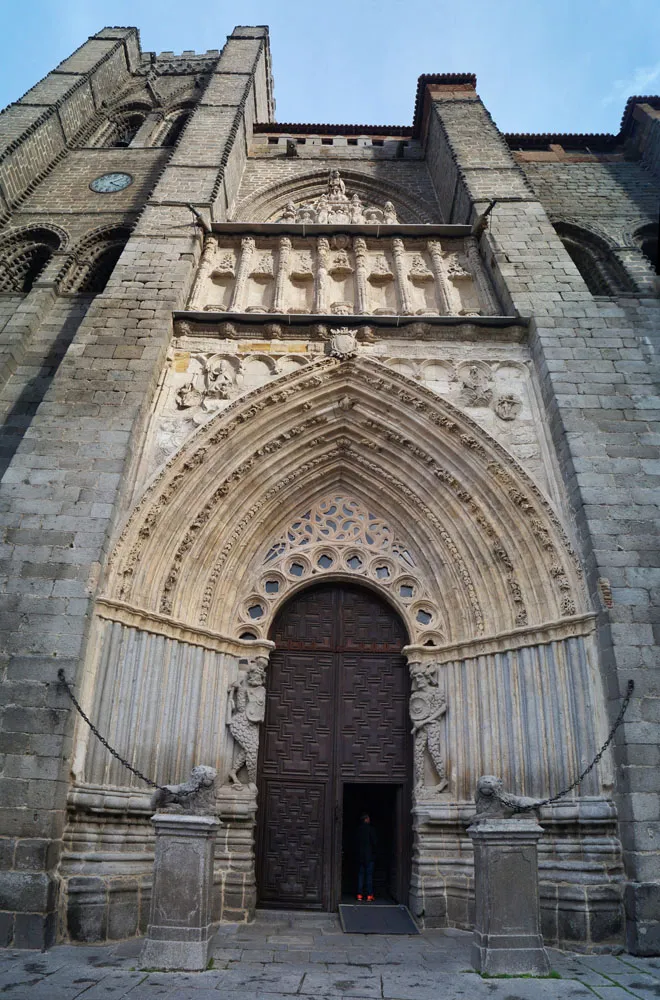
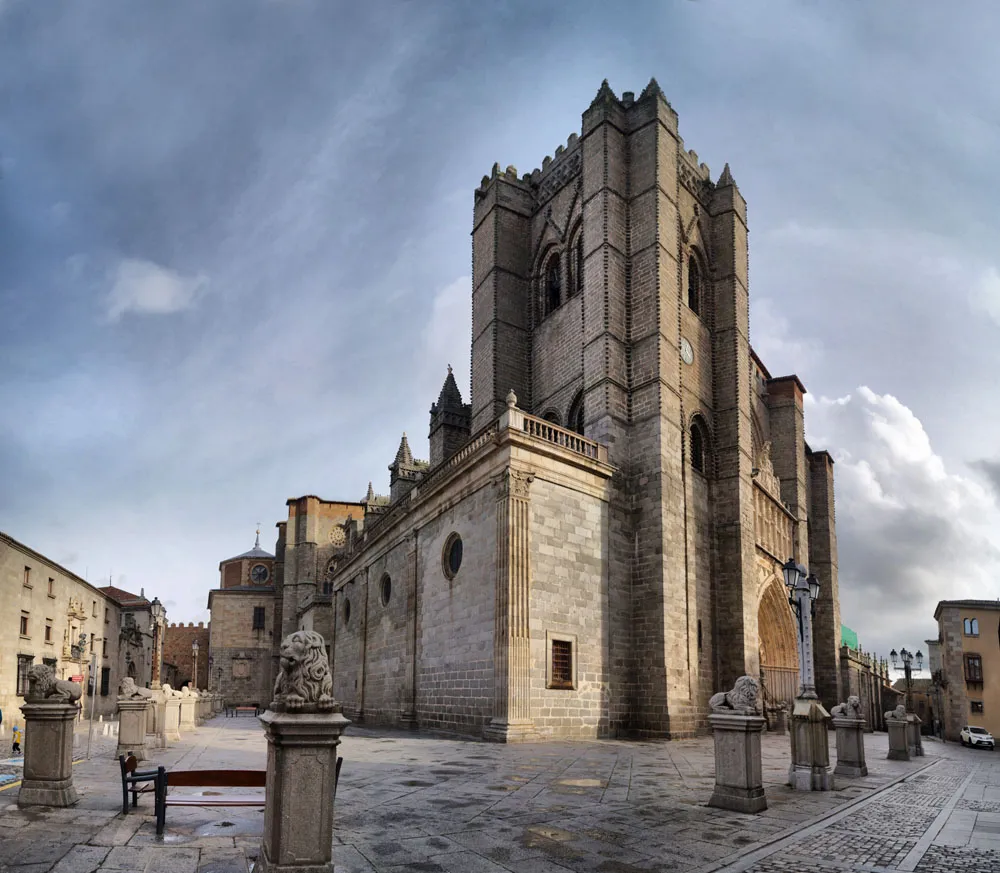
The cathedral
Saint Teresa spent her whole life in Ávila, and she is the symbol of the town. Monuments, plaques, brochures, banners: the town is saturated with the image of this woman, who founded a multitude of churches and monasteries in Spain, was a Doctor of the Church and the first Spanish woman writer. Her convent is located outside the town walls: La Encarnación (the Incarnation). Today it is a museum of this Catholic saint, visited even by Popes. On 15 October, the day of Teresa’s death, there is a festival in the town. It is dedicated not to the death of the saint but to her memory. A concert, processions, crowds. We happened to arrive in the town on this day, and saw with our own eyes that for the people of Ávila this really is a major holiday; even the supermarkets are closed.
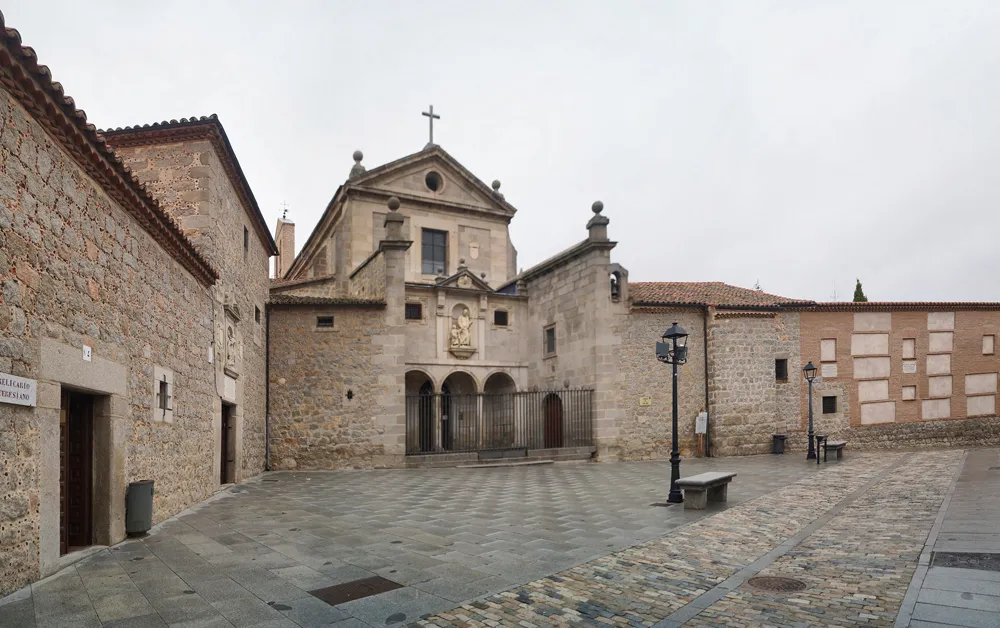
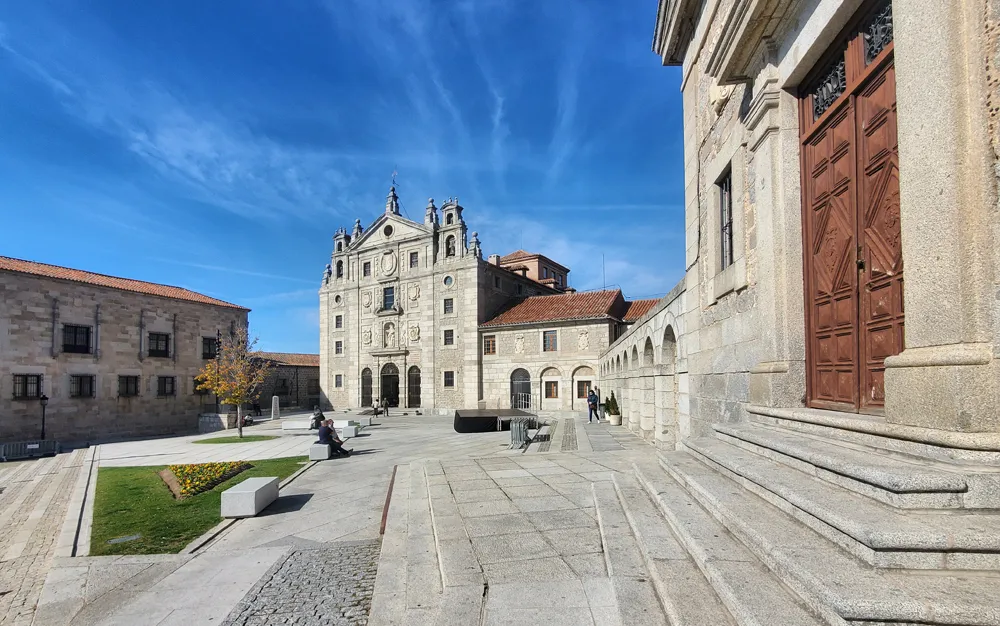
In the 17th century the Convent of Saint Teresa was built in the old town. The convent church was built in the Herrerian style, and it serves as the main place of veneration of Teresa. In front of it is a square where gatherings and concerts take place.
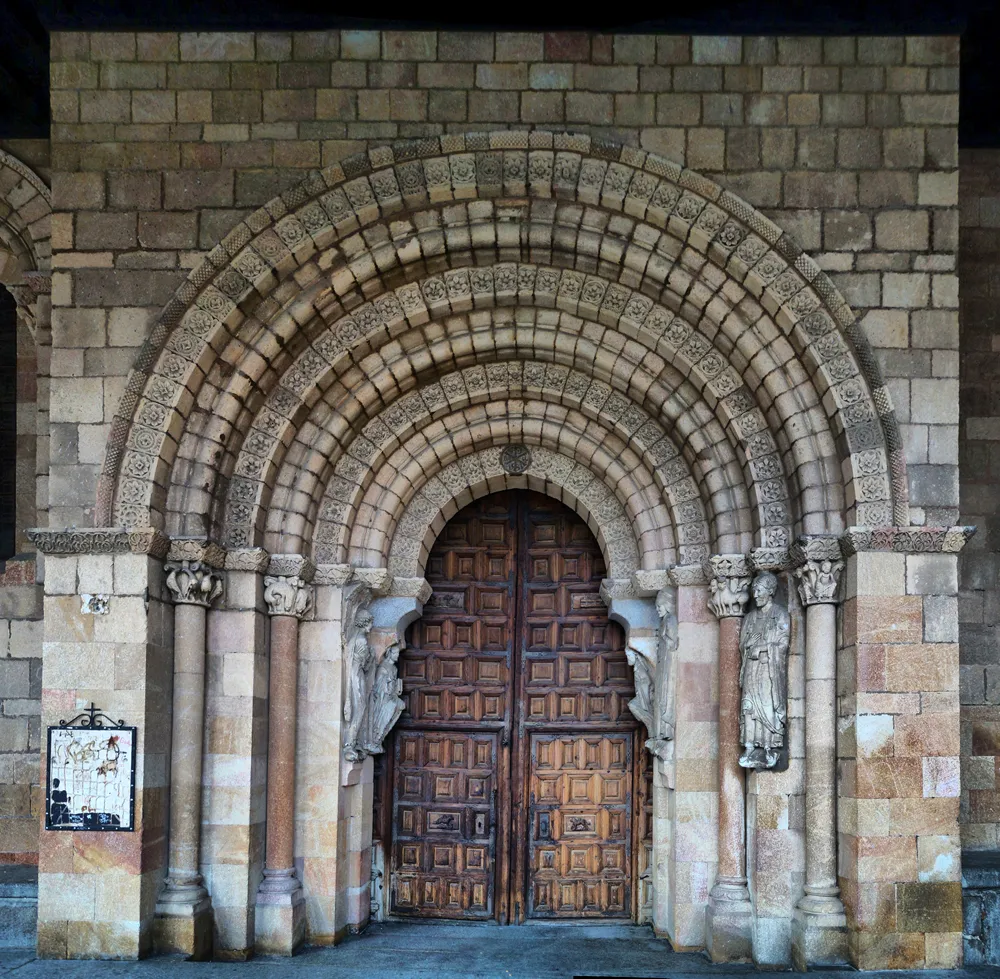
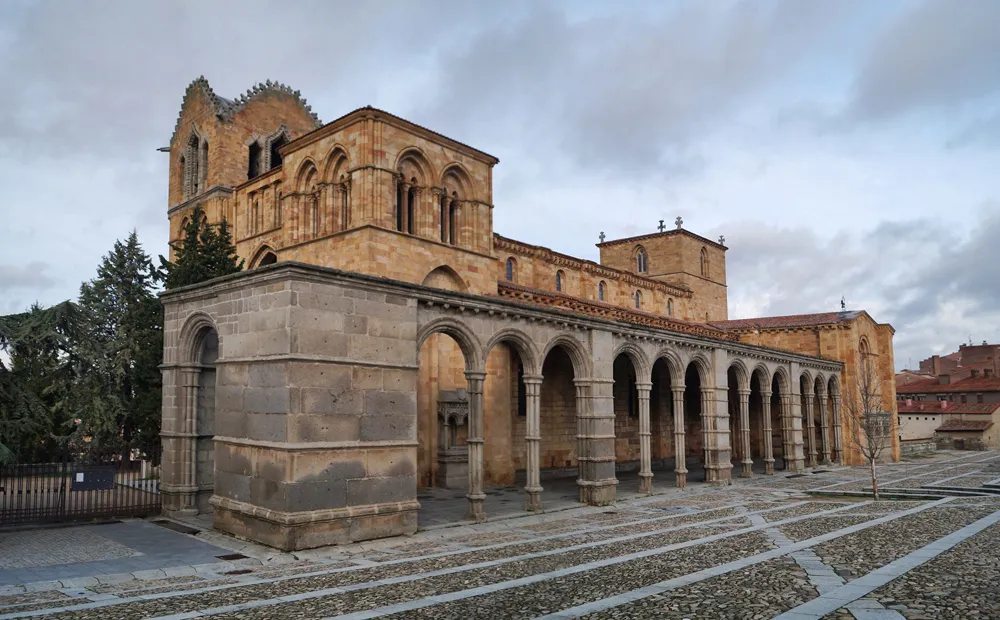
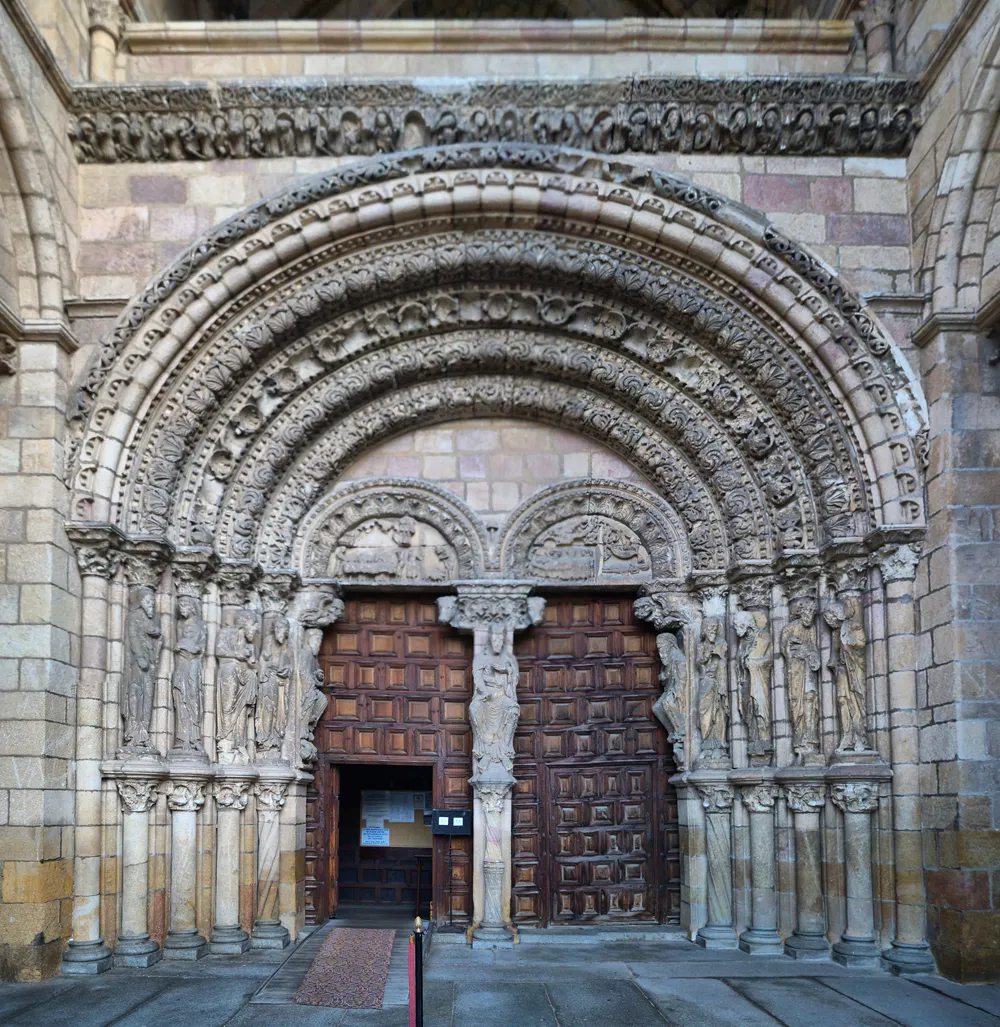
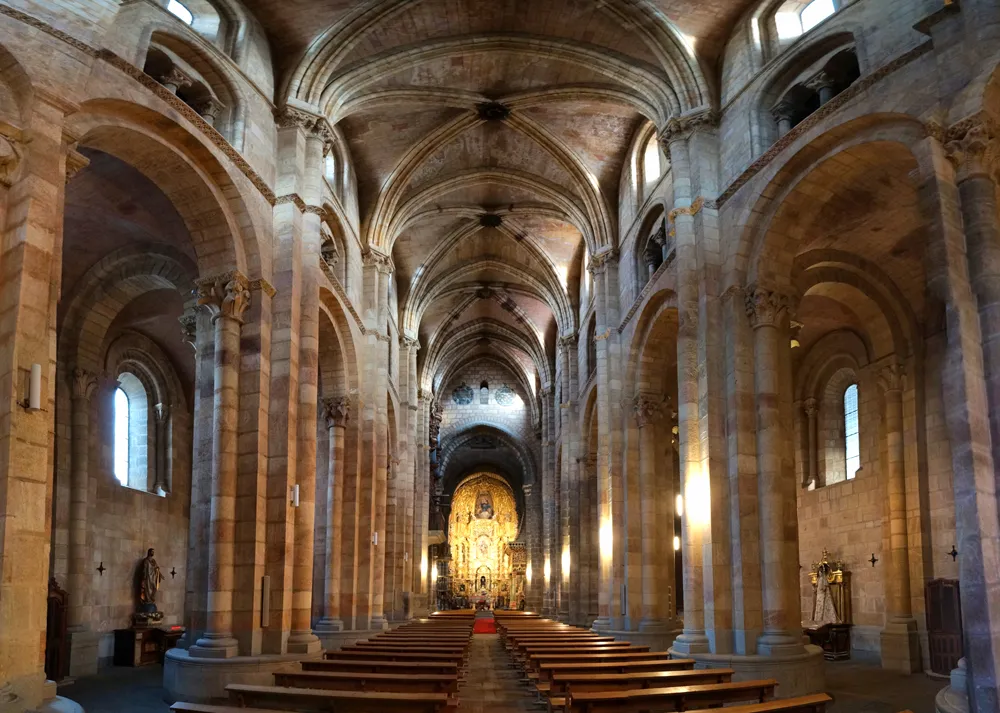
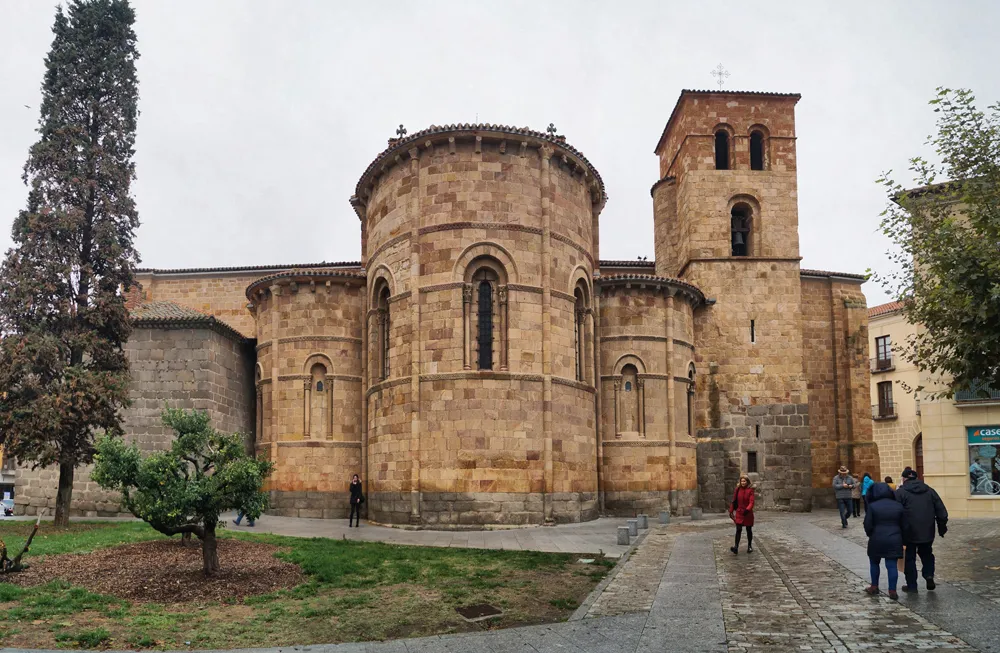
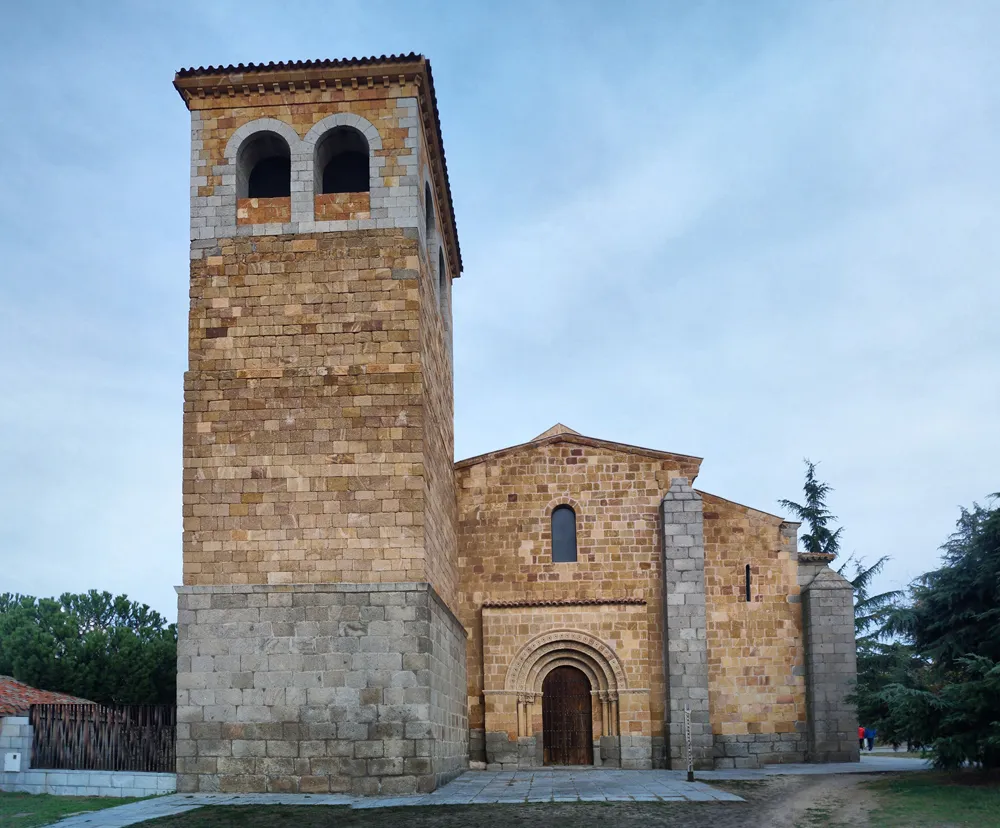
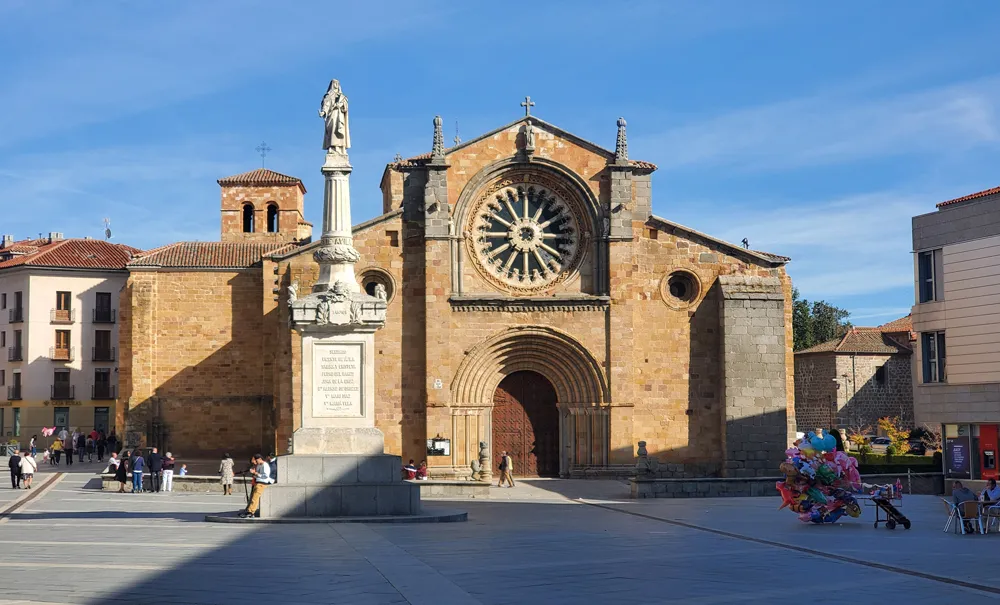
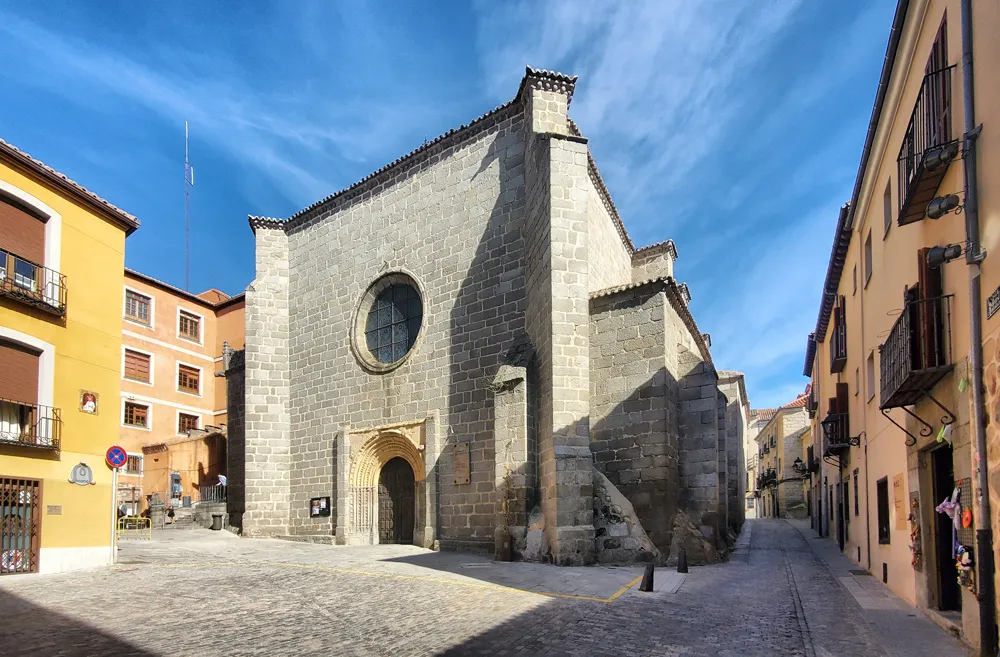
Ávila had other saints too: the brothers de Talavera, who suffered martyrdom in Roman times. A beautiful Romanesque church of San Vicente (he was one of the brothers) is dedicated to them. As another significant example of Romanesque architecture I would name the church of San Pedro, built in the 12th–13th centuries.
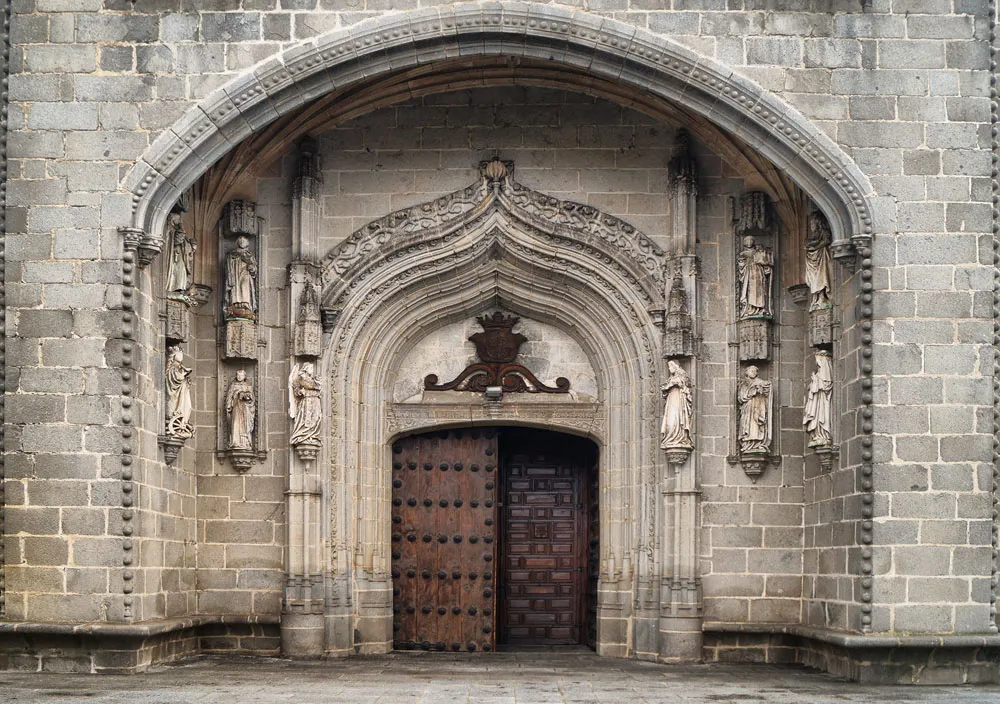
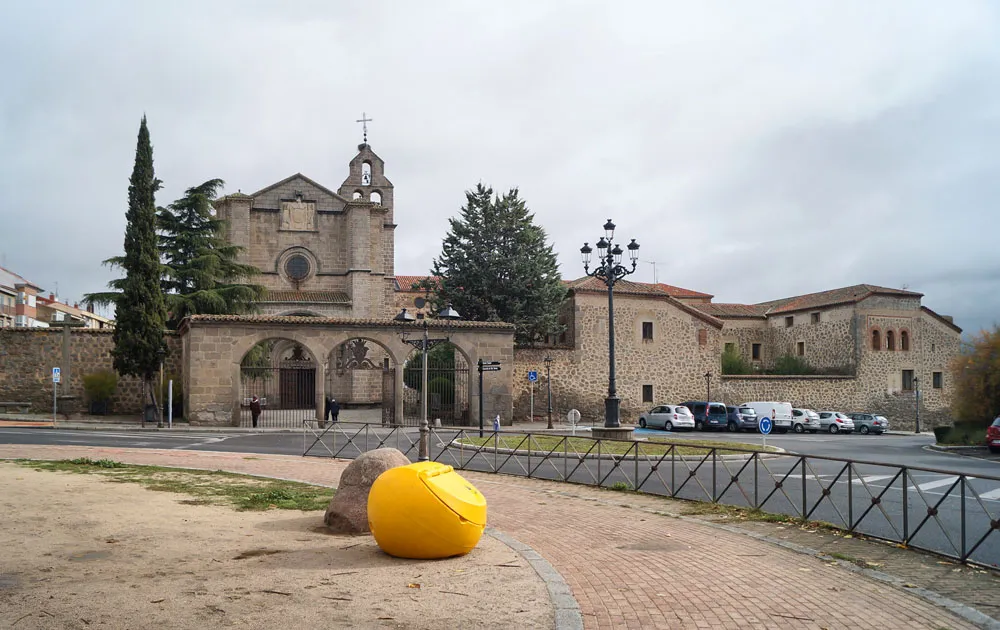
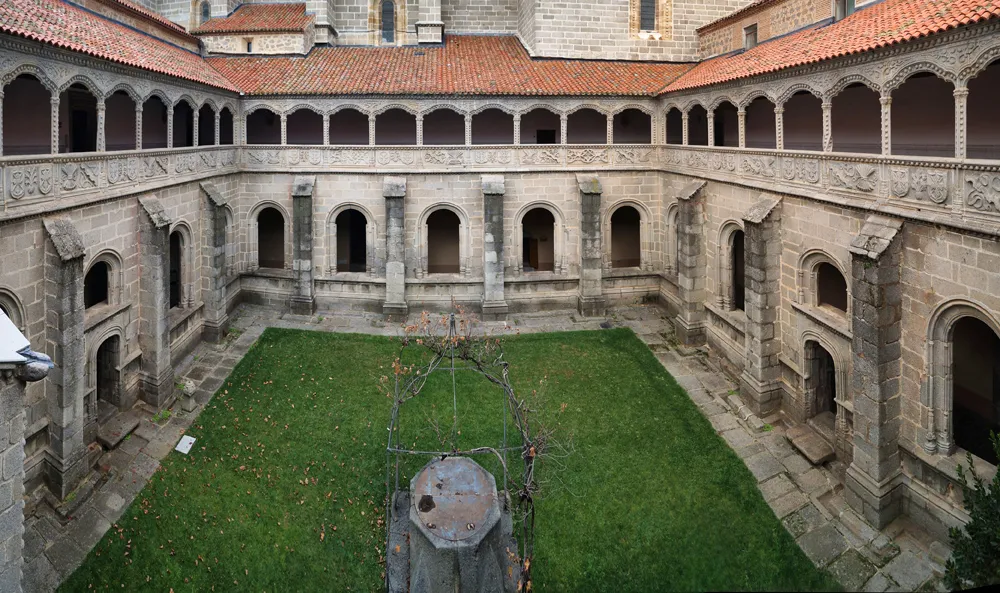
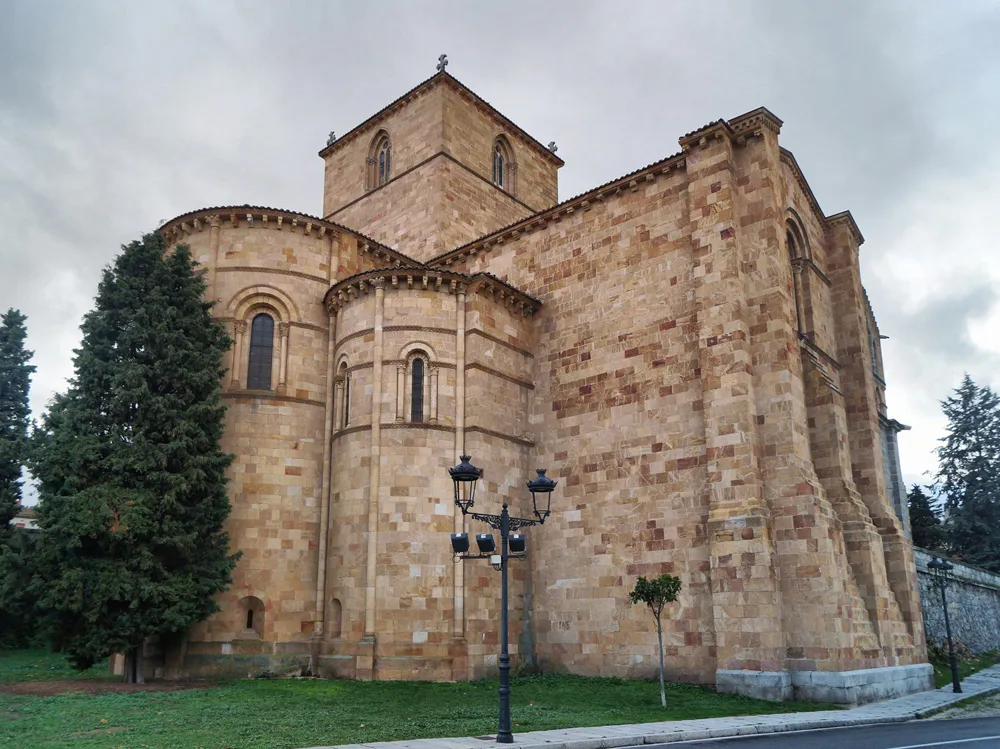
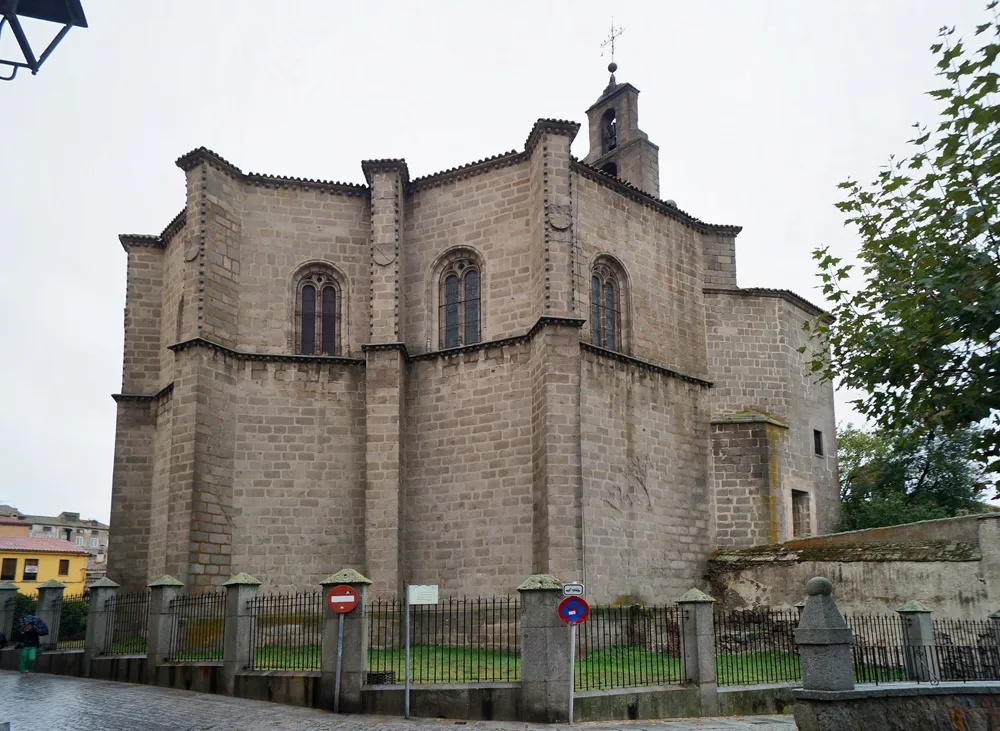
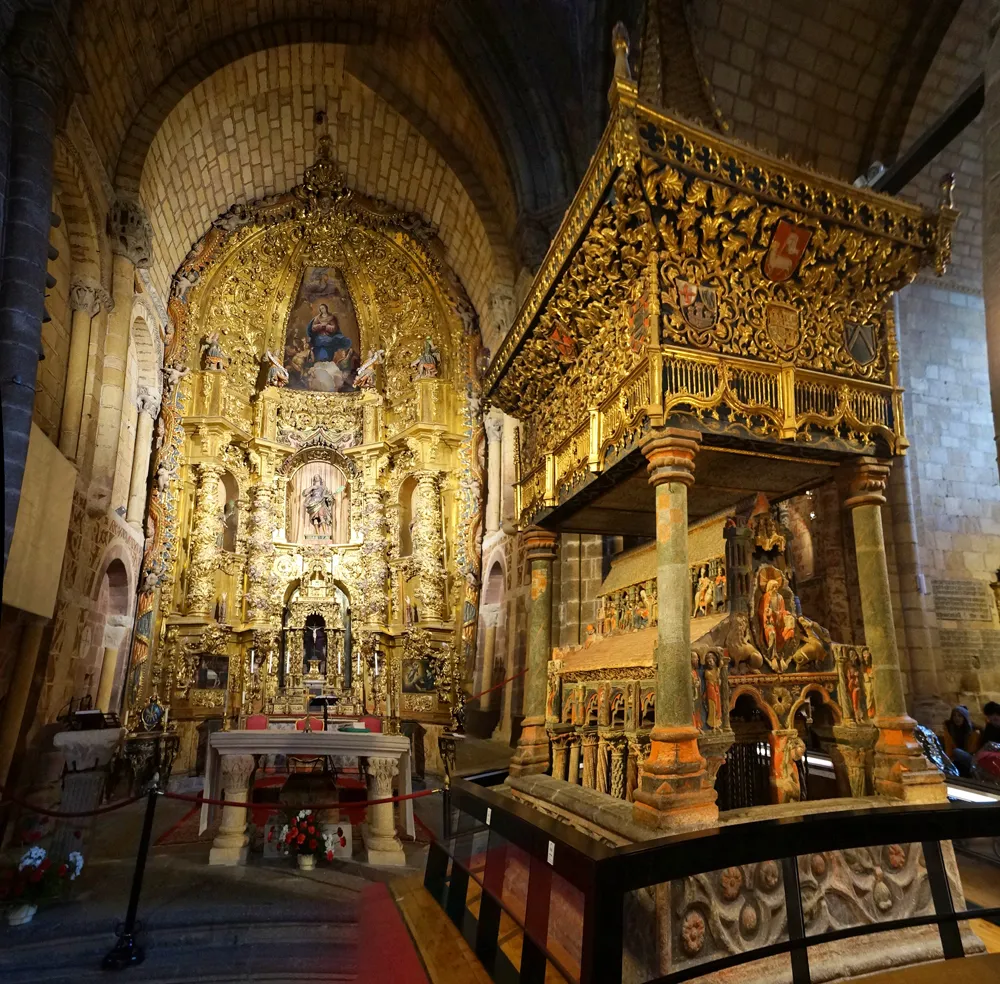
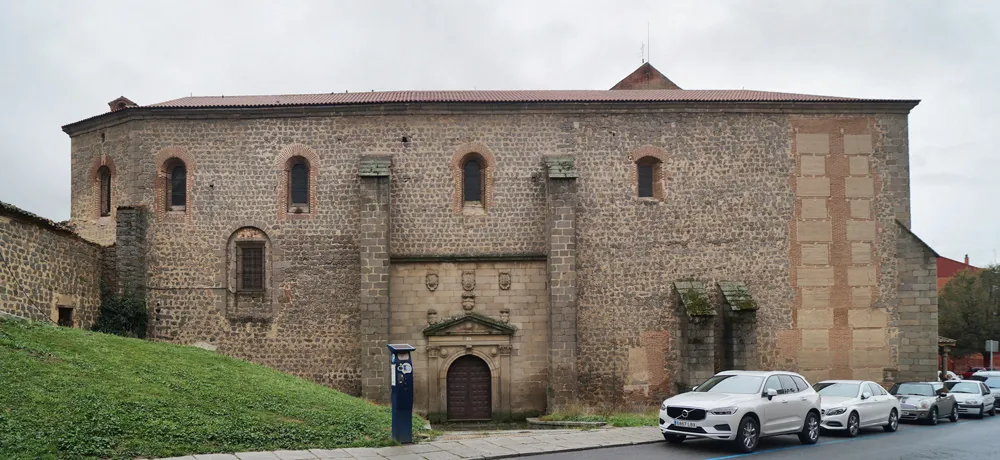
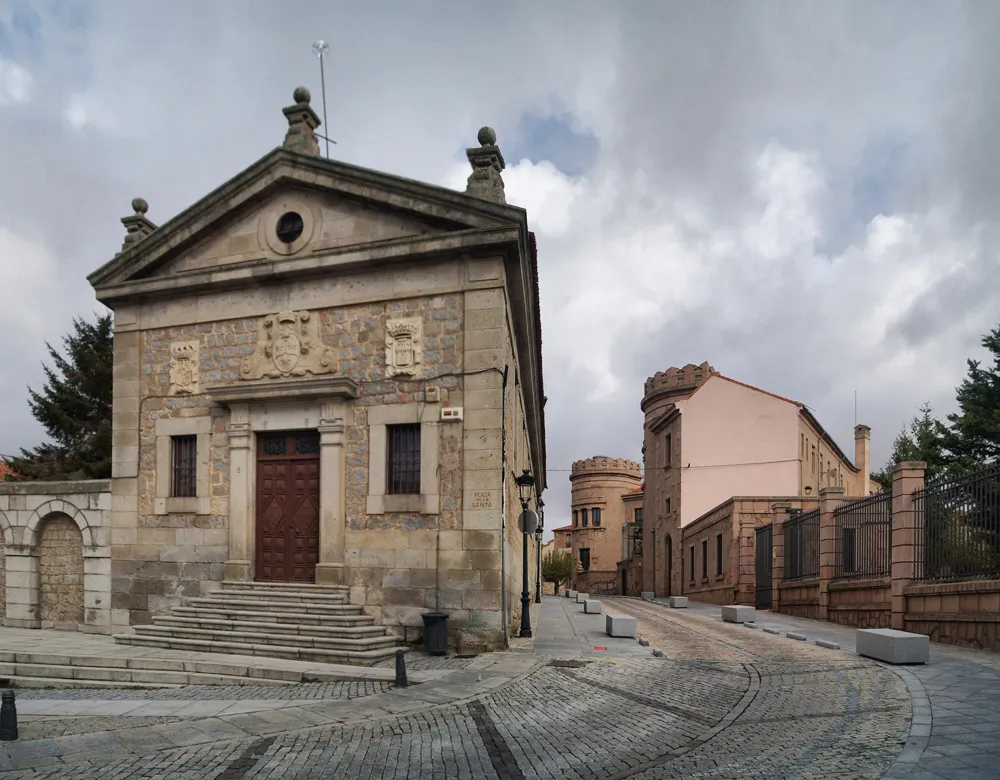
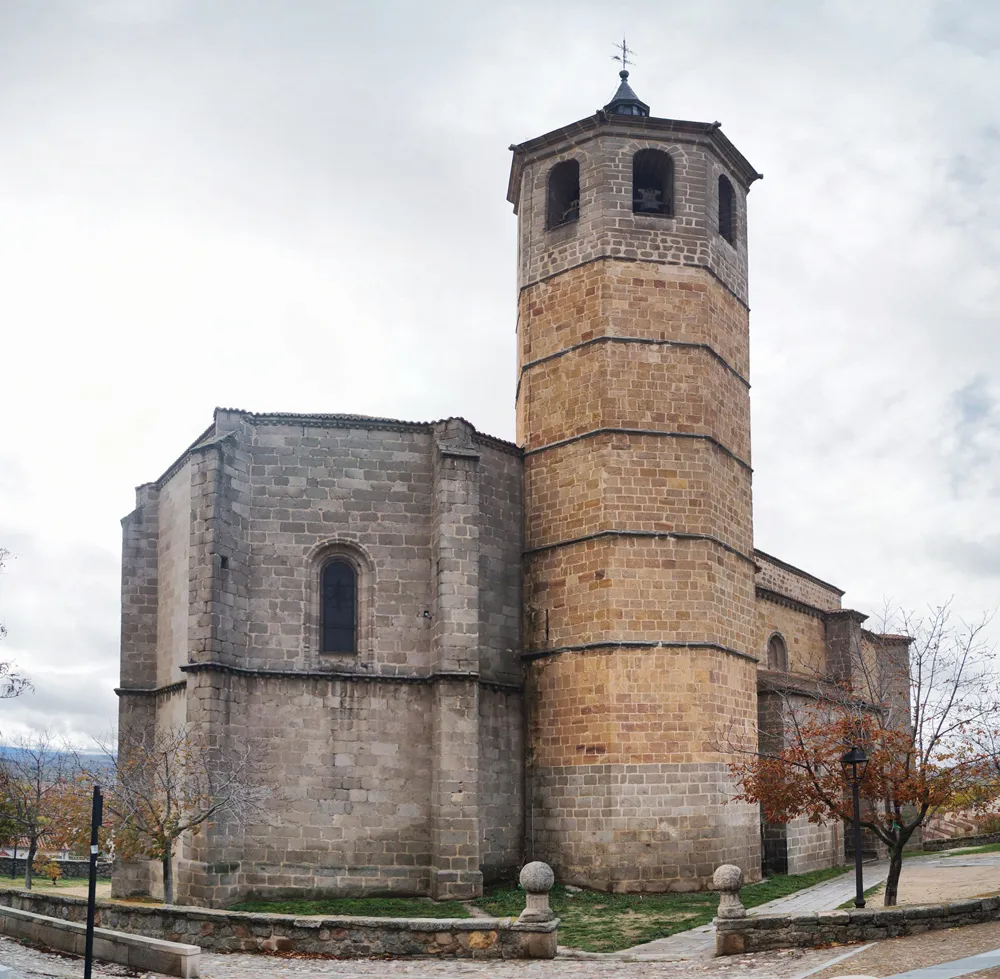
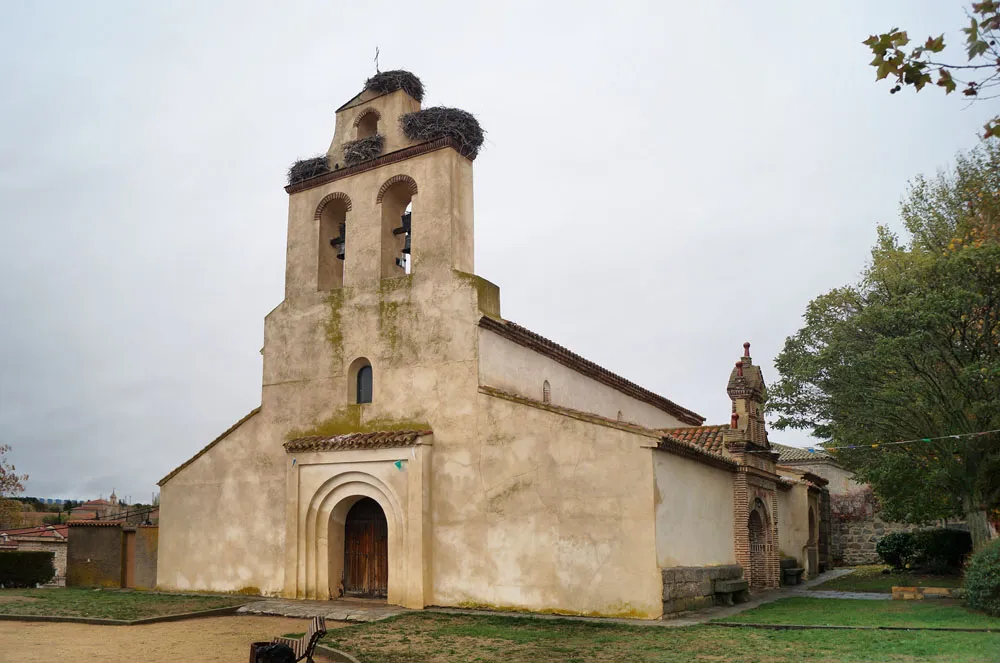
I will not list all the churches of Ávila; there are many and all of them are wonderful. But I still want to draw attention to one more shrine of Ávila, the Monastery of Saint Thomas, which is a royal one, since people of royal blood were buried here. The monastery was founded in 1480 by the notorious Grand Inquisitor, founder of the Spanish Inquisition and the auto-da-fé, the church’s executioner, Tomás de Torquemada. He was buried here too.
When I first visited this monastery I did not yet know about Torquemada’s grave, and when I found out, I found in my photos a majestic unlabelled sarcophagus. This must be the inquisitor’s grave, I decided then. But it turned out to be the tomb of Prince John, and Torquemada’s grave was destroyed during the Napoleonic occupation.
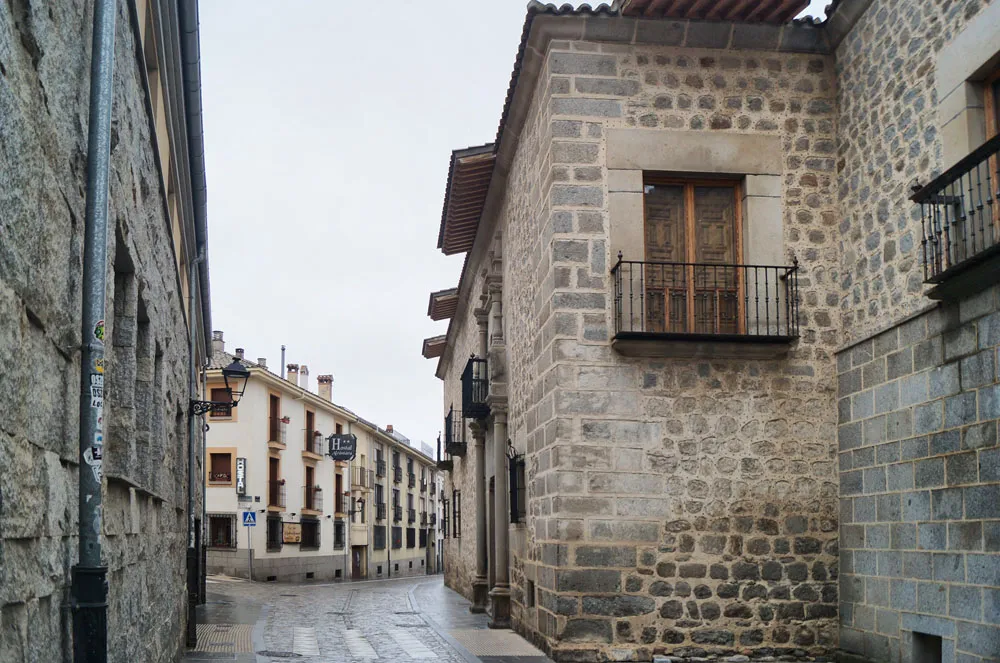
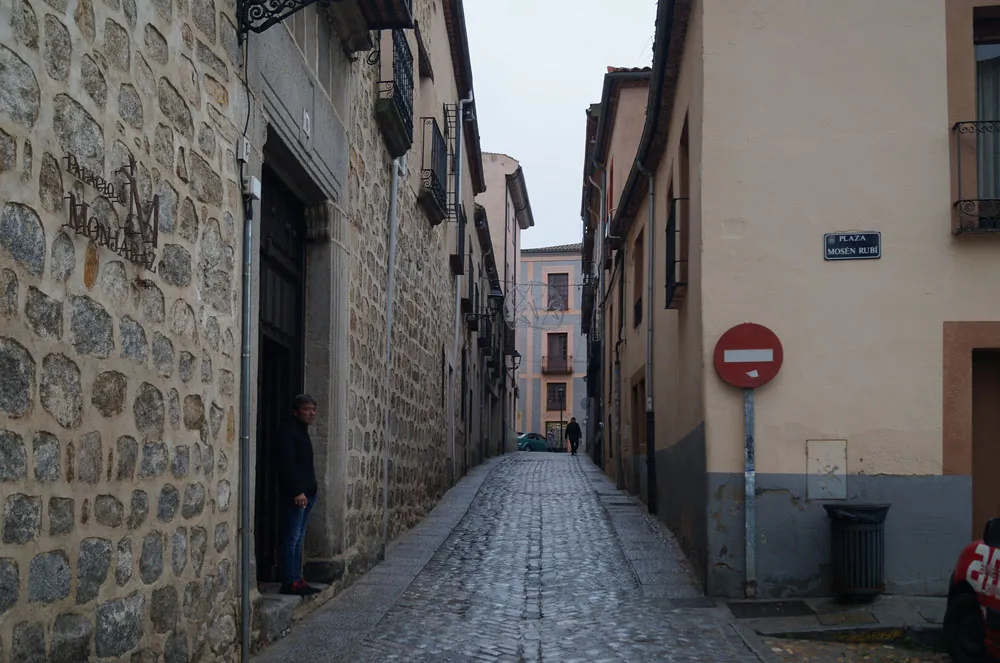
Ávila within its walls is an incredible town, where all the lanes are old, cosy and crooked, and you can wander through them for a very long time. In my personal ranking it is one of the best.
Text and photos by Roman Malenkov.