Bocairent. The Spanish Matera

· 4 min read
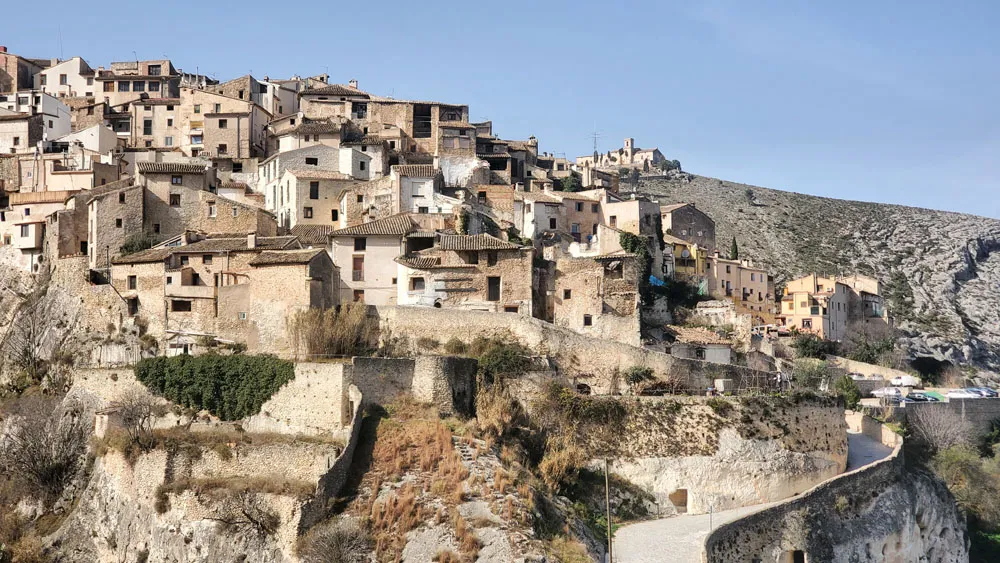
After the release of the latest Bond film, the Italian Matera became very popular in the tourist world — an amazing city built on rocks and in caves, with a bell tower on the central hill. Ancient little houses climb the hill chaotically towards the bell tower, or perhaps, on the contrary, roll down from it. Matera is a UNESCO World Heritage Site and is very famous, while Bocairent, a similar Spanish town, is much less known; at least to Ukrainian tourists it is not known at all.
The name Bocairent is not easy to remember. I did it with the help of an association chain: Boca Juniors, the famous Argentine football team, and rent, as in car rental — we get Boca and rent, and I will not forget it now.
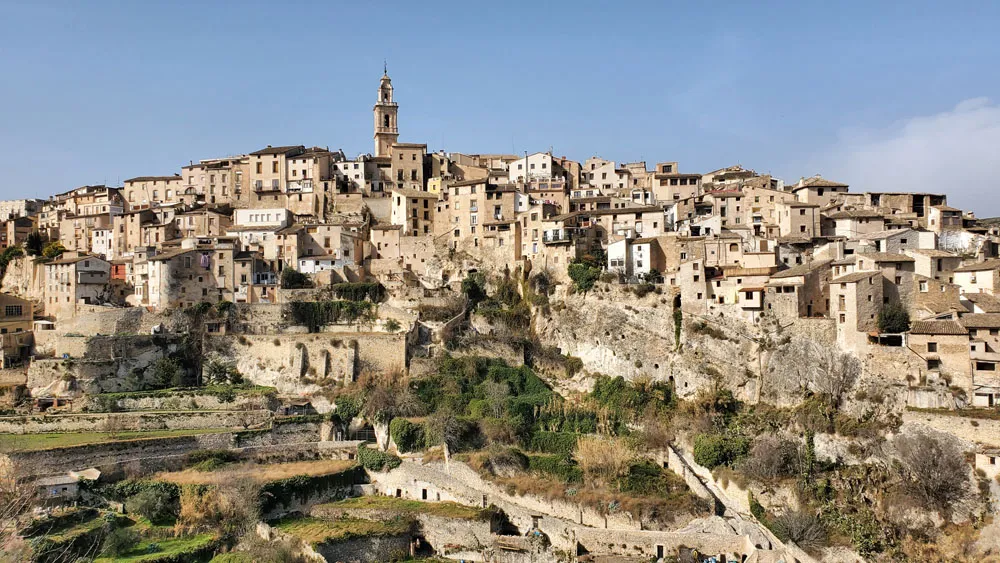
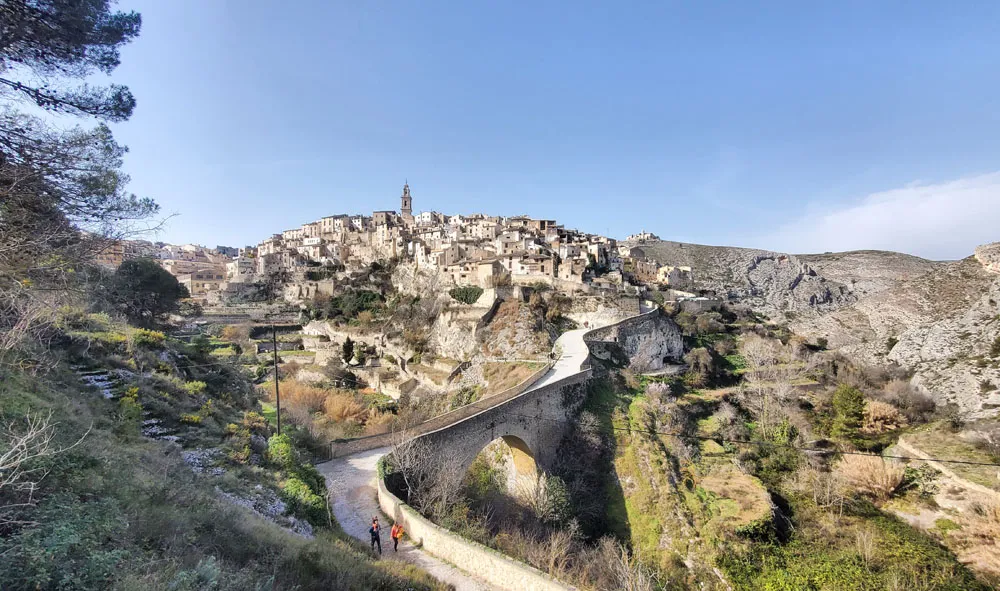
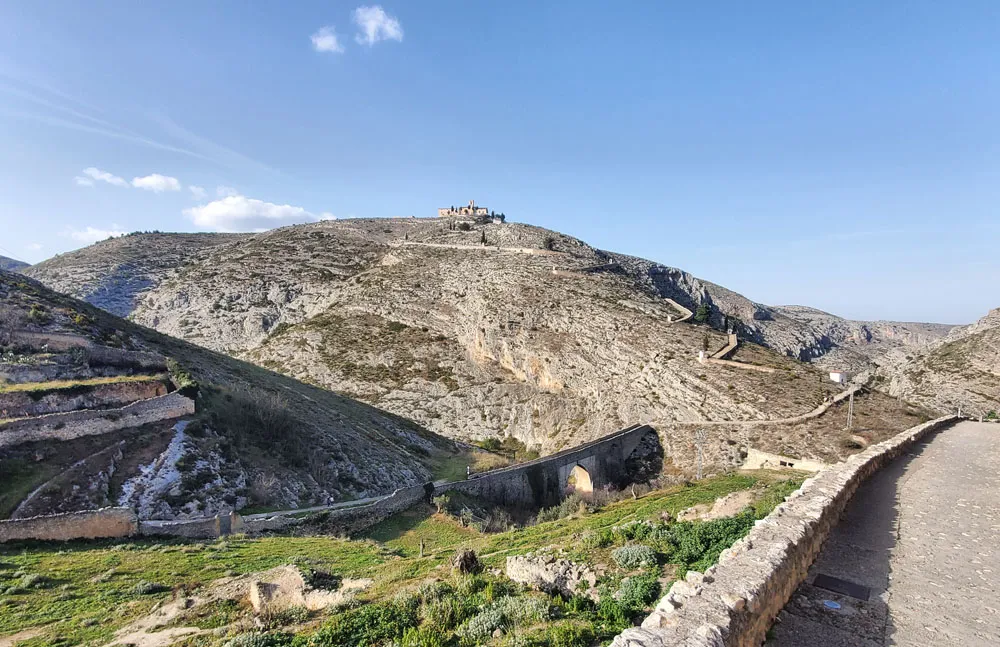
Bocairent has two gorgeous photo spots — the kind that are fashionably called “Instagrammable”. To reach the first one, a five-hundred-year-old cemetery behind walls, drive (or walk) about 500 metres from the little bridge that leads into the town in the south-east. The hill opposite the cemetery is covered with stone houses, above which rises a tall bell tower, and below, in the valley, we see a picturesque bridge, probably built back when the Arabs ruled on the Iberian Peninsula.
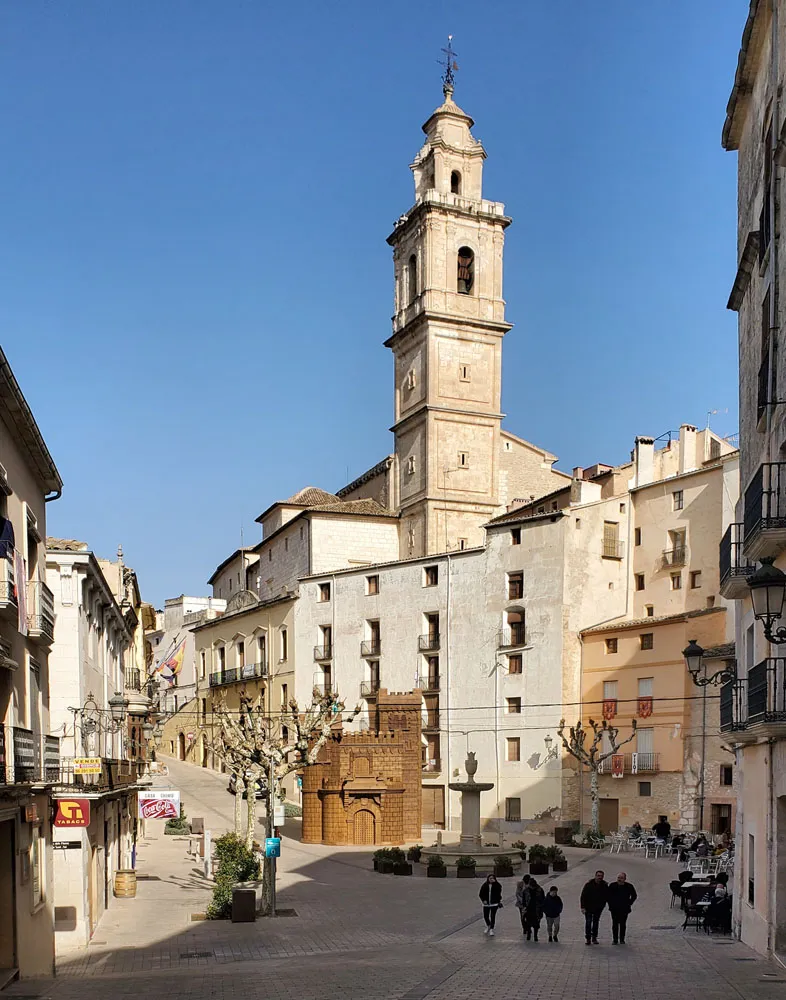
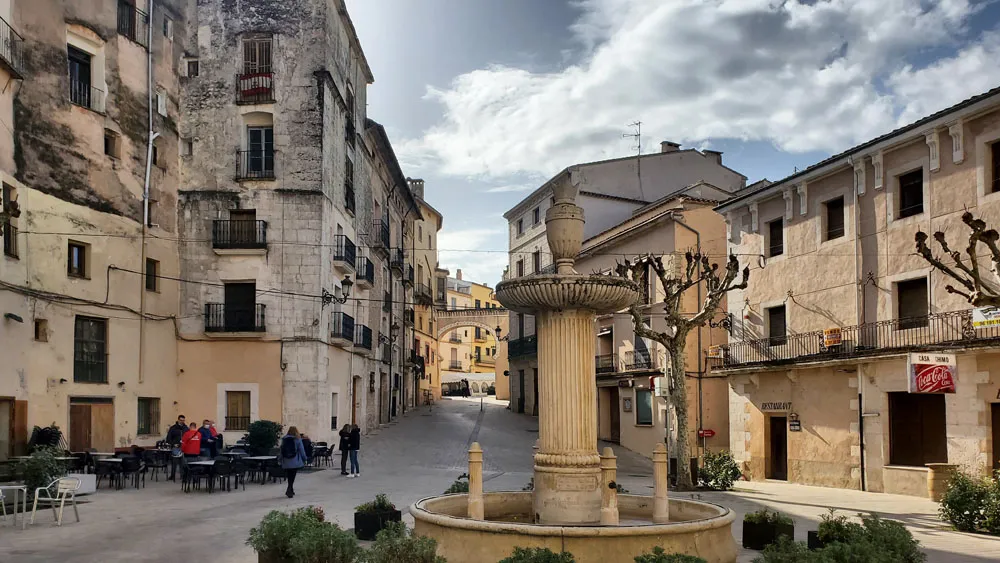
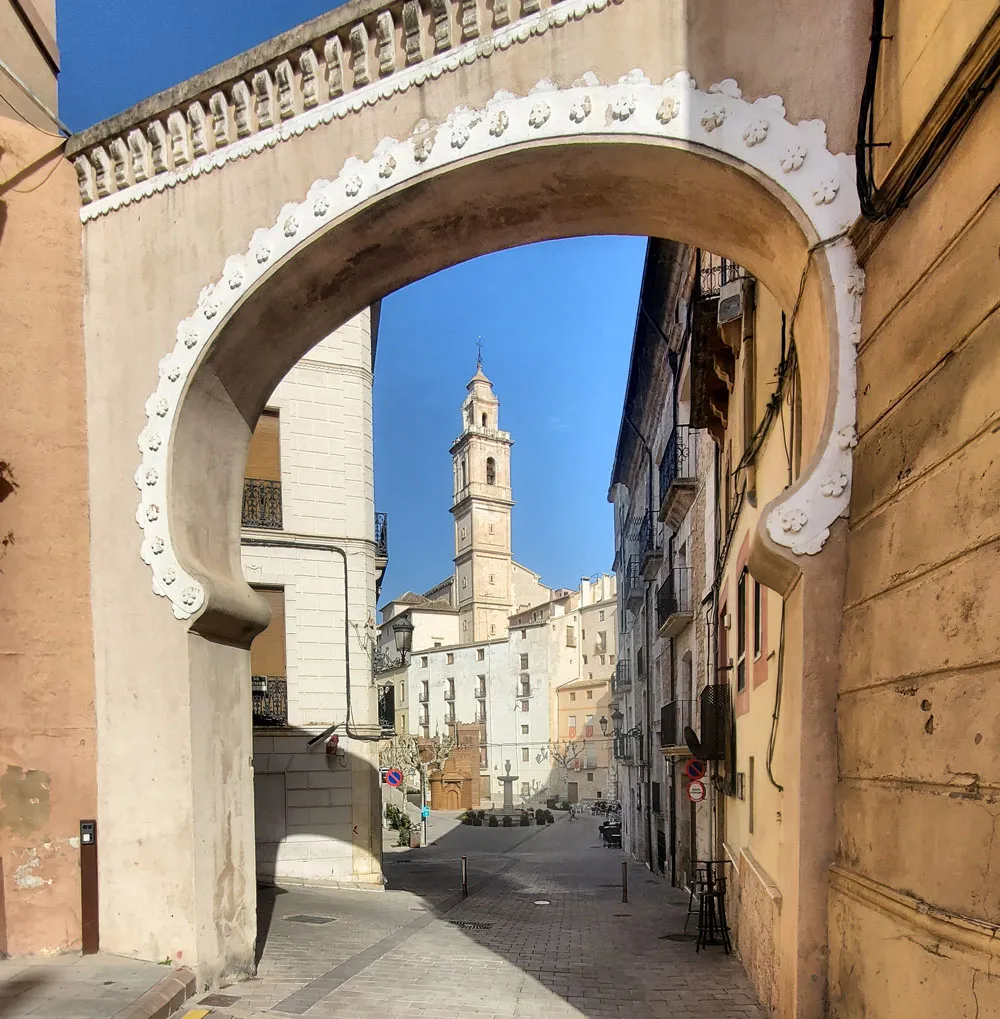
The second photo spot is the gate through which you enter the town’s main square, the Town Hall Square — Ayuntamiento. The square is surrounded by very tall buildings, which you do not expect to see at all in a town of four thousand people, and the buildings are very old, with that same bell tower rising above them, belonging to the Church of the Assumption of the Virgin Mary, built as early as 1516. The church was built in the Gothic style, but later acquired Baroque forms. Well, you have understood that from the second spot you will be photographing the Town Hall Square.
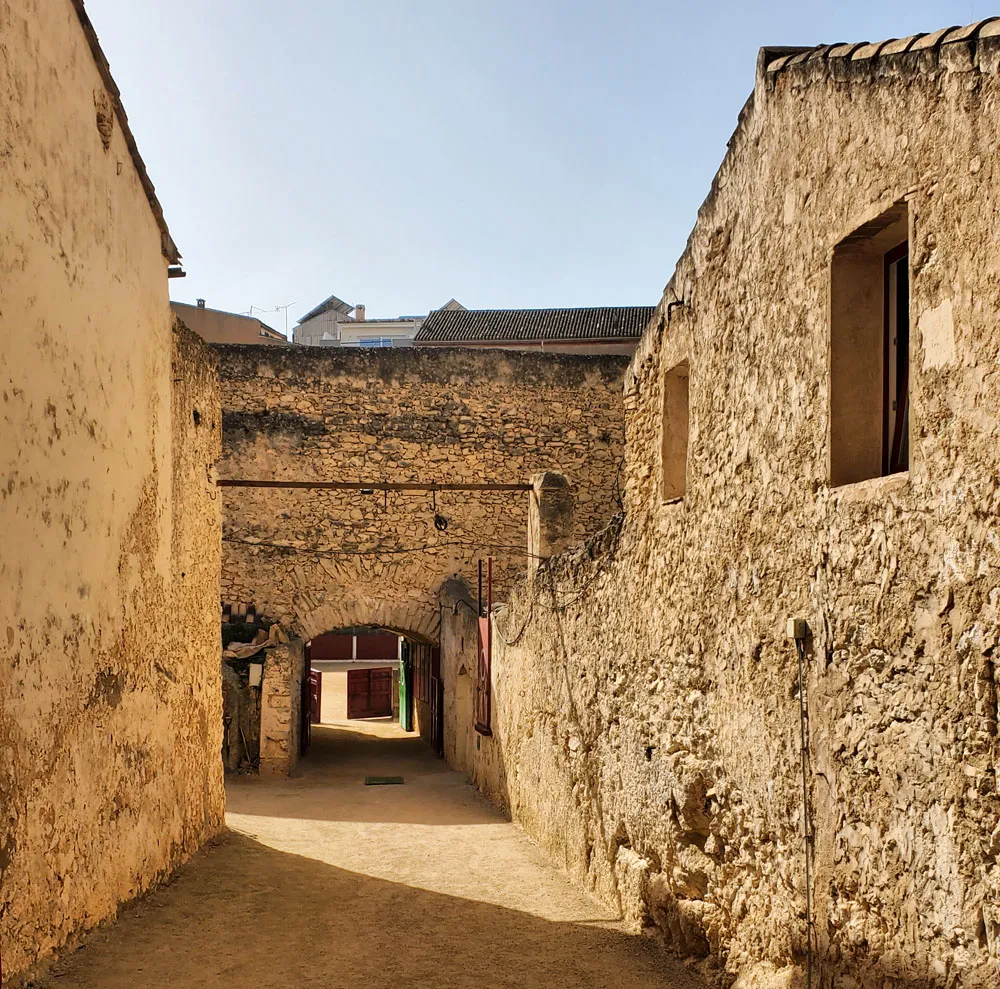
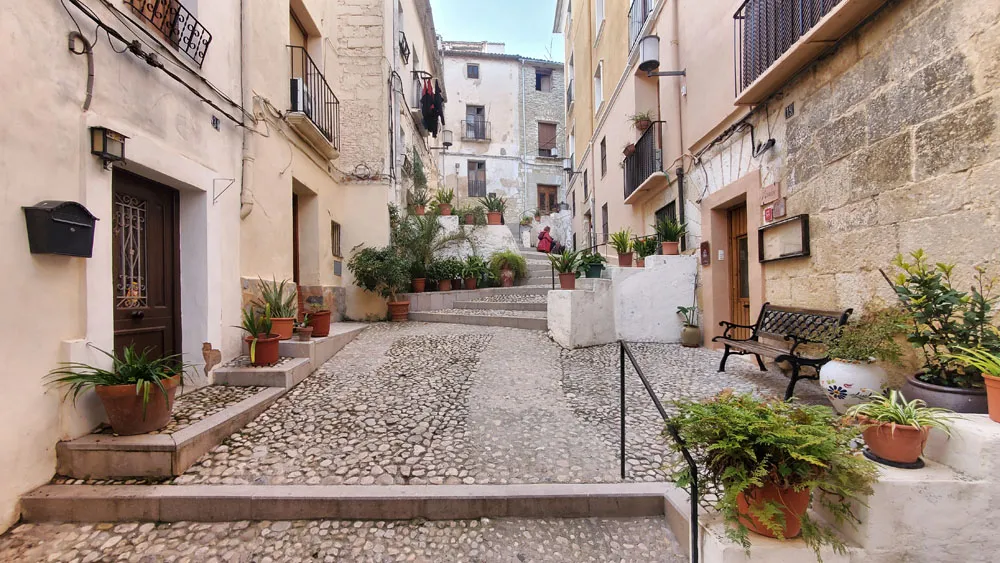
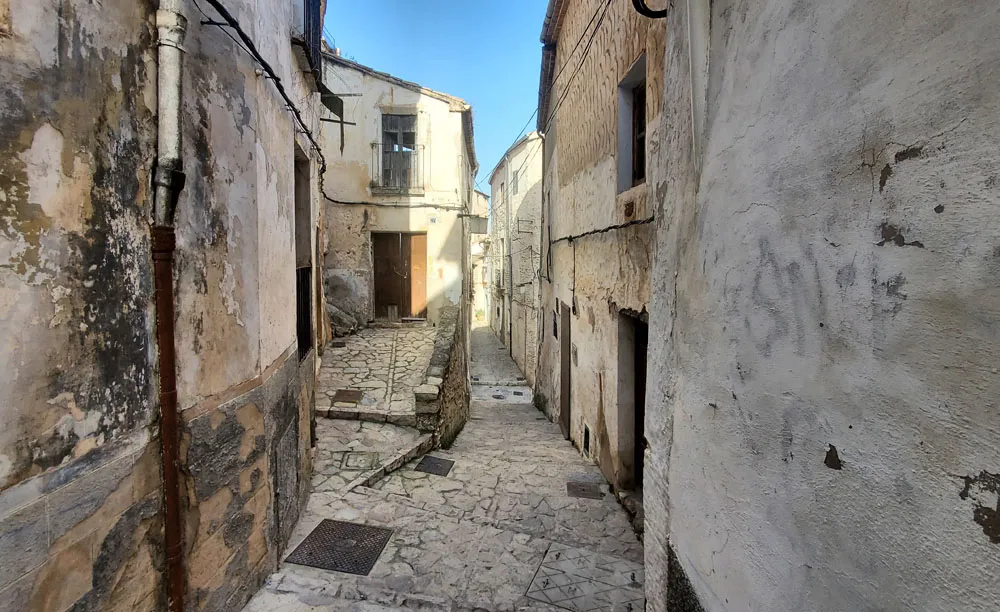
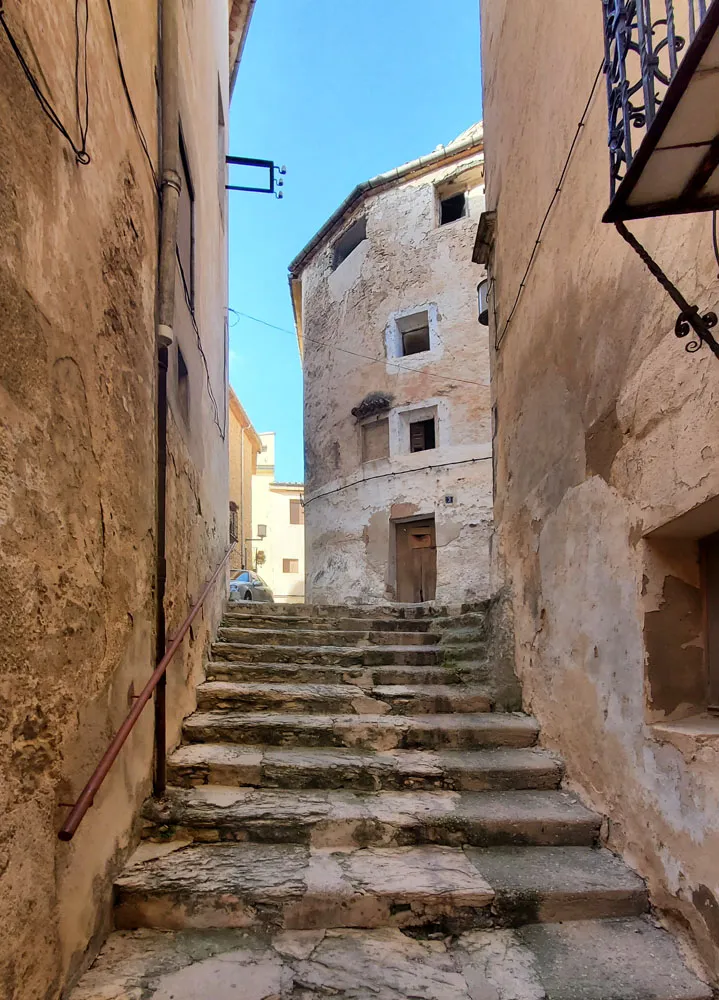
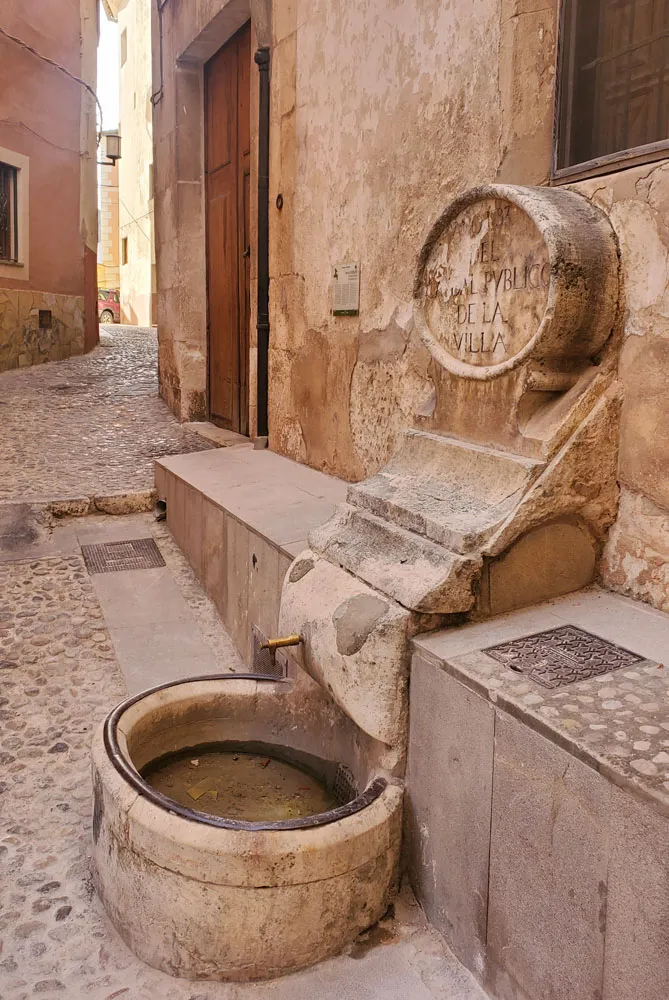
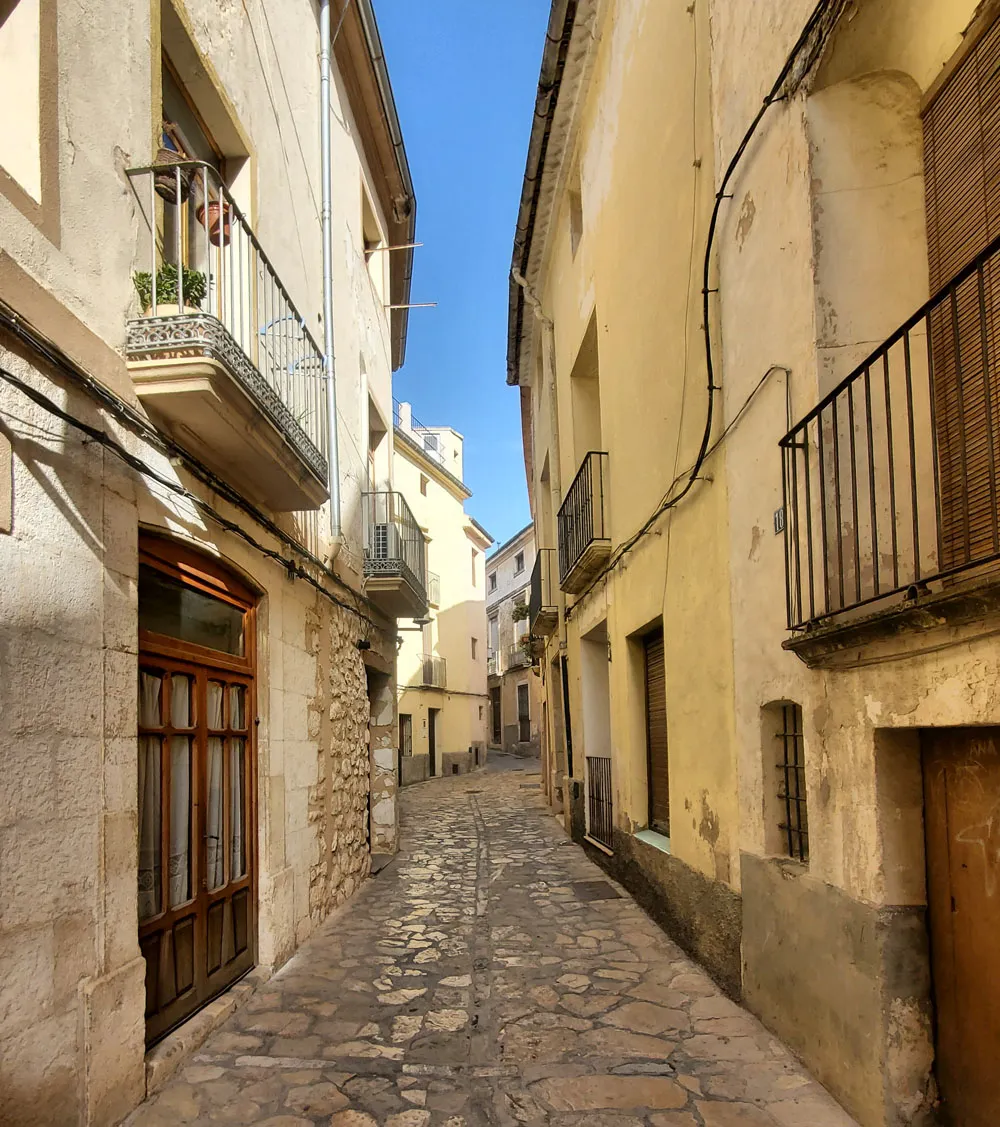
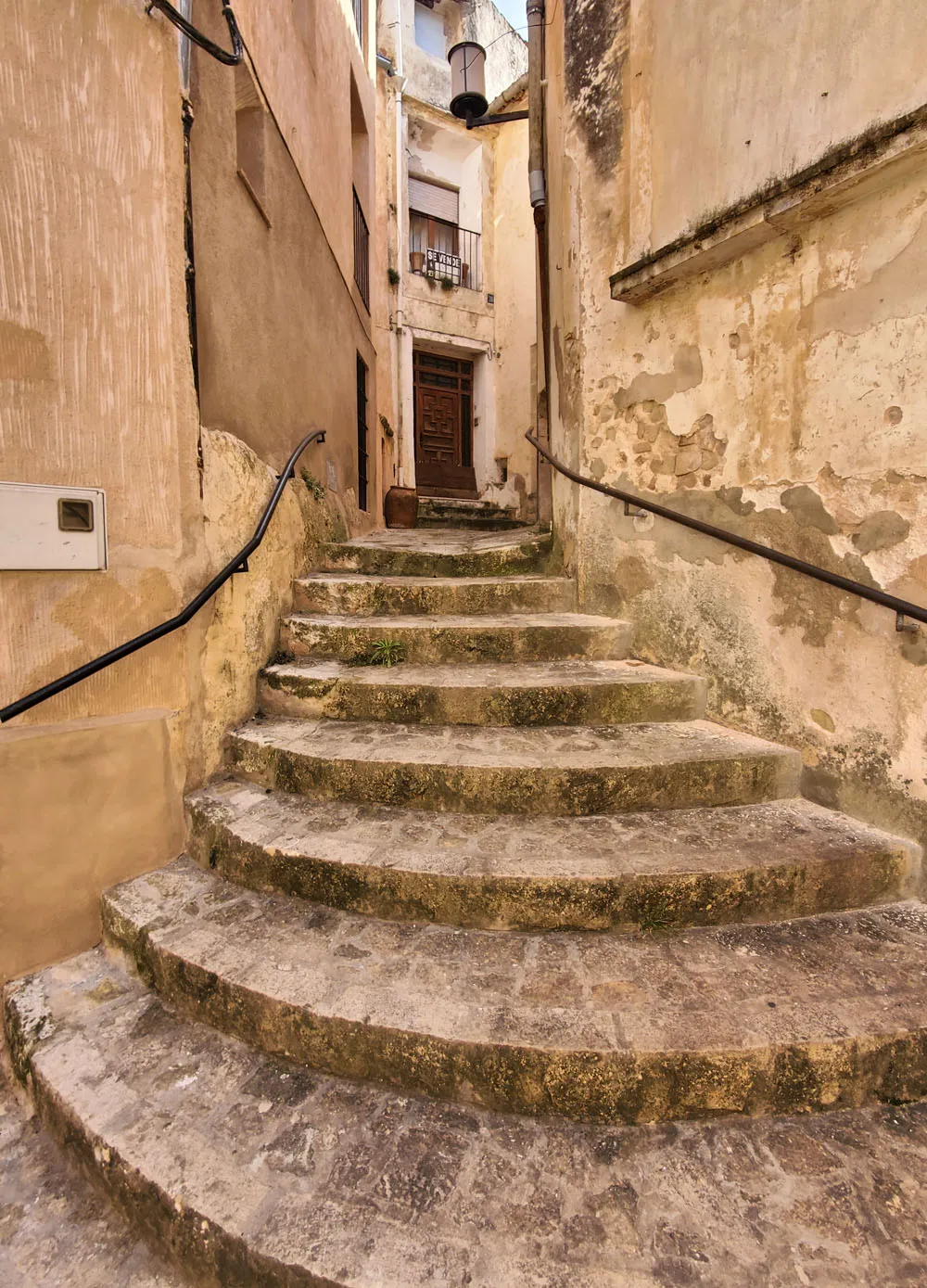
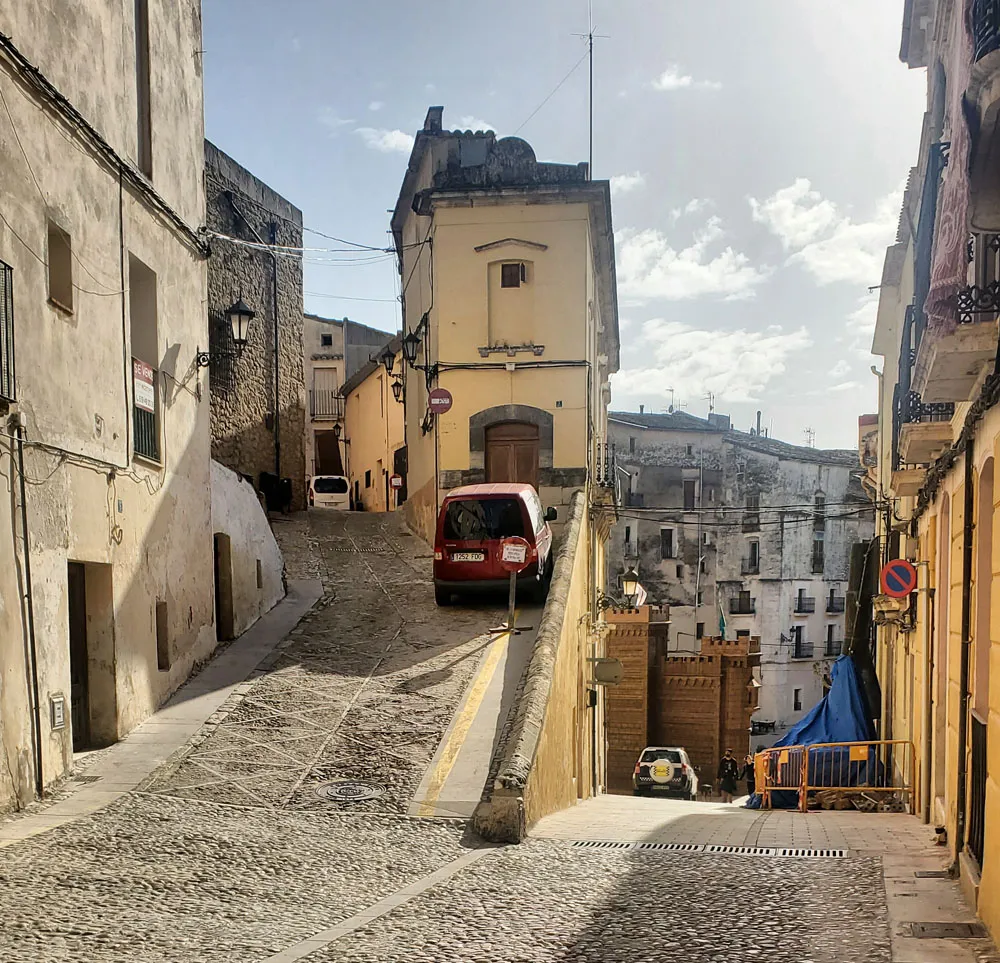
And when you have taken the two obligatory Instagram photos, set off wandering along the narrow crooked streets of the old town, which is labelled on the map as Barrio Medieval, and officially as Barrio de la Villa de Bocairente, or something like that. These streets are mostly pedestrian, all sloping and often steep, with steps and an enormous number of flower pots, even in winter. Although what winter is there — in February people walk around in T-shirts. From the inside the town greatly resembles a hilly settlement of the Turkish-Arab world, for example Mardin — which is no wonder, because the town was designed by Arabs.
The first dwellings on the site of Bocairent were cave dwellings — there are plenty of caves around the town and even under the old houses. There is a cave monastery, Las Agustinas de Bocairent, another obligatory place to visit. True, it stands on a high rock, and you have to climb to it by a steep, ancient road. The monastery was founded in 1556. At first the monks lived and prayed exclusively in the caves. Later an above-ground church appeared, and the caves began to serve an auxiliary function.
In Iberian and Roman times the settlement was insignificant — it was built up by the Arabs, who seized the Iberian Peninsula at the beginning of the eighth century. That is when the name Bukuiran appeared. During the Reconquista the Spaniards recaptured the town only in 1245 — for half a millennium it was Muslim.
In the 13th century a royal residence appeared in Bocairent — this was facilitated by the then lord of the town, Baron Pérez d’Artés, the steward (administrator) of King John I of Aragon at the time. And in 1418 a Royal Cloth Factory appeared in the town. It seems that from those times time stopped in Bocairent — though no, I am lying: the main development of the town took place in the 16th century, when the monastery on the mountain appeared, and the main symbol, the Church of the Assumption of the Blessed Virgin, with a bell tower that can be seen from dozens of kilometres away.
There are several interesting restaurants on the Town Hall Square, but I warn you: they go on siesta even in winter, so you are unlikely to manage to have lunch at these places after two o’clock in the afternoon. We found another decent little restaurant two hundred metres from the centre, which works even during siesta. And then we visited a shop of craft culinary and gastronomic goods, which has plenty of everything — from sweets to alcohol.
Text and photos by Roman Malenkov.