Malta. The Three Cities. Birgu

· 4 min read
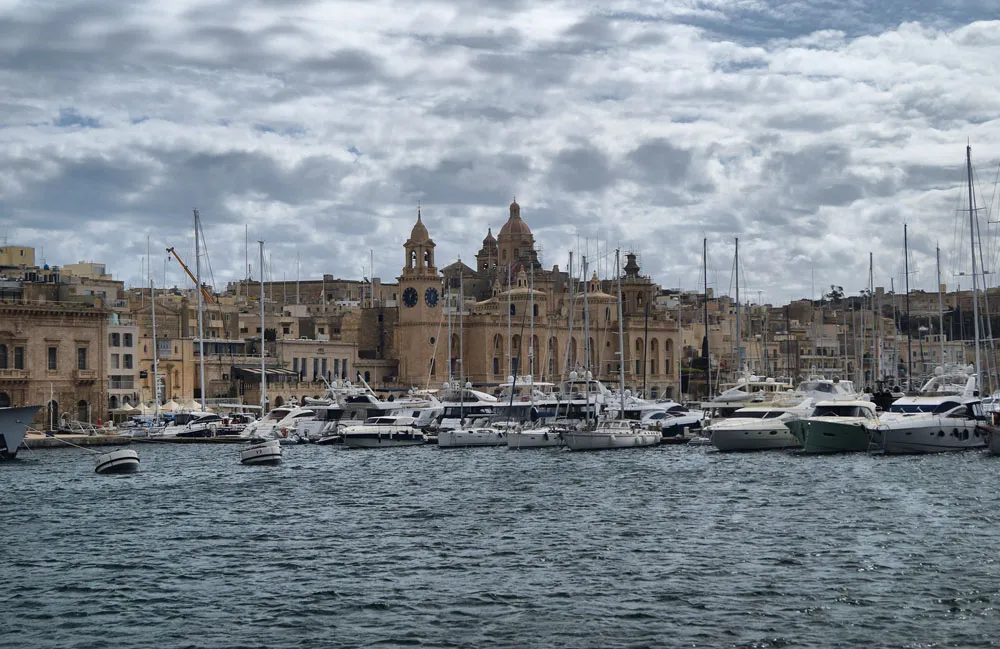
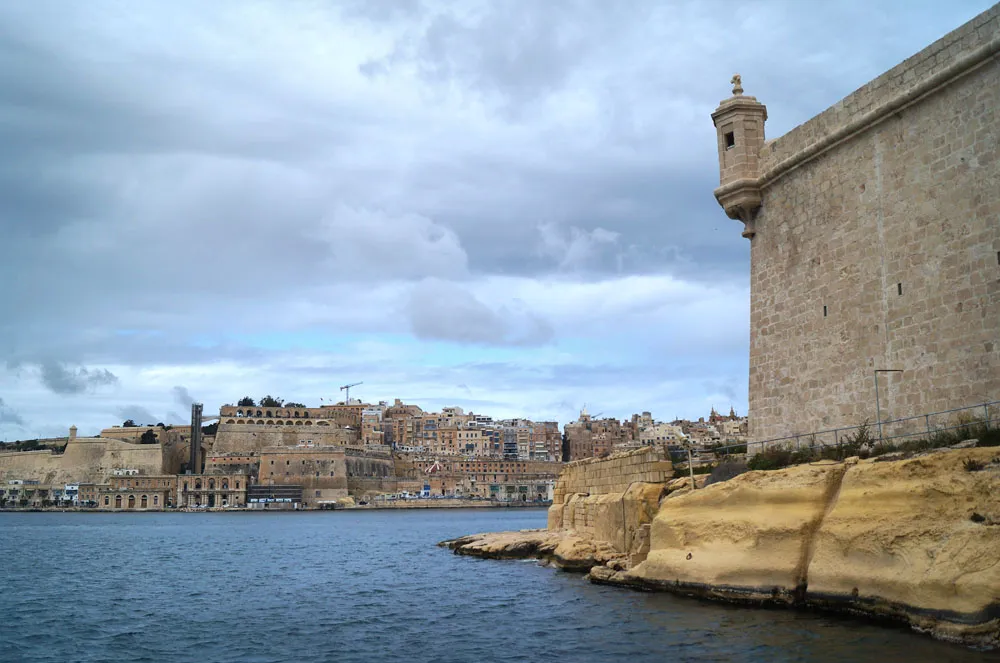
A boat runs from Valletta to the Three Cities. You could call it a ferry, but it carries nothing except people, goes very fast and has a sharp bow, so it is a boat. The same one and a half euros one way and two eighty both ways. The boat’s route runs between two peninsula-cities, Birgu and Senglea, and it is extraordinary. A forest of yacht masts, of which there must be hundreds here, and above the masts and behind them, on both sides of the bay, walls, dense honeycombs of stone houses and numerous churches.
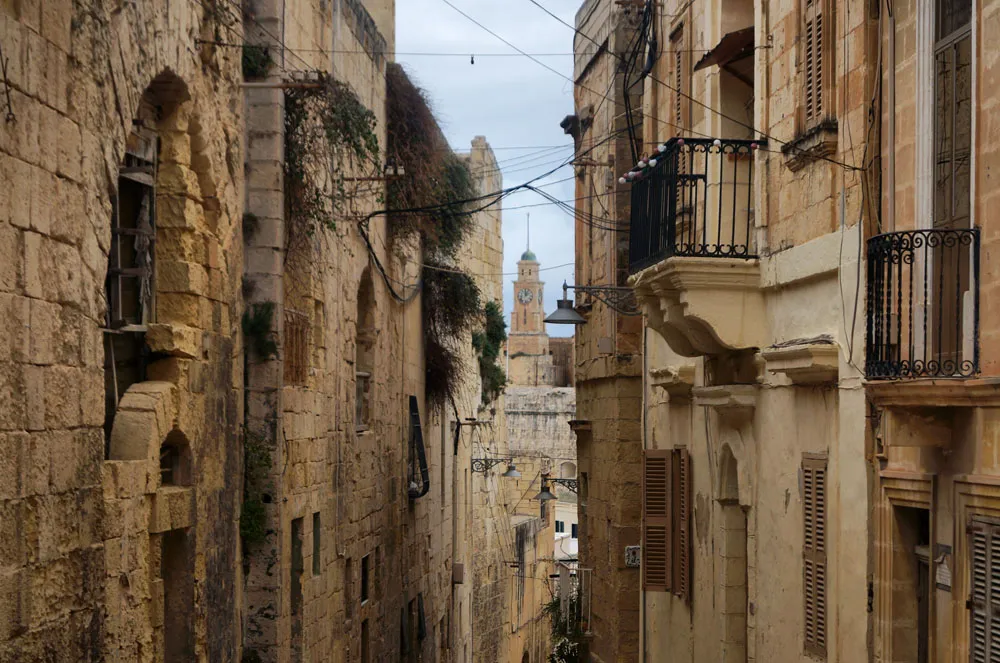
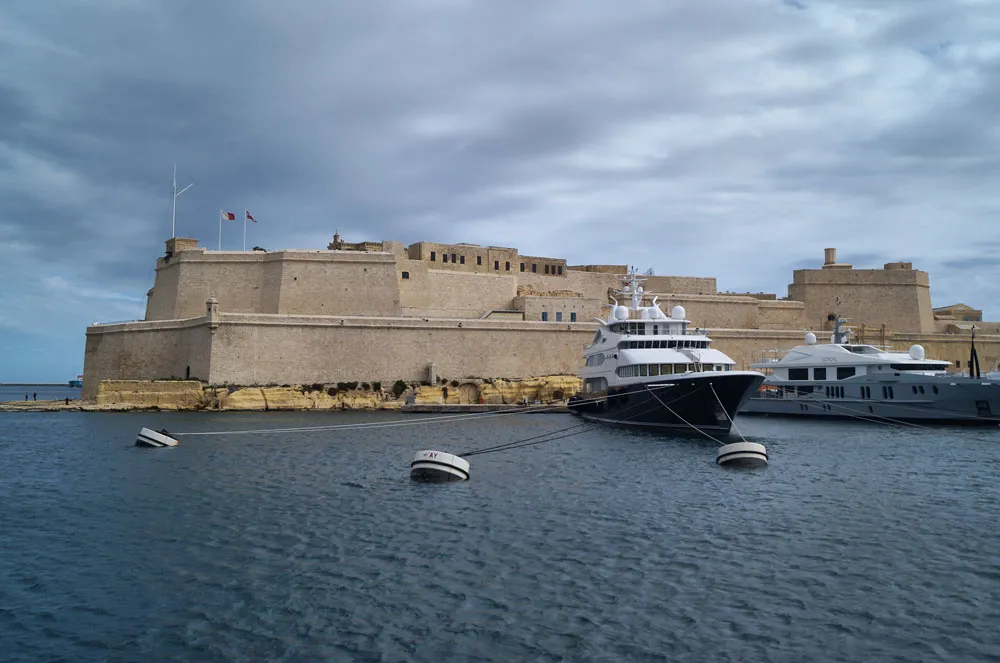
The number and beauty of the churches of the Three Cities is, to say the least, astonishing. In towns so small, both in area and in population, there are dozens of large, sumptuous churches that were built at great expense… I faced a choice: Birgu or Senglea. The latter seemed taller and more massive, but the fortifications of Birgu looked more complete and harmonious, so on getting off in the Three Cities I turned left and headed towards the legendary Fort St. Angelo.
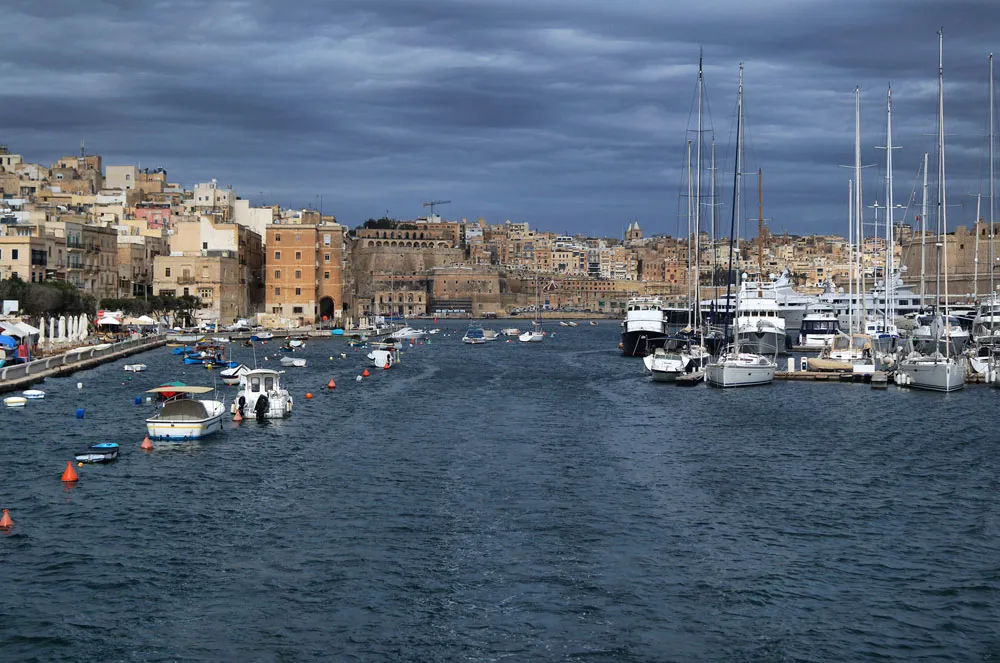
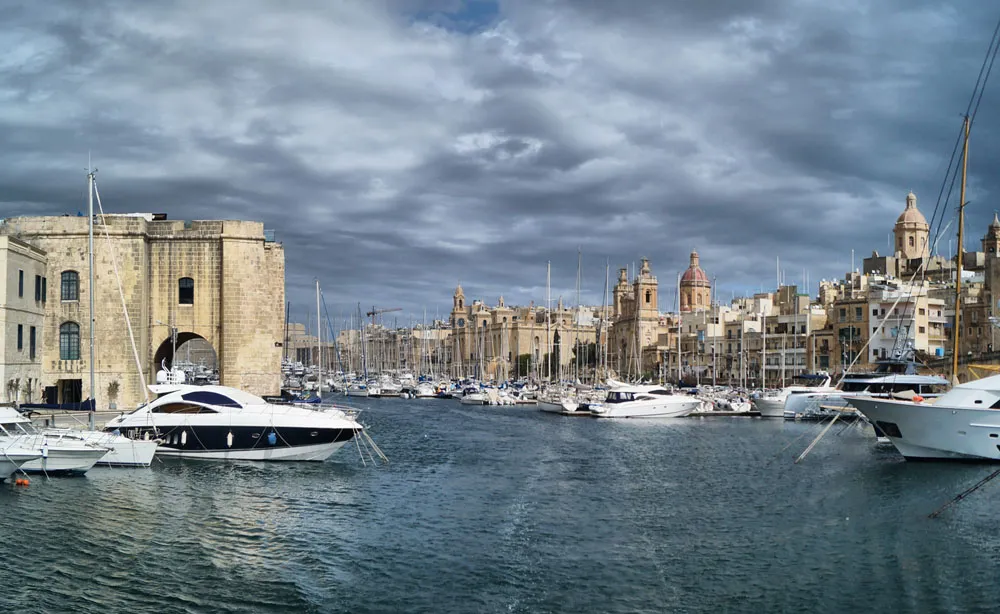
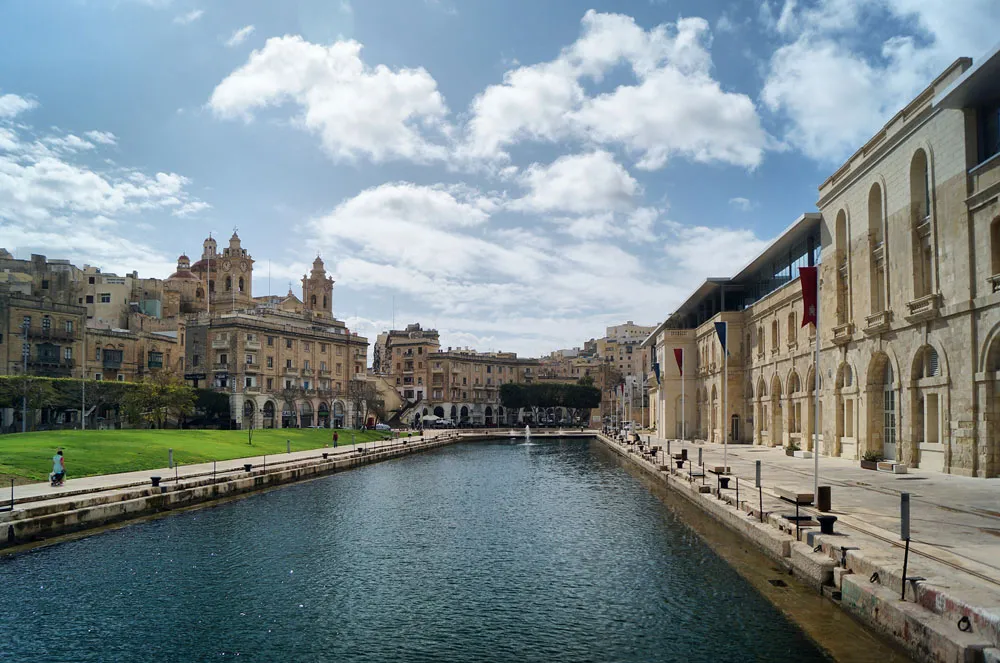
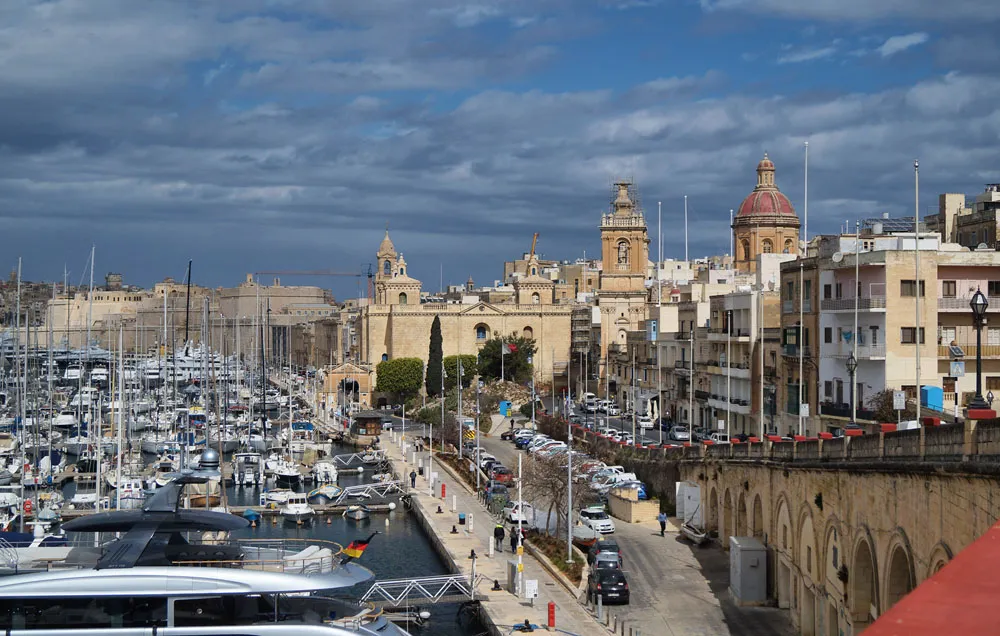
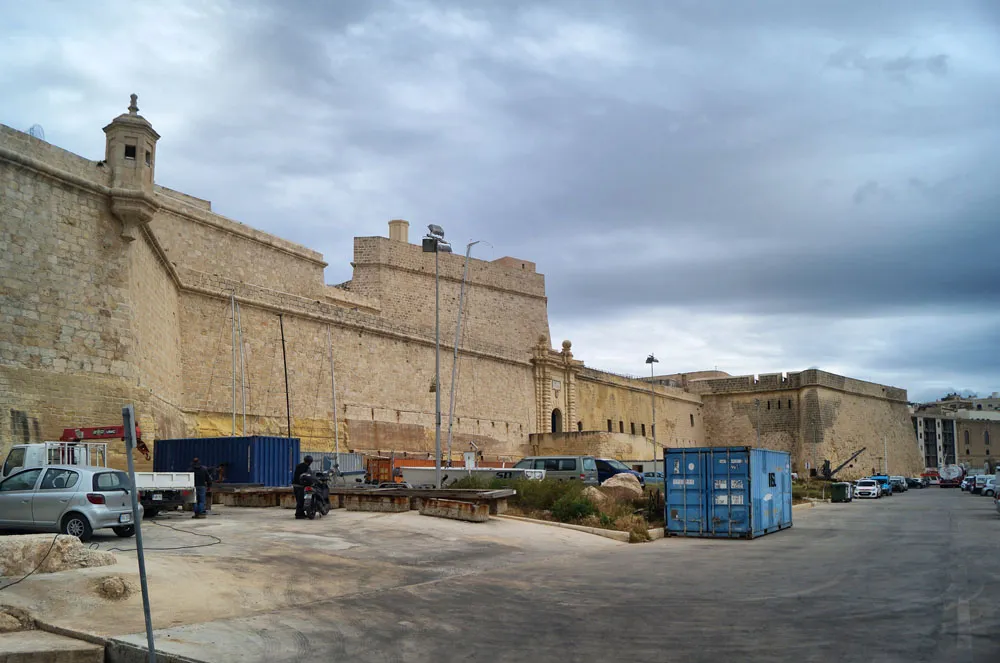
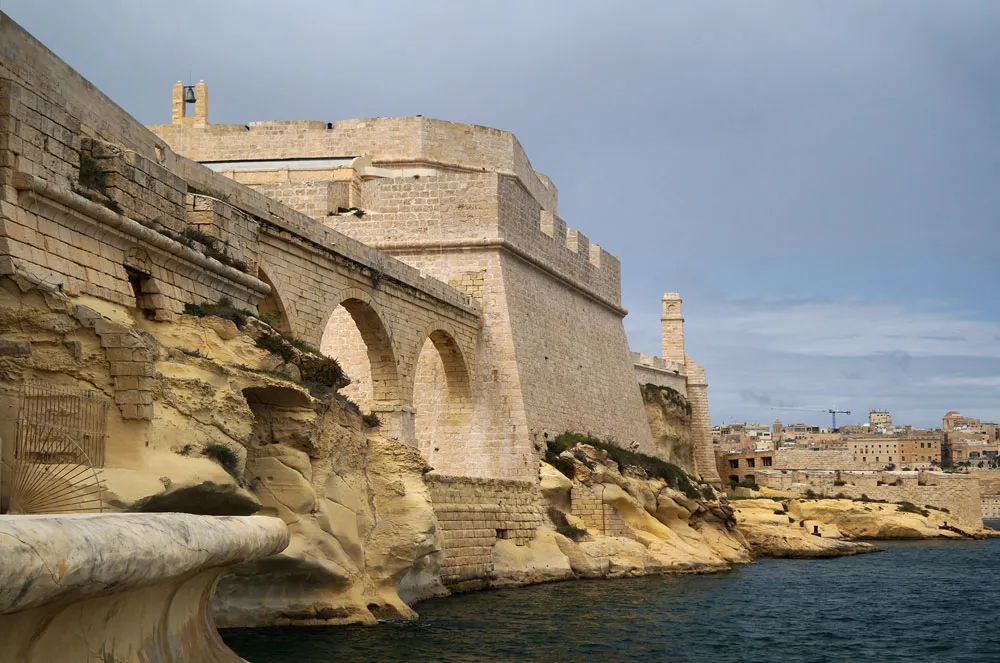
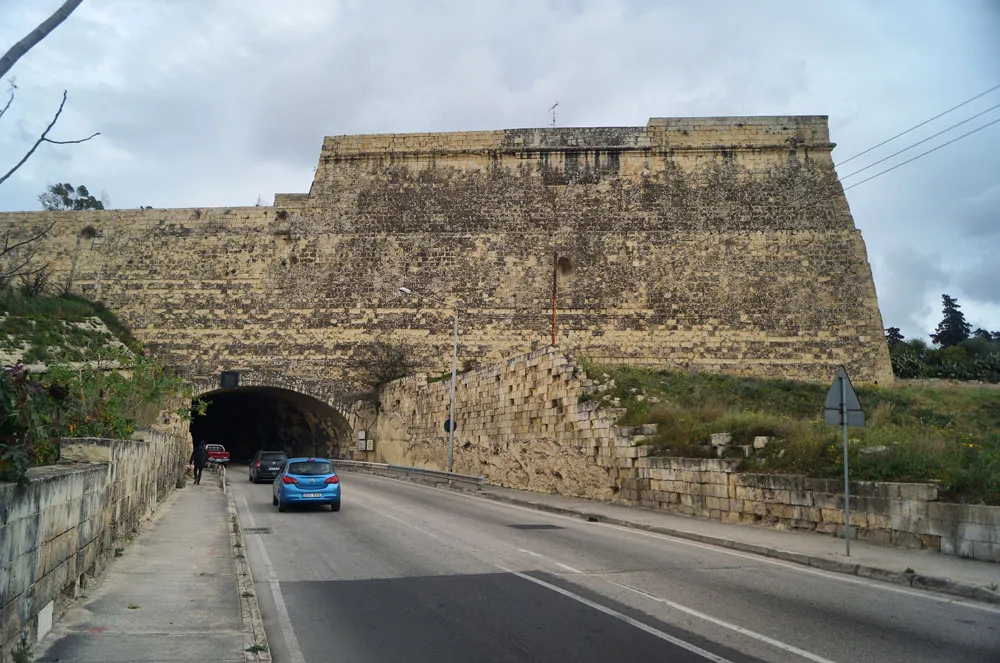
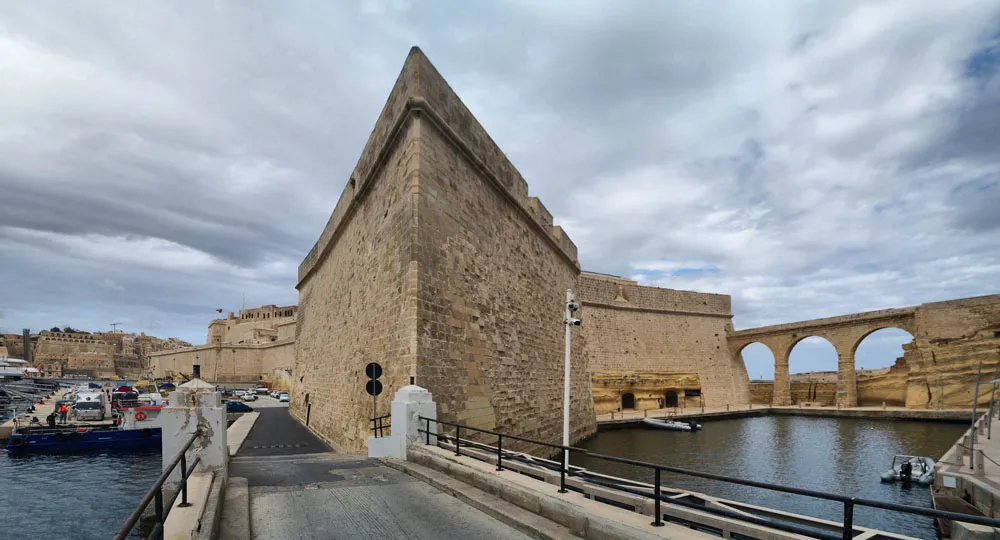
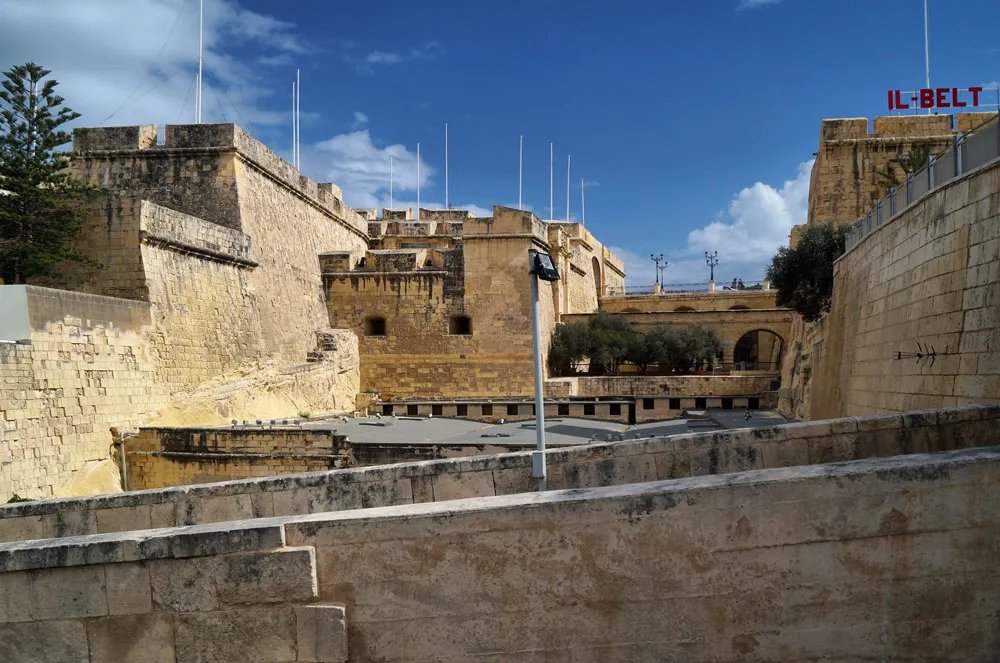
All three cities are surrounded by a continuous wall, the Cottonera Lines, built in the 17th–18th centuries, with 11 powerful bastions. The main fortification is the heroic Fort St. Angelo, which played the chief role in the victory of the Hospitallers over the Ottomans in 1565. Thanks to the fort Birgu received a second name, Vittoriosa, or Città Vittoriosa, the Victorious City. And I could not understand why one name and then another kept popping up on the map.
In 1530, after landing on Malta, the Hospitallers began to develop Birgu as the residence of the Grand Master and their new capital. The old castle that stood at the tip of the peninsula, Castrum Maris, needed rebuilding, and the knights carried it out. Between 1530 and 1560 the early medieval half-ruined castle was turned into the powerful Fort St. Angelo. In the 1690s it was rebuilt and modernised again; by then it was the era of heavy artillery, so batteries were placed on the newly built bastions: the fort was defended by 80 guns.
In the British period Birgu served as a base for the Royal Navy, and even after Malta became independent British ships were in no hurry to leave the harbour, and only in 1979 did they clear out, leaving Fort St. Angelo in a dilapidated state. A major overhaul (restoration) took place only in the 21st century. Today the fort has a museum, a restaurant and a heap of viewing platforms. Oh, it takes your breath away when you think what a legendary structure this is…
The most popular museum of Birgu-Vittoriosa is the Malta Maritime Museum. The museum’s collection is gigantic: it contains over 20 thousand exhibits, and it is housed in the former Royal Naval Bakery, built on the site of the knights’ arsenal in the 1840s by the outstanding architect William Scamp. It is not just a bakery: it is a building with towers and a clock tower. After the Second World War the Admiralty consulate was placed in the bakery, and later a museum.
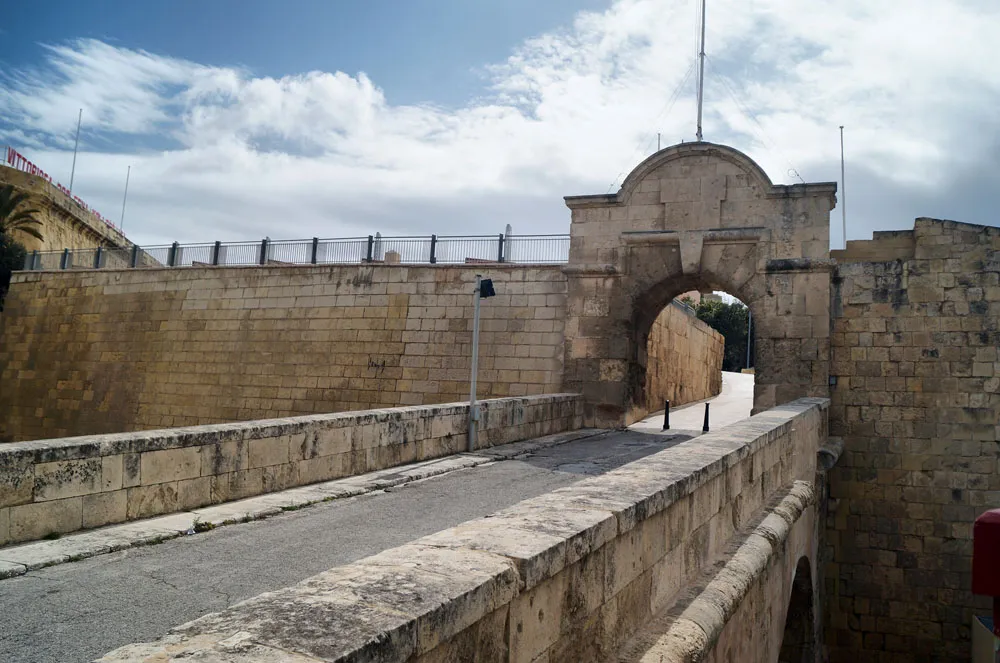
Birgu has the second (after the museum in Valletta) War Museum of Malta, but I was more interested in the museum set up in the Inquisitor’s Palace. I thought that the Maltese knights were almost democrats, but in fact it was an orthodox monastic order that fought heresies and had its own tribunal and inquisition. The latter functioned until the French occupation of Malta in 1798.
The Inquisitor’s Palace was perhaps the first large building erected by the Hospitallers after they arrived on Malta. True, it was built as the Great Court (Magna Curia), the supreme council of the order, in effect its headquarters. In 1545 a tribunal was also placed in the building, and in 1574, after the order’s capital moved to Valletta, the Inquisition settled in the palace for several centuries. Here were the inquisitor’s residence, the tribunal, a prison and a prayer room for Jews, who often fell into the hands of the Inquisition. In the time of British rule the palace housed an officers’ mess for a century, and then a museum.
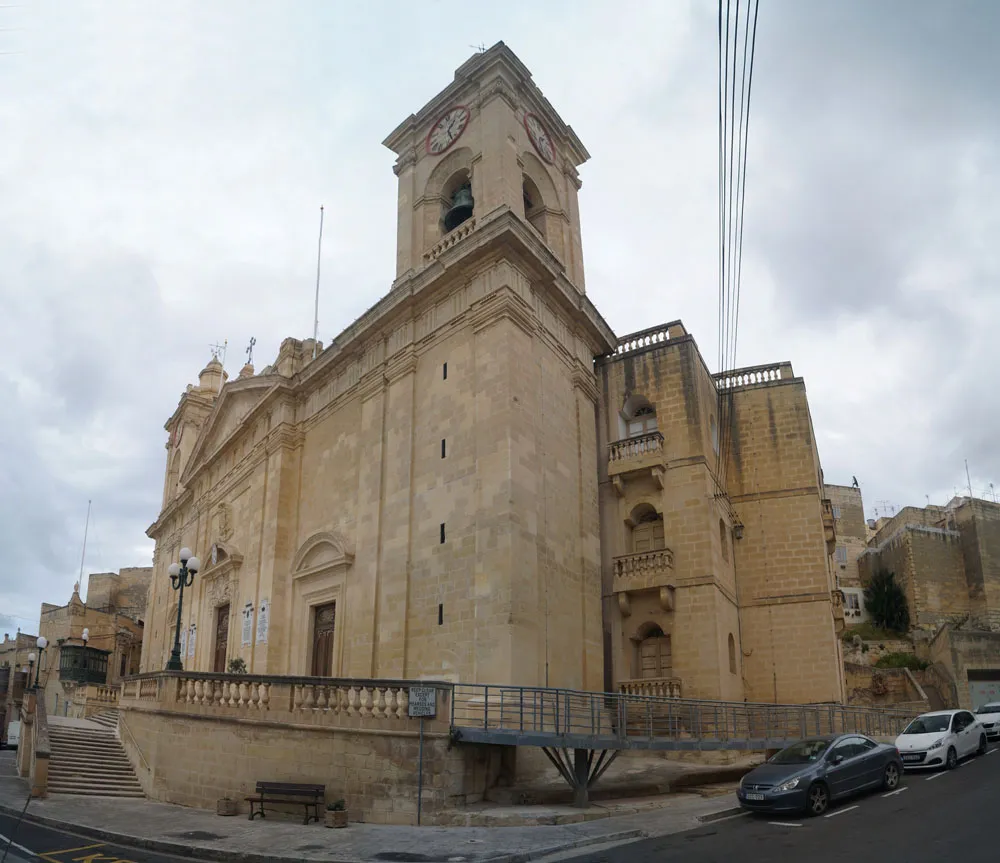
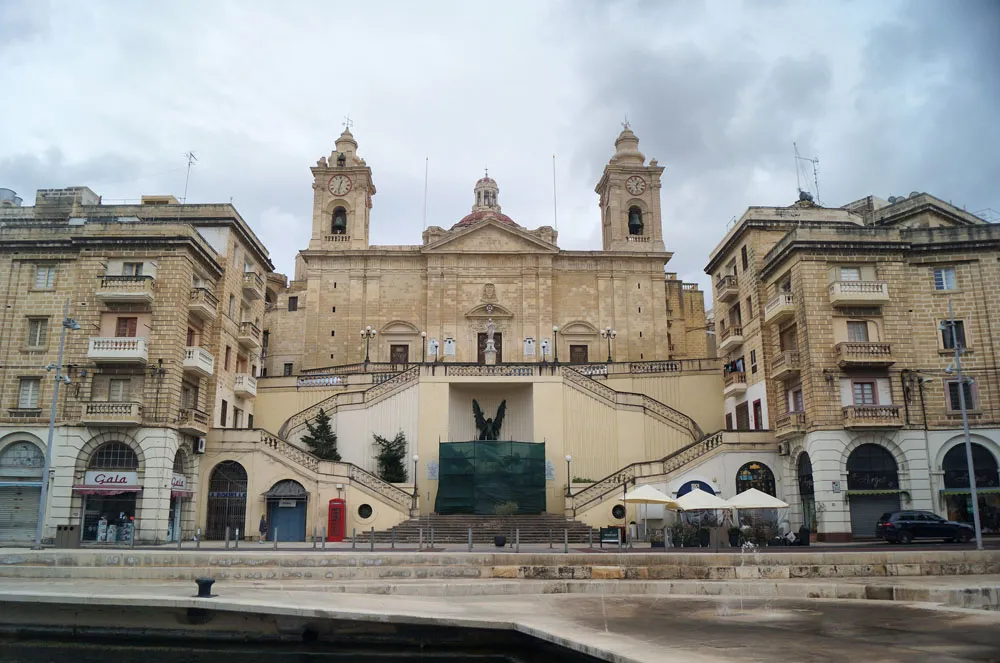
I have already written that Birgu has very many churches, as the boys at school used to say, “like a fool’s sweet wrappers”. With a population of three thousand this is generally a record number. Crosses and domes everywhere… The most revered church of Birgu is the collegiate church of St. Lawrence, San Lorenzo in Maltese. When the knights arrived on Malta, the church of St. Lawrence became their first conventual church, but then they moved from Birgu to Valletta and the church was forgotten. It fell into decline and stood half-ruined until the second half of the 17th century. In 1681 the foundation stone of a new church was laid, and its construction was finished in 1696. This is the present church of San Lorenzo.
Text and photos by Roman Malenkov.
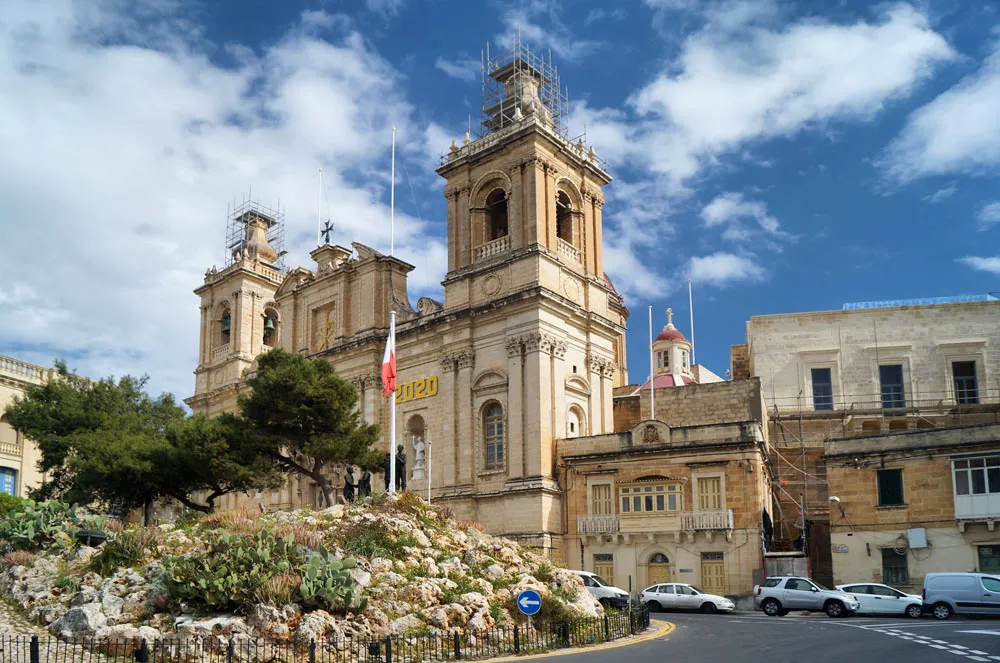
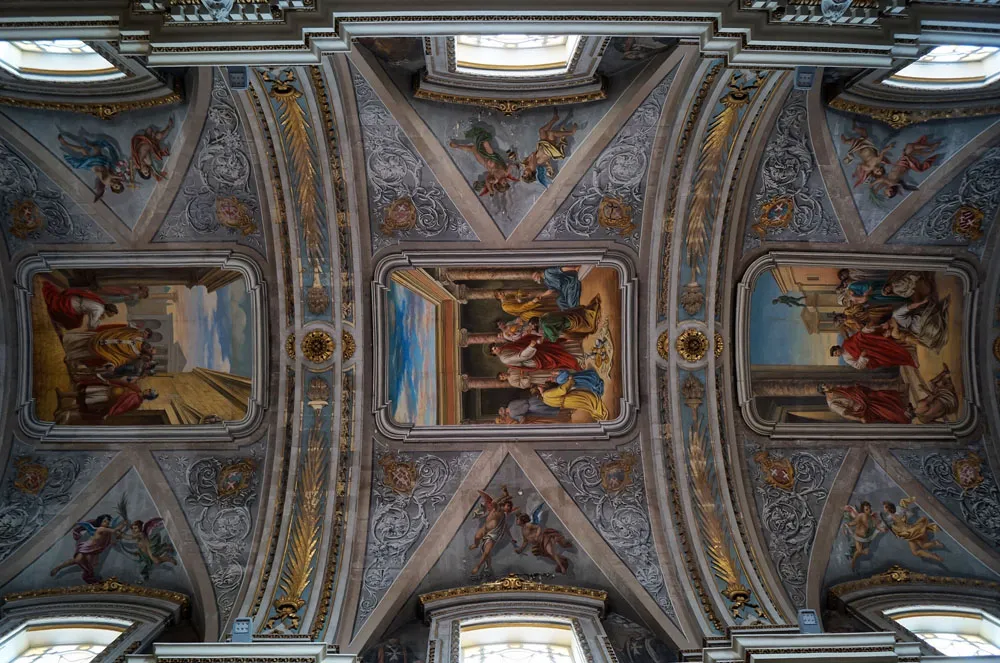
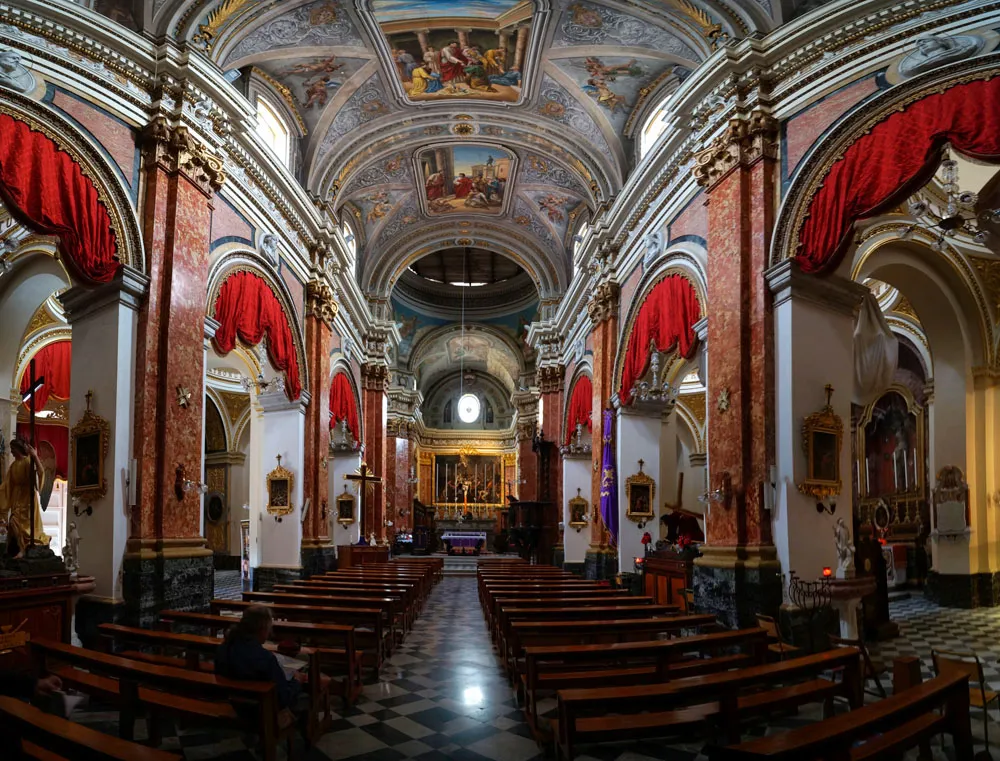
St. Lawrence’s Church.
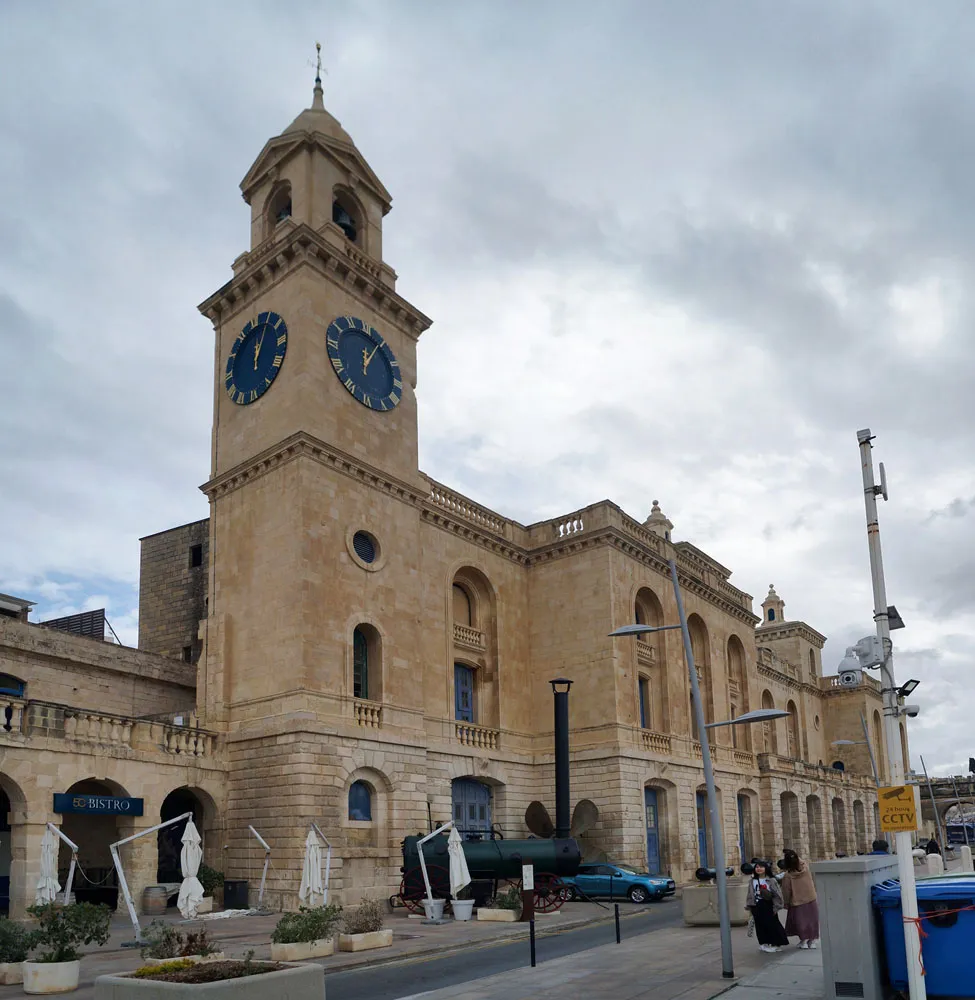
Malta Maritime Museum.