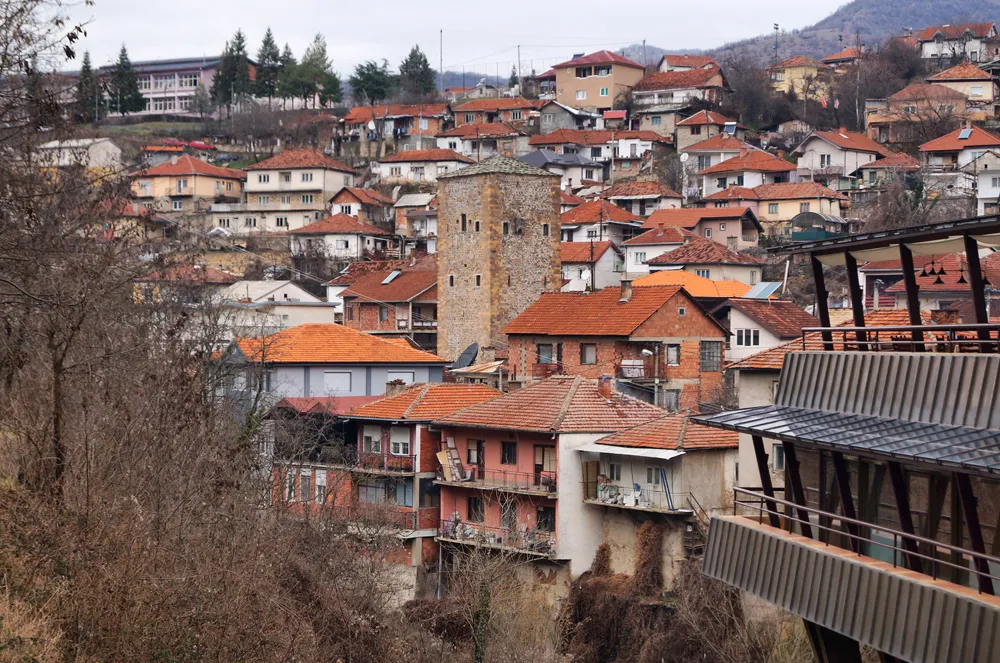
North Macedonia. Kratovo. A town in a crater

· 6 min read
In the mid-1990s, when I was closely following European football championships, Macedonia’s champion three times was Sileks from Kratovo, and that was when I first learned of such a town. Now that I think about it, I realize that my passion for football was inseparably linked with my passion for geography: I gained a great deal of geographical knowledge from studying football statistics: countries, provinces, capitals, cities… In 1999, in the preliminary round of the UEFA Cup, Sileks met the Ukrainian Shakhtar and… won the first match. I was shocked, not by the victory itself, but by the fact that fewer than seven thousand people live in Kratovo. How could a club from a Macedonian mountain village beat the runner-up of Ukraine? True, in the return match Shakhtar won 3:1 and knocked the Macedonians out, and in general Sileks took part in European cups nine times and passed the first round only once.
We decided to go to Kratovo not at all because a football team is based there, but, firstly, because we saw interesting photos on Oleksandr Lapshyn’s blog, and secondly, because the town lies in a genuine volcanic crater. How many towns in volcanic craters have you seen? The name of the town also comes from the Greek word “crater”.
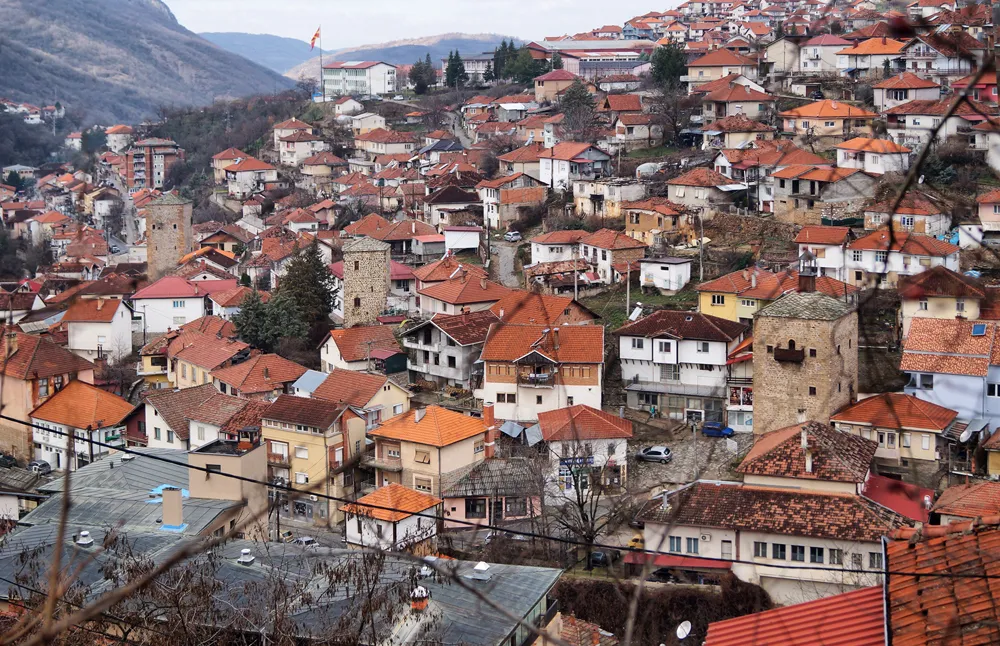
The crater in which Kratovo lies is not at all like typical volcanic and meteorite craters, because this was a huge volcano of a complex type, distinguished by lava flowing out of many fissures without a single centralized vent, and by explosive activity.
Today Kratovo is a small town, but it was once a powerful mining centre where iron, lead, copper, silver and even gold were extracted. At the end of the 13th century Saxon miners came here (how could it be without Germans) along with merchants from Dubrovnik: some extracted the minerals, others sold them. Kratovo became a tasty morsel for conquerors, so first it was seized by the Serbian king Stefan Dušan, and then, at the end of the 14th century, by the Ottoman sultans.
In the 15th-16th centuries Kratovo was one of the largest mining towns of the Ottoman Empire. The second most powerful mint was located here, striking silver and gold coins. And where there is gold, who is there? Right: Jews. At the end of the 15th century Portugal and Spain expelled the Sephardic Jews from their lands, and the Ottoman sultans invited them to theirs. The largest Jewish community came to the lands of present-day North Macedonia; very many of them settled in Kratovo, and it is superfluous to say that the community stimulated the town’s development. The Jews began to buy up the mines, which until then had belonged exclusively to Slavs. Later, after the reserves of gold and silver were exhausted, the Jews and the Turks, who had begun to move to the Balkans en masse, promoted the production of copper goods, among the best in the empire. And then came the war of the Turks with the Habsburgs, during which, in 1689, Kratovo was burned. That was almost the end: mining capacity moved to other centres, and the extraction of minerals in Kratovo was resumed only in the 19th century, but it was no longer the same…
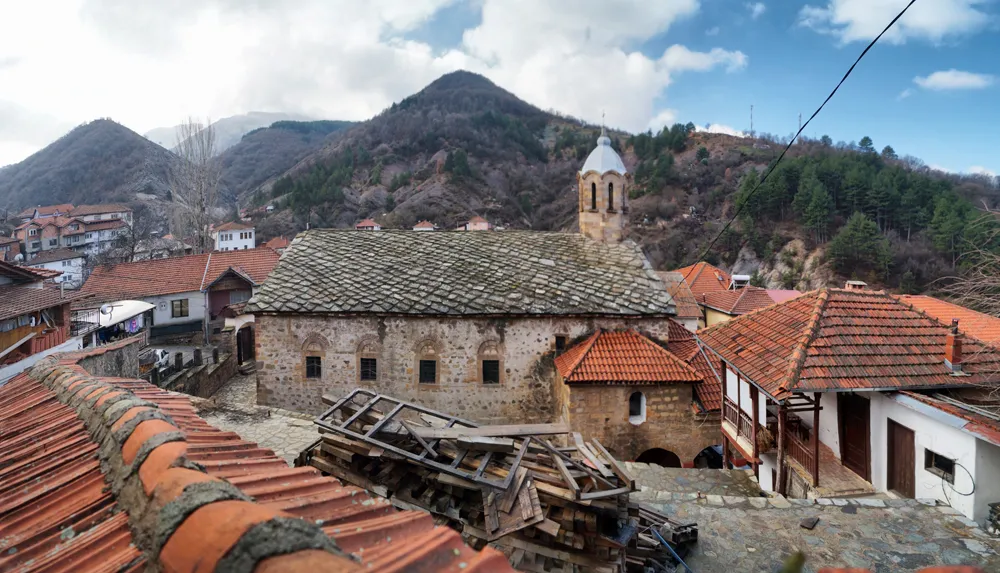
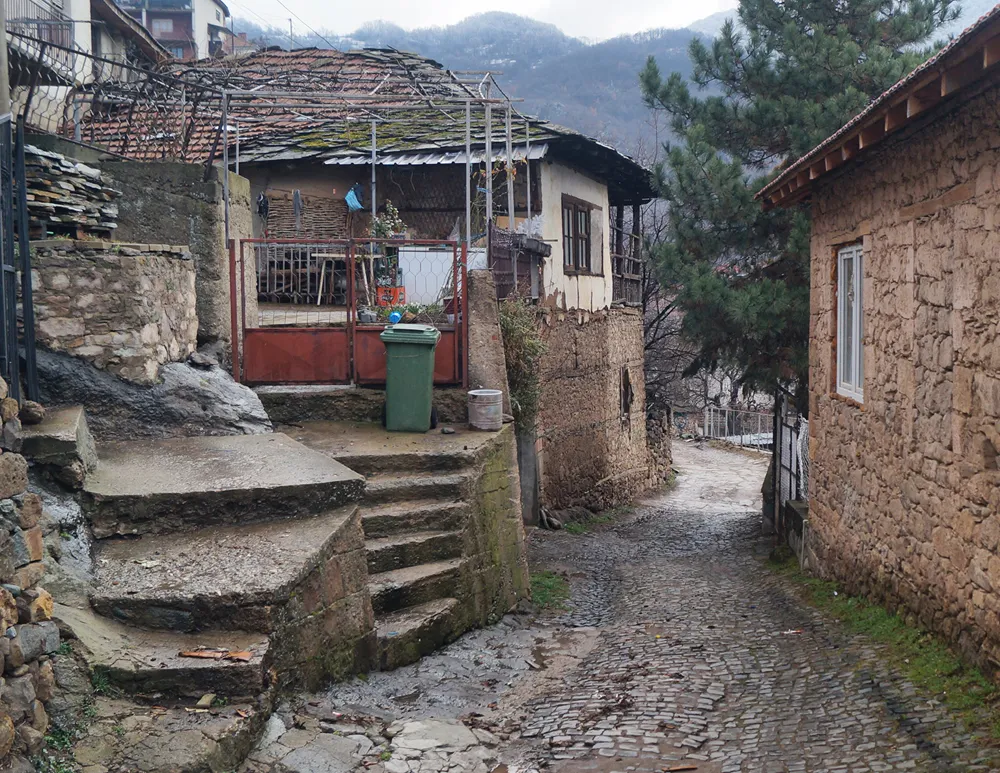
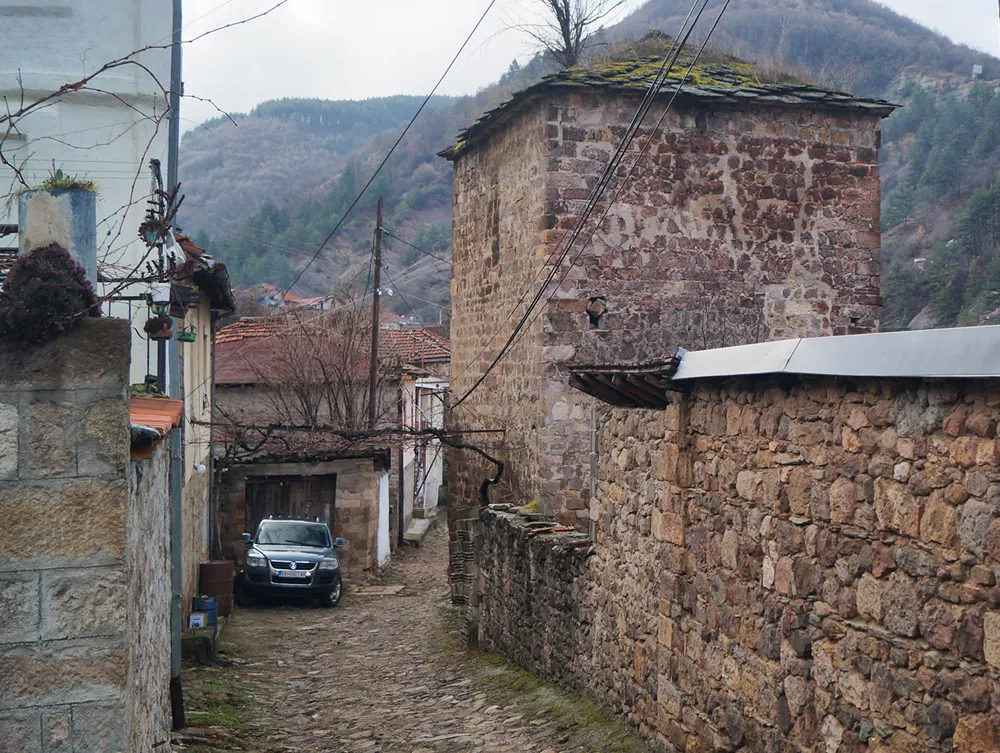
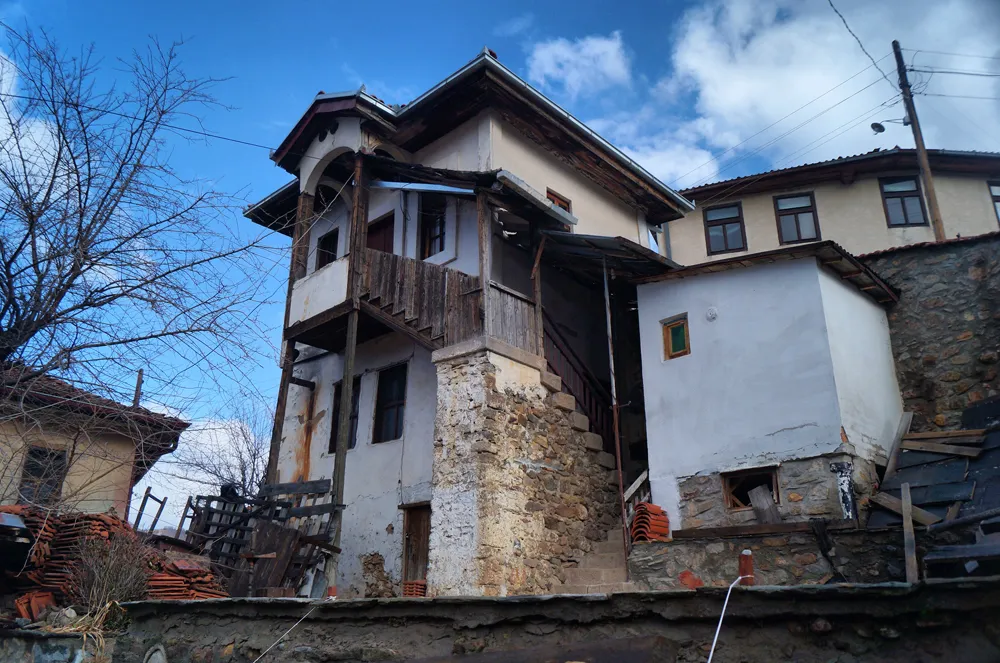
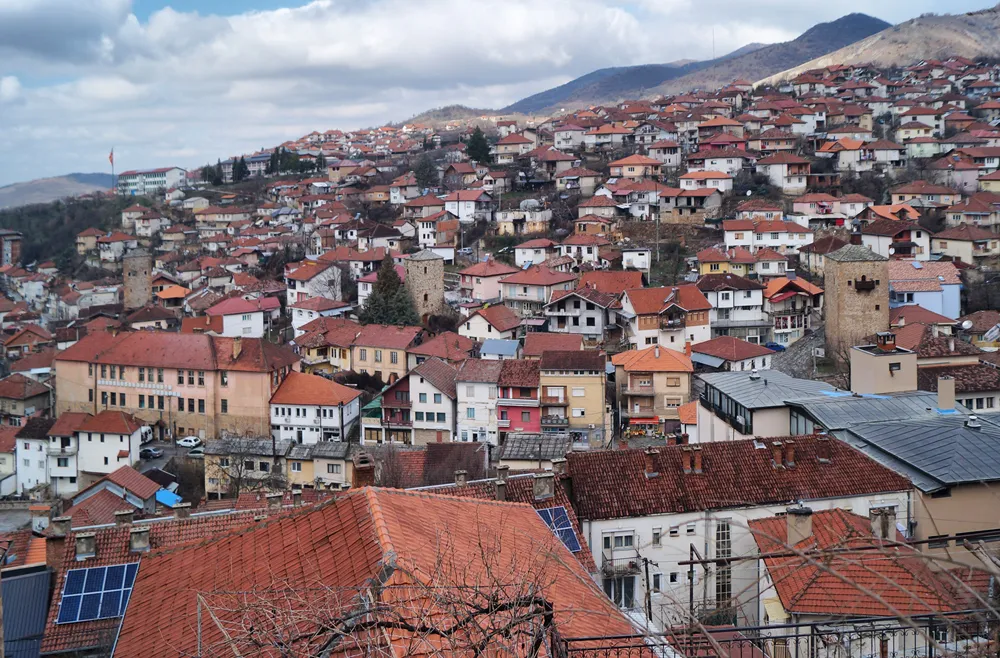
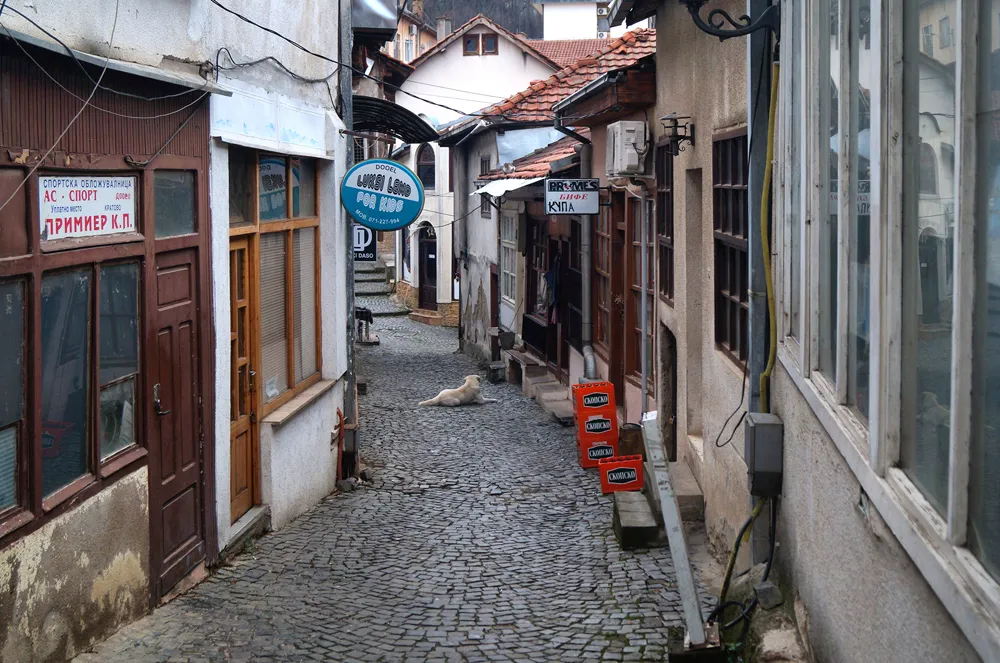
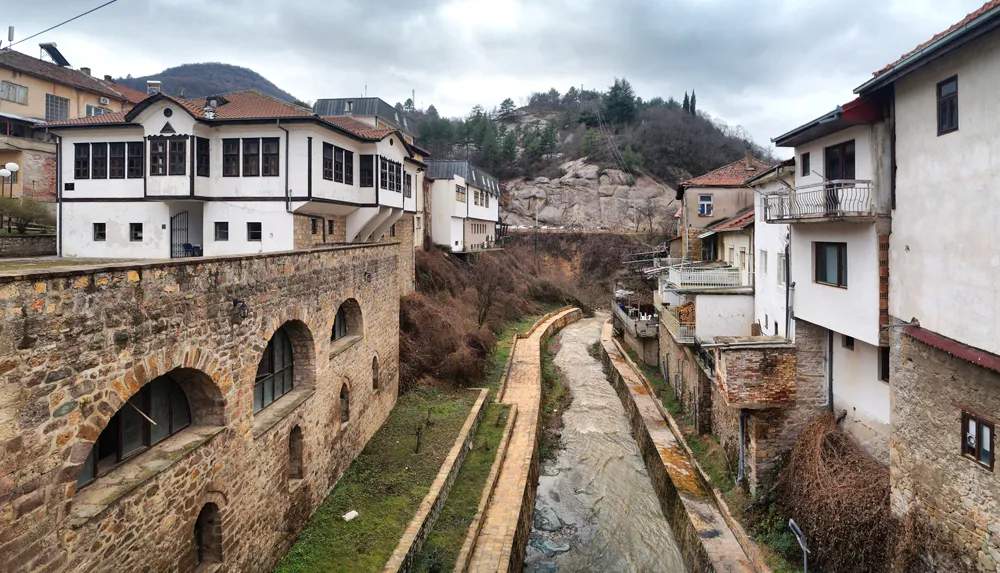
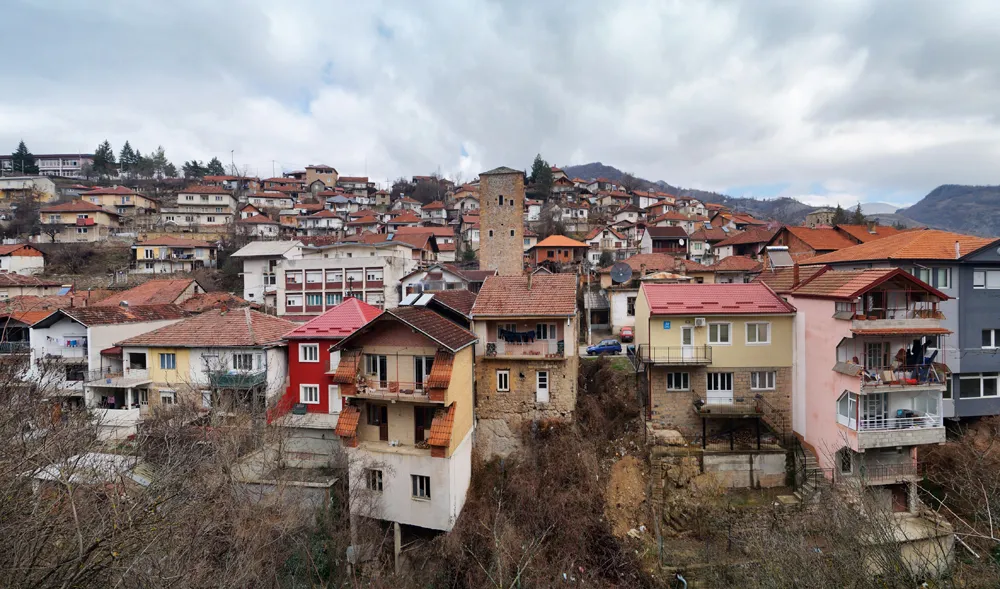
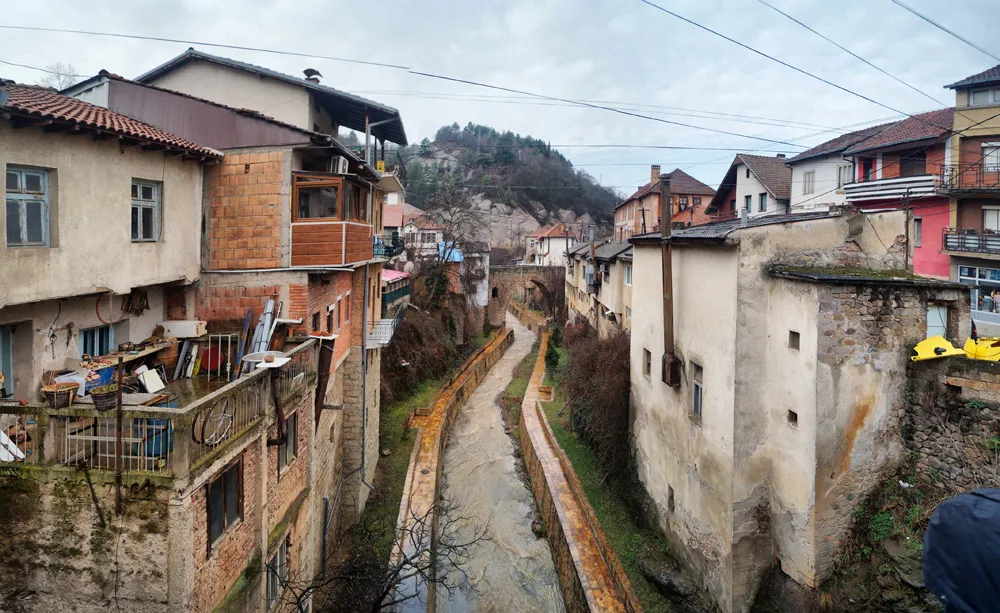
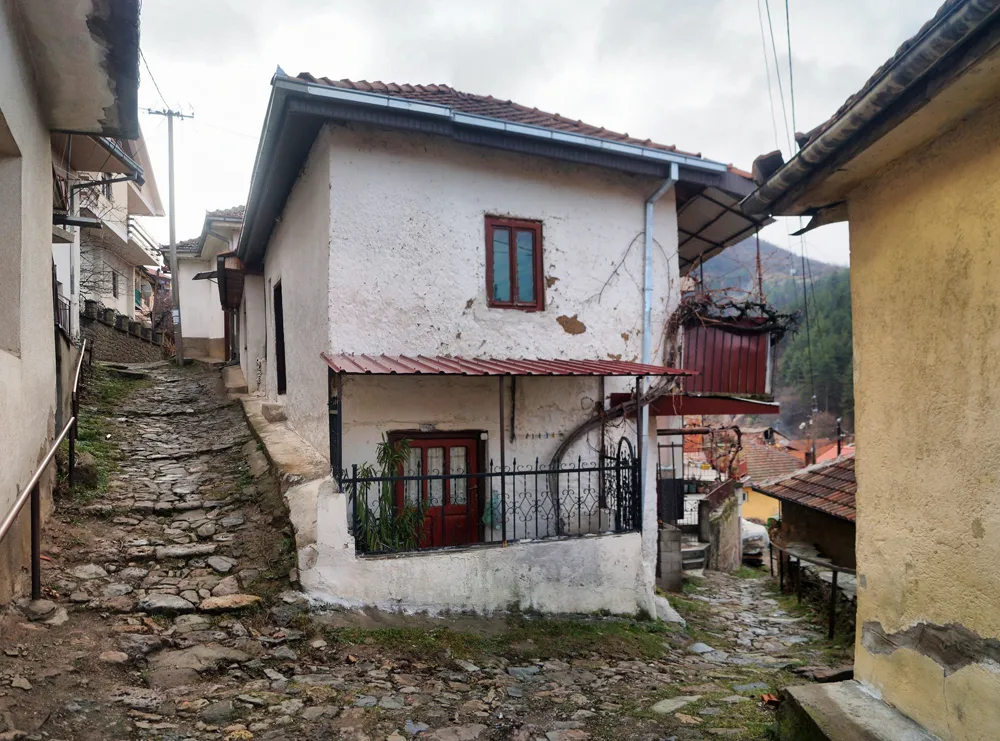
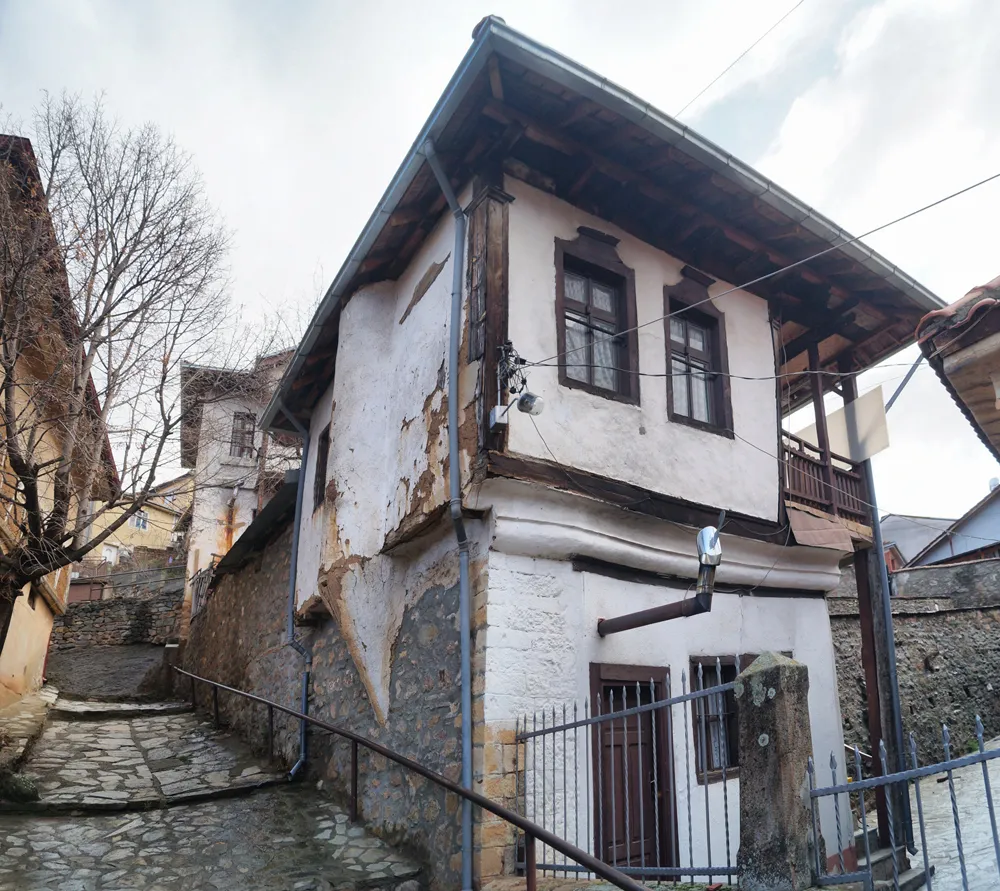
Present-day Kratovo is the two sides of a deep valley, densely built up with private houses, one- and two-storeyed, under red tile roofs. This development is hard to date by eye: some houses look quite modern, with concrete, brick and PVC windows, but there are quite a few old dwellings built of stone (foundations), wood and clay (Google often writes “mud”), which are classed as old Macedonian architecture. Of special value in these houses are the doors and the large balconies, which Macedonians call the highlight of their architecture. I have seen similar ones in Bulgaria and in Albania, and most of all in Turkey. In my opinion these are precisely echoes of Ottoman architecture: UNESCO has quite a few towns and villages with similar ones, such as Safranbolu, Cumalıkızık and Berat. But what is a genuine highlight of Kratovo is a bathhouse in every courtyard, as opposed to the public hammams in most regions of the Ottoman Empire.
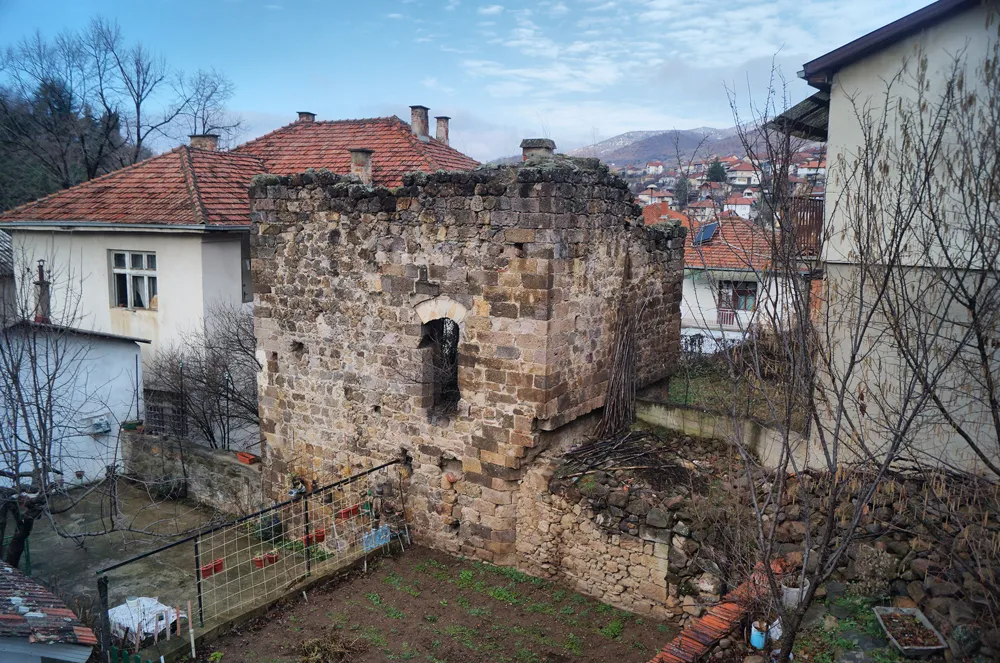
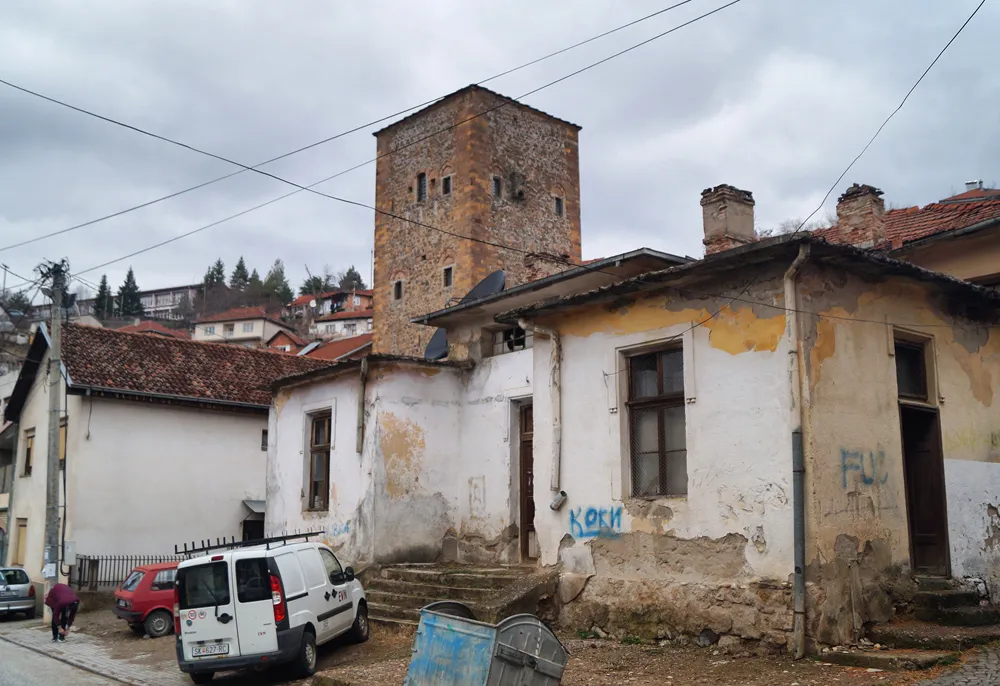
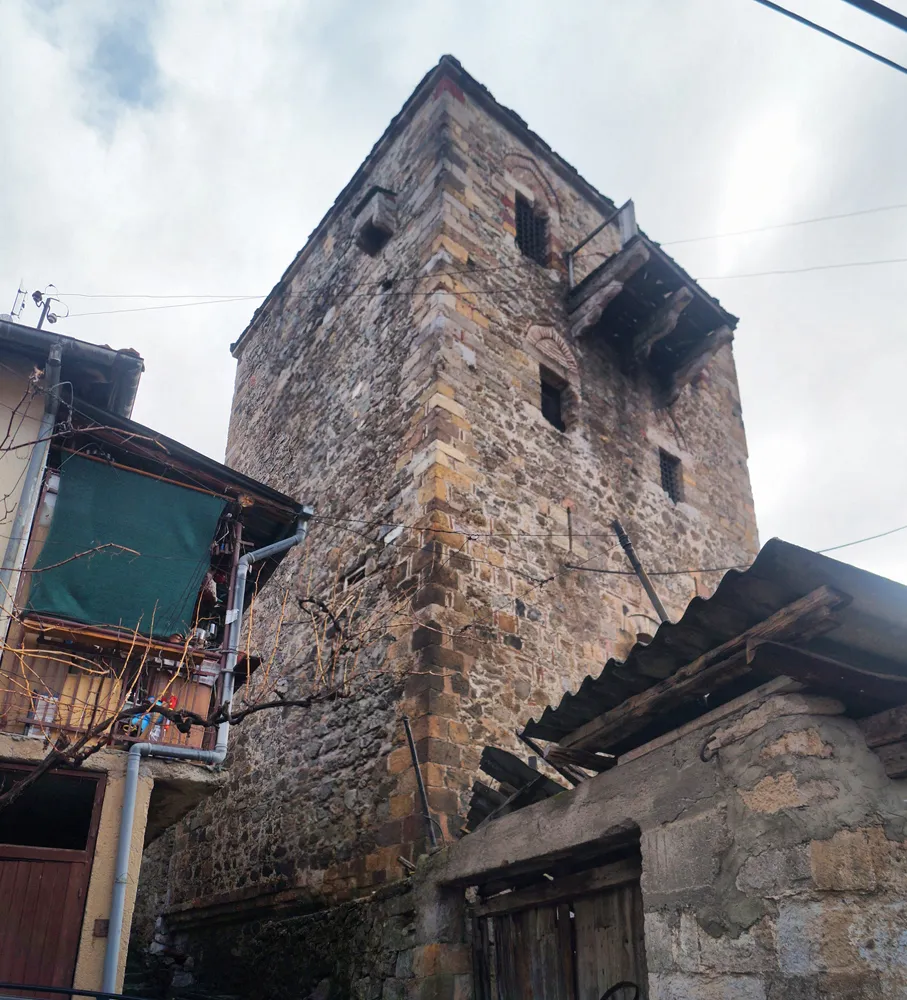
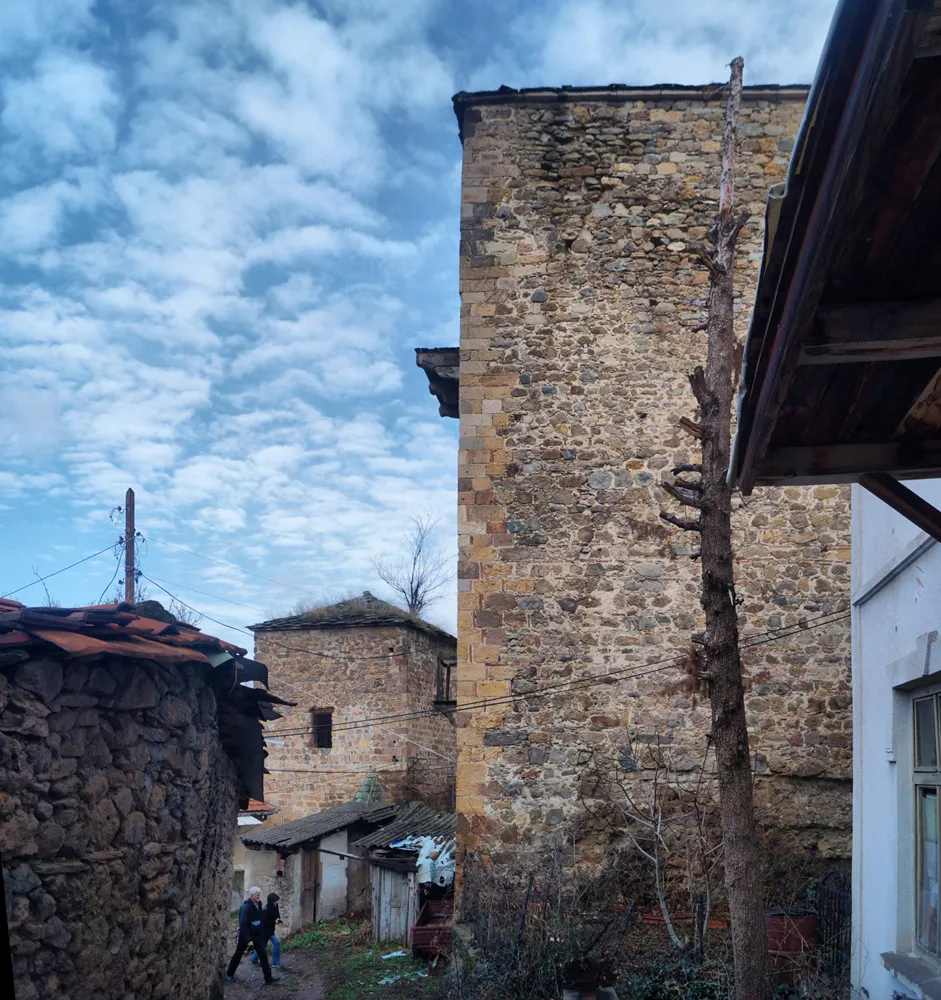
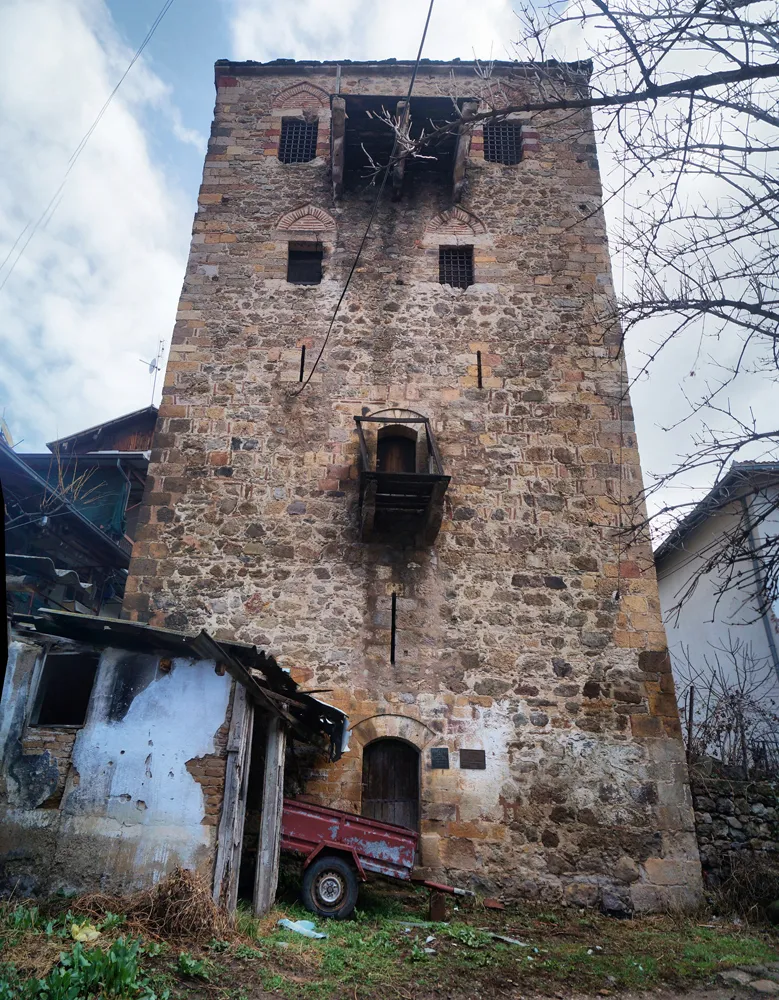
Amid the dense development of Kratovo, closer to the Manceva river, rises a row of defensive towers that can hardly be called modern. These are towers that local rich men built in the 14th century to protect their treasures. For a mountain town they look very picturesque, and I will say honestly that it was the towers that became the butterfly that tipped the scales: to go or not to go to Kratovo. I do not know whether these towers were ever connected to one another by walls, but some of them were certainly connected by underground passages, and supposedly still are. Each tower was once a separate feudal dwelling, a mini-castle, and it is hard to say now how many were built in all, since only six have survived.
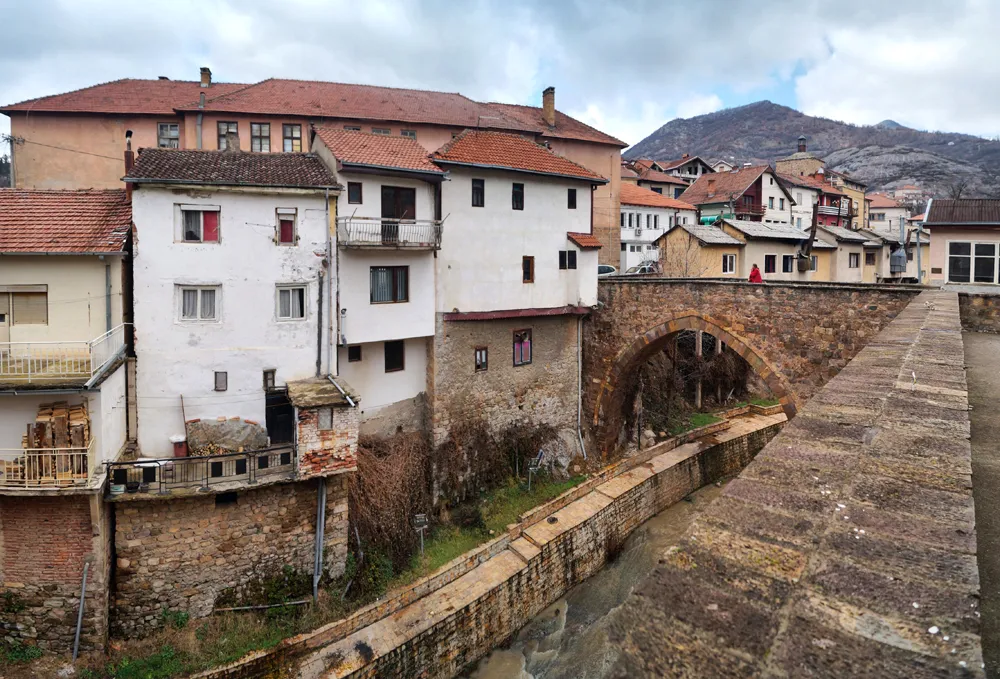
Another photogenic attraction of Kratovo is its bridges. The turbulent mountain river divided the town into two parts that had to be connected. Ottoman builders were masters of bridge-building, and they brought their technologies to the Macedonian lands; from those times four wonderful stone hydraulic structures have survived: the Radeva, Radina, Grofchanski and Bazaar bridges. The bridges look especially impressive against the backdrop of the buildings that cover the banks like a wall, forming a kind of anthropogenic canyon.
The most famous bridge of Kratovo is Radina; the height of its piers is 28 and 29 metres, almost like a nine-storey building. According to legend, it was built by nine mason brothers. What they built by day, the turbulent river destroyed by night, and the next day they had to build again. An evil fortune-teller told them that a young beautiful girl had to be walled into the foundation, and then the bridge would stand. The brothers seized the youngest brother’s bride, whose name was Rada, and walled her into the bridge alive. How dreadful; those were the times…
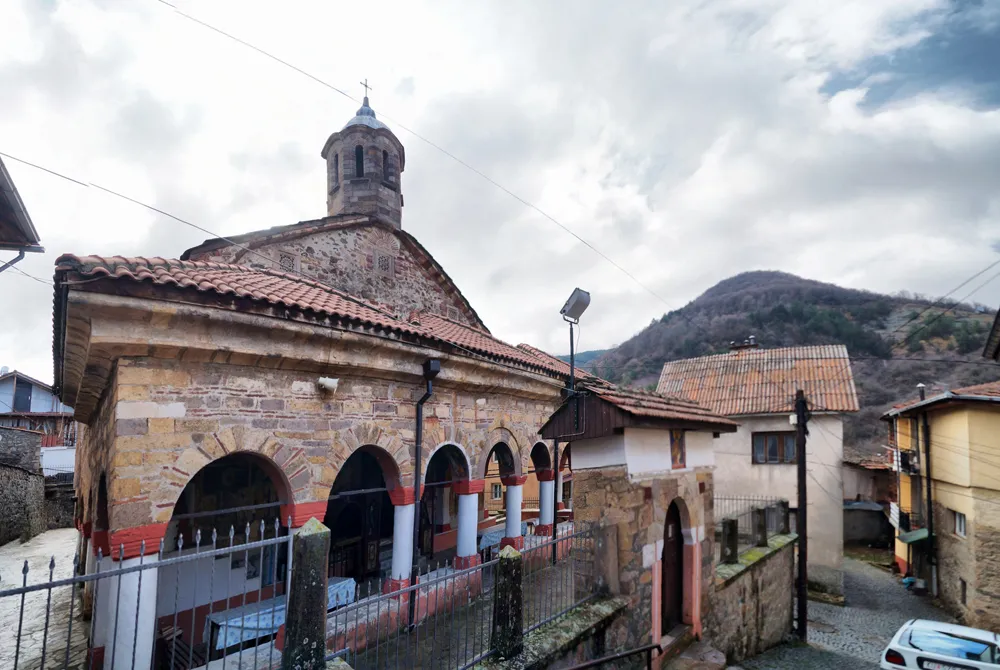
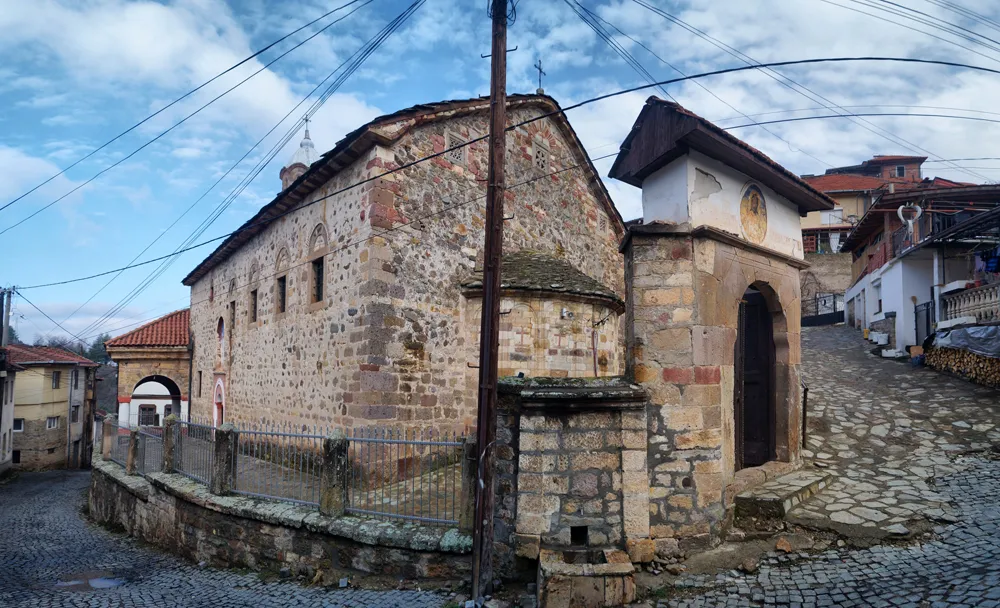
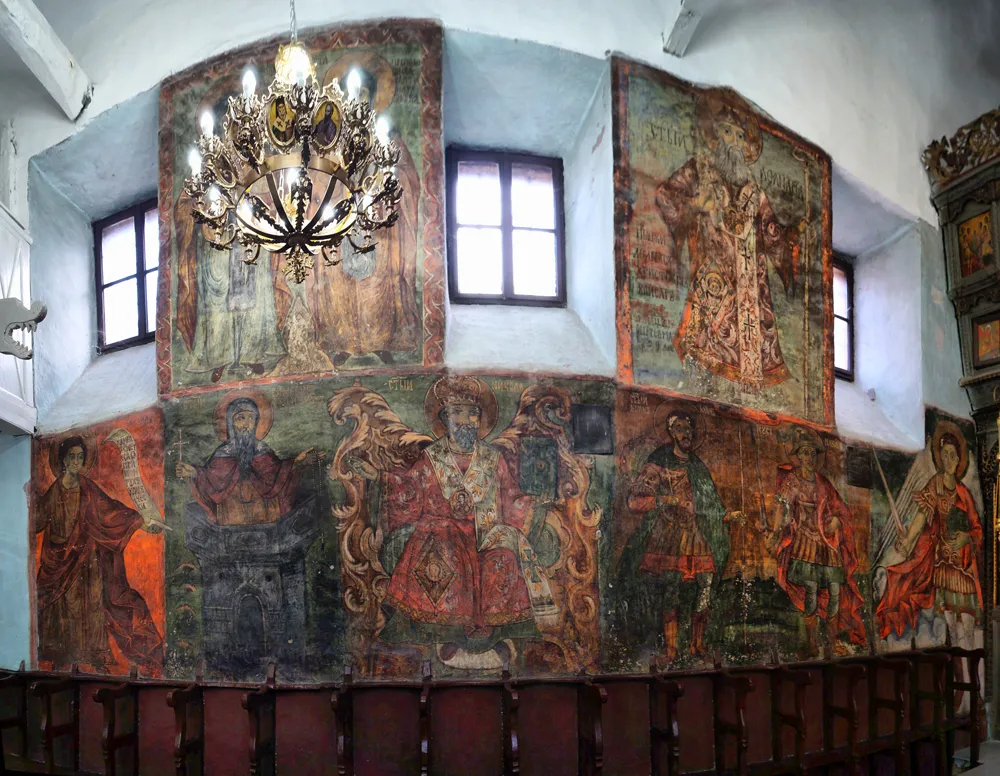
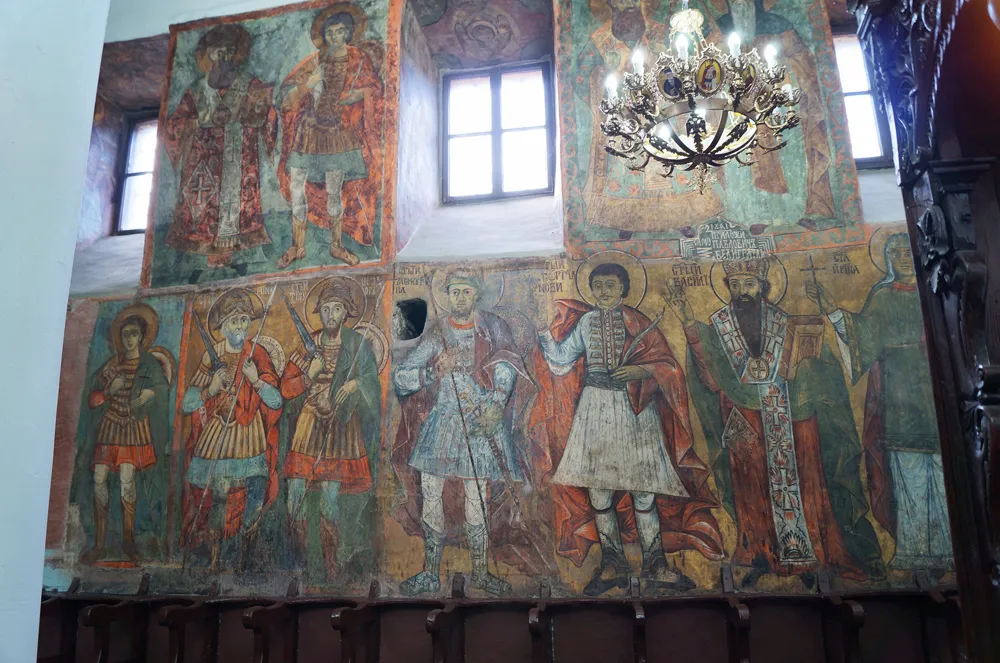
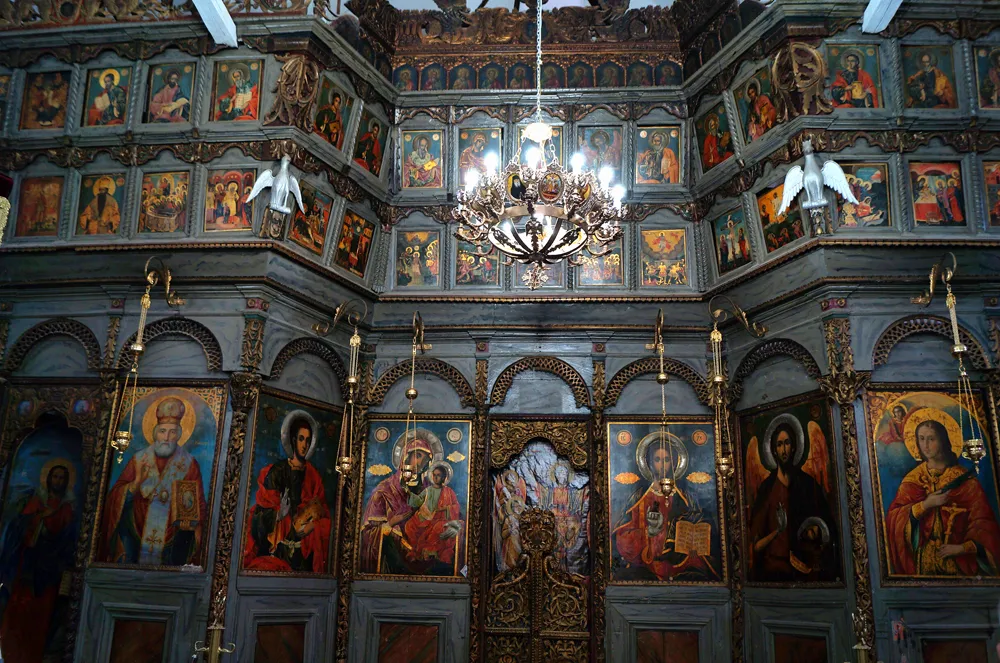
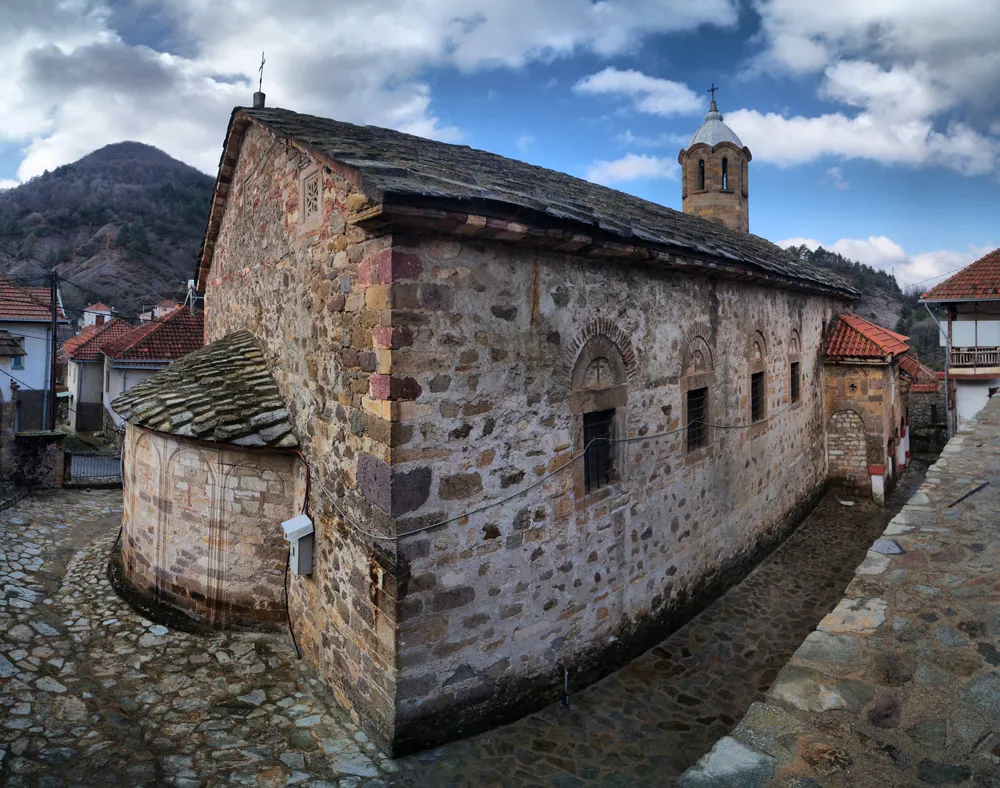
Kratovo has three Orthodox churches, of which the most interesting is St. John the Baptist’s, a stone church located on a hill on one of the far streets in the south of the town. It is not known when this church was built, but in 1689 it was burned and only the walls remained. It was restored in 1836. The bell tower was built at the same time. Wonderful murals have survived in the church; some well-known Macedonian icon-painting school created them.
The amazing town of Kratovo is perceived in different ways: it is not entirely ancient, as in Berat or Gjirokastër, but the flavour here is special, you want to come back, and that is something.
Text and photos by Roman Malenkov, for the book “10 Countries After Quarantine”.