Poland. Biała Podlaska

· 4 min read
Biała Podlaska Biała Podlaska is a town (70 thousand inhabitants) in the Lublin Voivodeship. They write that the origin of the name is Ukrainian, since this is Podlachia, or the Brest region, which has always been considered a Ukrainian ethnic region (now part of Belarus). The town was founded by Piotr Janowicz of the Illinicz family. His nickname was Biały (White), so the settlement was called Biała. The first written mention dates from 1345, and at the end of the 15th century Biała received Magdeburg law, although, as for the latter, it was supposedly abolished later and granted again only in 1670.
In the second half of the 16th century the town came under the rule of the Radziwiłłs and belonged to them until the family died out in 1813. For a long time it was called Biała Radziwiłłowska, and in the time of Russian rule in the 19th century the original name, Biała, was restored.
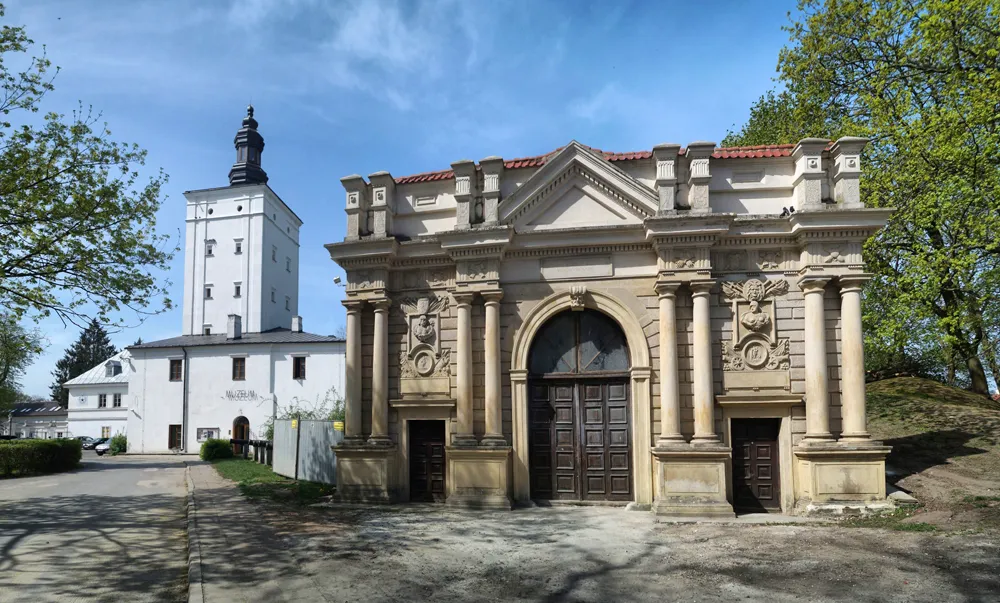
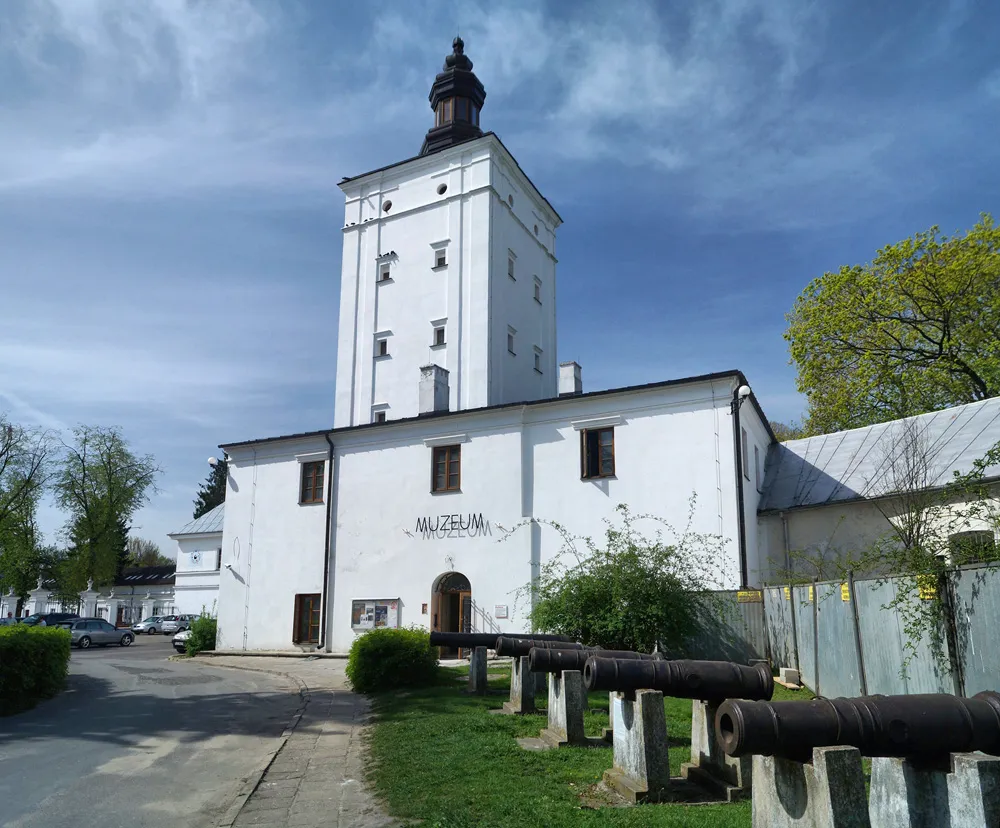
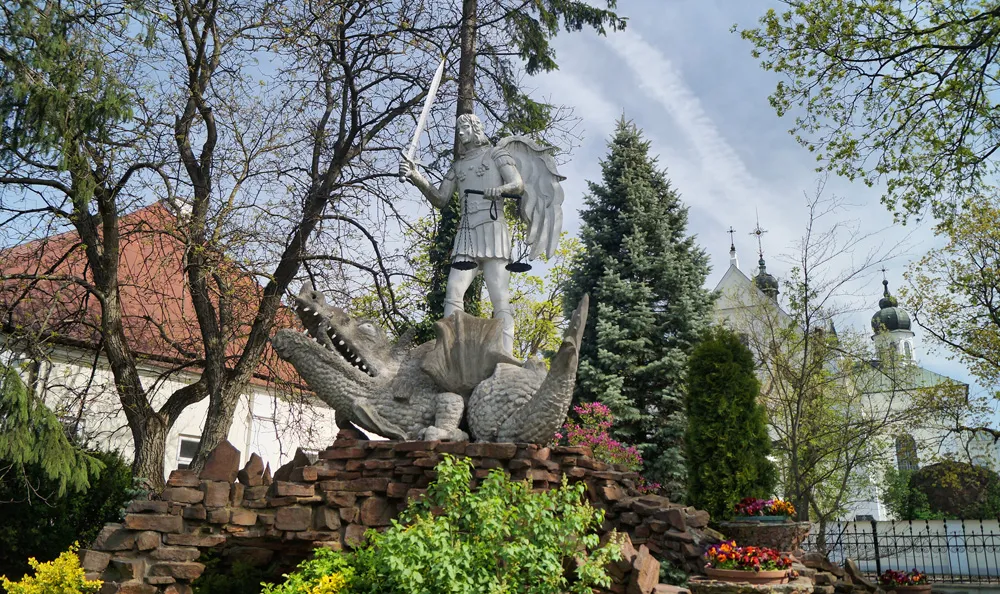
The town’s coat of arms shows the Archangel Michael slaying a dragon. In the centre stands a symbolic sculpture, although the dragon on it looks more like a large crocodile. This coat of arms was approved in the time of the Radziwiłłs, who in the 1620s began building a powerful castle in Biała. Part of this castle, together with a large palace and park complex, is now the main landmark of Biała Podlaska. Tourist magnets depict the entrance gate tower, built in 1720 by Anna Radziwiłł (née Sanguszko).
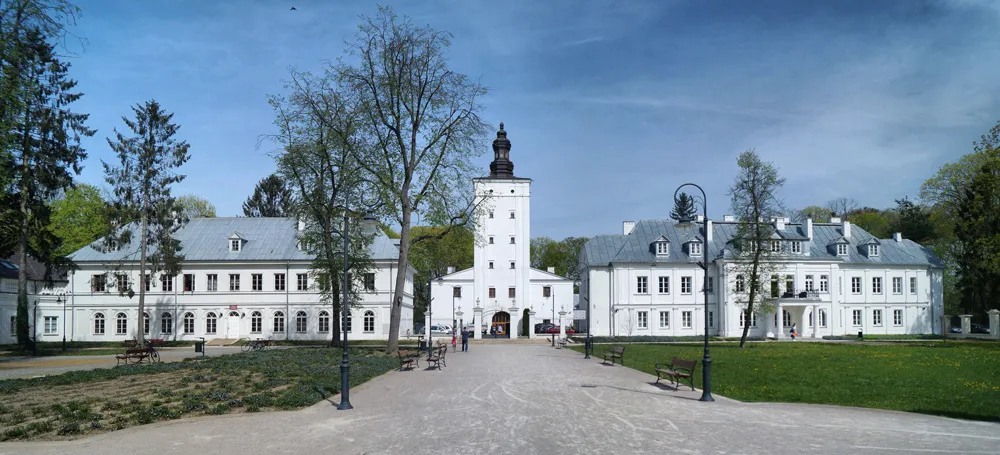
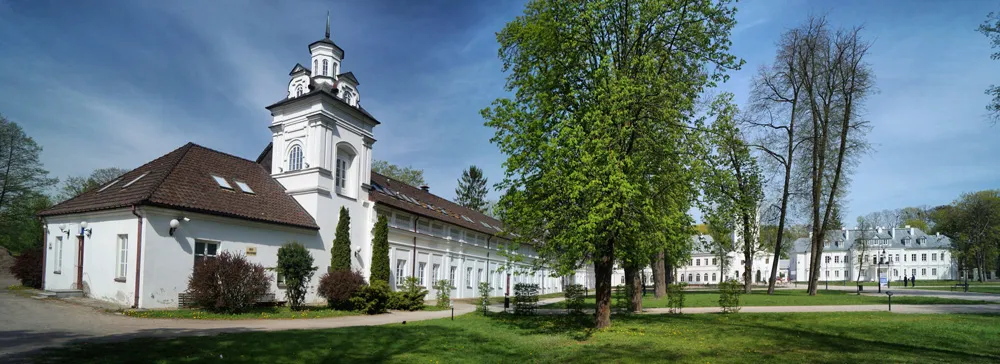
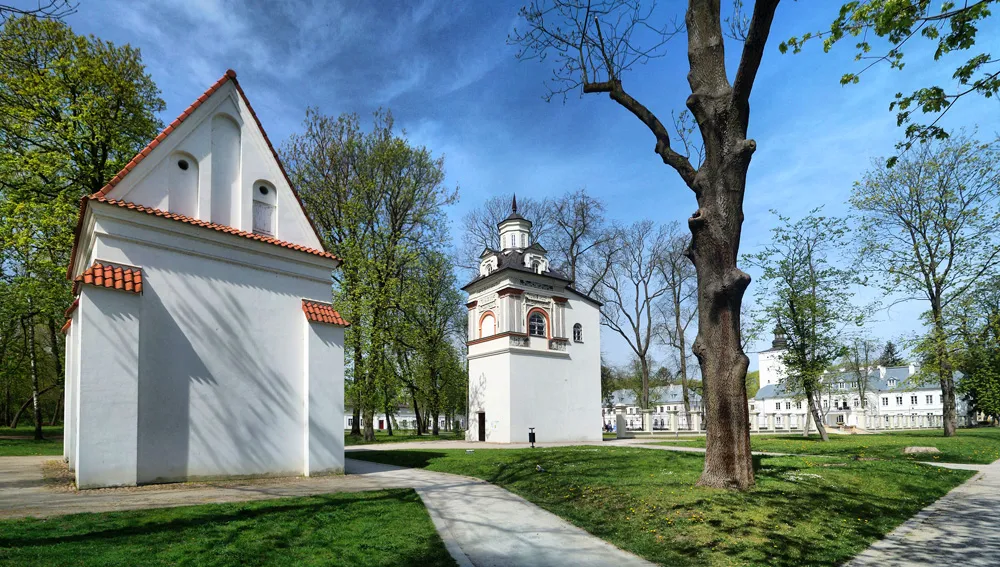
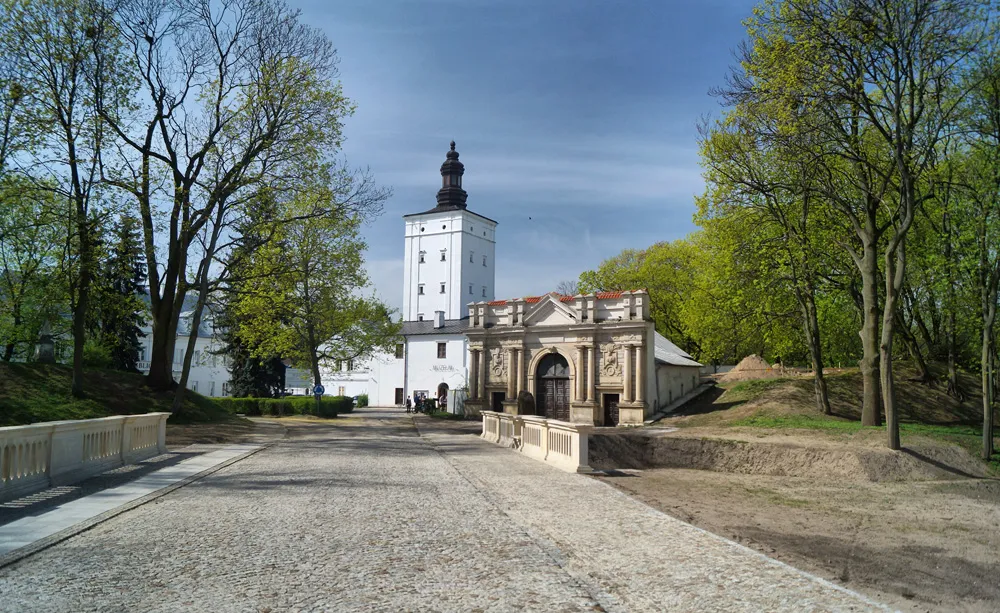
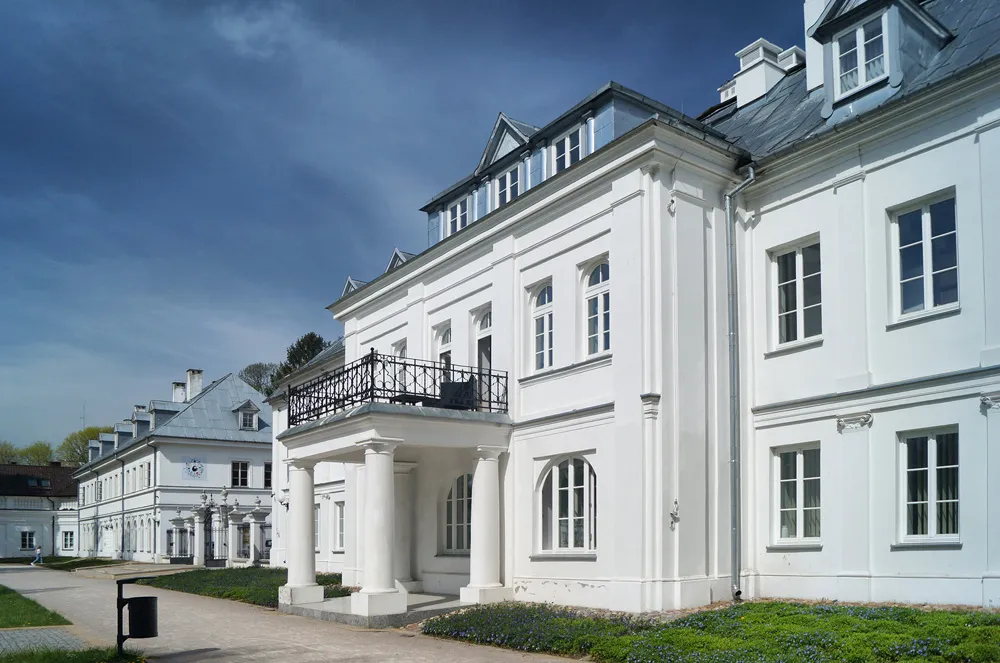
The Radziwiłł palace and park complex
The Radziwiłł palace and park complex consists of a large palace, several outbuildings that now serve various functions, two chapels, two gates and a gate tower. Parts of the castle ramparts have also survived.
The period when the town was owned by the Radziwiłł princes was the period of its heyday. All the town’s landmarks, and there are quite a few, were built under the Radziwiłłs. They even founded an academy in 1628, which was supposedly a branch of the Kraków Academy. Today the academy’s premises house a lyceum.
It should be noted that this princely Radziwiłł family was distinguished by religious tolerance. The princes themselves were Orthodox, Catholic, Uniate and even Arian (Socinian), and accordingly their sacred heritage is diverse. The most beautiful church of the town, a Baroque masterpiece, is the Church of the Nativity of the Mother of God, built in 1747-1759 as the Church of St. Barbara at the Greek Catholic Basilian monastery. From 1765 it was a place of significant pilgrimage for the Greek Catholics of Podlachia, because the relics of St. Josaphat Kuntsevych were kept here, brought from Polotsk, which was occupied by the Russians. When Russia reached Biała too, the relics were ordered to be buried in the church’s crypts, and the entrance was walled up. The Russians turned the church into an Orthodox one and even put their onion domes on it.
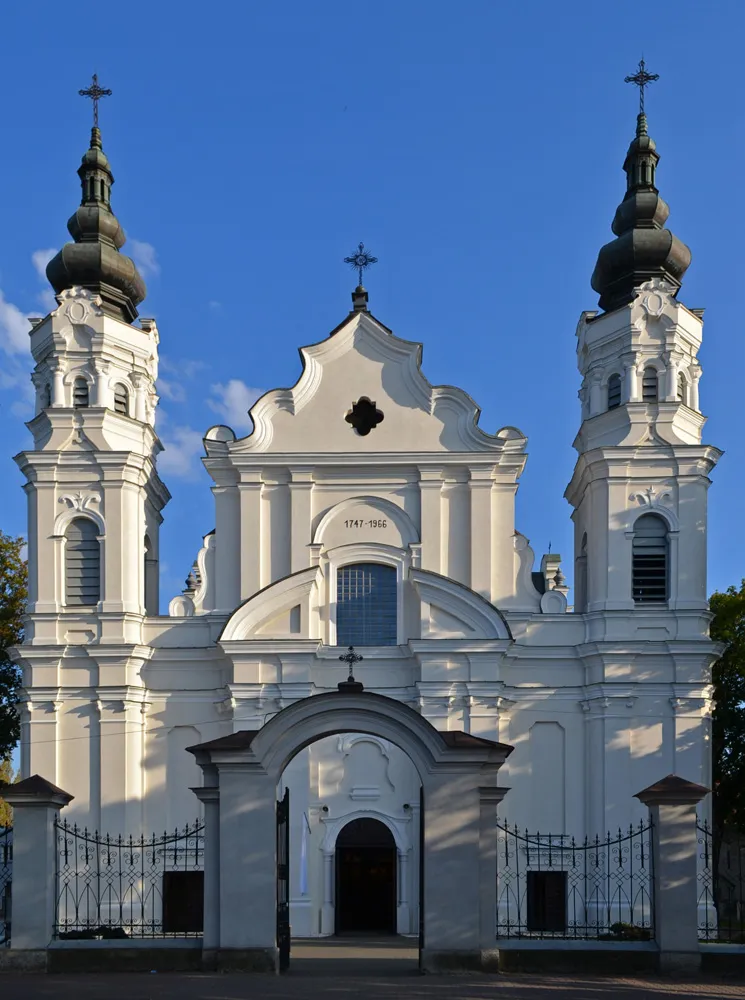
Church of the Nativity of the Mother of God. We use a photo from Wikipedia (from here), because our own photos were lost
In 1916 Biała was seized by German troops. The Church of St. Barbara was turned into a garrison Evangelical church. At the request of Austro-Hungarian soldiers the crypts of the church were dug up and the relics of St. Josaphat were found. They were taken to Vienna and then to Rome, to St. Peter’s Basilica.
In 1919 the Church of St. Barbara was handed over to the Roman Catholics and re-consecrated in honour of the Nativity of the Mother of God.
The oldest church in Biała Podlaska is the Roman Catholic church of St. Anne. It was built in 1579 in the Gothic style and later acquired Baroque features.
Beginning in the 18th century the Radziwiłłs did a lot of business with Jewish merchants, and the Jewish community in Biała grew. In the 19th century more than half of the town’s population were Jews. There were several synagogues here, which have not survived to our time. During the Second World War almost the entire Jewish population of Biała was destroyed.
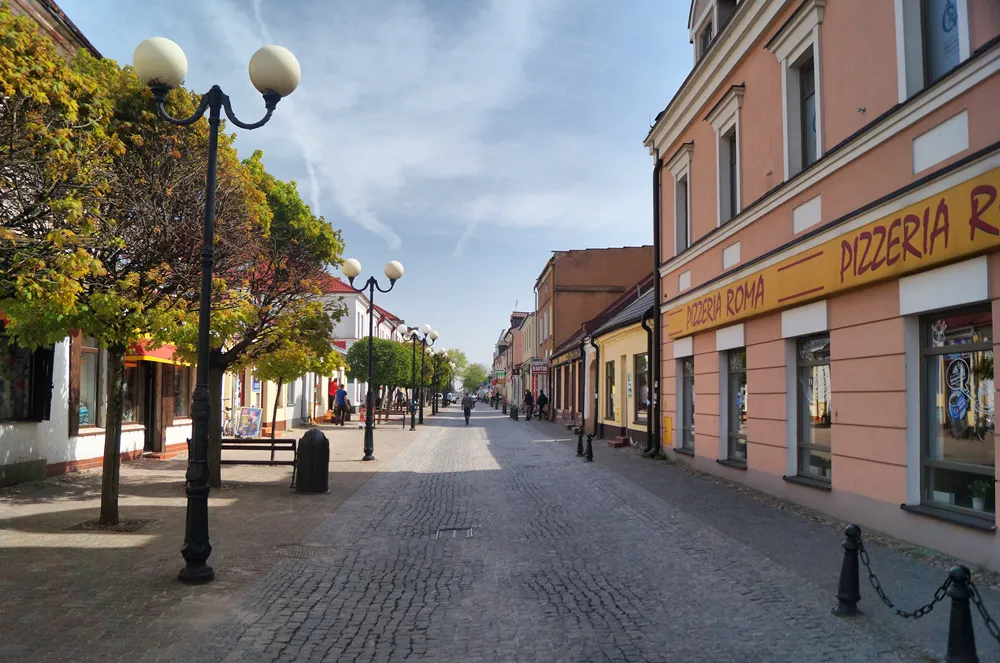
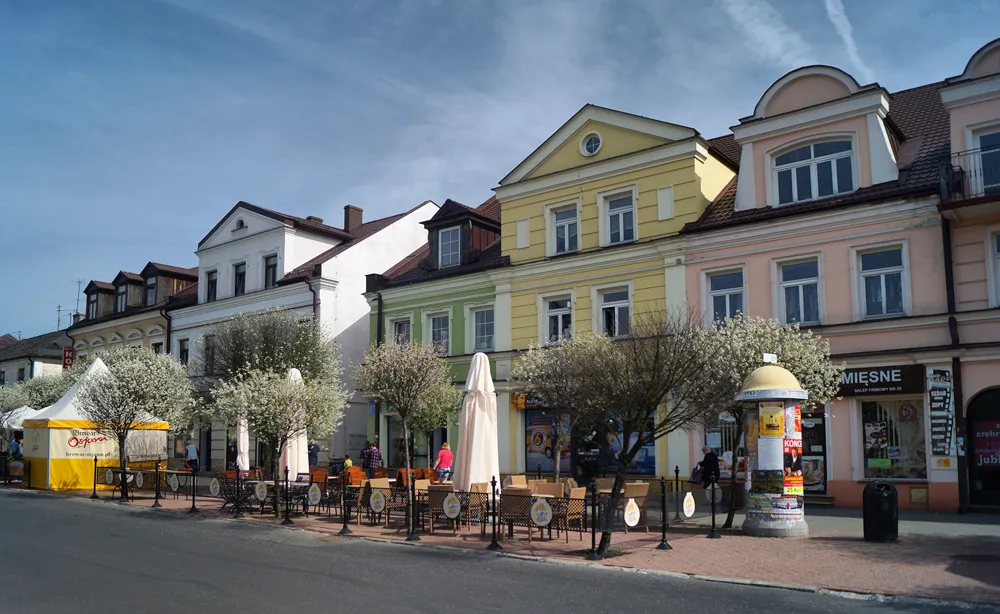
The old part of Biała Podlaska underwent strong Russian influence in the 19th century, so you cannot say that it is wow, how beautiful. But it is quite cosy and well kept, and has a significant complex of eclectic residential buildings, so it is worth visiting. Besides the churches mentioned above, the town also has an Orthodox church and several more interesting Catholic churches. There are an Orthodox and a Jewish cemetery. It should be mentioned that the Ukrainian population of Biała was deported during Operation Vistula, so today the absolute majority are Poles.
Text and photos by Roman Malenkov.
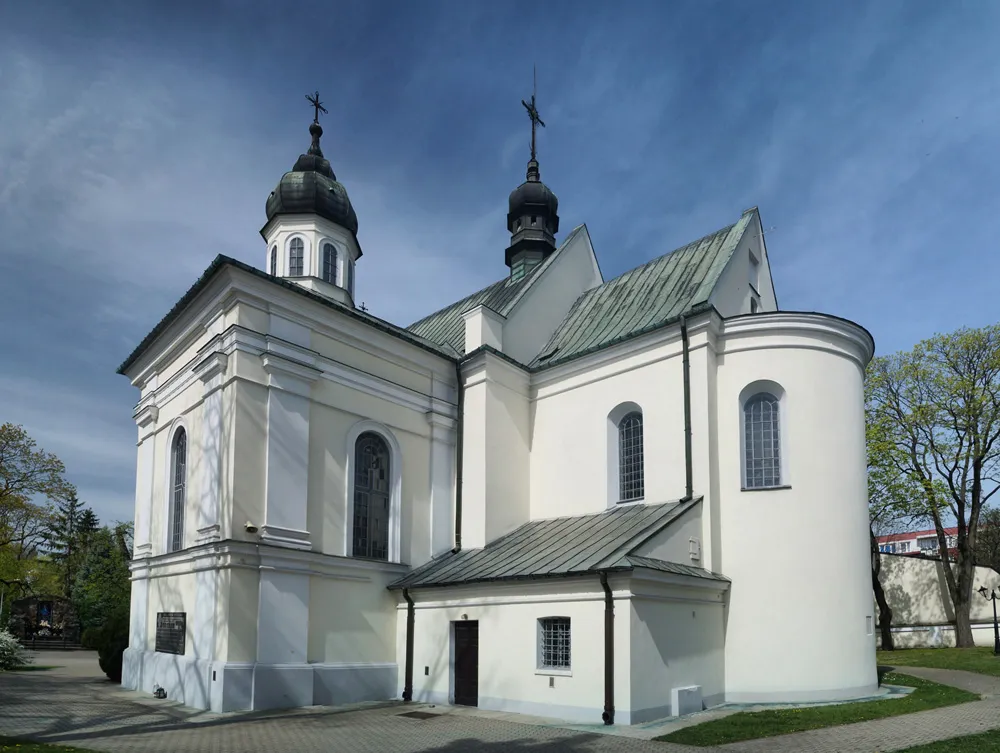
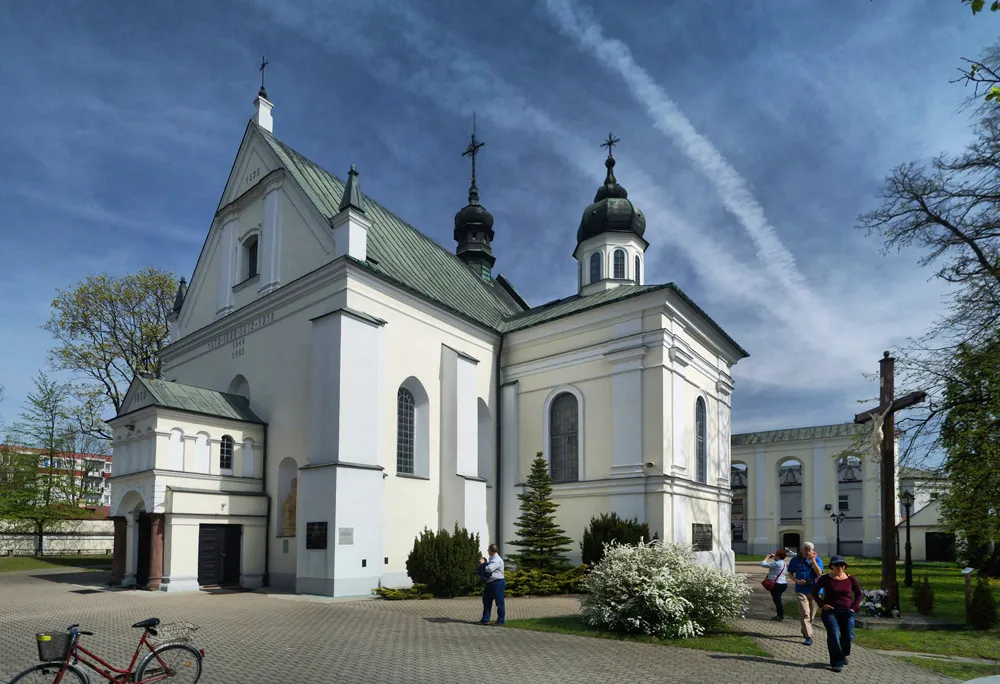
Church of St. Anne