Poland. Tczew

· 1 min read
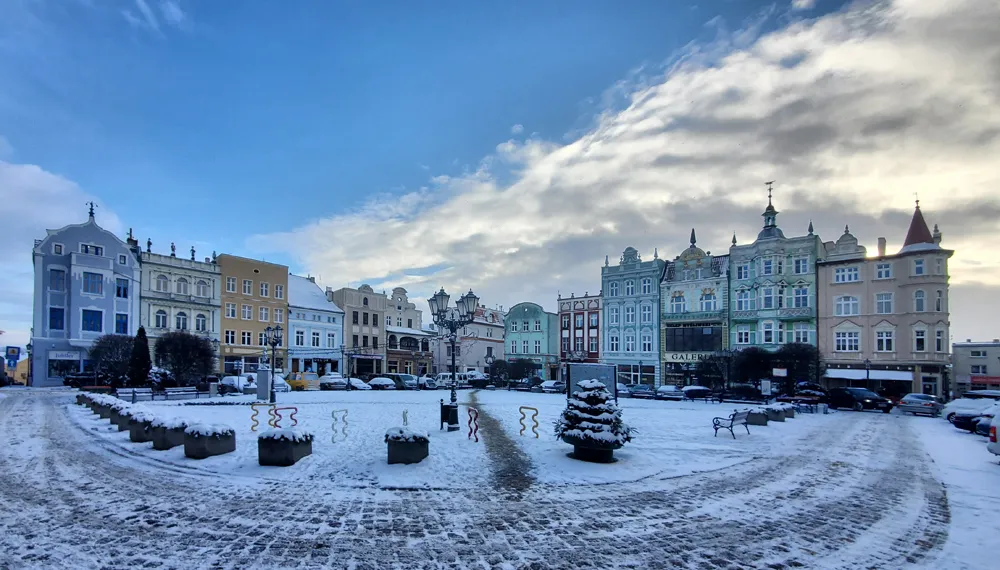
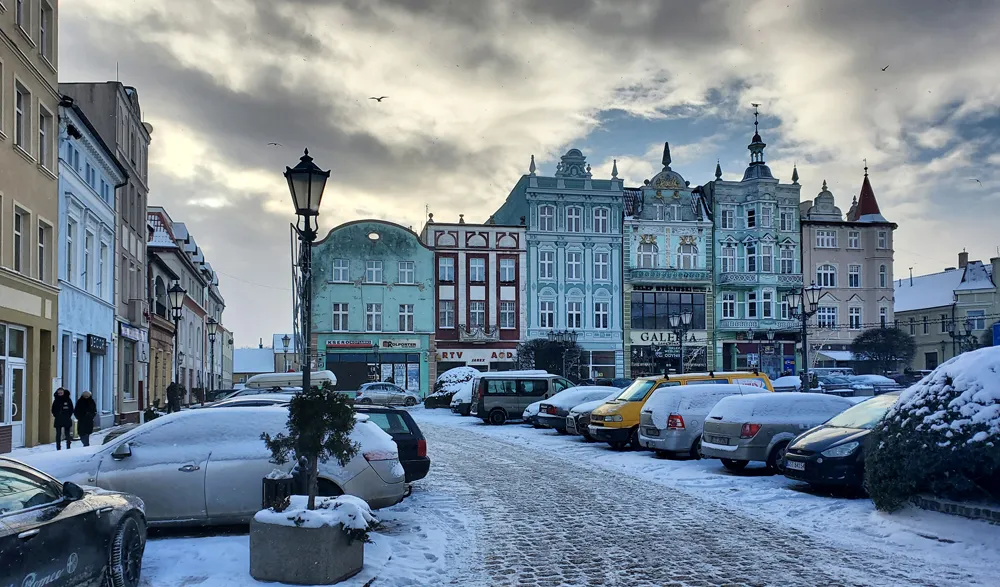
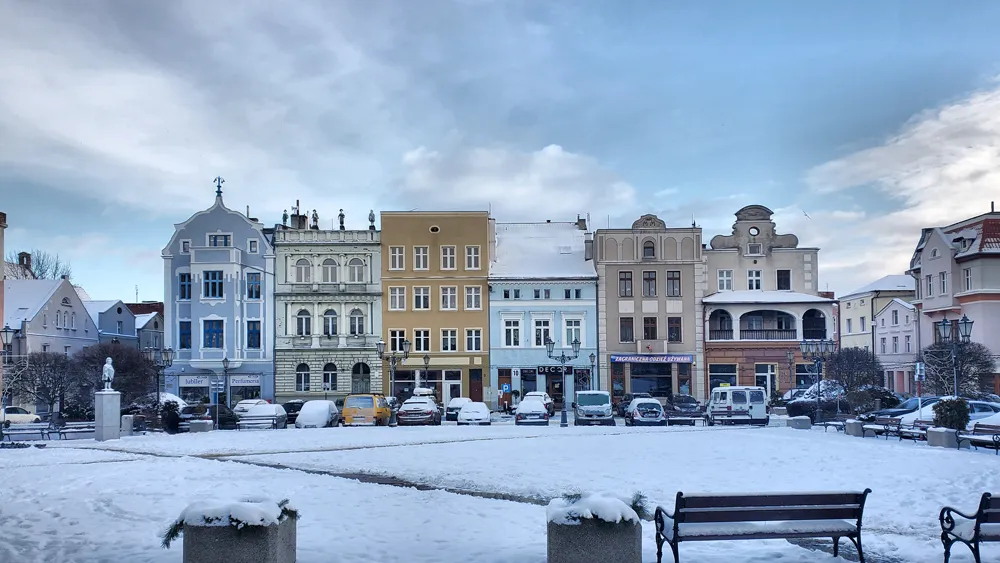
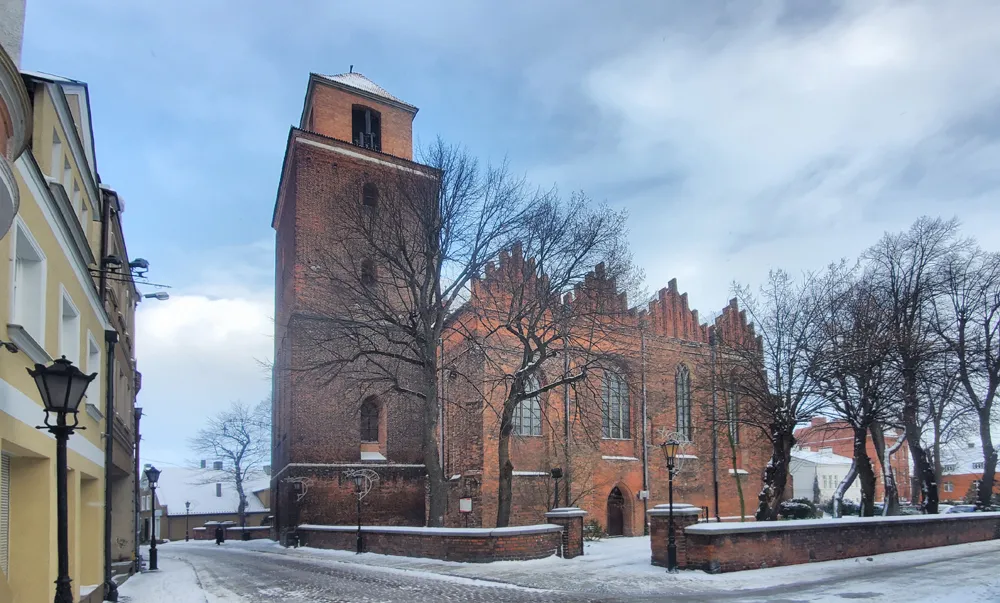
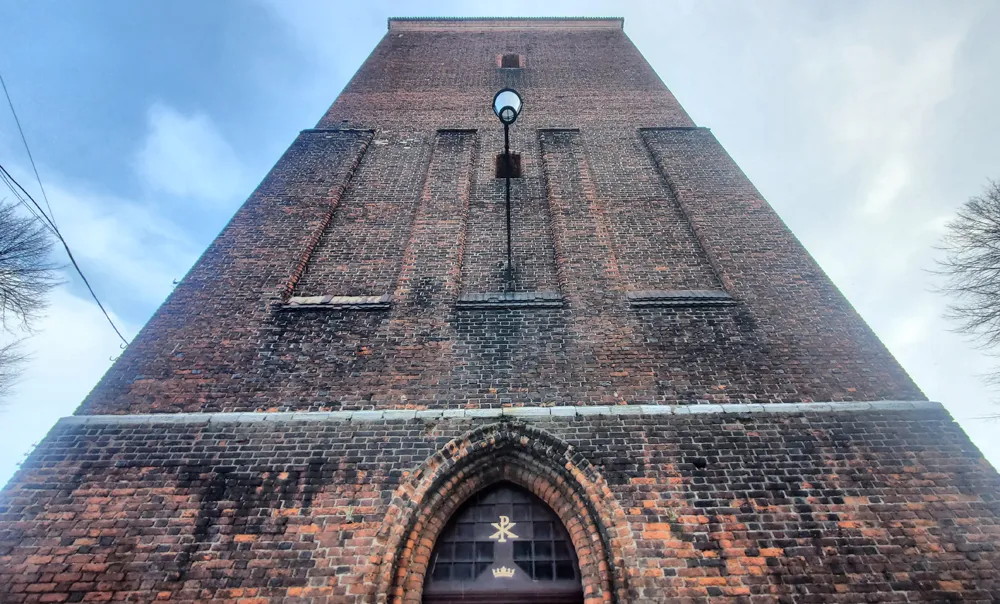
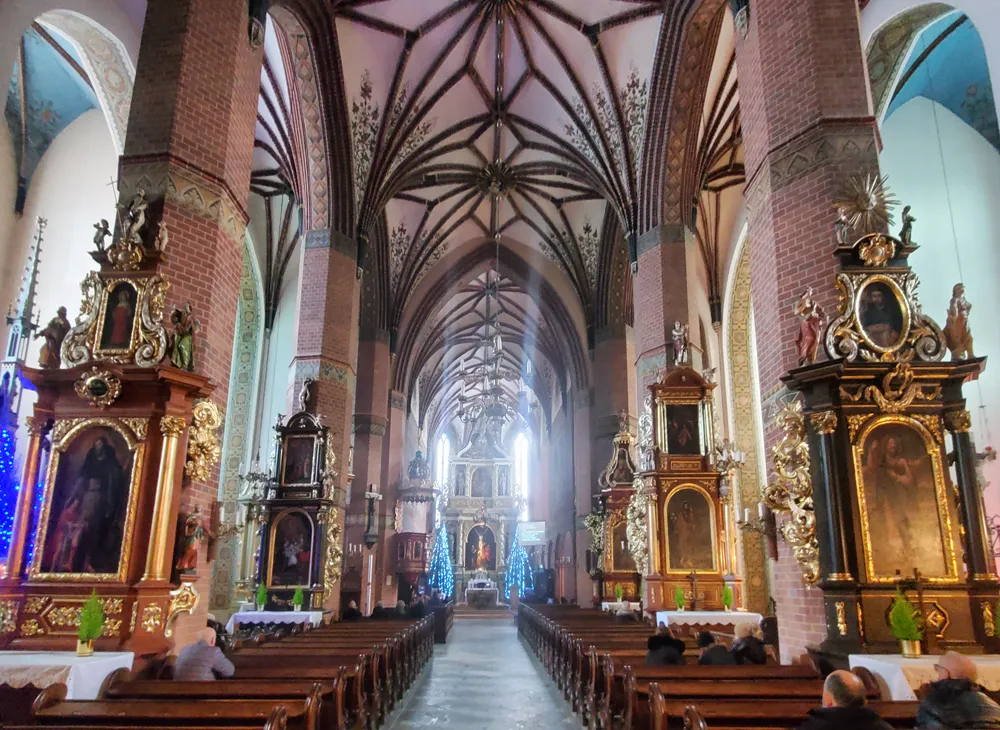
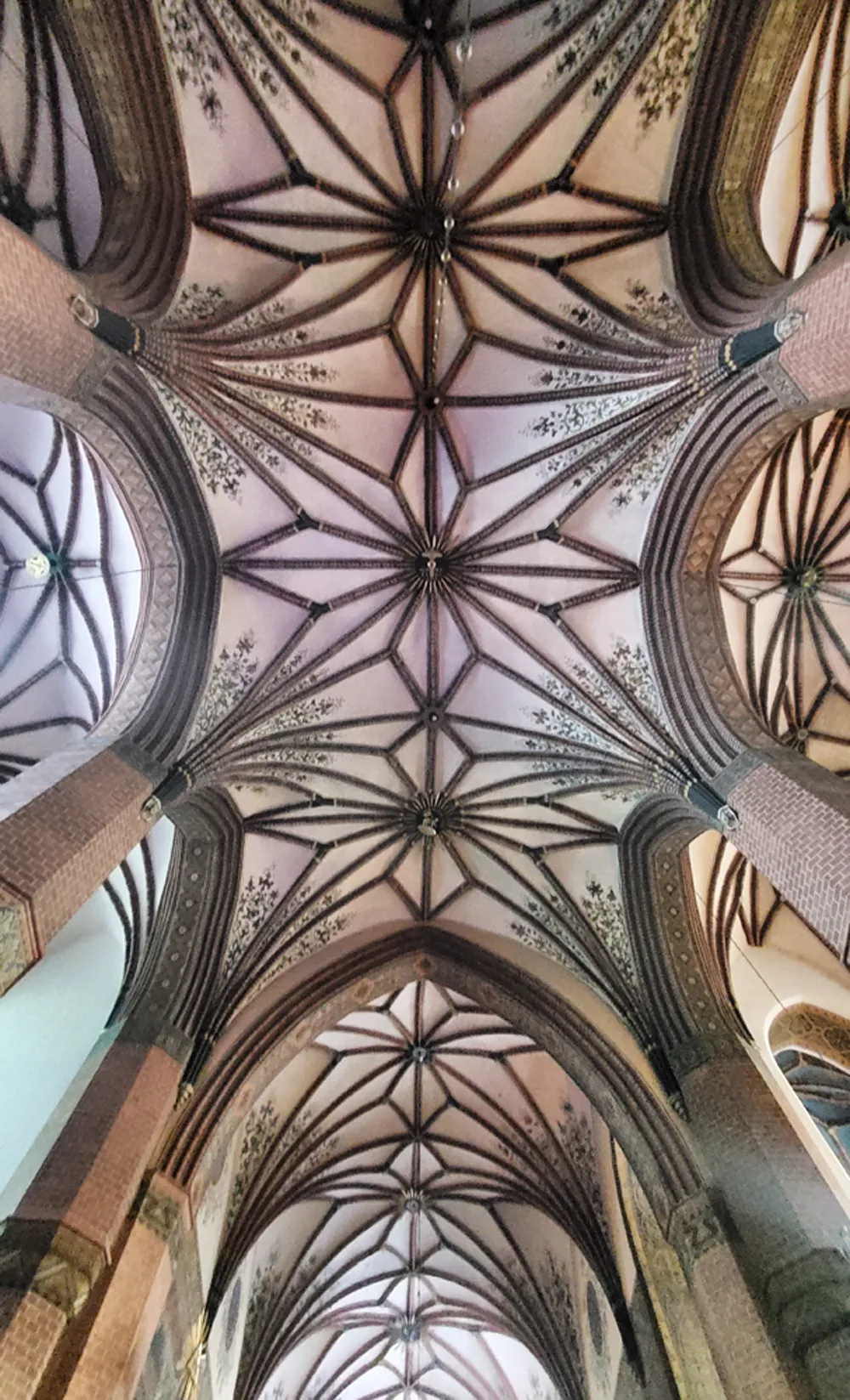
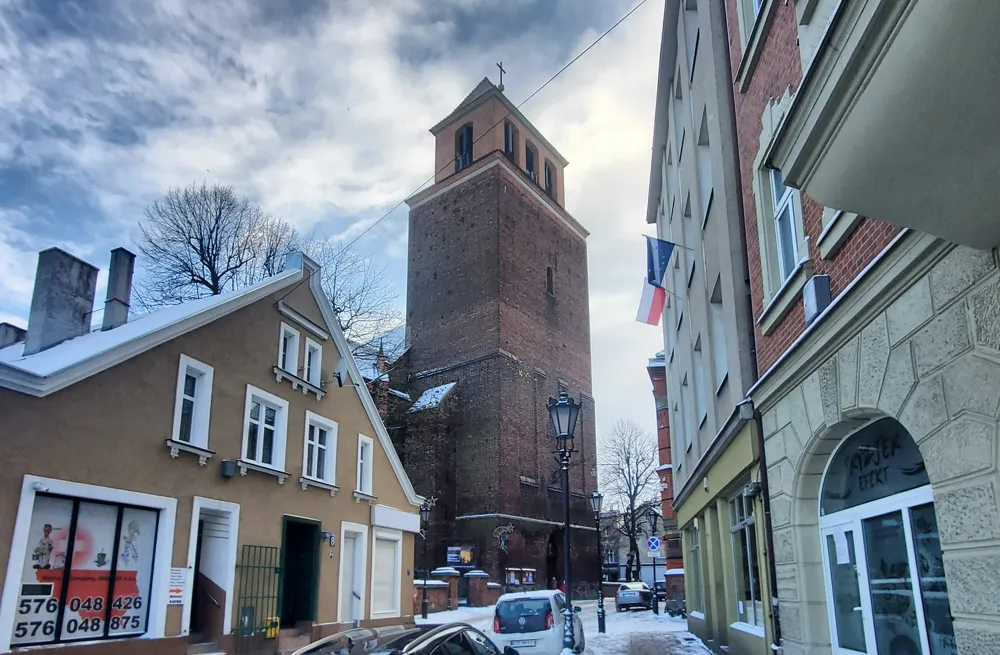
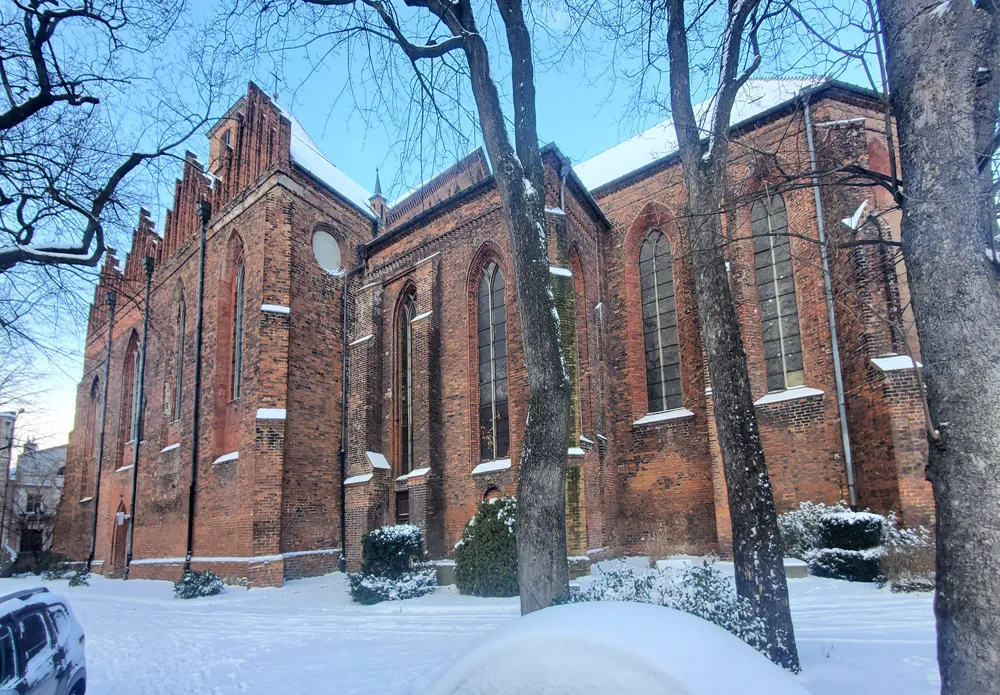
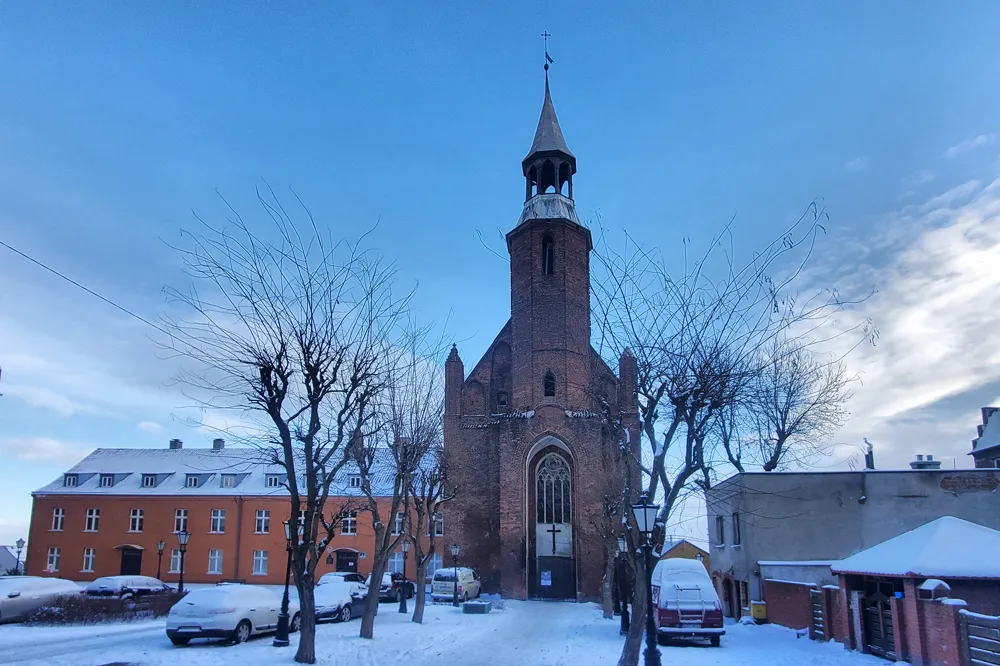
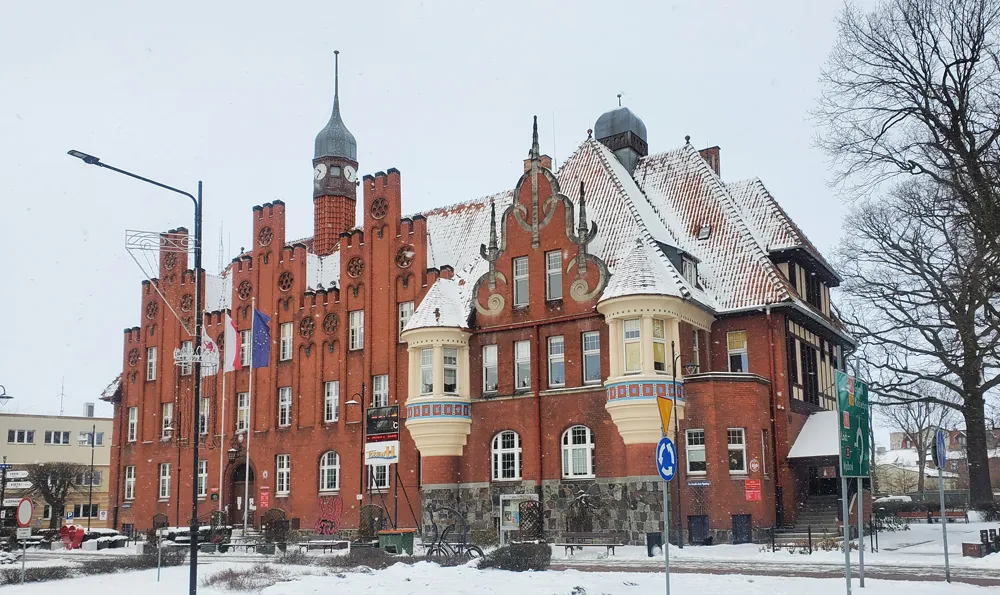
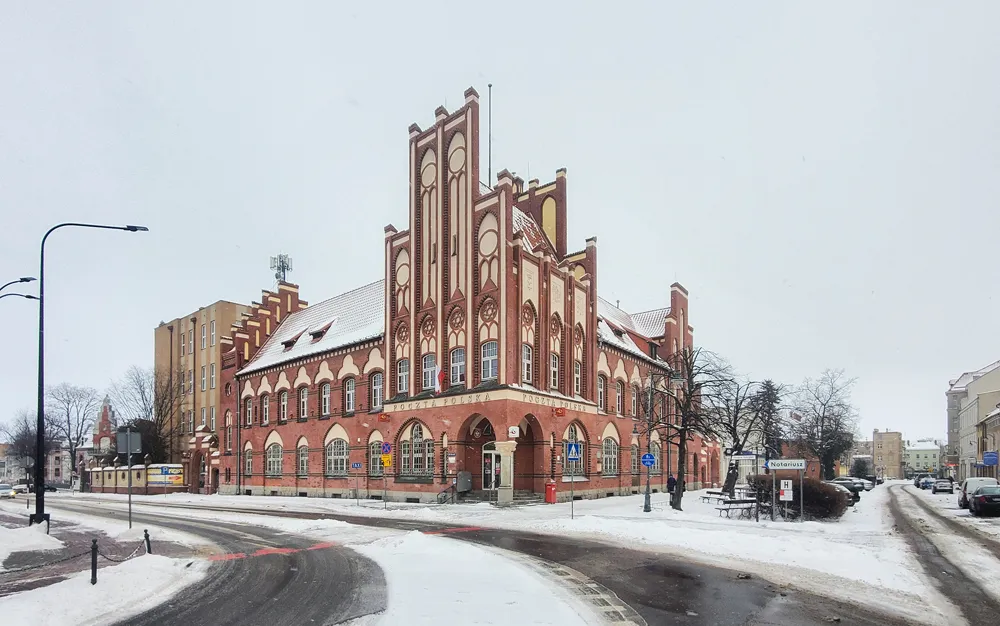
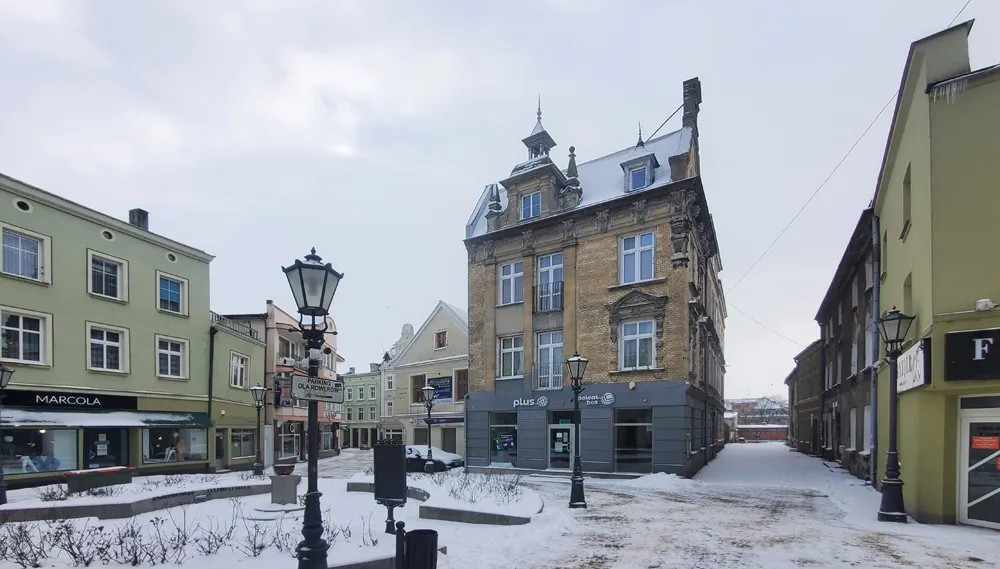
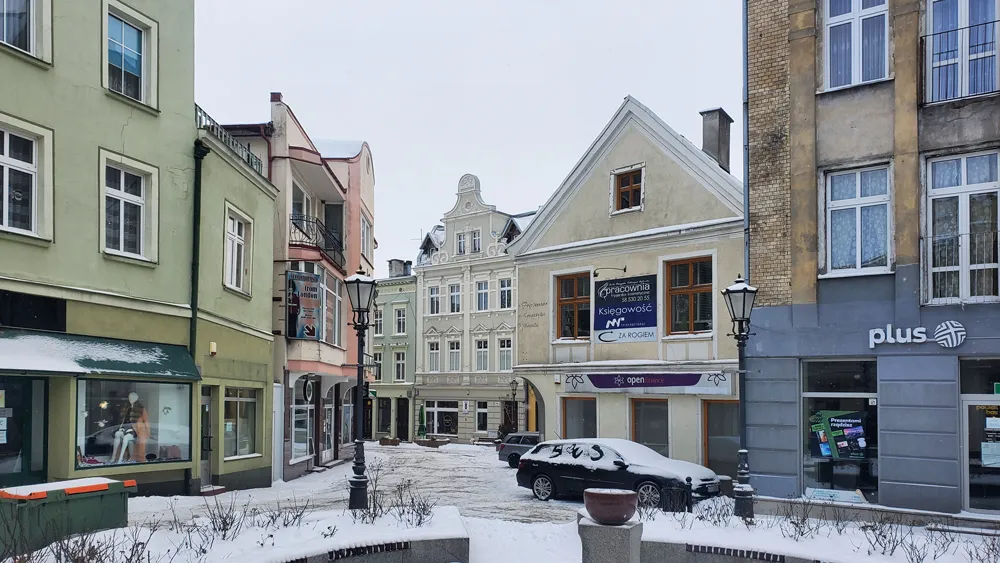
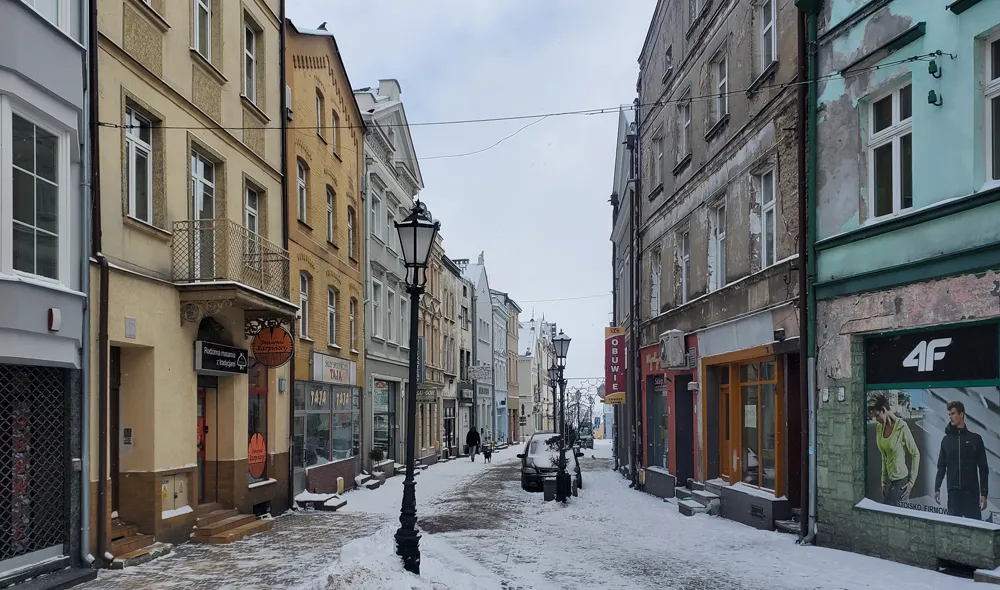
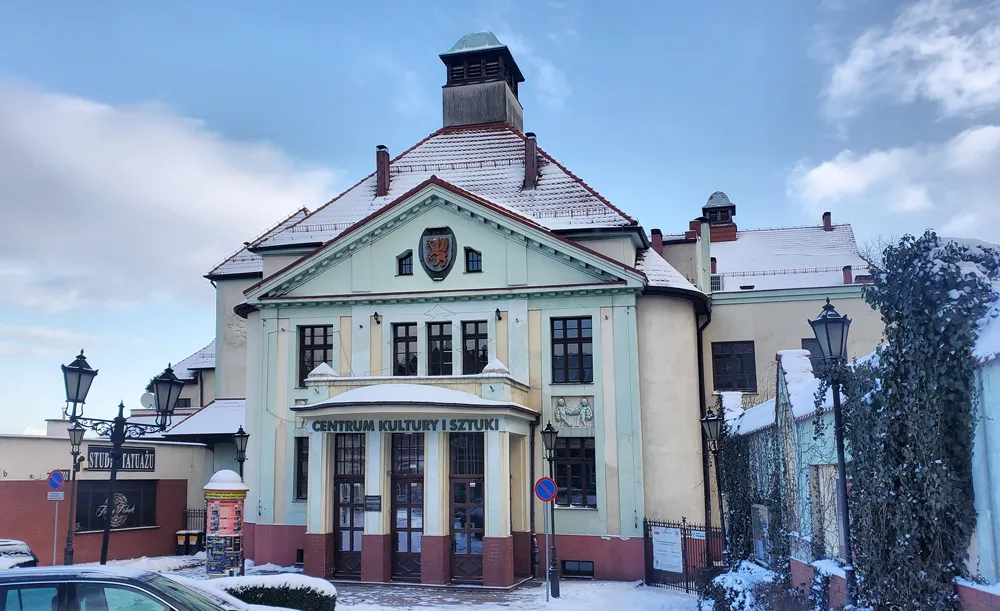
Tczew is not a tourist hub: its old town can be seen in about forty minutes, but there is plenty to look at, including two Gothic churches of the 14th–15th centuries, a splendid Neo-Gothic town hall, a Neo-Gothic post office, remains of the town walls and old residential buildings from the Prussian period.
Today Tczew has about 60,000 inhabitants. The first mention of the town dates to 1252, when the settlement was called Derszewo. The German name Dirschau, by which the town was known until 1945, derives from it.
In 1258 the first town council in Poland was established in Tczew – the town then belonged to the Polish princes. In 1308 it was seized by the Teutonic Knights, who ruled here until 1466. Then the town returned to Poland, and only in 1772 did Prussia take control here again, until 1920.
Tczew lies on the bank of the Vistula, and this great river shaped its history, above all the development of trade thanks to river transport and the port.
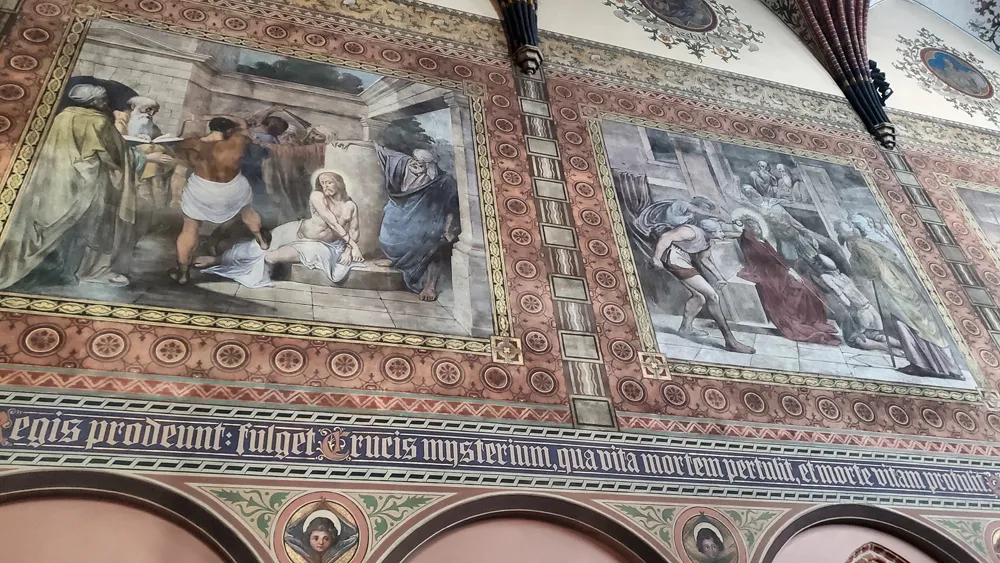
The oldest building in the town is the Church of the Exaltation of the Holy Cross, built in the 13th century. Not far from it is a church of the 14th century.
Text and photos by Roman Malenkov.