Romania. Rădăuți. The first royal necropolis

· 3 min read
In Ukrainian this town is called Radivtsi, and in Romanian Rădăuți. Why is there a separate Ukrainian name? Because Rusyn-Ukrainians have always made up a considerable part of the population here, and the settlement was founded by a certain Rusyn named Radomyr, from whom the name Radivtsi came, which Moldavians and Wallachians later twisted in their own way.
The first written mention of the settlement dates from 1393. Under Alexander I the Good, Prince of Moldavia, from 1401 Rădăuți was the centre of an Orthodox diocese in which Church Slavonic was the liturgical and business language until 1782. They say it differed from the Old Bulgarian used by Moscow priests and was more similar to Ukrainian.
In 1514 Rădăuți, together with the whole of Moldavia, within which the town had been since its foundation, fell into vassal dependence on the Ottoman Empire. The capital of Moldavia was then moved from Suceava to Iași, and the introduction of Church Romanian began, which was completed after Bukovina was annexed to Austria-Hungary.
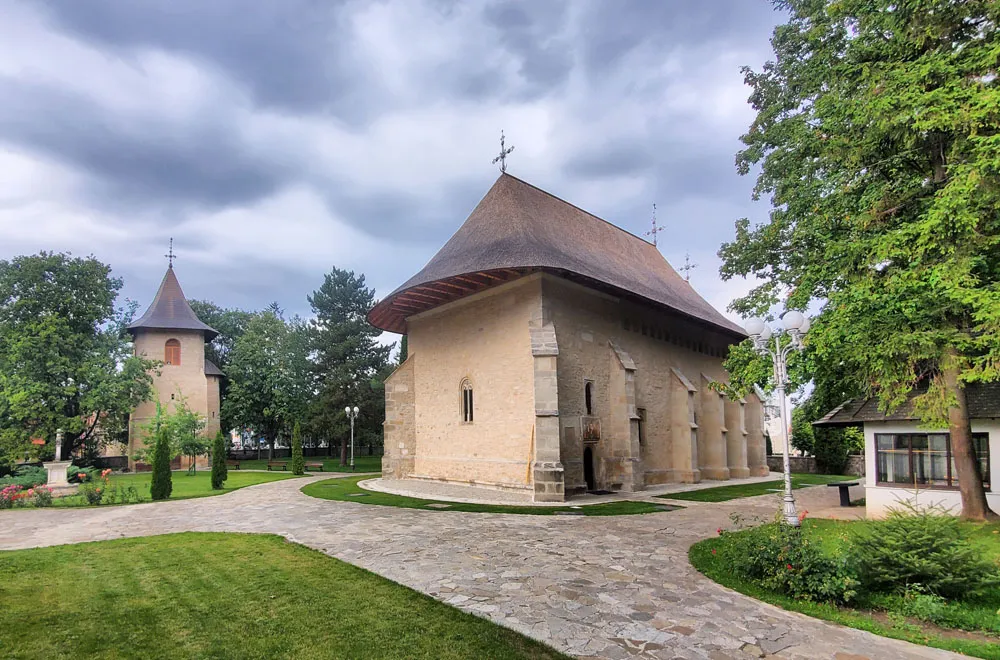
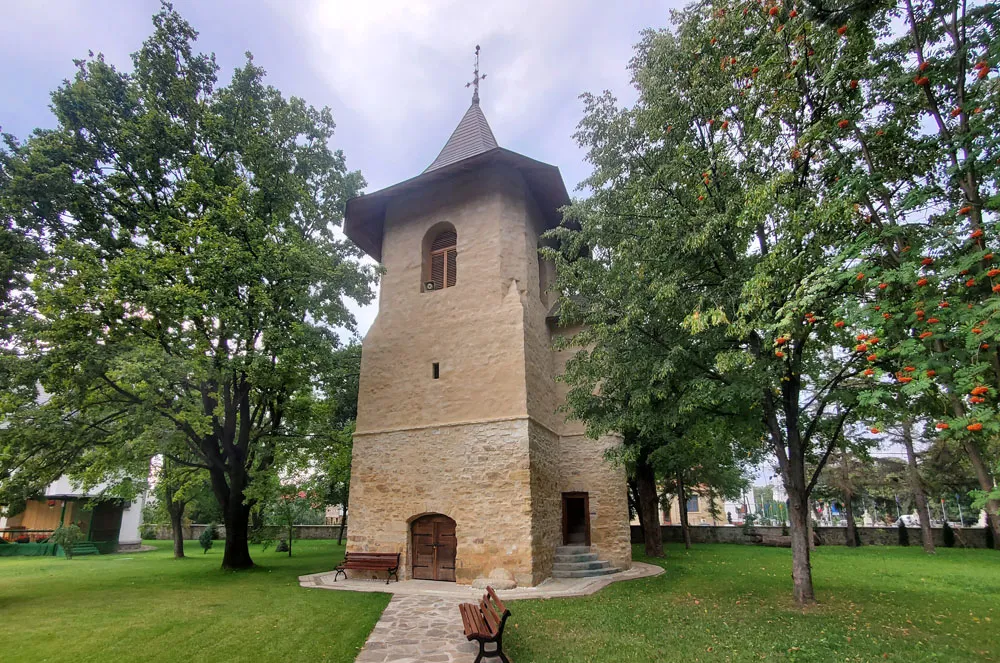
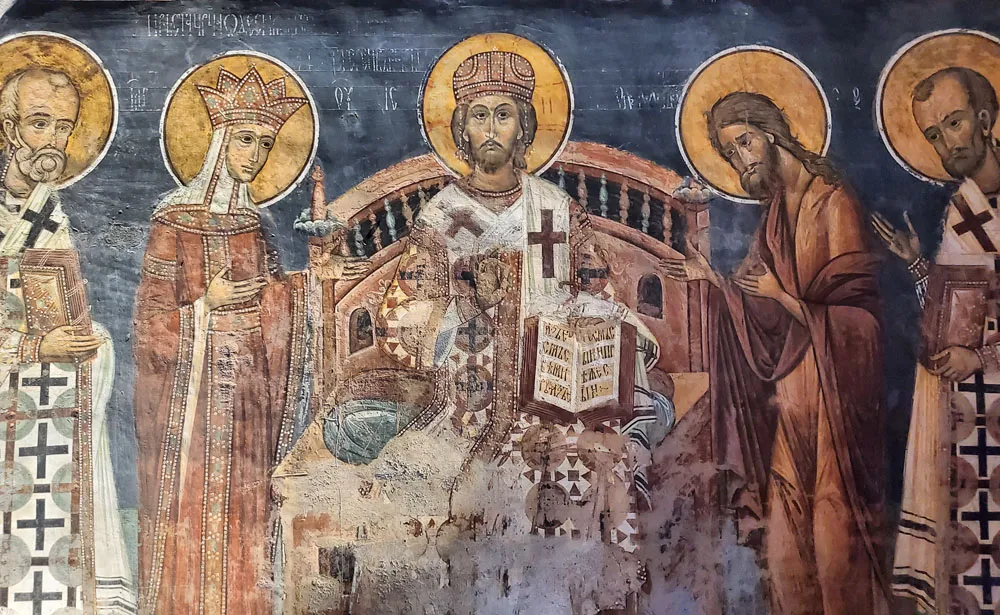
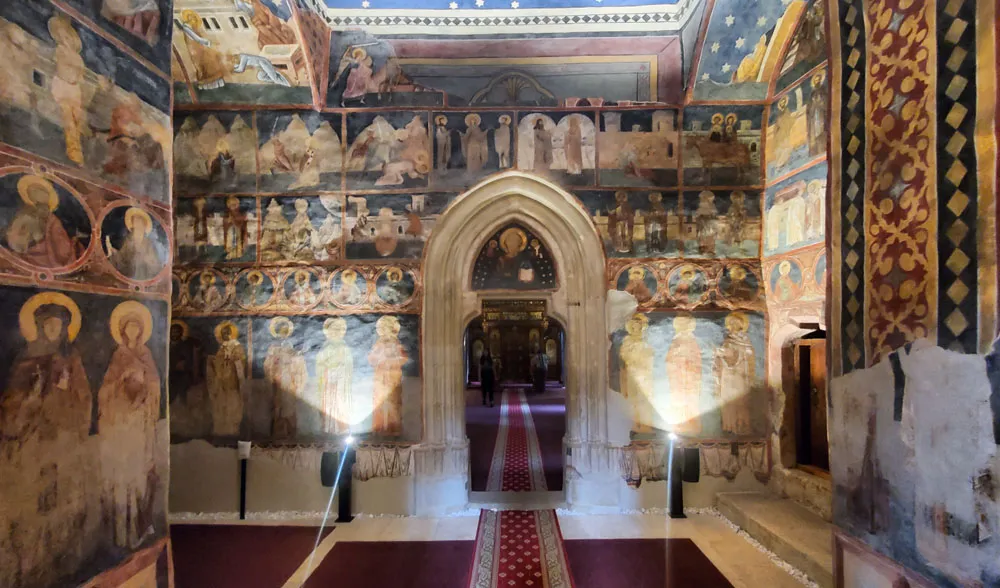
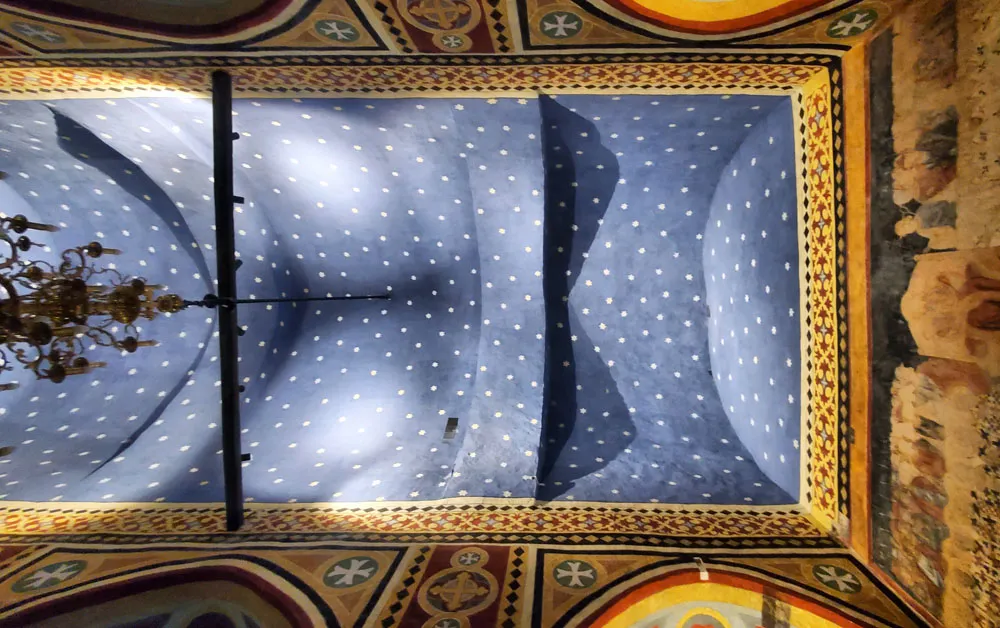
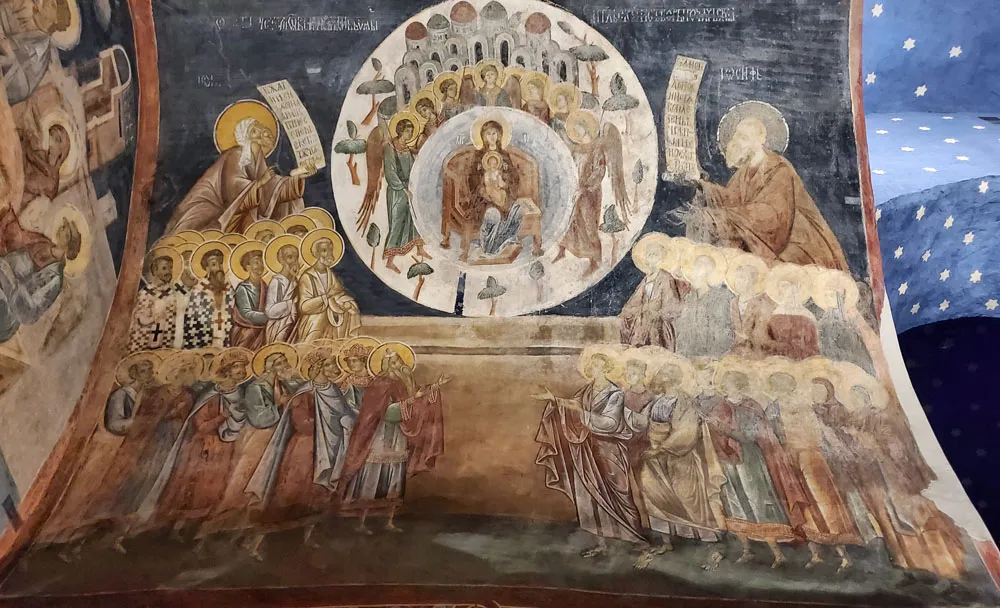
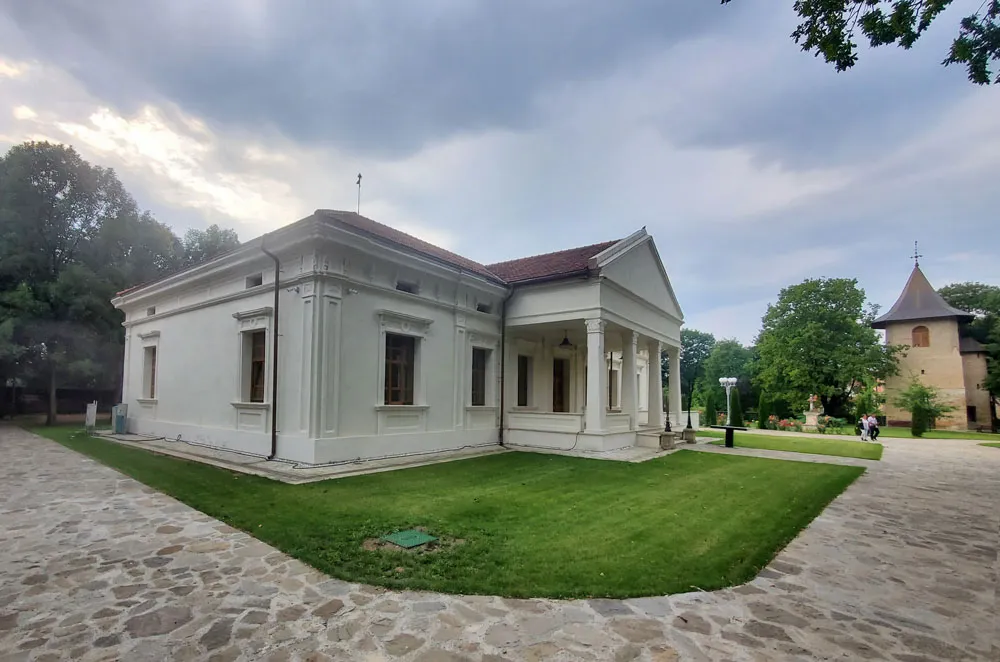
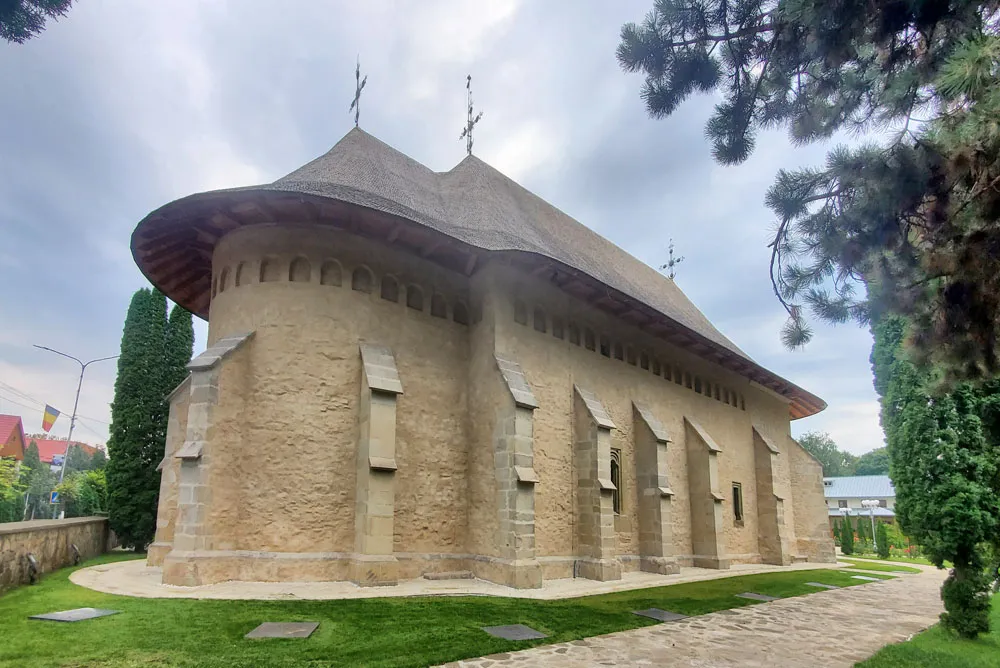
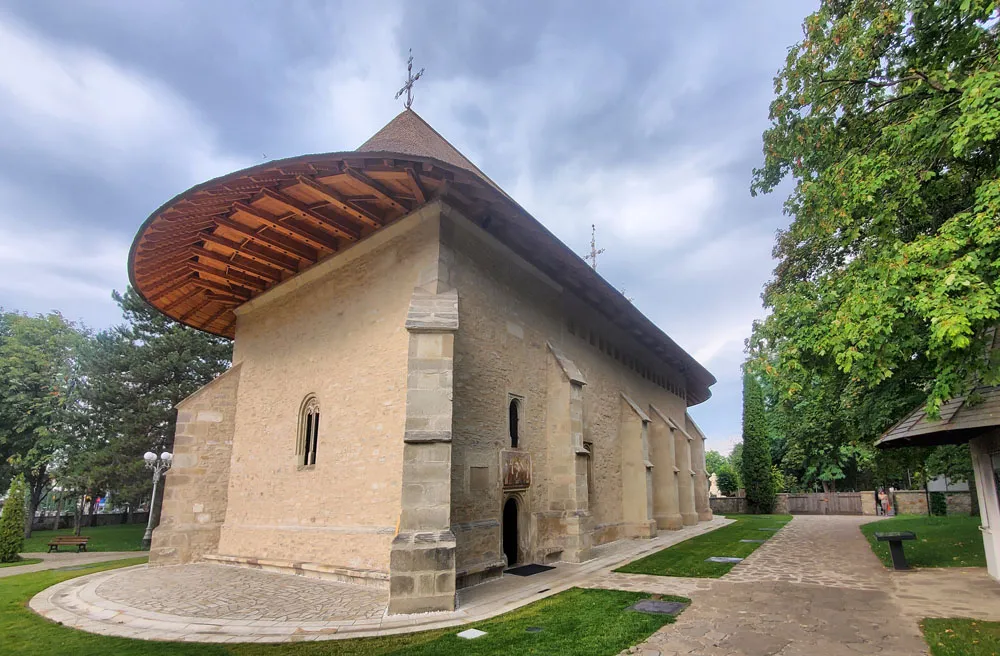
Bogdana Monastery
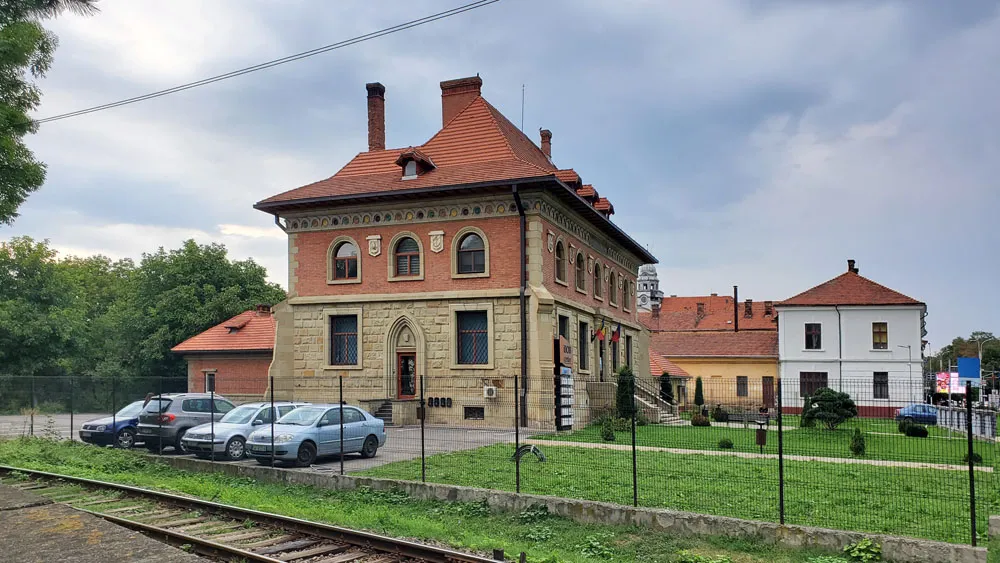
Within Southern Bukovina, where Rădăuți is located, until the 19th century most of the rural population (about 60%) were Ukrainians, while in the town itself a considerable part of the population were Jews (over 30%), who had eight synagogues and six schools. They left behind a significant monument, the Templul Mare synagogue. It was built in 1883, almost in the centre of the town.
Relatively close to the synagogue, again on the edge of the old town, stands the Orthodox Cathedral of the Descent of the Holy Spirit. It is a large and very beautiful church that was begun in 1927 and completed only in 1961.
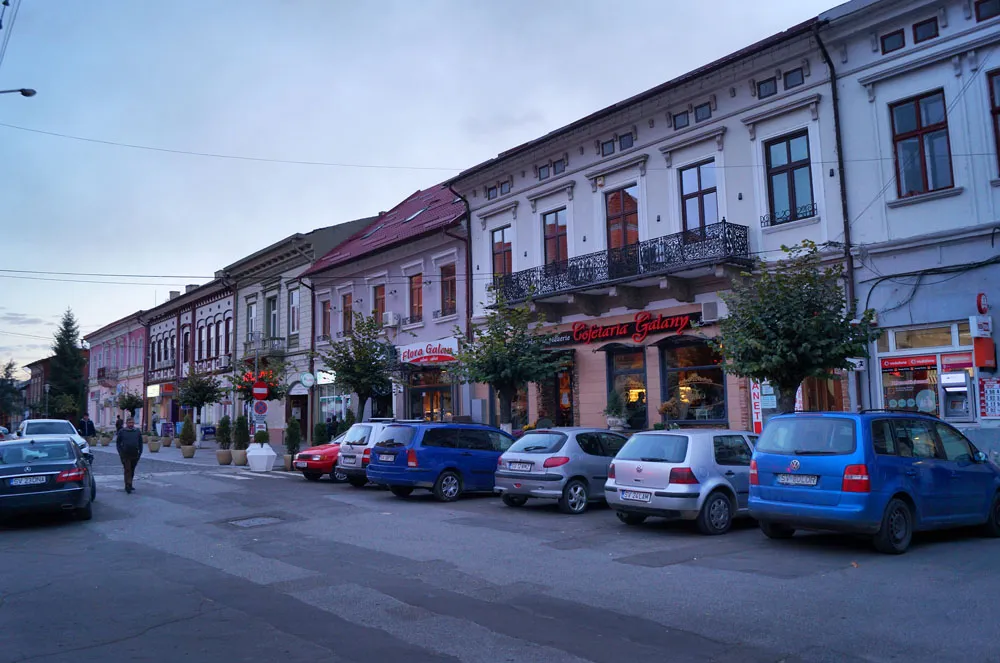
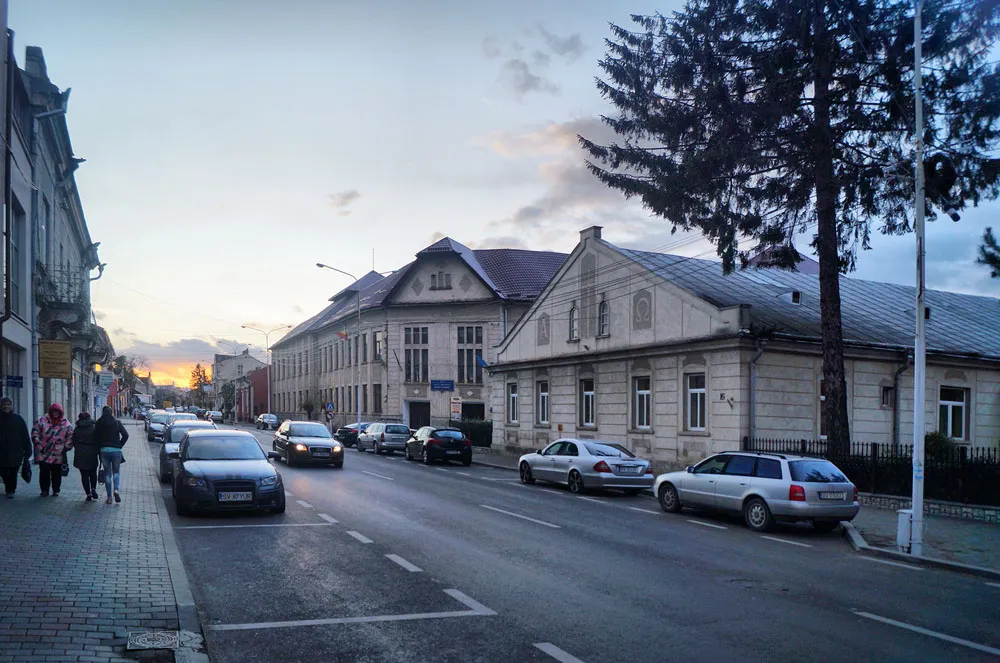
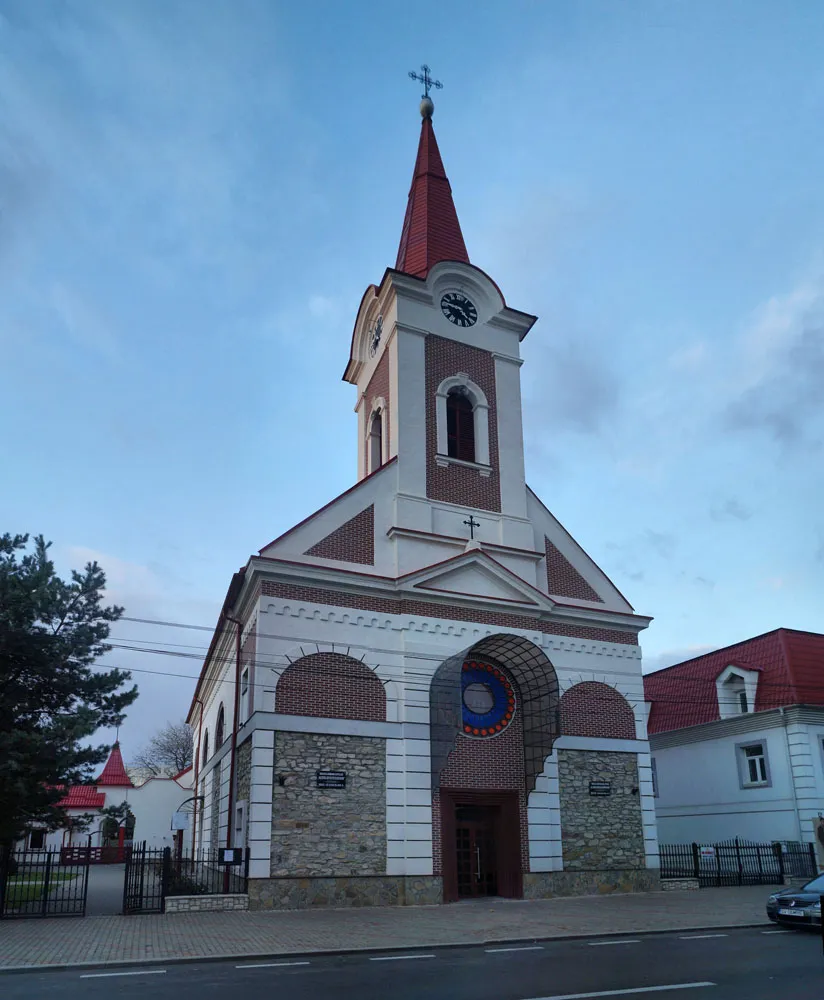
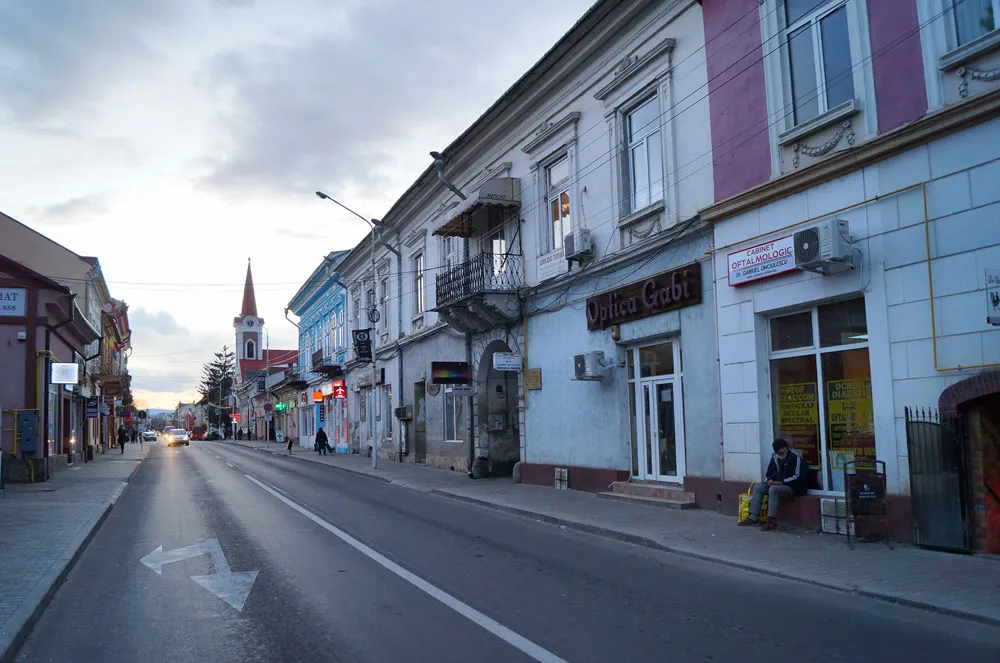
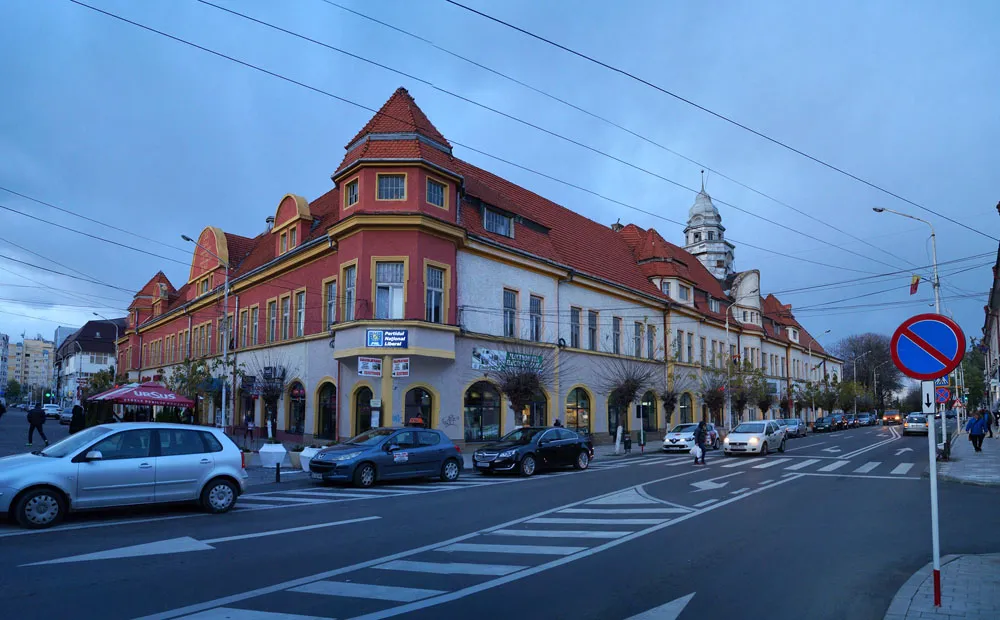
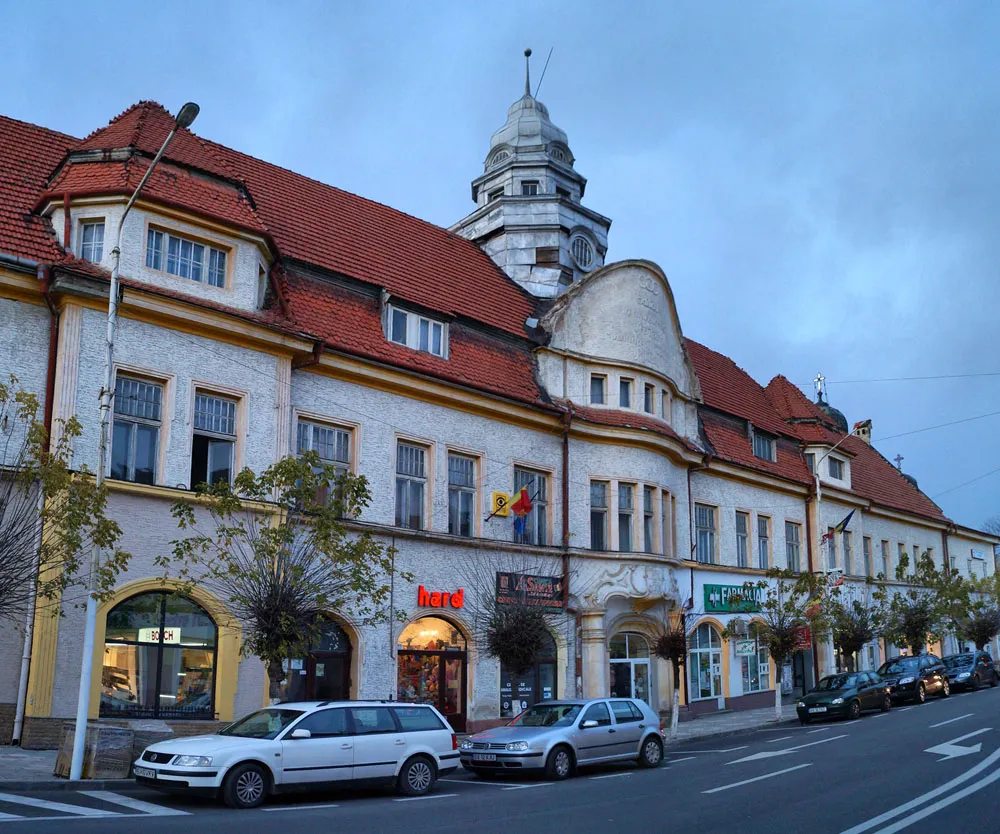
West of the cathedral lies the old town. It is relatively small but interesting. A continuous row of old townhouses has survived here, along with the market, the town hall and a Roman Catholic church built in 1823–1826 for the local Catholic community, which consisted mainly of Poles, settlers from Poland after its partition.
The main monument of Rădăuți, and one of the main ones in Western Moldavia, is the Bogdana Monastery. Its main church, the Church of St Nicholas, was built by the founder of the Moldavian feudal state, Voivode Bogdan I the Founder, between 1359 and 1365. This church became the royal necropolis of Moldavia for a long period. Six princes (monarchs) of Moldavia are buried here, including its founder. There are also graves of members of royal families and church hierarchs. The church is considered the oldest masonry church in Moldavia.
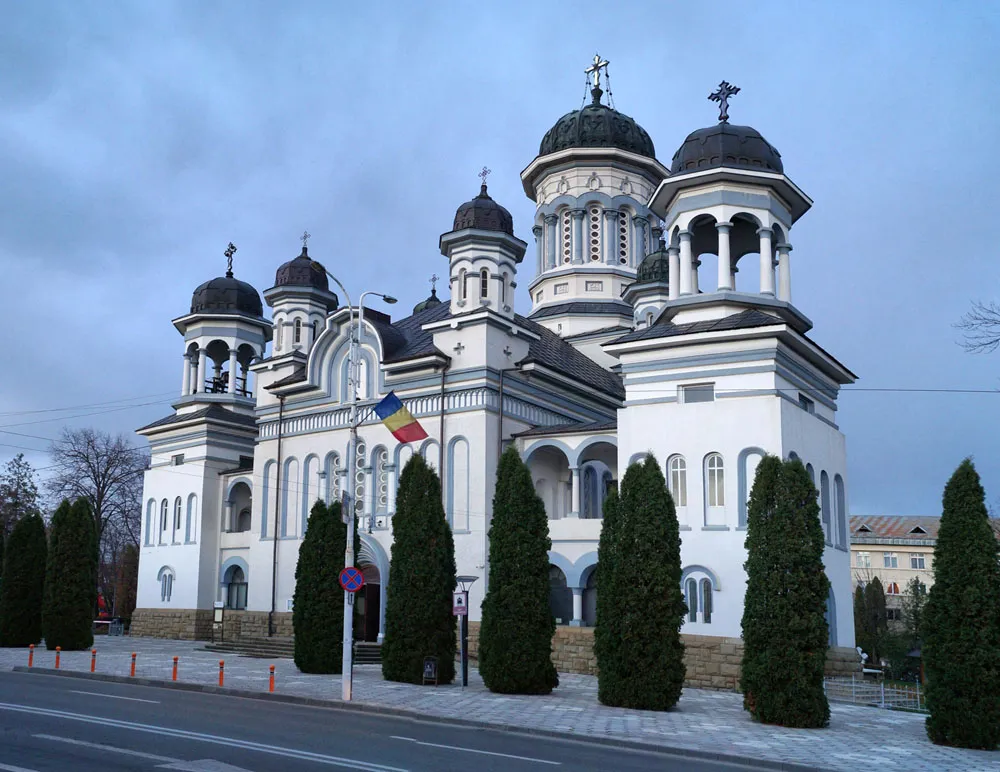
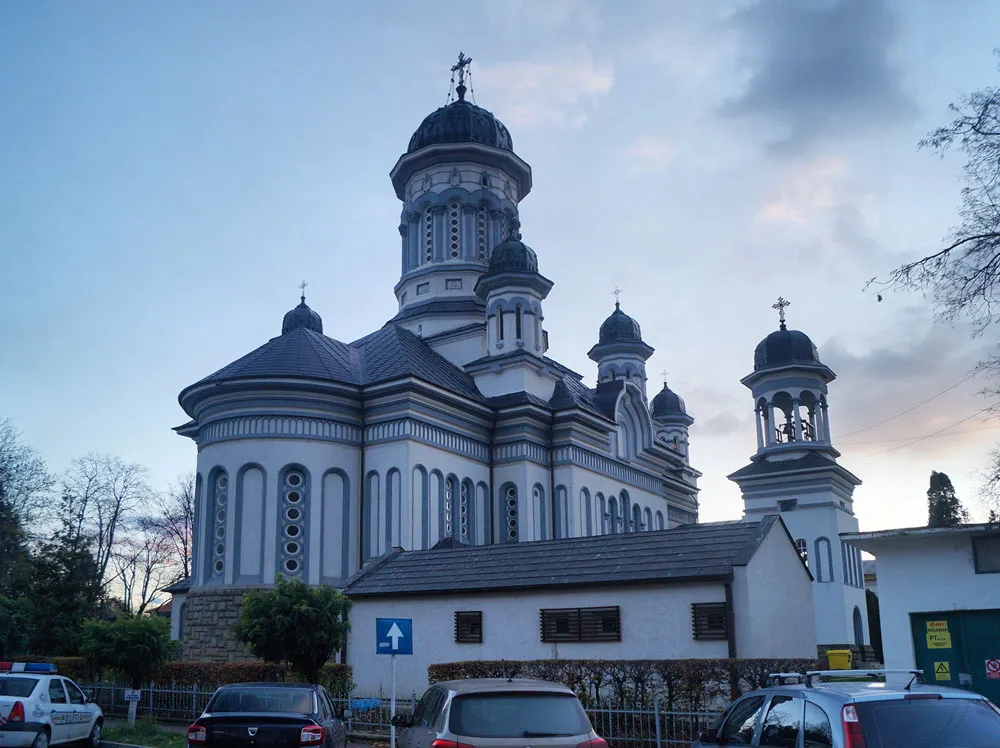
Cathedral
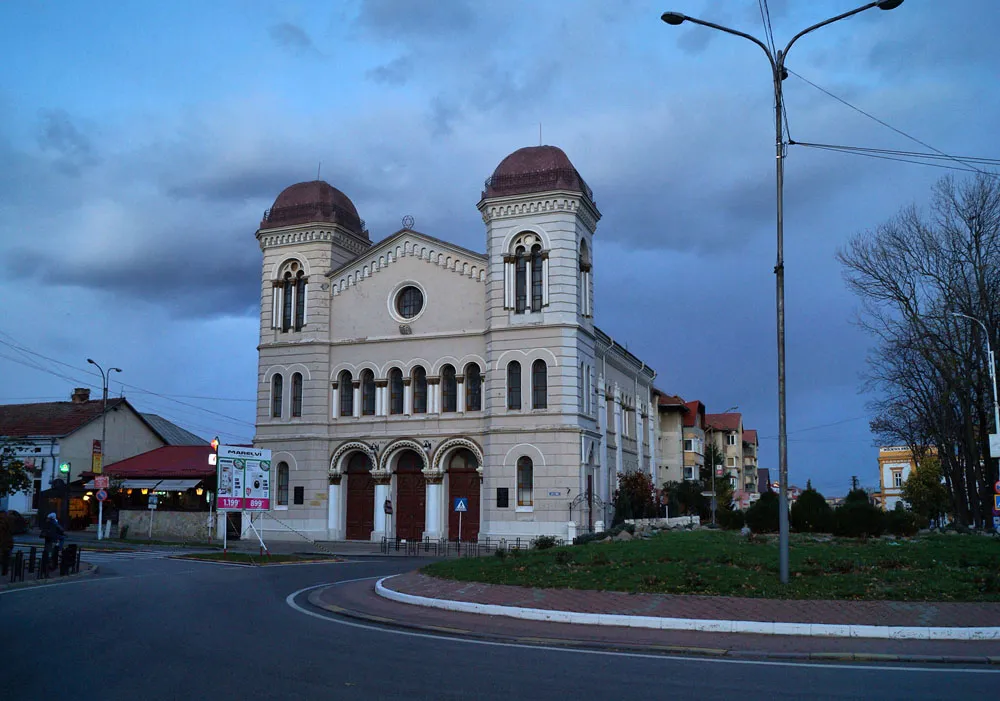
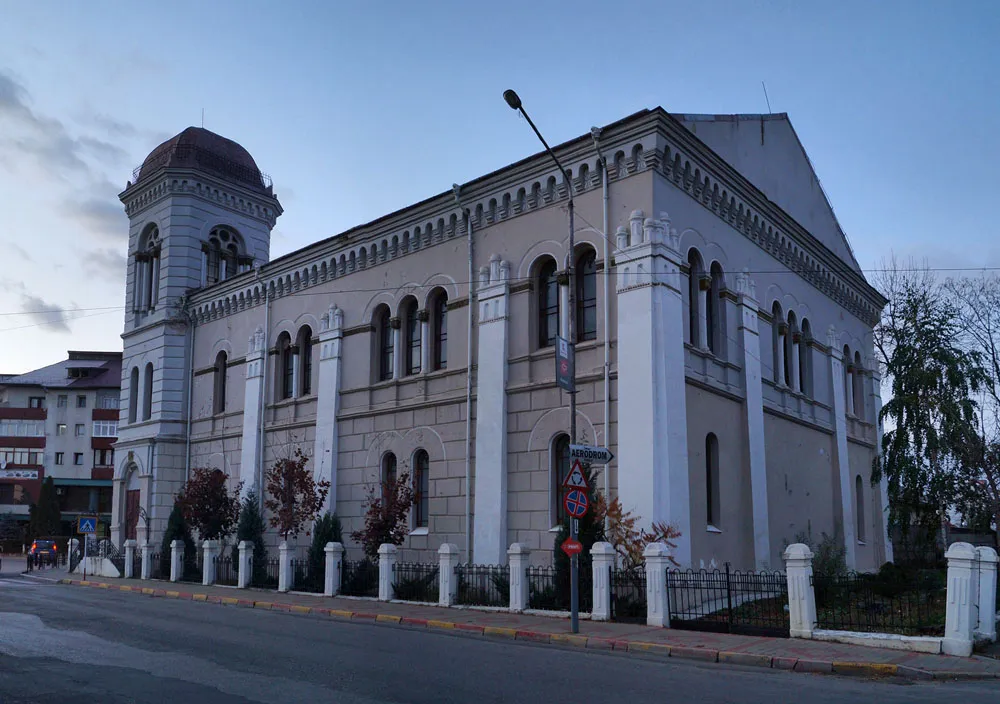
Synagogue
The style of the church is a synthesis of Romanesque, Gothic and Byzantine forms, which is called Moldavian. The painted churches initiated by Stephen the Great were built in the same style. It was he who moved the royal necropolis to the monastery in Putna, although he held the Bogdana Monastery in great esteem, as shown by the stone lids for the sarcophagi of six princes made at his order. Interestingly, the inscriptions on the lids are in Old Rus’ language.
For a long time the monastery was closed for restoration, and only in 2021 was it opened, and we finally visited this Moldavian shrine.
A few dozen metres from the Church of St Nicholas stands a bell tower built in 1781 and a fine parish house dated 1876. There is another church on the grounds and a building for monks, but I suspect they are new constructions. Overall the monastery makes a very pleasant impression, and I highly recommend visiting it and Rădăuți. It is only 60 km from Chernivtsi and 35 km from Suceava.
Text and photos by Roman Malenkov.