Slovakia. Klokočov. A village with a Ukrainian shrine

· 2 min read
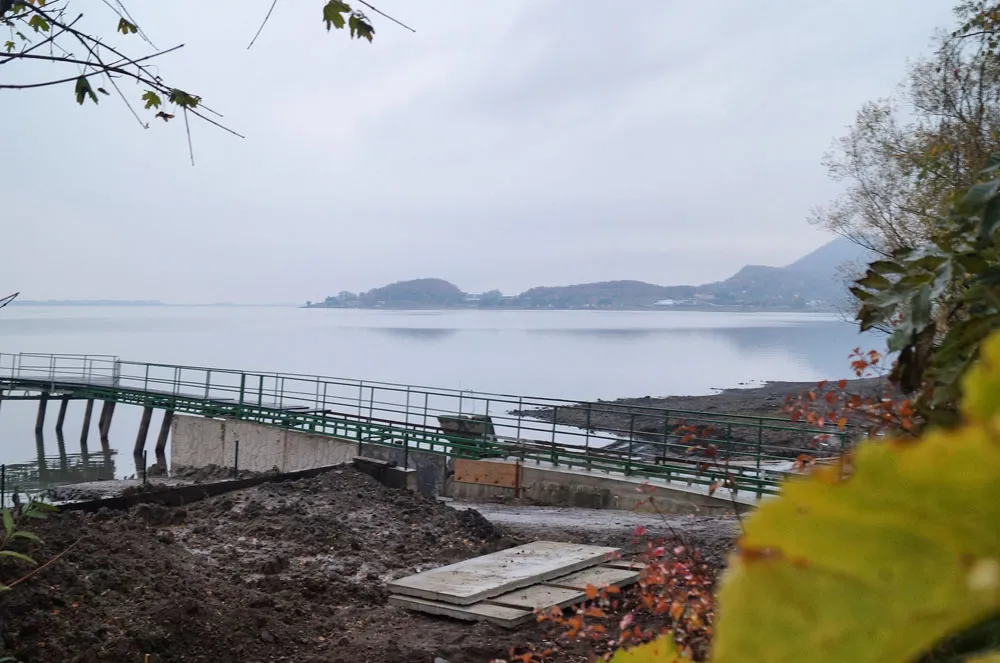
Forty kilometres from the Ukrainian border, on the shore of the Zemplínska Šírava reservoir, lies the village of Klokočov, where we found a clear Ukrainian trace.
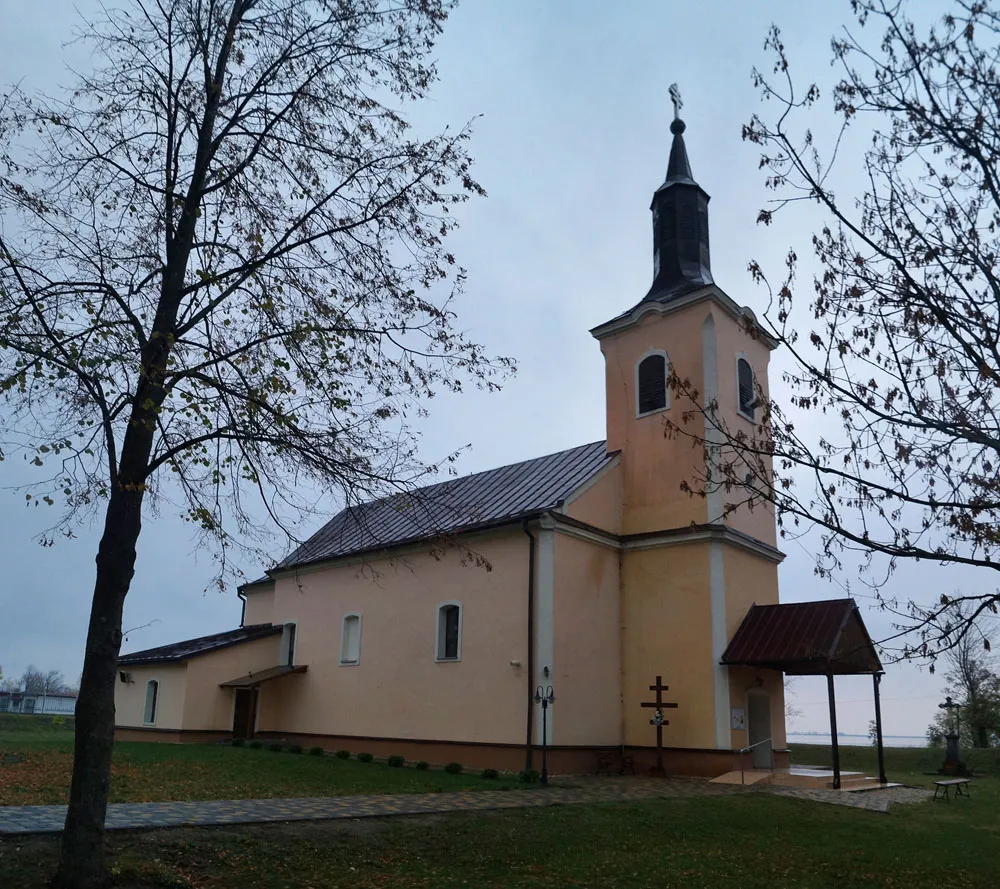
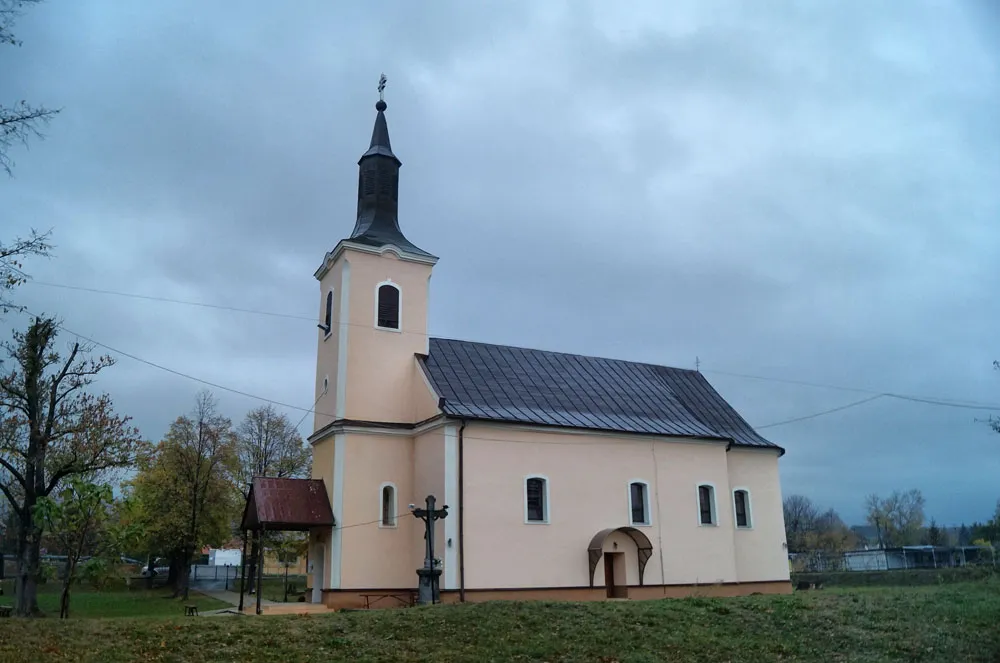
Klokočov is first mentioned in written documents in 1358. We did not manage to find statistics on the composition of the village’s population, either in past times or today; we know only that 410 people live there now. Locals told us that there are Ukrainians, but how many is unclear. The village’s main monument, however, is Ukrainian. It is the brick Greek Catholic Church of the Dormition of the Blessed Virgin Mary, built in 1835 in the Neo-Baroque style. Considering that the church is of brick – only large and wealthy communities could afford such a thing – it may be assumed that many Ukrainians lived in Klokočov then.
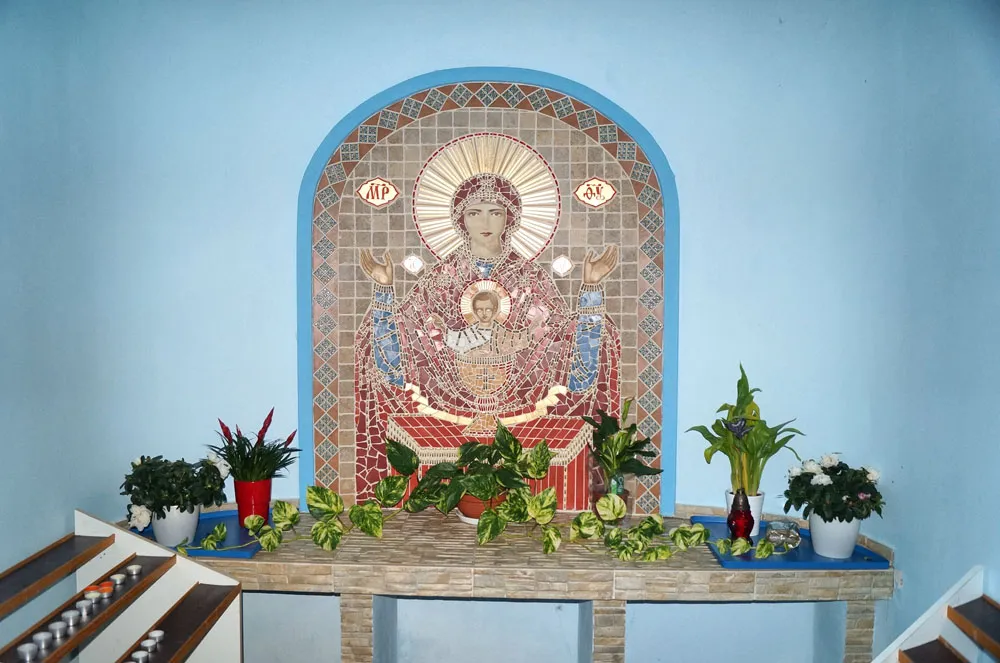
Today the church belongs to the Košice Greek Catholic Eparchy and is one of the largest places of pilgrimage for Greek Catholics in Slovakia. Pilgrim worshippers come in large numbers to the miraculous icon of the Mother of God, especially in the second half of August.
This icon has a far longer history than the church. When and by whom it was painted is unknown, but at the beginning of the 17th century it was already in the previous wooden church. In 1670 only 150 people lived in Klokočov. Almost all of them were Greek Catholics or Orthodox. And during an attack by the Kuruc, the Magyars who rose against the Habsburgs and professed Protestantism, the entire population hid in the wooden church, and everyone noticed that tears began to flow from the image of the Mother of God. The next day the Kuruc burned the church, but the icon of the Mother of God remained intact. And it is this icon that is the shrine of the present church, to which pilgrims go on pilgrimage.
Text and photos by Roman Malenkov