Slovenia. Koper

· 3 min read
Koper is the largest coastal town in Slovenia, located 5 km from the Italian border. Until 1954 it was Italian. In 1900 it was home to 7,205 Italians and 391 Slovenes, although officially Koper was then part of Austria-Hungary. After the First World War it went to Italy, and after the Second World War it became part of the Free Territory of Trieste. Only in 1954 did the town pass to Yugoslavia. Most Italians left it then, but Italian remained an official language, as in neighbouring Piran and Izola. To this day the region is officially bilingual.
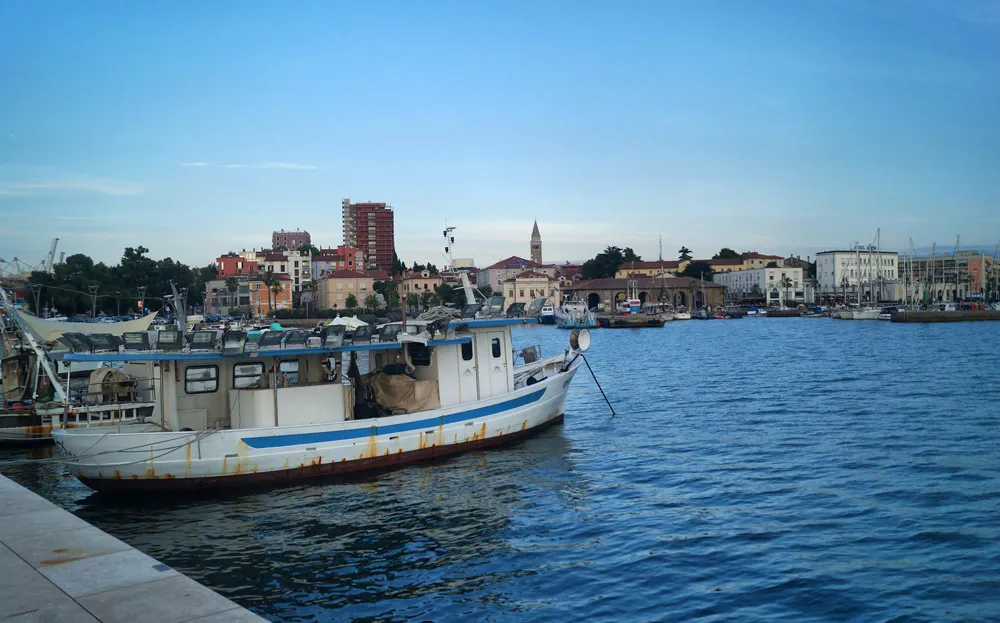
Koper is yet another town with Venetian architecture. How many beautiful towns Venice built, from Istria to the Greek islands! And Koper is precisely Istria, or rather its head. The town’s former name was Capodistria, from the Latin Caput Histriae, “head of Istria”. The Illyrian tribe of the Histri once lived here and was displaced by the Romans; then came the Byzantines, the Holy Roman Empire and, of course, Venice, for half a millennium, from 1278 to 1797, until Napoleon destroyed the Venetian Republic. Then came Austria, Yugoslavia and Slovenia. Today Koper has about 40,000 inhabitants. It is the fifth-largest town in Slovenia by population and the country’s largest port.
Cathedral of the Assumption
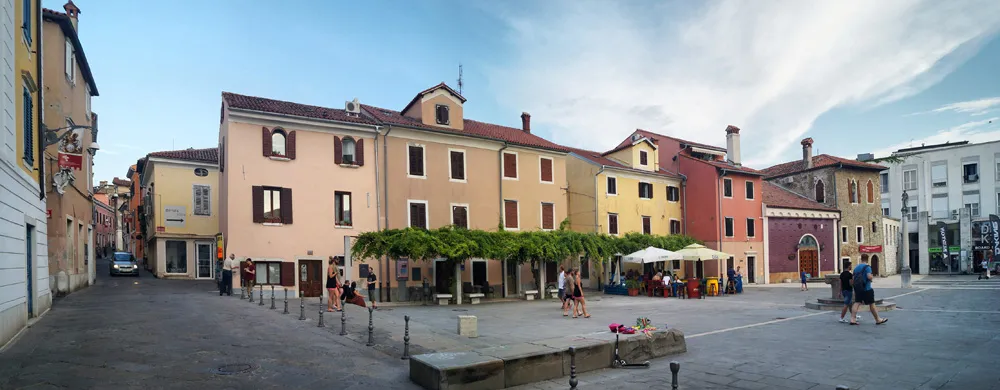
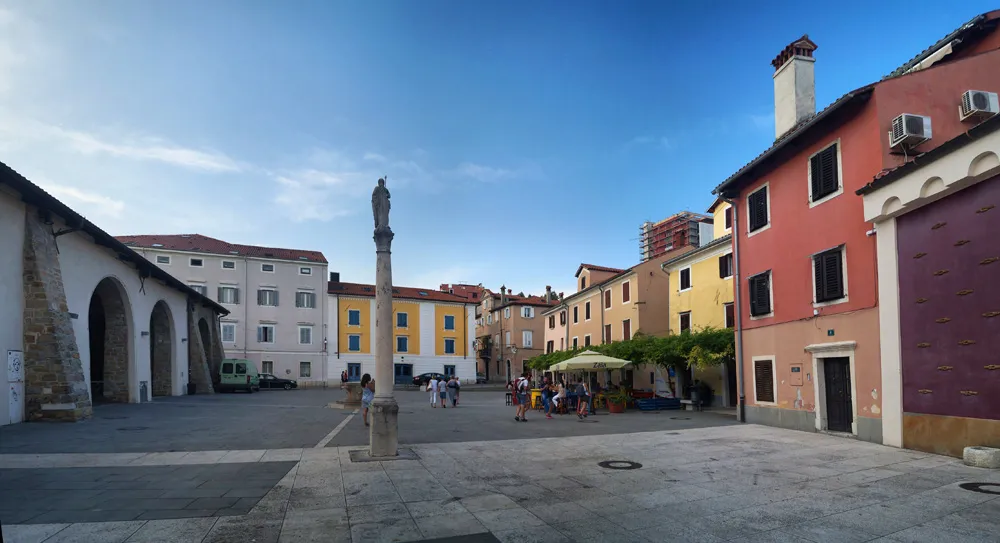
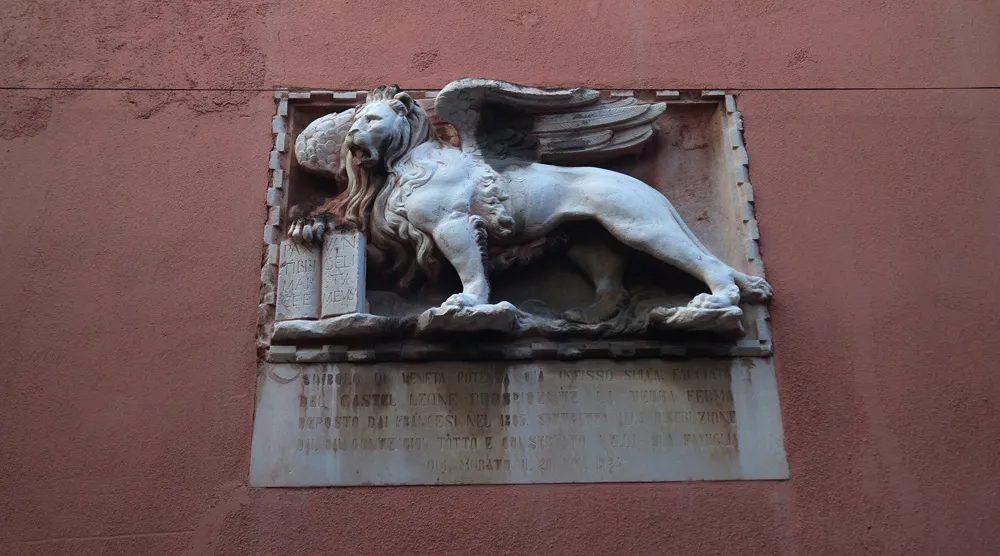
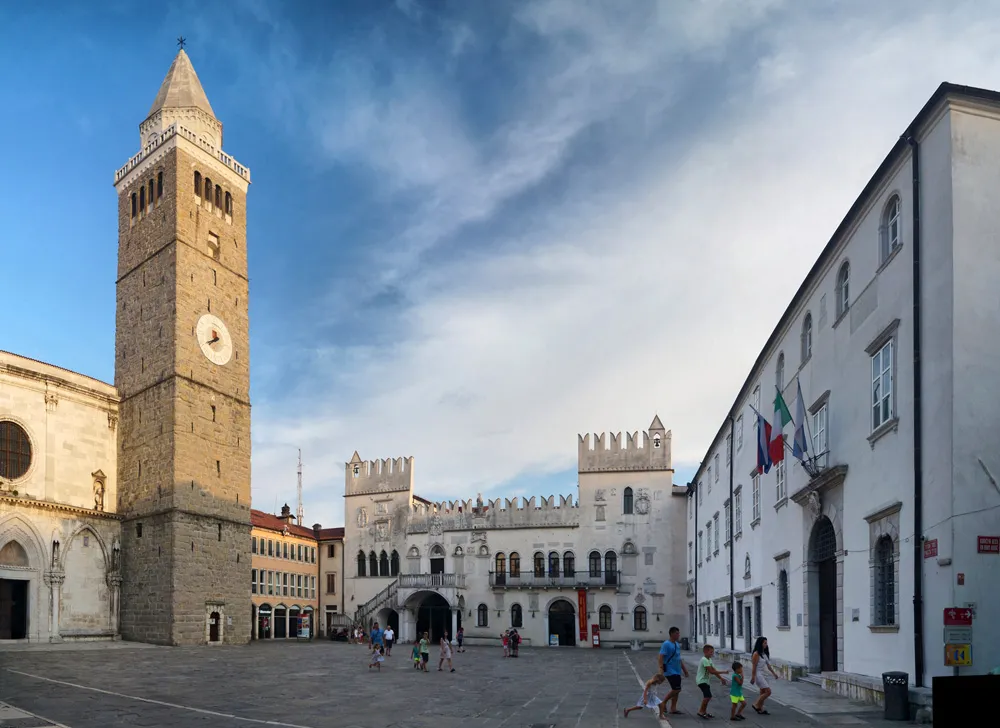
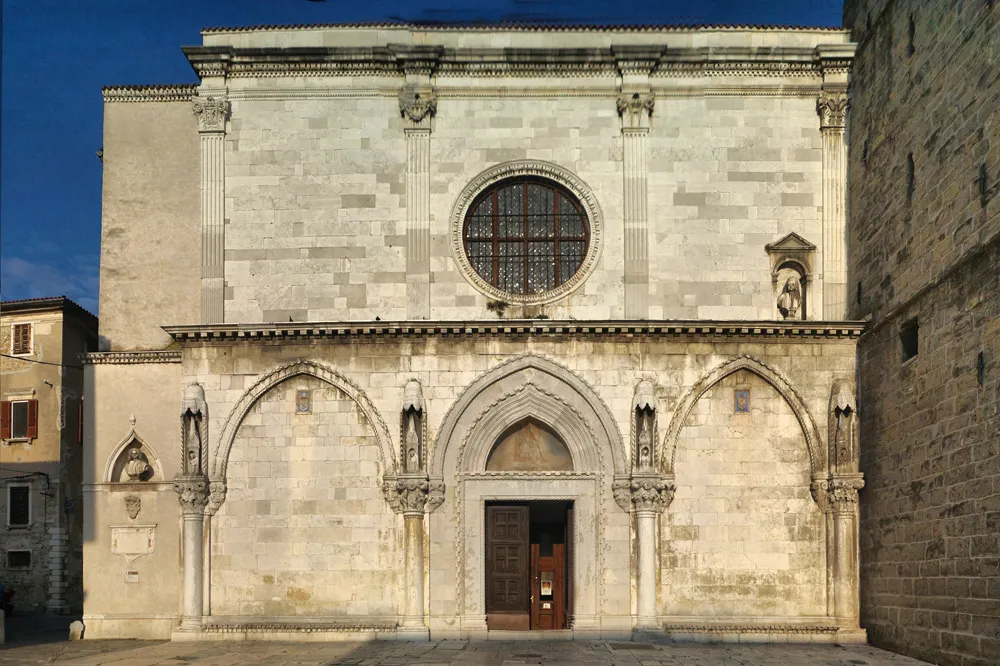
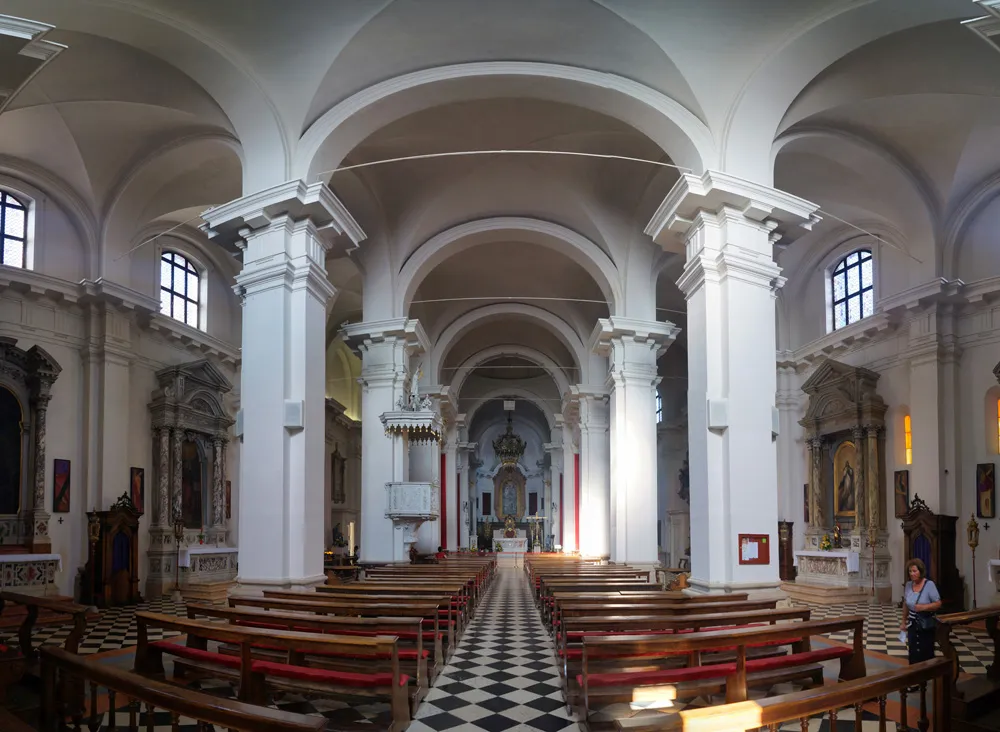
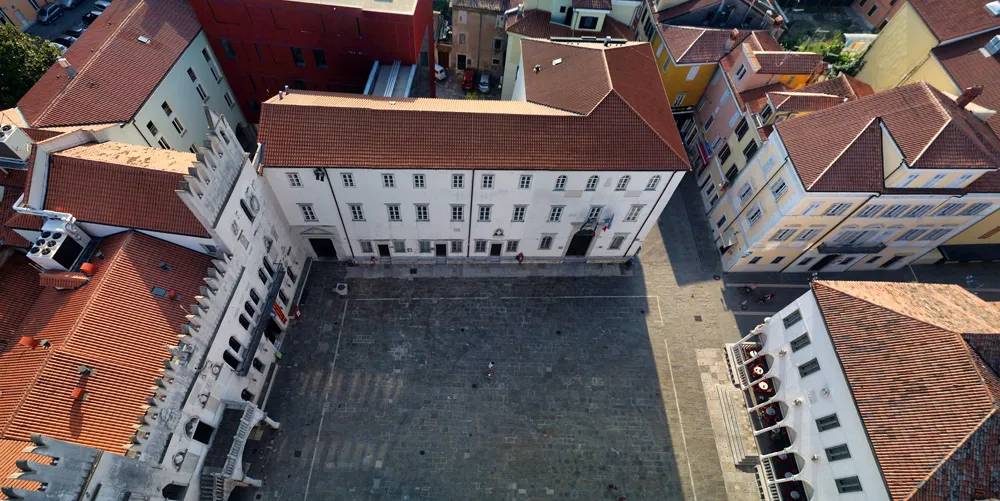
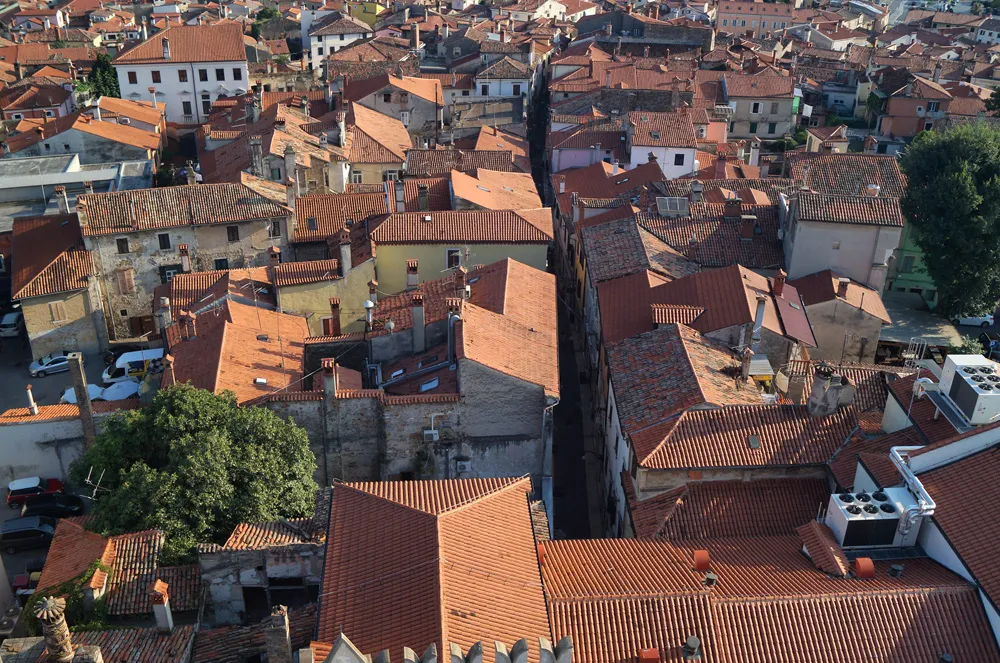
Koper’s main landmark is the Cathedral of the Assumption, built in the second half of the 12th century in the Romanesque style. In 1460 it was badly damaged by an earthquake. The façade was restored in 1488 with elements of the Venetian Renaissance, and in the 18th century Baroque elements were added. The façade has many interesting bas-reliefs, including depictions of some wealthy donors. Inside hang paintings by very famous artists: Pietro Liberi, Celesti Andrea and Antonio Zanchi. The most valuable is Vittore Carpaccio’s canvas “Sacra Conversazione”, dated 1516. Next to the church stands a very tall four-storey bell tower that can be climbed. Needless to say, it offers a wonderful view of the town against the backdrop of the sea. From there you can also see Tito Square, the town’s main pedestrian square. On the right is the Loggia Palace, built in the 15th century, which houses a café and an art gallery. On the left is the Praetorian Palace, also built in the 15th century, in the Venetian Gothic style. They write that these were once two Gothic houses joined by a gallery. On the façade are the lion of St. Mark, the symbol of Venice, and a host of other bas-reliefs. Their charm is captivating. In Venetian times the palace housed the podestà (civil and military authority), the captaincy and the Great Council (an assembly of the town’s nobility). After Venice vanished, so did its organs of government, and the Praetorian Palace fell empty. The Austrians placed the municipality elsewhere. Today the palace houses a tourist information centre.
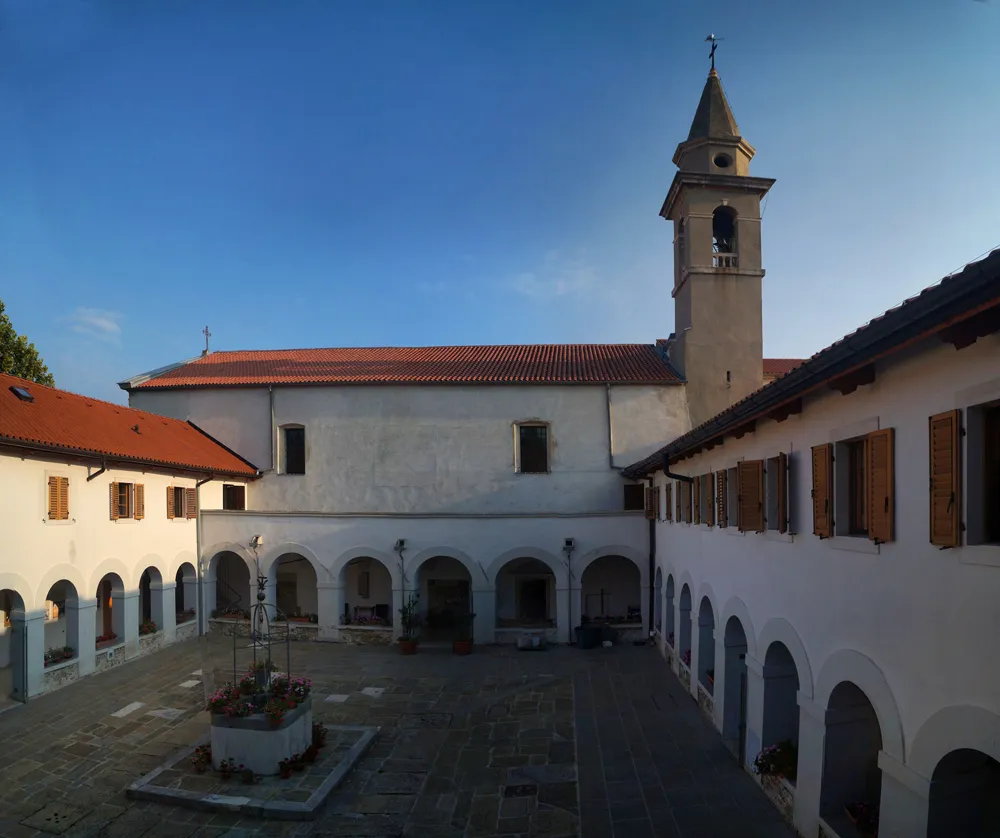
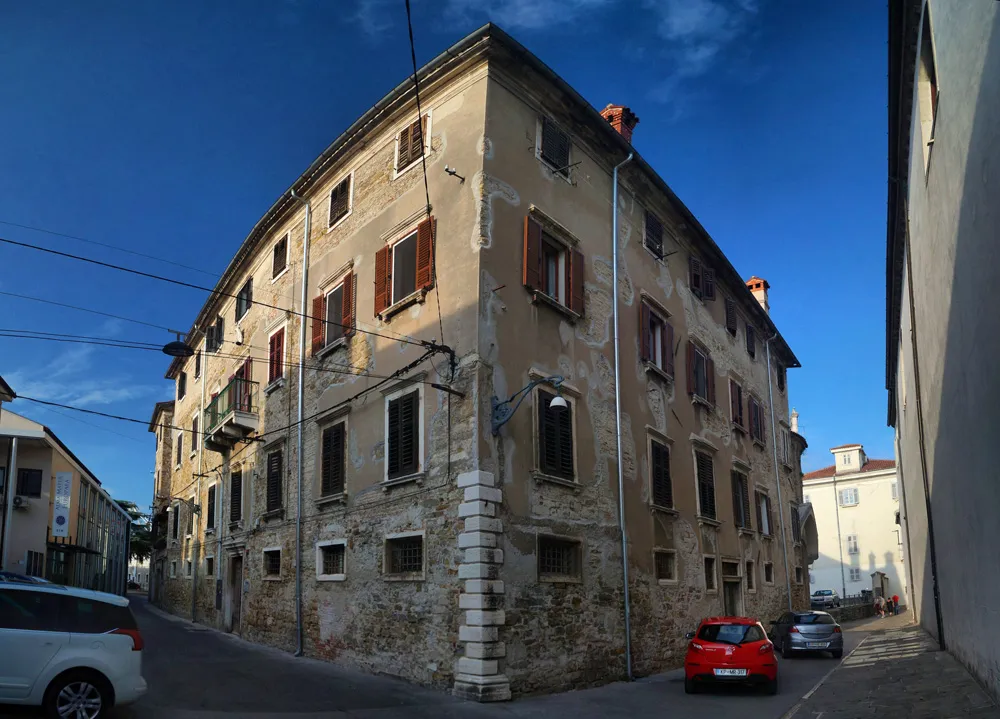
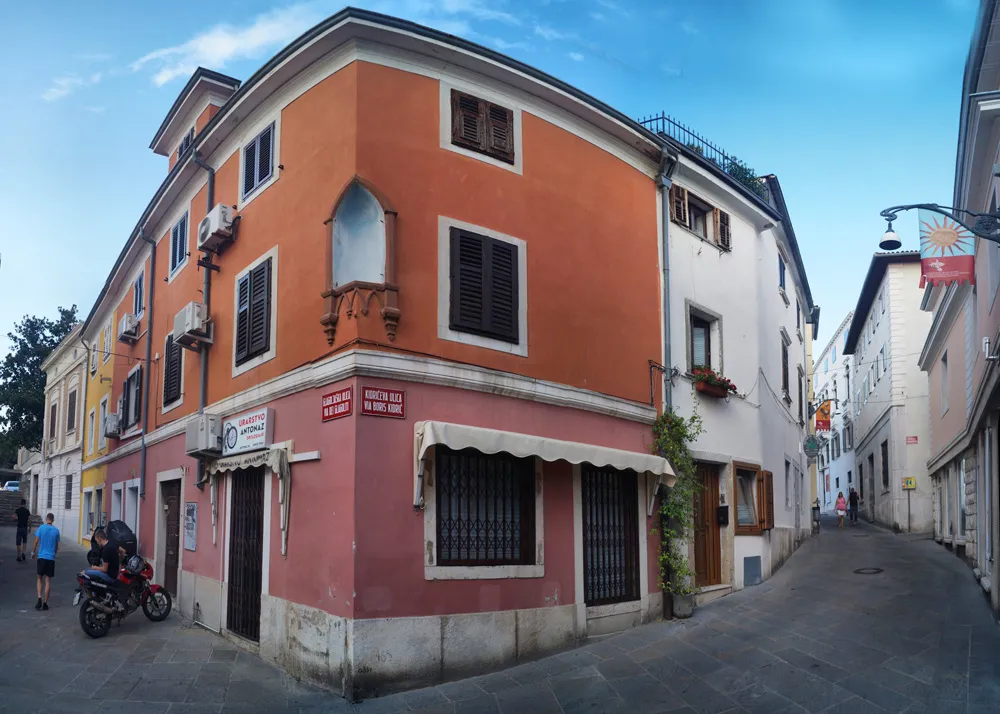
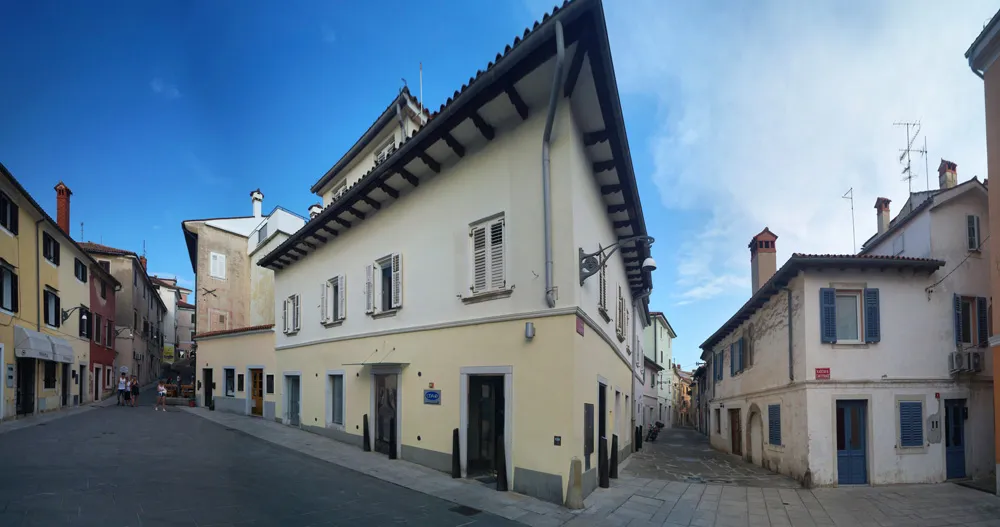
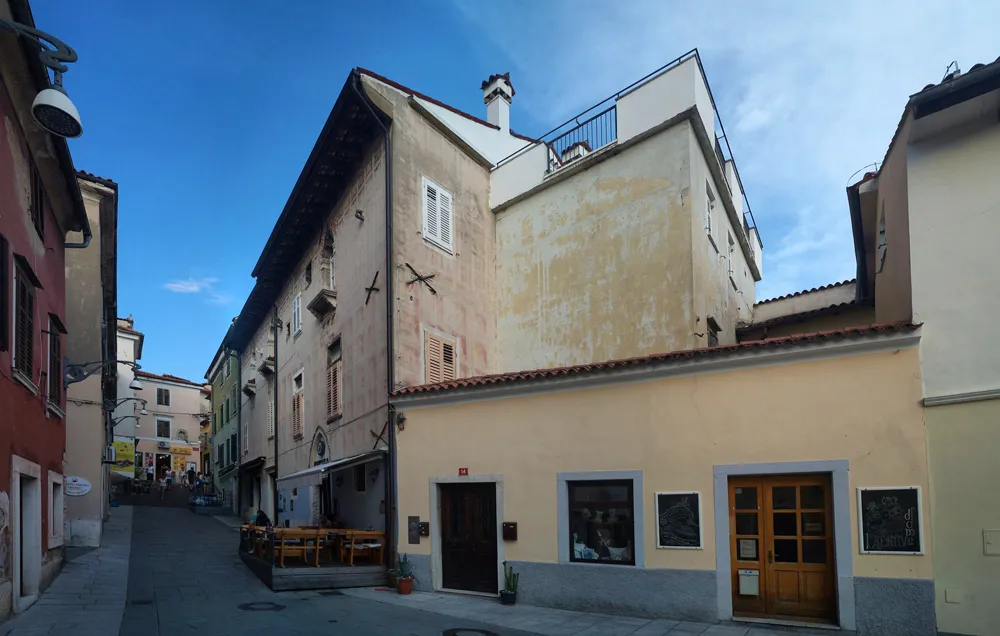
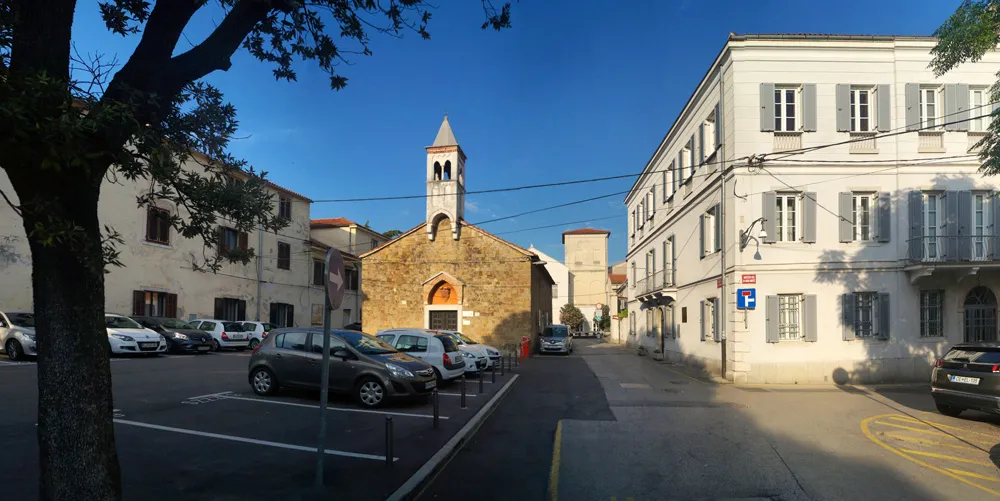
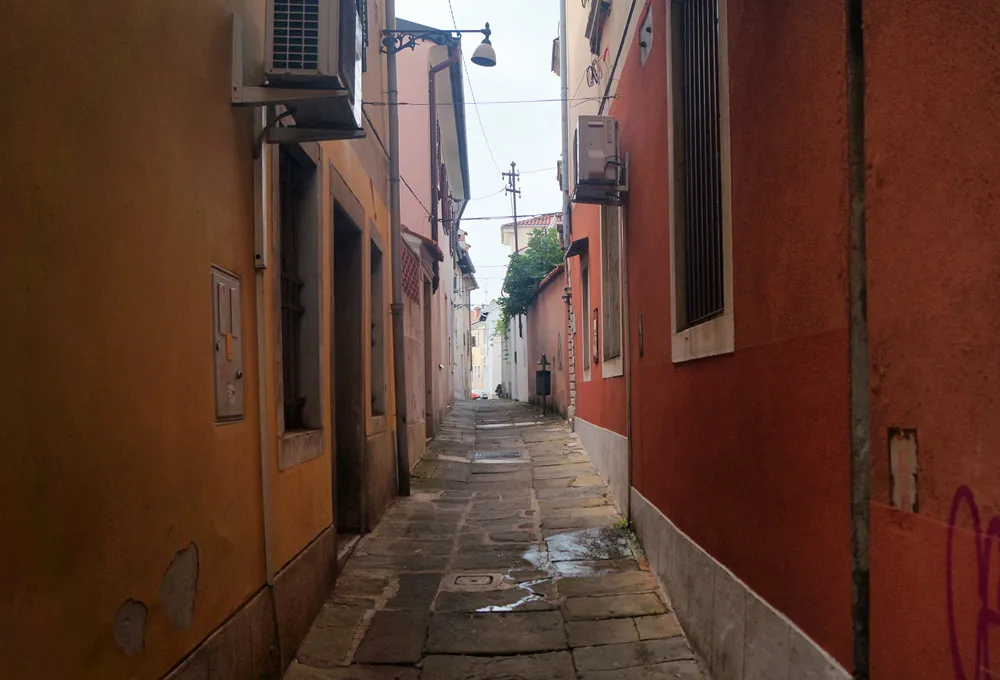
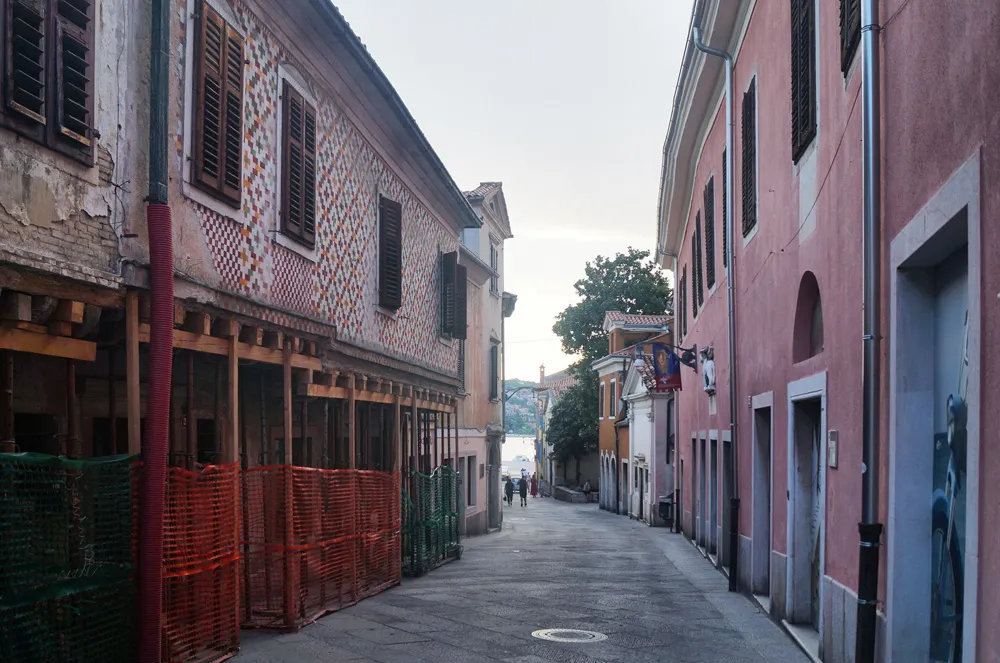
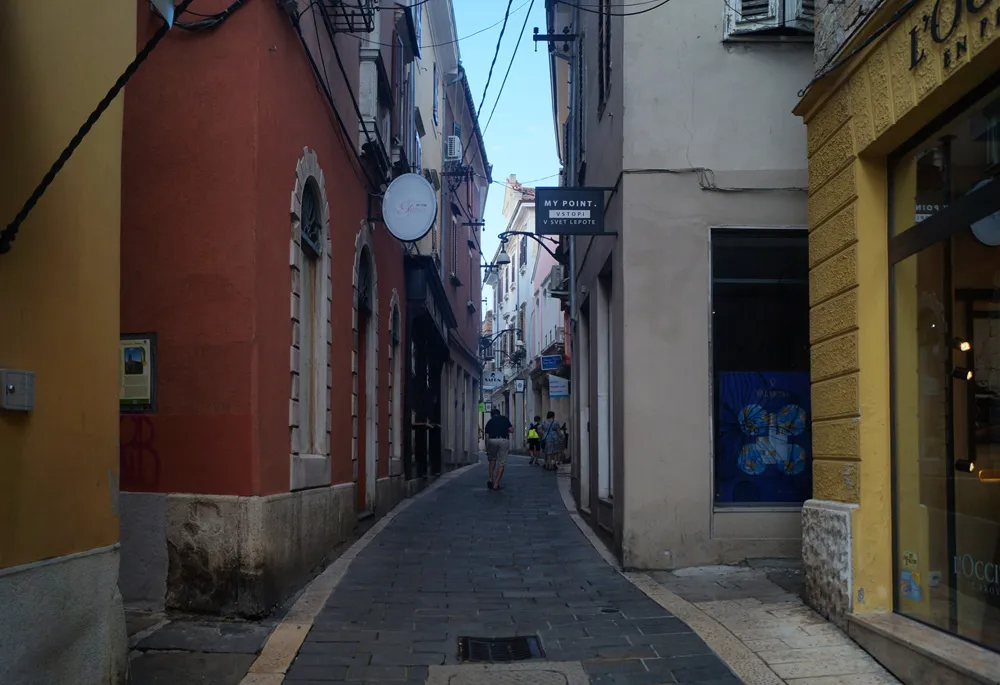
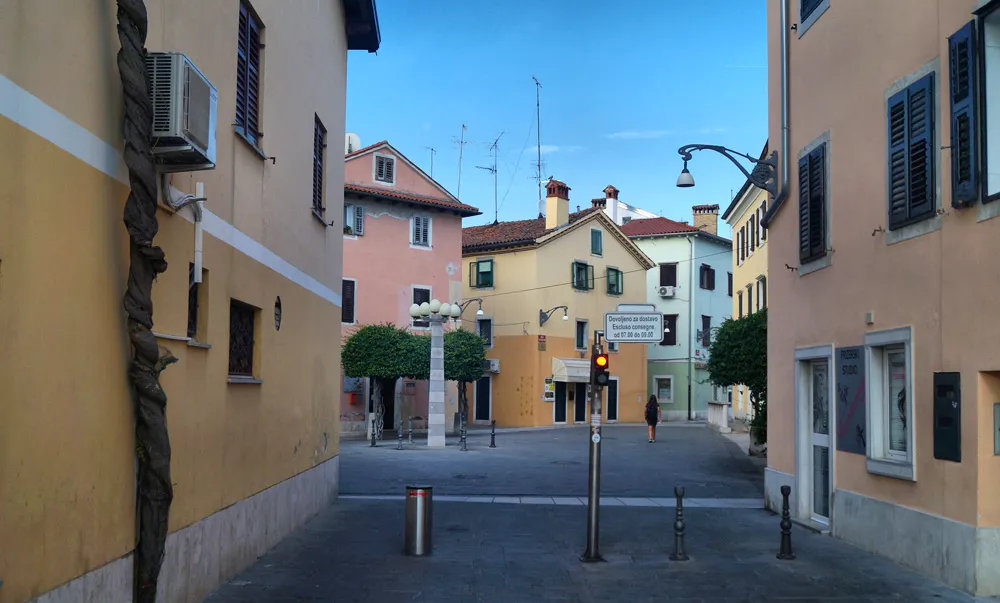
Koper’s old town has narrow, cosy streets, beautiful houses with shutters, lovely small squares and the sea. It is full of old architecture, with many churches and monasteries; we stayed in the rather modern hotel of one of them.
Text and photos by Roman Malenkov.
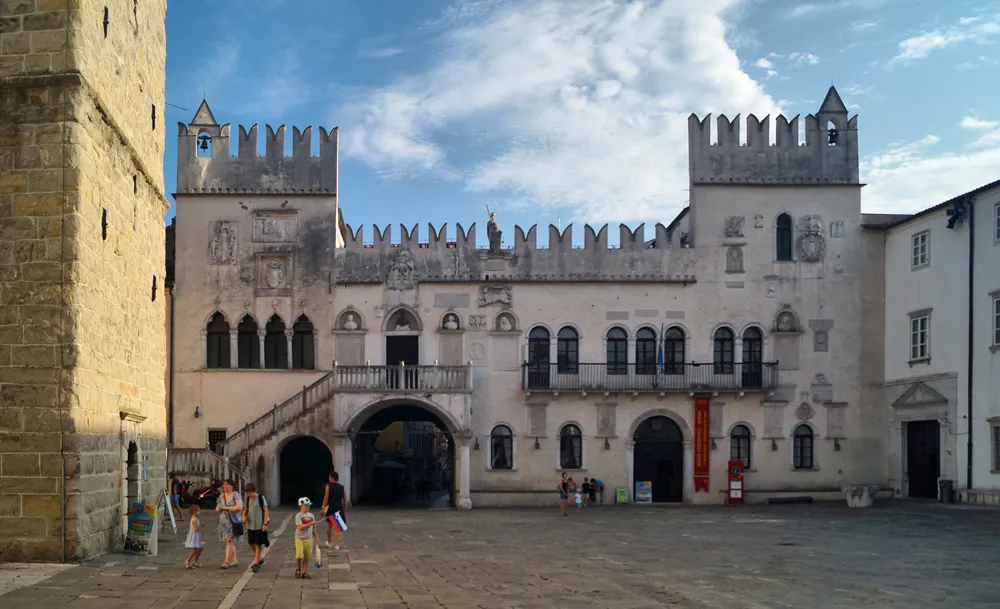
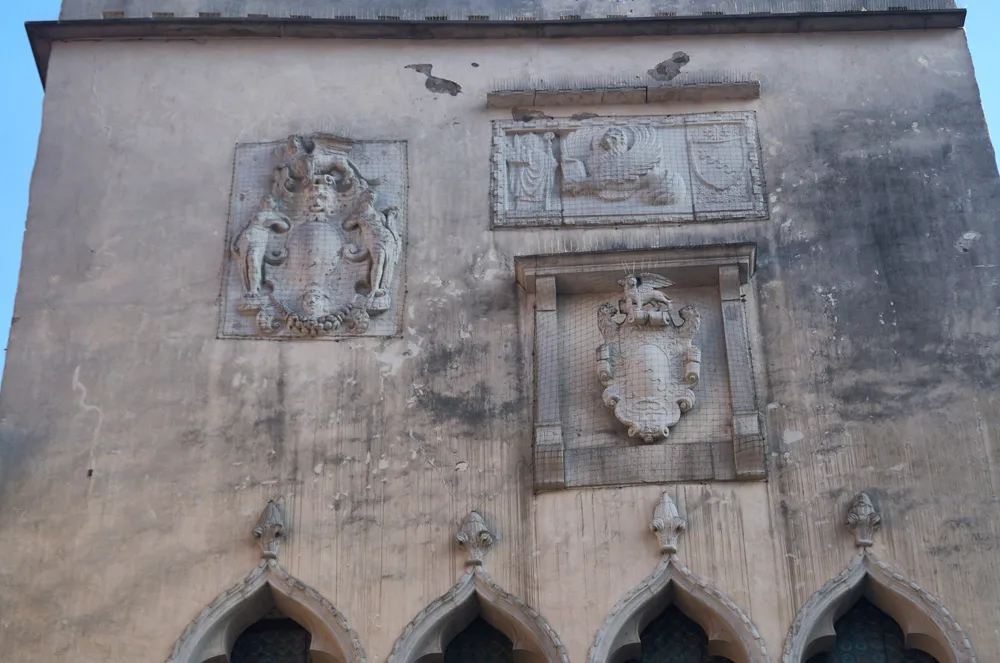
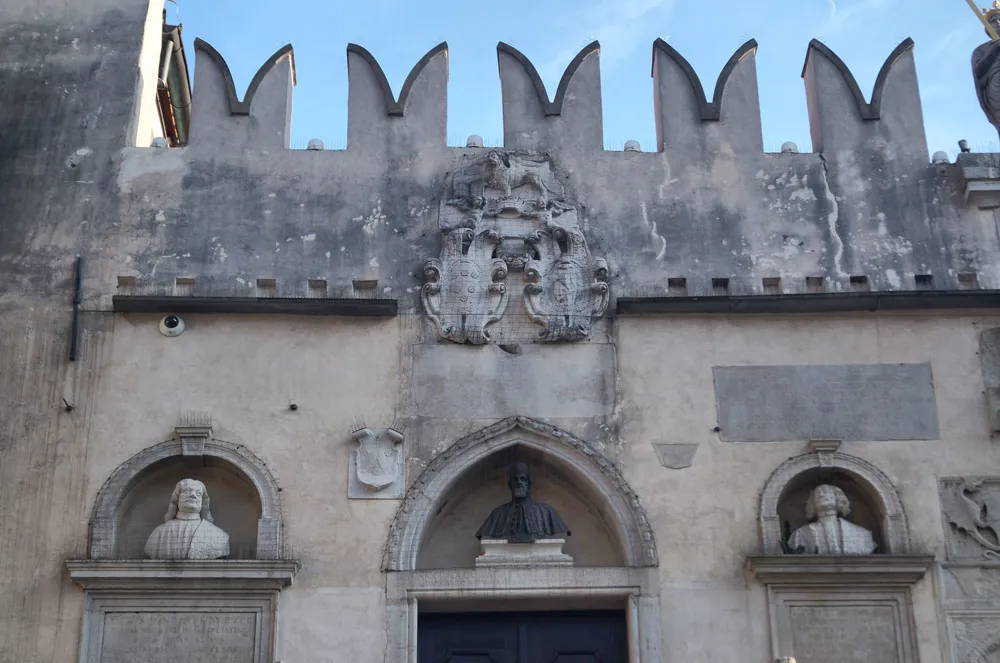
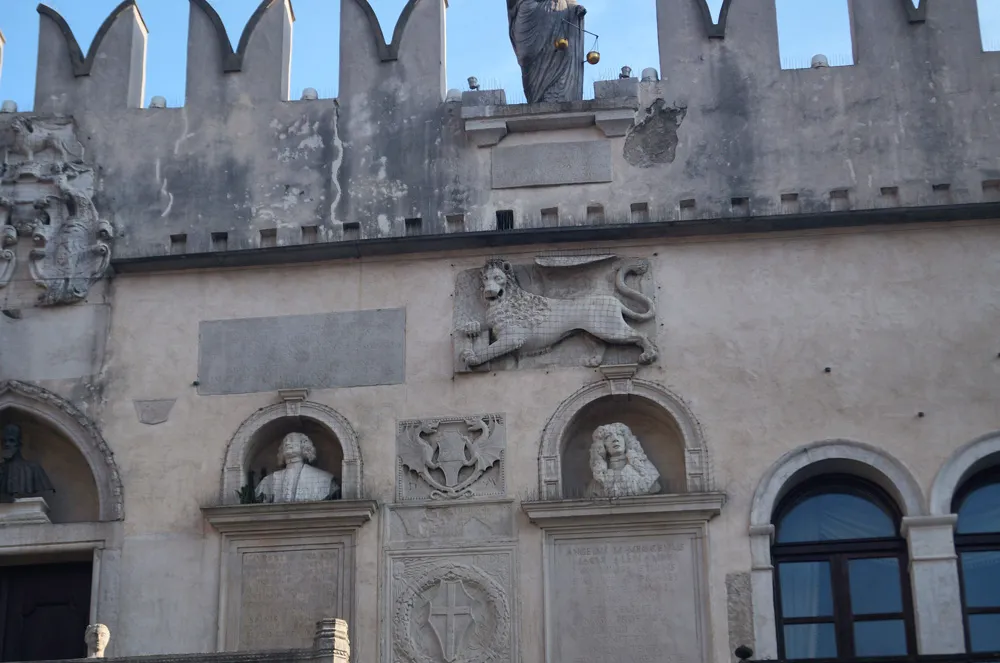
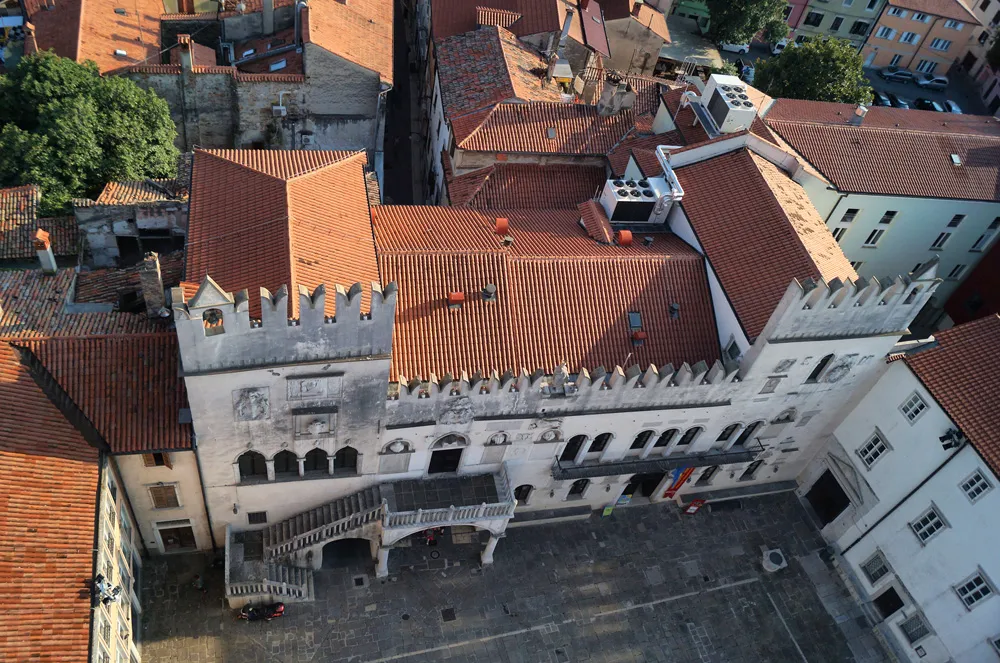
Praetorian Palace