Slovenia. Piran. A cool Venetian town

· 5 min read
Piran is located 7 km from the border with Croatia, and 23 km from here to the border with Italy. These 30 kilometres between the borders are the entire sea coast of Slovenia. There are three towns here with Venetian architecture – Izola, Koper and Piran – and these are the towns most visited by tourists.
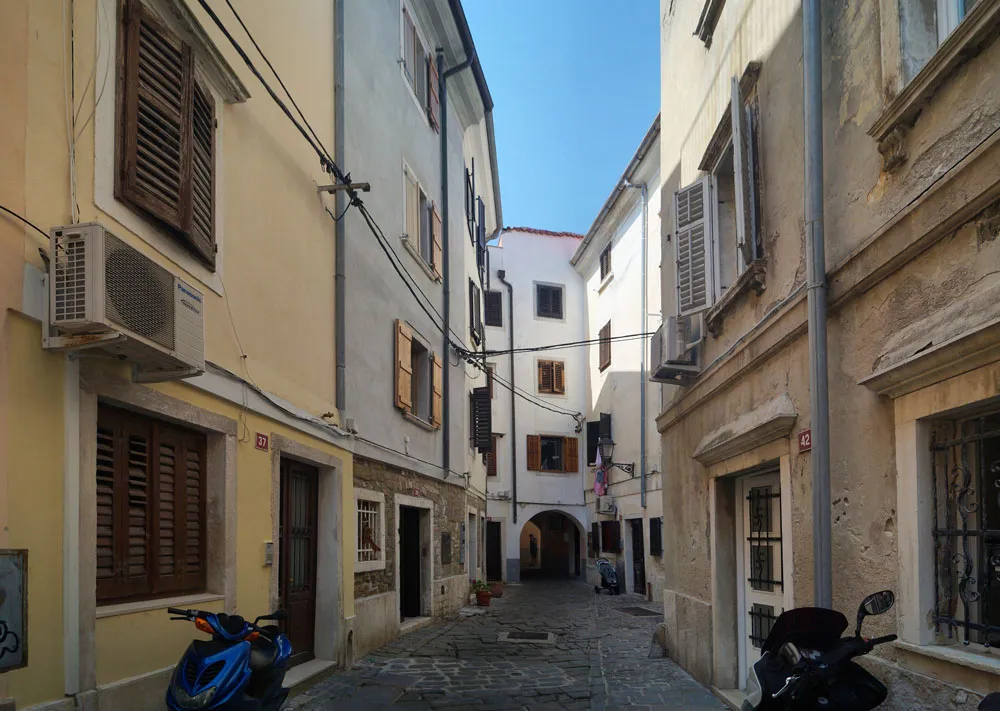
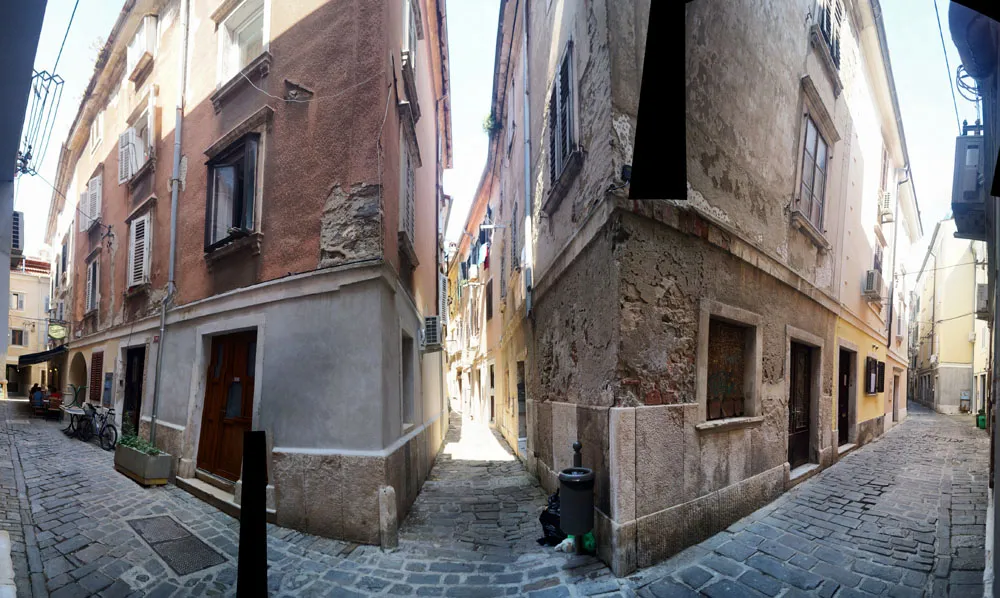
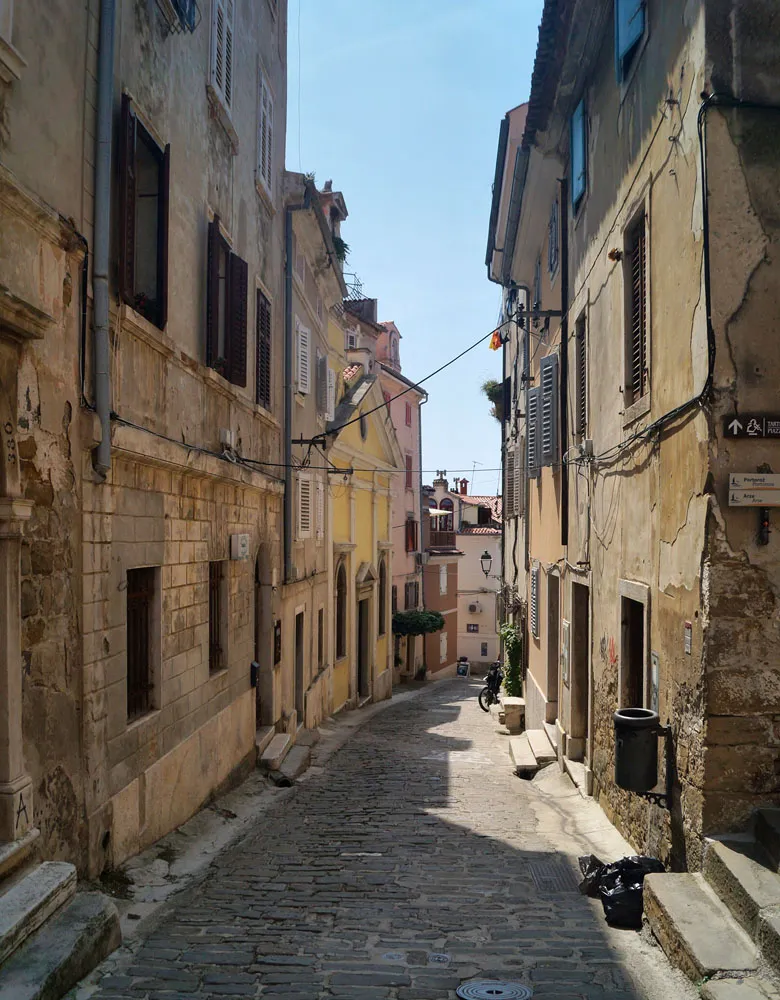
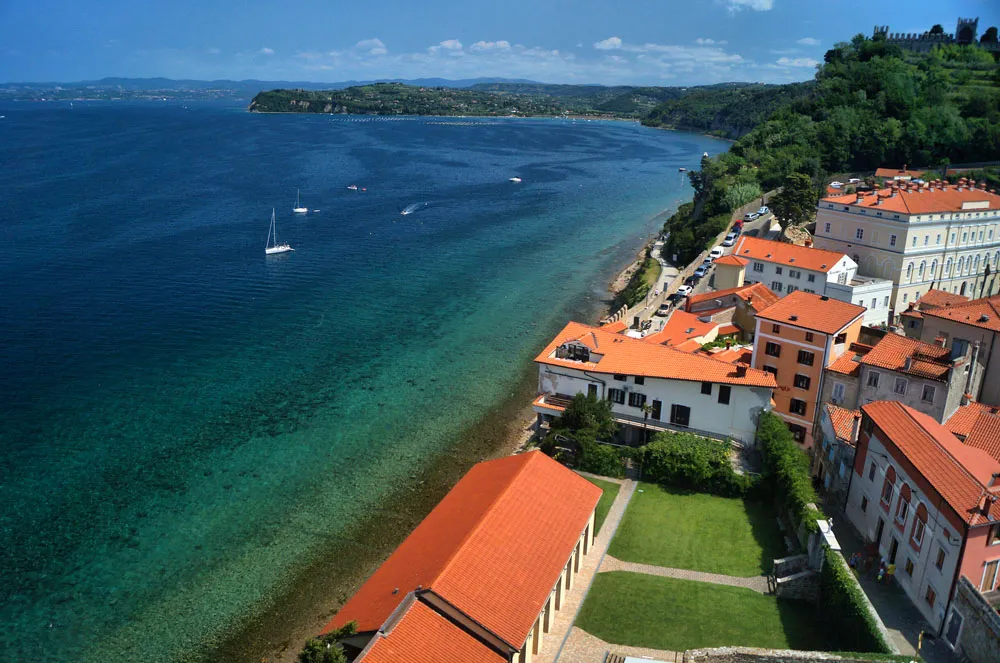
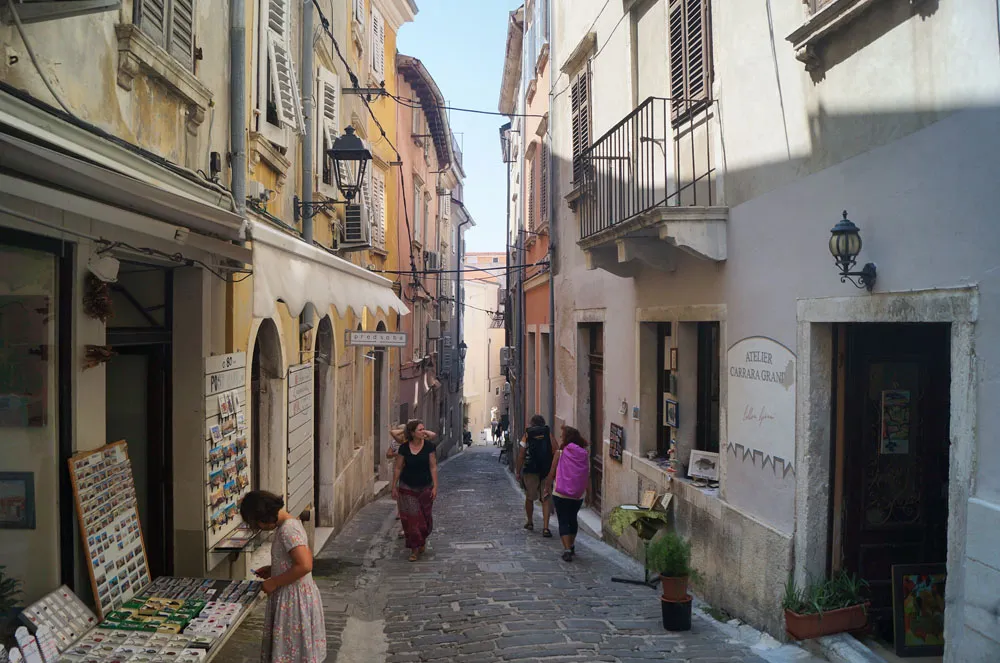
Especially many people flock to Piran – a fairy-tale town on a peninsula in the Bay of Piran. It is a kind of open-air museum, in which every exhibit is a wonderful example of Venetian architecture. I have been to many towns with Venetian buildings, and Piran is one of the most colourful among them. Tartini Square is the central square, one side of which opens onto the sea; St. George’s Church occupies the highest hill of the peninsula; and fortress walls separate the town from the “continent”. Numerous palaces, narrow, almost toy-like streets, cosy and somehow unreal, crooked and tangled. And every house remembers the days of the Venetian doges. A fairy tale. And around the peninsula there is a continuous beach, with a women-only naturist stretch on one side. And yachts, yachts…
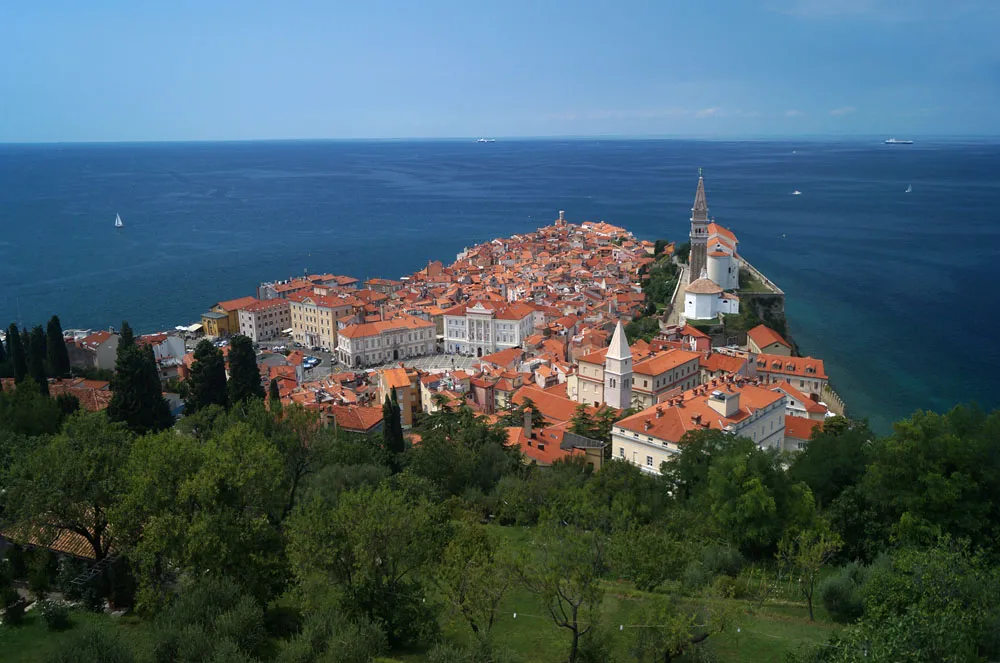
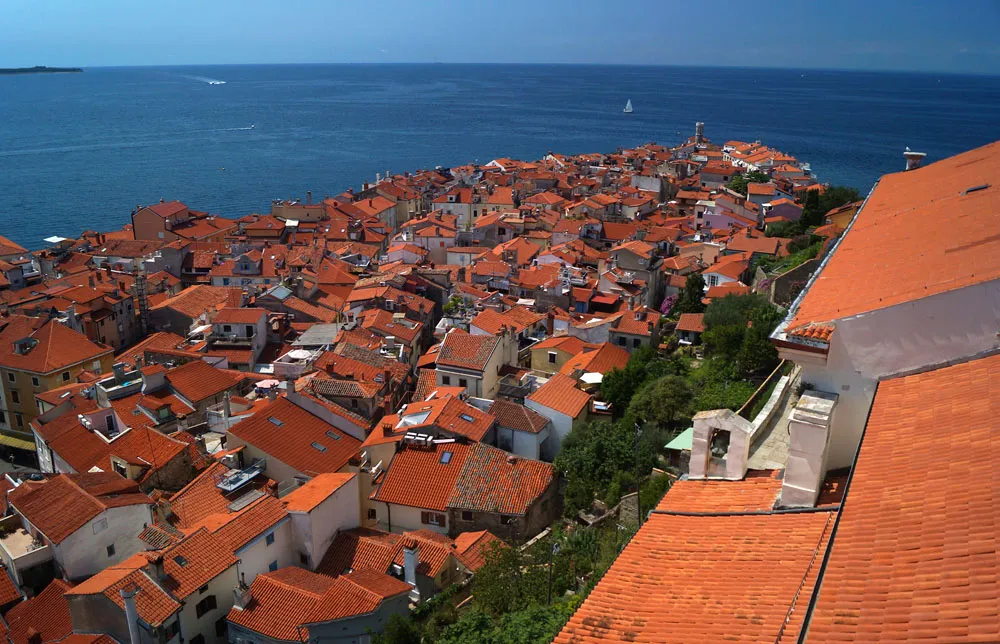
Piran Old Town
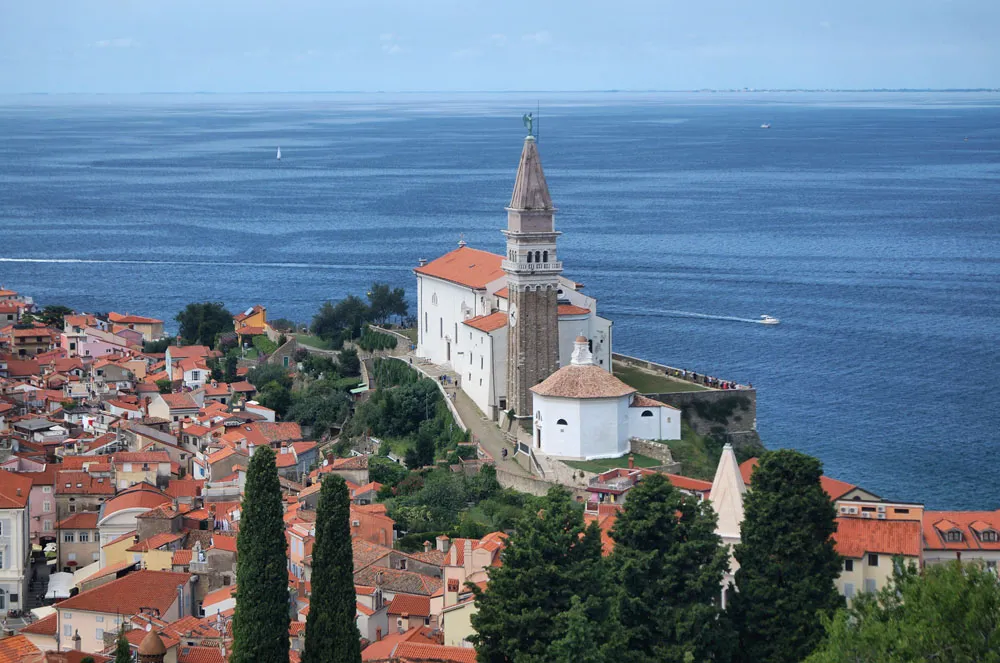
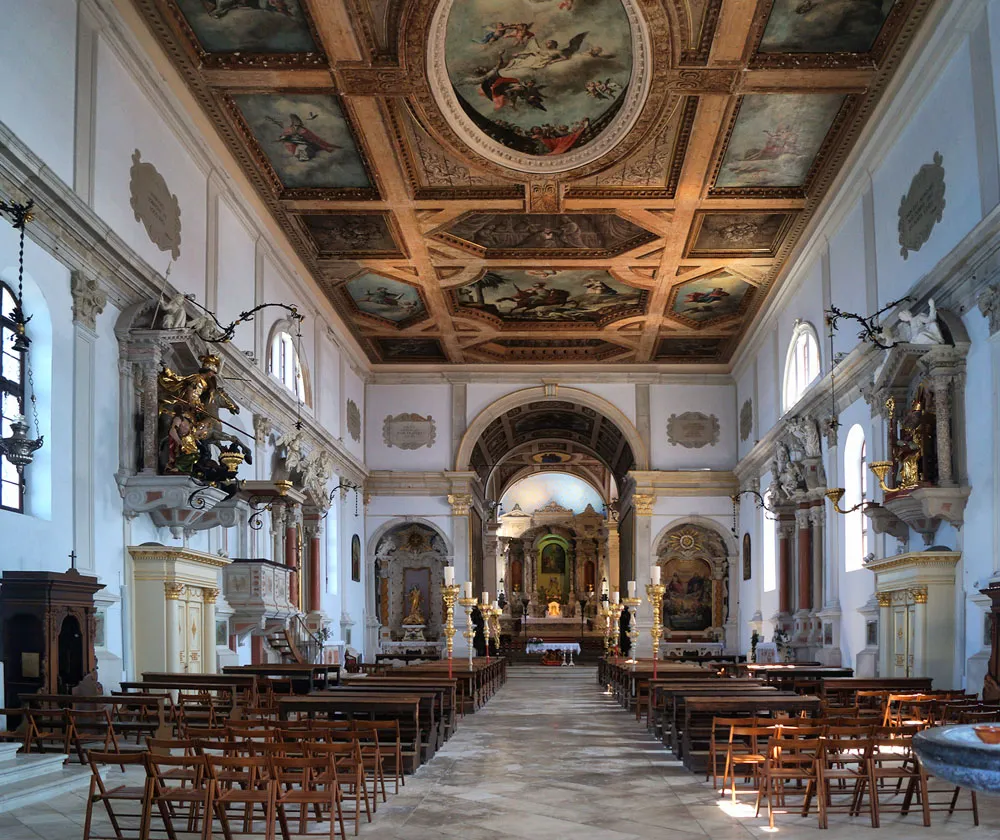
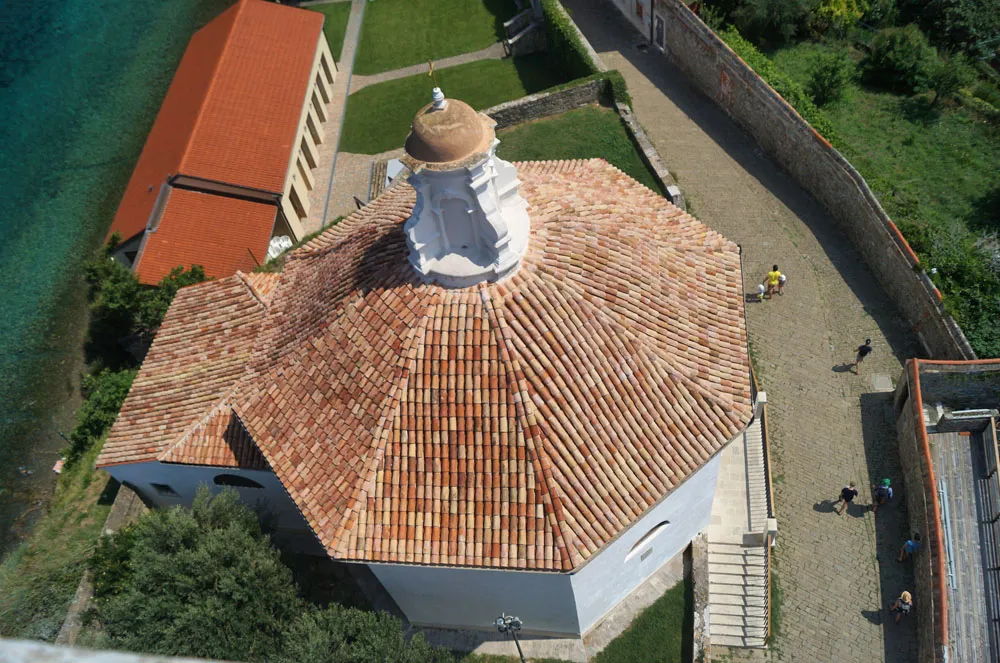
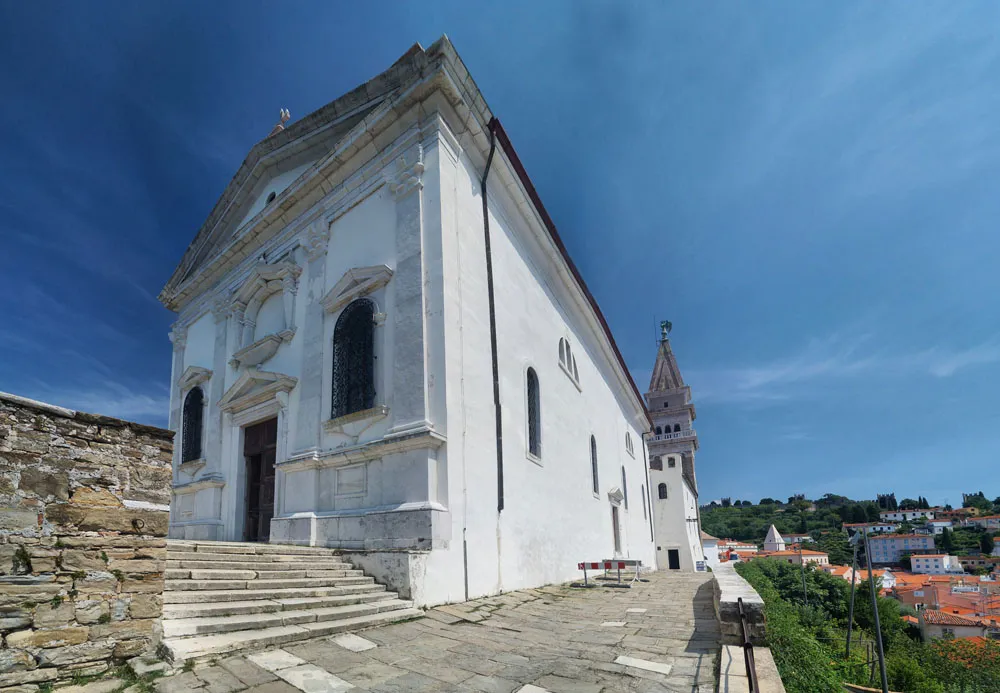
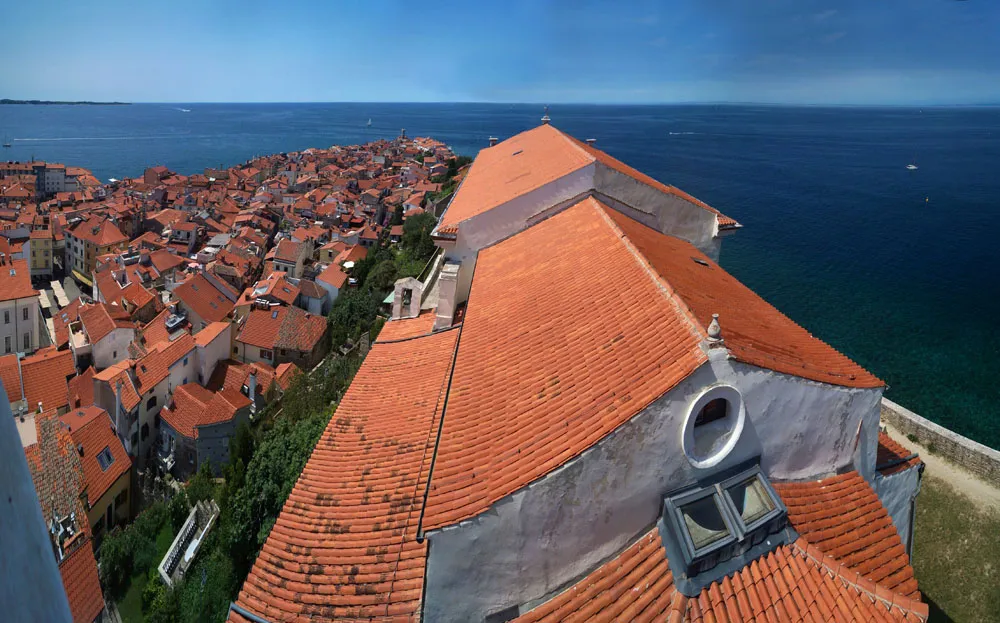
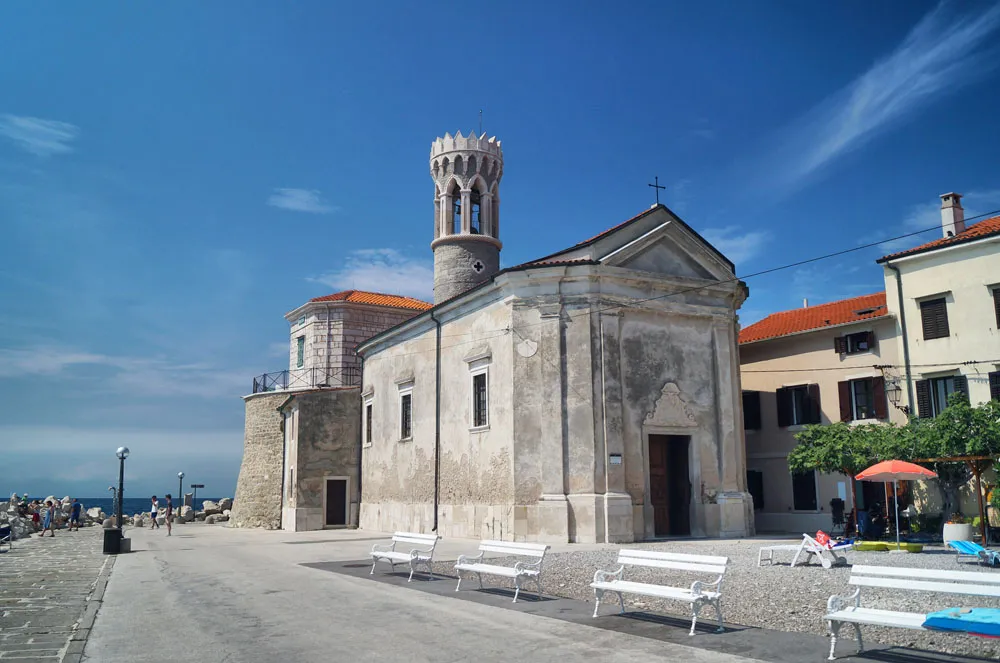
St. George’s Church
In the pre-Roman era this territory was inhabited by Illyrian tribes – the Histri. From them the peninsula, in the north of which lie the Slovenian towns of Izola, Koper and Piran and the Italian town of Muggia, and in the south (more precisely, the south-east) the Croatian town of Rijeka, received the name Istria. Today almost the whole of Istria lies within Croatia. Slovenia got a small piece, and that almost by accident, after the post-war division of Trieste, when Yugoslavia carved off a chunk for itself, although the territory was populated by ethnic Italians. That is why even now in the Piran area Italian is an official language alongside Slovenian.
The Illyrians were pushed aside by the Romans, who in 177 BC incorporated the Piran peninsula into the empire. In the 5th century the Avars attacked Istria, and in the 6th the Slavs, who drove the local population into fortified coastal towns, causing considerable urbanisation of the area. In the 7th century Piran was seized by the Byzantines, and it was then that the present name of the town began to appear in written documents (from the Greek “pyrgos”, red, because of the colour of the local stone). In the 8th century the town was conquered by the Franks, and in the 10th it fell within the Holy Roman Empire.
The decisive year for Piran was 1283, when the town became part of the Republic of Venice, which it remained until the republic’s disappearance in 1797. These five centuries shaped the present image of Piran, a fairy-tale seaside town with only four thousand inhabitants.
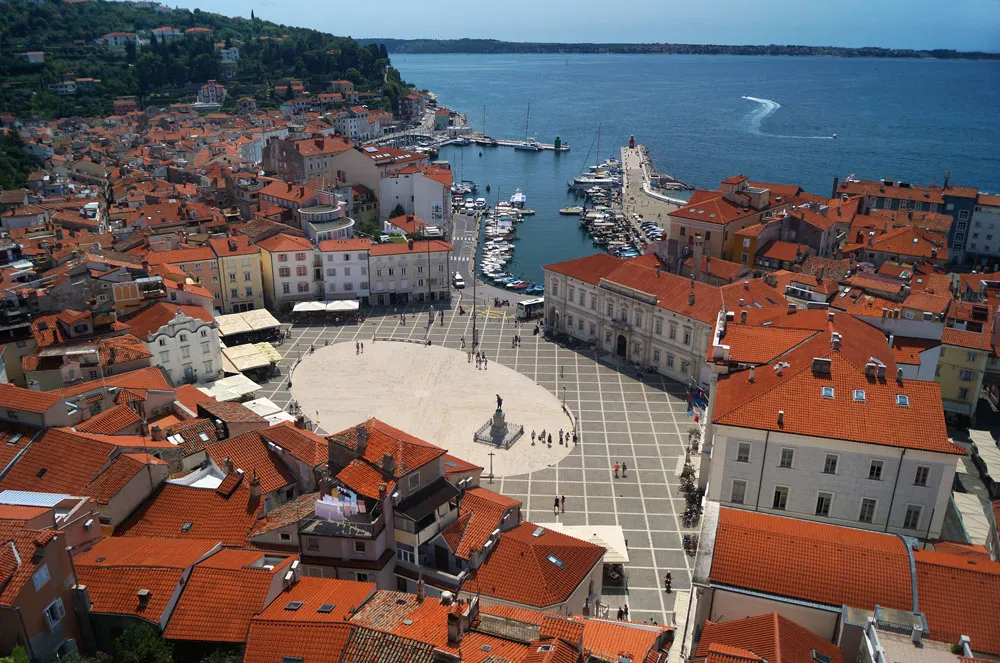
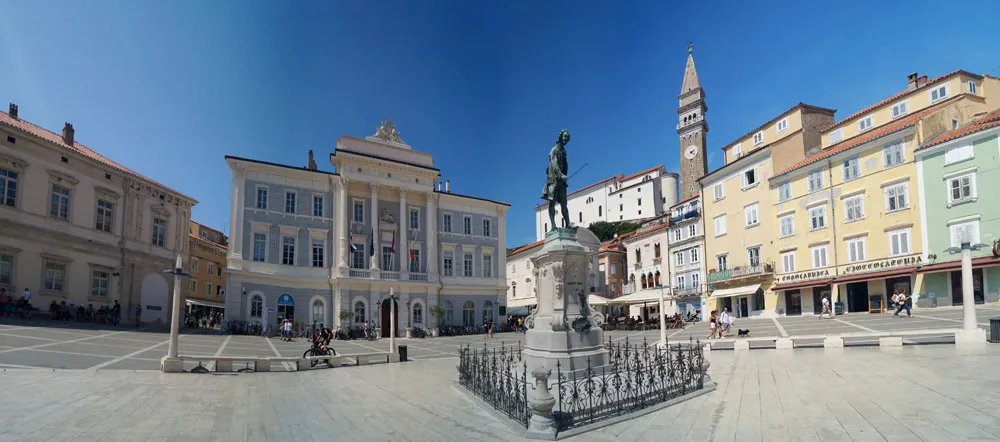
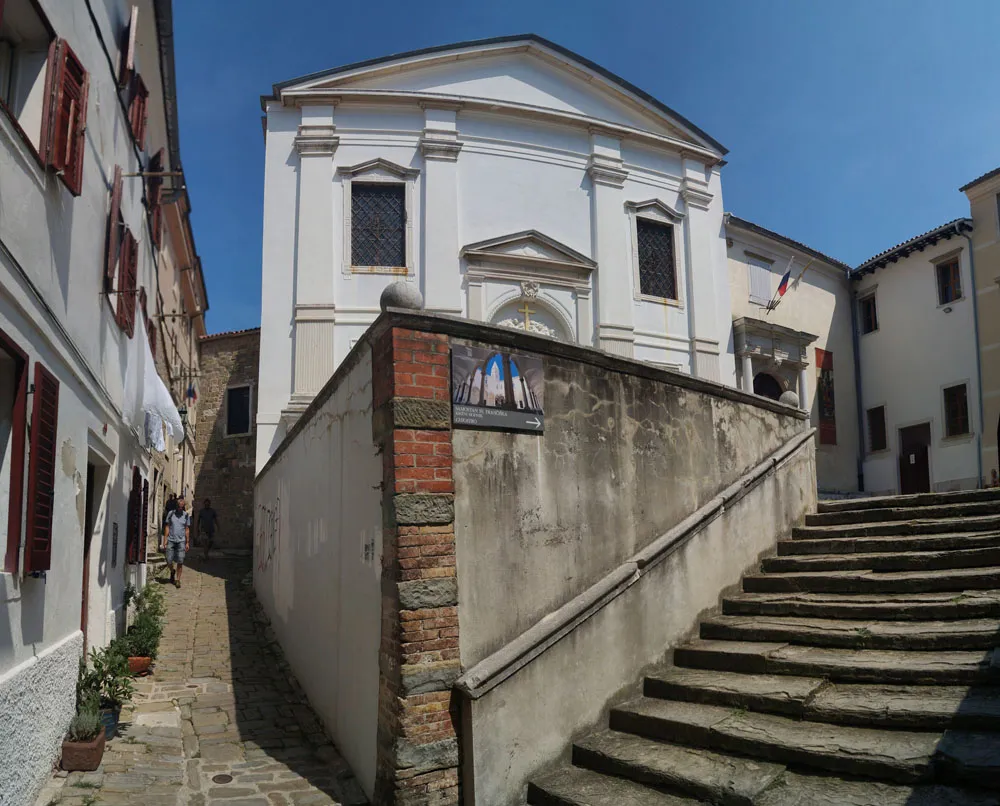
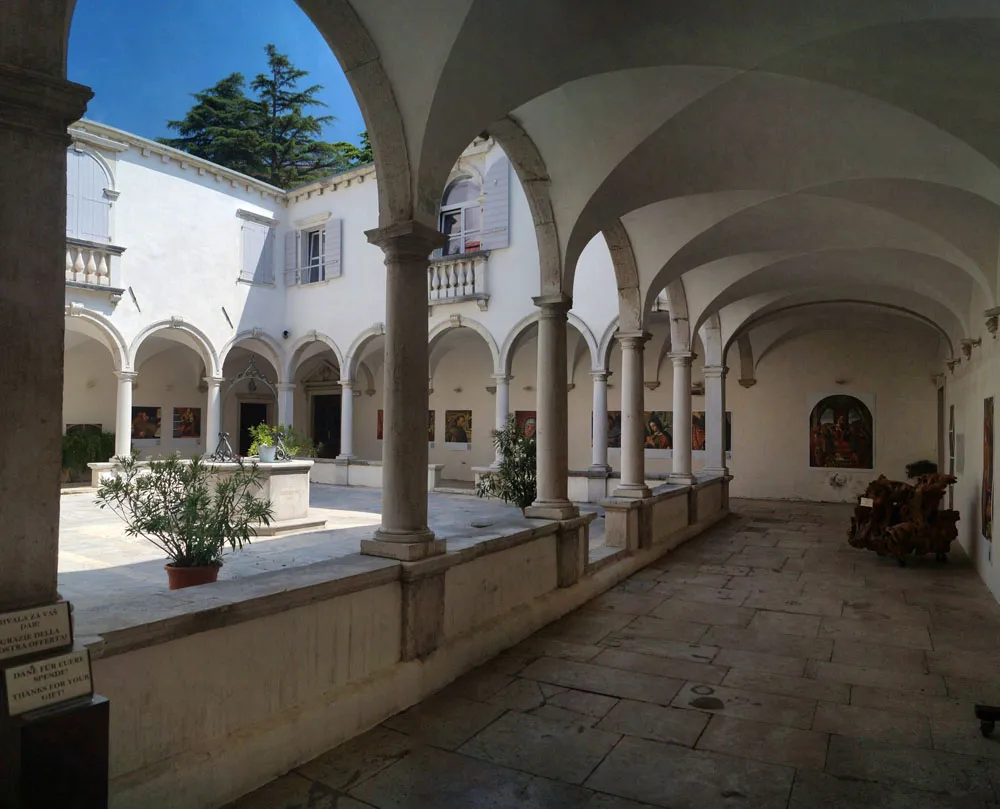
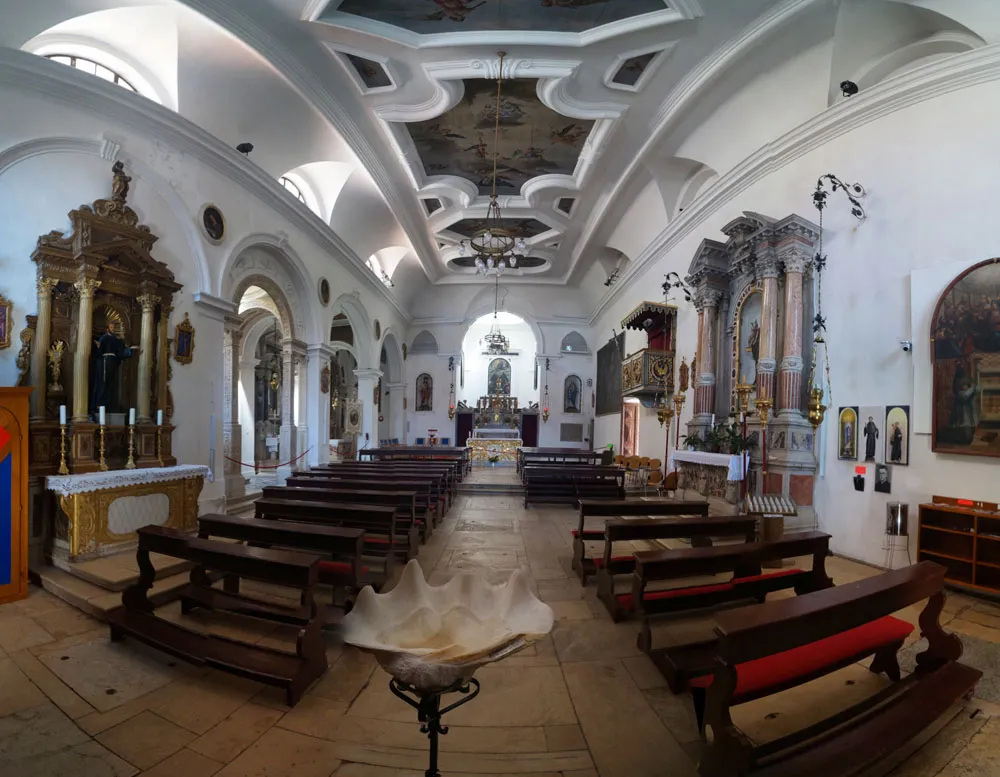
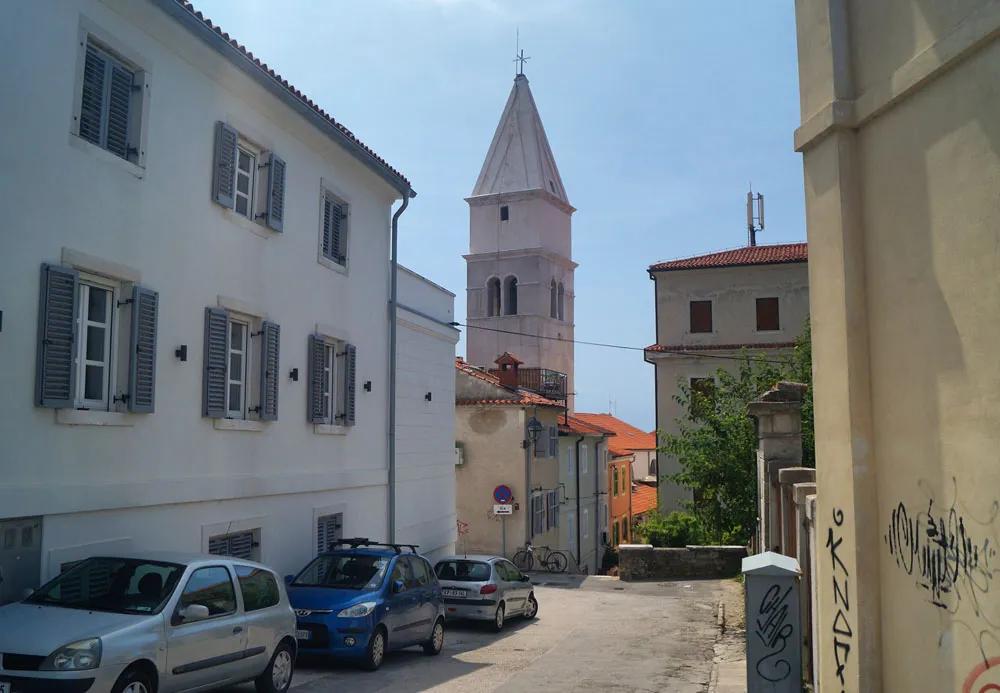
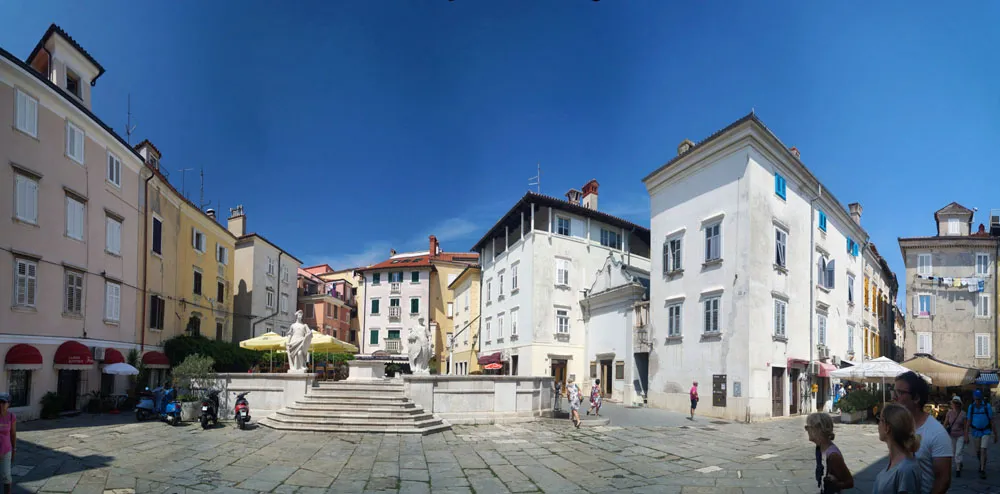
Tartini Square and the Franciscan monastery
The main landmark of Piran (at least in the opinion of numerous tourists) is the Church of St. George. It was built in the Venetian Renaissance style at the turn of the 16th–17th centuries – construction began in 1592 and was completed in 1614. Next to it a tall bell tower was built, a copy of the Campanile of St. Mark’s in Venice. The architect of the church was the stonemason from Venice Bonfante Torre, who devoted a significant part of his life to the construction. Scholars claim that he used the architectural designs of Andrea Palladio. In 1650 an octagonal Baroque baptistery was built behind the bell tower, and later the hill was reinforced with retaining walls, which were strengthened further in the 18th–19th centuries.
The most visited part of Piran is Tartini Square, located by the sea. Once it was a mooring for fishing boats, but in 1894 it was turned into a square and named after the outstanding Italian violinist Giuseppe Tartini, a native of Piran. A monument to the musician stands here – a popular photo spot. The oldest building on the square is the Benečanka (Venetian House), a Gothic structure built as early as the 15th century. Somewhat newer is the house of the Tartini family, while the town hall and several other buildings were built at the end of the 19th century.
At the beginning of the 20th century, in Piran, which was then a significant trading town, the first trolleybus in the Balkans was built. I find it hard to imagine how a trolleybus could run here in such cramped streets. Moreover, it was later replaced with a tram. The tram tracks were dismantled only after the Second World War.
In Piran it is definitely worth visiting the Franciscan (Minorite) monastery, founded as early as 1301. It is a complex of buildings with a cosy inner courtyard which for a long time served, and still serves, as a summer concert hall. The musical history of the monastery began as early as the 17th century, when the monks started providing the basics of music education. The outstanding Tartini studied here too, and the monks are very proud of this fact.
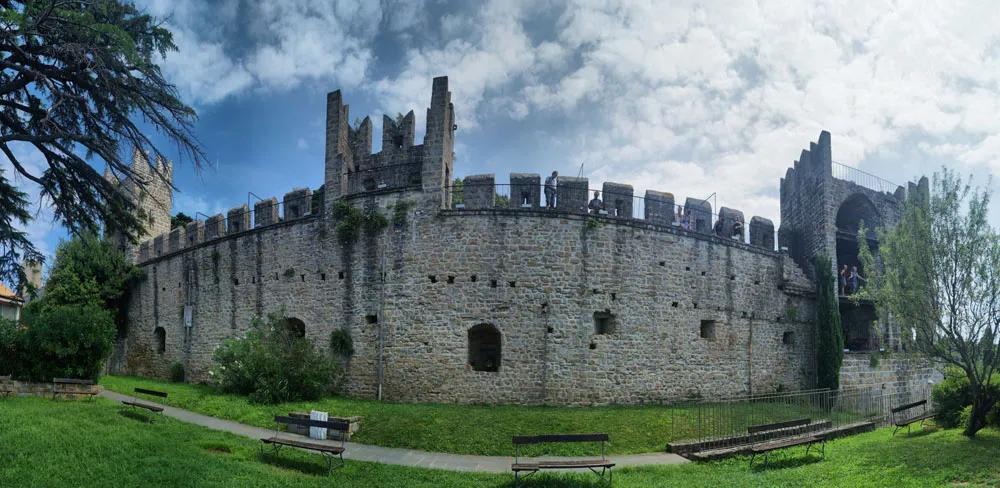
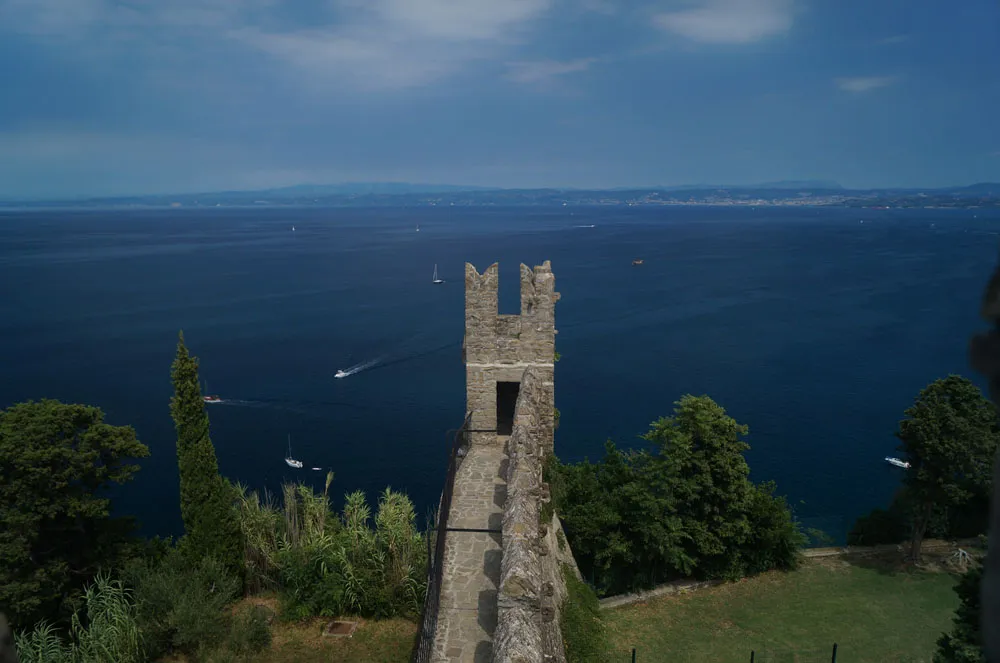
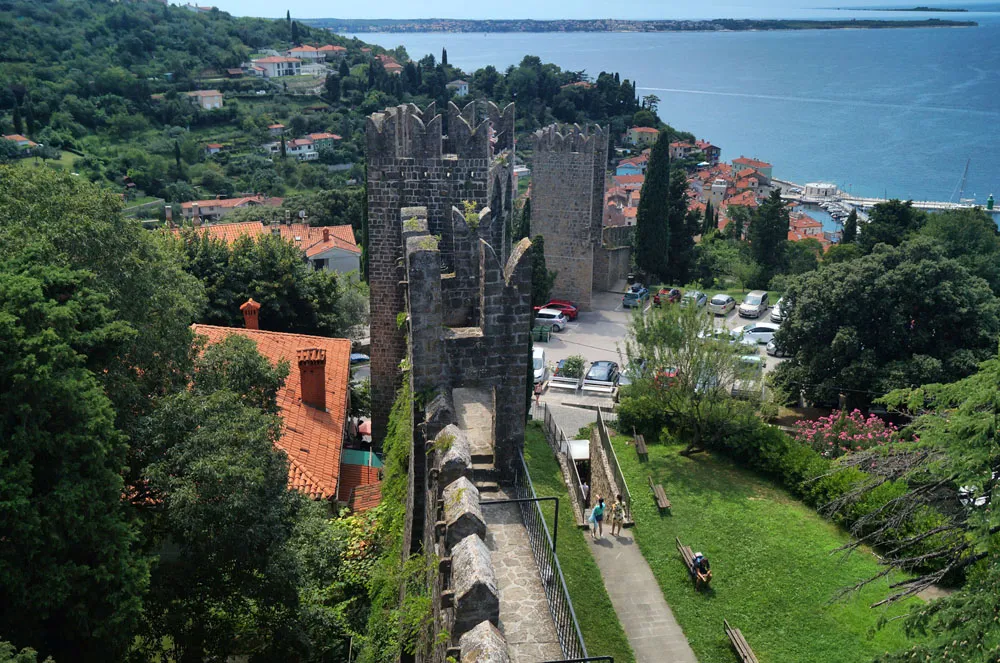
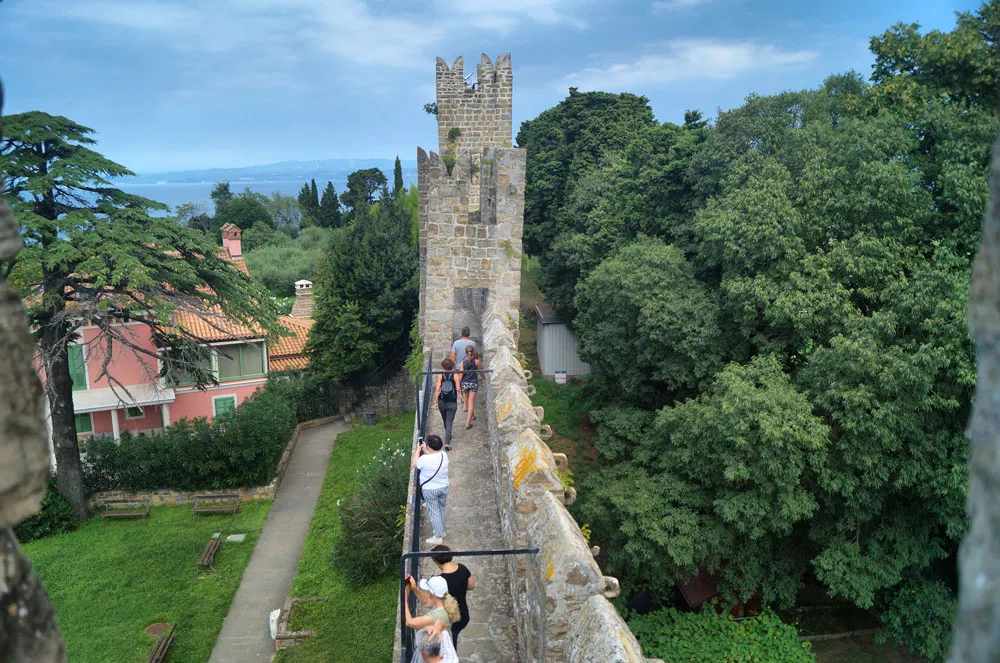
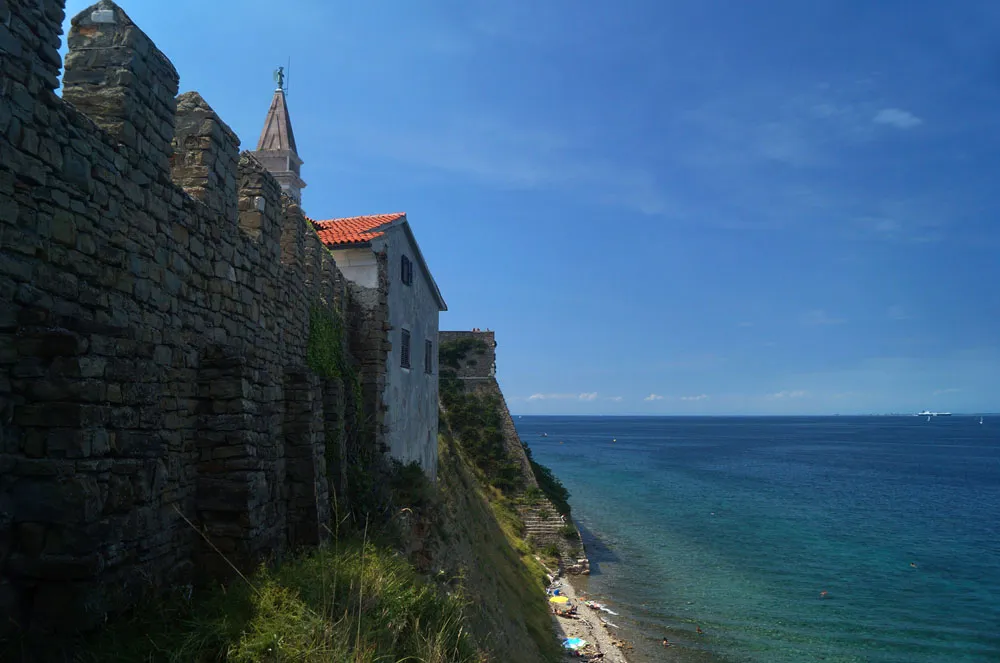
The walls of Piran began to be built as early as the 7th century, when the town huddled at the very end of the peninsula. In the Byzantine period Piran grew, and another ring of walls had to be built, and in the Venetian period yet another. Up to our day a stretch of the outer ring of defensive walls has survived, along with towers that can be climbed – offering a wonderful view of the town against the sea – and seven gates.
A tourist tour of the town begins from the walls and ends at the very tip of the Piran peninsula, by the lighthouse – the “Piran lantern”, as the Slovenes call it. You can walk to the lighthouse along the shore, by the sea, but it is more interesting to go straight through the narrow streets to feel the spirit of this ancient town.
Text and photos by Roman Malenkov.