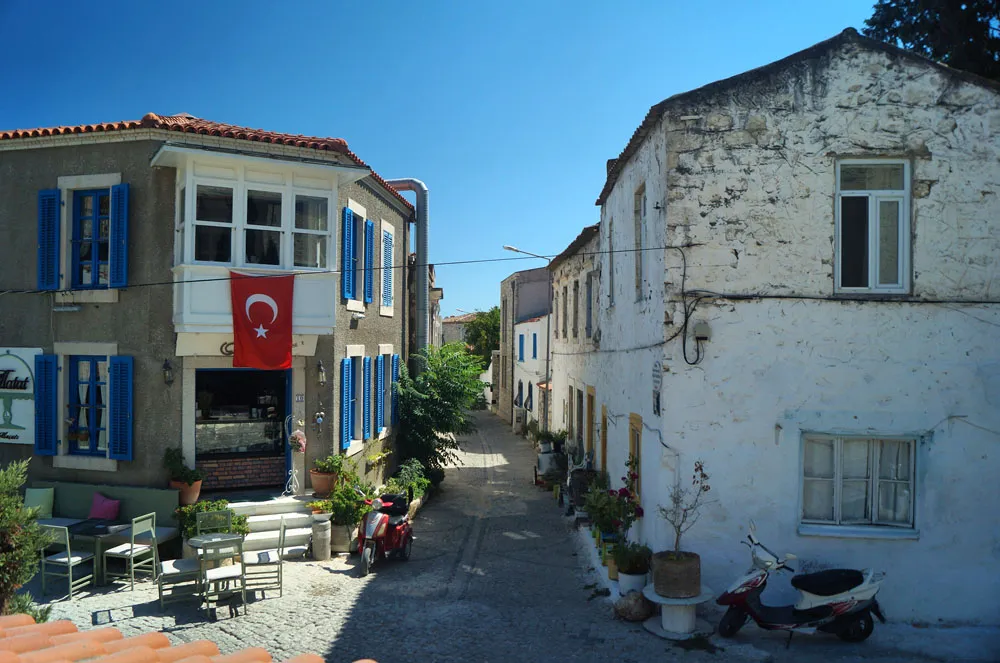
The most beautiful village in Turkey. Alaçatı

· 3 min read
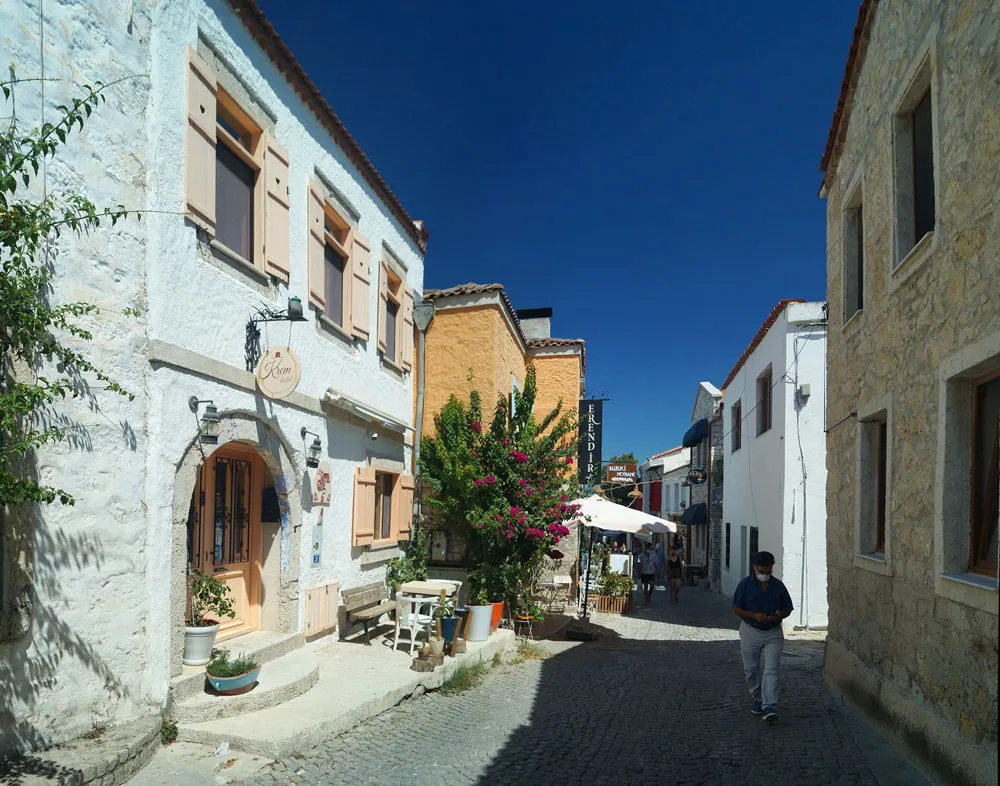
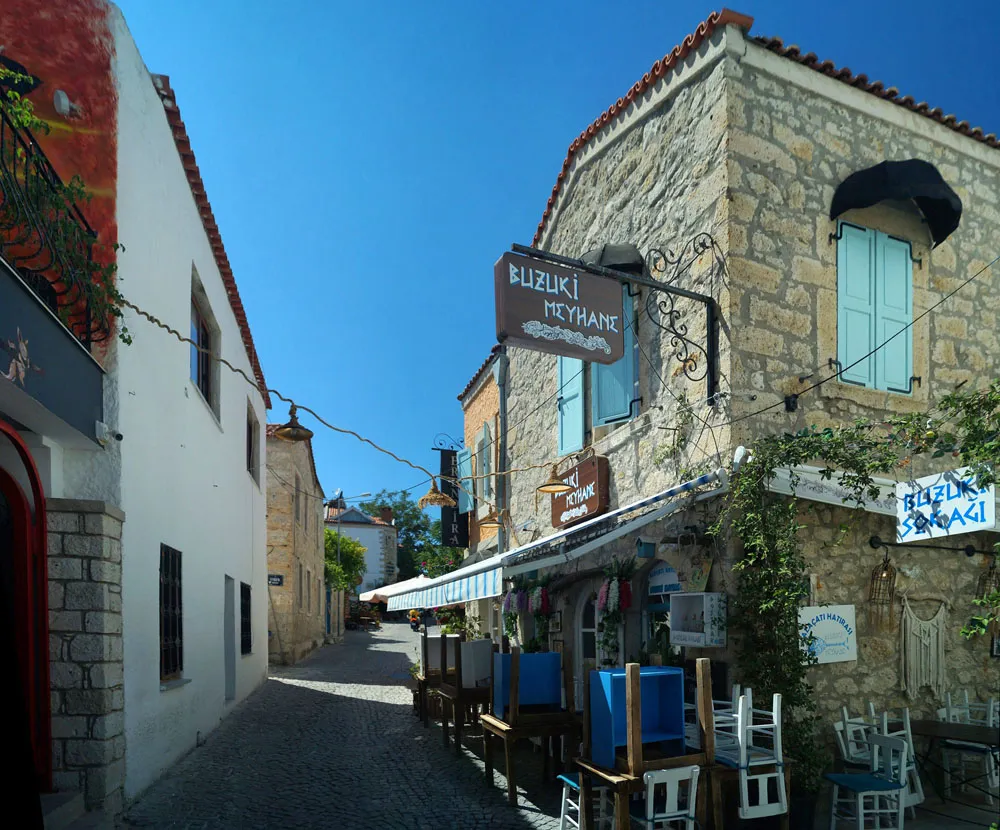
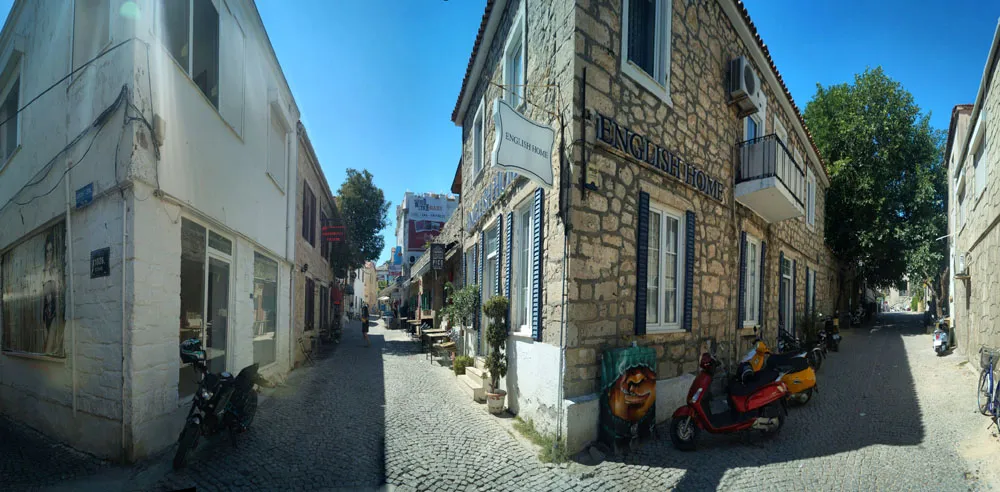
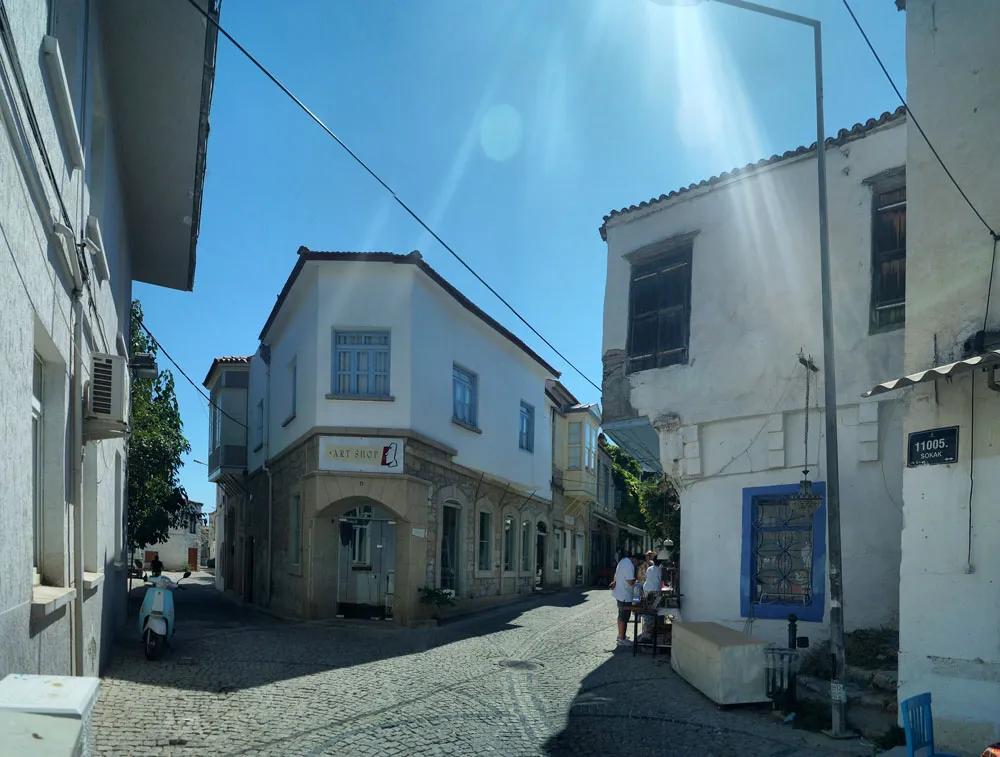
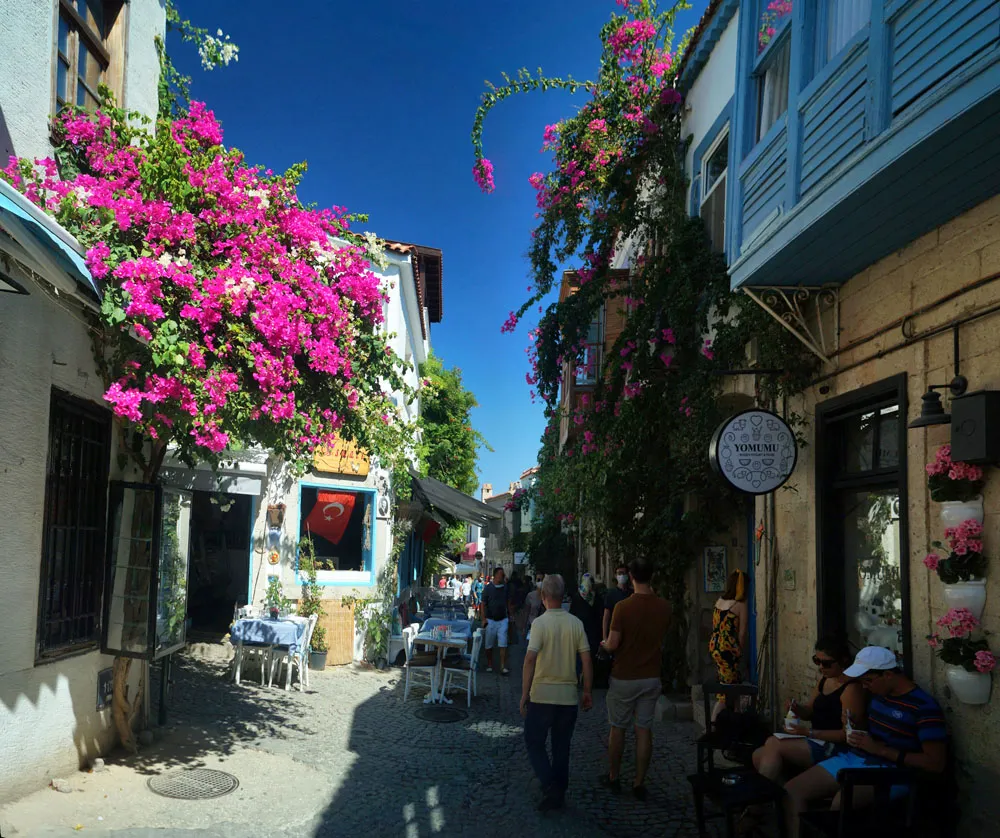
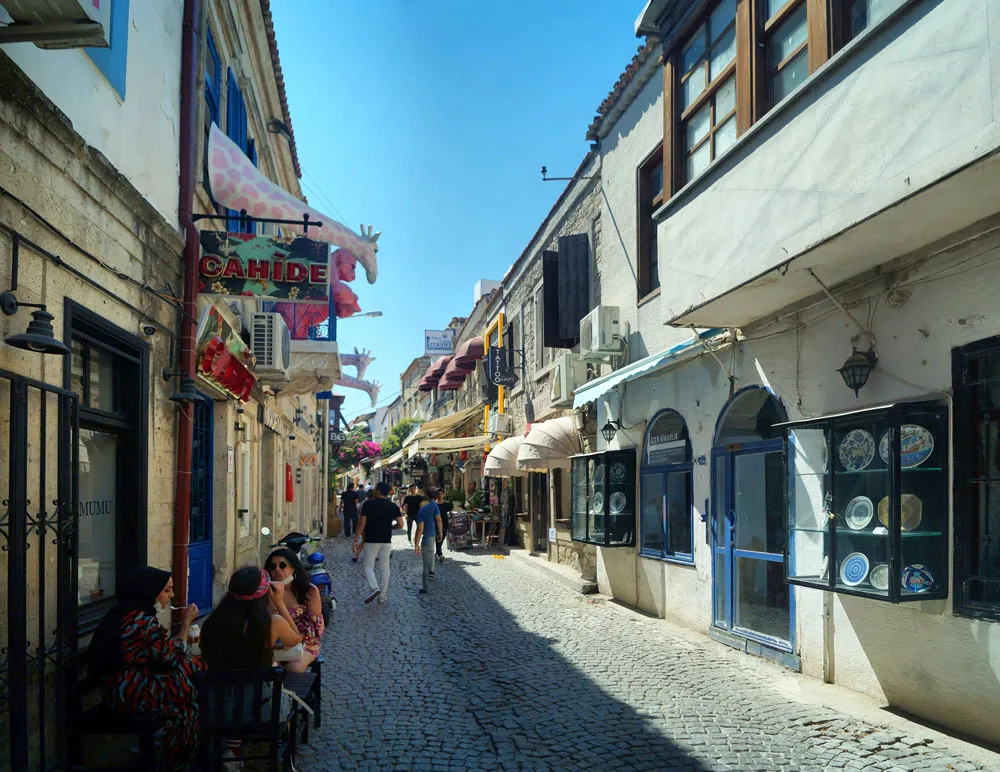
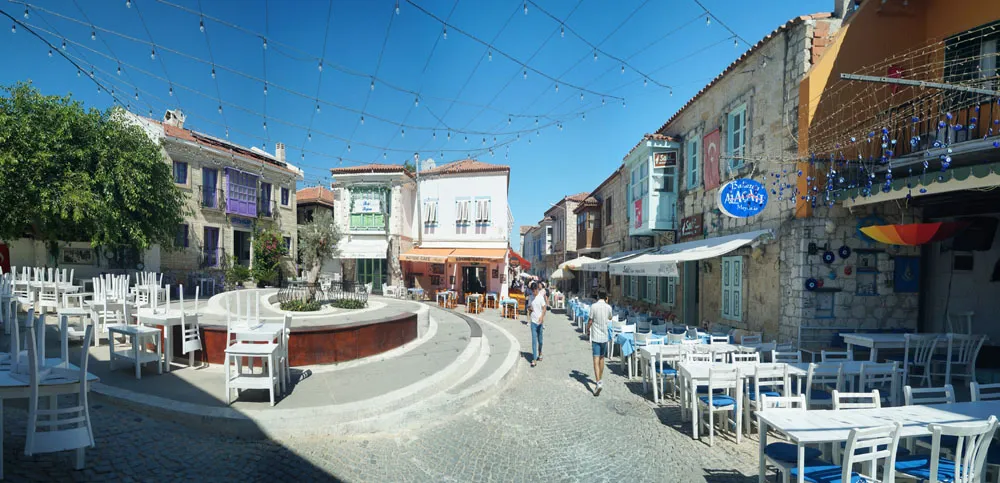
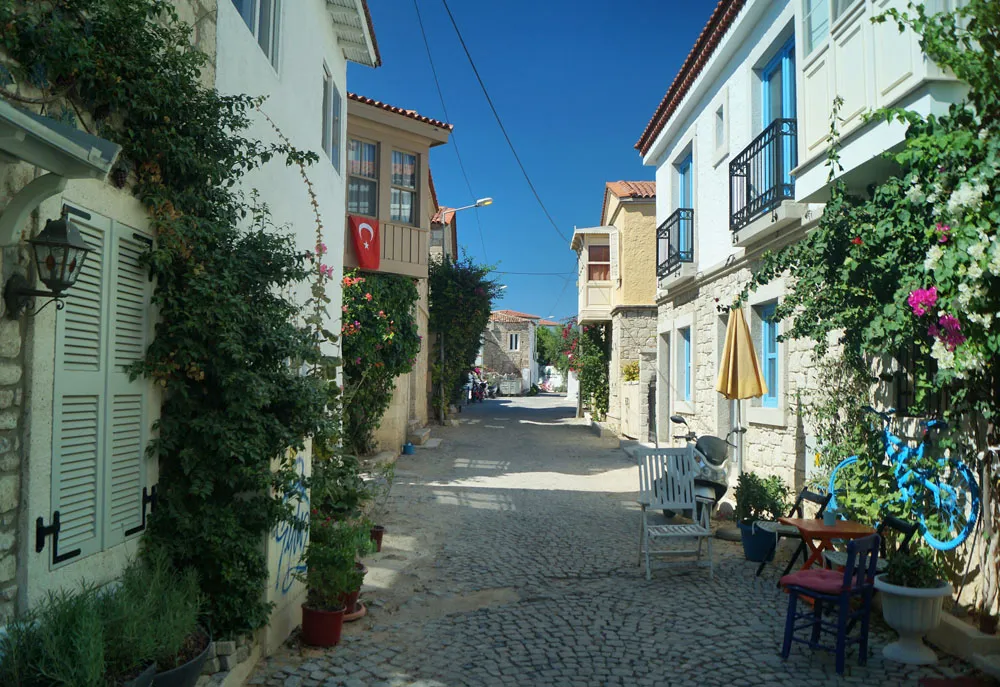
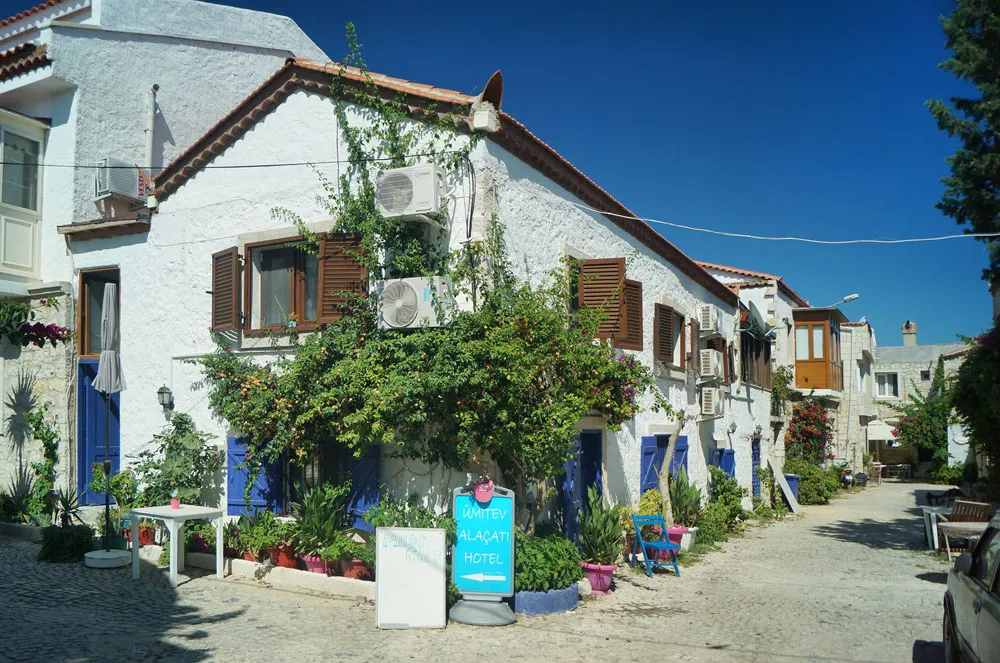
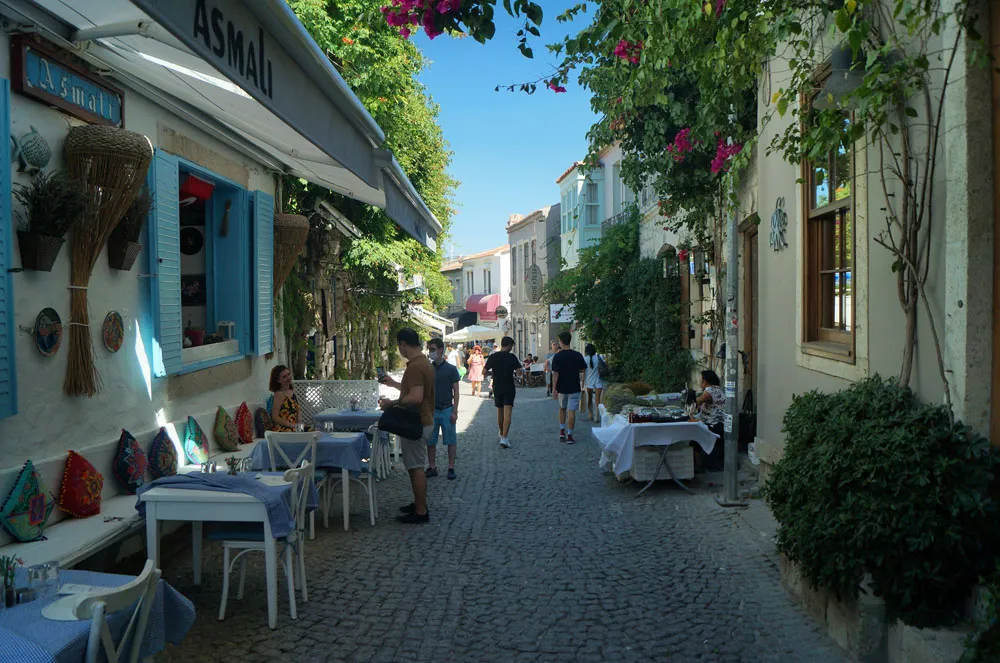
I have seen quite a few beautiful Turkish villages and towns, and I will tell you frankly – there is no other place like Alaçatı. Guidebooks and Wikipedia call Alaçatı a village – my tongue refuses to say so – it is a small town, because it has a large historic centre built up with dozens of streets, with two-storey stone houses stretching in a continuous wall. You can stroll along these cosy streets for hours – what kind of village is that? Where are the peasants with beets and onions, rakes and scythes, where are the combine harvesters and the manure heap? What is more, it has a population of more than eight thousand, which in the season probably grows fourfold, because a huge number of tourists come here.
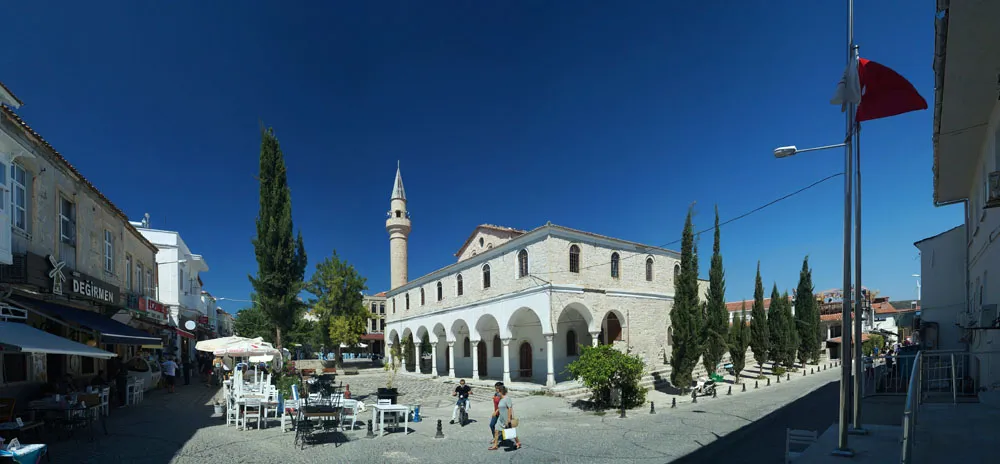
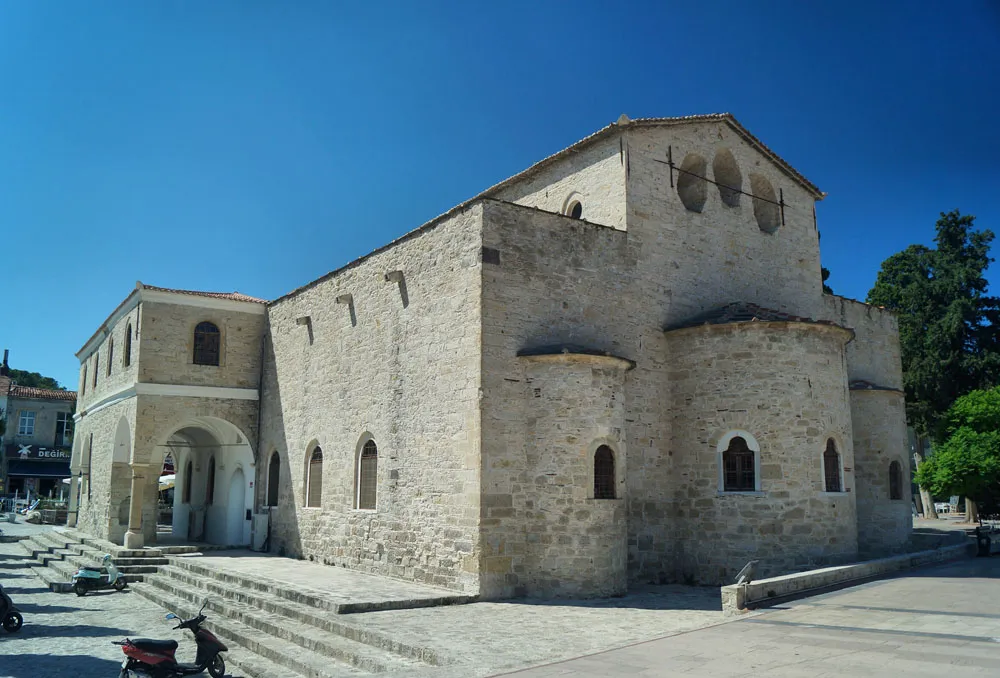
In its architecture Alaçatı is the most European town in Turkey. Greek, with Venetian-Genoese elements. In places its streets recall Nafplio, in places Šibenik or Dubrovnik. And there is not one or two such streets here – there are very, very many. Balconies, a huge number of cafés and restaurants, tiled roofs, a big church turned into a mosque, and a crowd in the season. And above all this, Greek stone windmills on the hill.
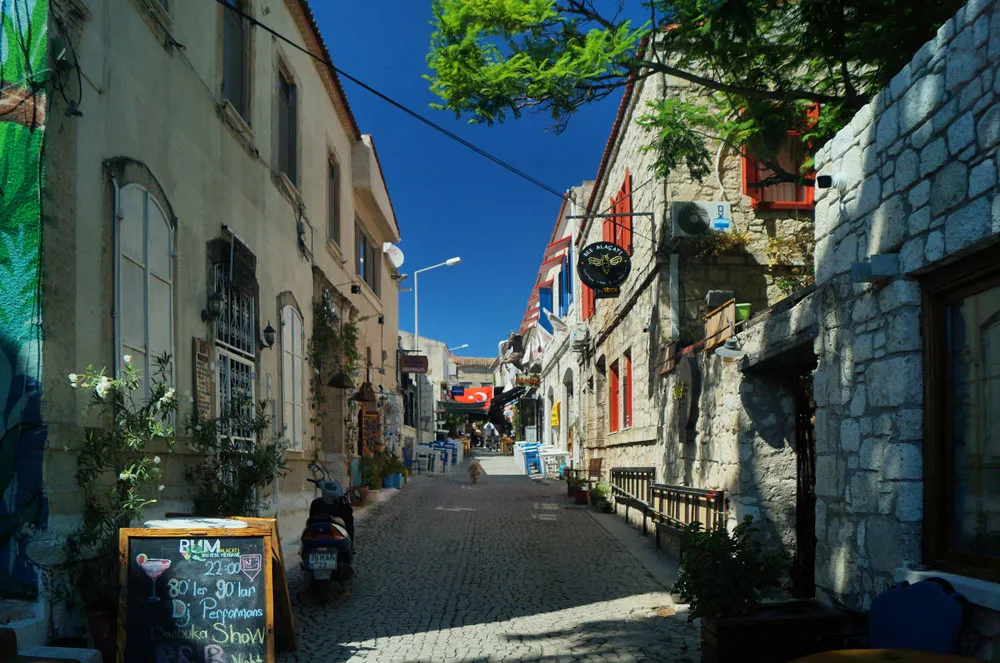
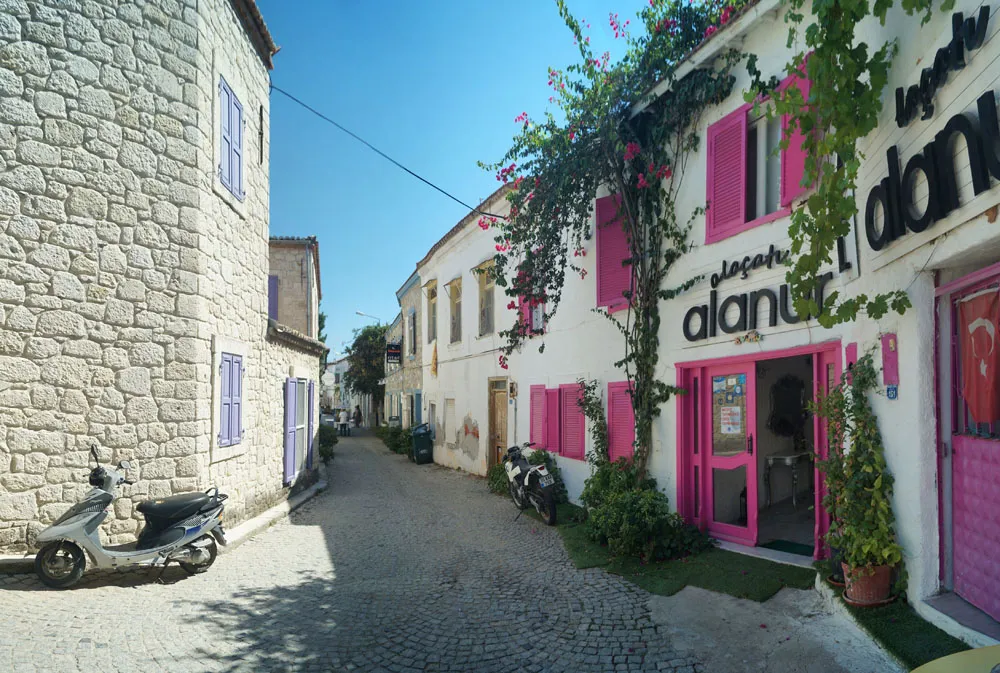
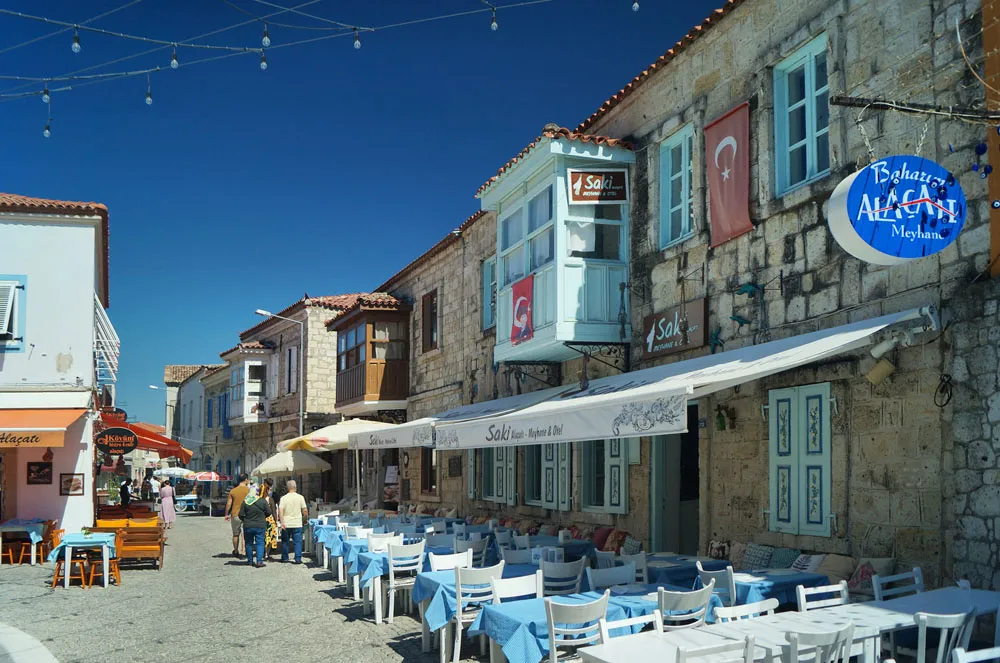
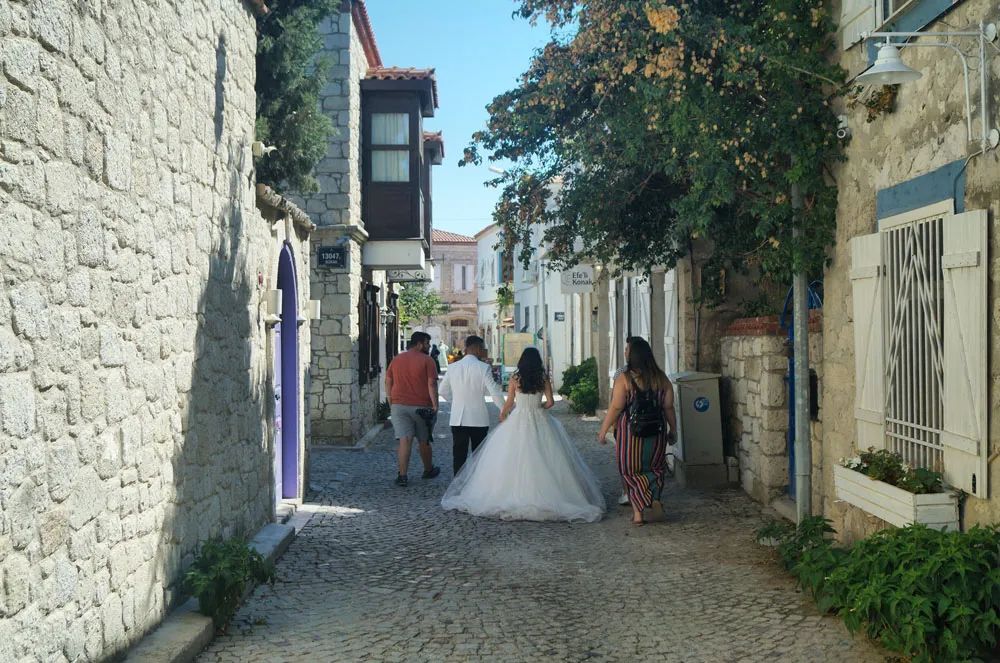
We were heading to Çeşme and almost by chance dropped in at Alaçatı – the evening before I had seen a few photos on the internet. To say that it impressed me is to say nothing. And why is it almost unknown to Ukrainian tourists? A wonder.
Today Alaçatı is called a town of people with laptops – a great many remote workers, especially wealthy IT people, buy apartments or houses here in order to work in a cosy atmosphere. These streets are noisy only in summer, and even then not very. Tourists come here from Izmir and Istanbul – hardly any others.
Alaçatı, as you have guessed, was a Greek settlement in the past. After the mass killings of Greeks in Smyrna (Izmir) in September 1922, the inhabitants of Alaçatı fled to Crete. In the city of Heraklion a district called Nea Alachati was founded, which exists to this day. And Turks eventually moved into the real Alaçatı, into the abandoned houses. It is very strange that these houses were not destroyed, like most Greek districts of towns in the Izmir region. Alaçatı has survived and still delights with its old-time beauty. It delighted us too, although the few hours we had planned for it were not enough.
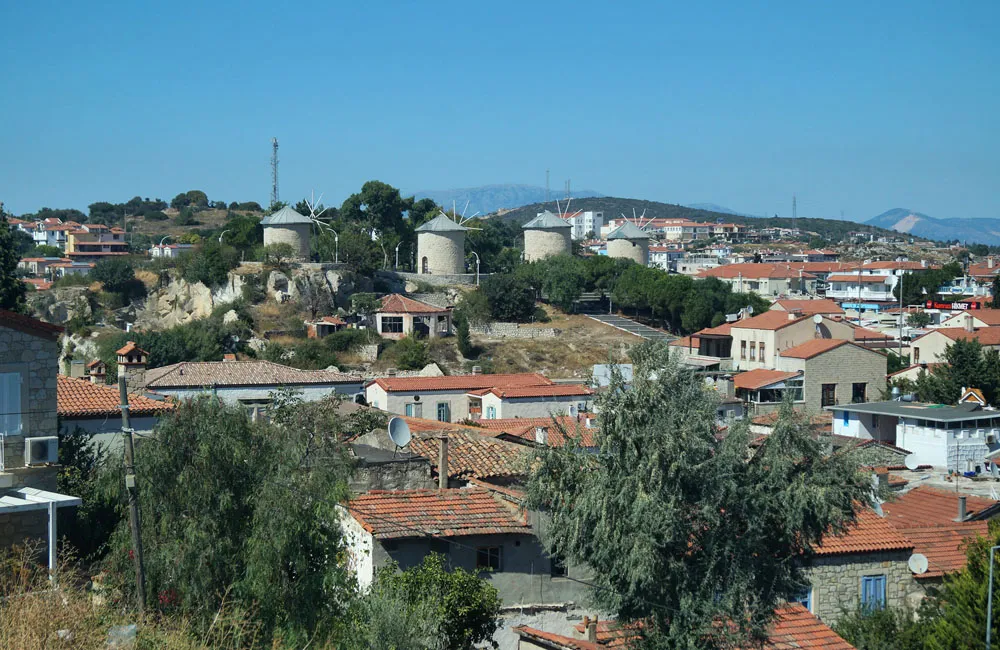
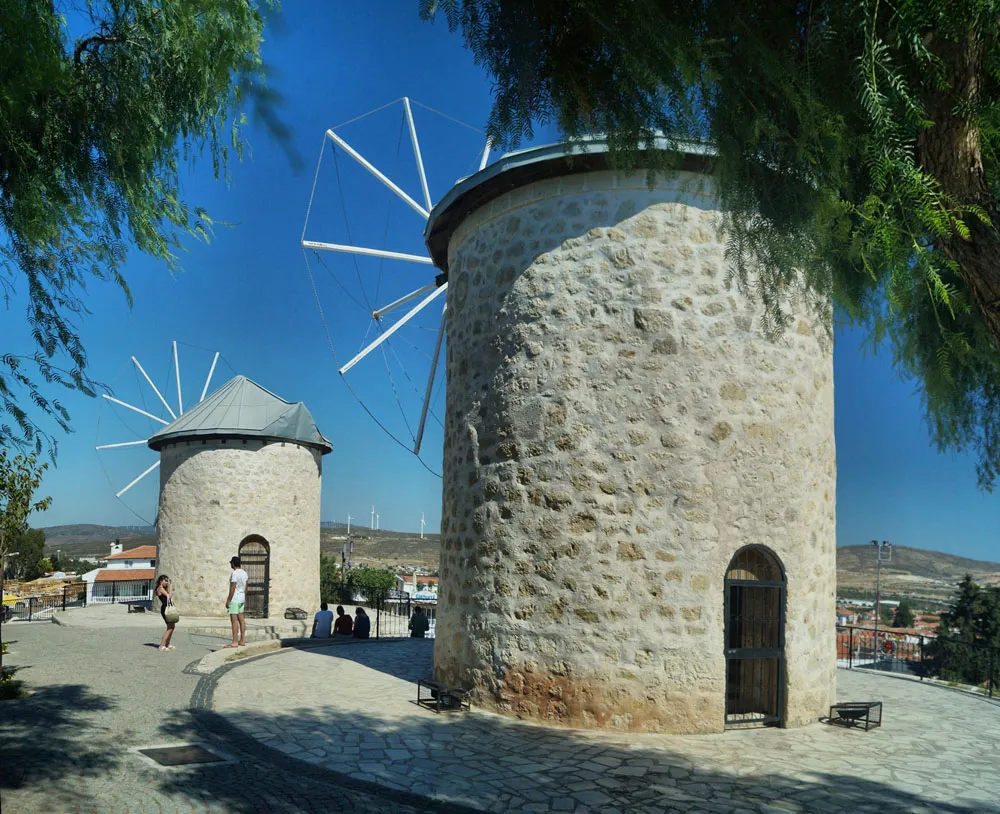
The town of Alaçatı was founded by Greeks in the 17th century. In the 18th century a lively port appeared here, specializing in agriculture, and the local inhabitants produced raisins. The town, then still a village, grew rich and expanded, and was considered one of the most developed on the western coast of Asia Minor.
Near Alaçatı there are beautiful beaches, excellent conditions for windsurfing and other kinds of water recreation, but as a resort the town is developing slowly, so one should hurry before this centre of fairy-tale Greek atmosphere turns into a typical recreational-and-alcohol centre jammed with cars, bazaars and touts. One must go.
P.S. By the way, it looks as though the Turks are hiding Alaçatı from foreign tourists – there is very little information about this wonderful town. They are hiding it for themselves. Or maybe they do not want questions. About the Greeks, for example. Where did the Greeks of these houses go?
Text and photos by Roman Malenkov.