Turkey. Artvin. The former capital of Lazistan

· 3 min read
I have known the name Artvin since childhood. I read a work of fiction by some Georgian author — I remember neither the title nor the author. In it the city of Artvin figured, and as a Georgian one at that. Perhaps it was Turkey, but the city was populated by Georgians — the talk was of Georgians… Who knows why the city stuck in my memory, but when I saw the name on the map — in Turkey after all, but not far from the border with Georgia — I wanted to go. I began looking for information — there turned out to be little of it on the internet. A friend, an expert on Turkey, said he had not been himself but had been told that the Artvin region is cool. So it had to be seen. We went and did not regret it.
There are no direct flights to Artvin from Ukraine; there is probably not even an airport there. The city, though a provincial centre, belongs to one of the least populated provinces in Turkey. Artvin has fewer than 30,000 inhabitants. The city is small and very hilly. It lies above the Çoruh river, which begins in Turkey, then flows through the territory of Georgia and falls into the Black Sea near Batumi.
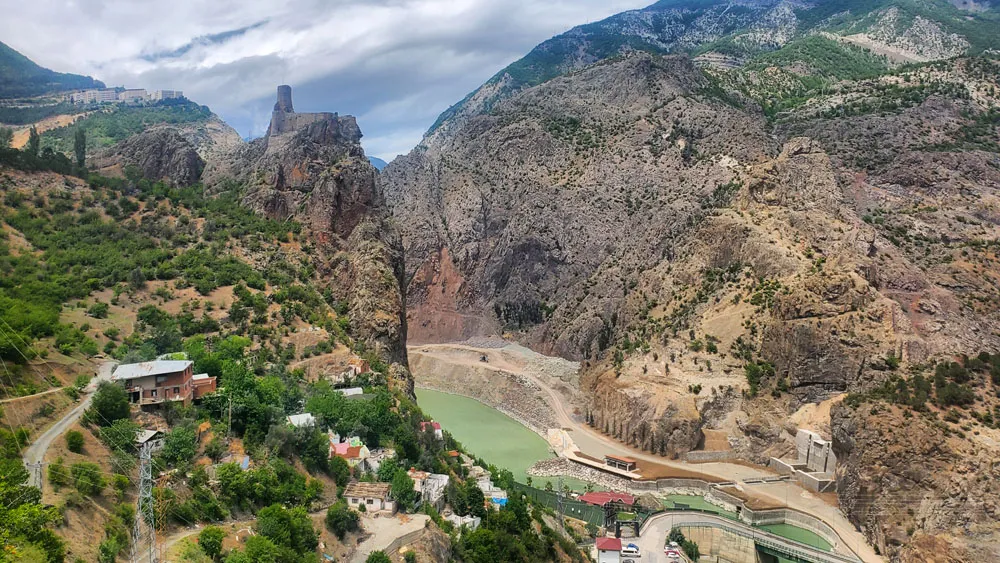
All this territory was once called Lazistan and was part of the Georgian kingdom. The territory was inhabited by the Georgian ethnic group, the Laz. They were Orthodox Christians, but after the Ottomans conquered the territory the population gradually converted to Islam. Today the Laz are Muslims, and the term Lazistan is taboo in Turkey. The Laz have partly preserved their traditions, for example their own bagpipe, the tulum.
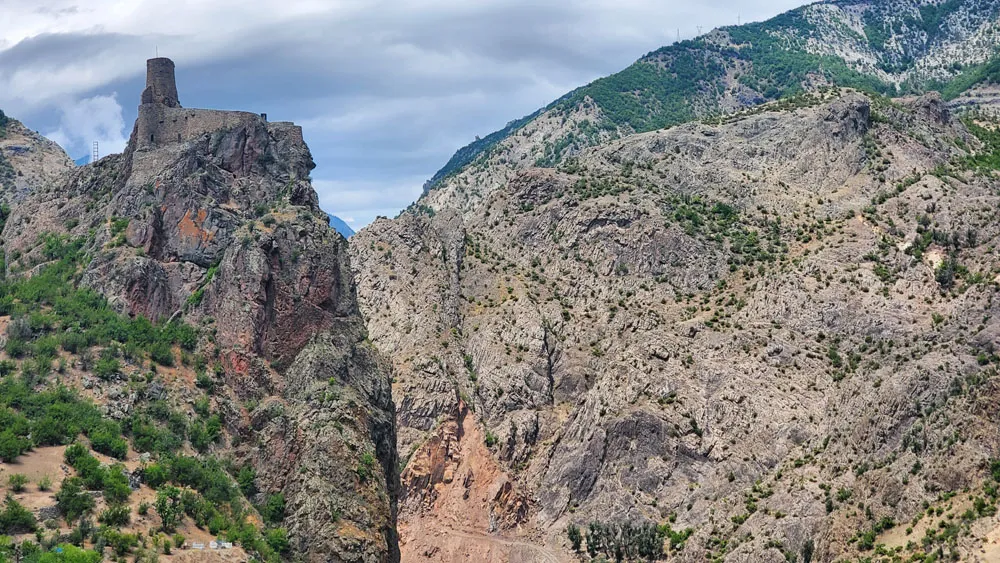
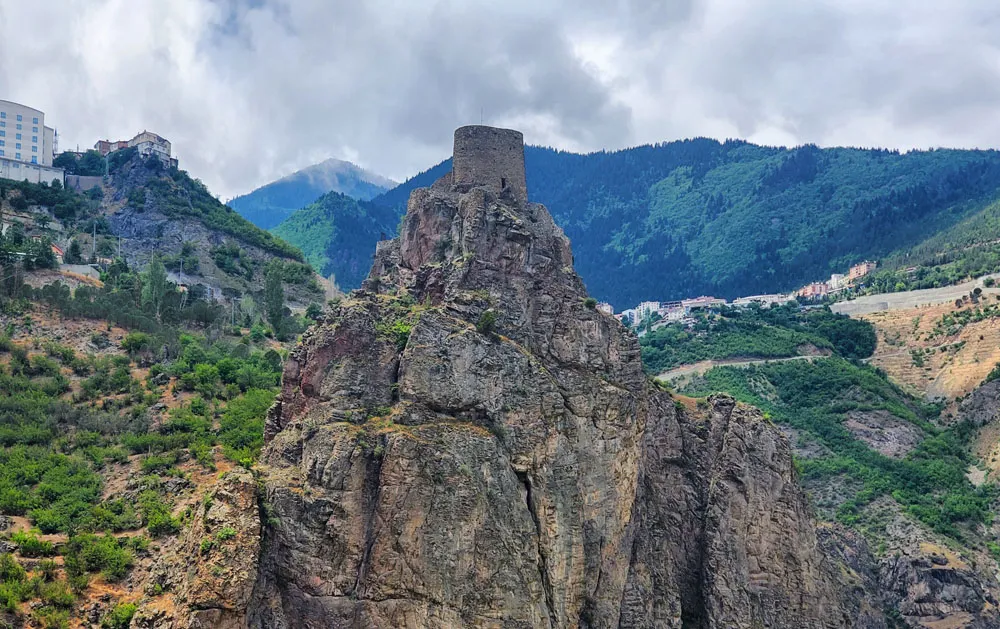
From the Georgian period, castles and churches have survived in the Artvin region. The latter are all abandoned, but I will write about them separately. Of the castles built by the Georgians on Turkish soil, I have seen two. One of them is in Artvin.
For a long time Artvin was the centre of the Georgian province of Nigali, which was at first part of the principality of Tao-Klarjeti — a proto-Georgian state — and later part of Georgia. In the 16th century it was captured by the Ottomans, in the 19th century it was occupied by Russia several times, and after the First World War it was part of socialist Georgia. Until 1921.
After the Ottomans came, an Armenian population appeared in Artvin, which understood the commercial advantage of the city’s location — on the route from Persia to the Black Sea. The Georgians, on the contrary, began to migrate from here, and gradually Armenians came to make up most of the population of Artvin. At the beginning of the 20th century this was 80%. But then came the tragic year 1915 — all the Armenians were expelled or killed. Nothing has remained of the Armenian buildings either.
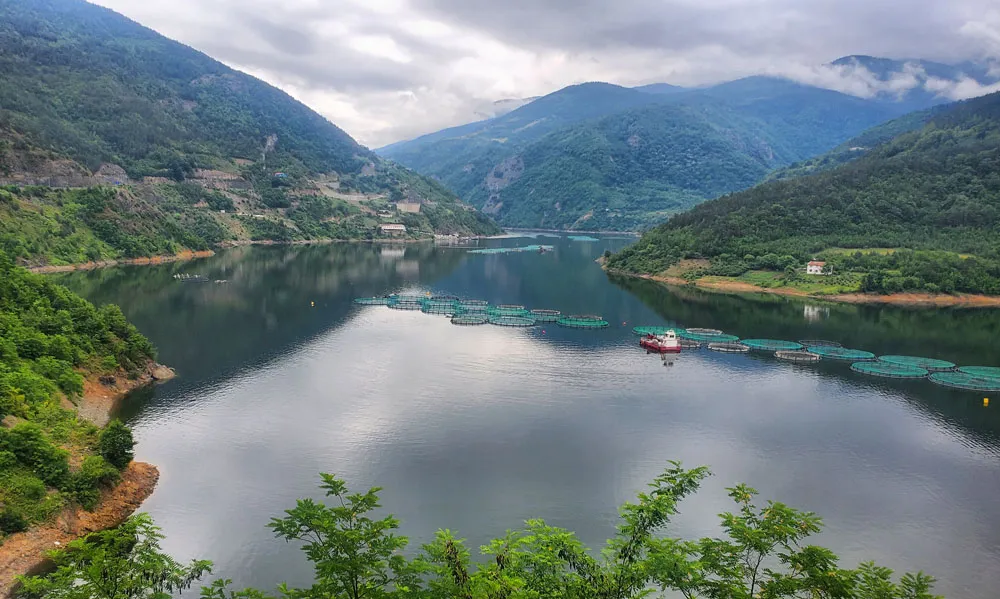
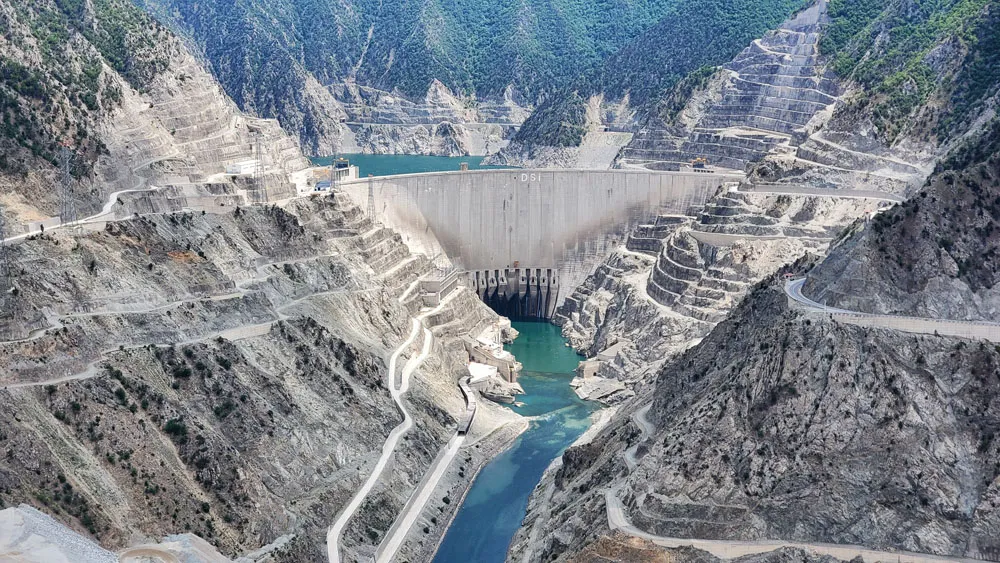
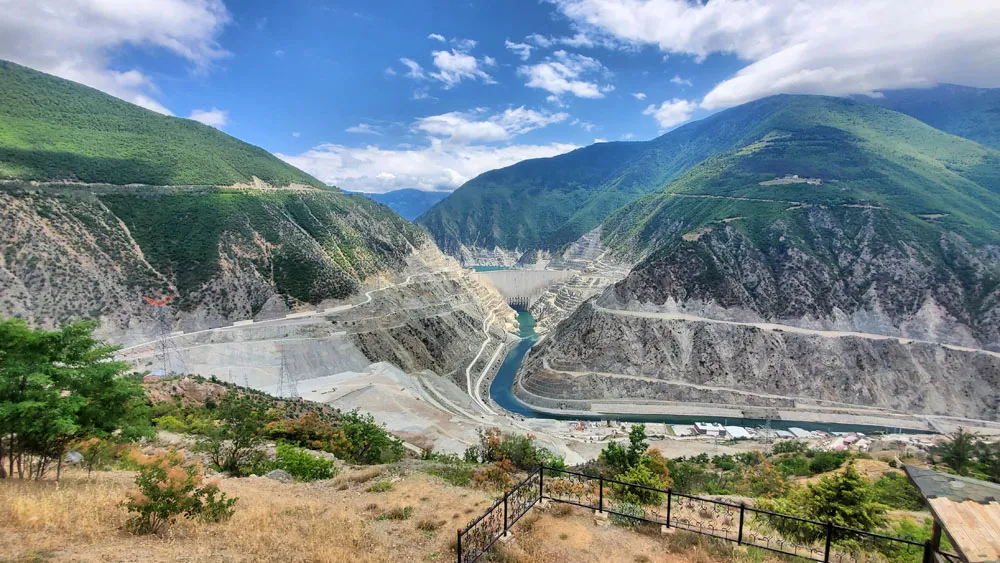
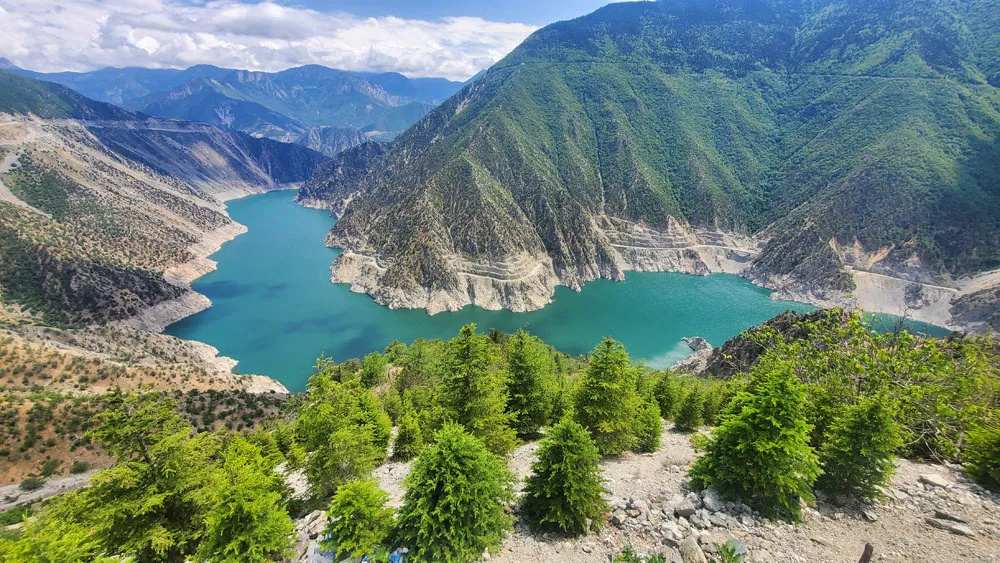
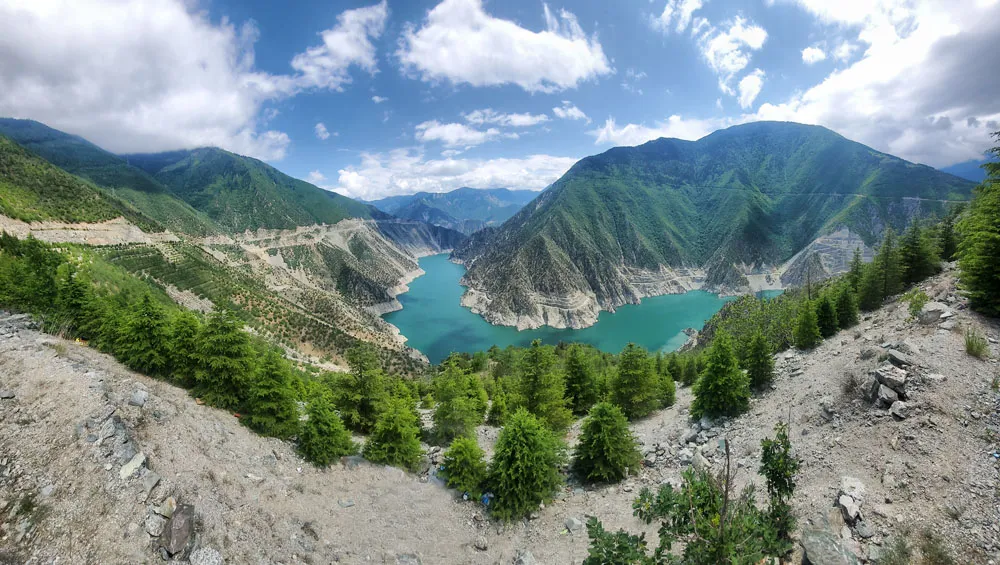
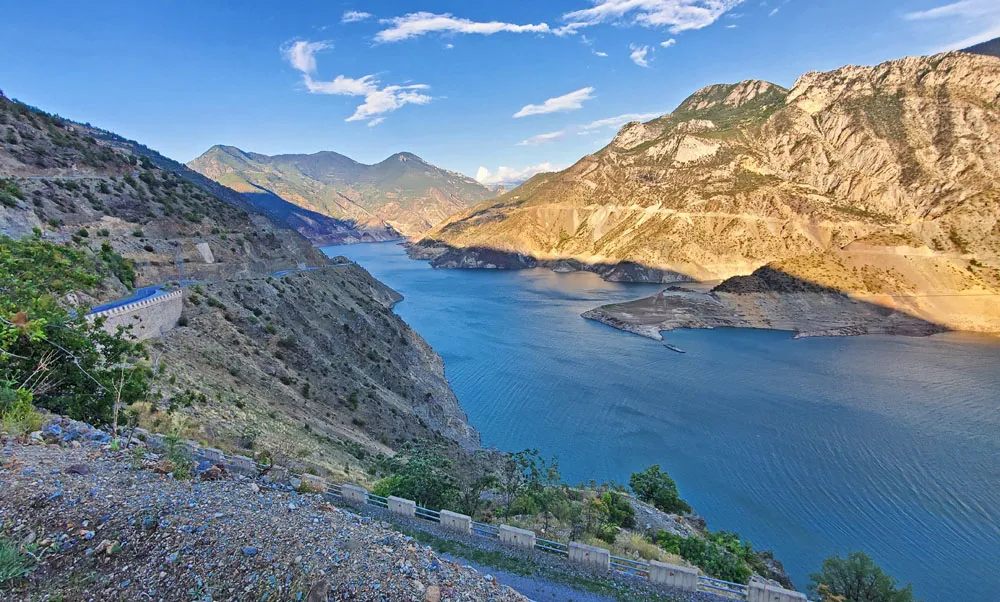
There are now several large reservoirs around Artvin
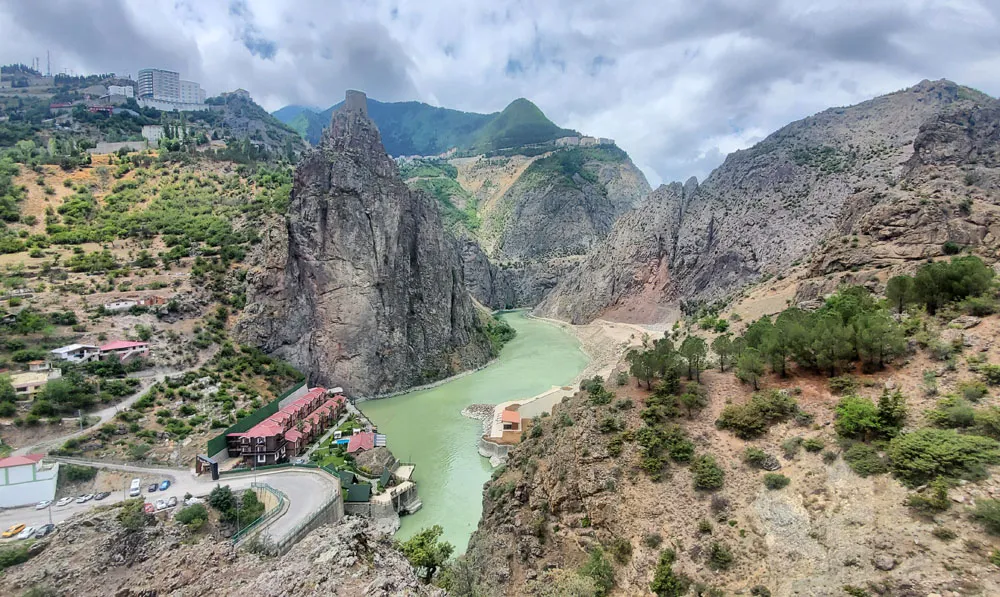
Present-day Artvin is a strange city, in which the vast majority of buildings were put up in the 20th century, the roads are often so steep and narrow that it is frightening to drive, and there is a university, a military unit and a prison — and it is precisely on the prison grounds that the main monument, the castle, is now located.
It is impossible to get in; it can be viewed only from the high bank of the Çoruh, which has been dammed here into a reservoir. The view is incredible — a deep canyon, high rocks like dragon’s teeth, and the castle on one of them. It was for this fantastic landscape that we went to Artvin. Further inland in Turkey there are plenty of interesting things connected with Georgia, but that is another story.
We travelled to Artvin from Trabzon, via Rize and Hopa. The road is wonderful.
Text and photos by Roman Malenkov.