Turkey. Bayburt. A huge fortress

· 3 min read
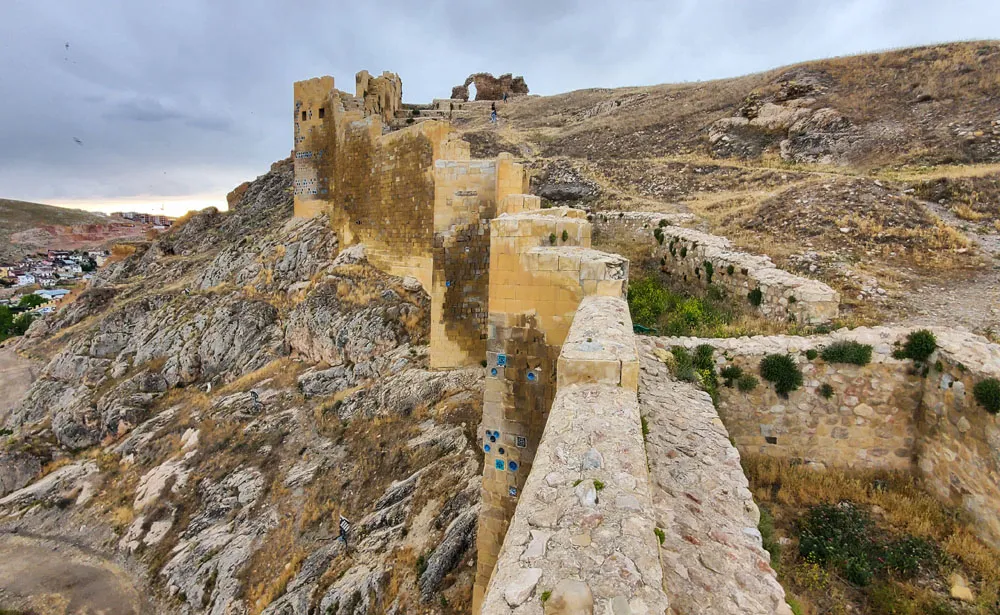
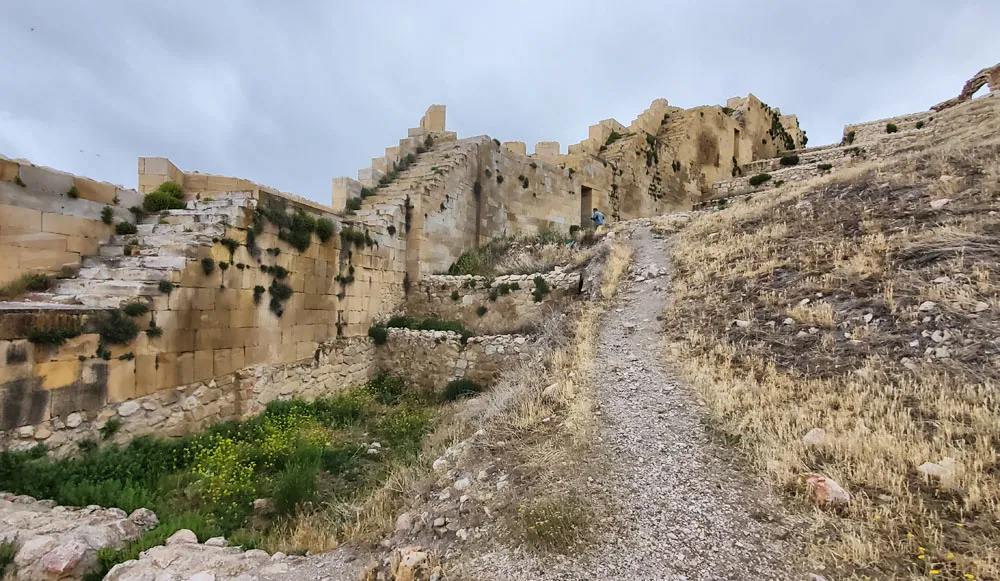
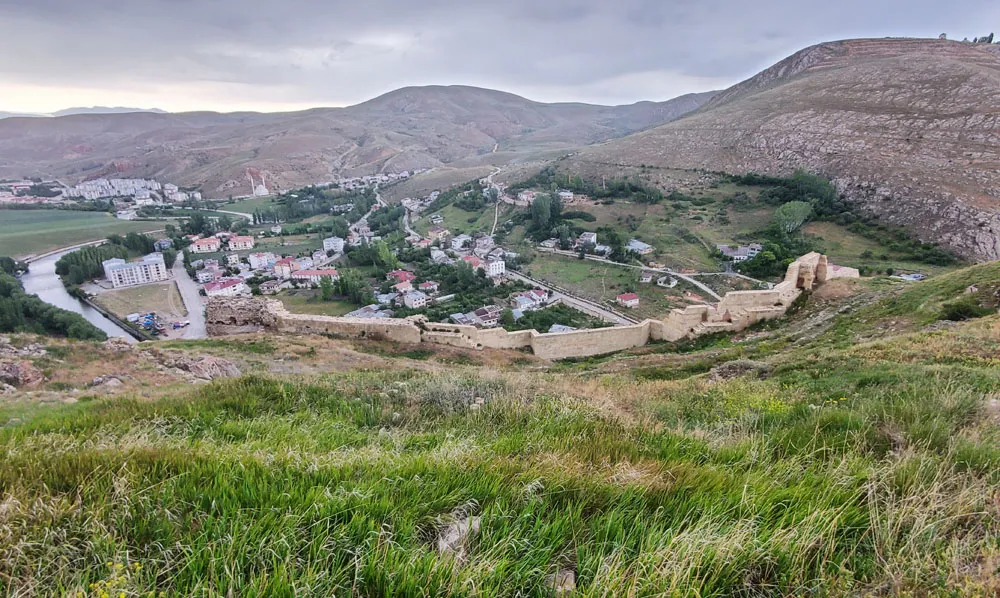
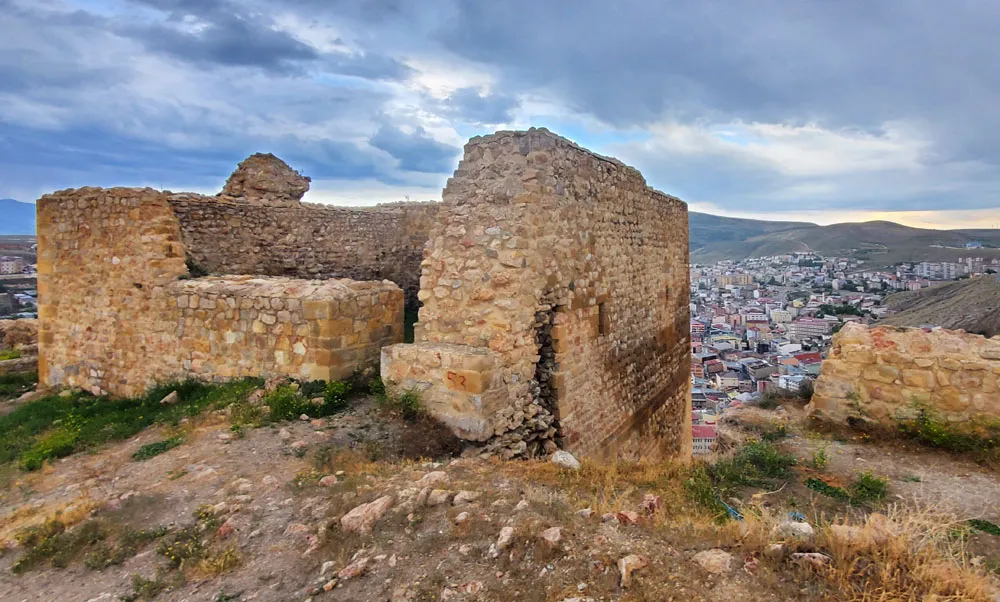
Having seen photos of the walls of Bayburt, which crown the town above the river, I could not forget them and decided: we have to go. Later I dug through the depths of the internet and saw a mass of other pictures – it is some unreal fortress, so why is it so little known? Only later did I understand why: first, the region is not touristy at all; second, in the past Bayburt was populated mainly by Armenians, whom the Ottomans killed or expelled in 1915, and one would have to explain to tourists where the Armenians went. Or perhaps the reason was the size of the fortress, which required very large investments in restoration, so until recently the walls stood in ruins, but now they are in decent condition – after repairs the fortress has become a full-fledged tourist attraction.
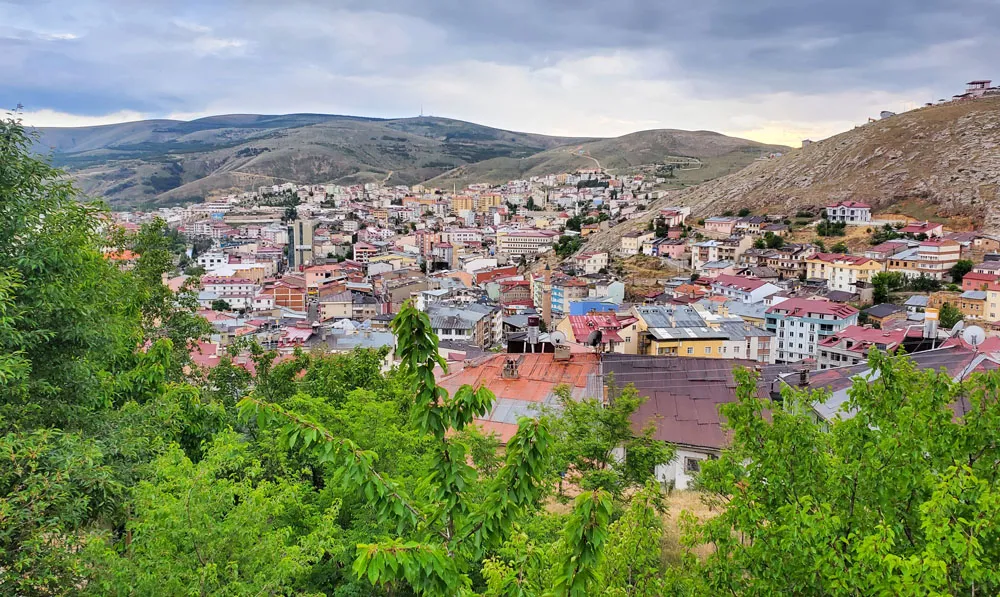
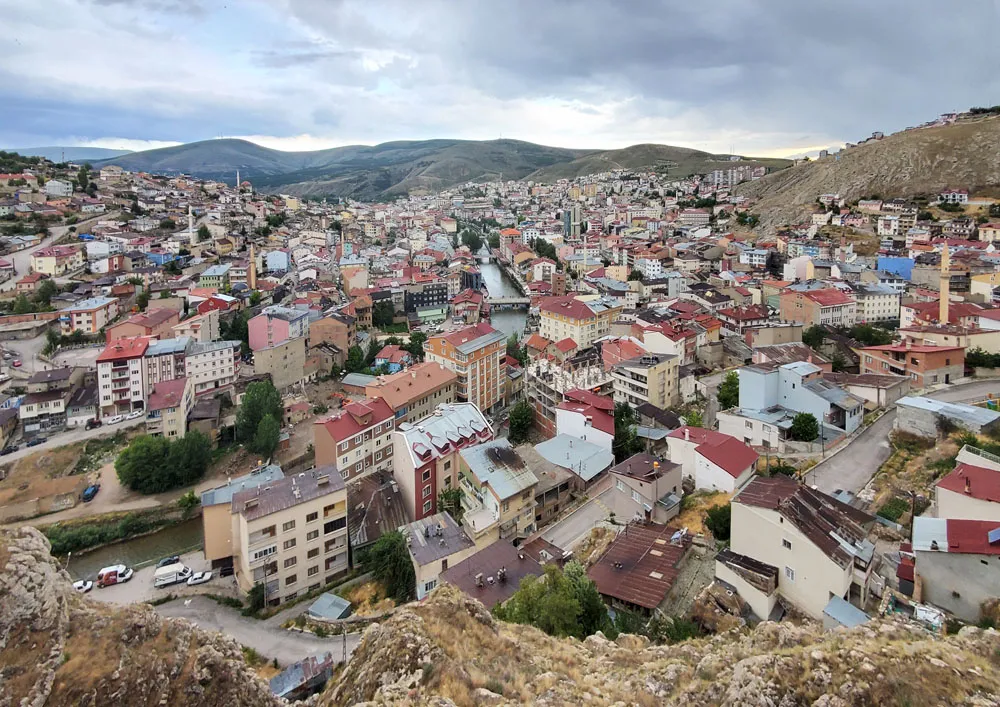
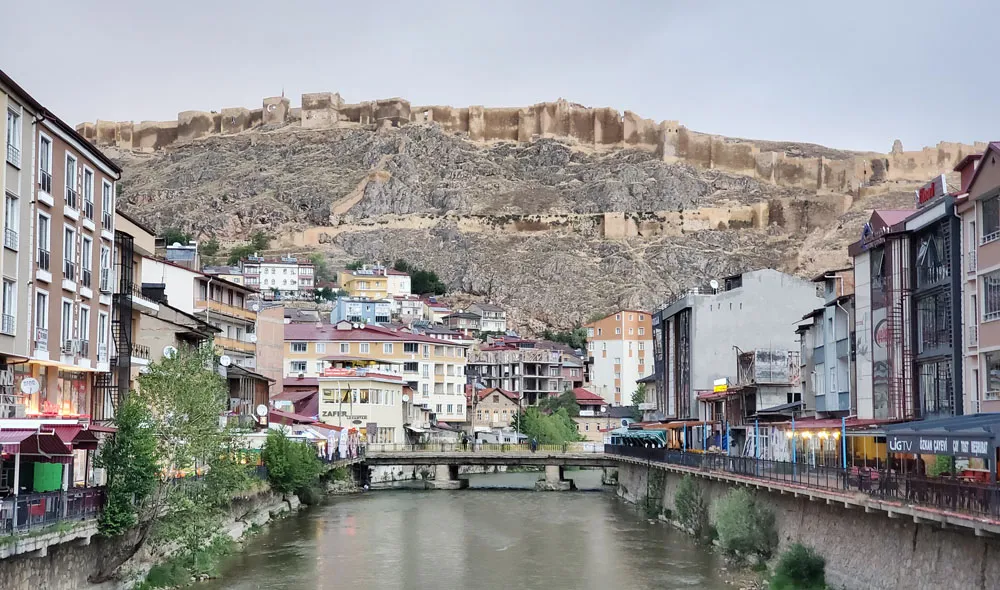
The best, one might say the standard, shot of the fortress can be taken from the bridge over the Yıldırım (“Lightning”) River – from here you can see the fortress on the hill, the river and the town’s buildings, which, though new, are quite picturesque under their tiled roofs. After the Armenians disappeared, the old residential buildings, probably not at once, disappeared as well. But the town is quite pleasant, clean and cosy, with plenty of lokanta restaurants and tasty local food.
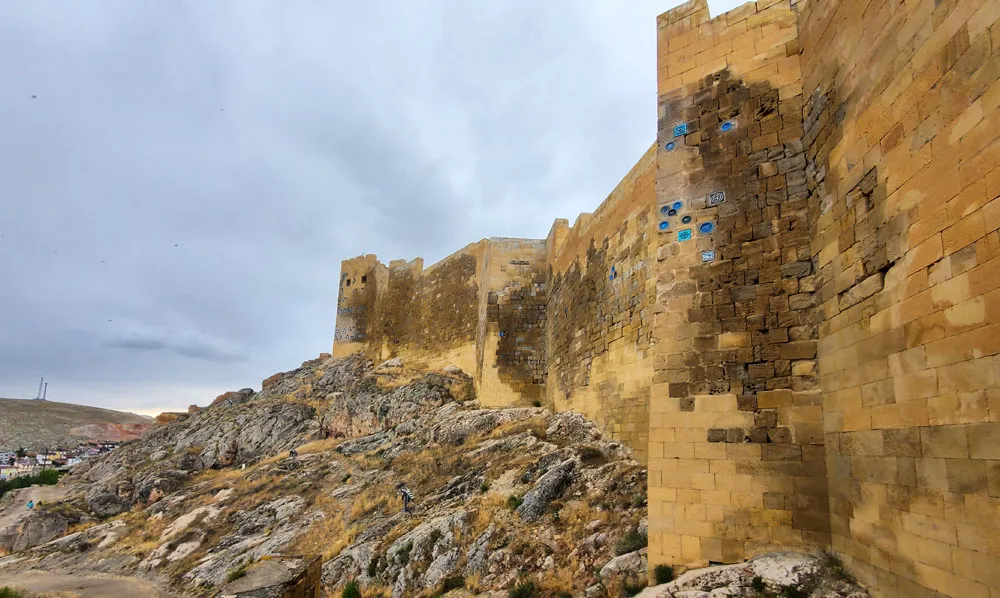
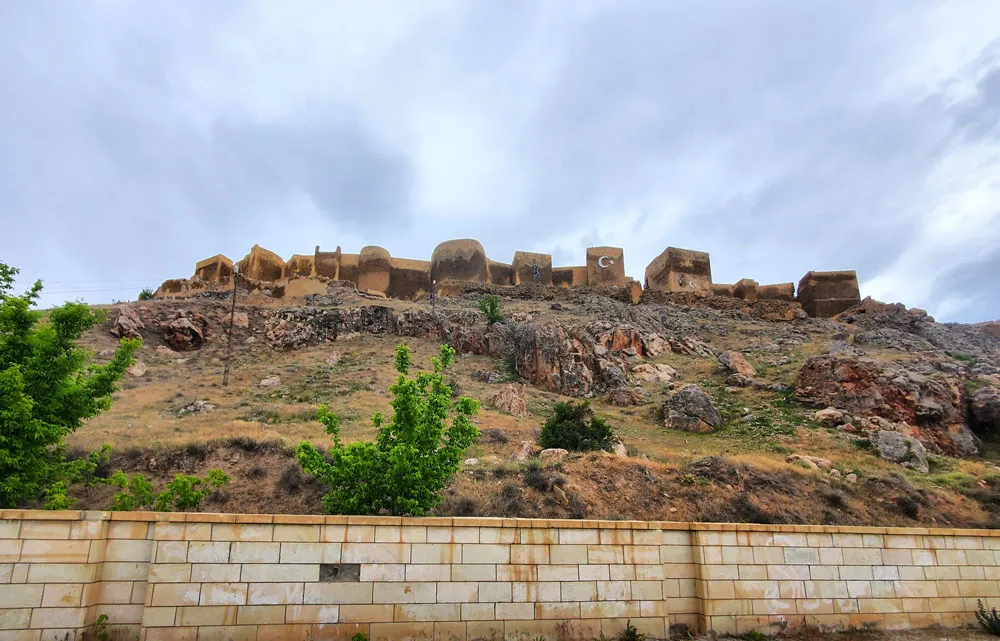
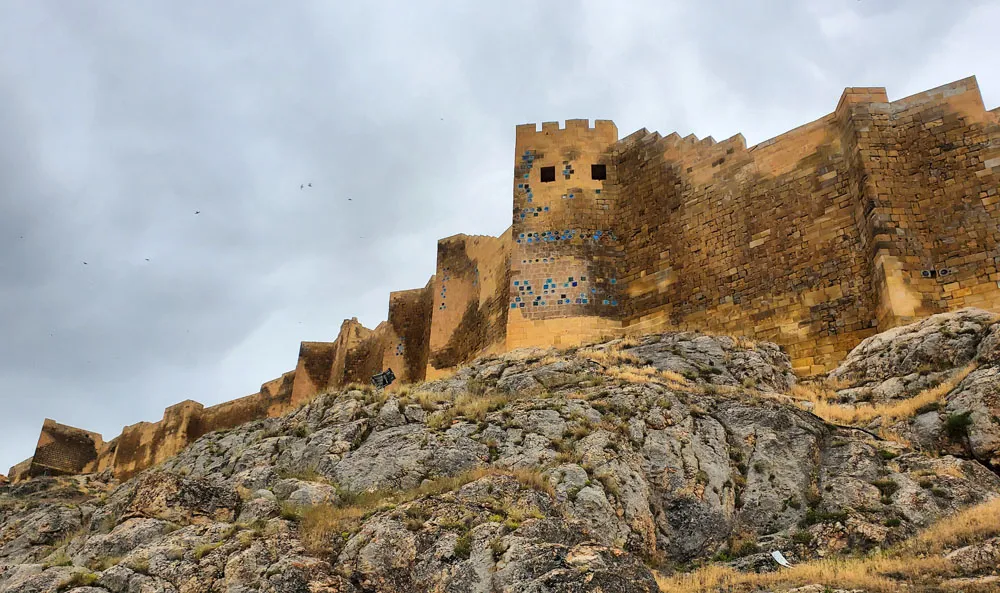
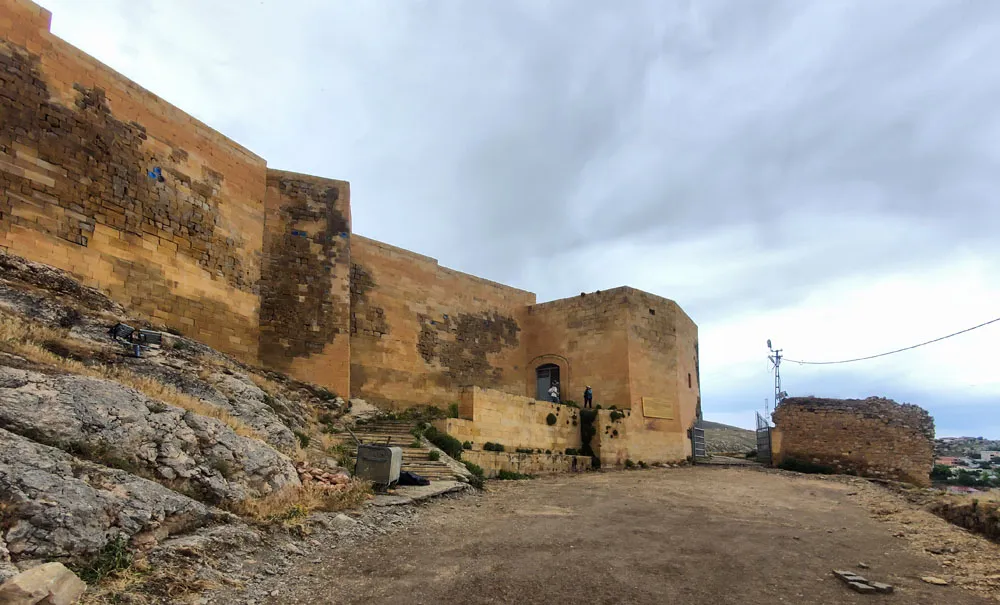
A few mosques have survived from antiquity, a tomb on a high hill, and the fortress for the sake of which one should go to Bayburt. We came here from Trabzon along a good road, through numerous tunnels, past the castles of Kov and Keçi, which since ancient times controlled this trade route from the Black Sea to the Persian Gulf. And for still greater control, and to protect accumulated treasures, the fortress of Bayburt was built in the 1st century AD.
The construction of Bayburt is attributed to the Romans, although it was expanded most by the Armenians, during the rule of the Bagratid dynasty, in the 9th–11th centuries. And most often the Bayburt fortress is called Armenian; moreover, it is probably the largest of the surviving Armenian fortresses.
Great efforts in building up Bayburt were made by the Byzantines, who held the town until 1514, when it was captured by the Ottomans. This was done by Sultan Suleiman I the Magnificent – one of the best-known rulers of the empire. Interestingly, to the Turks he is the Lawgiver (Kanuni), while in Ukrainian history he is for some reason Suleiman the Magnificent.
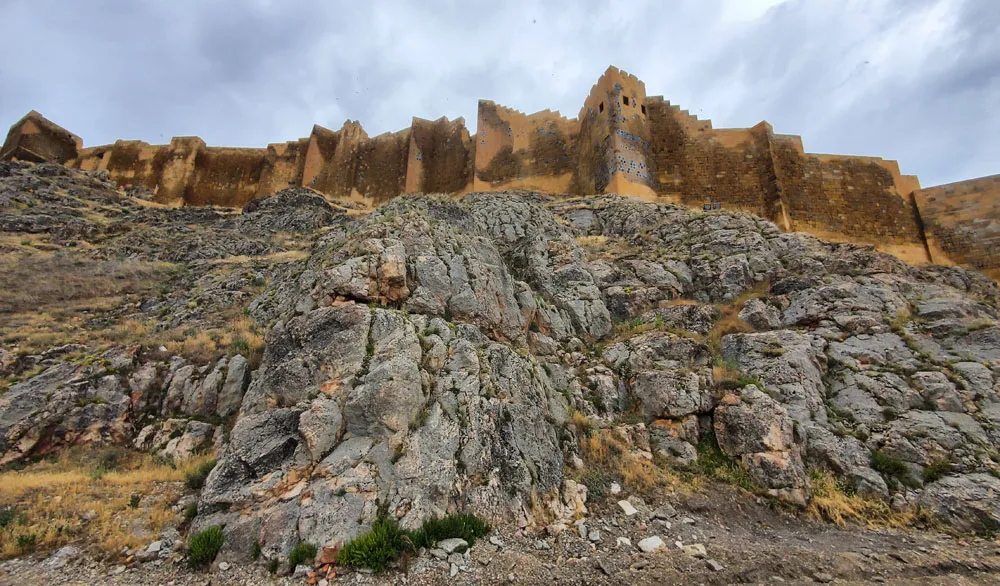
In 1647 Bayburt was visited by the outstanding traveller Evliya Çelebi, who wrote that in the castle and its surroundings there were 300 houses and one mosque. In those times the fortress was called Çinimaçin for its decoration of multicoloured tiles (smalt). Today this decor has been partly restored, although after the Ottoman–Russian war of 1828, when Bayburt was heavily destroyed, there were no decorations.
Bayburt was repeatedly captured and destroyed in the course of wars with Russia. It was last taken by the troops of Nikolai Yudenich in 1916. I have read nothing about the destruction of the fortress and the town at that time.
Under the walls of the fortress there is now a cemetery, probably no longer in use. An approach road and convenient parking have been laid out, which you will not find in the town itself. Even given the small number of sights in Bayburt, it is worth coming here to see the large fortress. We did so and did not regret for a minute setting off on such a long journey.
Text and photos by Roman Malenkov.