Turkey. Egil. Forgotten tombs and the Tigris

· 2 min read
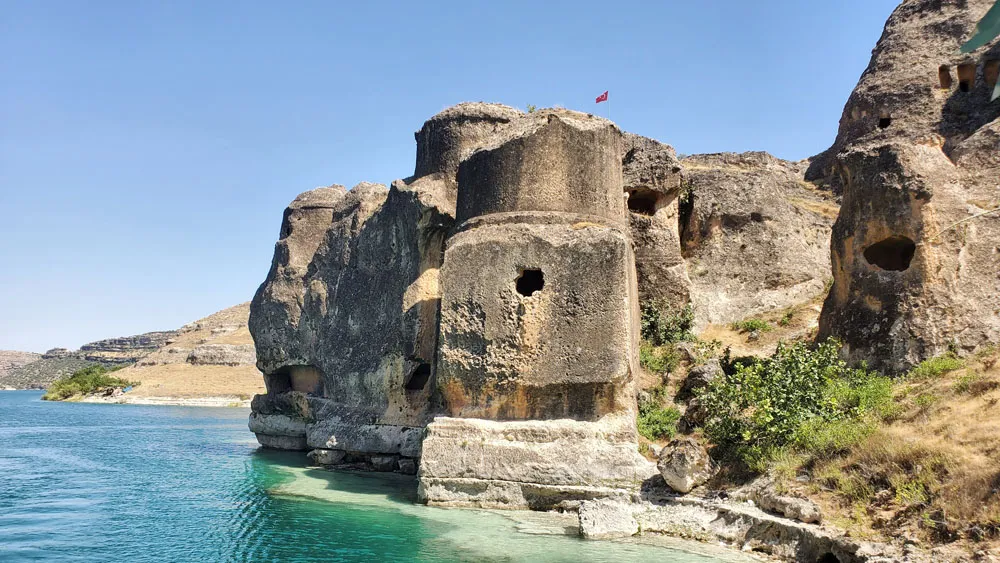
Fifty kilometres north of Diyarbakır, on the bank of the legendary Tigris River, lies the town of Egil. Little known today, it was once the capital of the Armenian principality of Sophene, which was part of Greater Armenia, and then of the Kurdish emirate of Egil, which existed from 1049 to 1864. In the Armenian period the town was known as Angel-Tun and Carcathiocerta. It was also called the city of prophets, since several biblical prophets, including Elisha, were believed to be buried in the mysterious tombs carved into the rocks on the bank of the Tigris. There is also an opinion that Armenian kings lie in the tombs, and some even suppose that they are pagan temples rather than tombs…
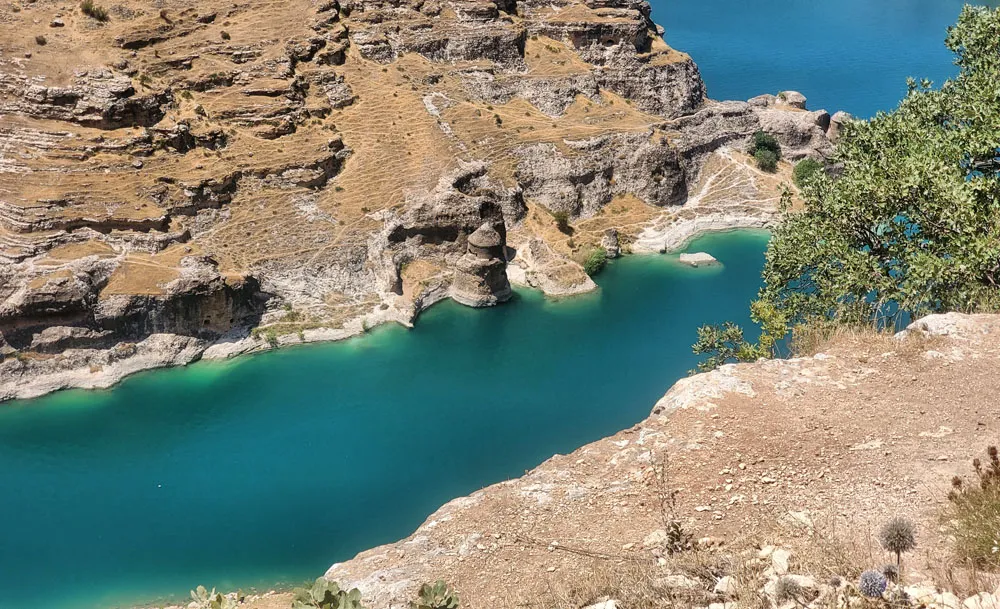
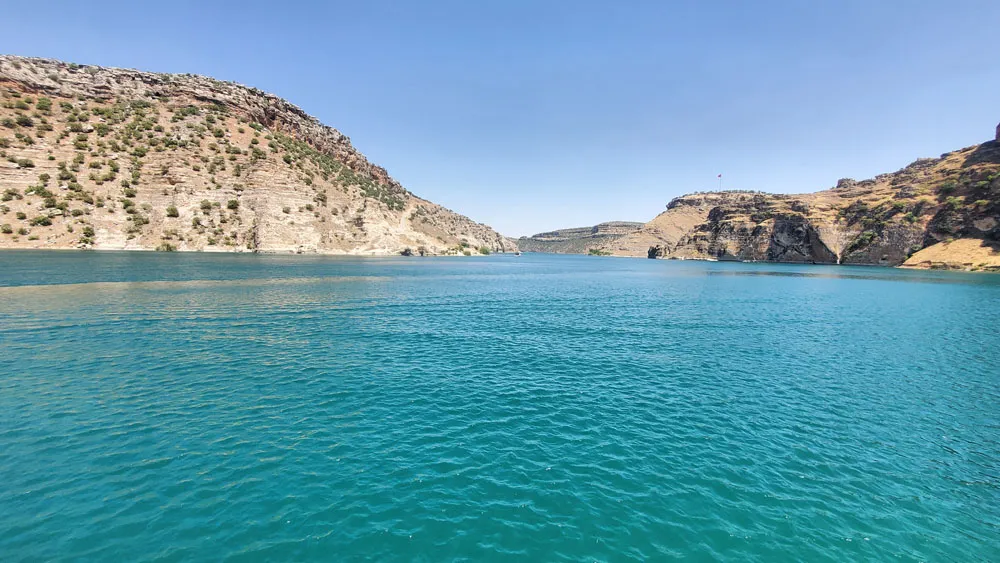
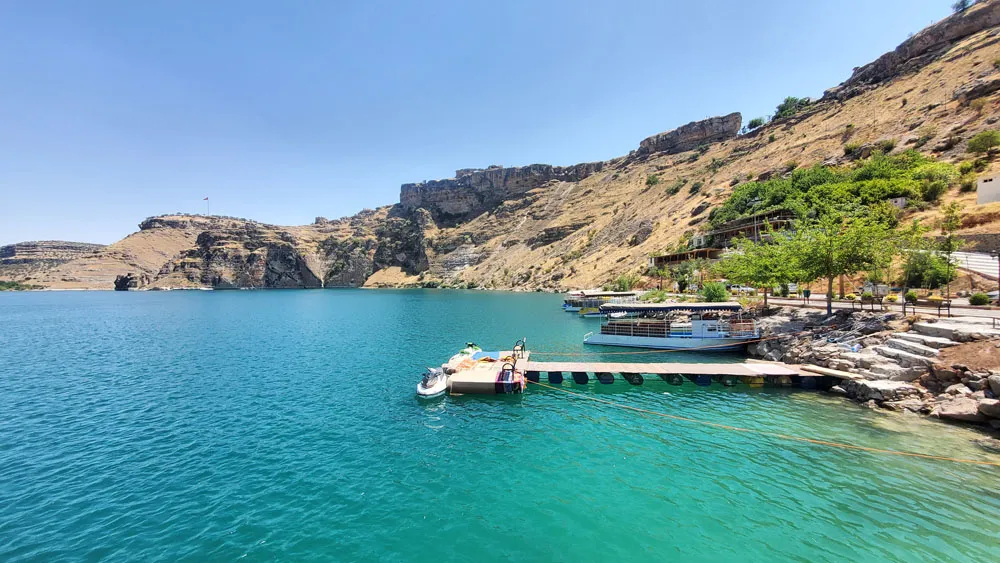
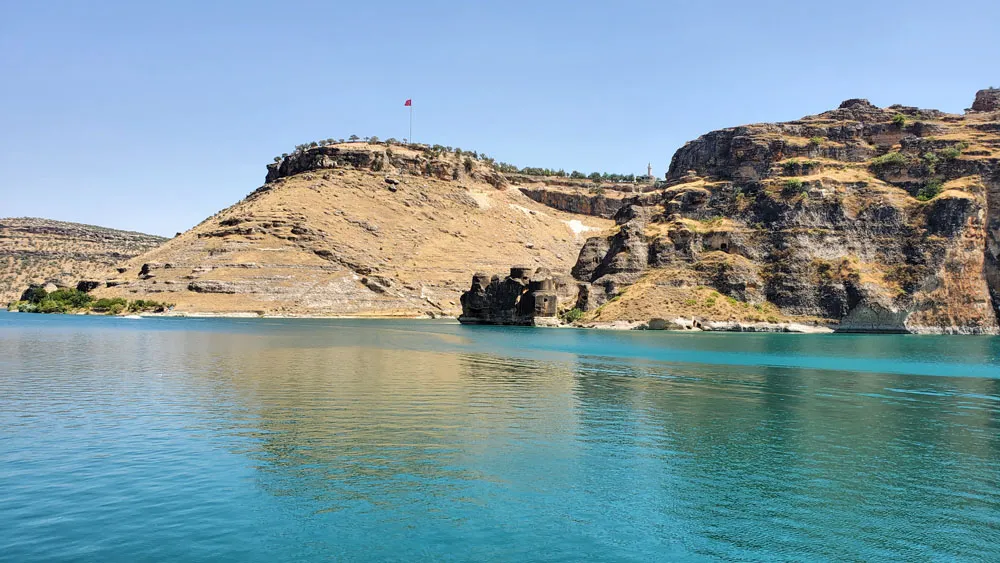
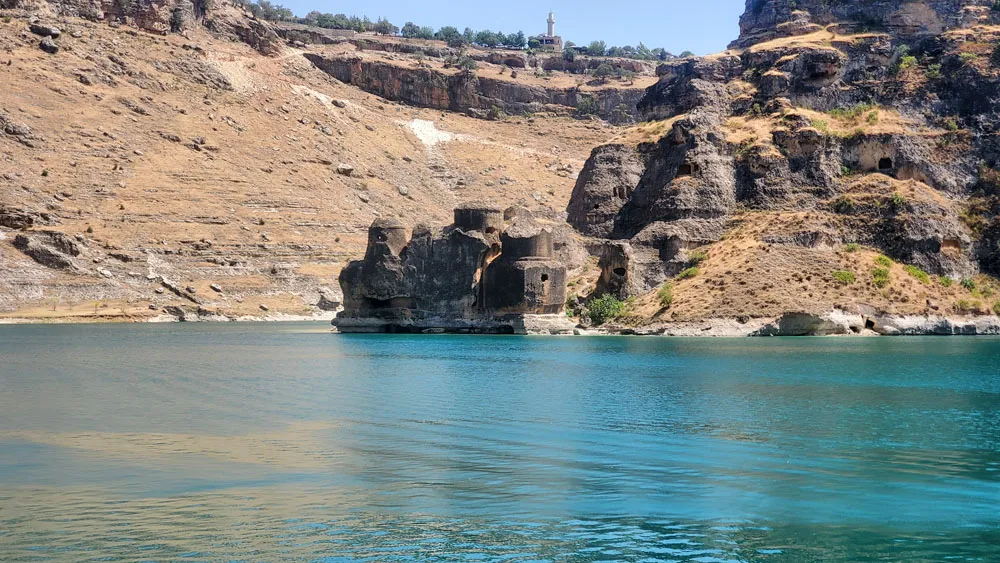
In the 20th century Egil turned from the centre of a principality into a large village. A reservoir was created on the Tigris, in the canyon, which flooded part of the valley and the tombs, which in time everyone forgot. Egil was gradually rebuilt into a new, whitewashed, modern little town, and in 2018 the dam broke, the water level dropped and the tombs were revealed again. They became almost a sensation. I will tell you honestly: today a boat trip on the Tigris, with an external view of these incredible rock tombs unlike anything else, is one of the best attractions in Turkey.
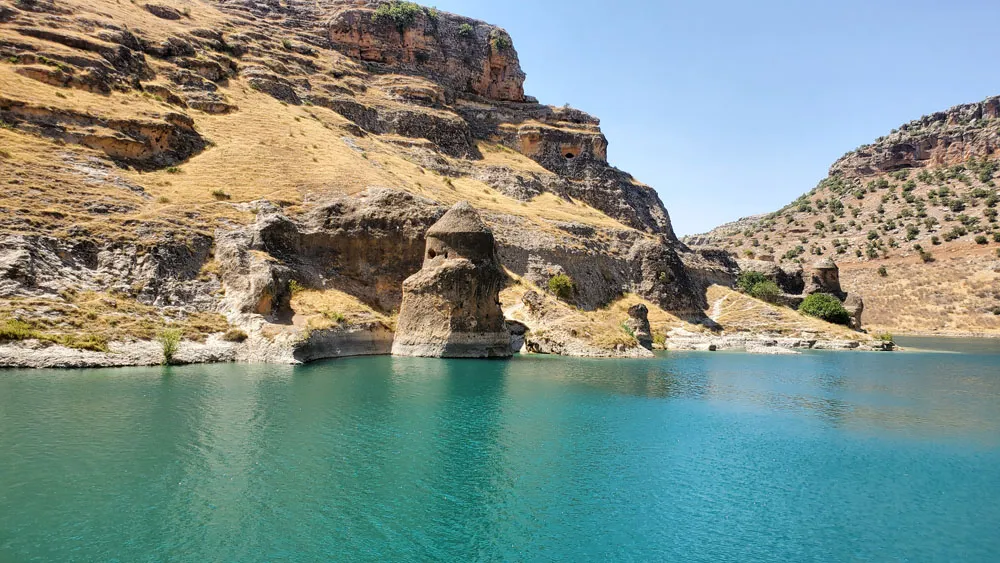
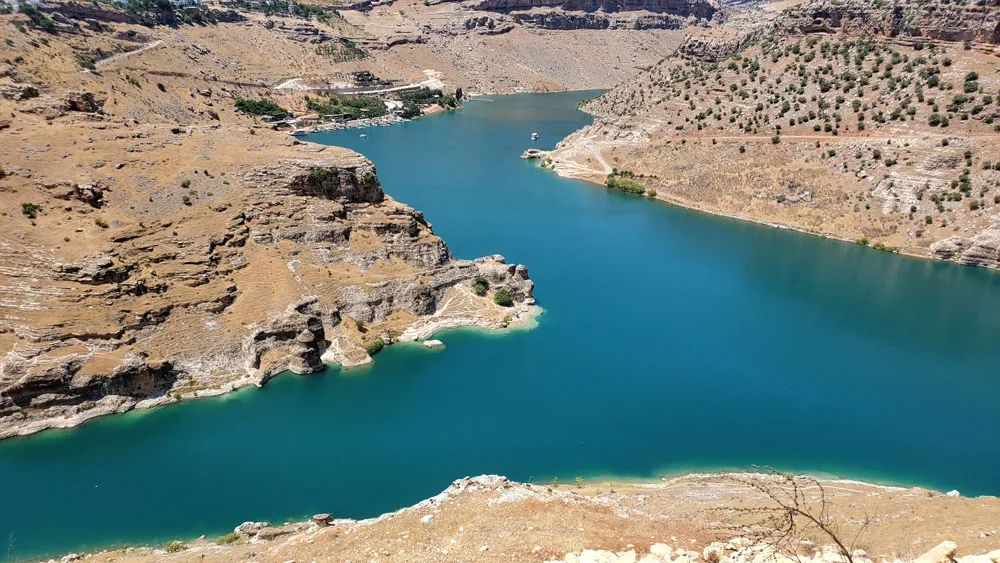
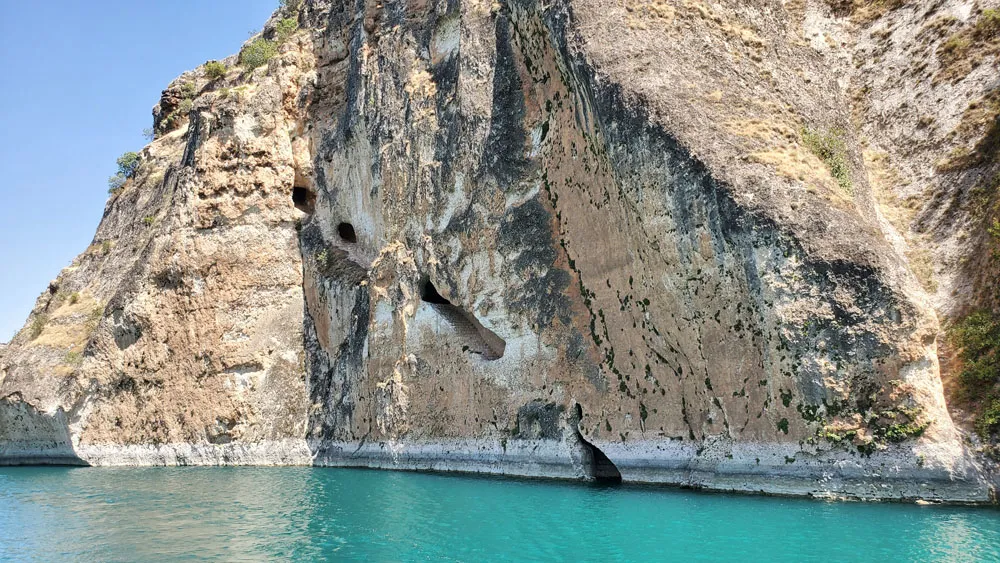
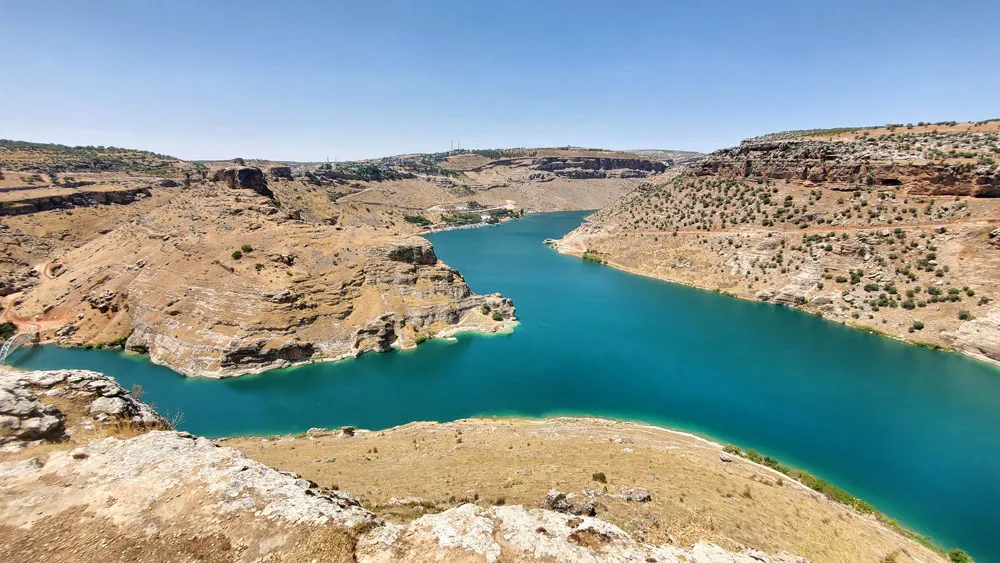
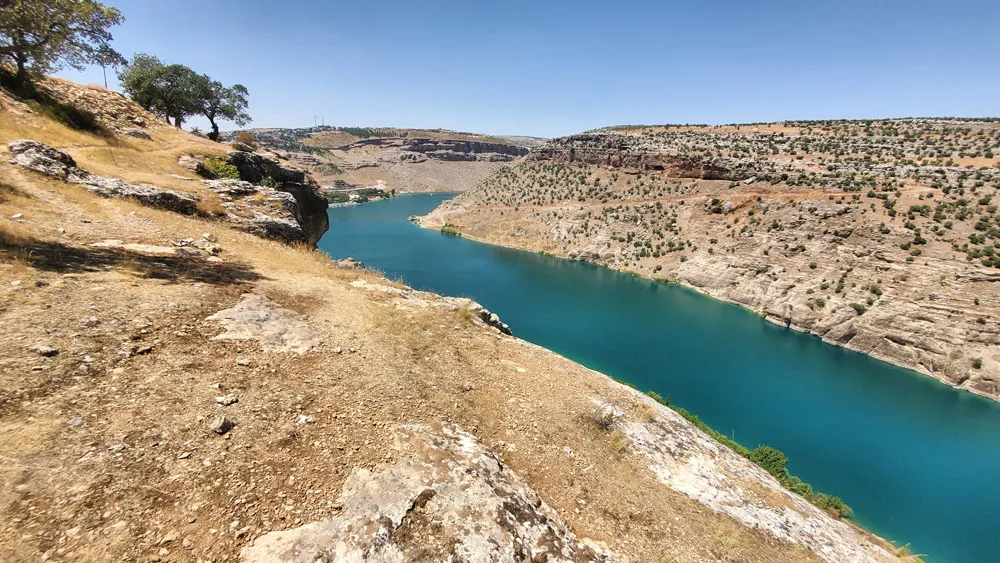
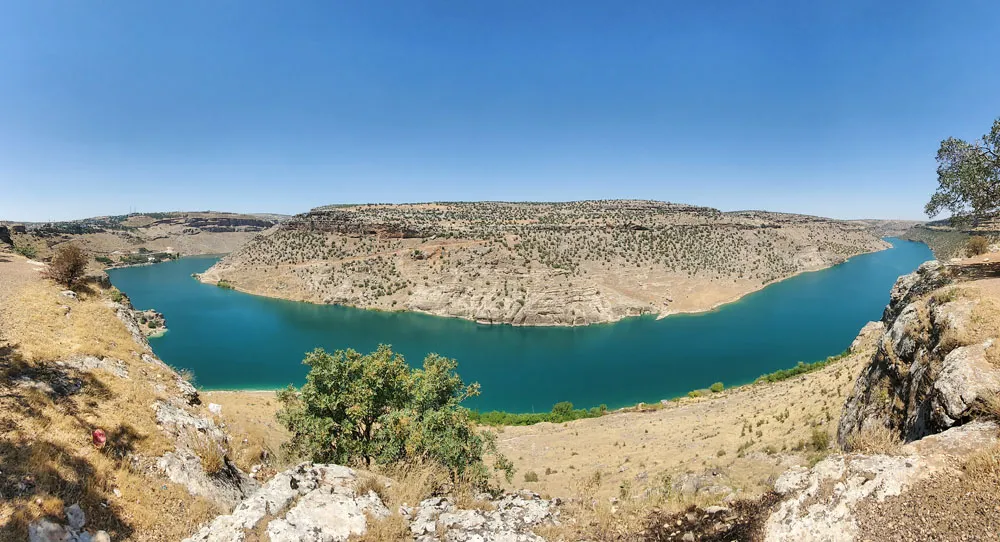
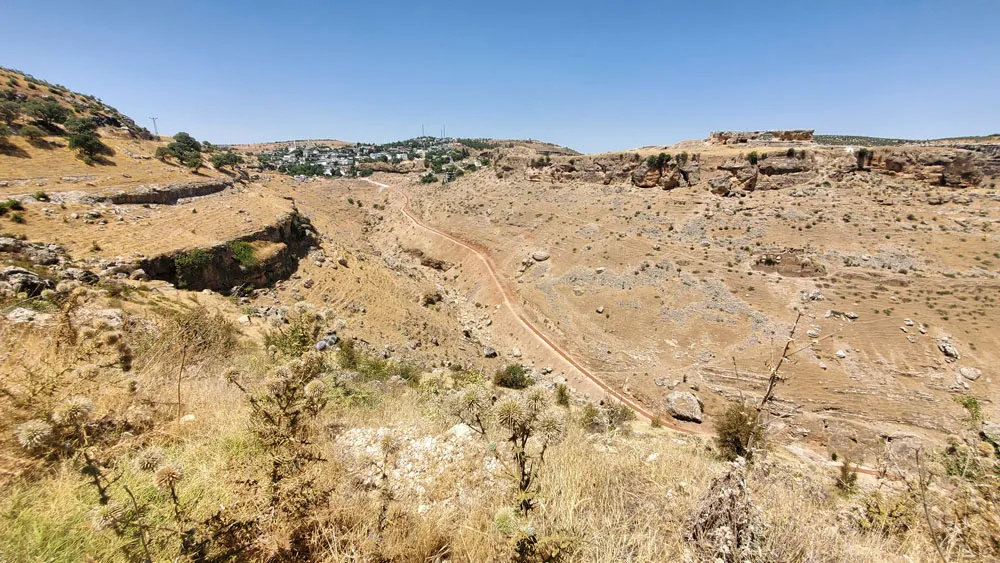
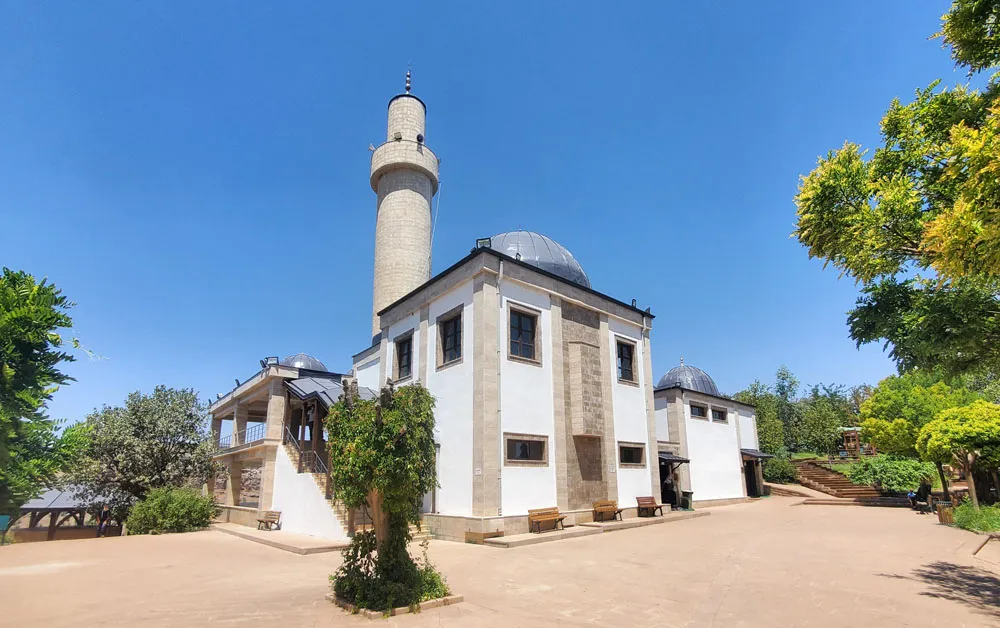
The Tigris is one of the largest rivers of the Middle East. It begins in Turkey, in the Armenian Highlands, not far from the sources of the Euphrates, with which it later merges somewhere in Iraq into the Shatt al-Arab, and earlier forms the legendary land between the rivers, Mesopotamia. Egil is also Mesopotamia: right outside the town, on the right bank of the Tigris, vast orchards begin, but the town itself perches on a high, dry hill, and was once a fortress. The extremely steep and high slopes make the Tigris valley canyon-like, and this is best seen from the viewing platforms of the “Prophets of Egil” nature park, where, incidentally, four Islamic prophets are buried, which is why Muslims call Egil the city of prophets.
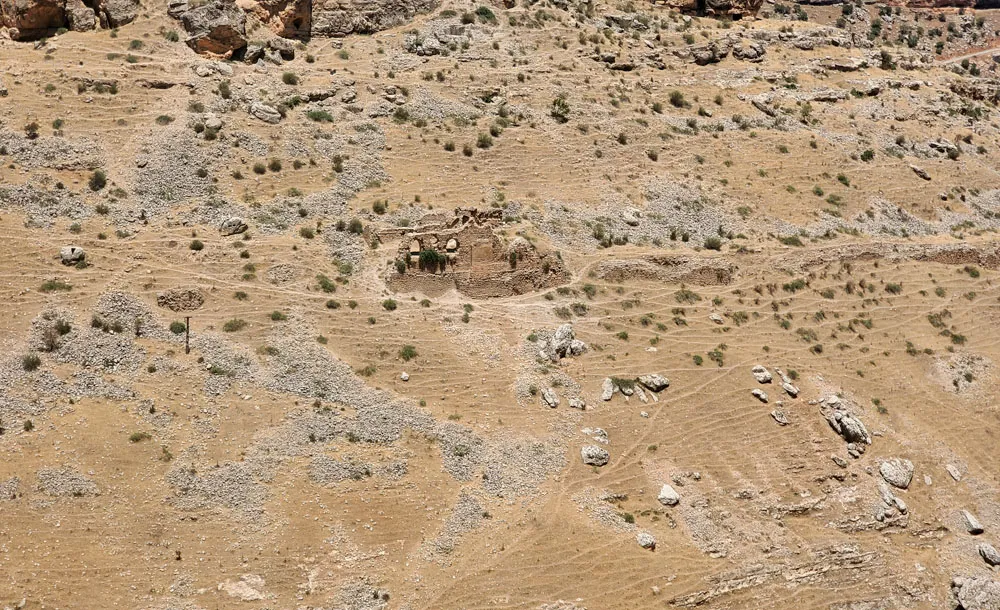
Above the modern, brand-new, whitewashed town rises a cliff riddled with caves, and this is where ancient Egil-Carcathiocerta stood. It was surrounded by powerful walls, of which only fragments remain, and below, by the water, stand those incredible tombs. And even if there is not that much information about Egil, the town must be visited, and you must take a ride on the Tigris.
Text and photos by Roman Malenkov.