Turkey. Hamamli. Georgian church

· 1 min read
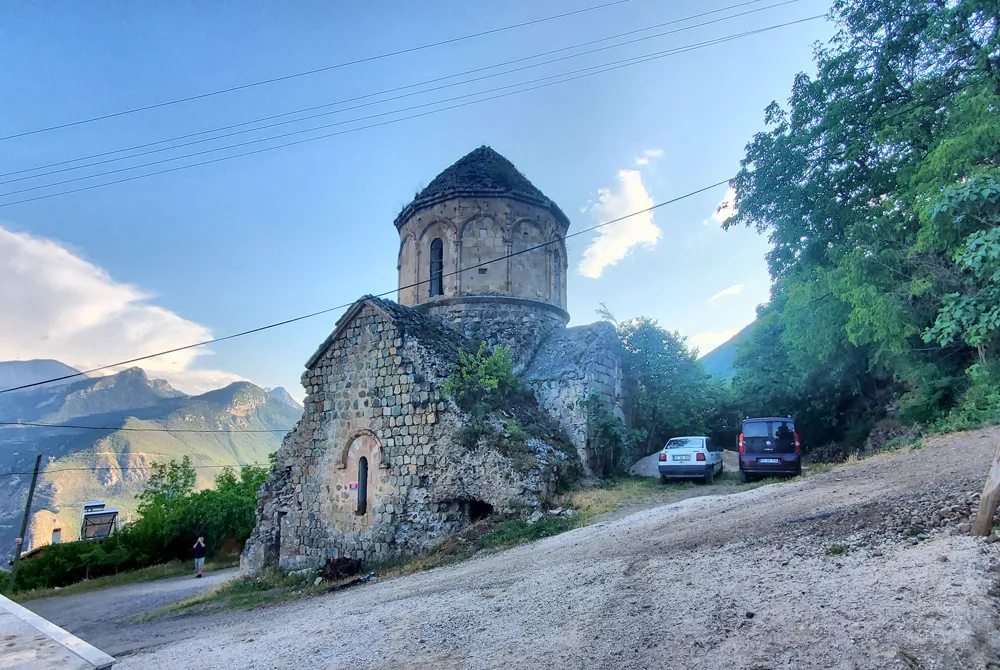
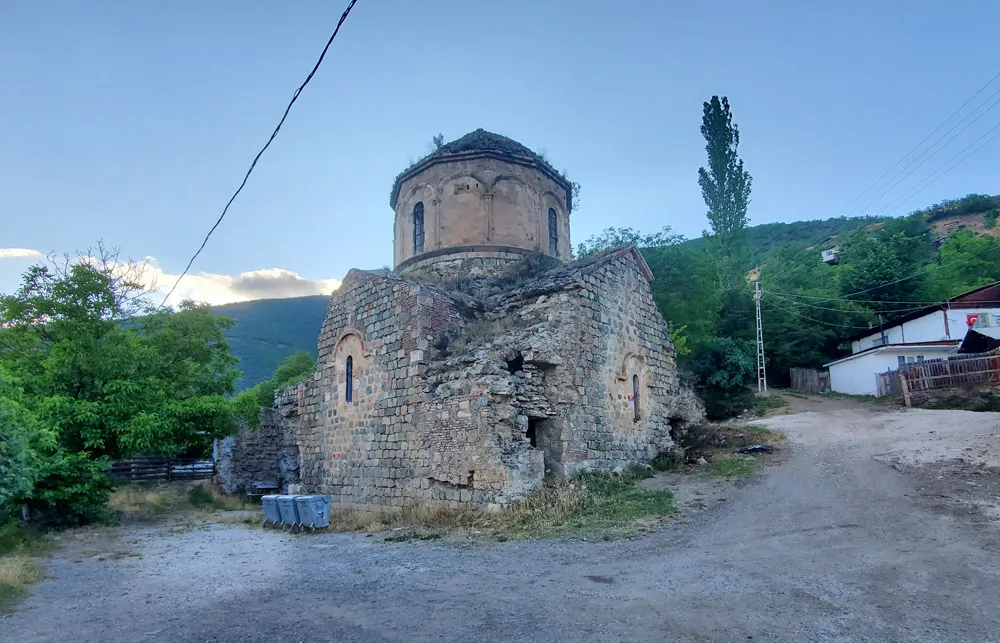
Twenty kilometres from Artvin, high in the mountains above the deep valley of the Berta Çayı river, now turned into a very beautiful reservoir in a canyon, lies the village of Hamamli. Here stands a monument of Georgian sacred architecture: the church of the Dolişane (Georgian name Doliskana) monastery. Maps mark it under two names, and it is also called Hamamli; I do not know which is more correct.
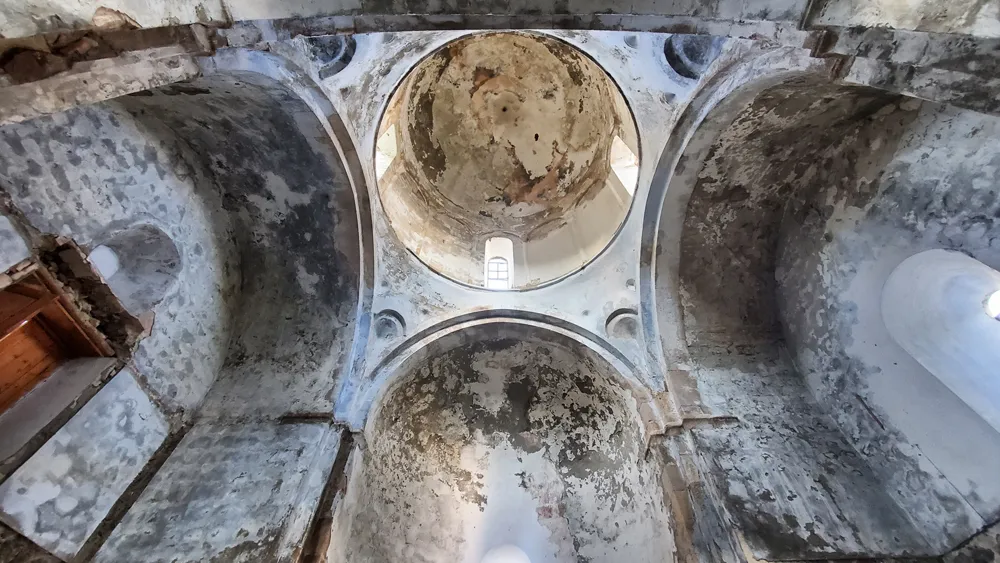
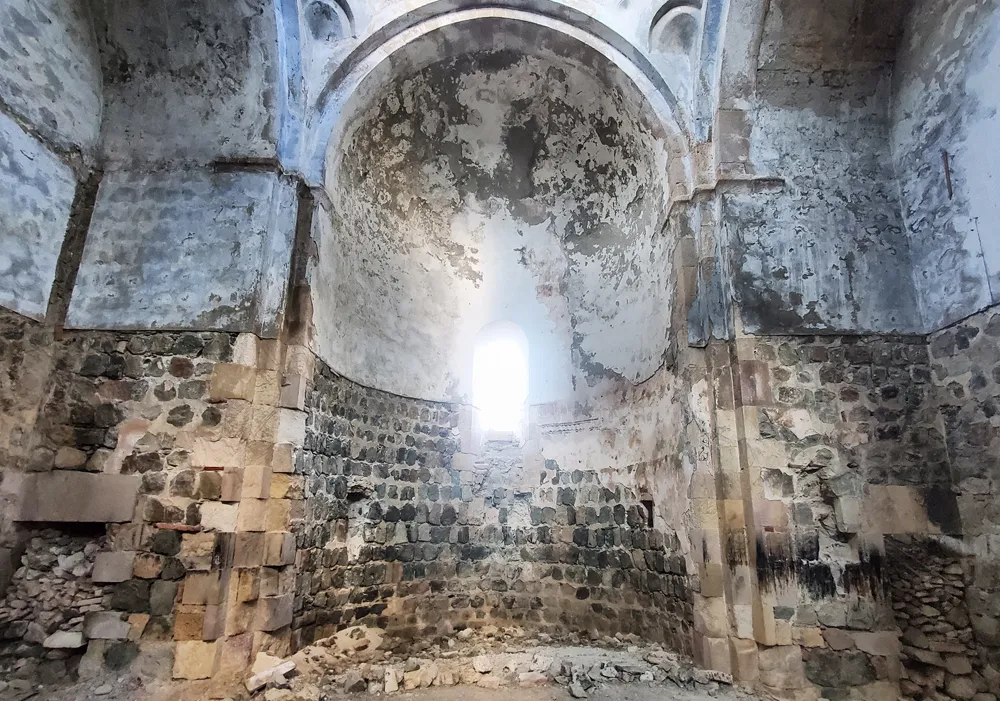
This church is one of the best-preserved Georgian churches in the region, and even some of its murals have partly survived. Although there are no Christian Georgians in the village and no one to look after the church. Its good state of preservation can be explained by the fact that until recently, since the Ottoman conquest of the village in the 16th century, it served as a mosque. Remembering the monastic past of the building, the Turks called it Kilise Camii, the “church mosque”. But now there is no mosque here. And there is no floor in the church either. Why it was abandoned is anyone’s guess, since the value of the building is incredible. It was built by an architect who worked for the Iberian king Sumbat I in 945-958. So the church is more than a thousand years old, and it stands without windows or locks on its doors.
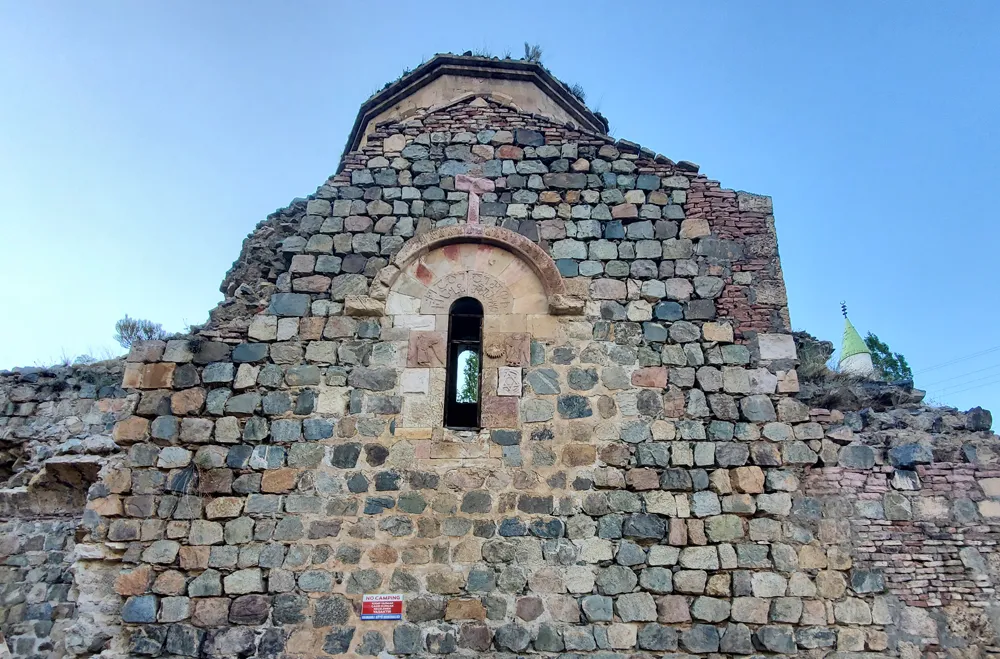
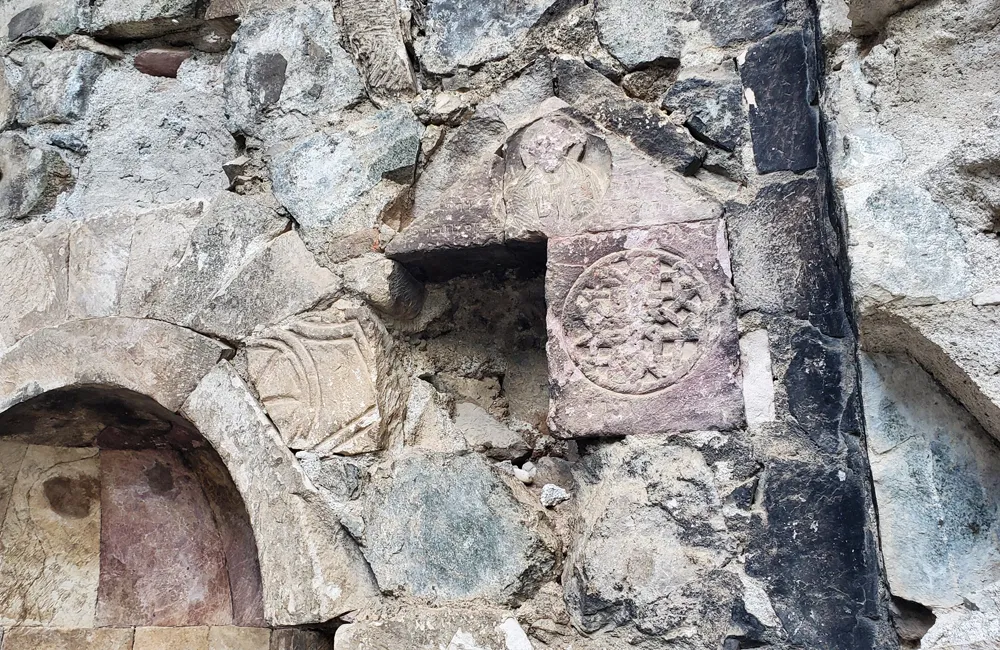
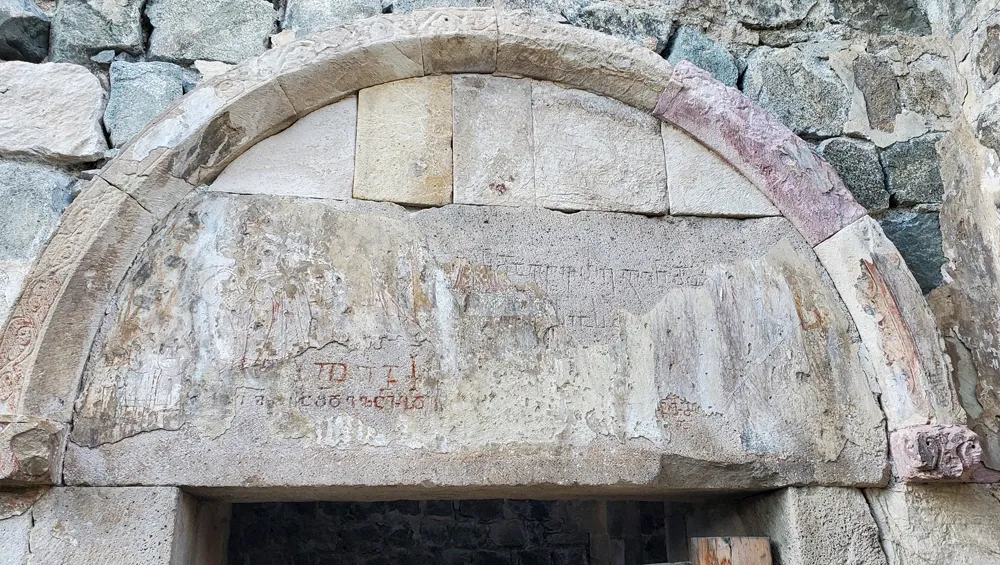
The monastery was dedicated to Saints Gabriel and Michael. It was a significant religious centre of the principality of Klarjeti and reached its greatest flourishing in the 14th century. From those times bas-reliefs (even with images of saints) have survived on the church walls, as well as inscriptions in the ancient Georgian Asomtavruli script.
Text and photos by Roman Malenkov.