Turkey. Trabzon. Former capital of an empire

· 6 min read
Present-day Trabzon, with a population of about four hundred thousand, is the largest city in the north-eastern region of Turkey. It is a significant port and a centre of industry and trade, but I knew the city from childhood for its football team Trabzonspor, one of the two non-Istanbul clubs to have won the Turkish championship. It won it six times, and won the national cup nine times. Yes, as a teenager I was interested in football statistics, but I remembered Trabzonspor for its name, which struck me as funny, not for its sporting achievements.
In ancient times the city was called Trapezus. It was founded by merchants from Sinop in 756 BC. The city lay on the Silk Road, on the Black Sea coast, at the mouth of the river now called Değirmendere. Trade caravans travelled down the valley along the river, and from Trapezus they could ship their goods by sea. The city grew and became rich, so it suffered frequent raids by plunderers and needed defensive walls for protection, and so did the Romans, the next rulers of Asia Minor after the Greeks (a category that includes Alexander the Great and the Kingdom of Pontus). Persians were also among the city’s rulers, but they did not build walls here, or nothing is known about it.
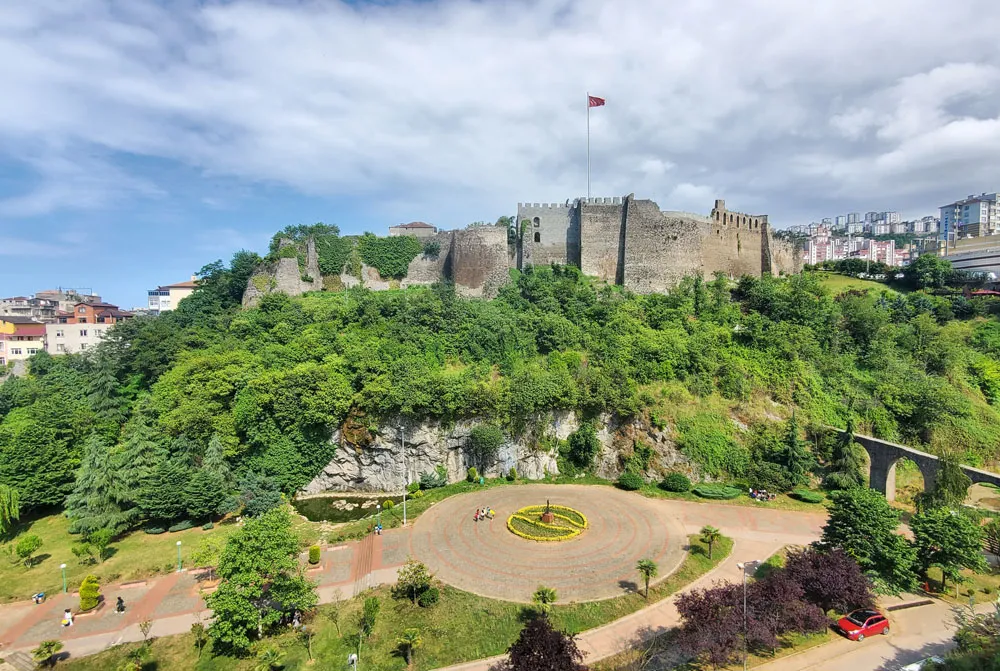
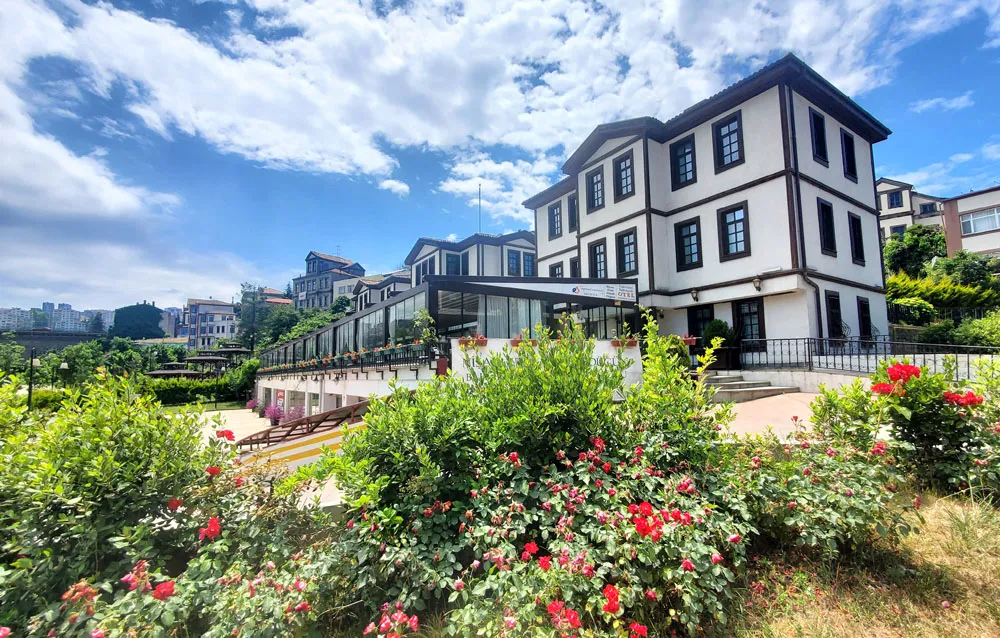
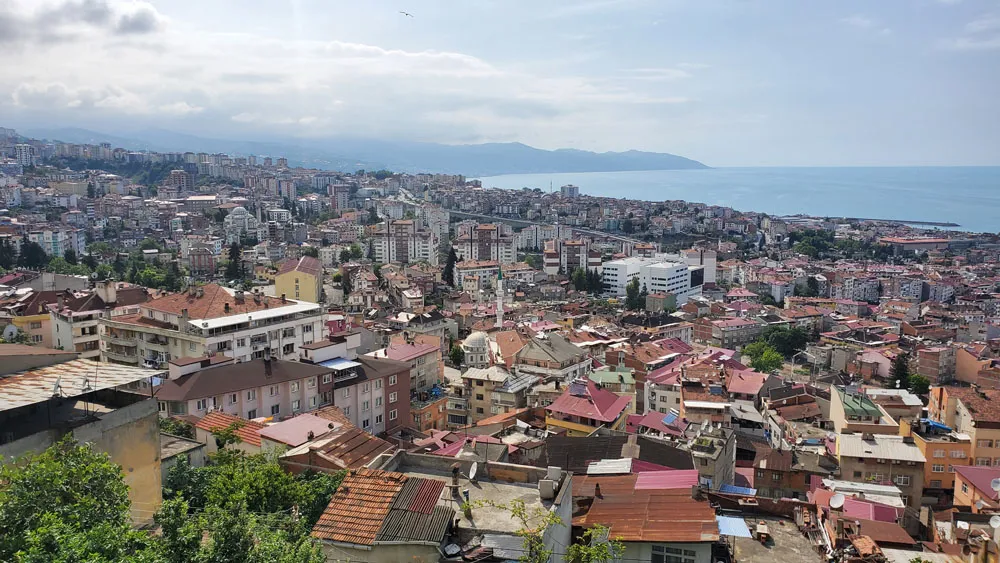
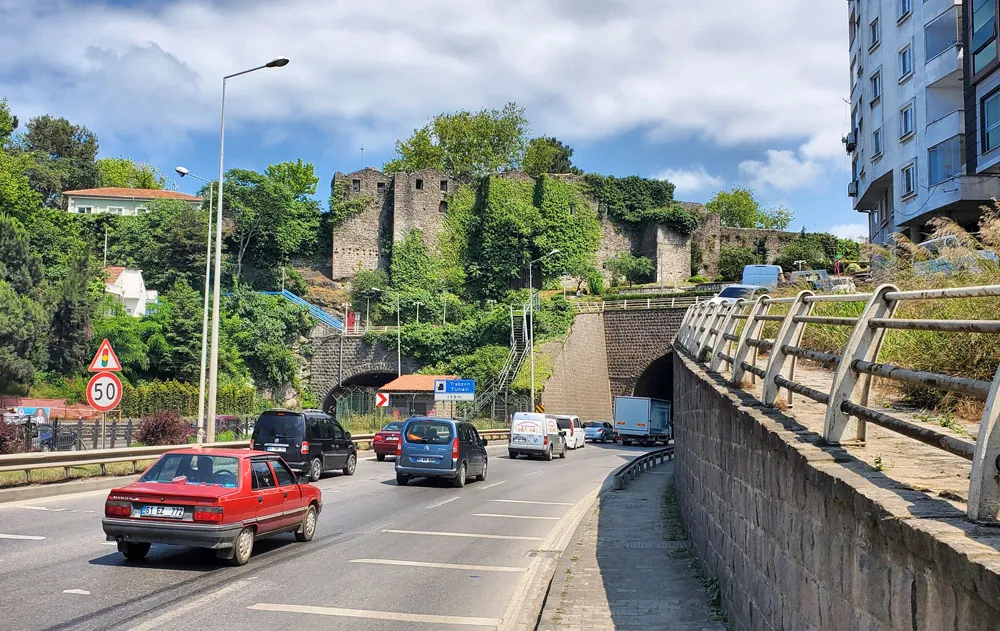
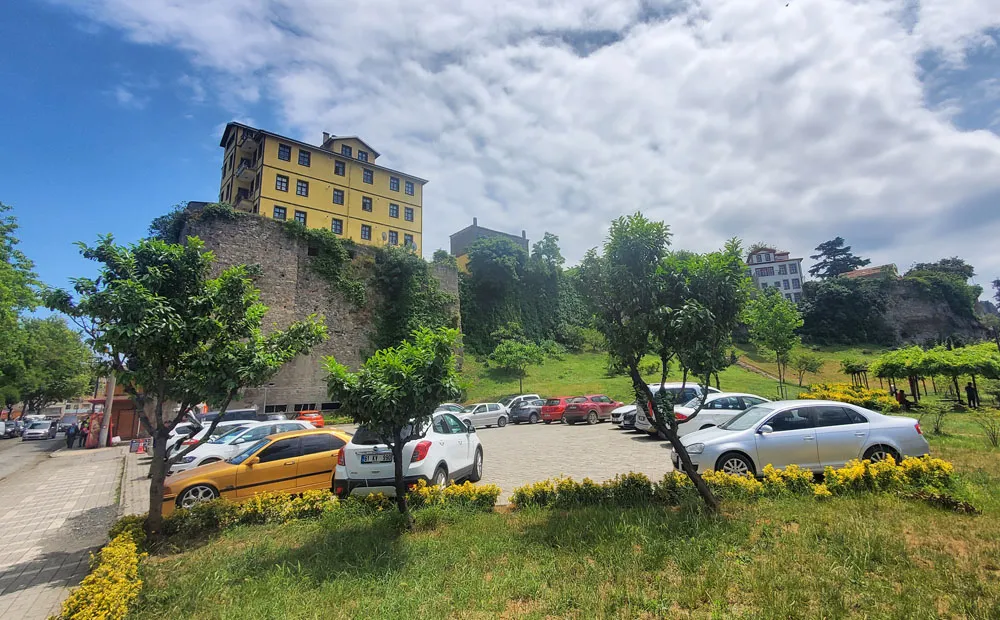
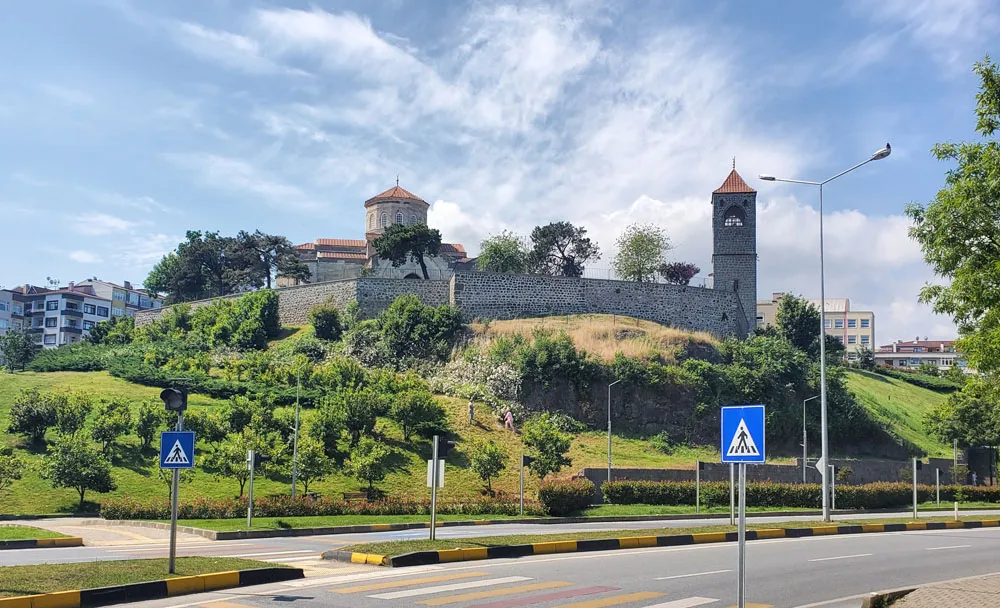
The central part of the old town, Ortahisar, is still surrounded by huge walls. I cannot say that they are well preserved, but their scale is impressive. The walls were expanded in the time of Byzantium and of a small state called the Empire of Trebizond. And, of course, by the Ottoman Turks, who have held Trabzon since the time of Mehmed II the Conqueror: Trebizond was captured in 1461.
The walled city was built on an elongated hill between two deep ravines. Today a park and promenade area has been laid out in one of these ravines, from which you can view the walls and aqueduct of the old town. Very little of the old buildings within the walls has survived, mostly Christian churches, most of which have been turned into mosques.
Among the city’s fortifications a special place was held by Leonkastron, a castle built by the Genoese in the early 14th century on a peninsula between the city’s two harbours. For this the merchants bought a piece of land and set up a trading post. Today this castle, which the Ottomans called Güzelhisar, is occupied by a military unit and access to it is closed. And a road tunnel runs right beneath the castle.
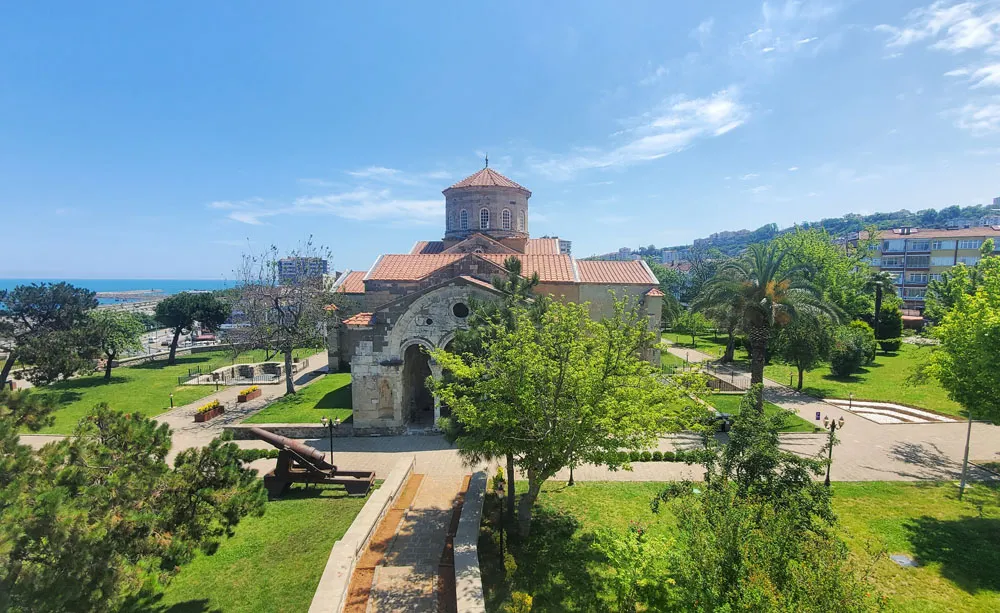
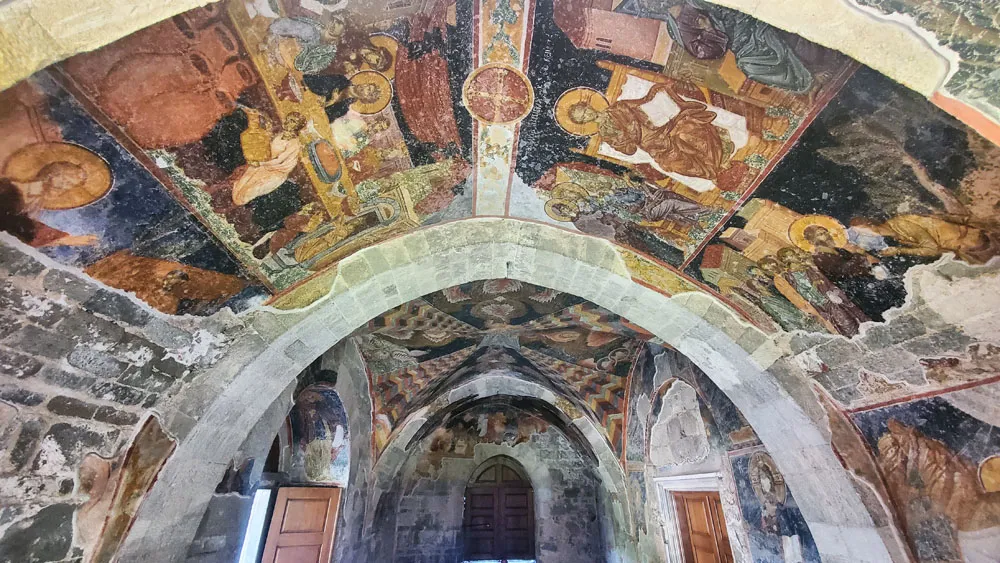
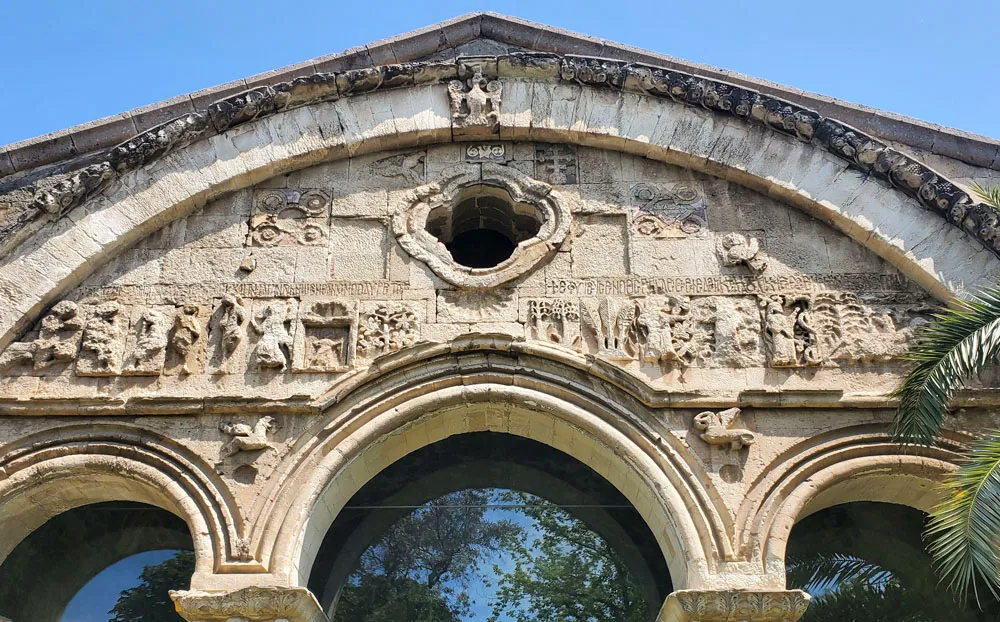
Cathedral of Hagia Sophia
Thanks to the Genoese, Trebizond became very famous in Europe, legendary. It was compared to Constantinople and considered extraordinarily rich. Fantastic Renaissance paintings have survived that depict Trebizond as a fairy-tale city with thousands of golden towers. But it was not like that, even in the era of the Empire of Trebizond. Under the Ottomans a large slave market was set up here.
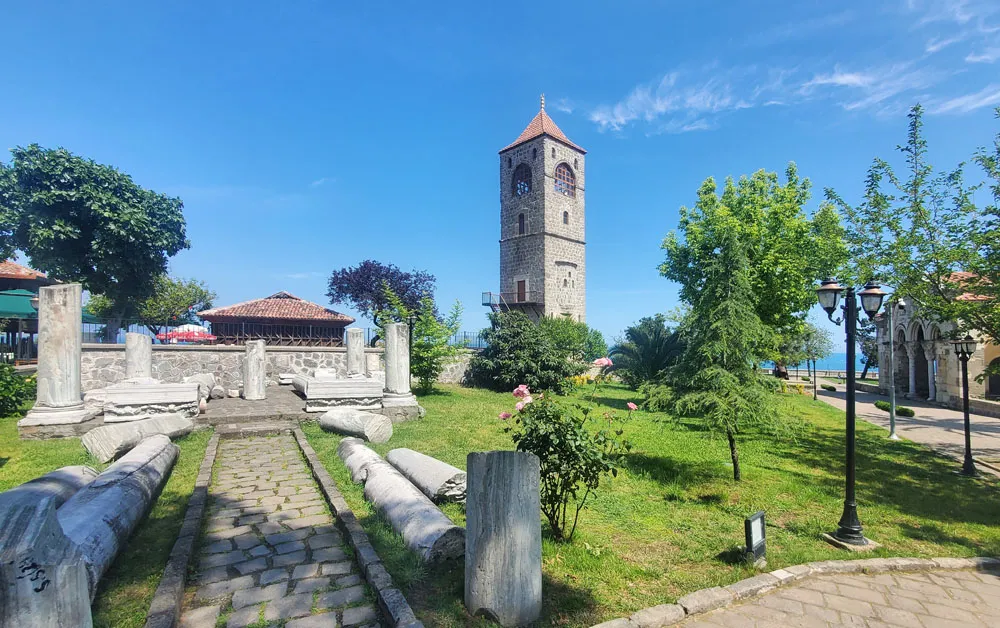
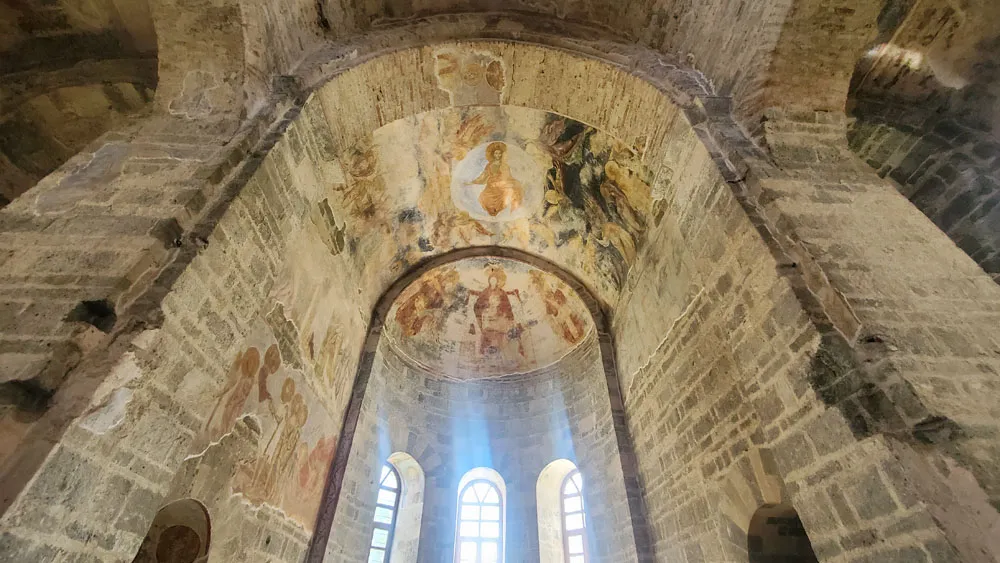
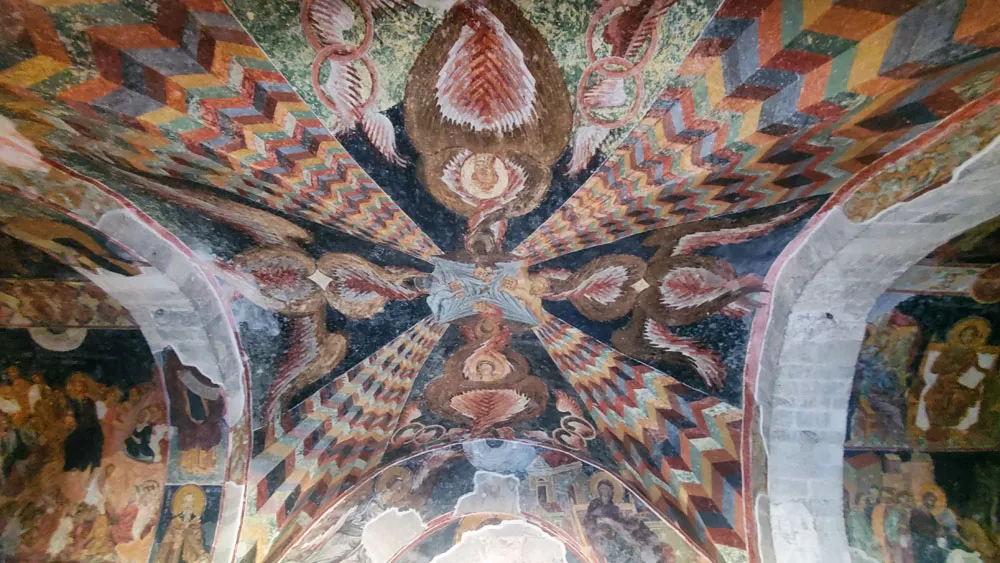
The first monument that guidebooks recommend seeing in Trabzon is the Cathedral of Hagia Sophia, now a mosque. The building stands a few kilometres west of the historic centre. It was built in 1238–1263 by Emperor Manuel I as the country’s main church. In 1461 Sultan Mehmed II turned the cathedral into a mosque. From 1964 a museum operated here; now it is the Ayasofya mosque. The church is built in the Byzantine style. Strange as it may seem, wonderful 13th-century murals have survived in the cathedral-mosque.
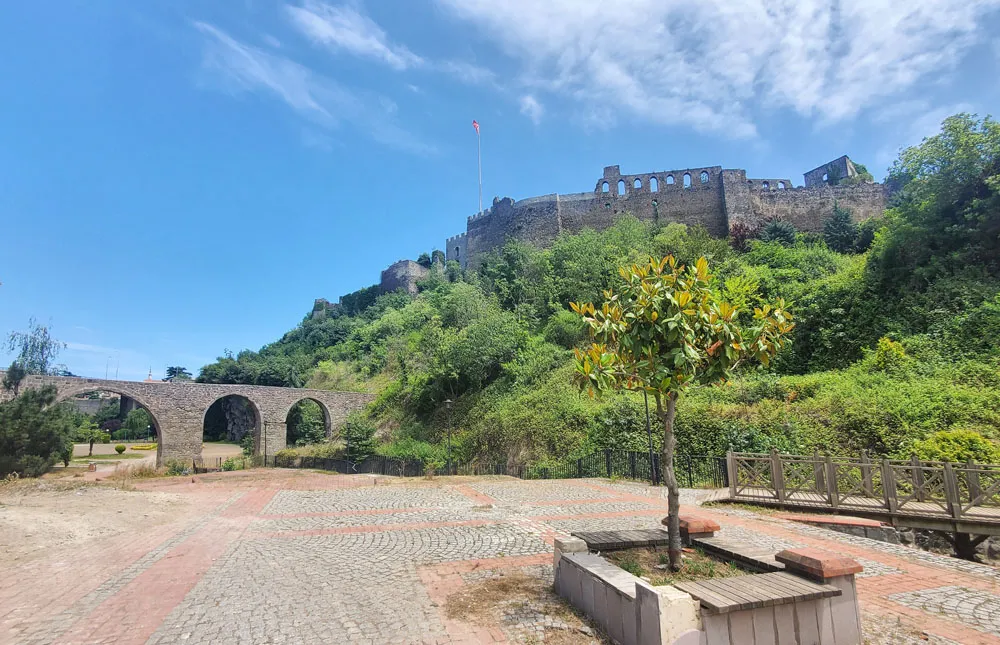
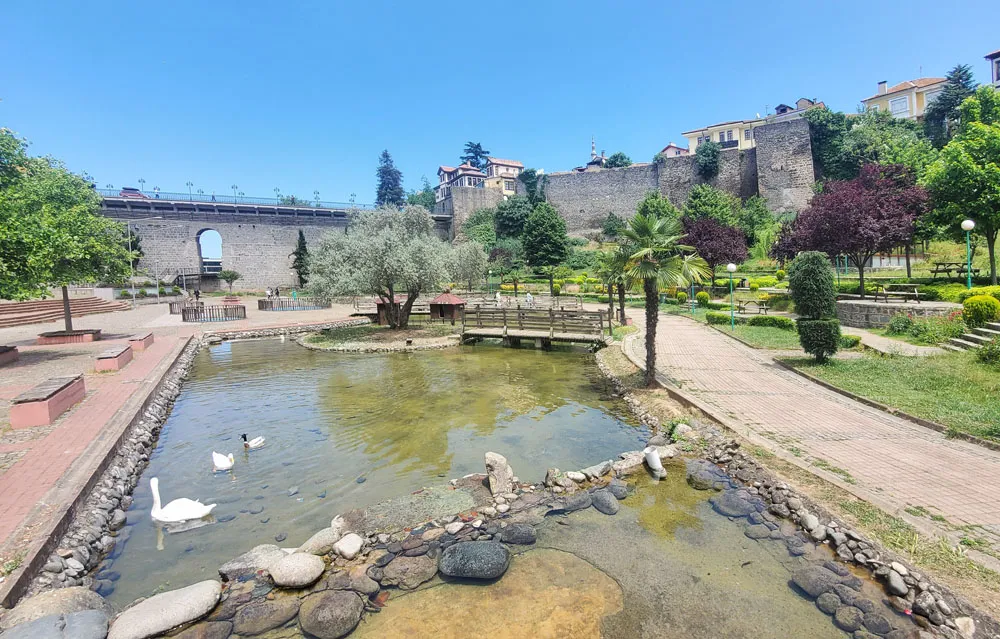
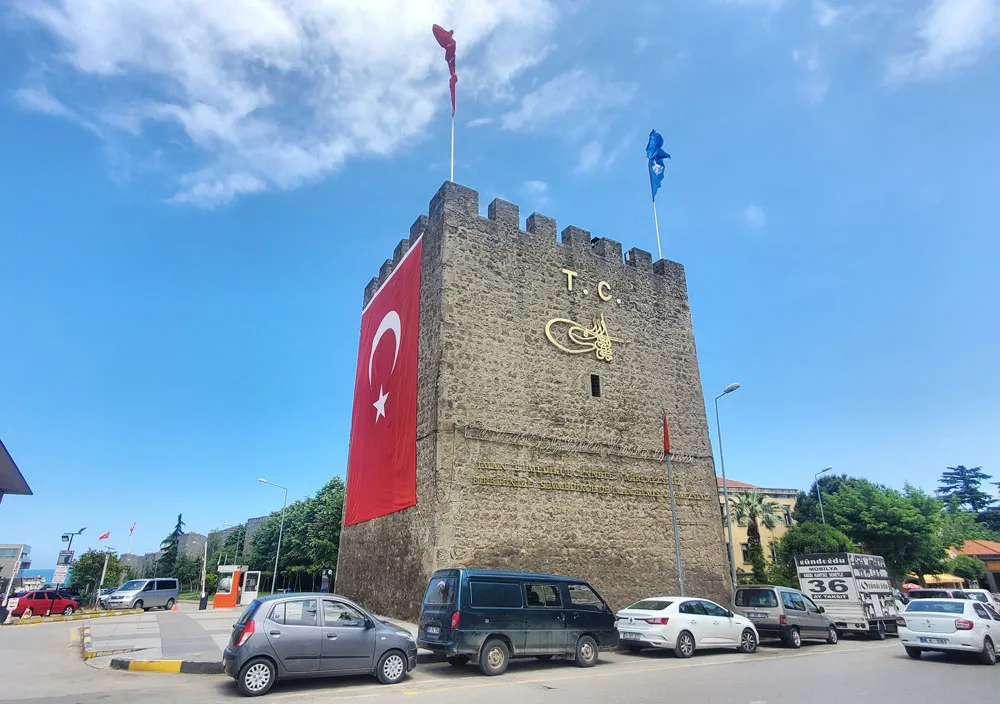
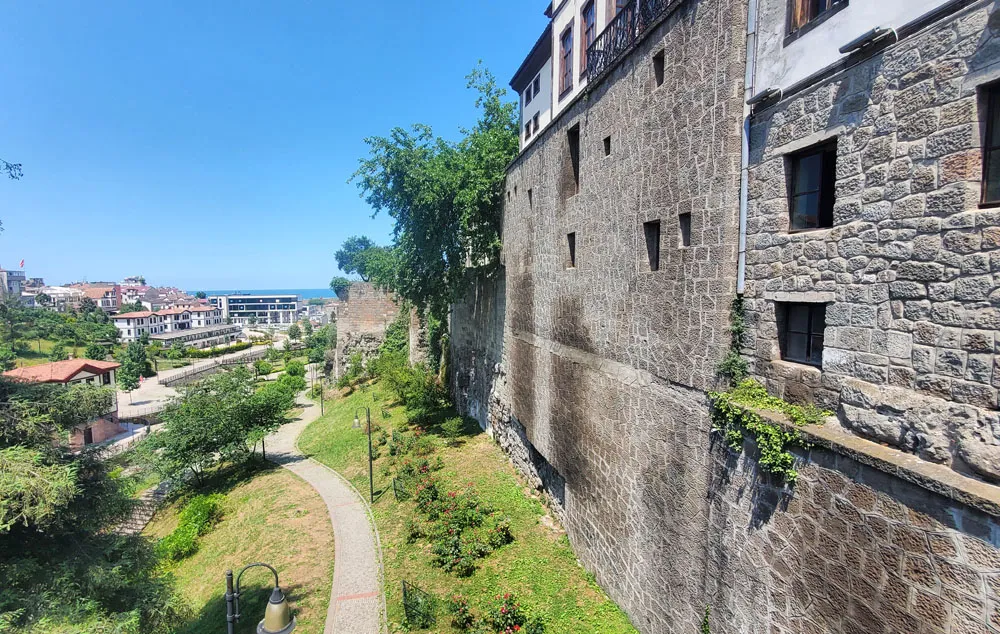
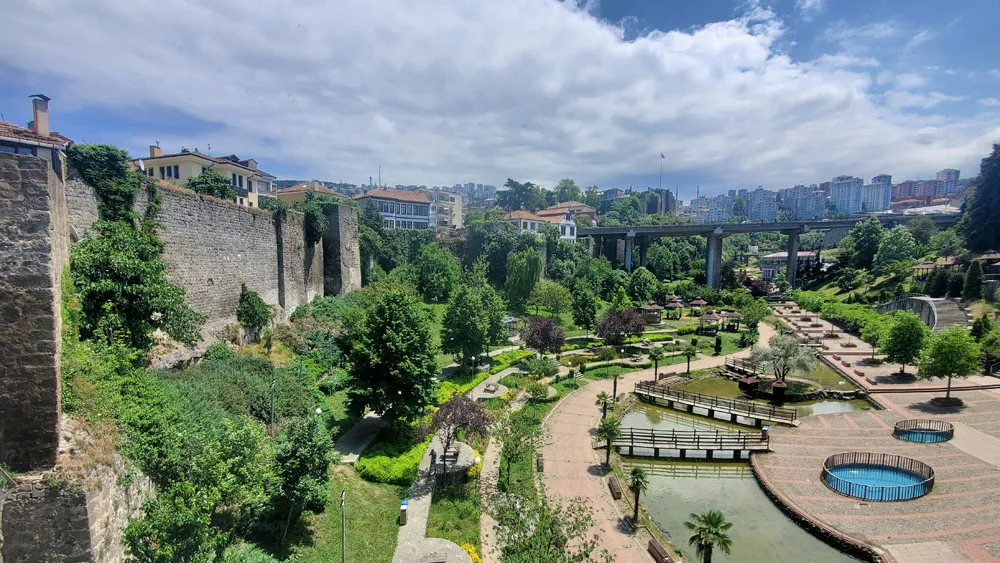
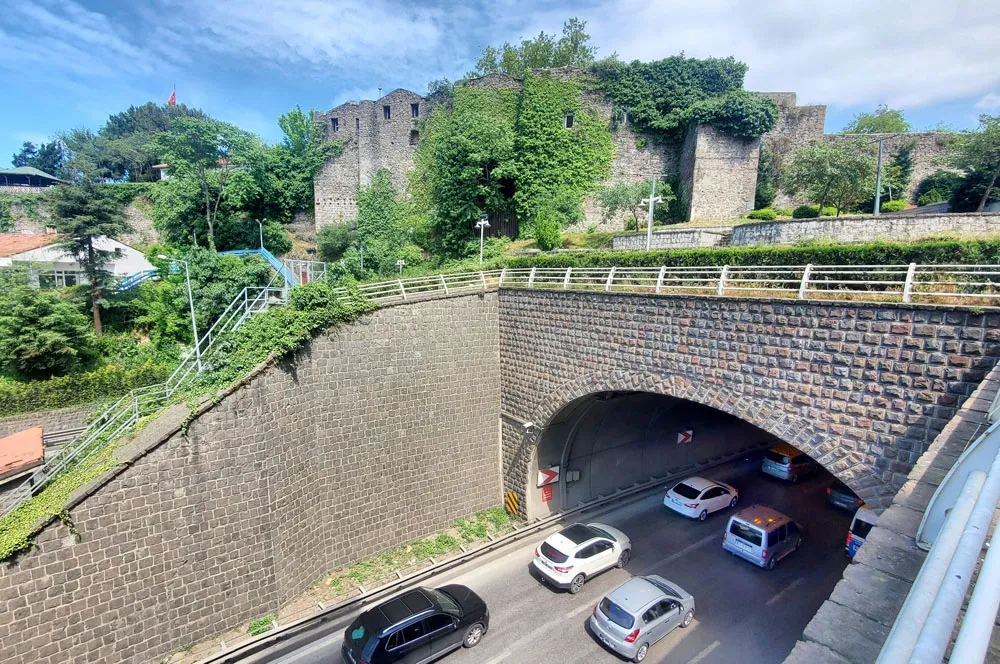
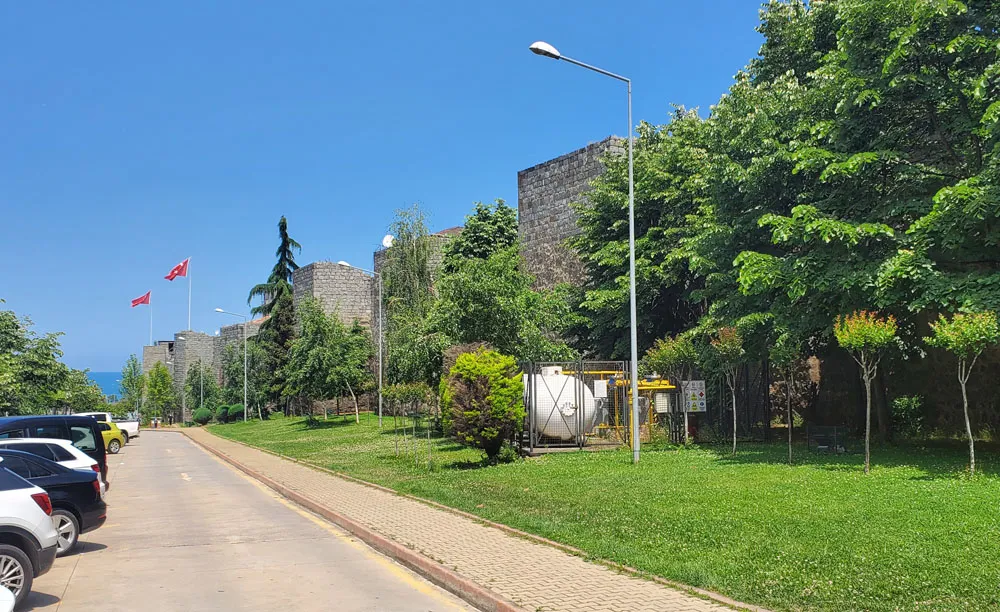
Fortifications of Trabzon
Next to the church are a tall stone bell tower and a cosy summer restaurant with a wonderful menu of local cuisine. I have been to Turkey many times, but I saw a considerable part of the names on the menu for the first time. From the restaurant terrace there is a beautiful view of the park and the Black Sea.
The oldest church in Trabzon is the Church of St Anne, built in the 6th or 7th century. It is a small Byzantine basilica in which ancient frescoes have survived. But seeing them is not easy, because the key to the church is kept who knows where and by whom. We did not get in.
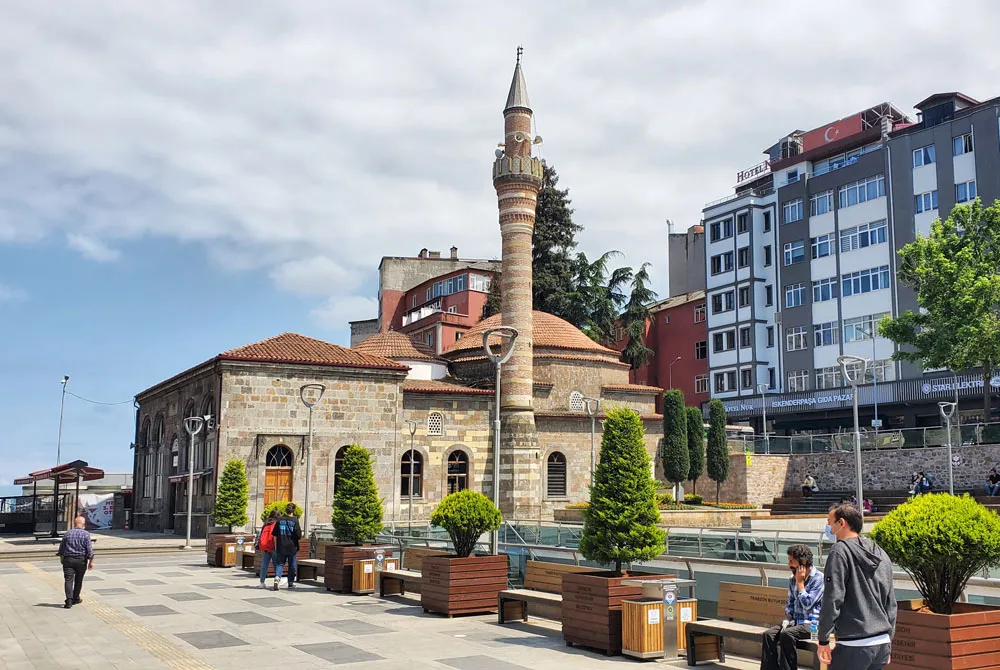
The largest Christian church in Trabzon was the Cathedral of Panagia Chrysokephalos, built in the 11th–12th centuries. Since 1461 it has been the Fatih mosque, named in honour of the conqueror of Trebizond, Mehmed II. No murals have survived in the church, but even without them the building impresses with its interior layout. You can climb up to the gallery, from where the view is even more interesting.
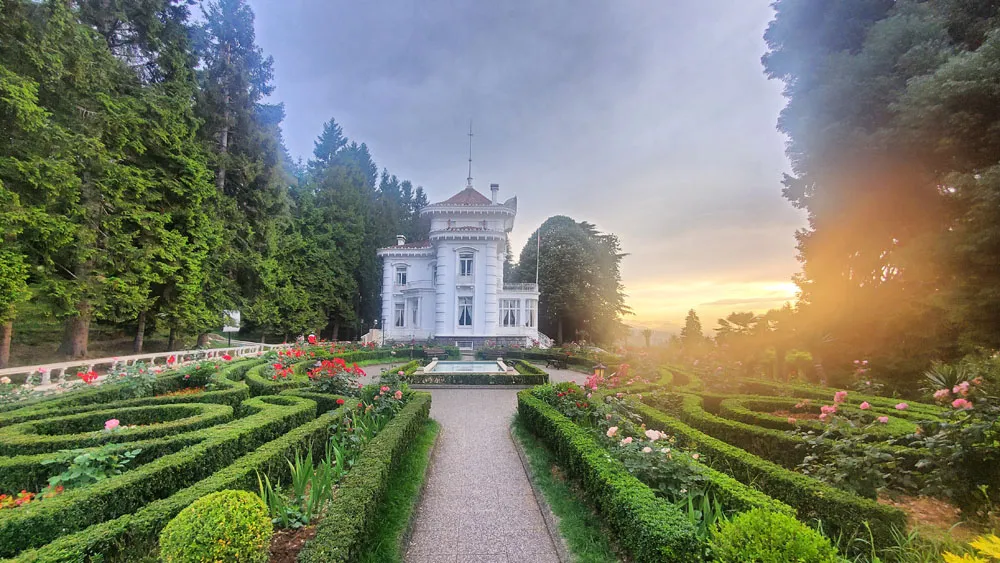
The centre of Trabzon is very noisy and crowded. It is much calmer at a tourist site that is depicted on fridge magnets no less often than Hagia Sophia. This is the Atatürk Mansion (Atatürk Köşkü), a wonderful park with a small palace where Kemal Atatürk stayed more than once in the 1920s and 1930s. The villa was built by a wealthy Greek merchant in the 1890s. It is a fine example of late 19th-century eclecticism or Art Nouveau. I have seen quite a few buildings in this style in Istanbul and on the Princes’ Islands.
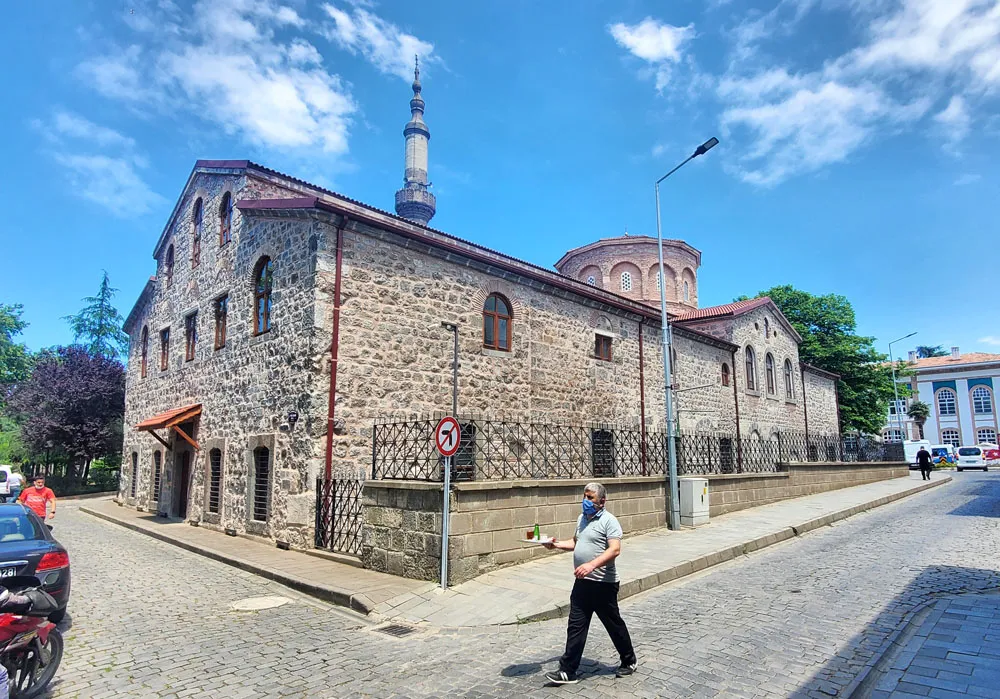
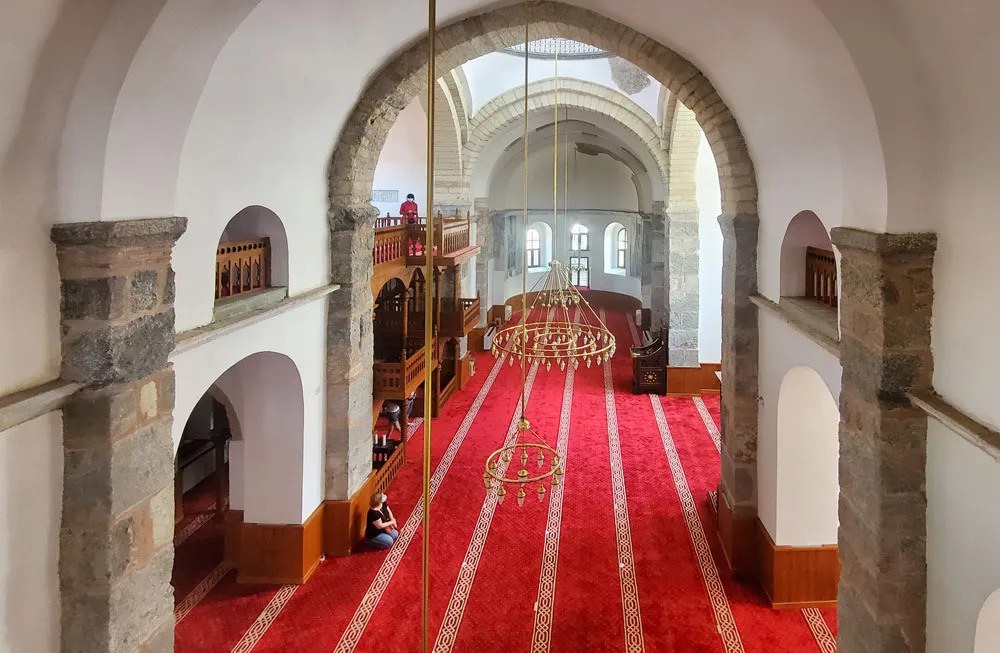
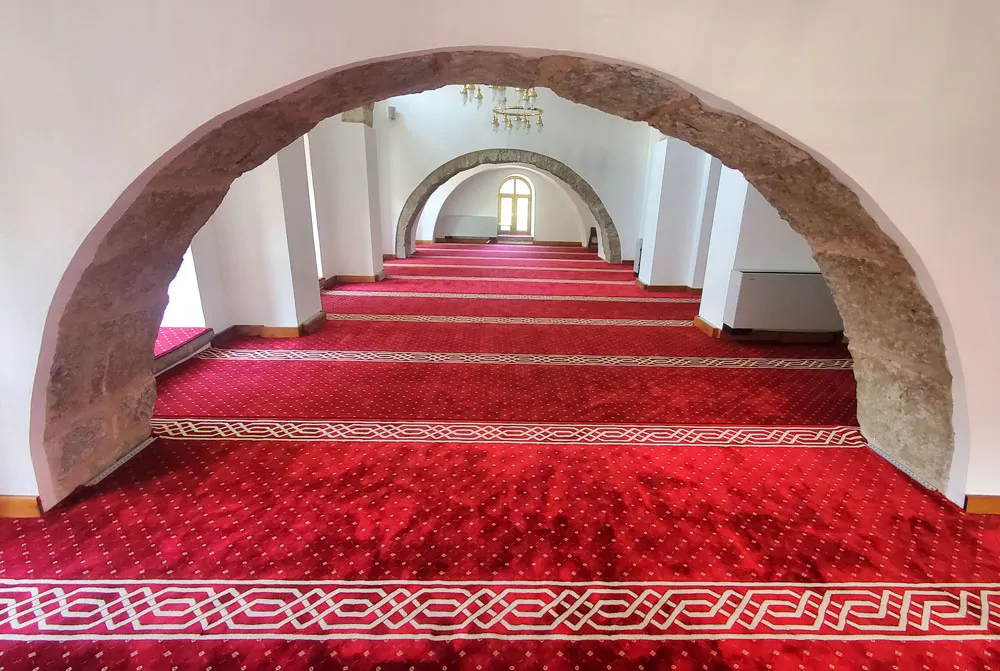
Cathedral of Panagia Chrysokephalos, now the Fatih mosque
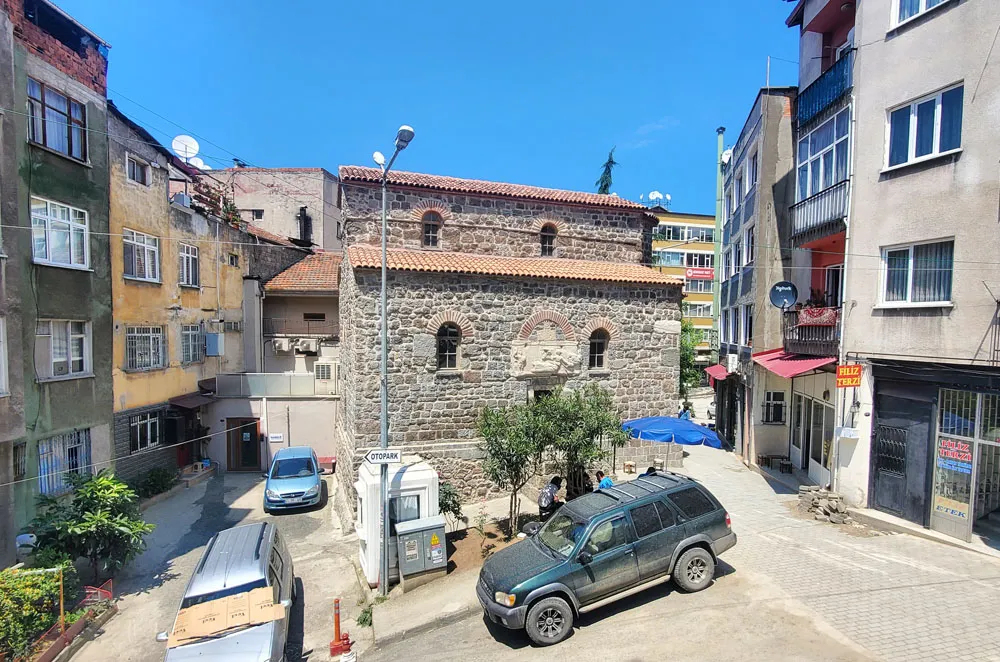
Church of St Anne
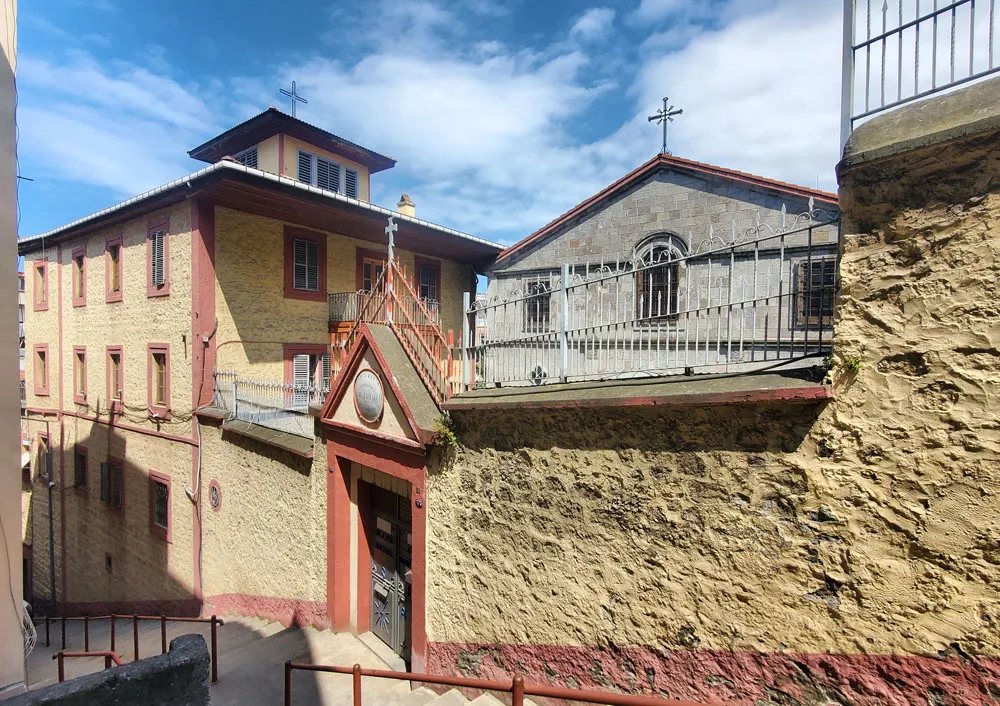
Roman Catholic Church of St Mary
There are several Christian monasteries on the outskirts of Trabzon. One of them is now called Kızlar (“women’s”). It really was a women’s monastery, but it was called Panagia Theoskepastos. It was founded by Emperor Alexios III in the 14th century. The monastery is surrounded by a high wall, behind which it is hard to see anything, although in photos I saw that it is very interesting there. But it was closed, because of the quarantine… Above the monastery, on a parallel street, there is a great viewing platform from which you can see the city and the sea.
Another monastery, a former Armenian one, is called Kaymaklı. This is also the name of an underground city in Cappadocia. I do not know what the word means, but its official name was Saviour (Surp Prkich). The founding date is unknown, and the oldest buildings date from 1424. The monastery was partly destroyed and rebuilt after the destruction of Trabzon’s Armenian community in 1915–1923. Now it lies in ruins, although murals have survived in the church; hurry to see them.
The history of the Greeks and Armenians of Trebizond is very ancient. As late as the early 20th century they formed the majority in many districts of Trabzon. Now none are left…
The legendary mountain monastery of Panagia Sumela is traditionally associated with Trabzon. But it is 30 km from the city, and that is another story.
Text and photos by Roman Malenkov.
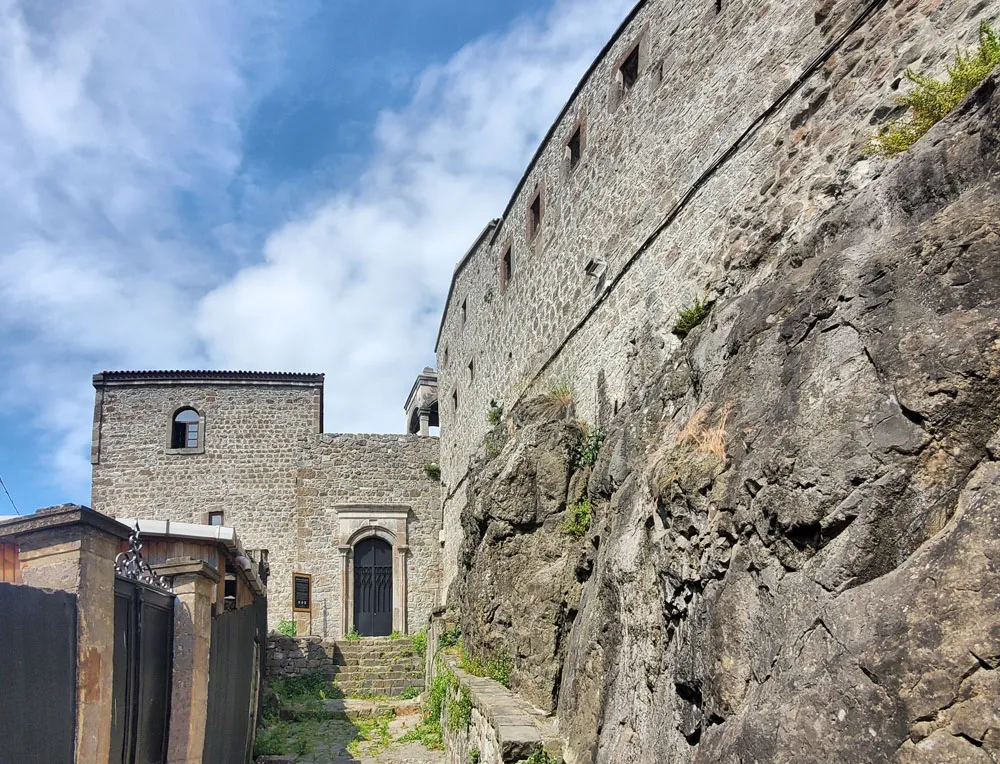
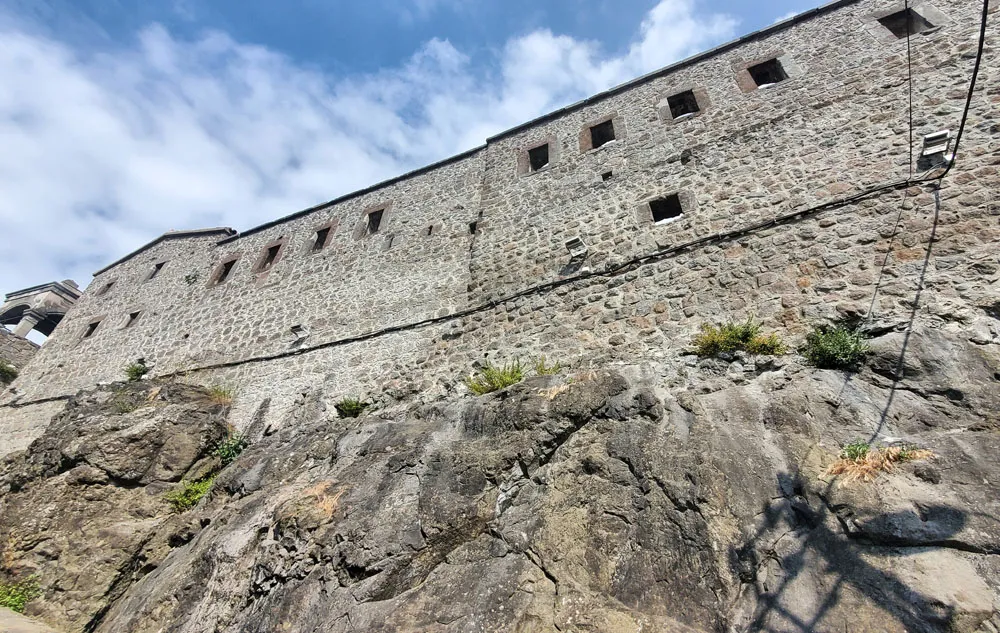
Monastery of Panagia Theoskepastos
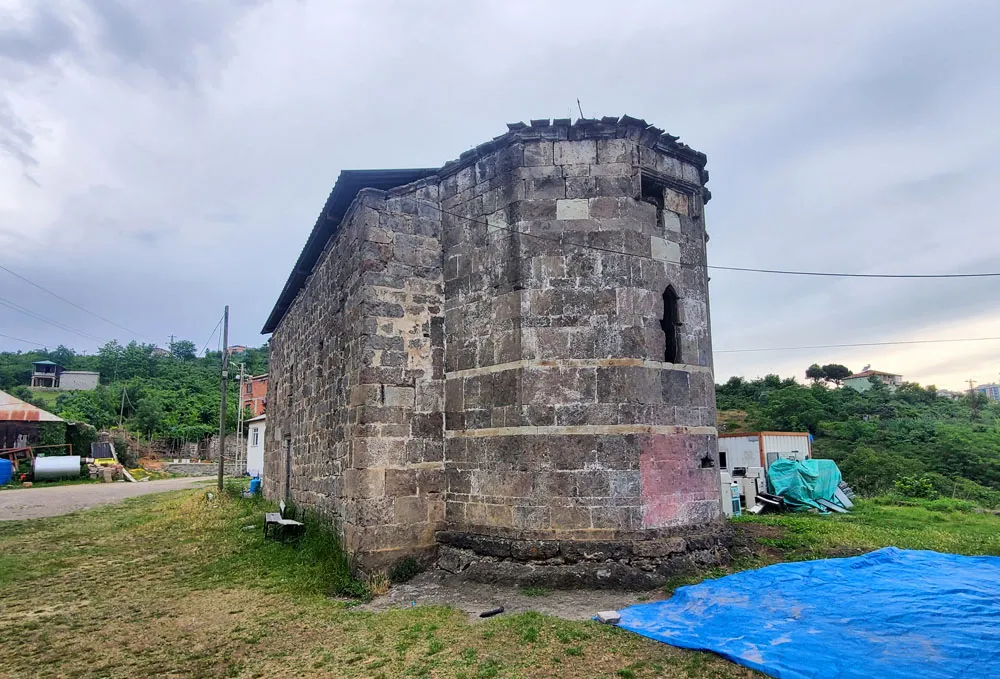
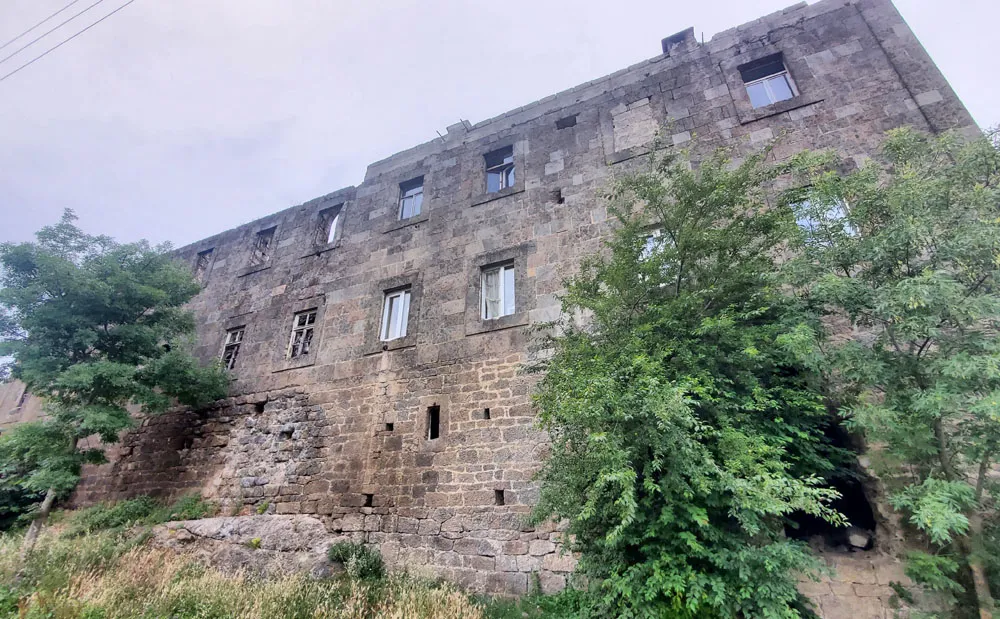
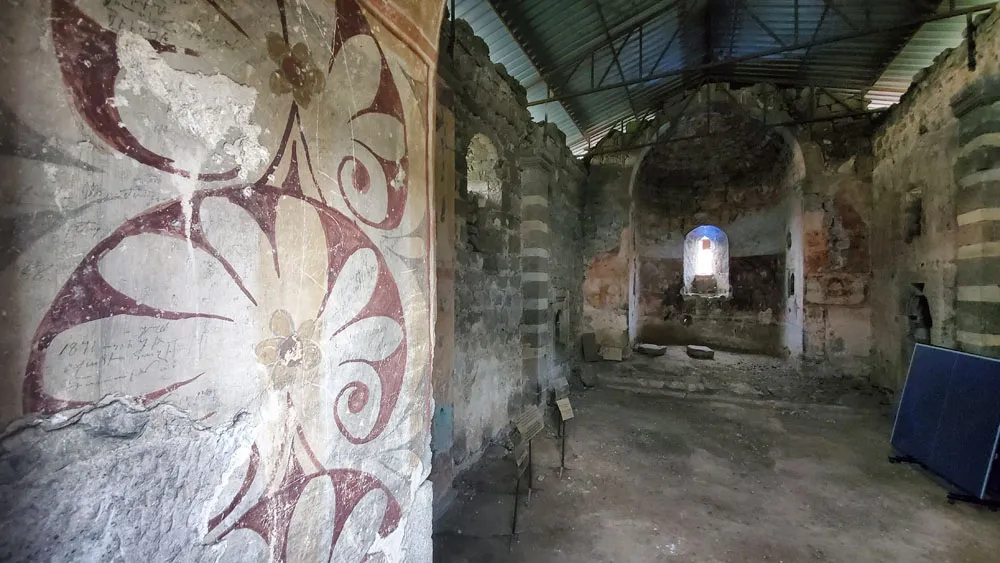
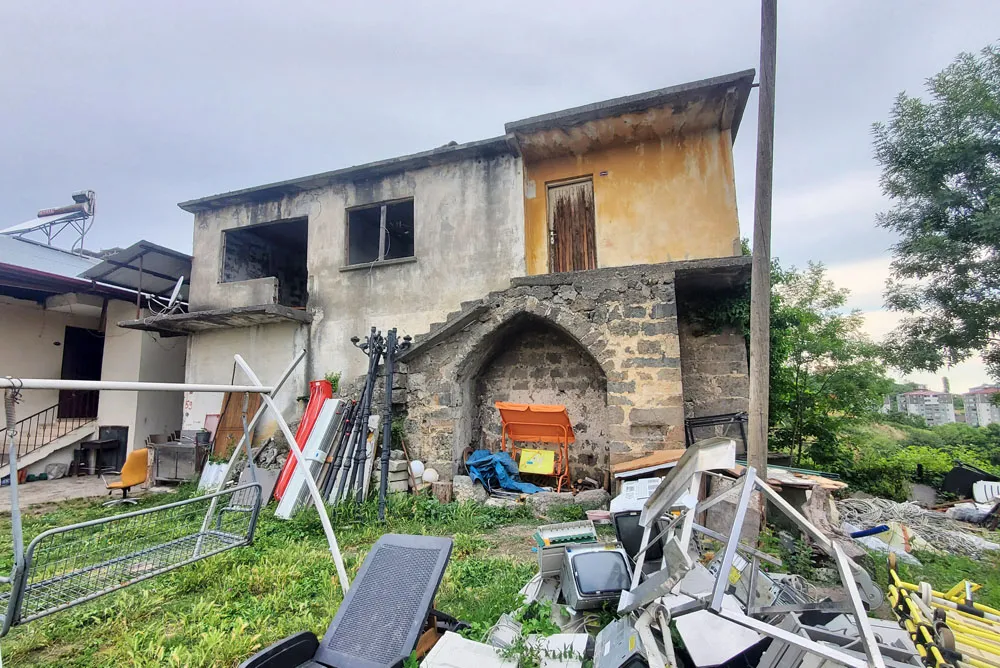
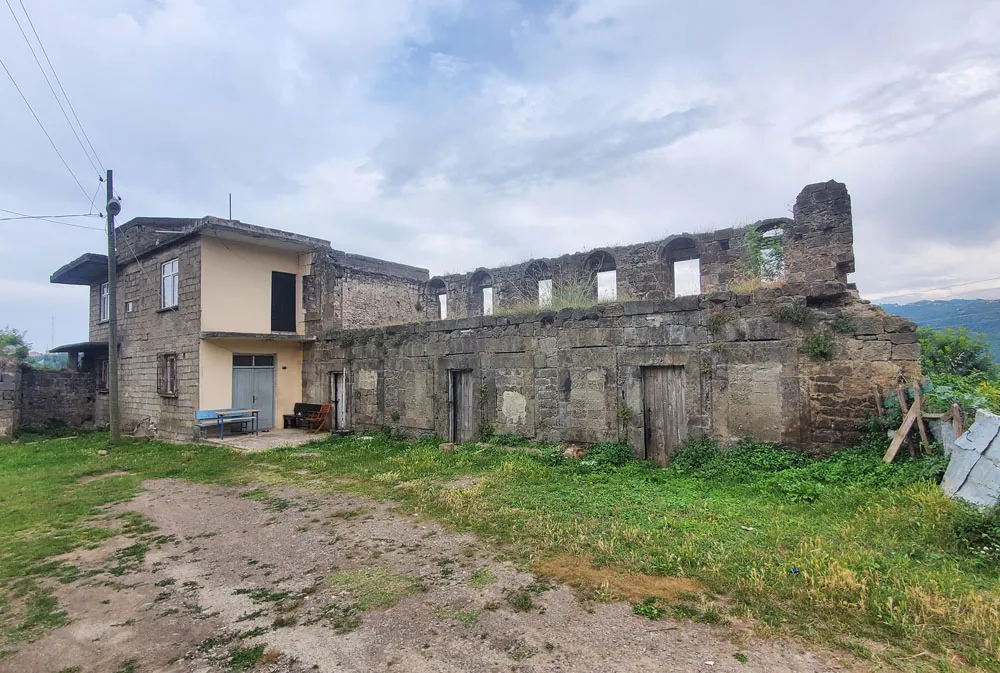
Armenian monastery of Kaymaklı
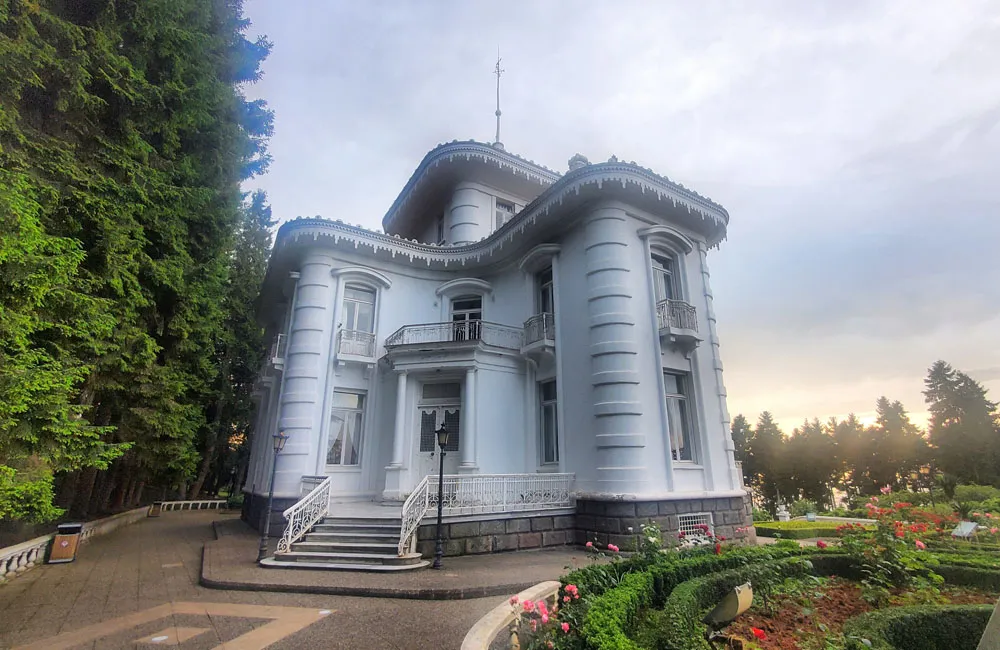
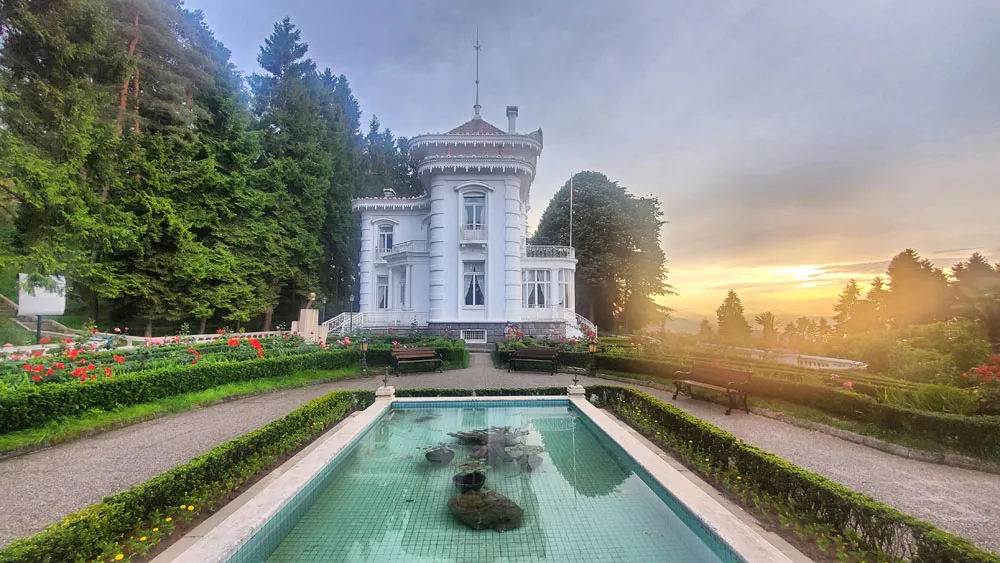
Atatürk Mansion