Kmitiv. Sumowski manor and the museum of Soviet art

· 2 min read
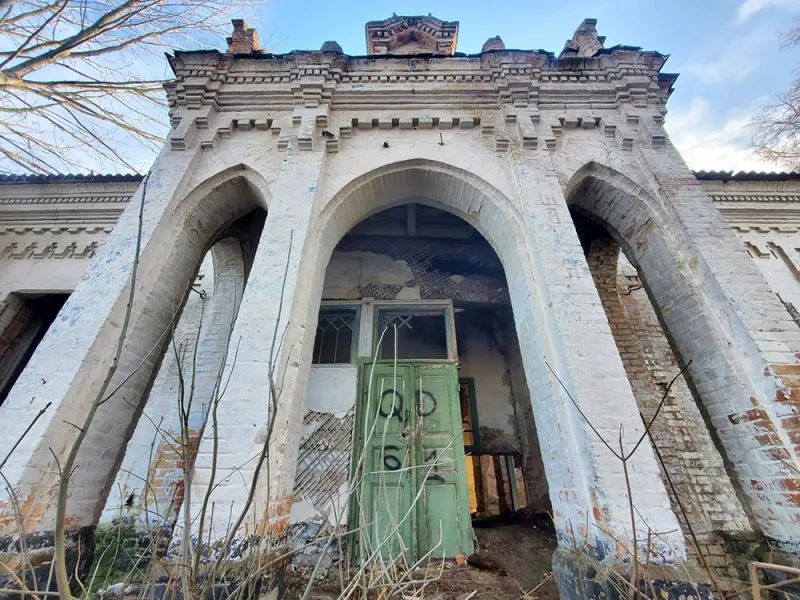
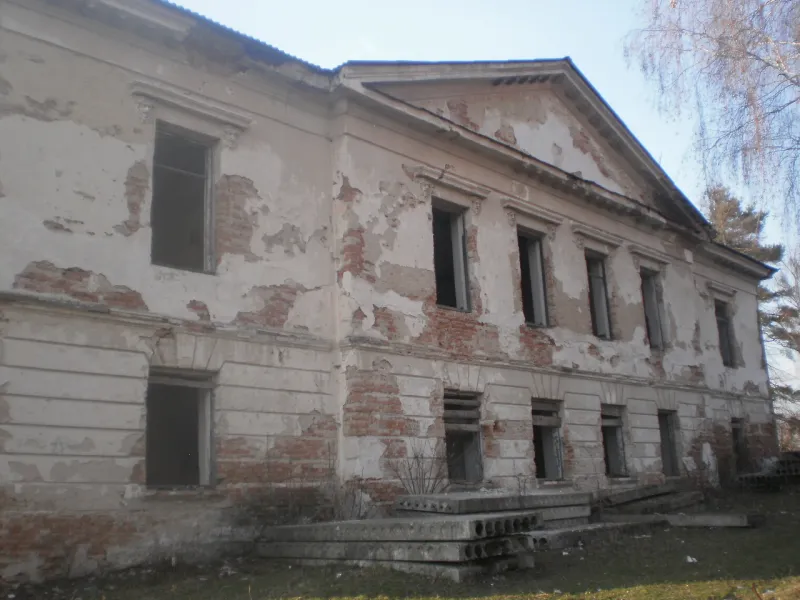
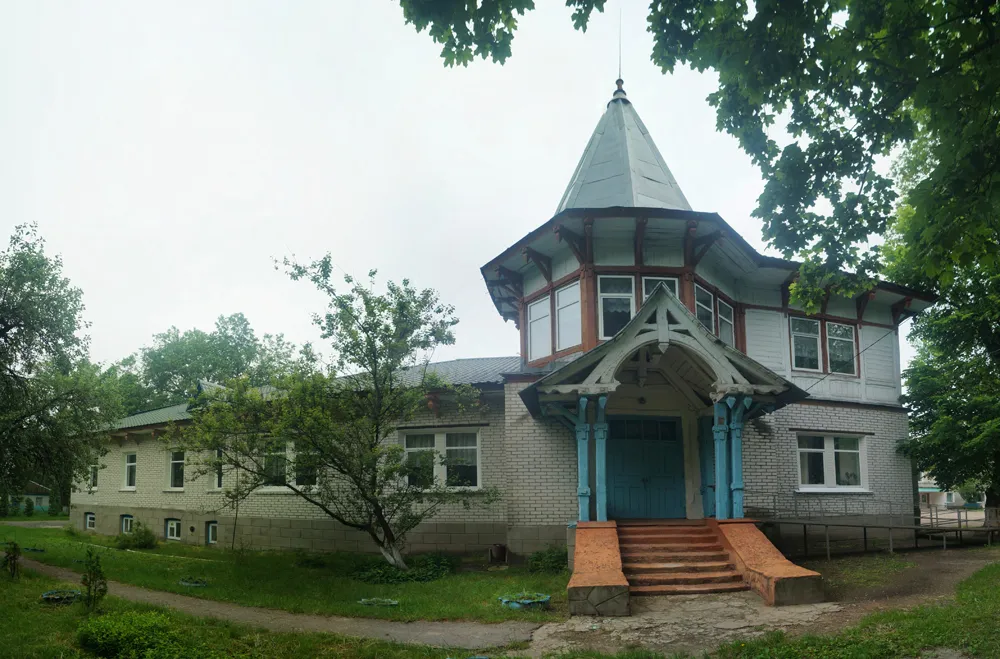
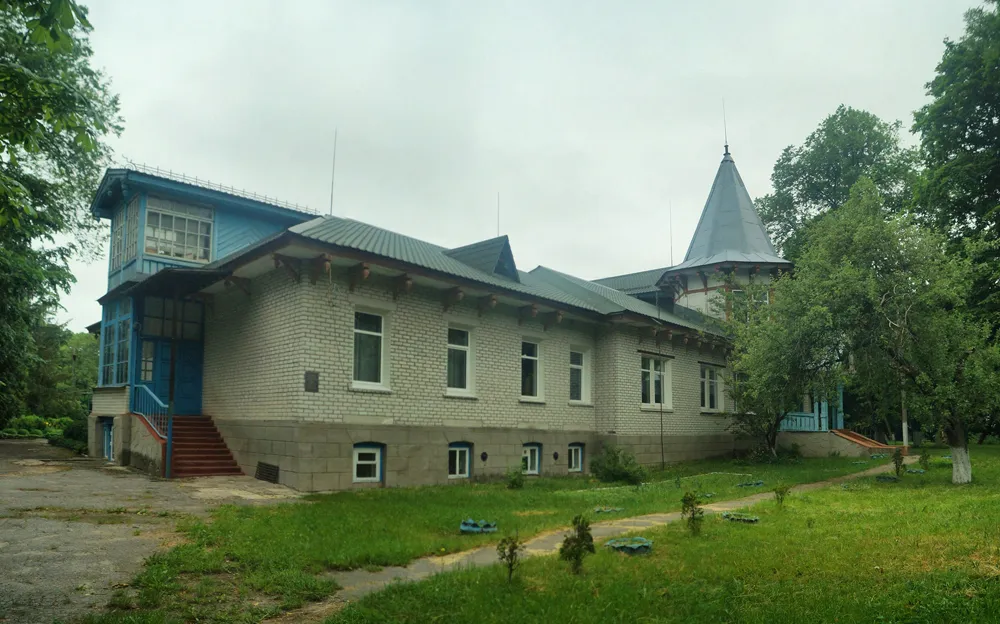
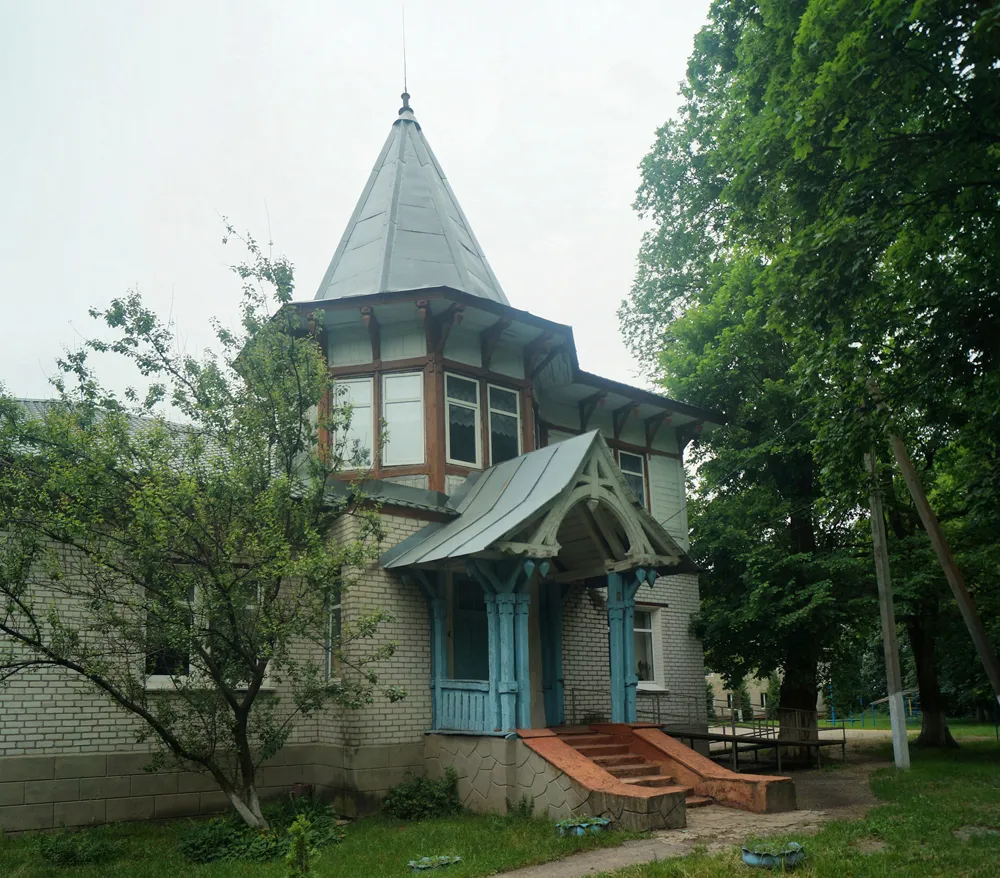
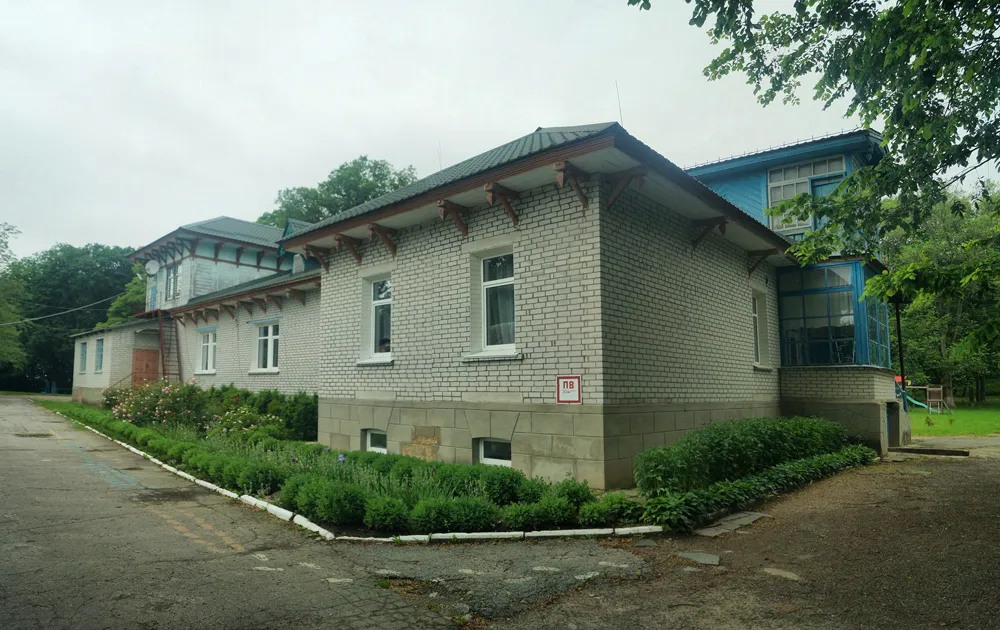
The Sumowski manor in Kmitiv in the Zhytomyr region reminds me of a sort of cyborg. It does have some of its natural body parts, but most of it is an artificial acquisition. Clad in brick and metal roof tiles by some 70-80 percent, yet with its porches, little tower and part of the second floor preserved, it can still attract. Still, it is not quite clear how a monument of local significance with a protection number could be so abused. Probably the number was assigned after that “reconstruction” of 1973.
The manor was built in the late 19th – early 20th century by the Sumowski family; the last owner was Ewelina Sumowska. There is little information about her, only hearsay that the lady was kind and bequeathed the house to orphans, which is why it survived the revolutionary whirlwind. As for the Sumowski (Szumowski) family, Aftanazy supposed that it moved from East Prussia to Volhynia in the mid-17th century.
The first known one was Maciej Sumowski (born 1769), whose residence, and later that of his descendants, was in Lityn. In the late 19th – early 20th century the Sumowskis owned water mills in Zamlychi and Lukovychi, distilleries (including in Kmitiv) with an annual income of 38,000 roubles, 3,500 ha of land, hunting grounds and so on.
Around the manor in Kmitiv there is a park above a small ravine. Since 1973 the manor has been used as a boarding school for children with special needs, so to view the manor even from outside, you need to arrange it in advance.
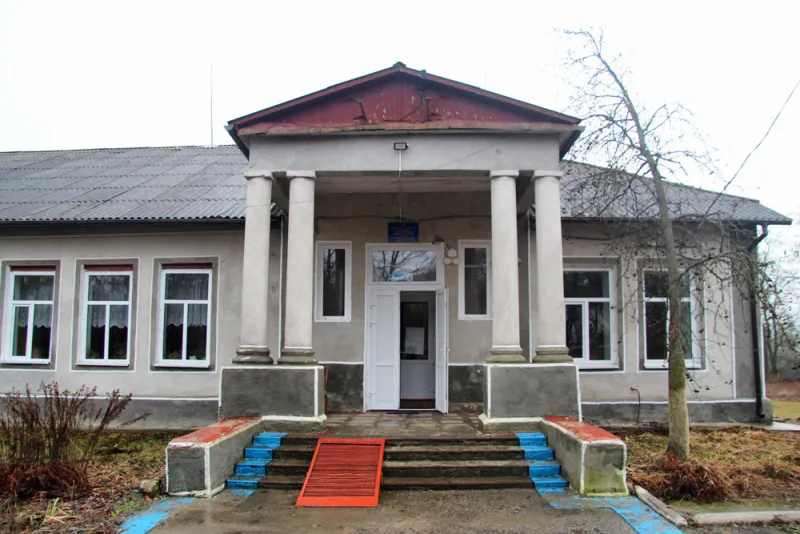
In 1985 a new building of the fine arts museum was opened in Kmitiv, one of those village museums that is worth visiting. The museum itself was founded in 1974 by Yosyp Bukhanchuk in his native village of Studenytsia, and when the exhibits exceeded 600, a new museum was built in Kmitiv to a design by the architect I. Fomin. It was actually built, rather than converting another building, which was quite difficult considering that it is a village museum. Probably this was done, among other things, to popularise Soviet culture in the countryside; the lion’s share of the paintings are done in the style of socialist realism (though this does not diminish their value). Besides paintings, the collection includes sculptures, tapestries, porcelain and faience items, majolica, crystal and so on. In addition to the permanent exhibition, the museum holds thematic and one-person exhibitions. The museum is definitely worth attention. You can view photos from the museum here.
Text by Ihor Dorozhok, photos by Roman Malenkov and Serhii Shcherbii.