Lypky. Castle mill

· 1 min read
The village of Lypky is located 15 km north of Popilnia. Its population is about 600. It first appears in written documents in 1618.
Laurentii Pokhylevych described in detail the changes of Lypky’s owners in the 19th century. In 1800 the landowner Voronetskyi lost the village at cards to the landowner Morshkovskyi. After the latter’s death, until 1814 the village was owned by one of his daughters – Princess Jabłonowska (by marriage), and from 1829 by her sister, Princess Radziwiłł. Interestingly, Prince Radziwiłł divorced his wife and married her sister – Morshkovskyi’s youngest daughter. Under imperial law the estate remained with him, and accordingly with his new wife. In 1850 Lypky was sold to the Podhorskyi princes, owners of Antoniv, where their ziggurat-shaped mausoleum stood.
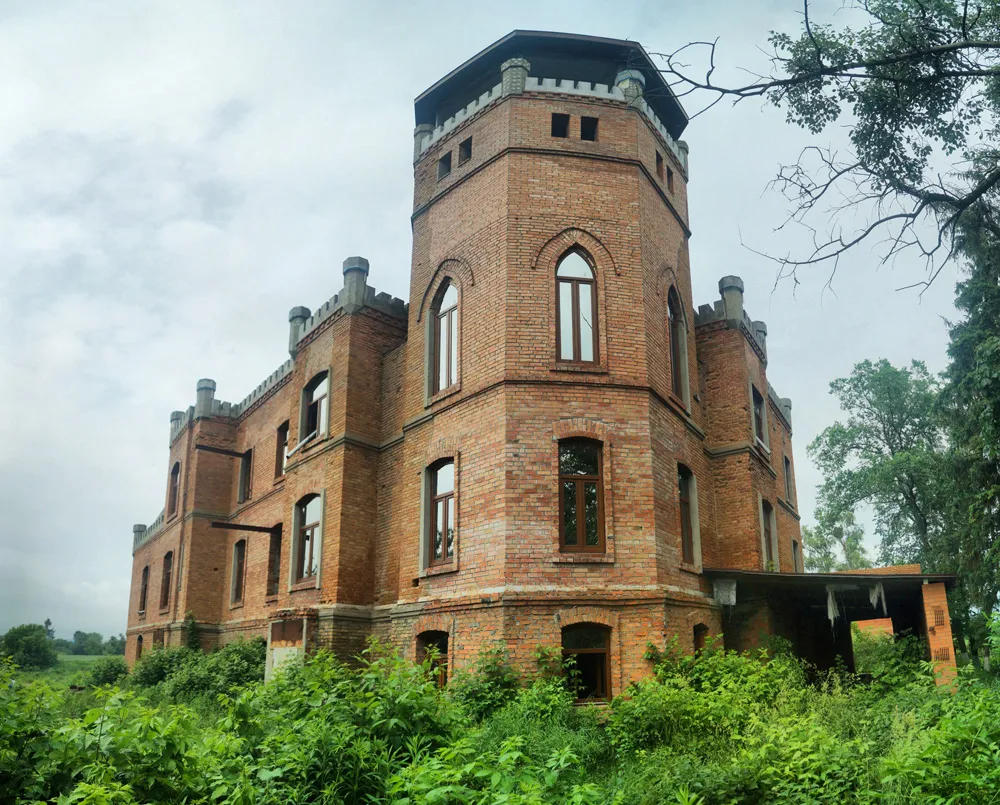
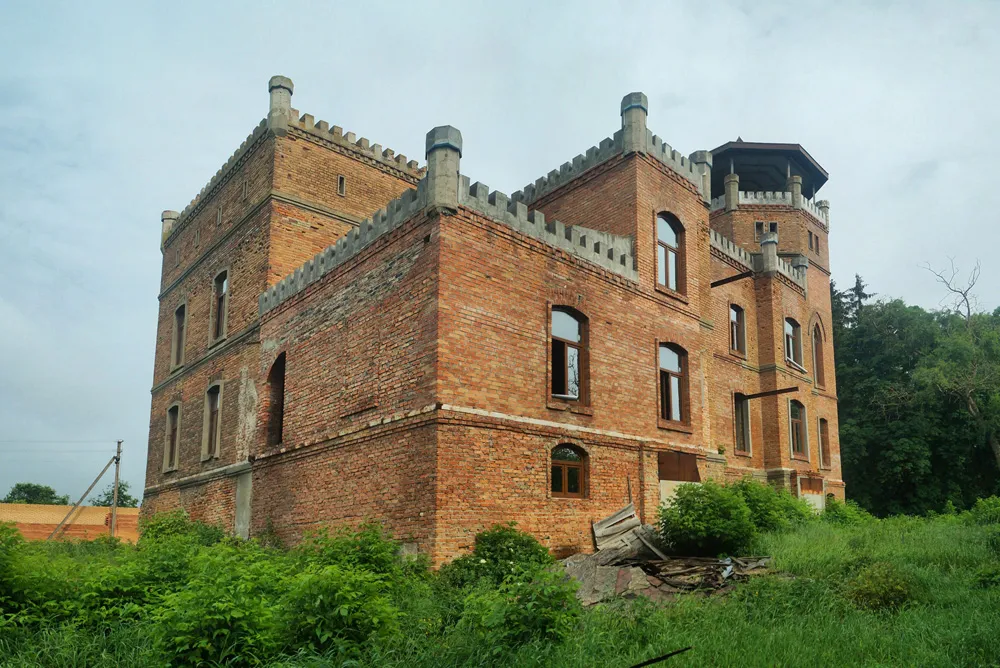
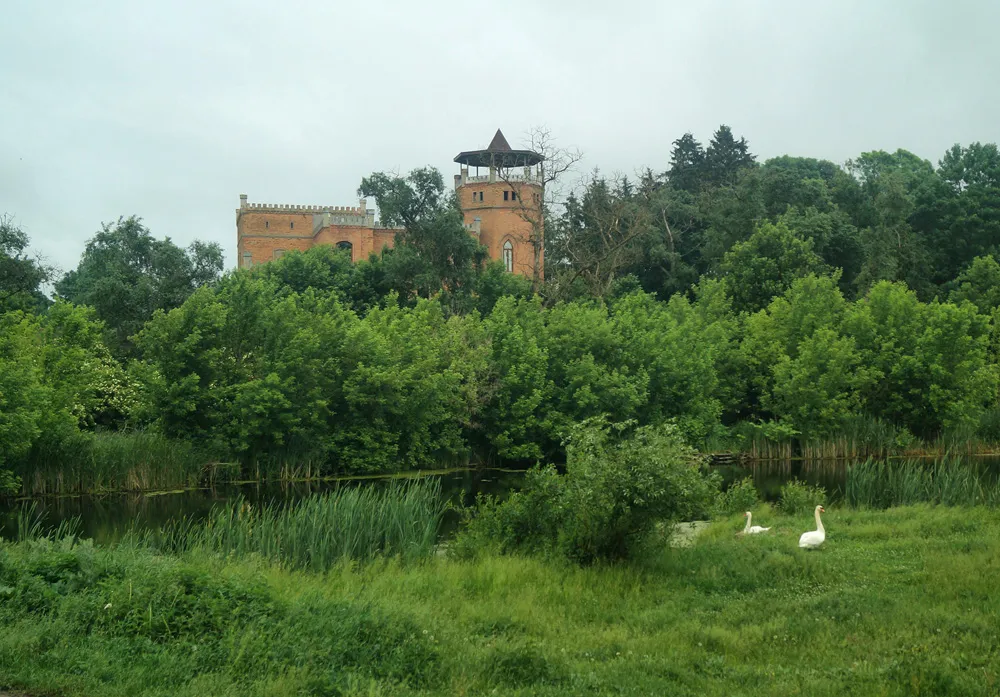
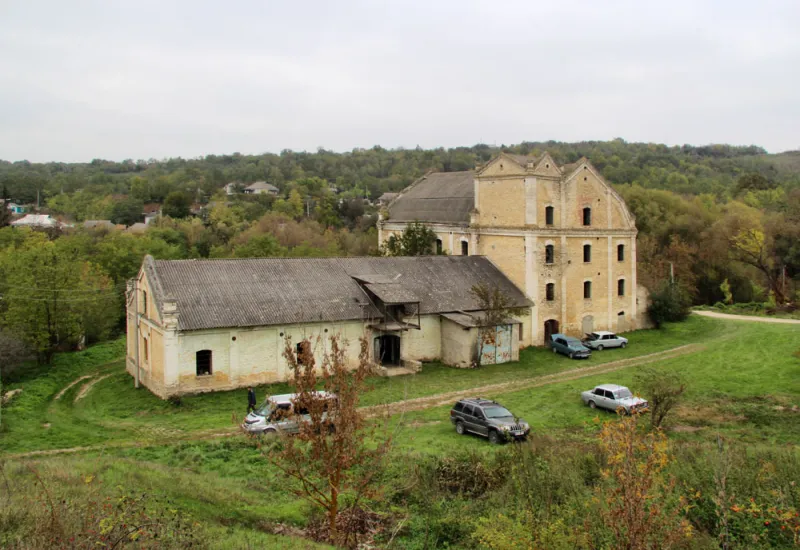
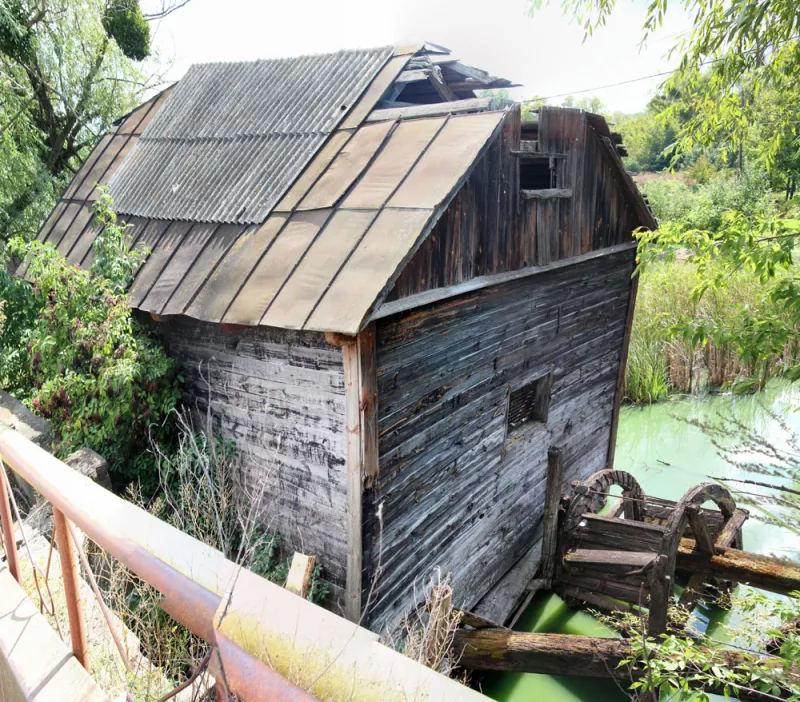
The Podhorskyis were very original landowners, inclined to build remarkable buildings. The ziggurat in Antoniv is not their only architectural gem – in Lypky they built a water mill in the form of a Gothic castle. The mill was built by invited German craftsmen in the 1880s. Towers, pointed-arch windows – it looks like a cool landowner’s palace, not a mill. But it is a mill. Today it is privately owned and is being restored and repaired, but is already overgrown with weeds.
All that remains of the Podhorskyis’ manor, which stood a little above the mill, is the gate and a piece of brick fence. The village also has a zemstvo school built in the Art Nouveau style in the early 20th century, probably financed by the same landowners.
Text and photos by Roman Malenkov and Serhii Shcherbii.
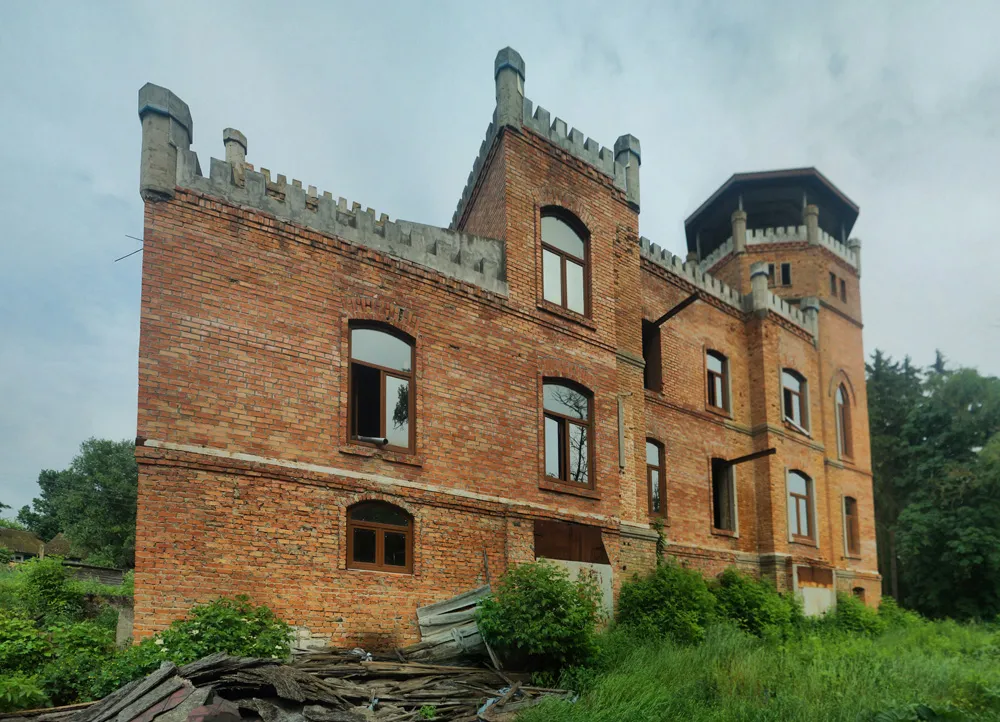
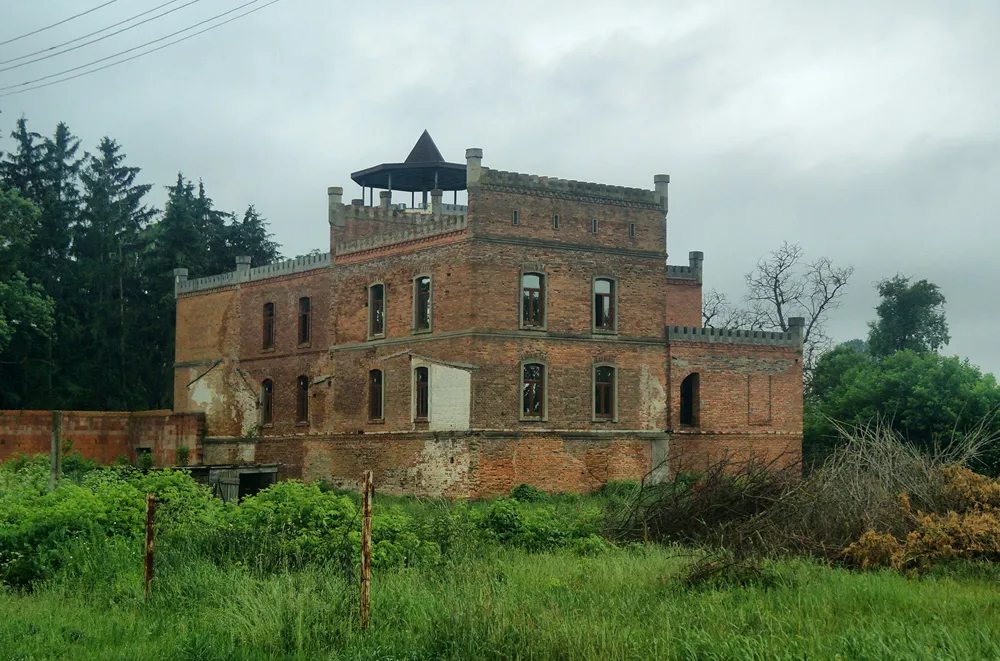
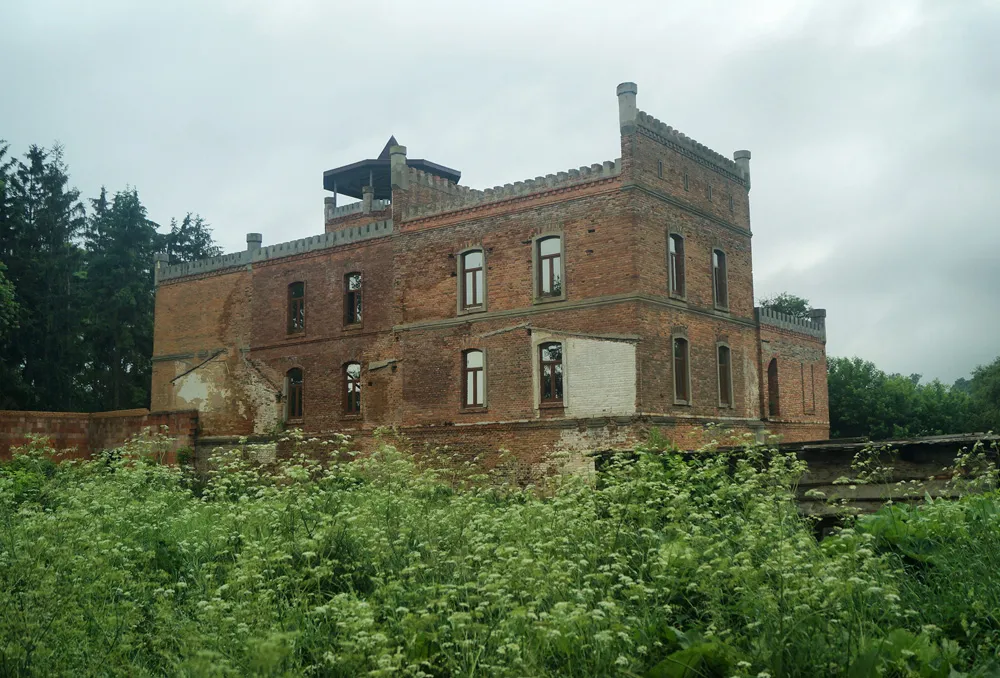
The Podhorskyis’ mill.
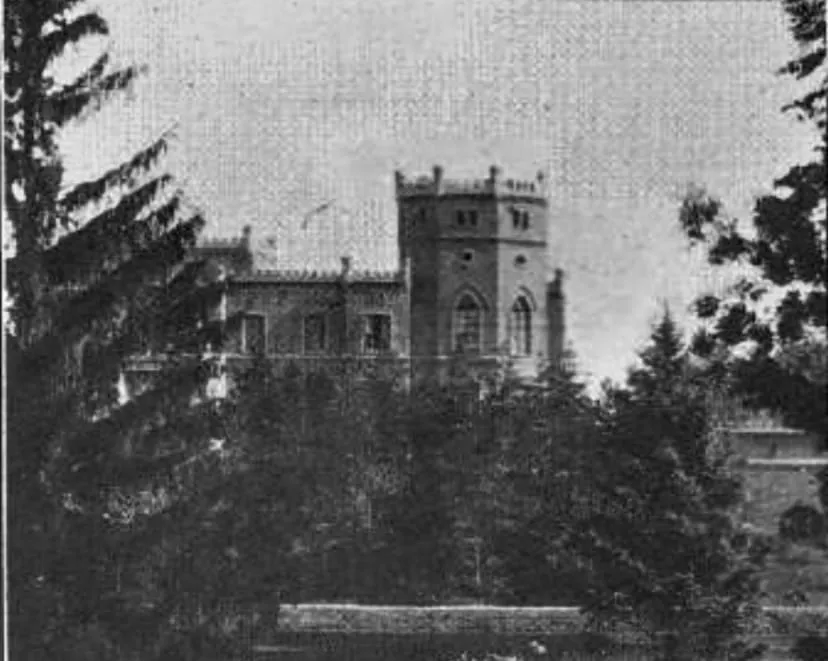
The archive photo was provided by Ihor Dovbysh. It proves that the mill looked exactly as it does now.
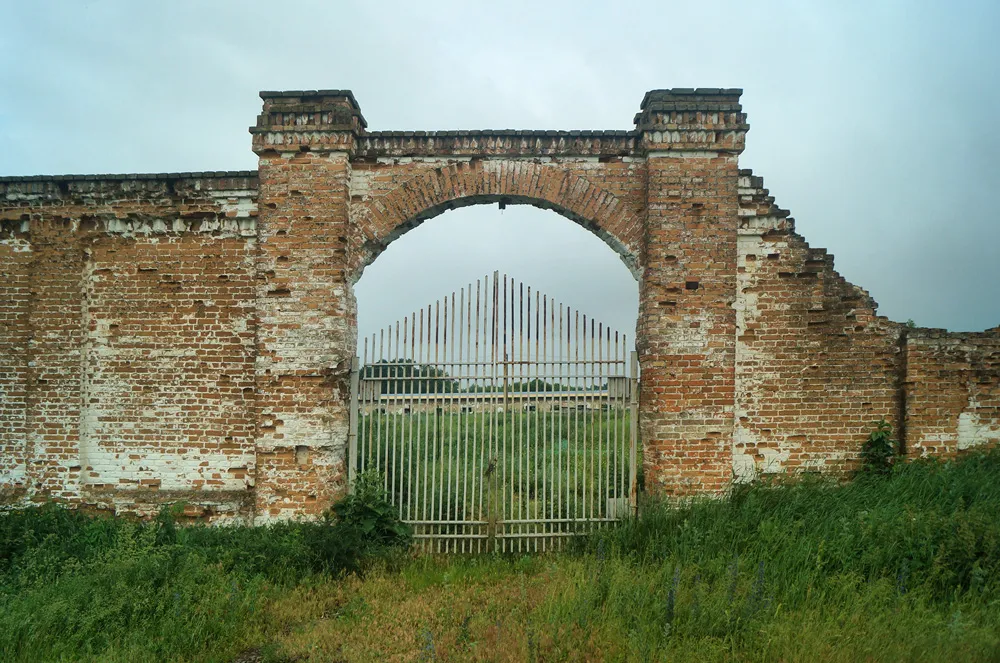
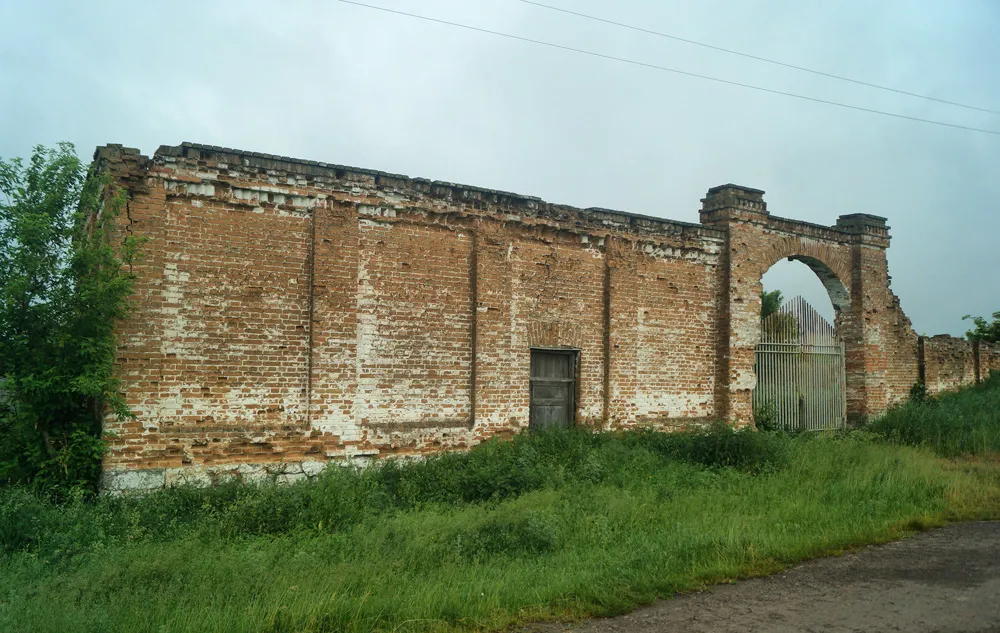
The manor gate.
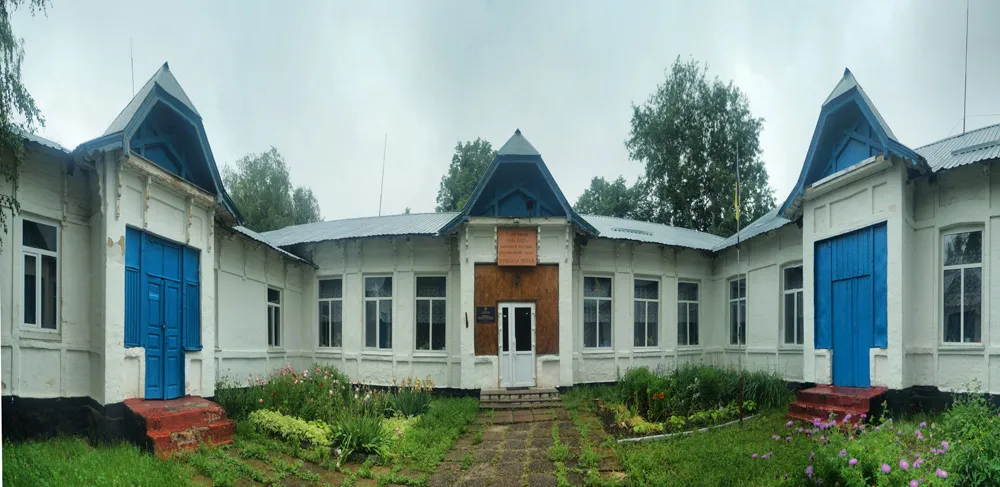
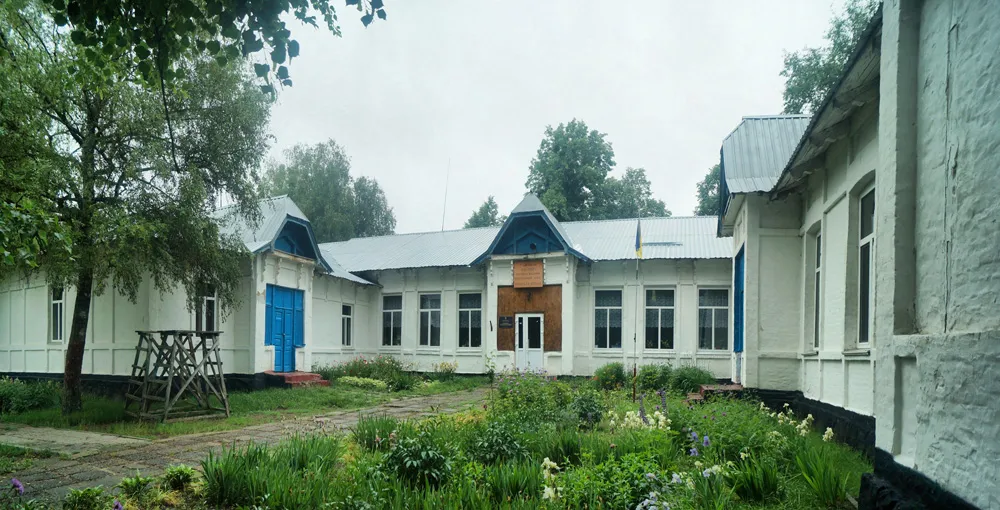
The zemstvo school.