Bilylivka and its two churches

· 2 min read
Bilylivka lies 20 km west of Ruzhyn. Today it is a village with about two thousand residents, but at the beginning of the 19th century it was a town, and earlier still a city, even one mentioned in the chronicles, which according to many historians was founded in 1071. An old village.
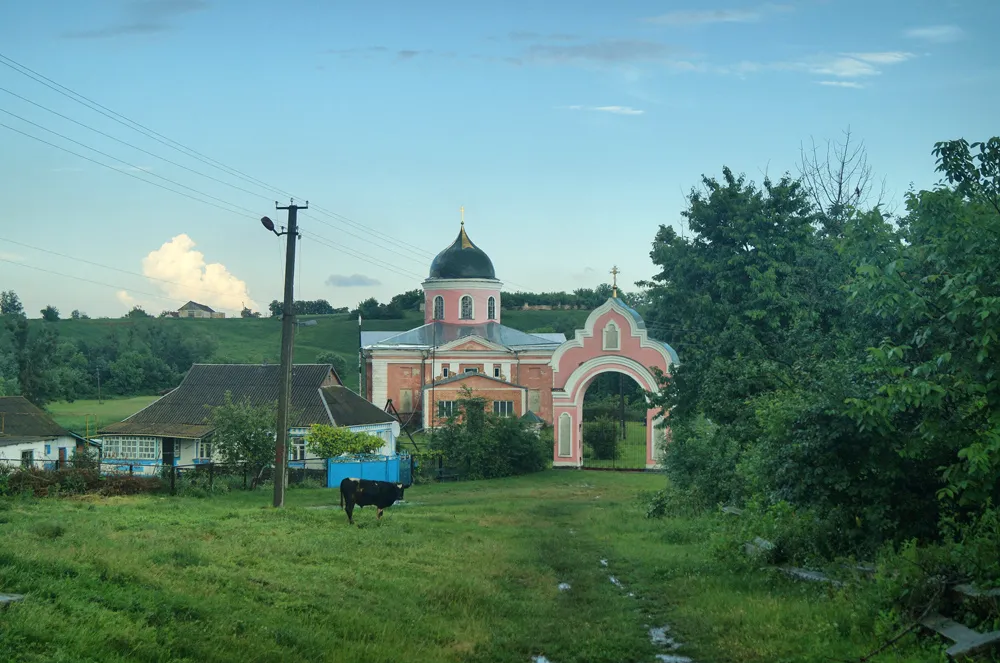
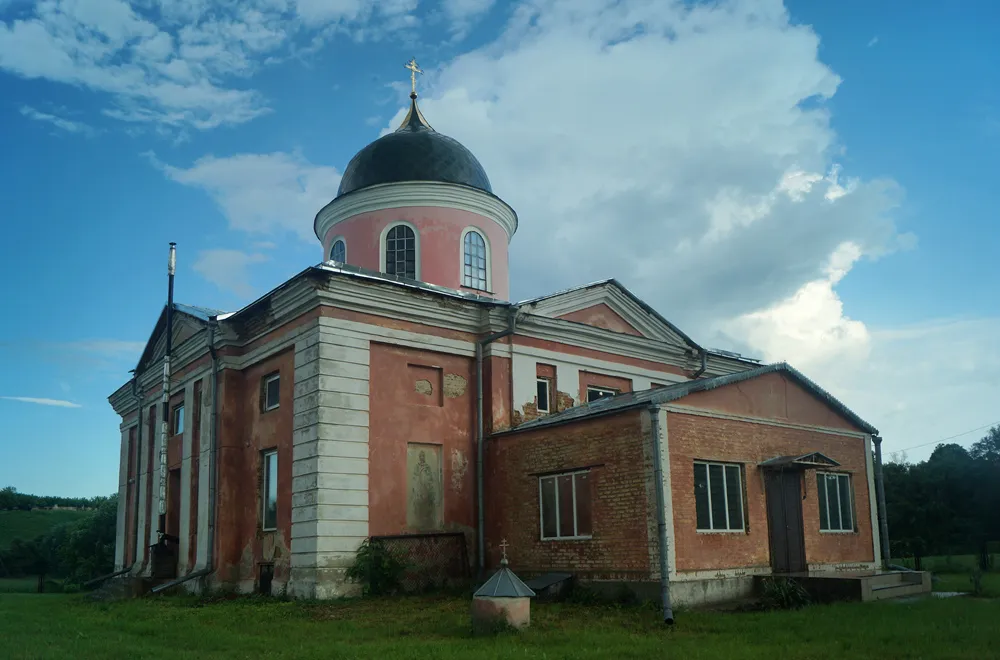
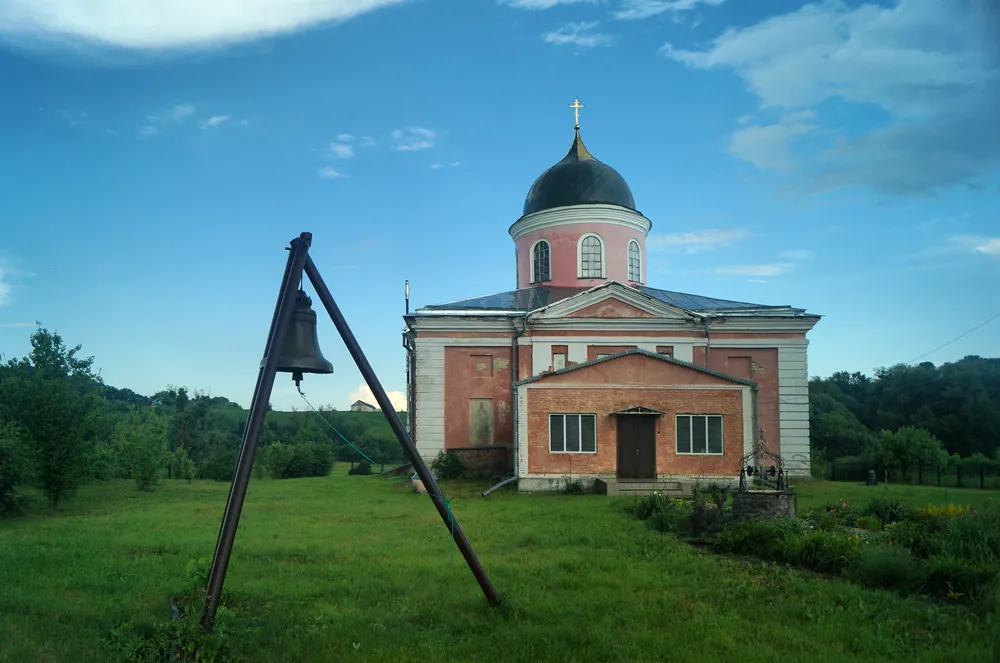
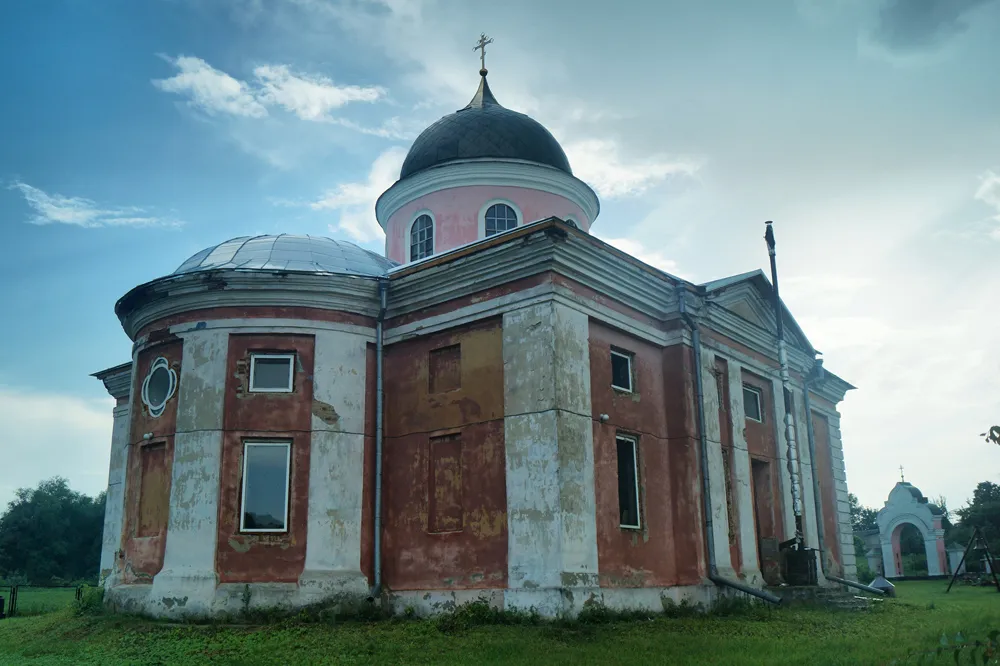
St. George’s Church.
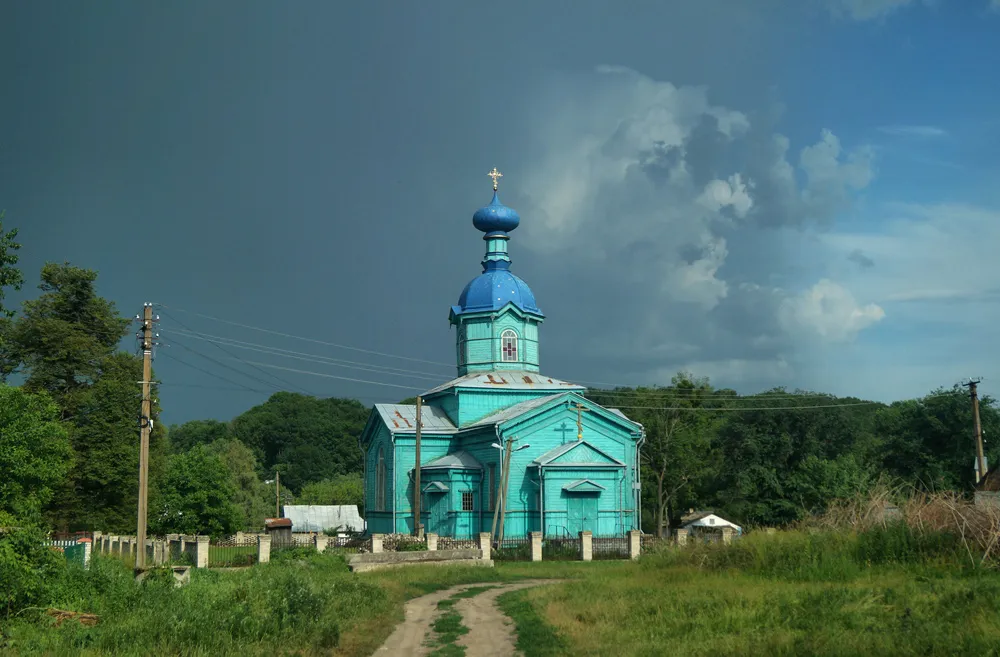
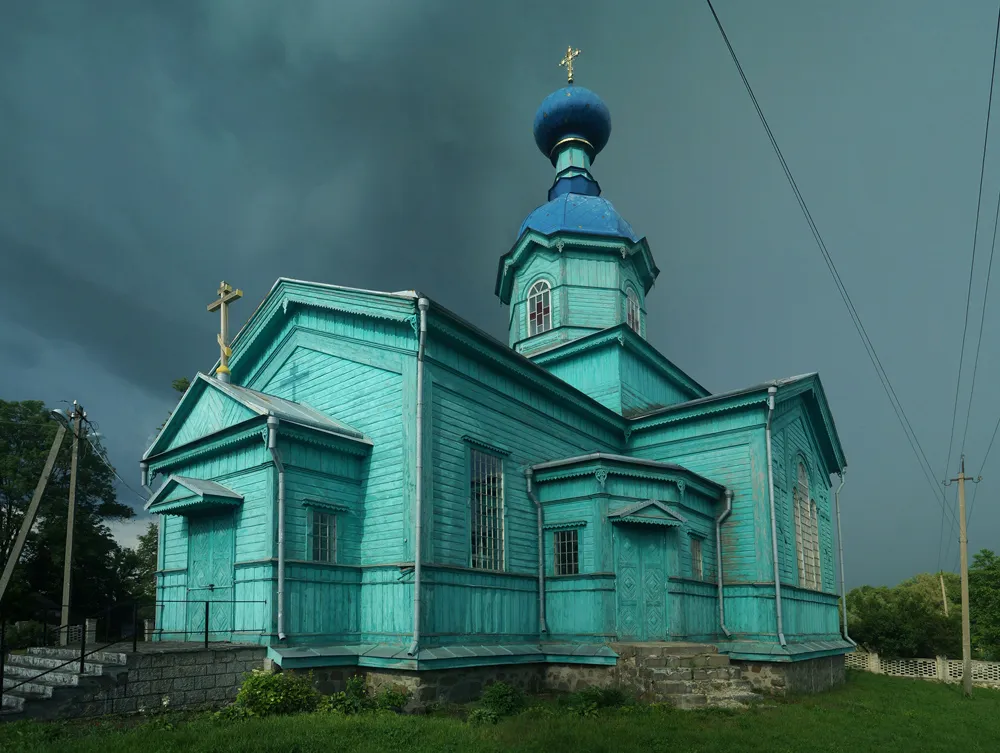
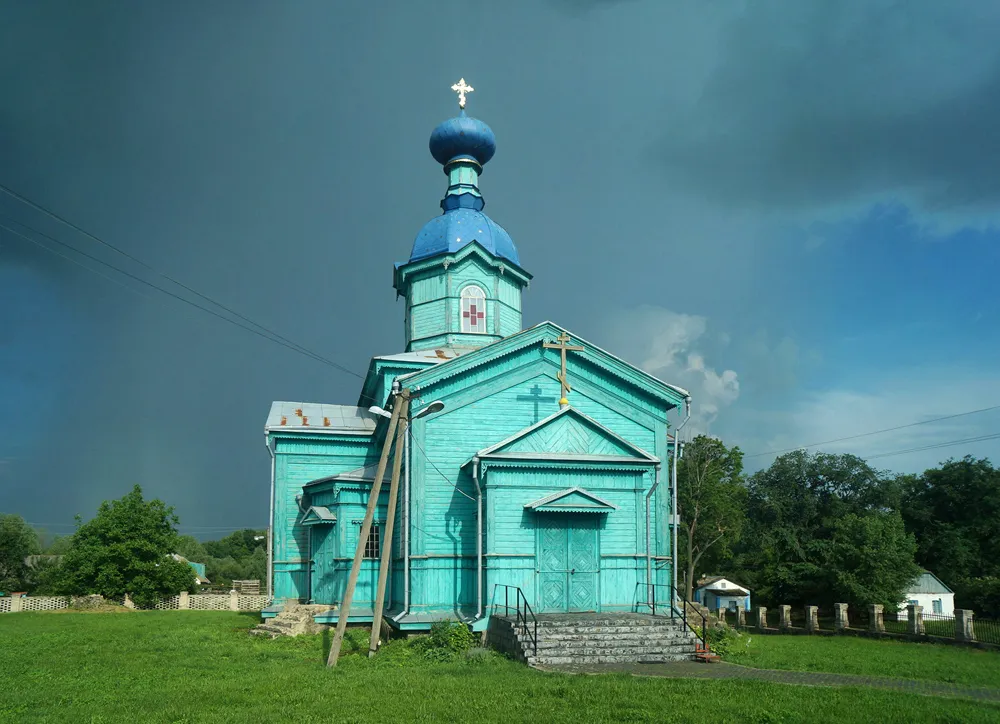
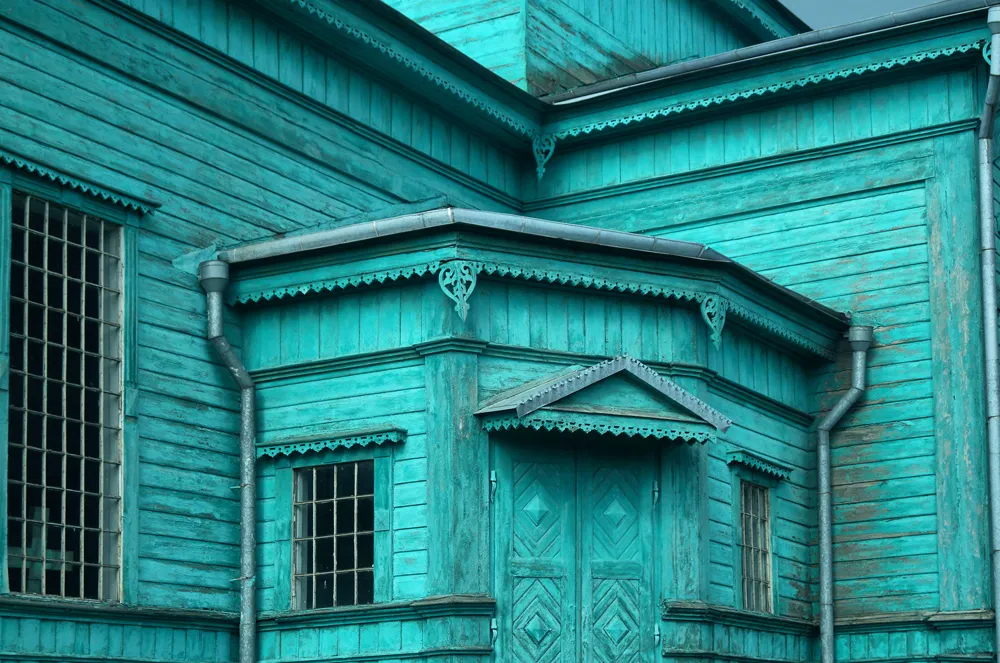
Trinity Church.
The chronicle city that stood on the site of present-day Bilylivka was called Rostovets, or Rastavets; the name of the river, the Rastavytsia, probably comes from it. The city was destroyed by the Mongol-Tatars and revived under a different name, Bilyliv. The name was connected with deposits of white clay. Bilyliv belonged to various owners, mostly from Polish magnate families: the Lubomirskis, the Chodkiewiczs, the Koreckis, the Branickis and the Potockis, and had a castle and defensive ramparts that could still be seen in the 19th century. Napoleon Orda sketched the remains of the Bilyliv castle, a tower that Pokhylevych described in his book, and a Roman Catholic church, of which no trace remains today. Instead, the village has two fine Orthodox churches: St. George’s, of masonry, Classicist, built in 1826-1832, and Trinity, wooden, built at the end of the 19th century. I will not delve into the history of Bilylivka; it is described in considerable detail on Wikipedia; if you are interested, you can read it.
At the beginning of the 17th century Princess Anna Korecka founded a monastery in Bilyliv, to which was assigned the stone St. George’s Church, built earlier, whose top had been destroyed by the Tatars. In 1633 the monastery passed to the Uniate Basilians, and a wooden top was then built over the church; it remained so after the lands were annexed to the Russian Empire and the monastery was returned to the Orthodox. In 1825 the stone church was dismantled and a brick one was built in its place, which we see today.
St. George’s was a monastery church, while townspeople and peasants needed a parish church in which to pray. So in 1737 the wooden Trinity Church was built. In 1853 a new one, again wooden, was put up in its place, which we can see today: quite a pretty little church. I suspect that it was rebuilt in the early 20th century or at least supplemented with wooden decoration. The decoration is very good.
Next to Bilylivka is the railway station “Rastavytsia”, whose building was constructed in the early 20th century.
Text and photos by Roman Malenkov and Serhii Shcherbii.