

Borovenka

· 2 min read
It would seem that the two villages, Brovove and Borovenka (in the Lebedyn district of the Sumy region), lie side by side; about the first, those interested can find quite a lot of information, its history is interesting and there is something to read about its former owners (we wrote about it and its old St. Nicholas Church), while finding anything about the other is almost impossible.
Well, we share what we have.
The first written mention of the village dates to 1636. It is also known that in 1686 the lands of the village of Borovenka were bought by the Okhtyrka colonel I. Perekhrest.
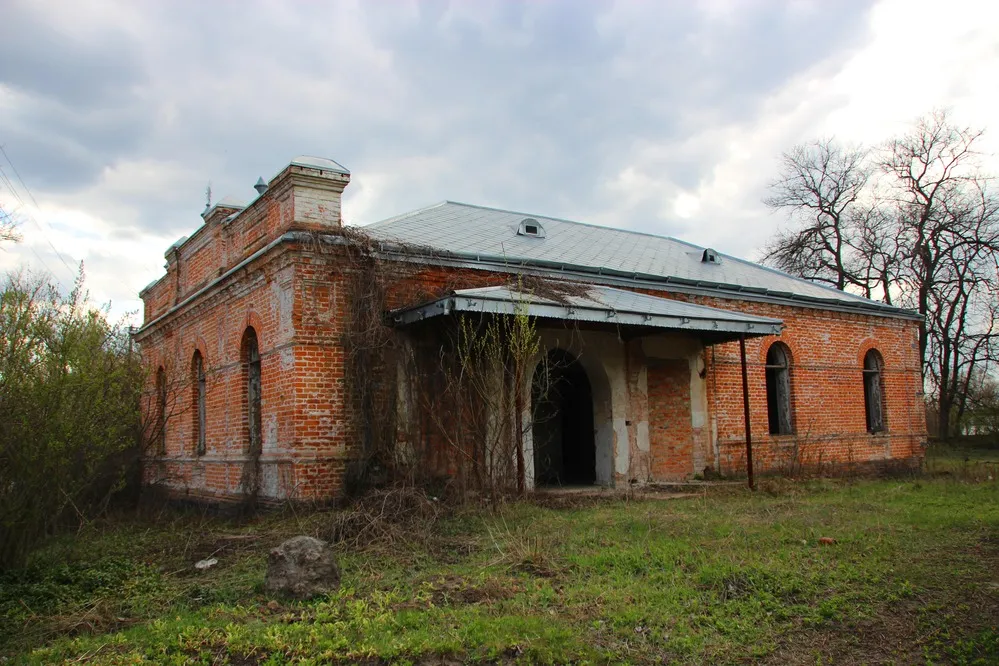
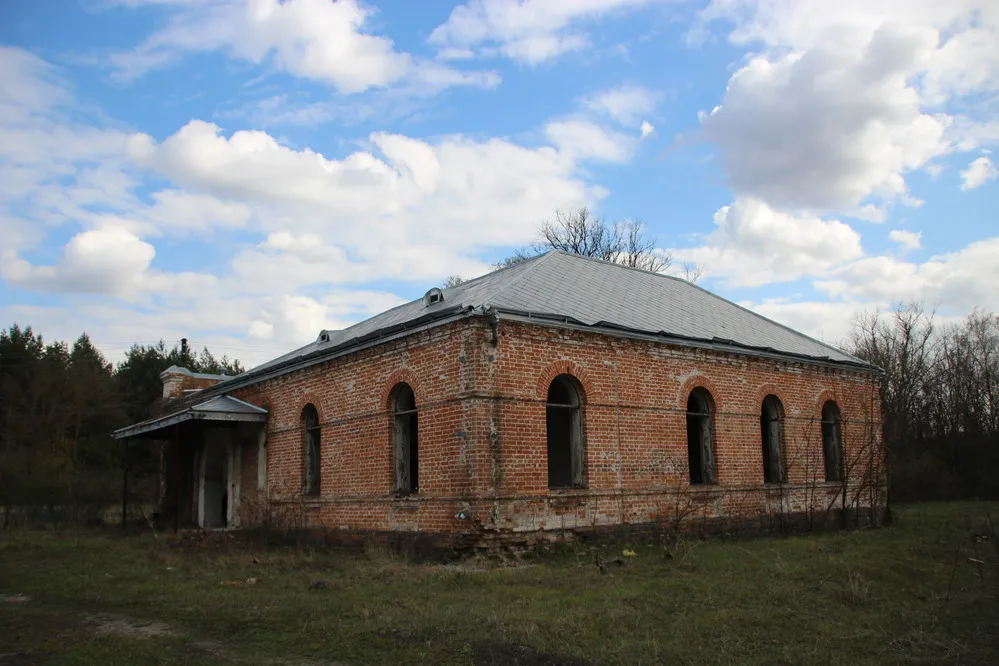
At the edge of the village stands a red-brick building. Honestly, the first impressions were along the lines of: “An unfinished house for sale…” and so on. But it turns out that this building is old.
A local landowner and nobleman, M. M. Kovalevskyi, once lived in the village; here he had an estate, houses, lands, a meadow, spirit and tar distilleries, and in Crimea also vineyards.
The Kovalevskyis built this red building for a school. After 1917 Mr. Kovalevskyi emigrated abroad (his descendants still live there), and the manor and the church of St. Nicholas the Wonderworker built in 1886 by Mr. Maslovskyi (before it there was another one, also St. Nicholas, mentioned in the registers of 1774) were demolished.
The school building was left, repaired, the layout of the rooms was changed and it was adapted for the same school.
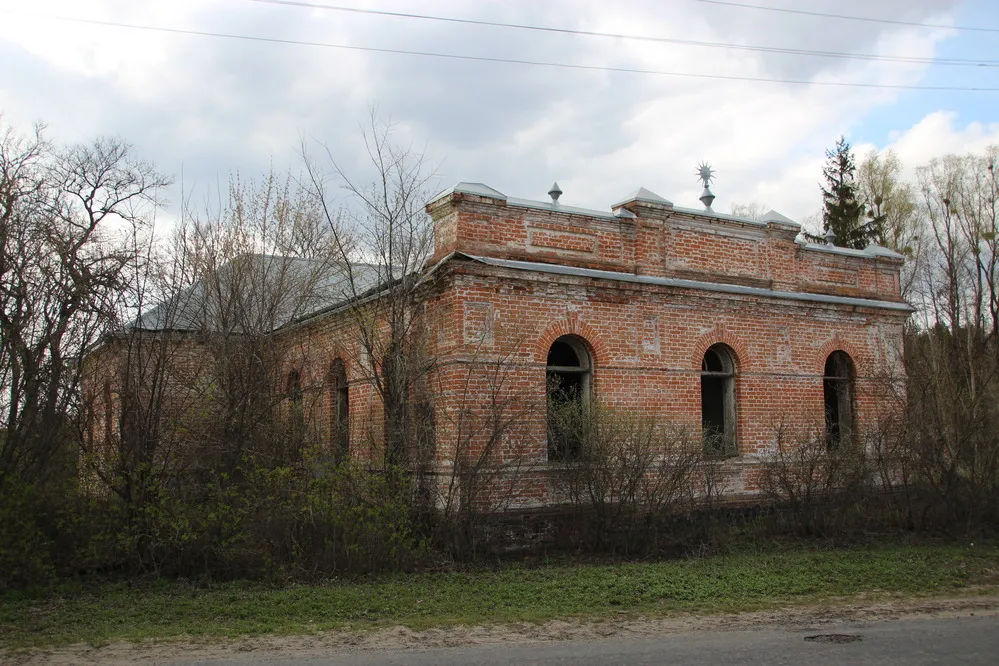
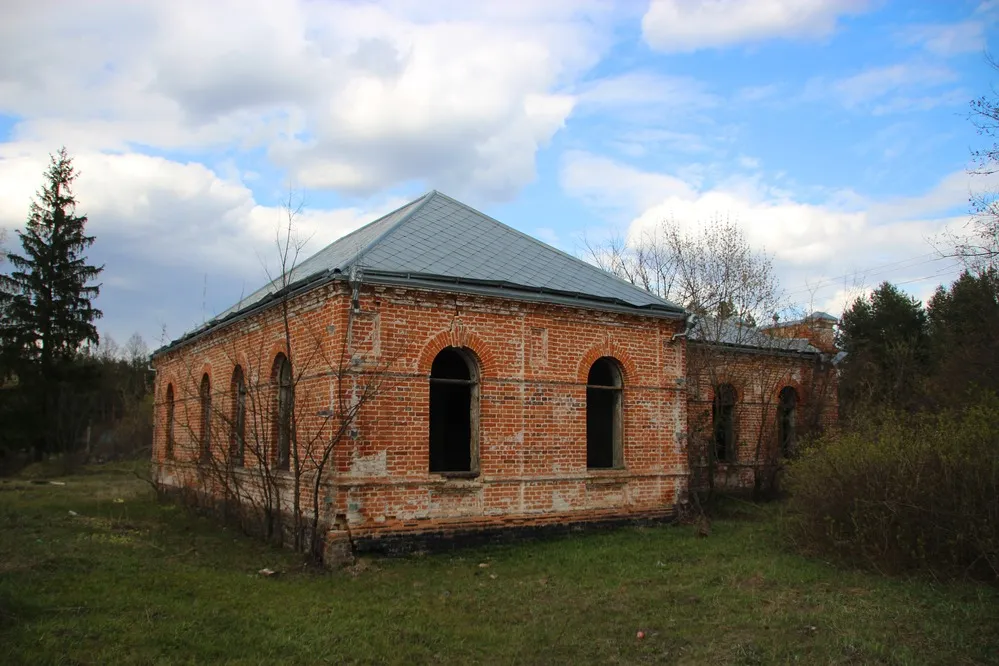
Not long ago the village council sold the building, and the new owner began renovating it, covering it with a metal roof (so that is why the building misled us at first with its appearance), but did not finish the job; the Kovalevskyis’ heiress abroad bought the structure back, but is in no hurry to do anything with it.
An old cellar from the estate has also survived nearby. The spirit distillery was sold to neighbouring Budylka, and it still operates. However, it has long produced not spirit: an enterprise producing biological additives for motor fuel was established on the basis of the distillery.
Text and photos by Ihor Dorozhok, Oleh Hodyna and Maksym Nazarenko.


