

Bobrovytsia. Katerynych palace

· 3 min read
The town of Bobrovytsia has been known for a very long time. Its founding is dated to the 11th century. There is no exact data on the origin of the name, although there are plenty of hypotheses. We will not list them, only note that many researchers say the name is definitely not connected with beavers but with the word “obrov”, since in the Princely era the town was called Obrova, and the name Bobrovytsia first appears in written documents under 1581. Although no fewer historians claim that the name is indeed connected with beavers, or more precisely with beaver trapping.
From 1654 Bobrovytsia was the centre of a Cossack company and was already a small town. In the 18th century weekly bazaars and an annual big fair (8 July) were held here. In 1782 Bobrovytsia became the centre of a volost in Kozelets county.
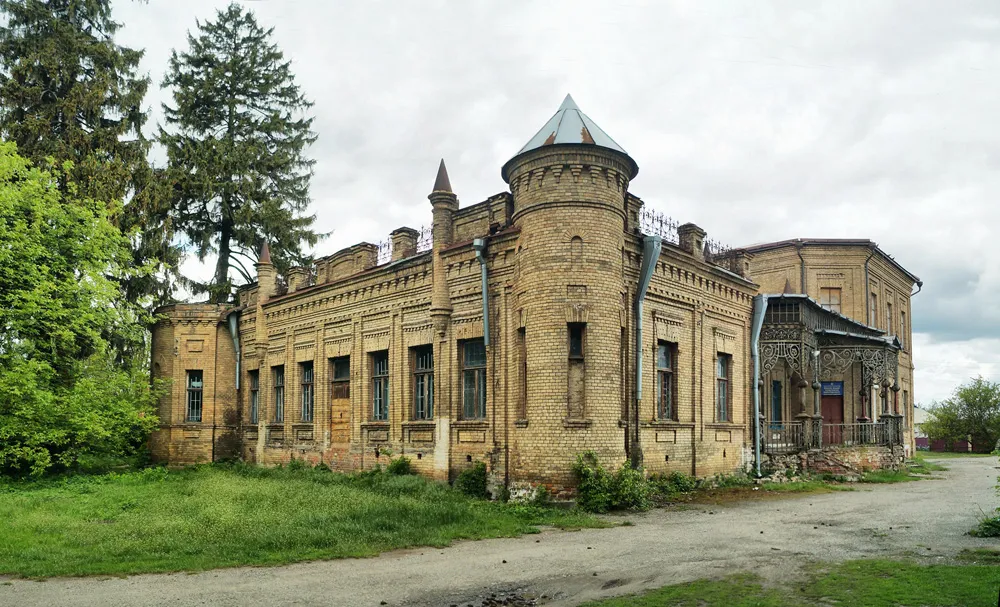
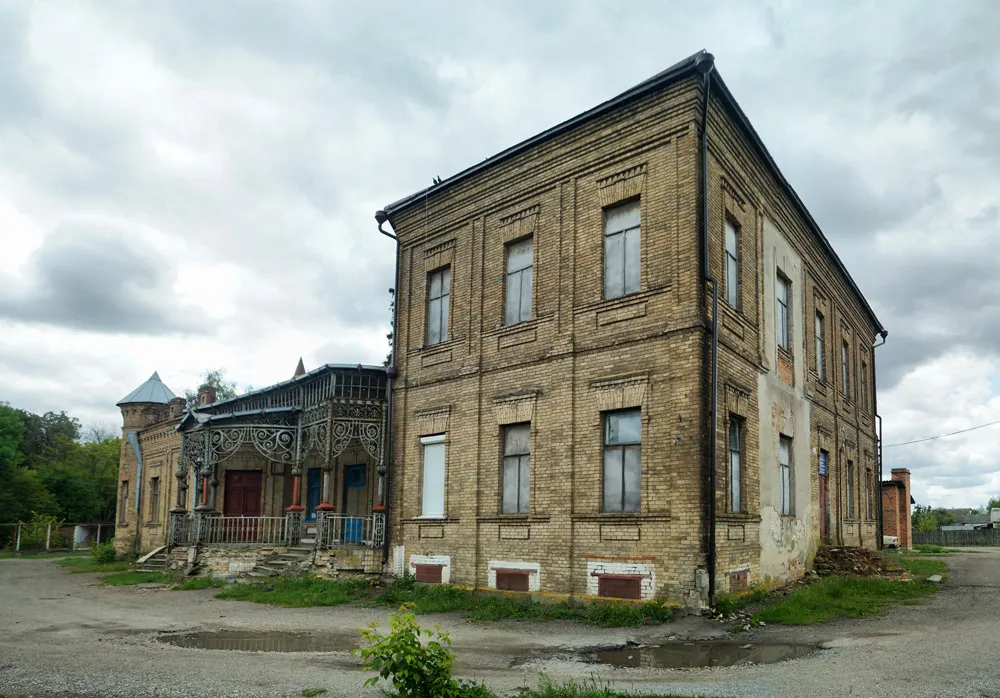
In the second half of the 18th century significant landholdings around Bobrovytsia were owned by representatives of the former Cossack officer class: the Kochubeys, Pleskachs, Skliarevskyis, Bulakhs and Katerynychs. The richest were the Kochubeys, who in 1807 began building a sugar factory, just as the sugar production boom was starting. Later this factory came into the possession of the Katerynychs, who bought up all the lands of Bobrovytsia and became the main landowners. It was with the Katerynychs that Taras Shevchenko’s visit to Markivtsi (the Katerynychs’ family estate) and to Bobrovytsia was connected, and with them too is connected the town’s main monument, the palace built in the brick Art Nouveau style, in the Historicism direction.
Present-day Bobrovytsia, until recently a district centre, has about 11 thousand residents. Among Bobrovytsia’s architectural monuments are the Dormition Church, built in 1893, the Zemstvo school complex (Art Nouveau) of the early 20th century and, of course, the Katerynych palace.
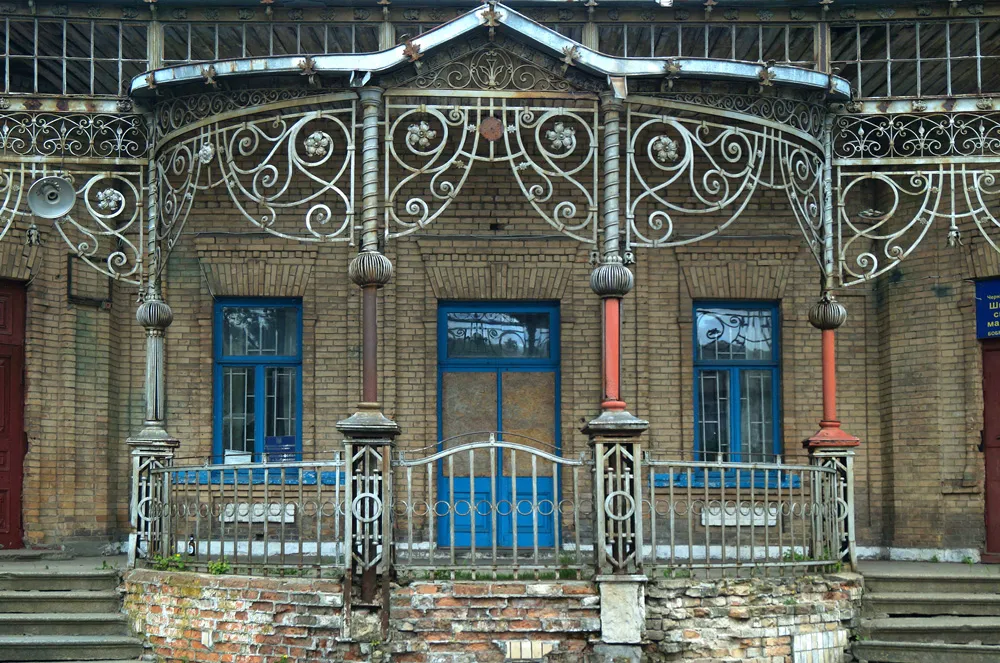
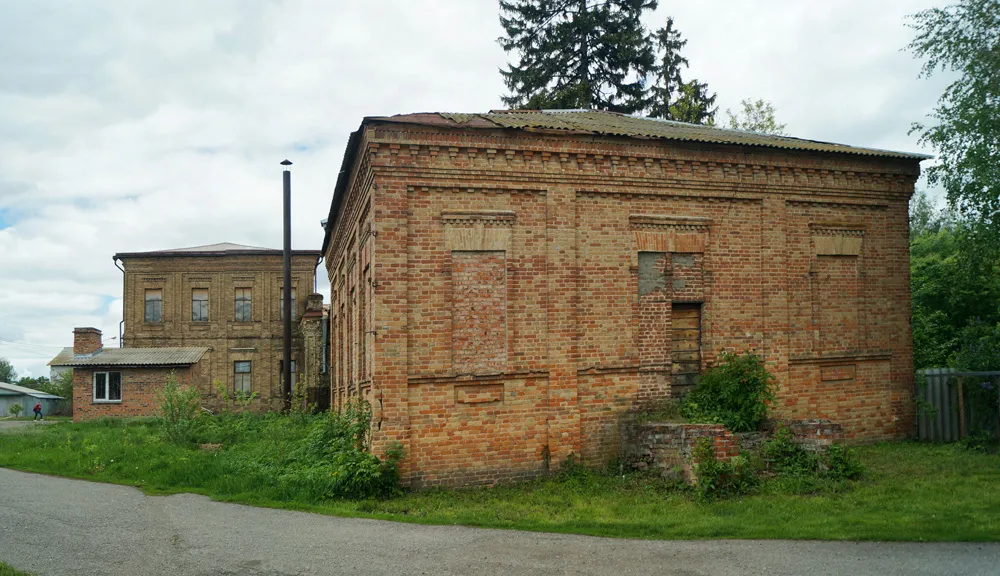
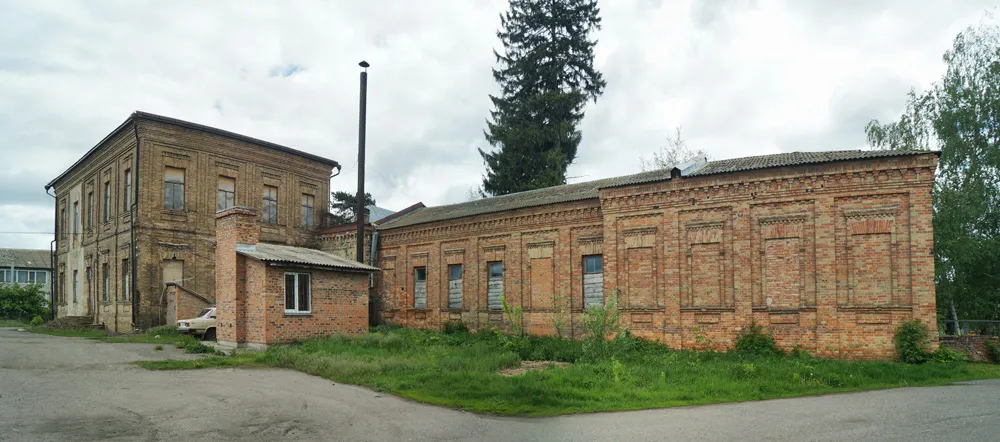
Throughout the 18th century the main estate of the Katerynychs was in the village of Markivtsi, but in the early 20th century they decided to move to Bobrovytsia and began building a new palace. This happened in 1910. The palace was built of brick made at their own factory, with a stamp bearing their name. It has survived quite well to our time: it houses a library and a club, as well as a sports club in the basement, which is now closed. The weightlifter Olha Korobka, an Olympic silver medallist and European champion and record holder, once trained there.
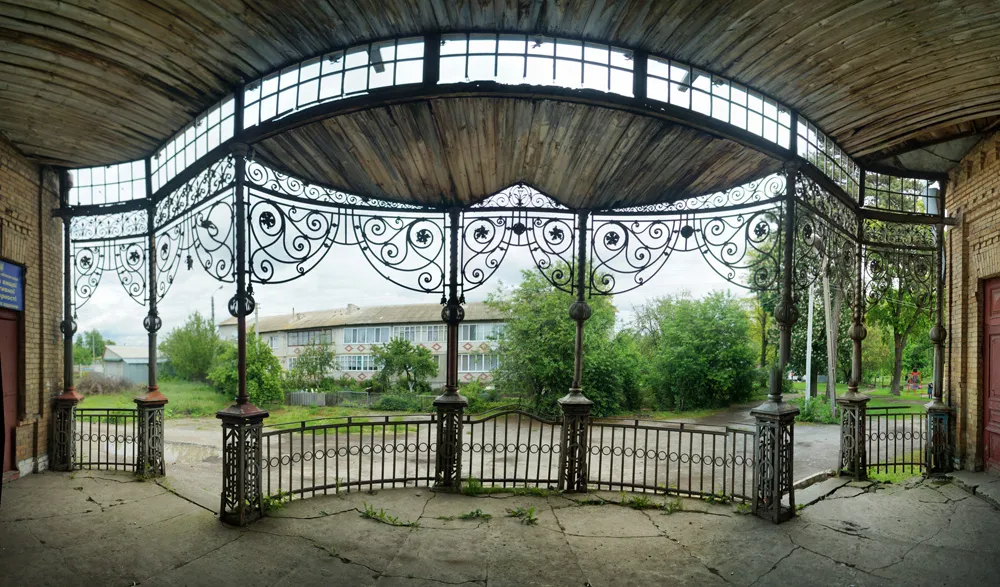
The palace has unique wooden shutters that have worked for 110 years already, and there are beautiful tiled stoves, but the main adornment of the palace is the unreal wrought-iron lacework decoration of the veranda. For it alone Bobrovytsia is worth visiting. It is a masterpiece. The local librarian Svitlana Anatoliivna (0680856807) will show and tell you everything. For a long time the palace was on the balance sheet of the local sugar factory, which kept a club, a library and a disco here, but the factory ceased to exist, and now some rooms of the palace are already in a dilapidated state. Funds for its repair urgently need to be found.
Text and photos by Roman Malenkov.
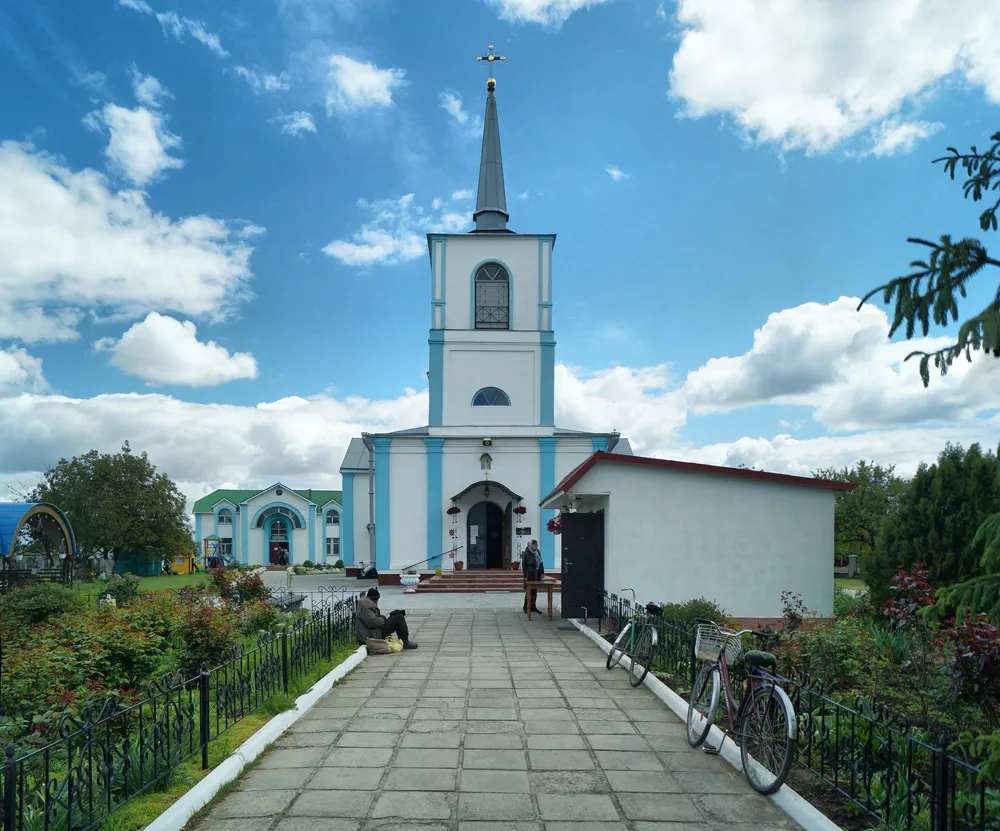
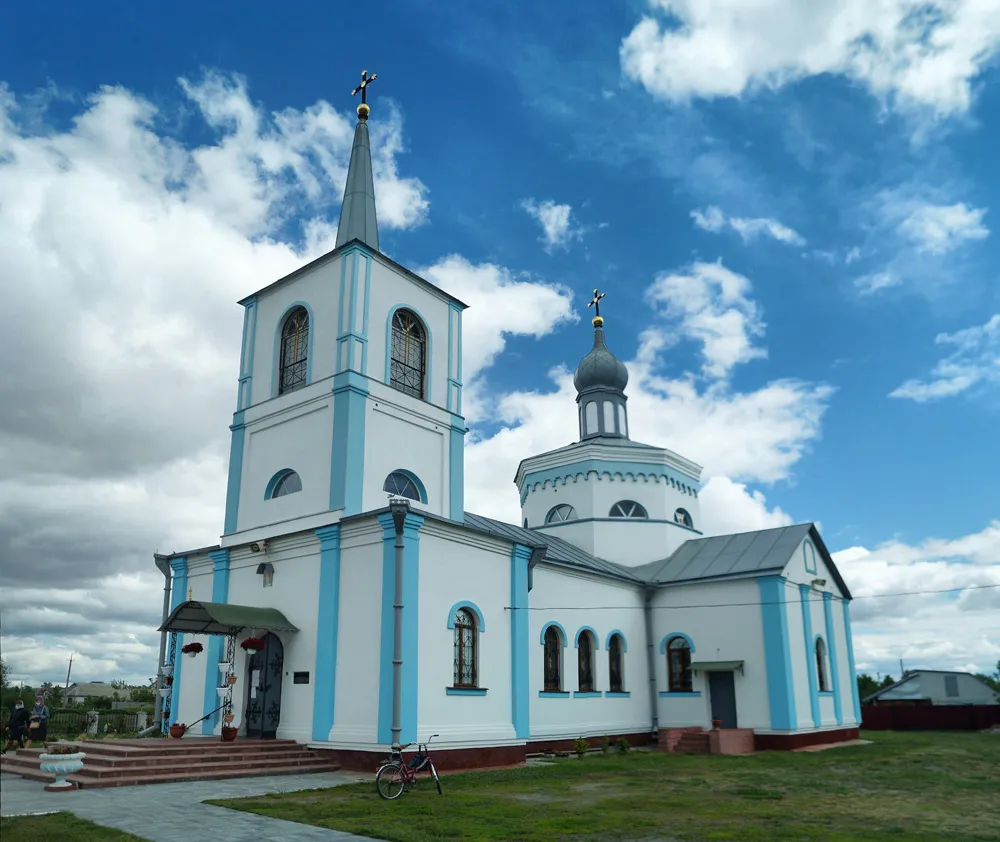
Dormition Church.
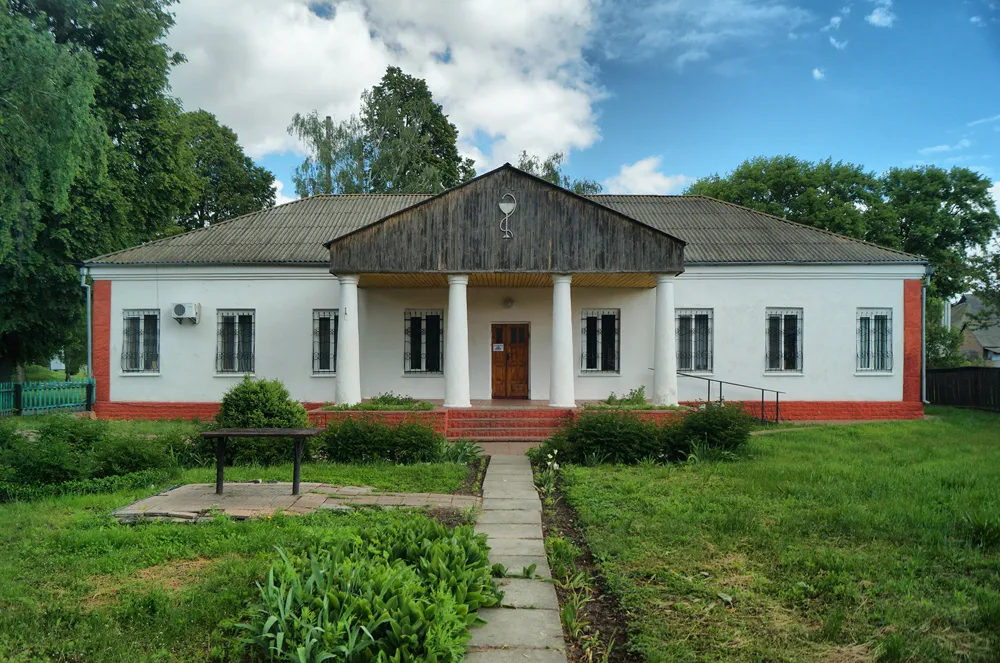
A small palace near the hospital, probably the Zemstvo hospital.
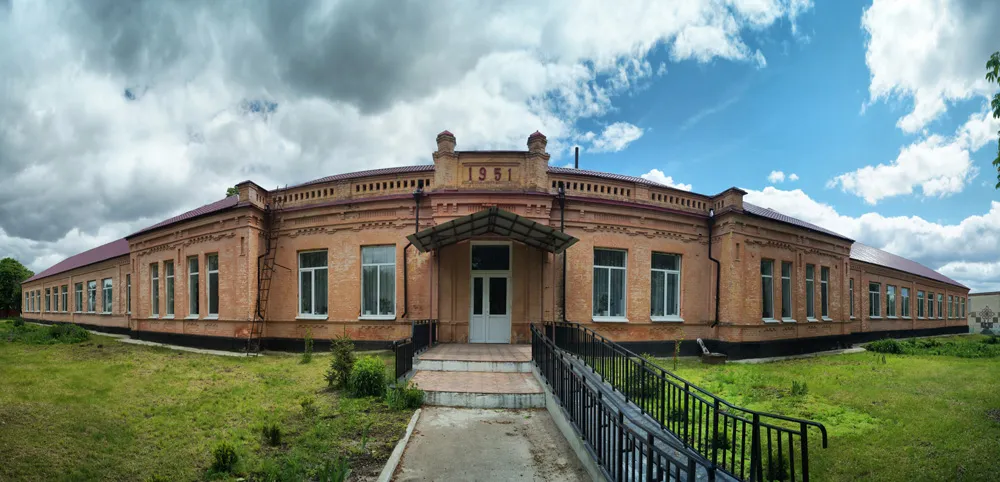
The former two-grade school (1902, extension of 1951).
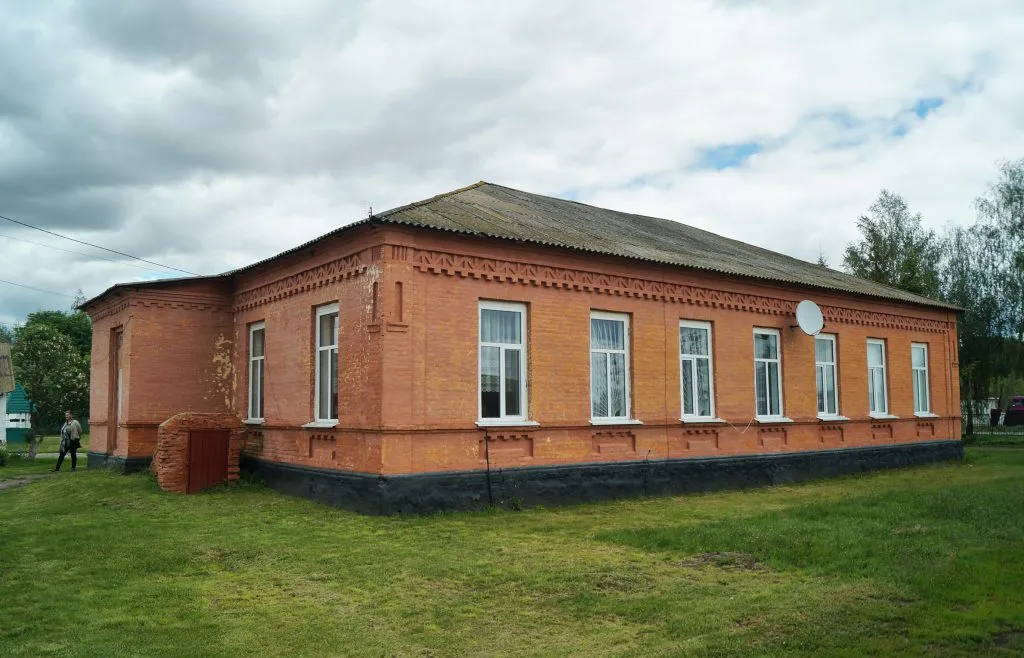
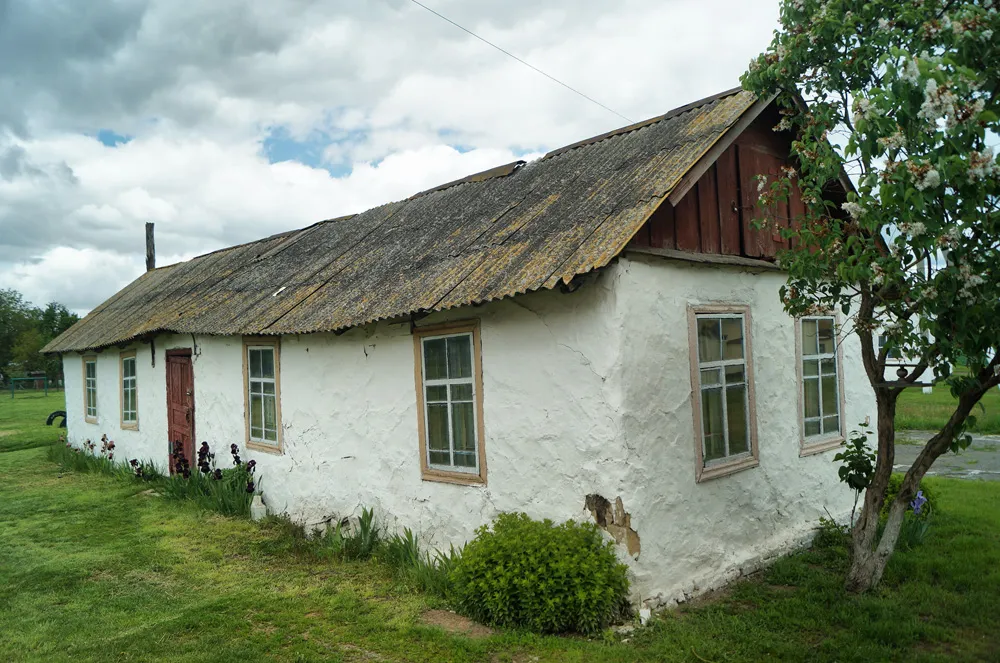
Buildings of the Zemstvo school.


