

Kryvyi Rih. This is not Mars – this is Ukraine

· 6 min read
Kryvyi Rih is the largest city in Ukraine that is not a regional centre. In 2020 it had around 619,000 residents. It is the seventh largest by area and the longest city in Ukraine. Those who measure between the extreme points of the quarries where Kryvyi Rih residents travel to work give a figure of 126 km, while those who measure only the city council boundaries give half that – 61 km. Either way, it is very long.
Kryvyi Rih is the only city in Ukraine with an underground tram – the metrotram. It has two lines with a total length of 18 km and 11 stations, of which only three are fully underground and three are half underground. Every day it carries about 80,000 passengers. It can be considered a tourist attraction.
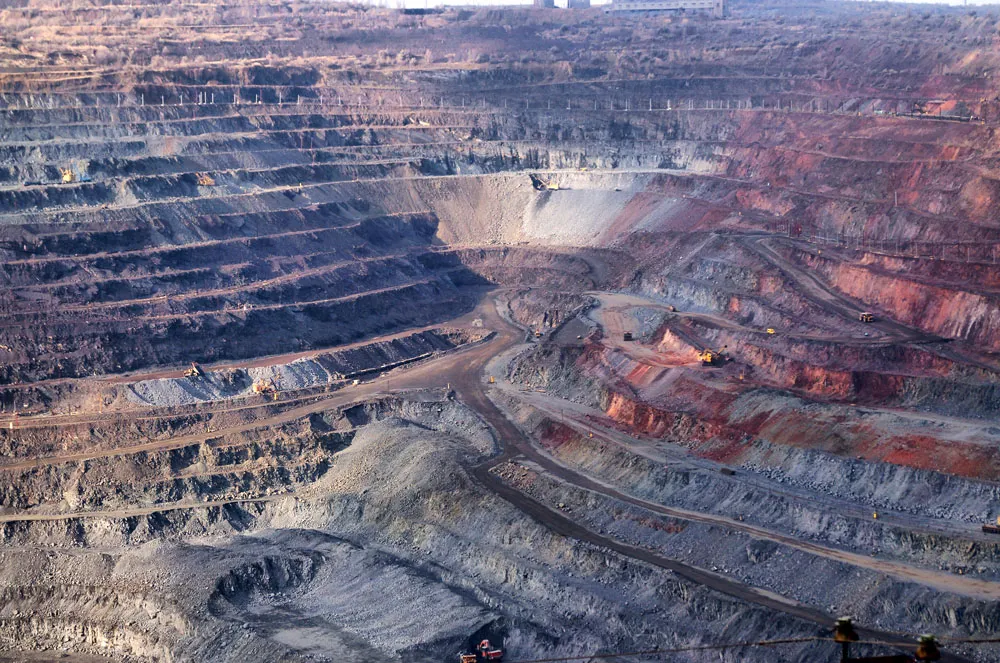
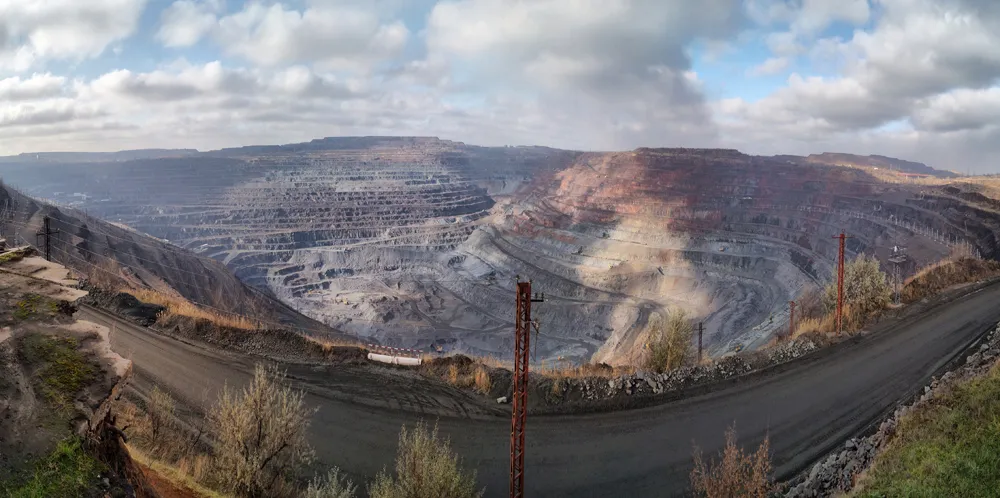
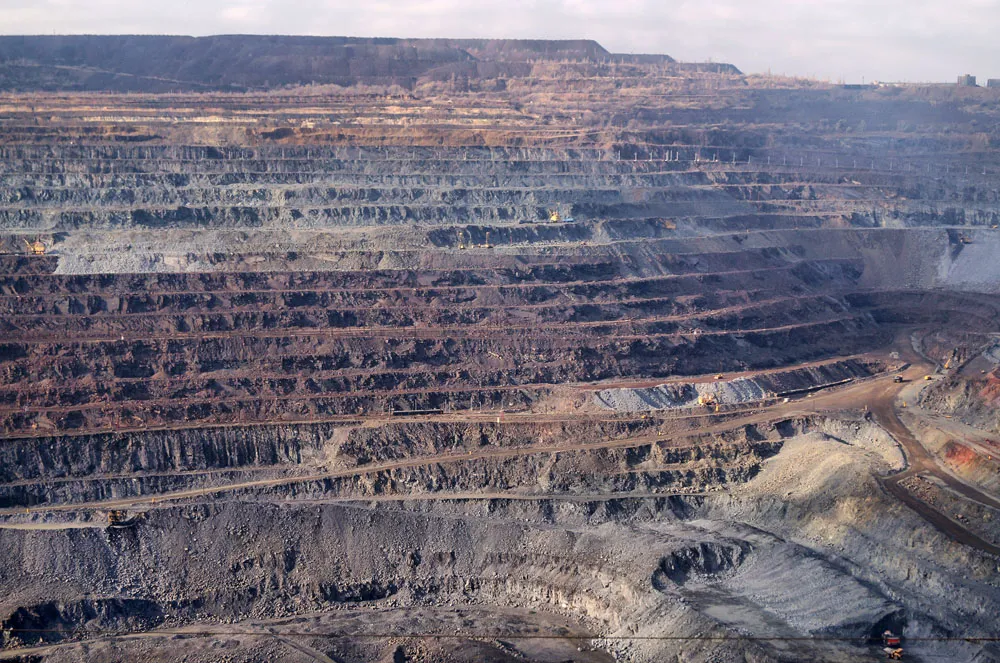
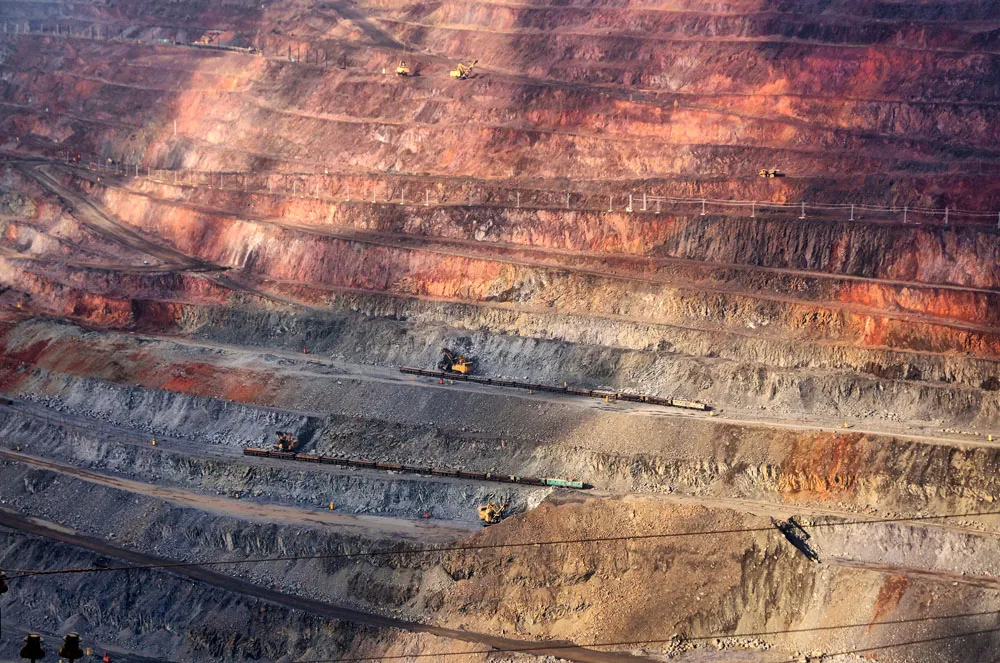
The largest quarry in Kryvyi Rih – the quarry of the Southern Mining and Processing Plant
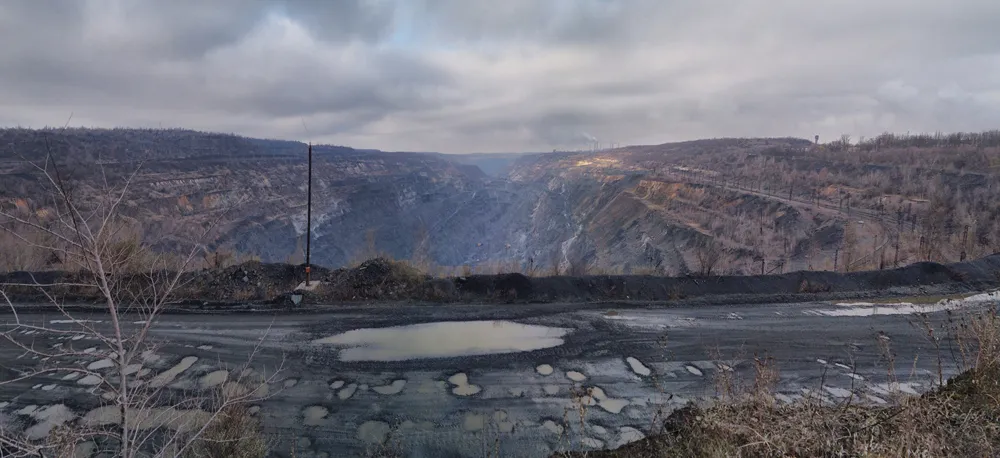
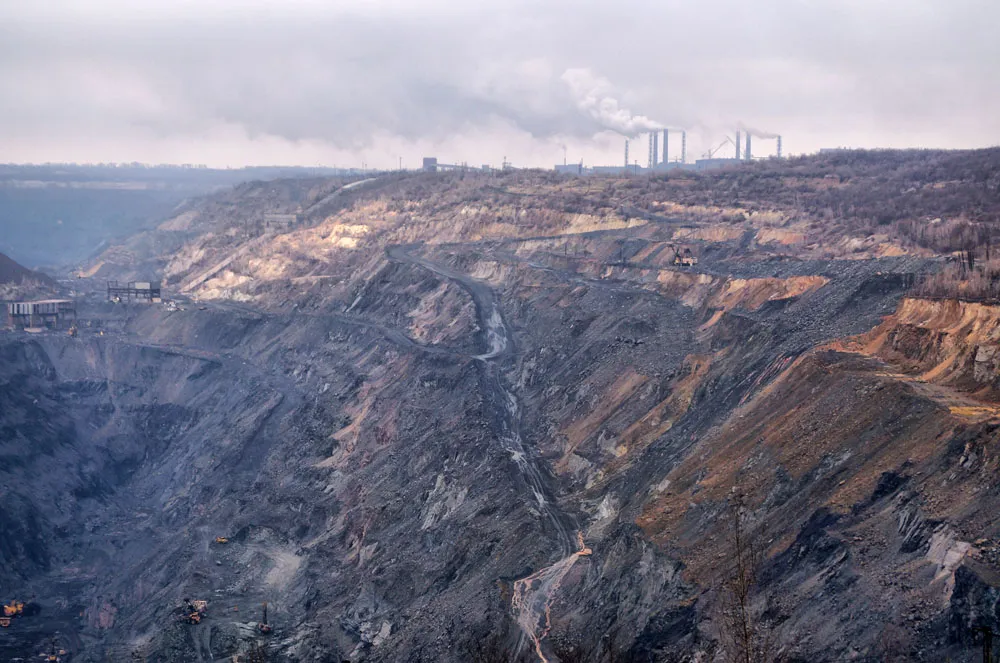
Hannivka quarry
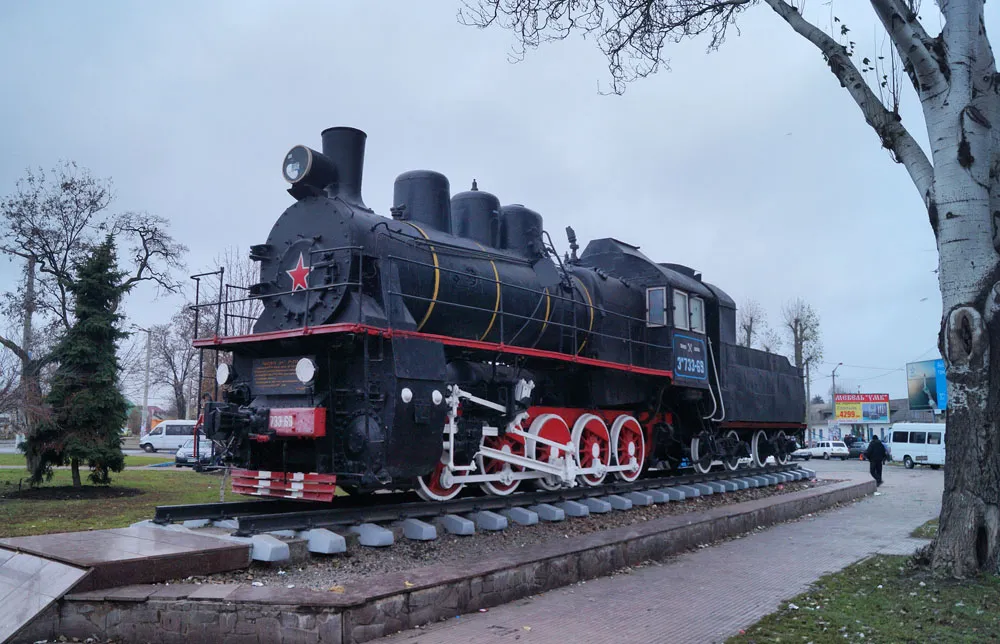
Kryvyi Rih has several very interesting parks created in Soviet times, cosy modern neighbourhoods with shopping and entertainment centres, and restaurants and cafés. Of the old architecture in the city, I remember only the railway station. But tourists are drawn to Kryvyi Rih not by architecture at all – it is the largest and most interesting centre of industrial tourism in Ukraine. Iron ore is mined and metal is smelted here.
Kryvyi Rih was founded by Cossacks in 1775 as a post station on the road from Kremenchuk to Kherson. Nearby were the villages of Inhulets, Dykonka, Katerynka and Oleksandriv Dar (Rakhmanivka) – they too later became part of the city. In the 19th century, until 1857, the village of Kryvyi Rih was a state-owned military settlement, and after such settlements were abolished it became a state village. In 1859 Kryvyi Rih had 3,644 residents, which made it a fairly large village.
In 1866 the local historian and archaeologist Oleksandr Pol, while exploring the Dubova gully near Kryvyi Rih, discovered deposits of rich iron ore. He organized a series of expeditions in which he found ever more deposits, with an ore content of up to 70%. But the authorities were at first sceptical of Pol’s research, and some officials even called him a maniac. Only eight years later did the Russian Technical Society appoint commissions to study the deposits, and the first mine – Saksahanskyi – was opened in 1881, which was also thanks to Pol, since the mine was opened by the joint-stock company he had organized, “Iron Ores of Kryvyi Rih”. Three years later a railway appeared, and the development of new deposits went into full swing. Metallurgical companies and individual enterprises joined in. By 1900 Kryvbas already had 79 mines and surpassed the Urals in ore output.
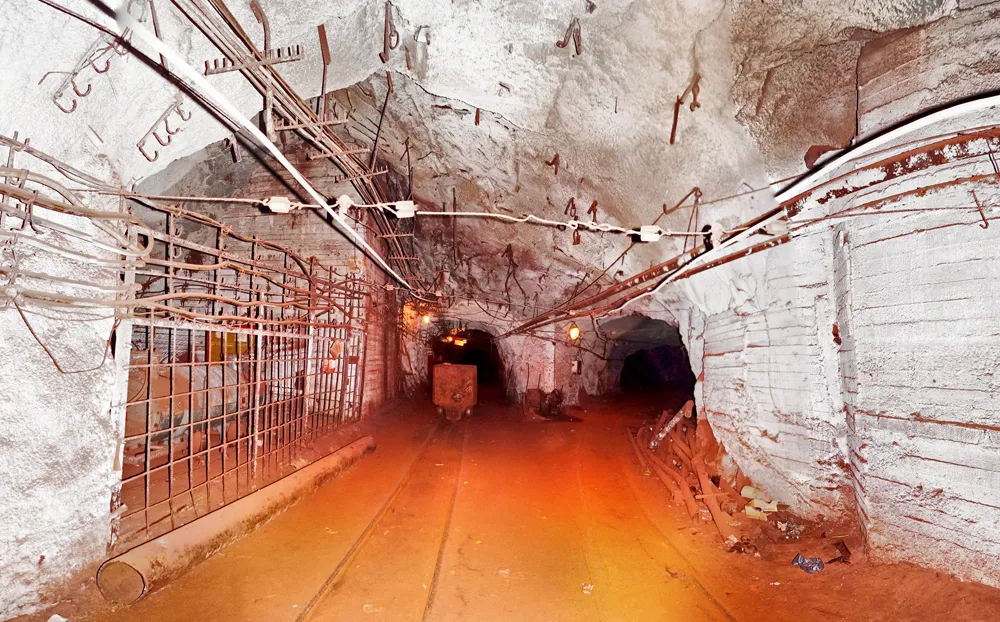
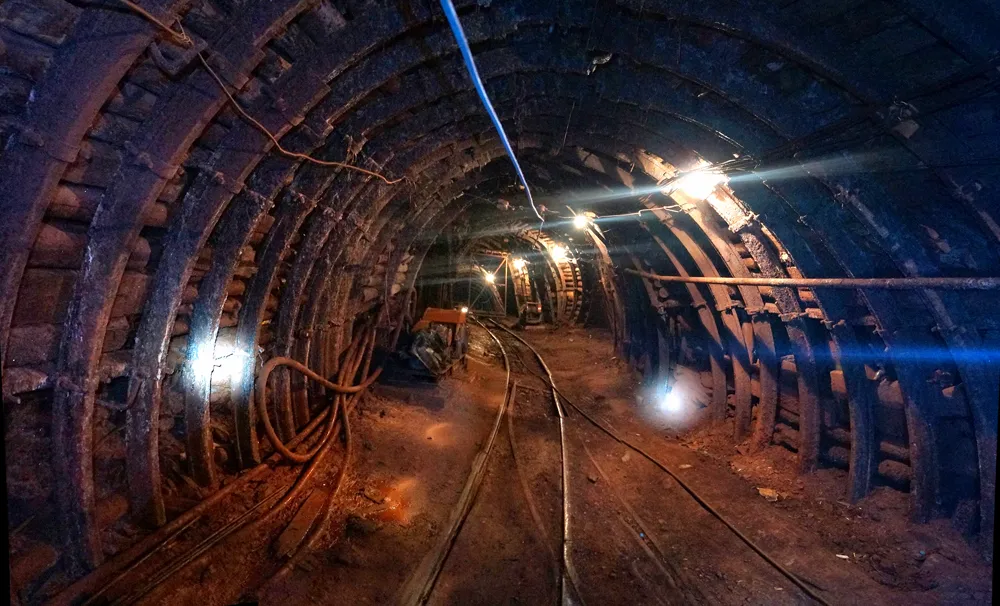
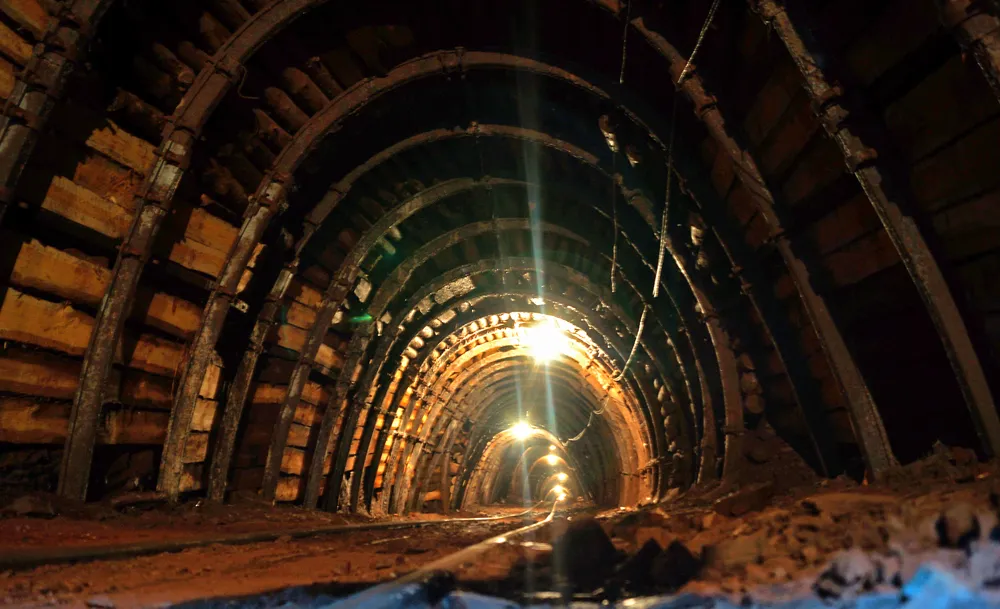
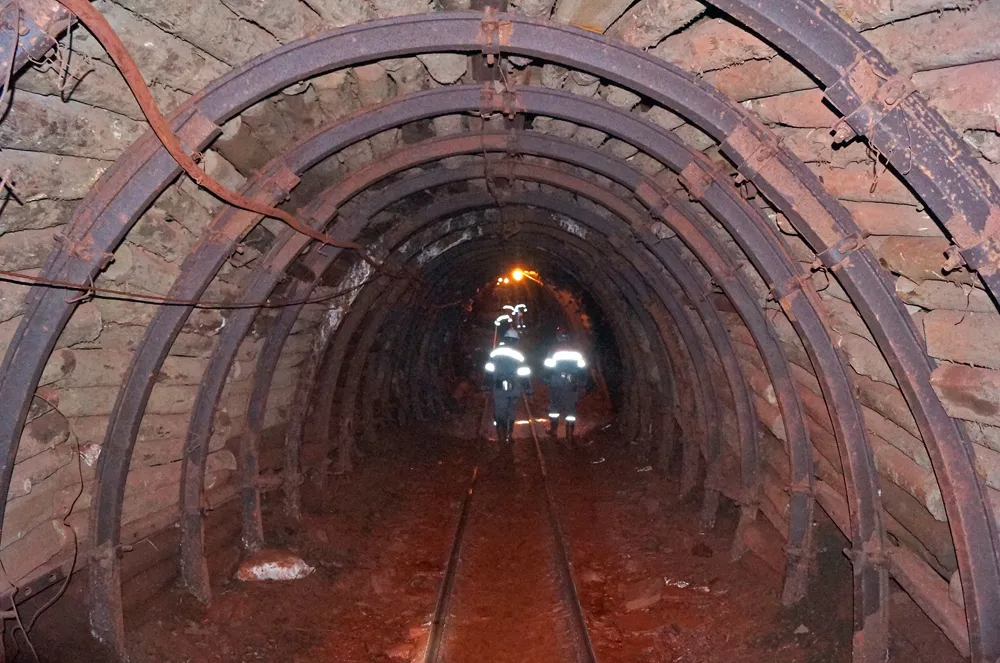
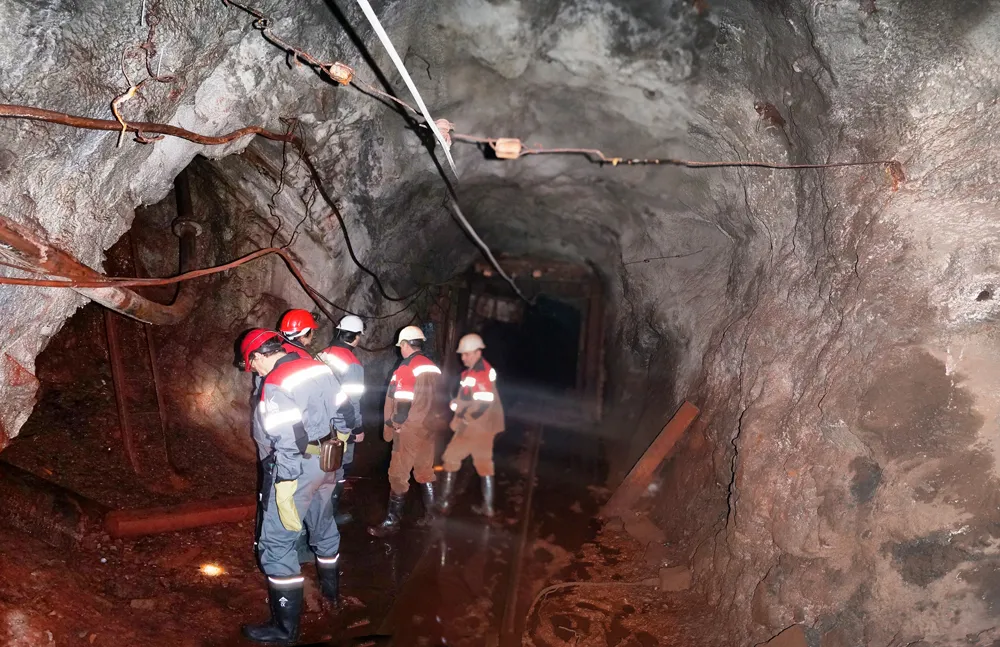
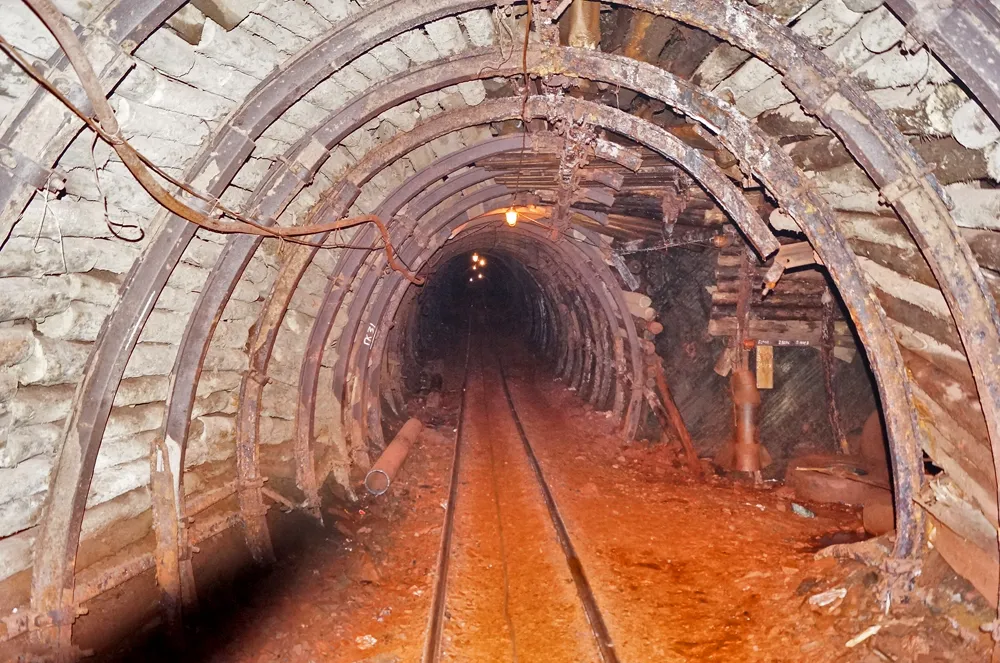
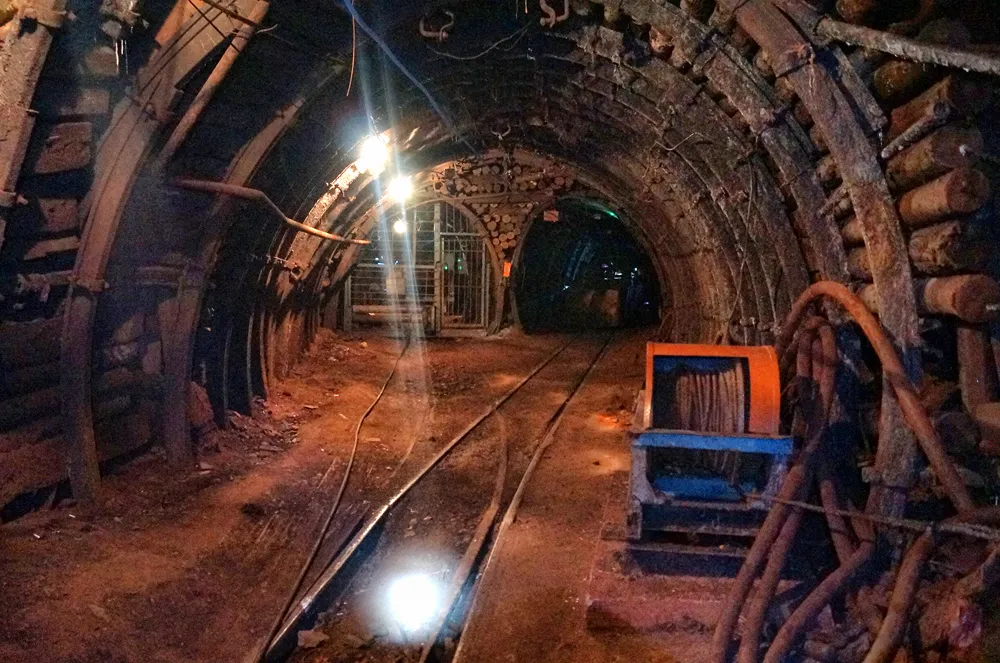
One of the deepest iron ore mines in the world, “Rodina”. Its depth reaches 1,580 metres.
By 1916 Kryvyi Rih had 60,000 inhabitants. Most were connected with ore mining and metal smelting. In 1931 the Kryvyi Rih Metallurgical Plant was built, which became one of the largest enterprises of its kind in Europe, and in the post-war period in the world. In the years of independence this enterprise was called Kryvorizhstal; it became known for its privatization, re-privatization and second privatization, when it was bought by an Indian billionaire for a record 4.8 billion US dollars. Today the enterprise is called ArcelorMittal Kryvyi Rih. Besides it, the city has other metallurgical enterprises, a significant share of which belongs to the Metinvest holding.
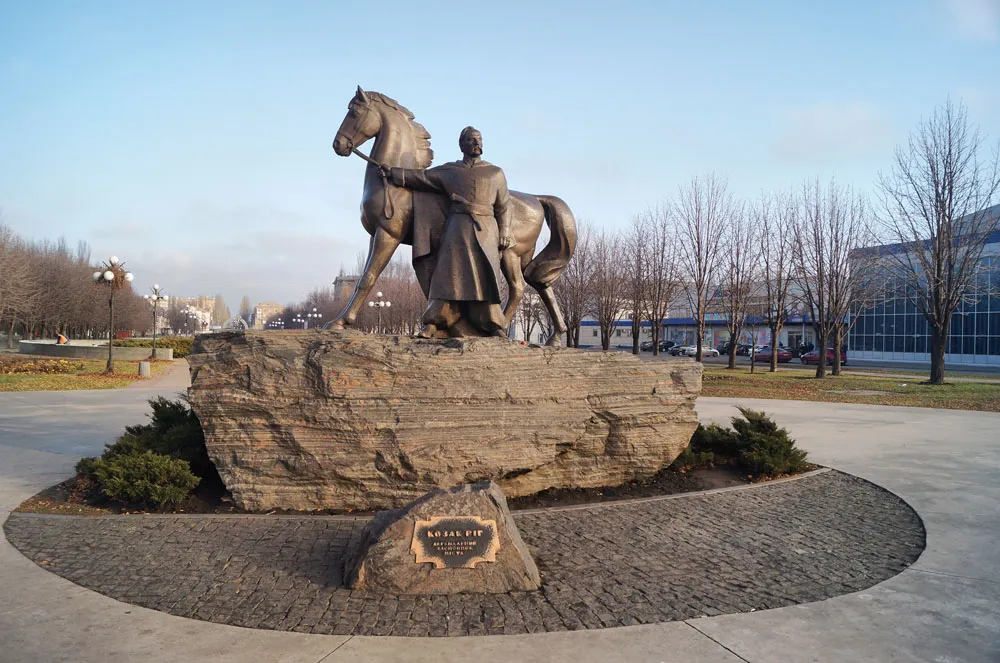
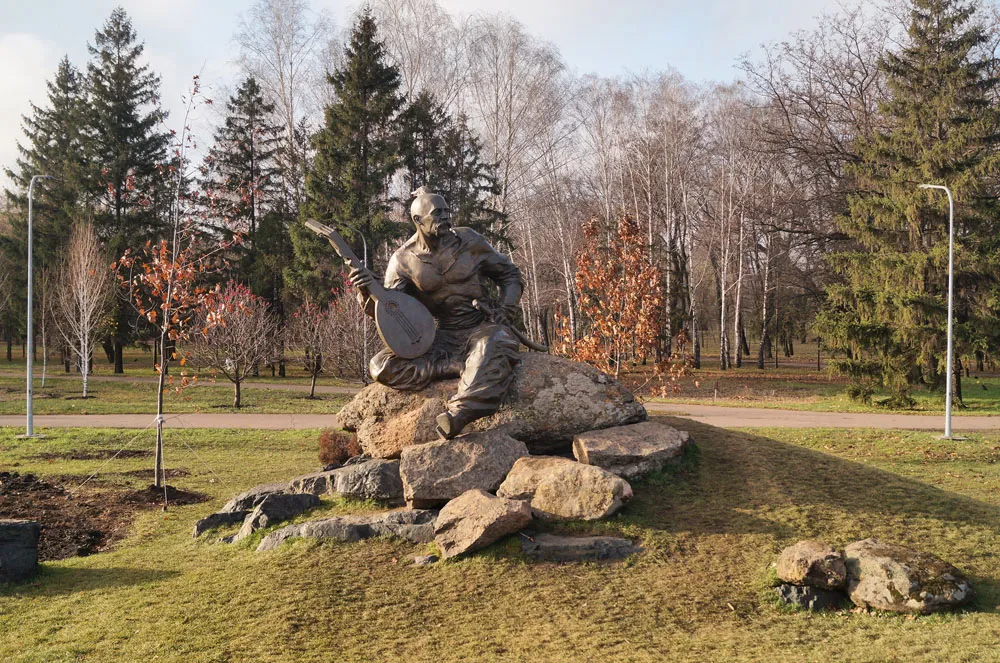
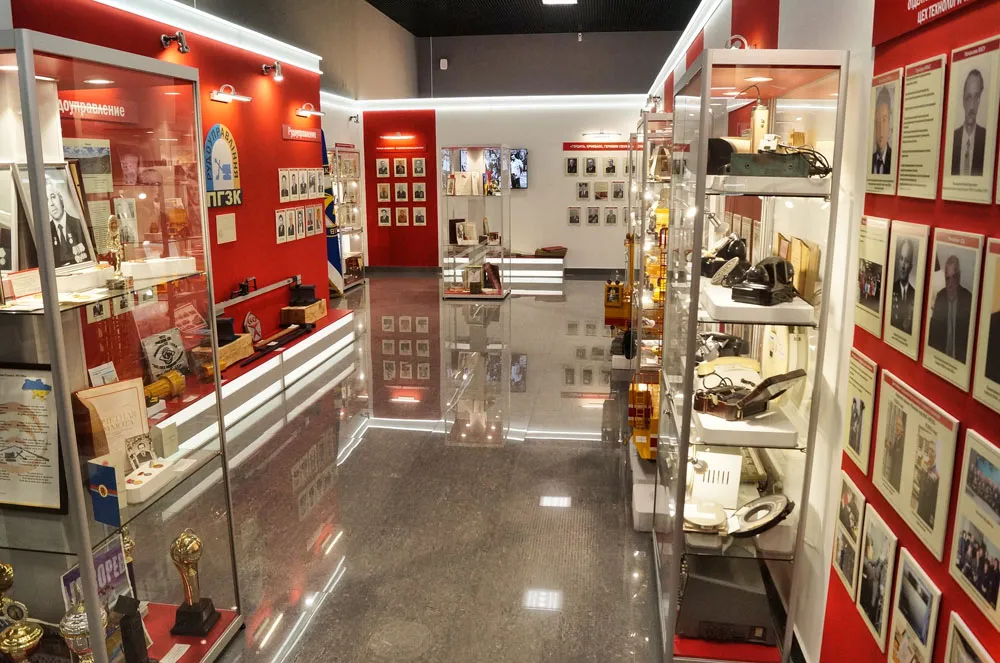
Both ArcelorMittal and Metinvest have very interesting, very modern plant museums. There is also an interactive history museum under Ukraine’s largest flower clock. But I find the quarries, sinkholes and spoil heaps far more interesting than the museums – they resemble alien landscapes from science-fiction films. But you had better not try to see all the interesting things on your own – you will not find them, and nobody will let you in without local organizers. Except that you can walk onto the spoil heaps, of which there are a huge number here, and they form something like a mountain relief, with peaks, steep slopes, waterfalls and canyons.
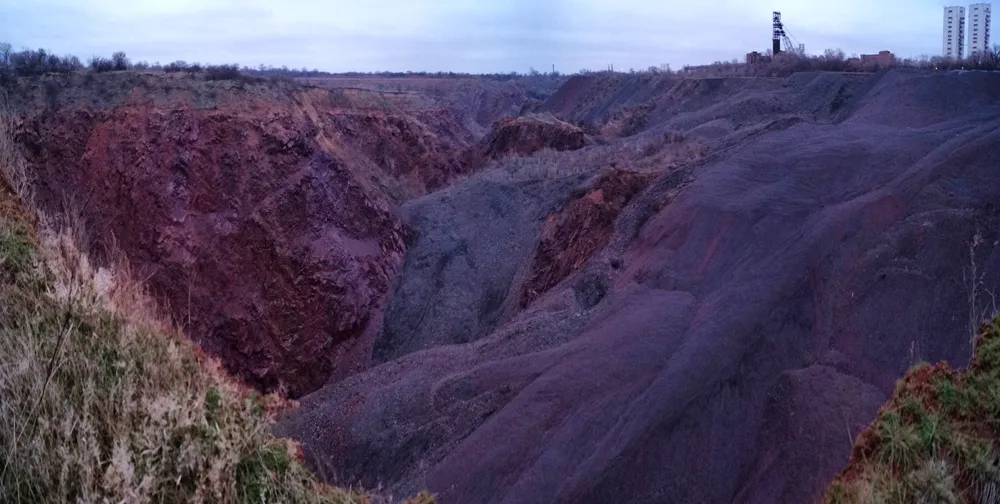
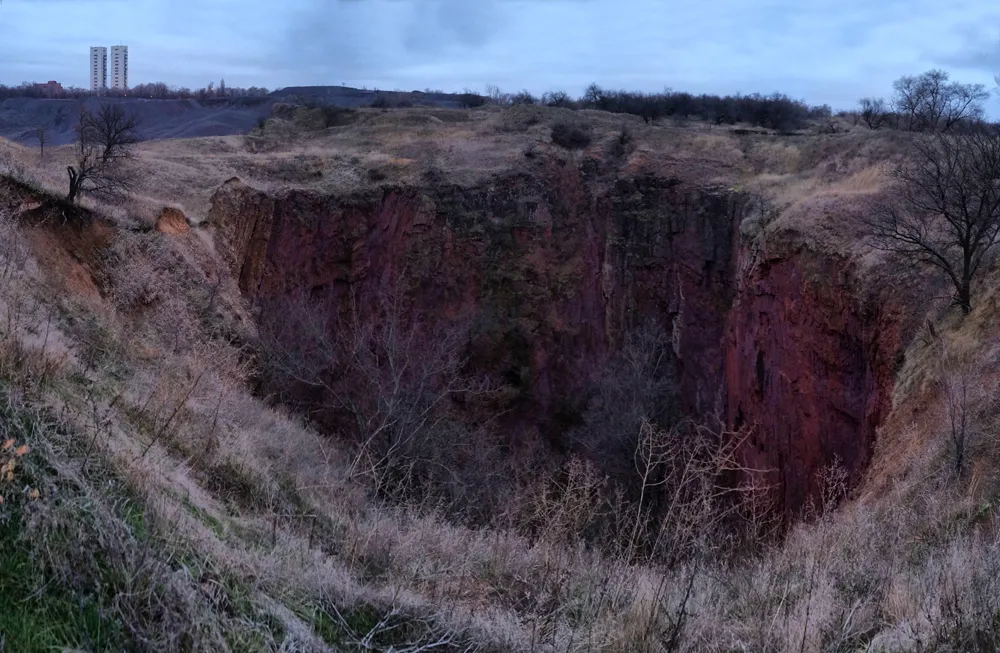
Giant sinkholes above the mines
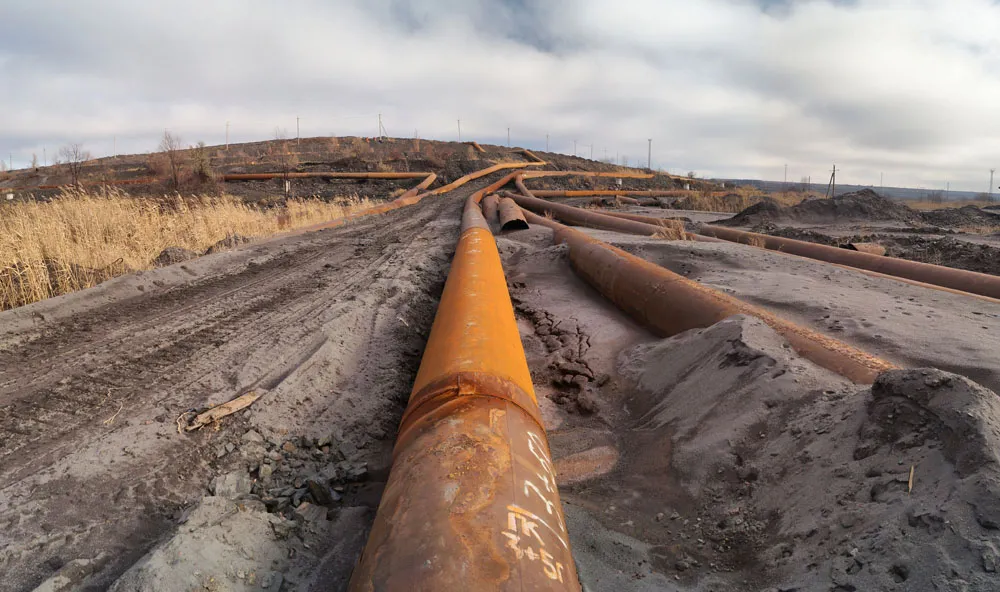
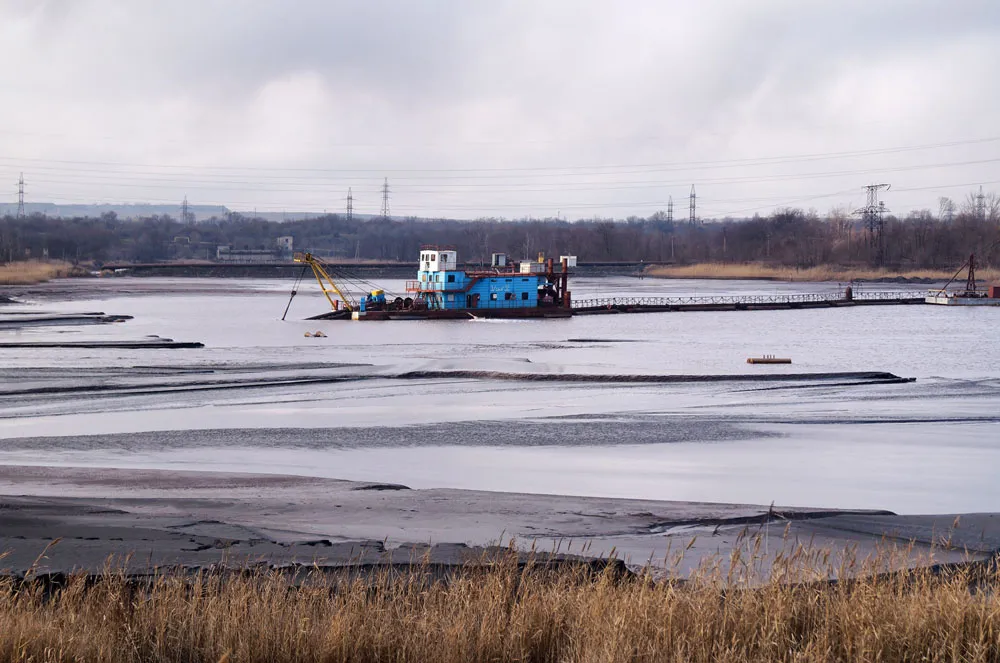
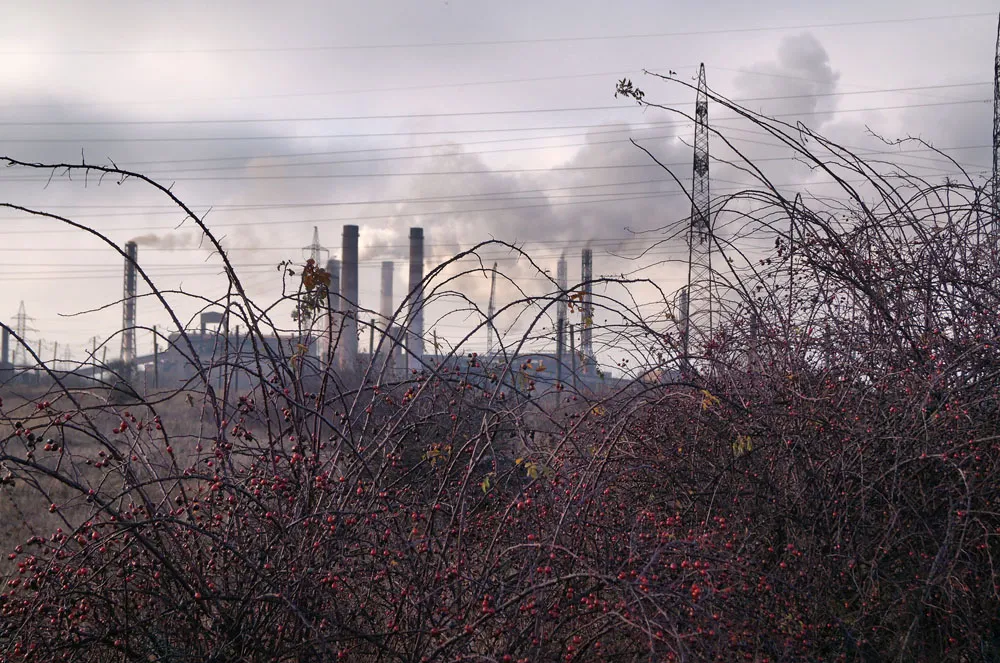
Industrial landscape
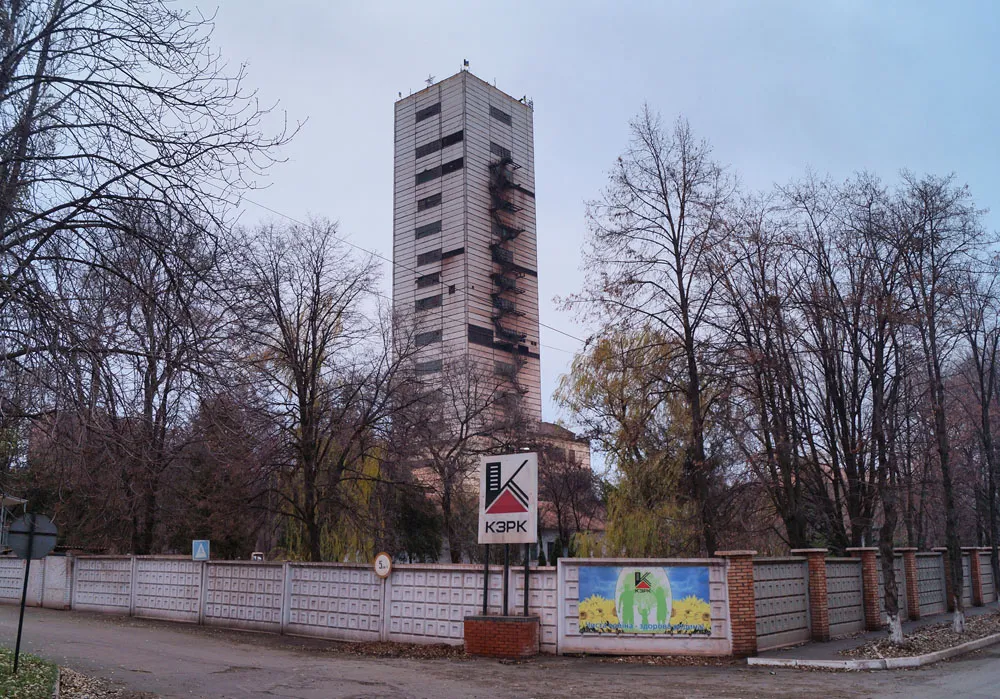
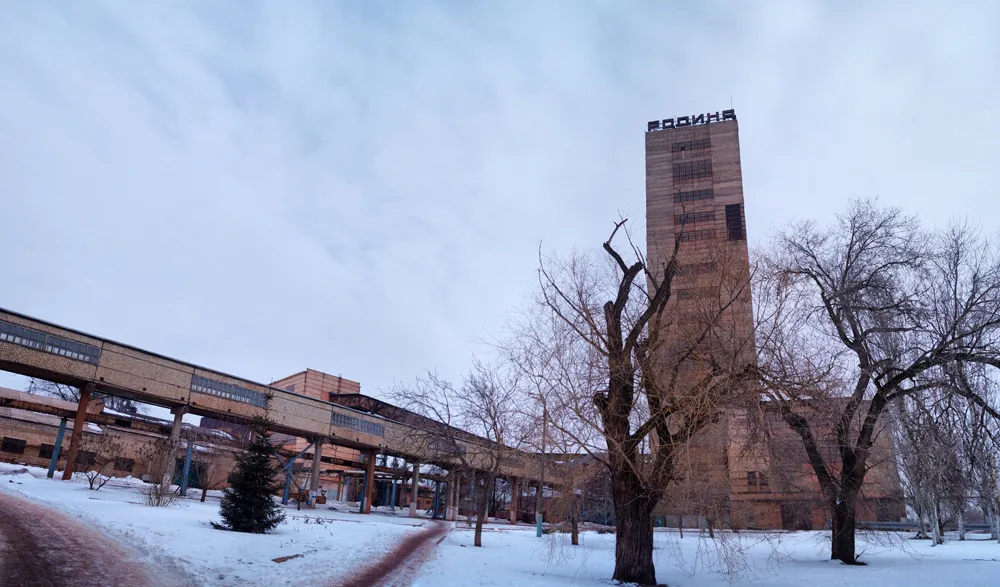
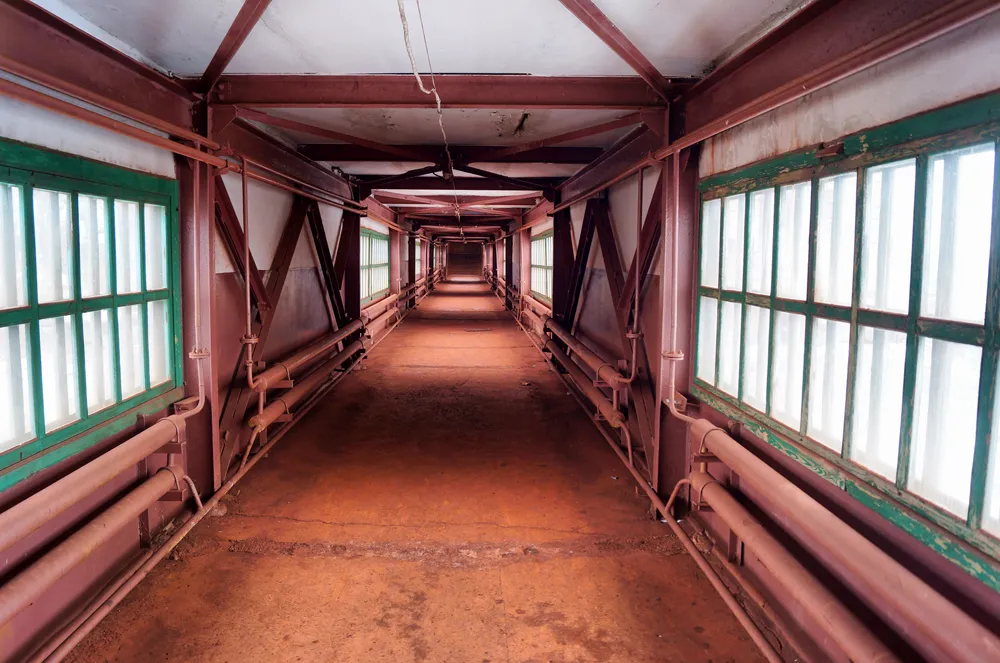
Giant headframes
The largest quarry in Kryvyi Rih is the quarry of the Southern Mining and Processing Plant. Its Ukrainian abbreviation, PHZK, is hard to pronounce, so the Russian one – YuGOK – is used more often. The quarry is often called the largest in Europe, since its depth long ago passed the 400-metre mark and its length is over 5 km. But Horishni Plavni disagrees with this claim, because its quarry is not much smaller in depth (also over 400 metres) but larger in length – over 7 km. In any case, the PHZK quarry is something unreal. It has several organized viewing platforms. Super!
I also visited the Hannivka quarry. It is smaller, but also very impressive, and it is hard to tell by eye that it is smaller.
Kryvyi Rih has its own exclusion zone – the territory above old ore mines, some of which were blown up in 1941 during the retreat. The ground above the mines sometimes collapses, forming gigantic craters. The largest sinkhole we saw was more than two hundred metres deep. A terrifying sight.
Kryvyi Rih has a great many mines. One might ask, why mines if there are quarries? But the ore in mines is much richer in metal, so mining is profitable. Above the mines stand towering headframes – towers that house the mine hoists. Some headframes are over 100 metres high, and you can climb them, but only with an escort.
The most interesting thing of all in Kryvyi Rih is the mines. A completely different world, like nothing else, except perhaps films about hobbits. I was lucky enough to go down one of the deepest iron ore mines in the world. It is called “Rodina” – in the Soviet manner. Its working depth is 1,580 metres, and I descended to a depth of 1,345 metres. It is shocking. The very thought of that depth makes your hair stand on end.
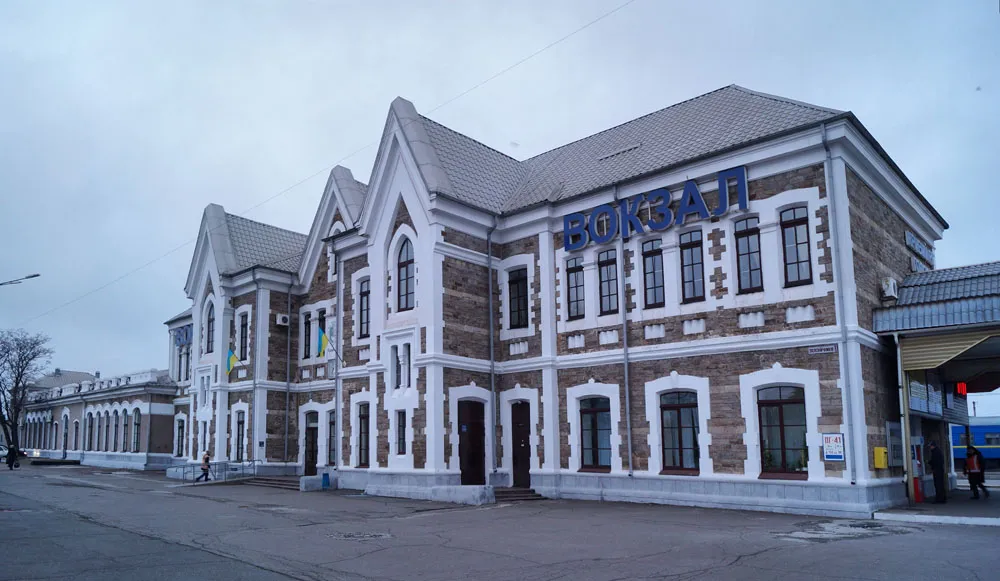
Railway station
At such a depth the temperature is a steady 27 degrees. It is warm. From the place where the cage – the name for the mining lift that can hold about thirty people at once – stops, our tour stretched for several kilometres. First we rode on a small, almost toy-like electric train of two little cars, and then we walked. In overalls, helmets, with headlamps. Almost everywhere in the branching tunnels rails are laid for hauling ore. Often in a corner water flows along a drainage ditch – that is the pumping at work. There is a first-aid post where a nurse sits the entire shift, and places to rest and have a snack. We were given the chance to try working a jackhammer. It is very heavy, about thirty kilograms. Probably as much as its support weighs. And the miner drags all this around on himself. Incredibly strong people, some kind of titans, though you would never tell from looking at them.
A trip to Kryvyi Rih can be called one of the most interesting in Ukraine. It was organized for us many times by Volodymyr Kazakov – a geographer, scientist, local historian and enthusiast. He told us a great deal about the 95 Kvartal (and other city districts), about the terrible phenomenon of the criminal “runners” movement, and about the city’s poverty and wealth. If I retold all this, it would be a book rather than an article. Go and see and hear it live.
Text and photos by Roman Malenkov.
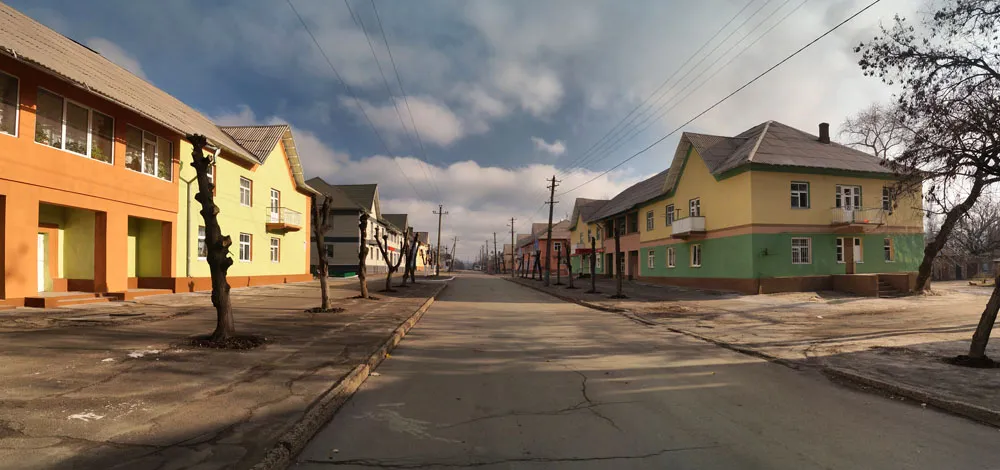
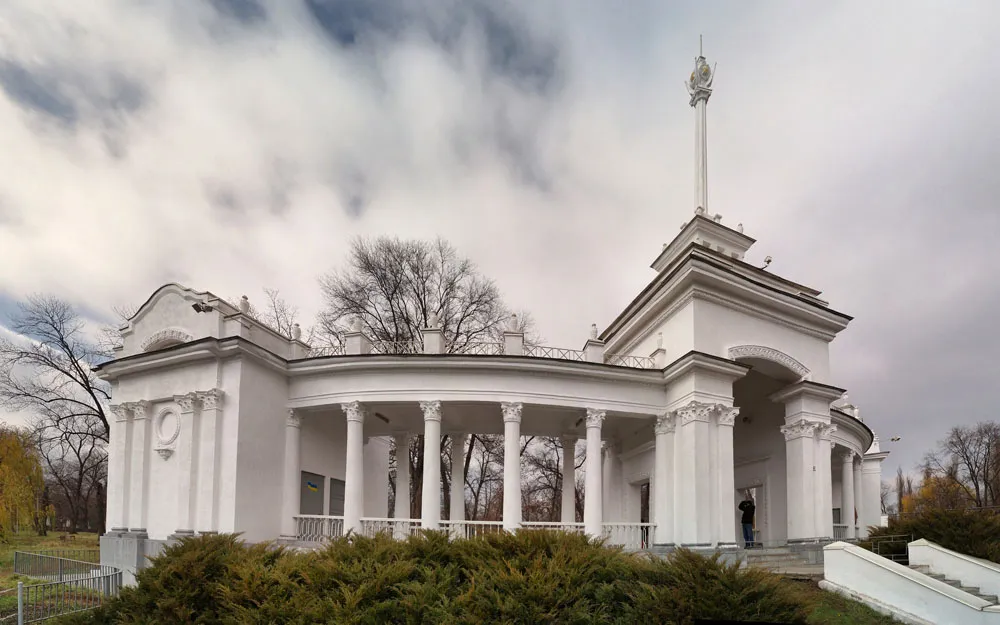
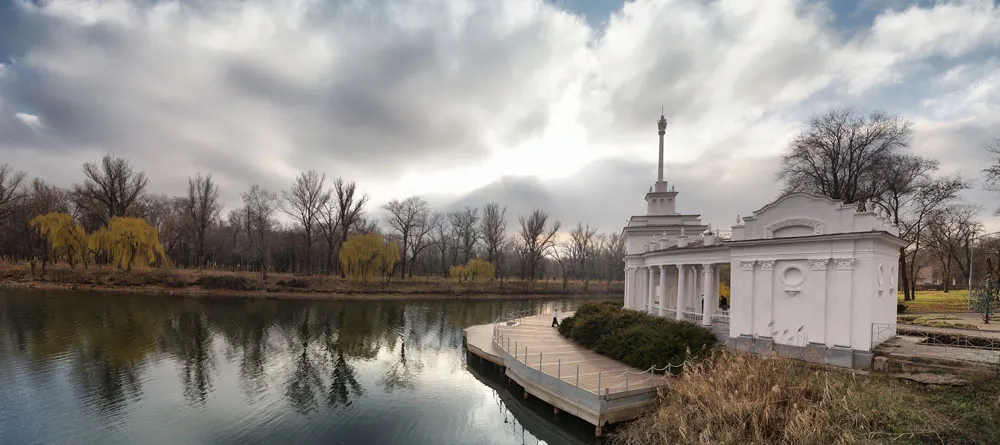
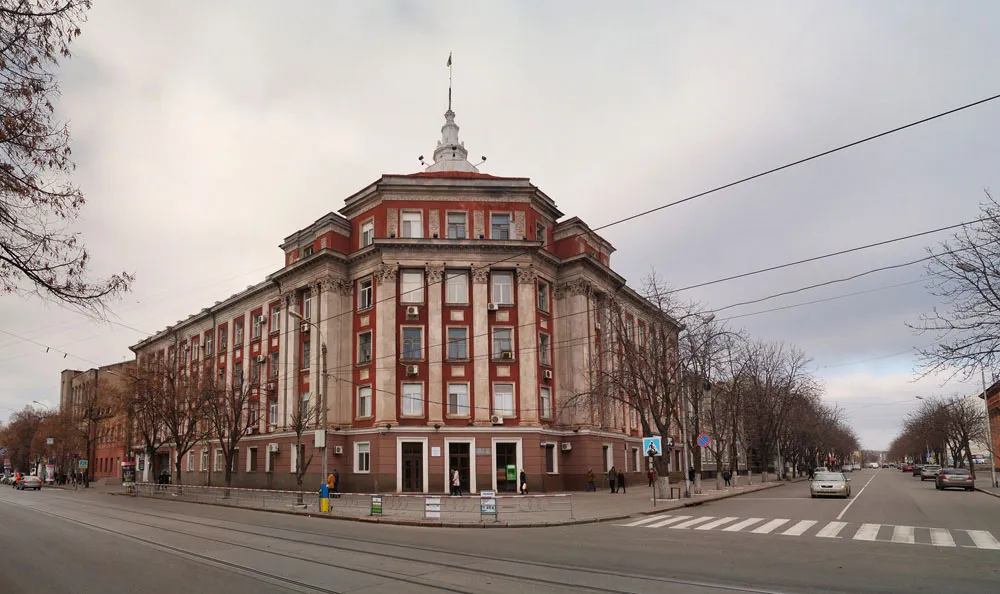
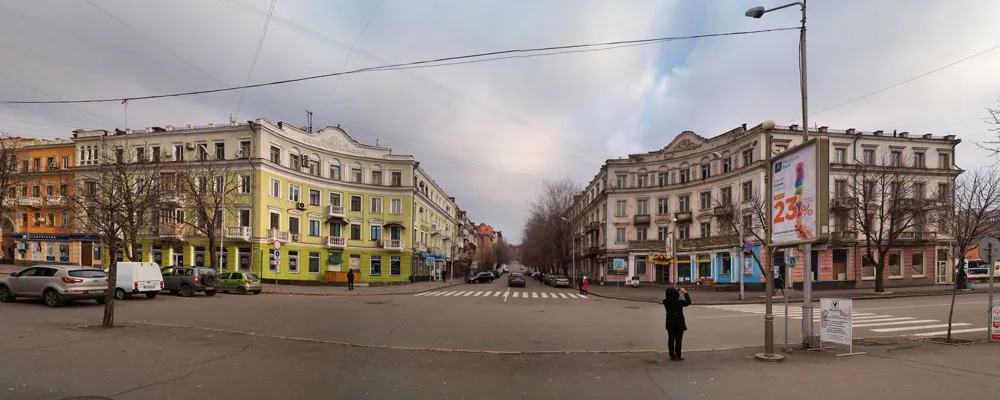
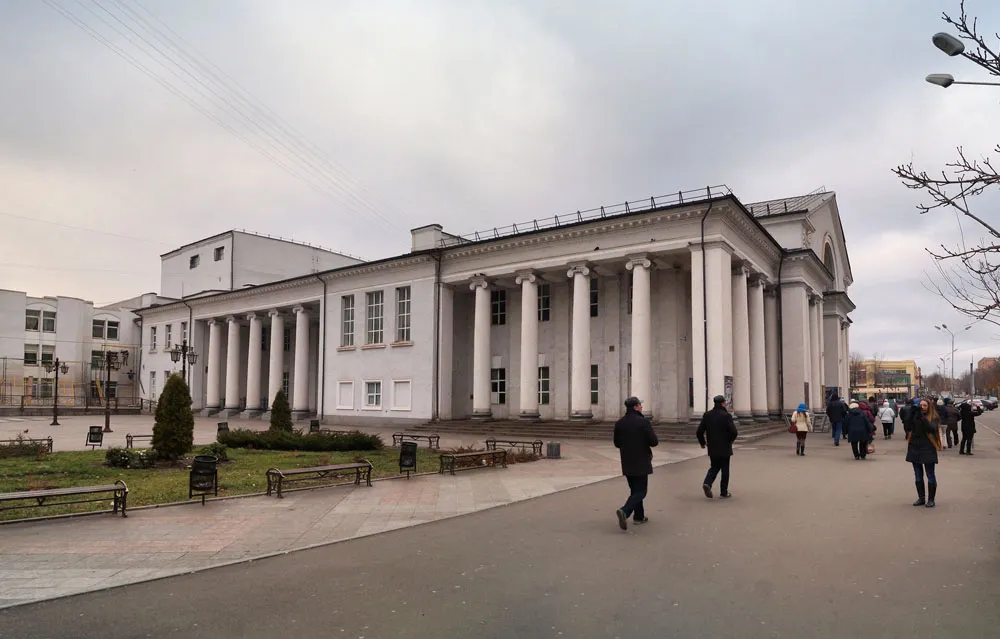
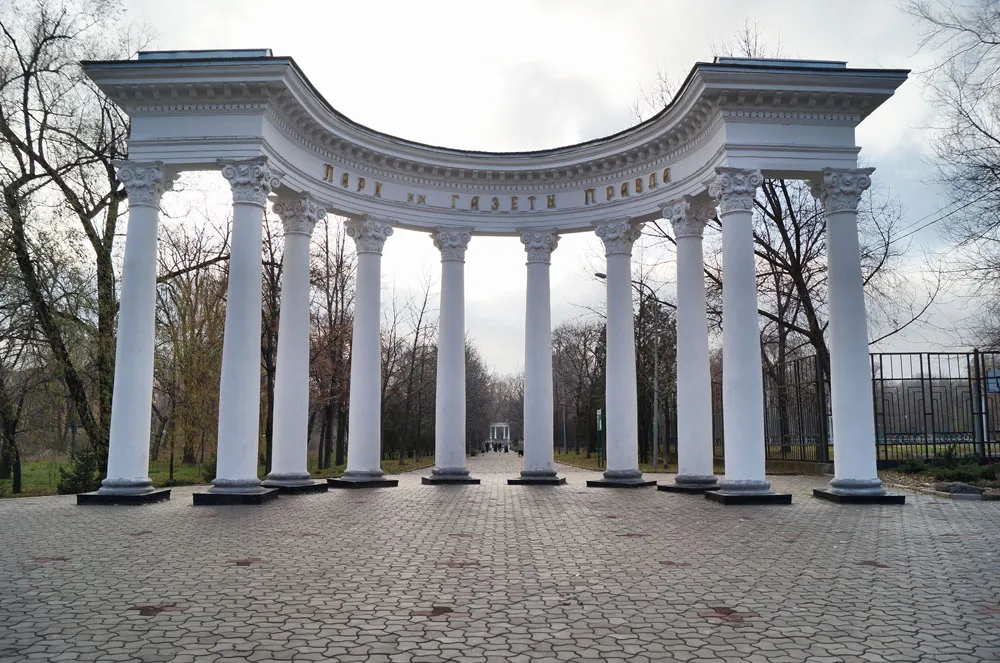
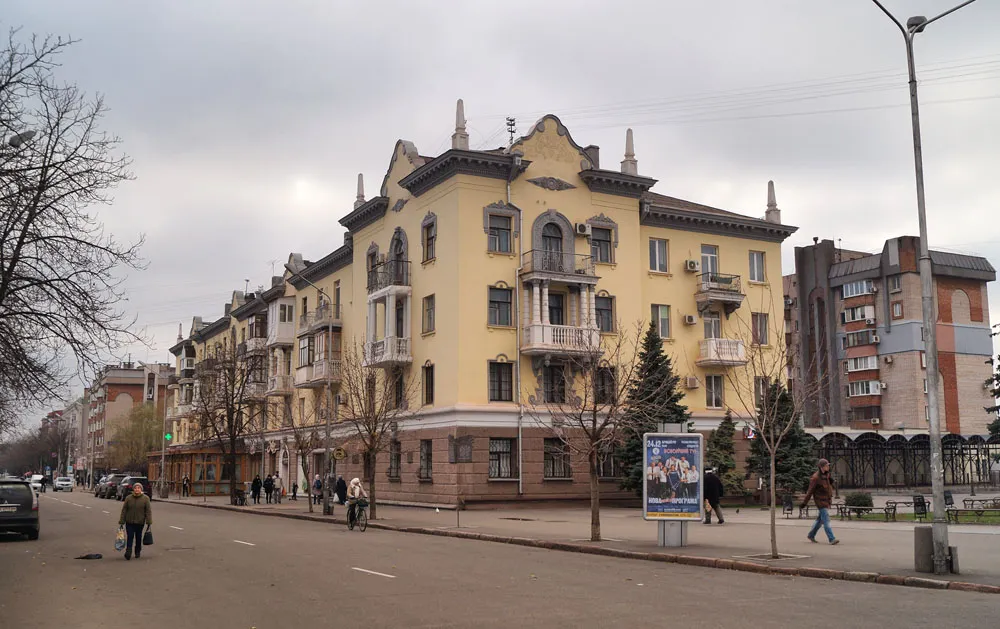
A little city architecture
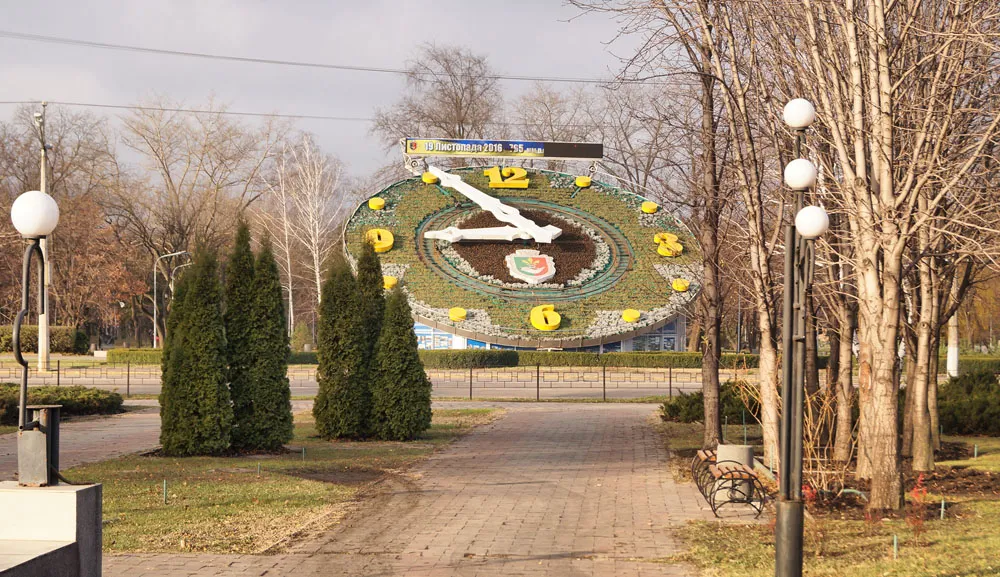
Monuments and museums


