Oskil (Tsareborysiv)

· 4 min read
Oskil can be considered one of the oldest settlements of the Kharkiv region; it already existed at the beginning of the 17th century under the name Tsareborisov, in various forms. It was founded in 1599 on the southern borders of the Muscovite Tsardom, at the confluence of the Bakhtyn and the Oskil, by the voivodes Bohdan Belsky and Semen Alferov on the orders of Boris Godunov, as an outpost for defence against nomads. According to one version, Godunov deliberately sent Belsky far away from Moscow because he saw him as his main rival for power. And when the voivode successfully began building the fortress, a denunciation was written against him. Belsky was immediately removed from the leadership of Tsareborisov and stripped of his ranks, peasants and estates.
Here is what the “Historical and Statistical Description of the Kharkiv Diocese” of 1857 writes about this, relying on the “New Chronicler”:
“Tsar Boris resolved to build a town in his own name as a defence against the Crimean side; he sent the okolnichy Bohdan Yakovlevich Belsky and Semyon Alferov and ordered them to hasten the building of the town; many warriors were sent with them, and some of the Cossacks and musketeers were ordered to stay there to live. Bohdan Yakovlevich was very rich and took everything with him in abundance. He began building the town first with his own people – he built a tower and no small part of the town with a great stronghold; following that example he then ordered the workmen to build the rest. Soon the town was built, fortified and settled by various inhabitants. While the town was being built, he fed and gave drink to all the warriors at his own expense; to some he gave money, to others clothing, and in general supplied everything needed. Everyone praised him. Great praise of Belsky reached Moscow. Boris declared great anger against him for his service, ordered him seized as a villain and sent into exile in dishonour, where he was thrown into a dungeon; his property was ordered sold, and Boris took the estates and patrimonies for himself. The senior nobles who had been in his regiment, Afanasy Zinoviev and his comrades, he also ruined and sent into confinement for having praised Bohdan.”
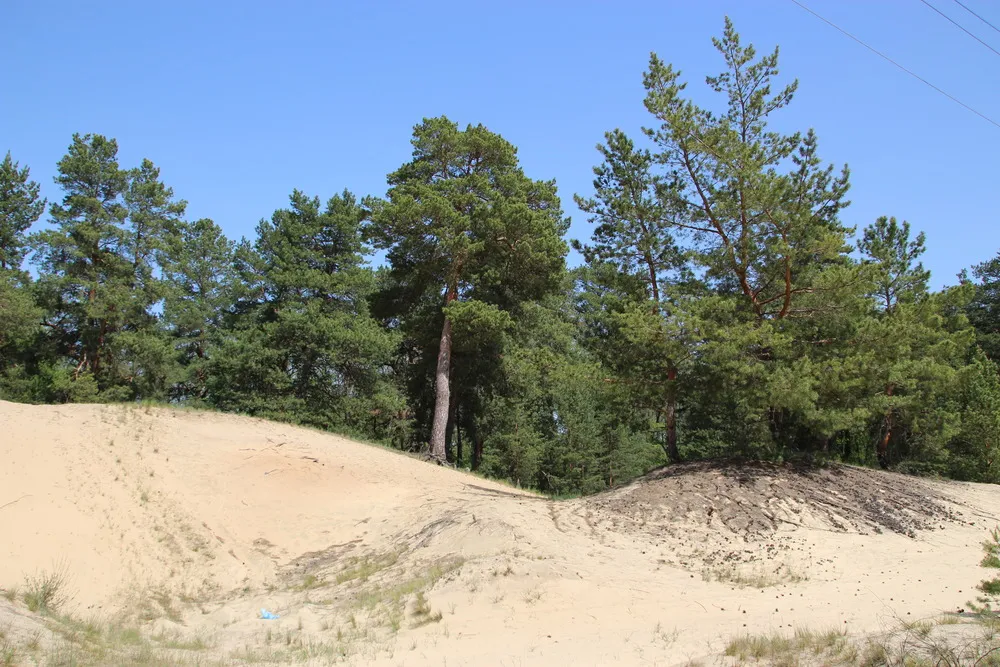
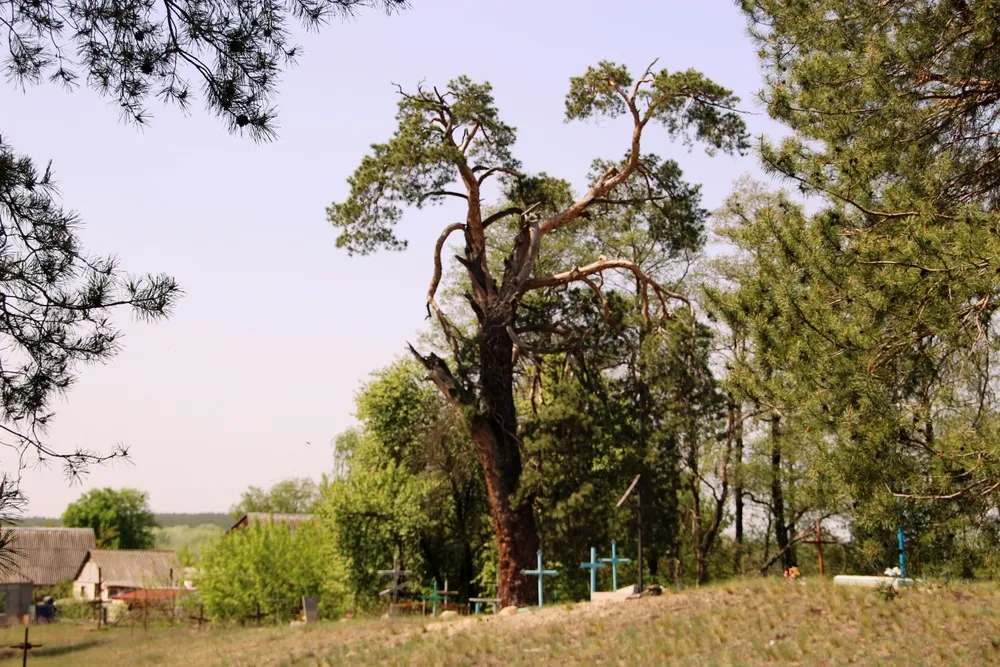
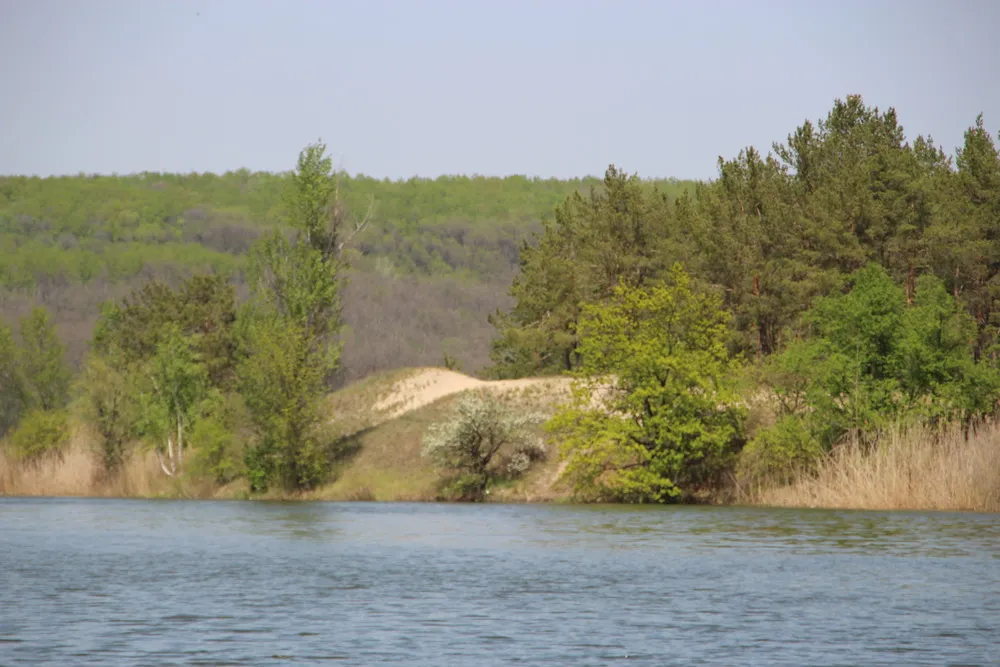
At that time it was the only such fortress in Slobozhanshchyna. But as early as 1612 it was destroyed by the Tatars and fell into desolation. After the territory was resettled by Cherkasy settlers (the voivode Fedot Surmin enrolled them in service), the Tsareborisov hillfort was given by Tsar Alexis Mikhailovich to Patriarch Nikon, and the fortress was rebuilt in 1655–1656 (it was rebuilt of pine). It had nine towers, three of them with gates, 127 log cells, and the walls were double and 4 sazhens high. The town even became a company town of the Izium Regiment, but by the end of the 17th century it declined again. This was preceded by the uprising of Ivan Briukhovetskyi (the town was burned), the inhabitants’ participation in the rebellion of Stepan Razin, which led to further repressions, several Tatar raids and a plague epidemic.
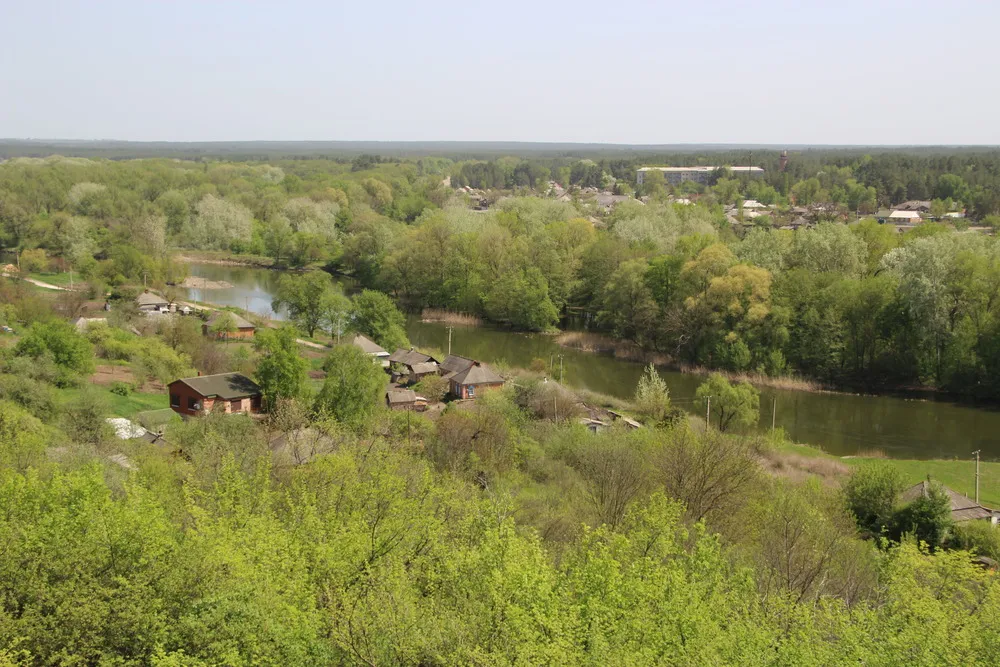
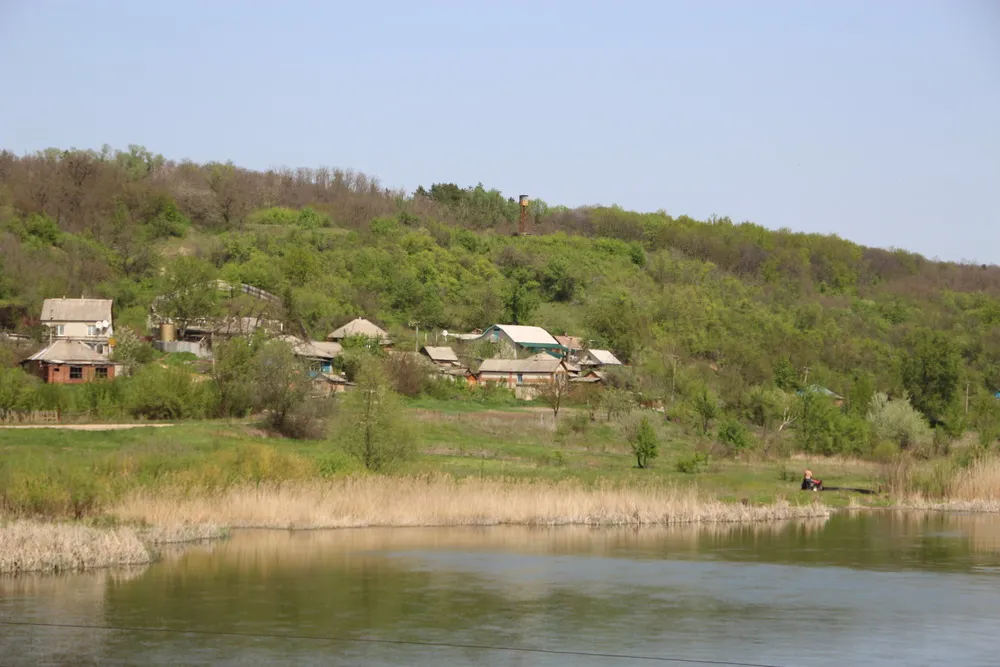
There was plague again in 1718. It raged so badly that the following year a detachment of dragoons led by Prince Hryhorii Volkonskyi was sent; all the inhabitants were sent under guard into the forest, and the fortress, the sloboda and the churches, St. Nicholas and the Transfiguration, were burned to the ground. People never returned here; the sloboda moved to a new place, where modern Oskil now stands.
In 1721 St. Nicholas Church appeared there, then in 1770 a second one, the Church of the Nativity of the Virgin. In 1799 these two churches were replaced by new ones, also wooden, and again St. Nicholas and the Virgin. I cannot say when exactly they were destroyed, but they are still present in Stefan Taranushenko’s photographs from the early 20th century. It is also known that in Soviet times a department store was built on the site of one of them.
When the Bolsheviks came to power, from 1919 the village was renamed Chervonyi Oskil (“Red Oskil”). The name remained until 2016, when it was shortened by dropping “Chervonyi”. From 1919 until early 1922, detachments of Hryhorii Savonov, an associate of Makhno, fought the Bolsheviks in the Oskil area.
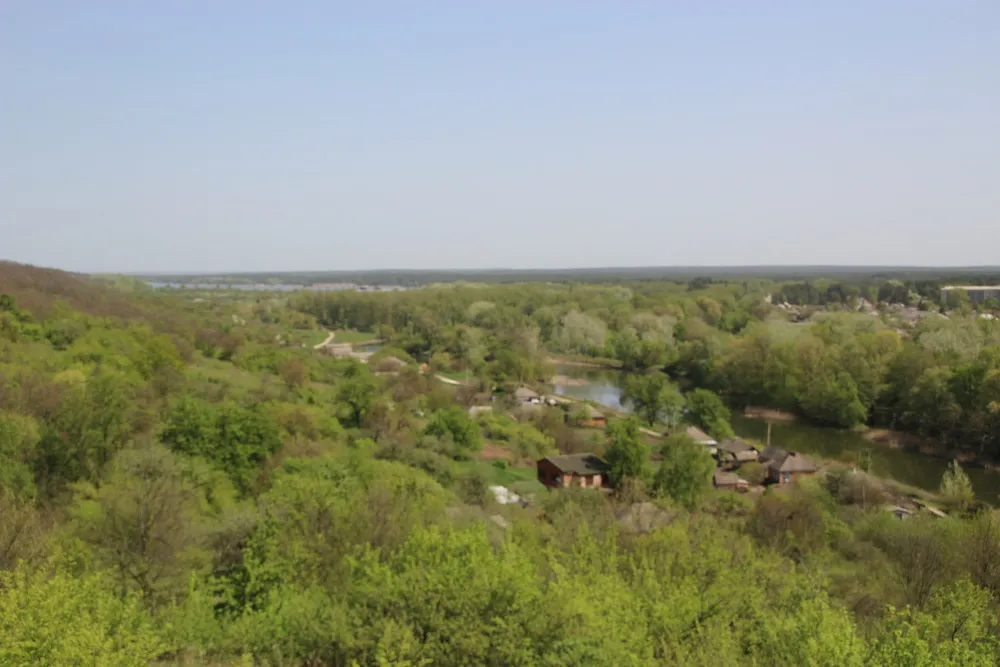
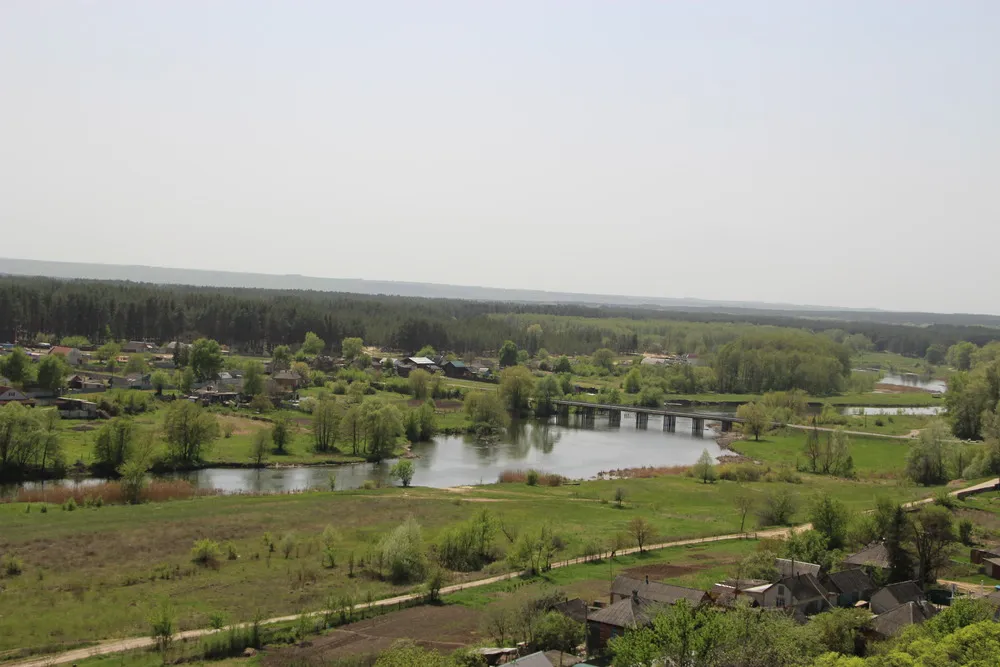
As for the Tsareborisov hillfort today, excavations on its territory have been carried out since 2004, and a great deal of historical and archaeological material has been found. Now the Tsareborisov hillfort is not so easy for an ordinary tourist to visualise; time and wars have done their work. A road runs through the hillfort, used by farm machinery, part of it has been ploughed, and the fortifications of the second ring (ditches and ramparts) are barely noticeable.
Text by Ihor Dorozhko, photos by Maksym Nazarenko.