

Petropavlivka

· 3 min read
The village of Petropavlivka, like the absolute majority of settlements in the Kupiansk area, arose at the end of the 17th century – more precisely, in the 1680s. In 1682 the Kharkiv colonel Donets-Zakharzhevskyi received an instruction to continue settling the Wild Field, allowing undeveloped land to be allotted to those settlers from already established sloboda settlements who wished to settle new places. Rather, at first it was neither a village nor a sloboda. There were several separate farmsteads settled by migrants from the Cherkasy region. They stretched along the Hnylytsia river, which today is lucky to be seen full of water. In recent years in summer it either dries up or looks like a small stream. The area near the river was marshy, so the first farmstead that arose there was called Hnylytskyi. The locals extracted peat and took it to Kupiansk to sell as fuel. After the farmsteads merged, they needed a church of their own. They did not build one – what forest is there on a marsh – but bought and moved a wooden church from Kupynka (Kupiansk). This happened in 1800. Since the church was dedicated to Saints Peter and Paul, the farmstead was renamed Petropavlivka. And a year later, after the church was consecrated, the farmstead received the status of a sloboda, a patronal feast, and the right to hold a fair.
The sloboda quickly developed and grew, becoming the centre of a parish and a volost. Naturally, the small church no longer met the needs of a large and respectable village. So in 1836 a new brick church was built in the village centre, while the old wooden one was dismantled again and resold to Kurylivka, where it stands to this day, now as the Church of St. John the Theologian. Read about this church in a separate post on Kurylivka.
And now a little more about the date of construction. 1836 is the most widespread date in all kinds of sources. Probably it was copied and spread without reference to documents. Meanwhile there are two more dates, quite widely scattered in time, by 43 years. And in each case there are certain details.
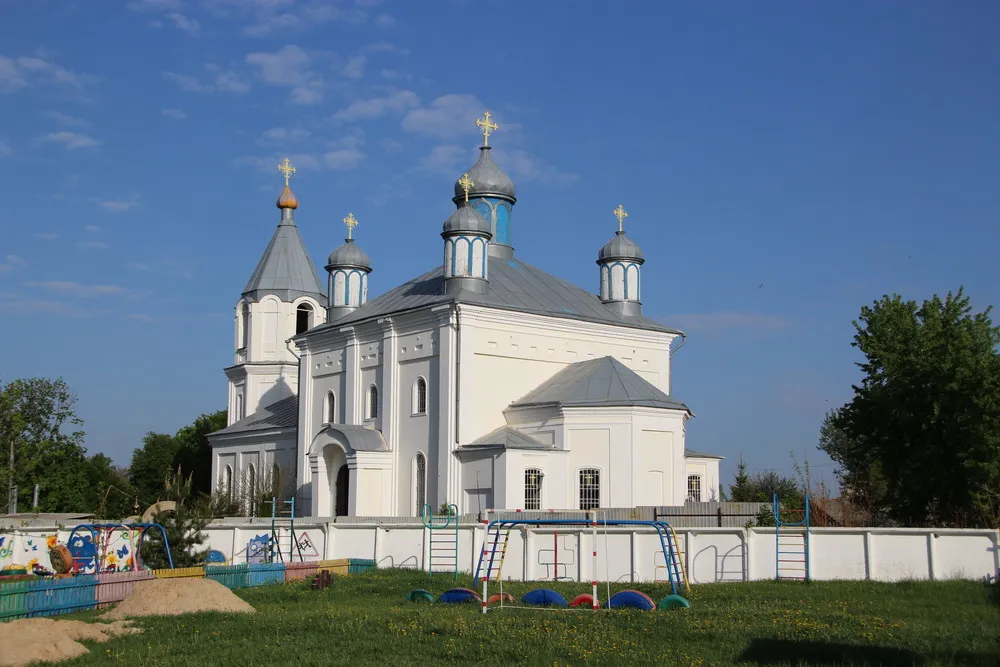
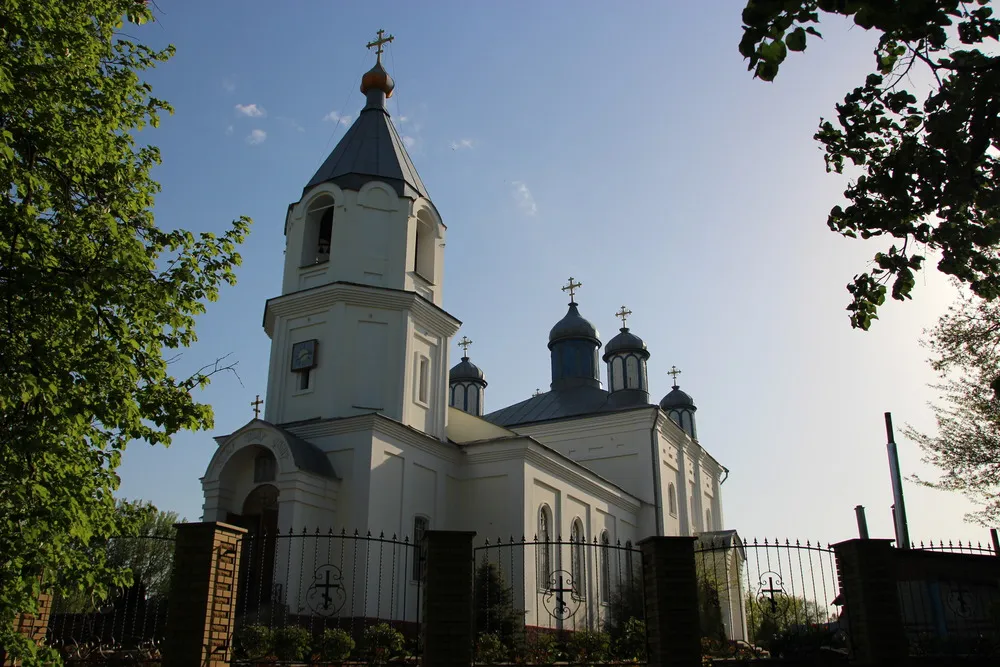
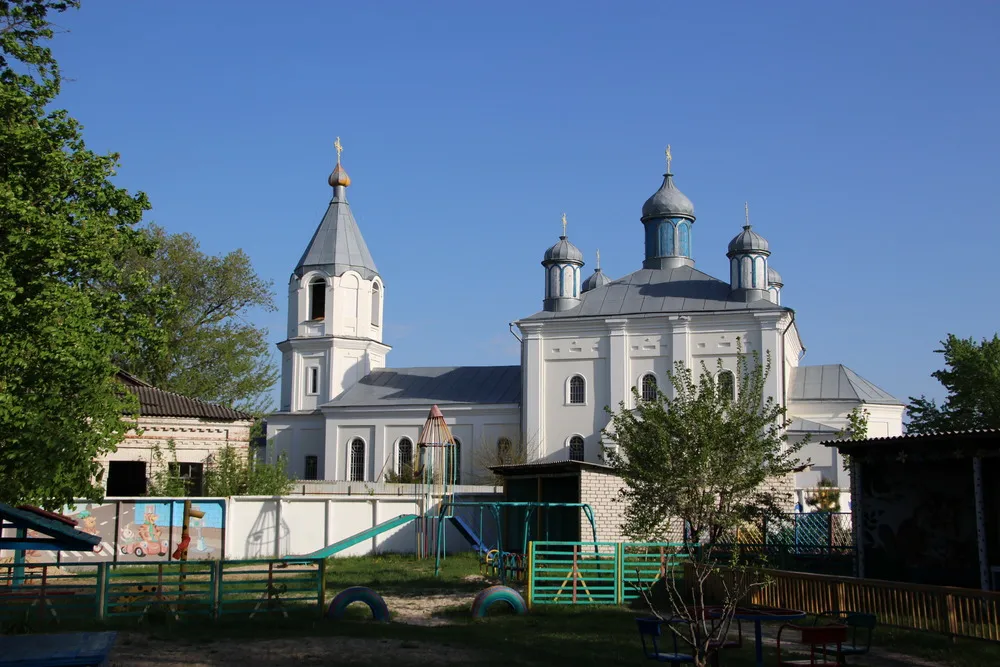
For example (the original is quoted in Russian for authenticity; here it is in translation).
“In 1821 the church was built in a new place, with the sum of voluntary donations, through the efforts of the retired sergeant-major Pylyp Reutskyi and the residents Fedir Hlushko, Oleksii Vodolazhskyi and the priests Kodrat Husynskyi and Spyrydon Kornilyev. On 11 February 1822 the new church was consecrated in the name of the Apostles Peter and Paul.”
And here is other data, from the “Reference Book of the Kharkiv Diocese” compiled by the Secretary of the Kharkiv Spiritual Consistory, Ivan Samoilovych.
“The Church of Peter and Paul was built in 1864 through the efforts of parishioners; stone, single-altar. There is no homestead land, and 99 desiatinas of arable land. Parishioners: 4,316 male souls, 4,144 female souls. It has a capital of 1,200 roubles. There are a parish school and a zemstvo school; there is no parish guardianship. Priest Ioann Kornilyev, in the present place since 1903. Priest Ioann Bazylevych, in the present place since 1885.”
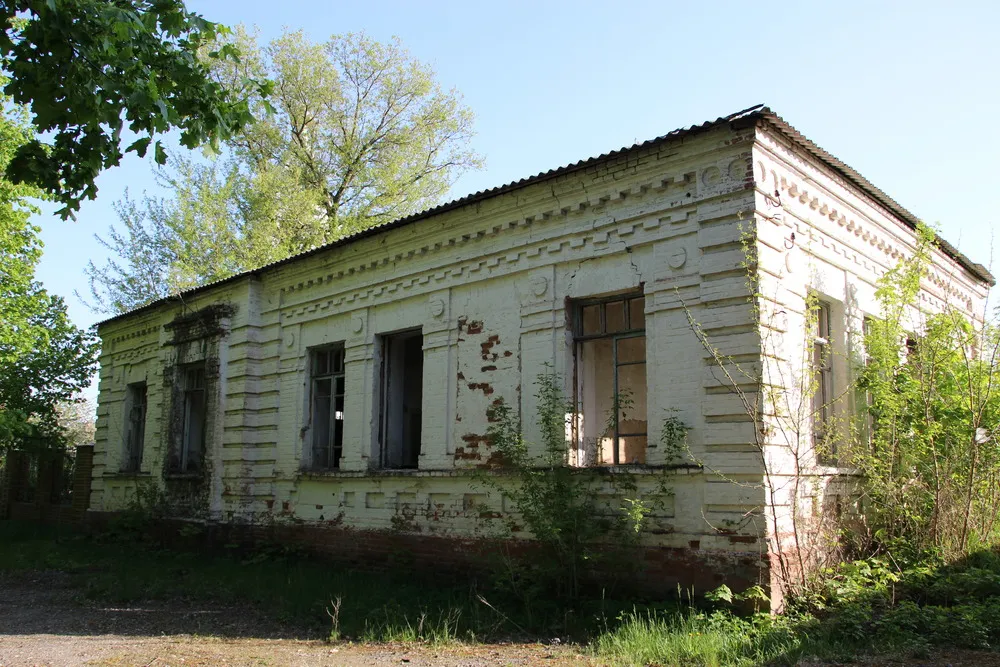
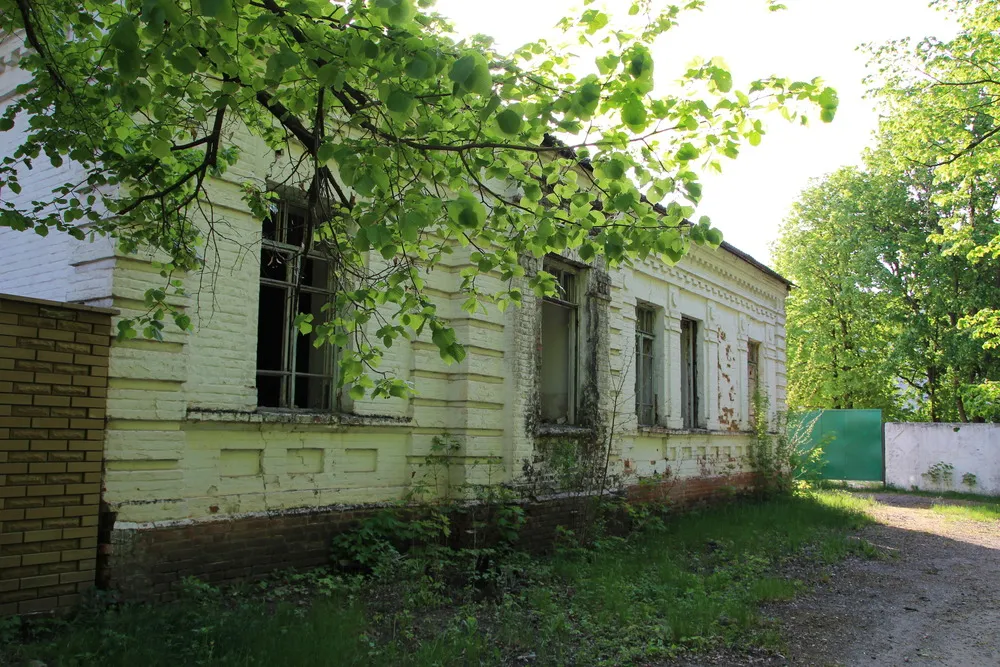
As we can see, in both cases priests with the surname Kornilyev appear.
Incidentally, in 1906 the priests of the church in Petropavlivka got into trouble.
The villagers suspected Father Ioann Bazylevych and Father Ioann Kornilyev, the volost elder Zakhariy Dmytriyev Kovalenko, and the paramedic Fedir Mykolaiev Bazylevych of supposedly writing to the State Duma that the Petropavlivka community had no need of land. On 4 June of that year they assembled a volost gathering, drove the elder out of the volost and sent for the priests. After they arrived at the gathering, they were told that the land previously granted by the community was being taken from them, and the priests were forced to sign that they did not need the land.
Text by Ihor Dorozhko, photos by Maksym Nazarenko.


