Senkove

· 2 min read
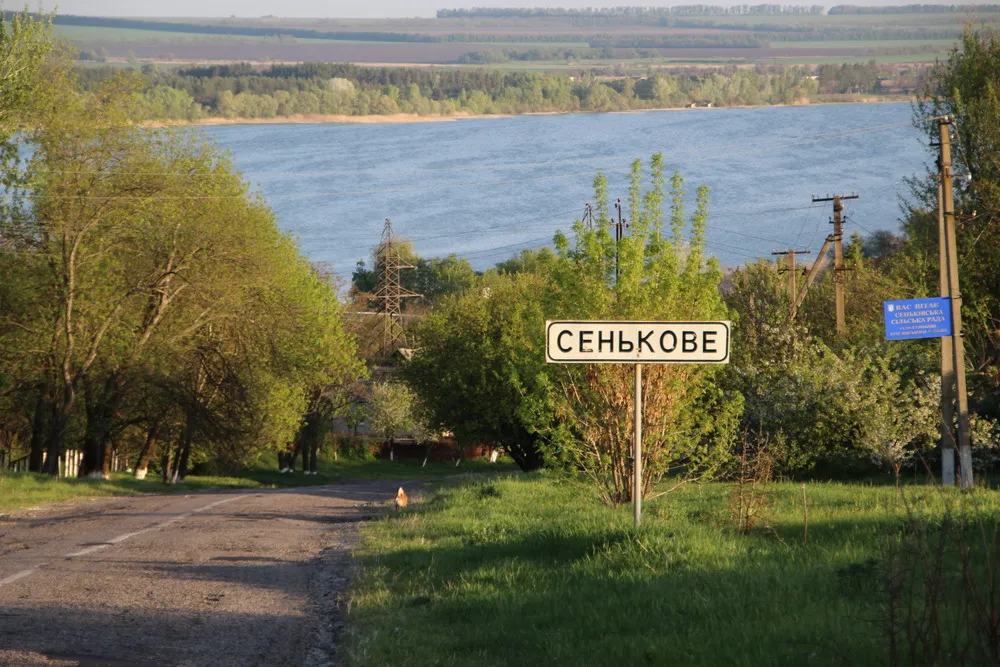
Until 1680 there were no permanent settlements near the sloboda of Kupenska on the right bank of the Oskil, although attempts to found some were made. In 1680 the Muscovite voivode Averii Opukhtin intended to build a watch fort on a hill, in a place called “Senkiv Dil”, but did not carry out his plans. Yet in documents of 1683 the sloboda of Senkivka is already mentioned near Senkiv Dil.
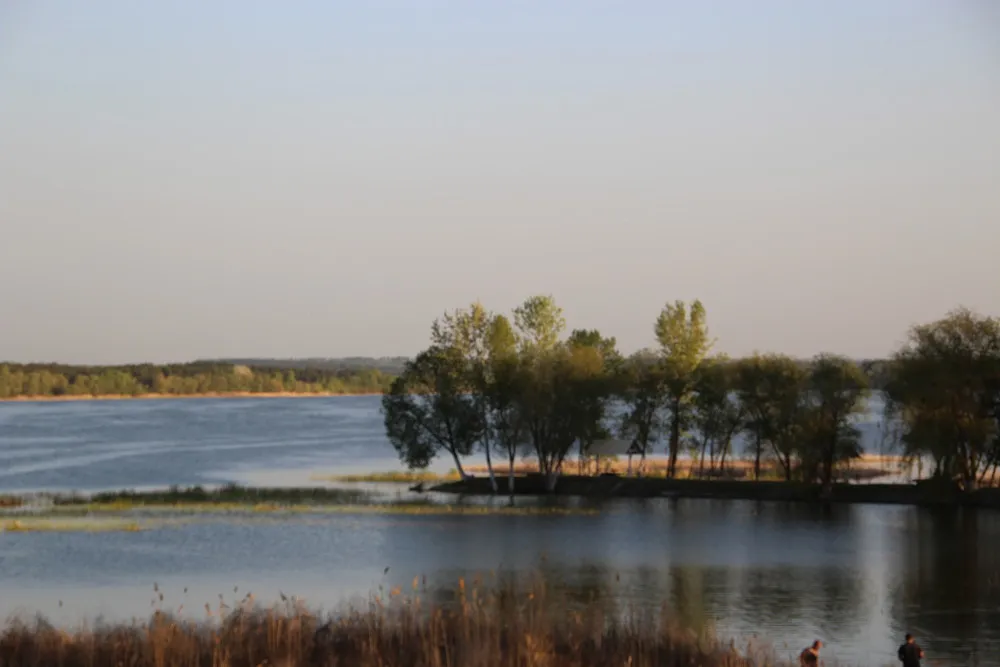
Further research showed that Senkove was nevertheless founded somewhat earlier, in 1674, by a group of settlers from the Kyiv region led by the sotnyk Semen Osypovych Bohuslavskyi, founder of the noble Bohuslavskyi family. The settlement was placed in a lowland where the Senok river flows into the Oskil, but after it was destroyed by the Tatars in 1678 the inhabitants moved to higher ground and built a fort for defence.
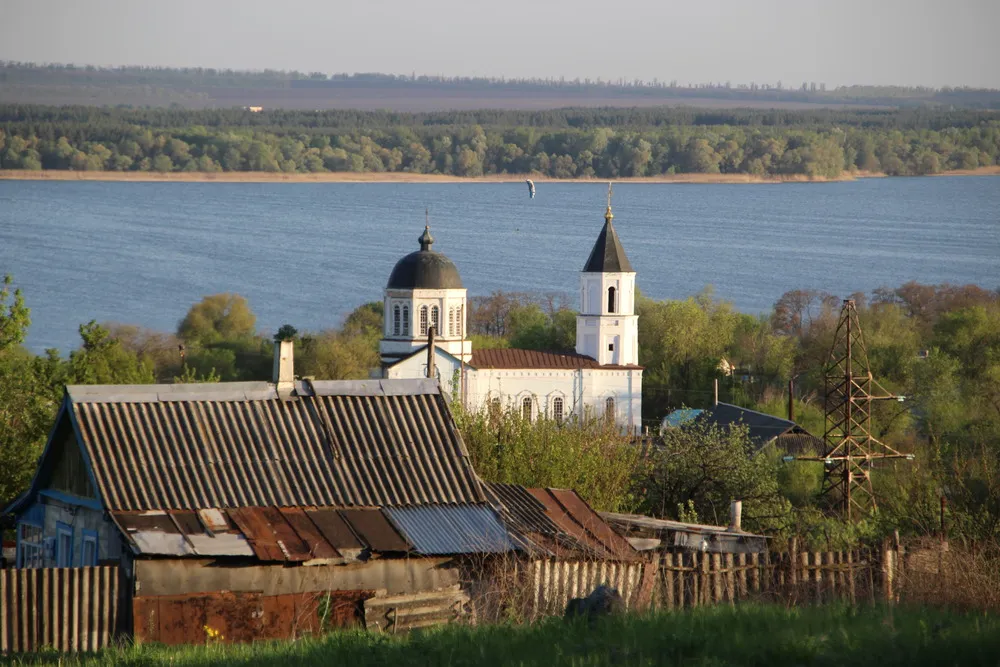
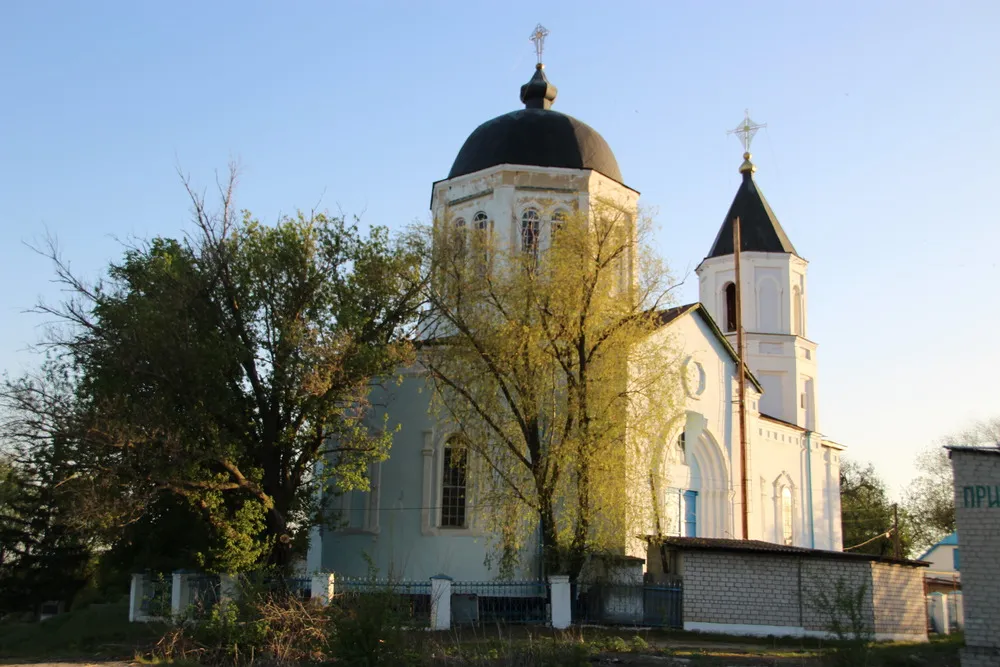
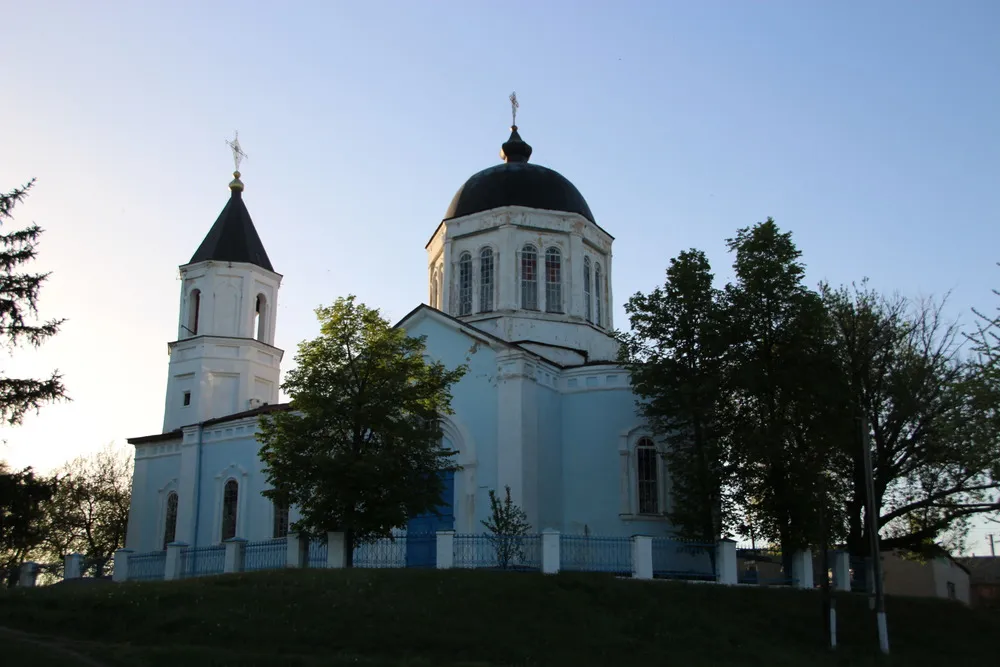
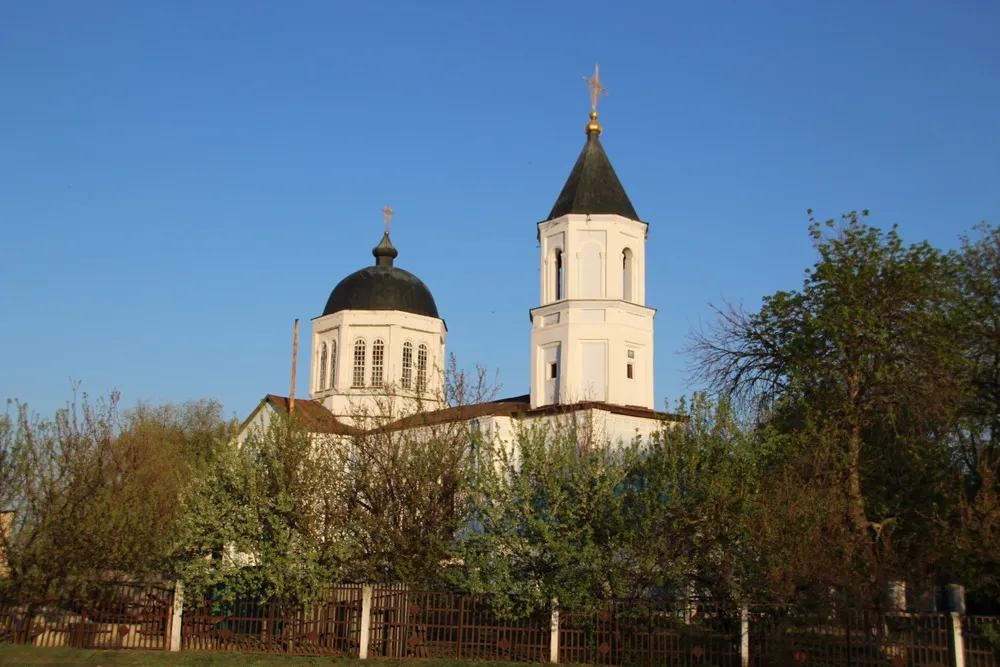
At the end of the 17th century a church called the Dormition Church was built in Senkove. However, the church that stands in the village now is not the original one. The new one began to be built in 1843 by the owner of the local lands, a yesaul of a hussar regiment and descendant of the founders, Semen Bohuslavskyi, and it took 15 years to build. The church operated until 1934, when the priest was arrested and the shrine was converted for the needs of the machine-tractor station, with an opening for tractors knocked through on the altar side. Little of the original painting has survived, although a fresco on the dome, attributed to the then still young Ilya Repin, has been preserved. Now the church has been repaired and is active.
Two curiosities about the village.
The humorist writer Ostap Vyshnia often stayed in Senkove, resting and writing here. A museum dedicated to him operates in the local school. The second is that (although this is not documented, only based on oral tradition and some publications) Trokhym Pehachov, son of Yemelyan Pugachov, lived in the village for some time.
Text by Ihor Dorozhko, photos by Maksym Nazarenko.