Pechenihy and the regional landscape park

· 3 min read
Long ago, in the late 8th – early 9th century, on the territory where the settlement of Pechenihy now stands, there was one of the camps of the Pecheneg tribes, which gave it its name. The whole area had long been called the Pecheneg Field, and there is also a Pechenihy lake. After the Mongol invasion the region was depopulated.
Wikipedia says that the settlement of Pechenihy was founded in 1654, by a group of 45 men led by Ivan Fedorovych Voloshenin, “from the Lithuanian side”, who were paid to defend the southern borders against the Crimeans and Nogais. However, the settlement’s own website states that this was already the second wave, and that the first, in 1646, came here from Opishnia – 205 men with Fedotko Levonov.
It was at first a Cossack settlement; in 1667 the townspeople of the Pechenihy sloboda registered as Cossacks. At that time the sloboda belonged to the Kharkiv Sloboda Cossack Regiment and was subordinate to Ivan Sirko, and the sotnyk (captain) was Stepan Shcherbyna, as were his descendants after him. From 1699 Pechenihy was a company town of the Izium Regiment. In 1779 Pechenihy became a military sloboda of the Chuhuiv district.
In 1817 a tsarist decree was issued under which Pechenihy was transferred from civil to military administration, so the local residents were moved from the category of military inhabitants to that of military settlers. The fifth military district was formed in Pechenihy.
From 1826 until the end of the 19th century (1890) Pechenihy was called Novobielgorod, and for a long time the Belgorod Regiment was stationed here.
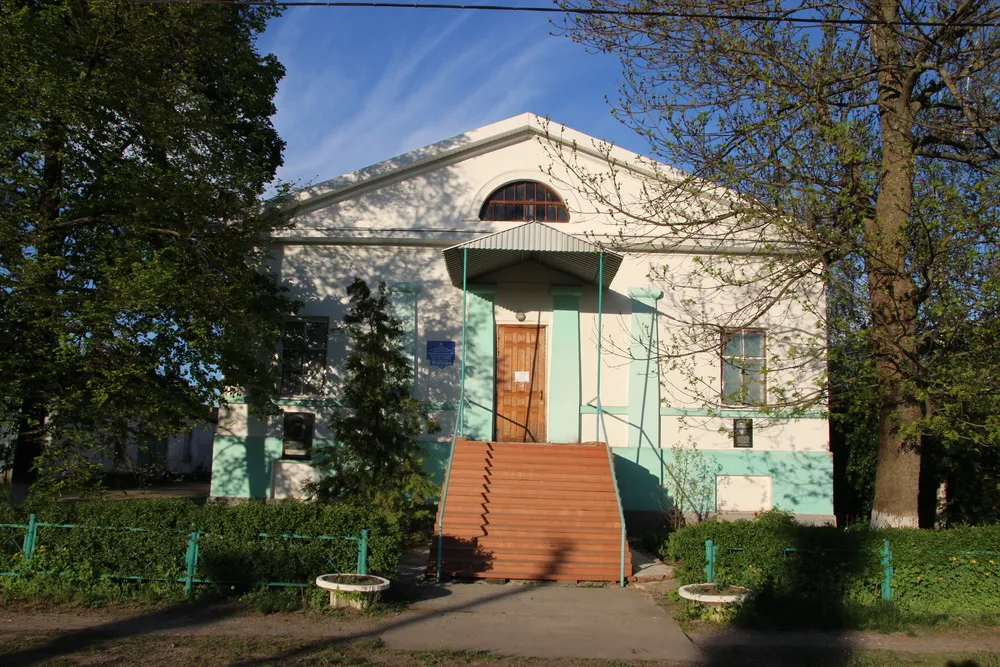
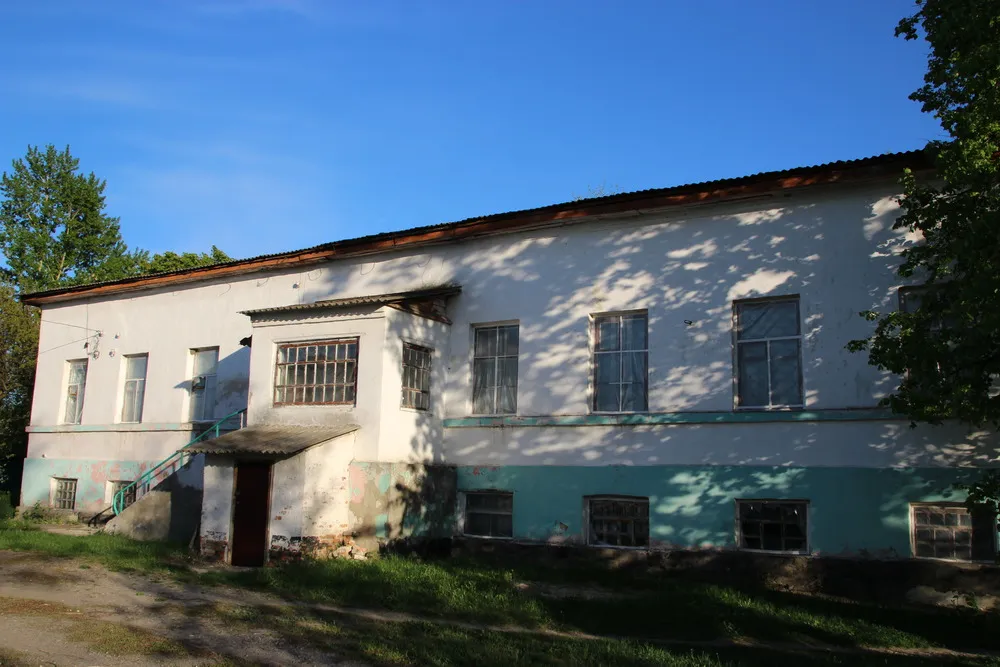
A unique monument has survived in Pechenihy. In 1869, in a building erected by lancers in 1854 and forming part of the military settlement complex, the Novobielgorod Central Convict Prison – the Novobielgorod Central – was established. The prison operated until 1902. About 30,000 prisoners passed through it, both outright criminals and political prisoners, many of whom died. The Ukrainian poet P. A. Hrabovskyi also passed through it.
Since 2002 it has housed the T. Sulyma Local History Museum. From the outside the building has long since ceased to resemble a prison, a museum like any other, but once inside, visitors can see some of the former prisoners’ cells, preserved to this day practically in their original form.
That is practically all in the way of architectural attractions. The Church of the Transfiguration is new, built at the turn of the 20th and 21st centuries. The old Church of Saints Peter and Paul and the Church of the Transfiguration, from the early 19th century, were destroyed.
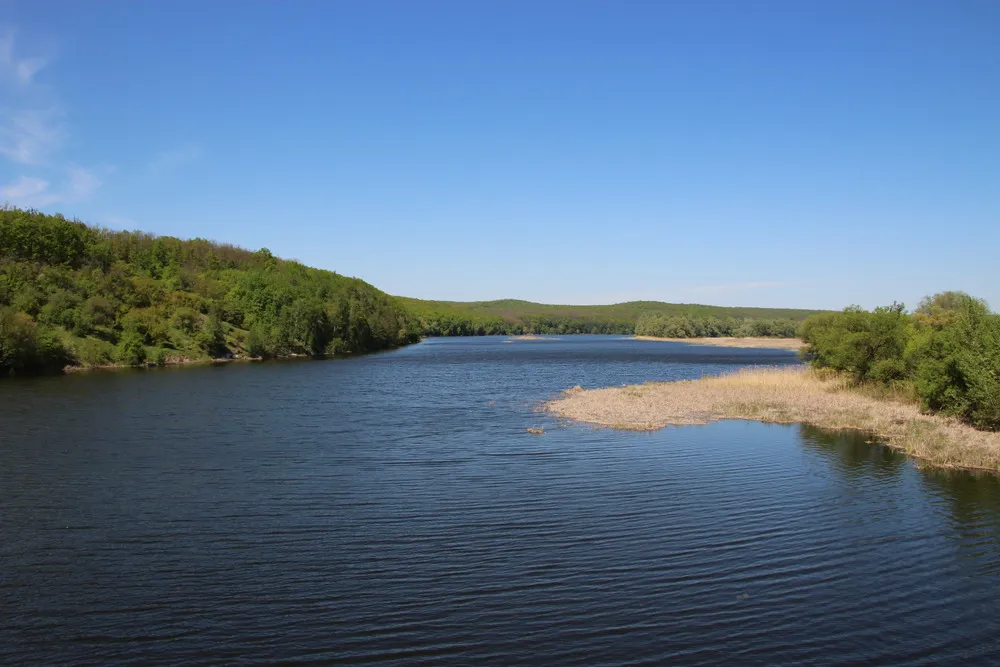
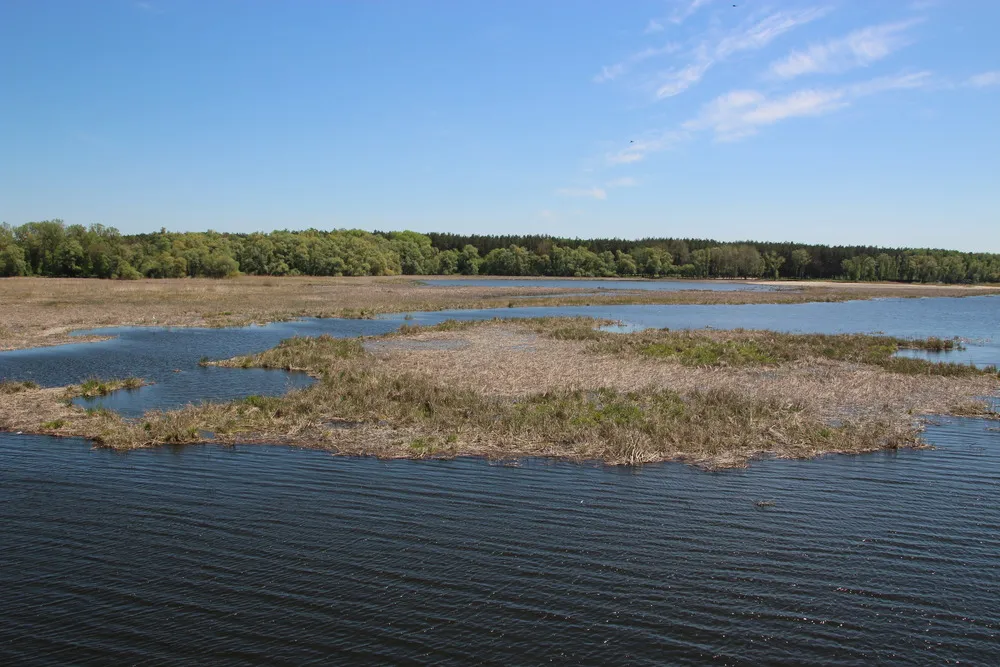
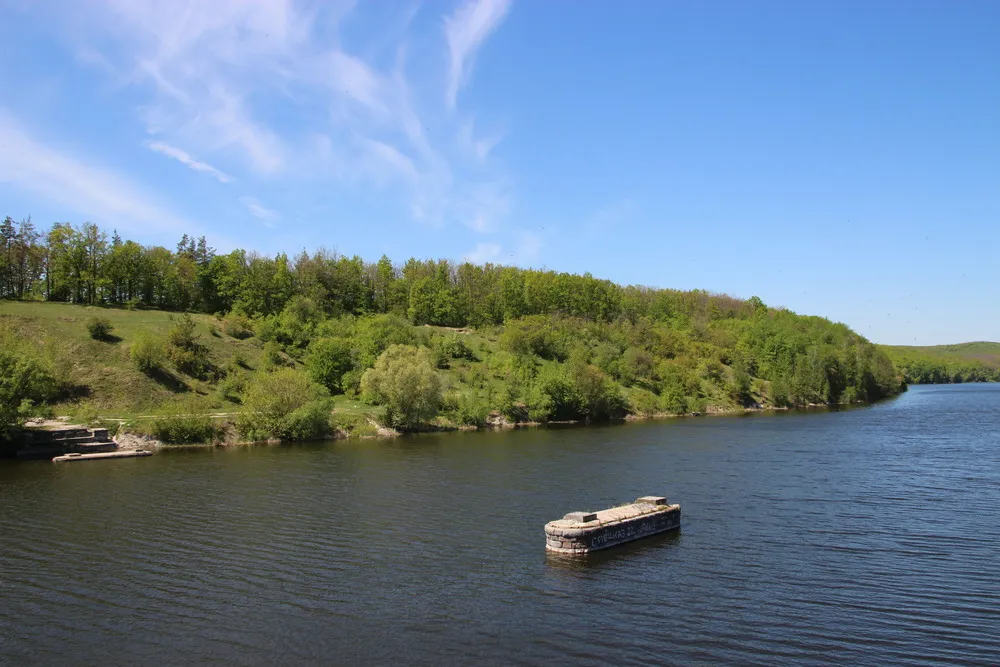
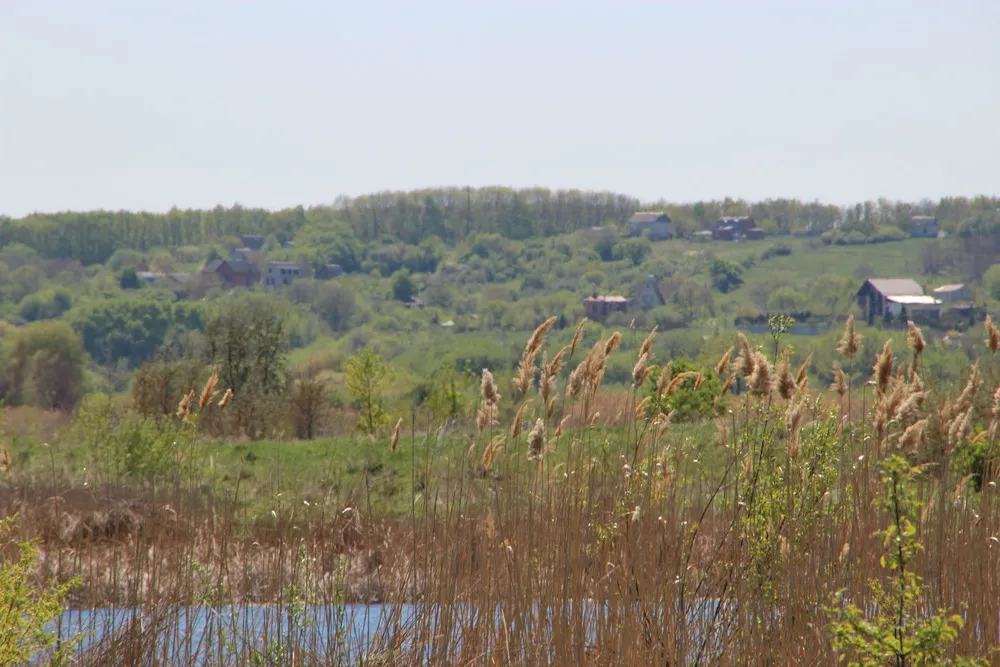
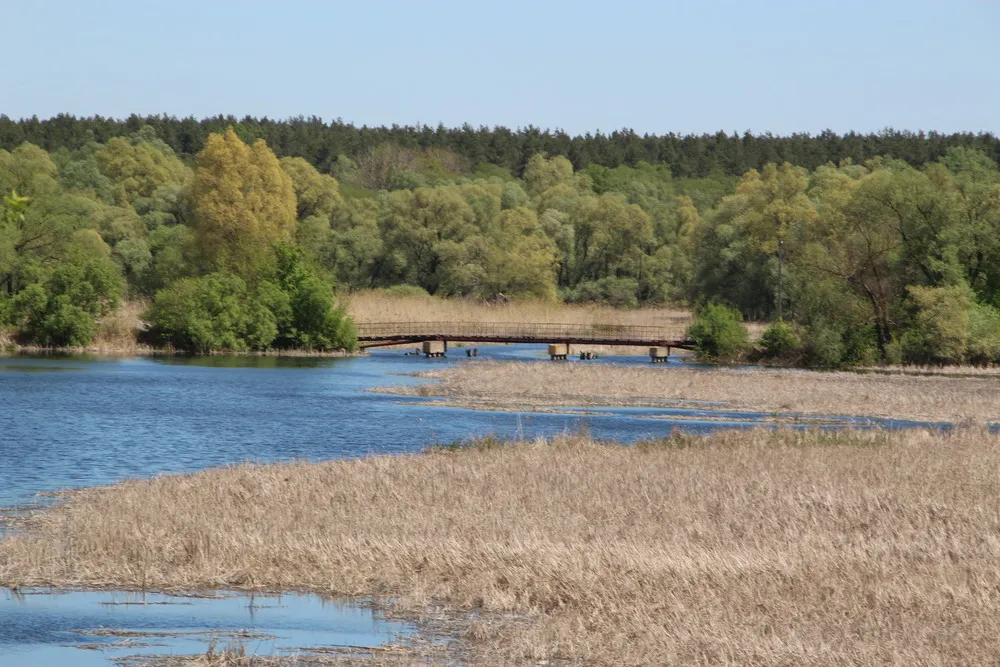
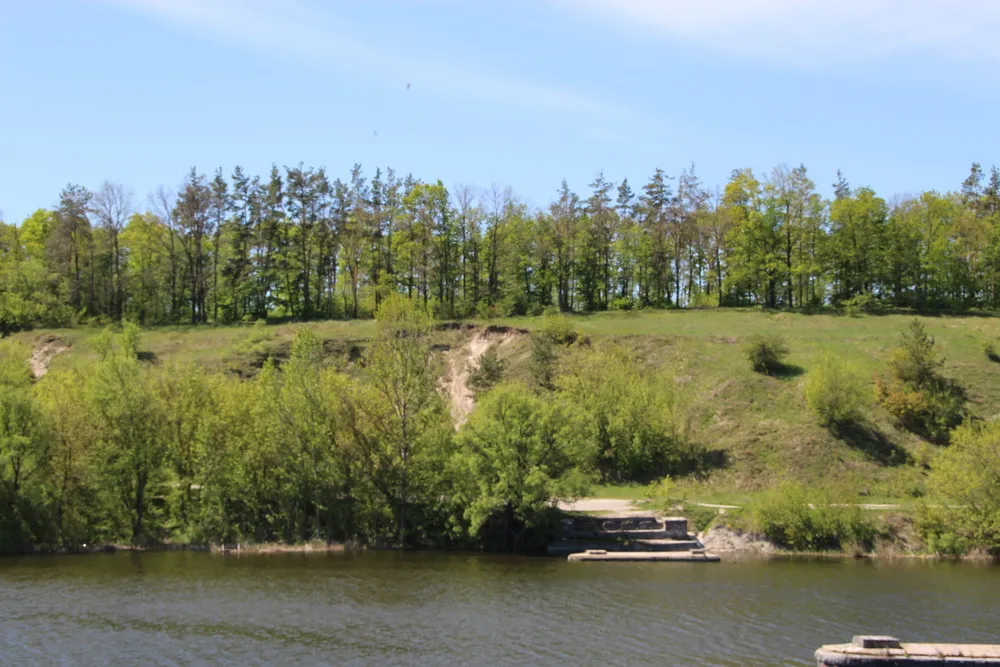
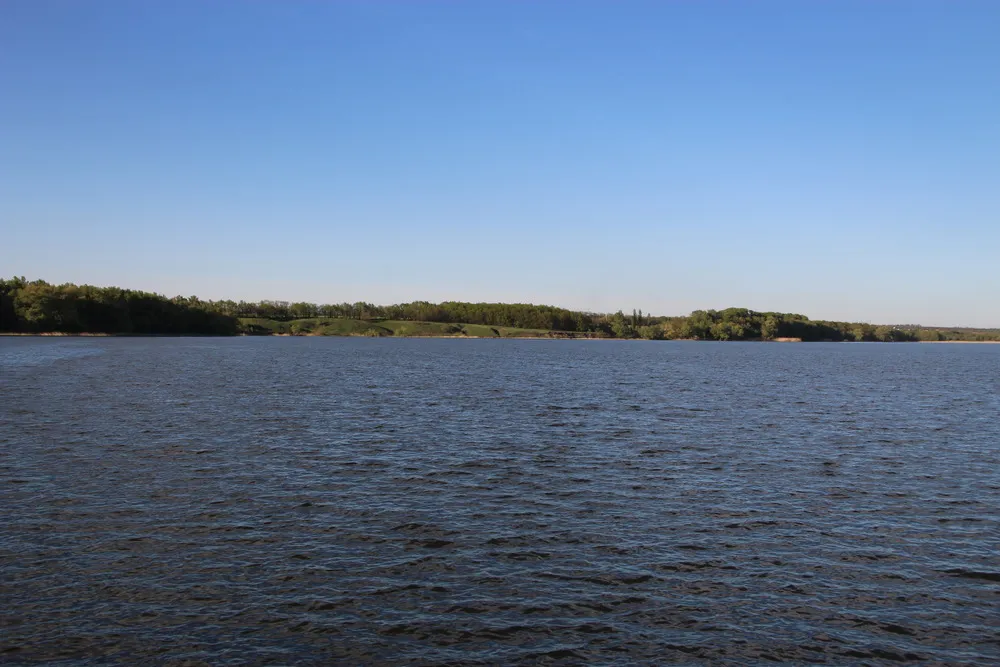
The residents of Pechenihy are also proud of their picturesque reservoir.
Pechenihy was the birthplace of Dmytro Kostiantynovych Bobyliov, an outstanding physicist and professor of mechanics, and of the world-famous painter Henryk Siemiradzki, who worked mainly on historical, antique and biblical themes – a professor of the St Petersburg Academy of Arts and honorary member of the Roman, Berlin, Paris and Turin academies. An interesting fact, incidentally: the monument to the outstanding fellow countryman erected in Pechenihy in 2002 is the first monument in the world registered with UNESCO.
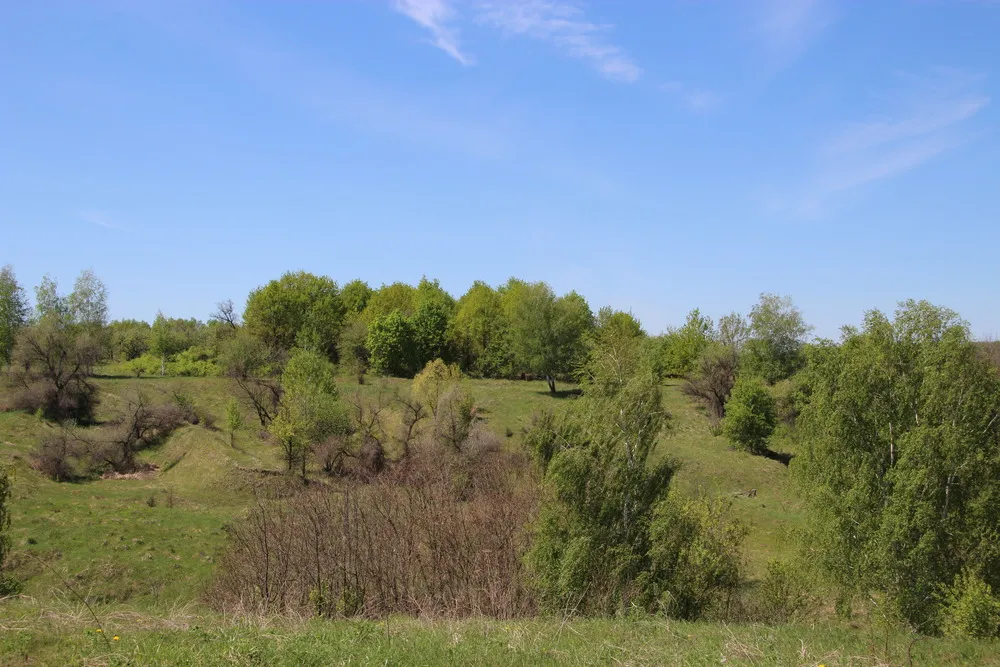
Next to Pechenihy, on an area of about 5,000 hectares, lies the regional landscape park “Pechenihy Field”, established in 1999. It includes a Centre for the breeding of rare and endangered bird species, such as the great bustard. In general, representatives of 6 animal species listed in the European Red List and 18 species from the Red Book of Ukraine live in the park.
Text by Ihor Dorozhok, photos by Maksym Nazarenko.