Koropove. Cossack Hill and the monastery

· 4 min read
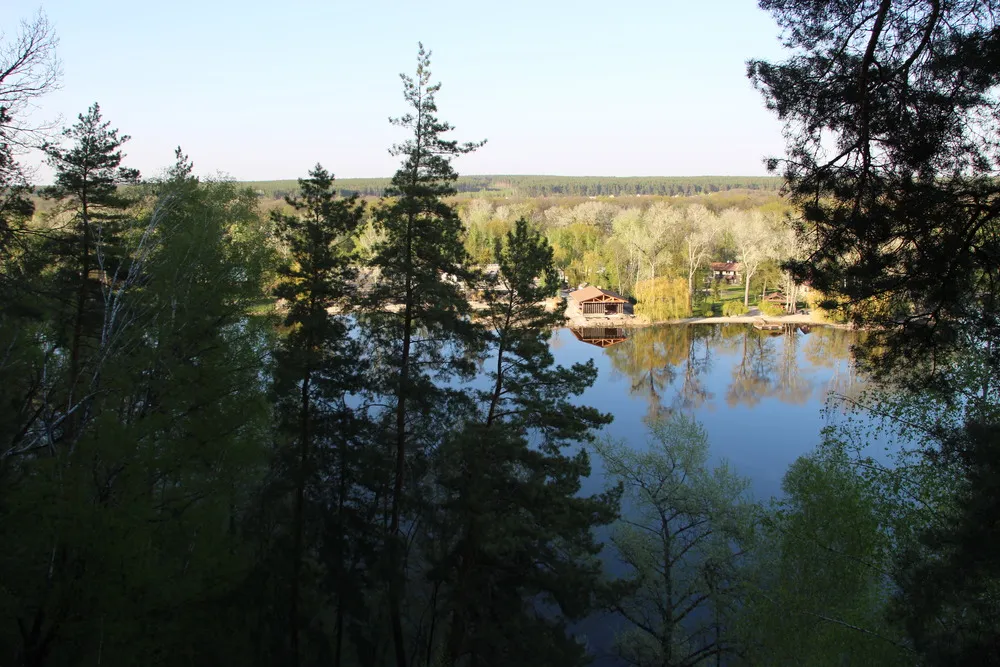
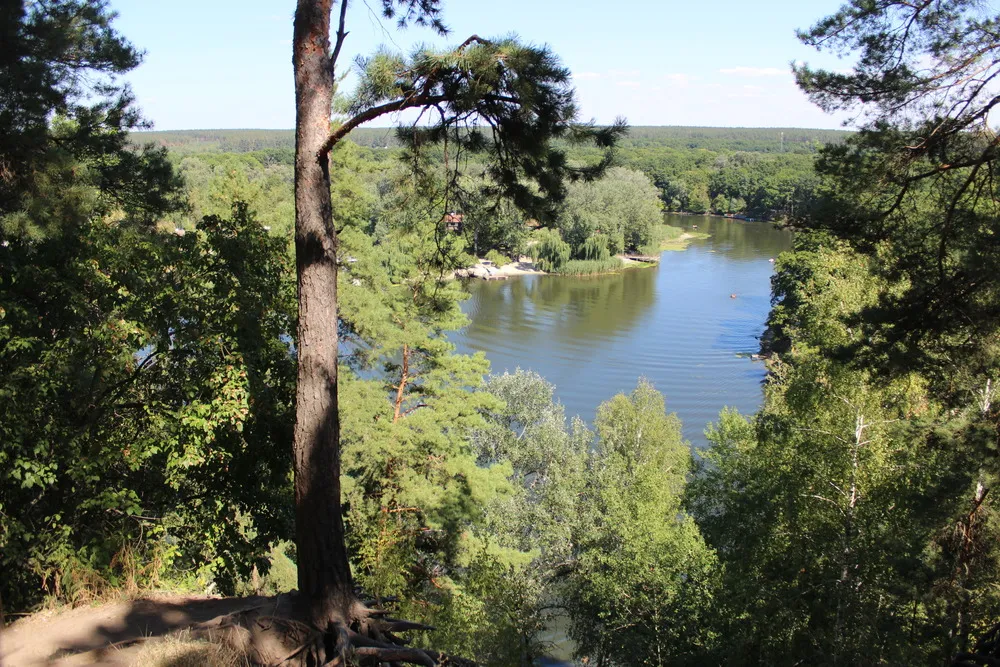
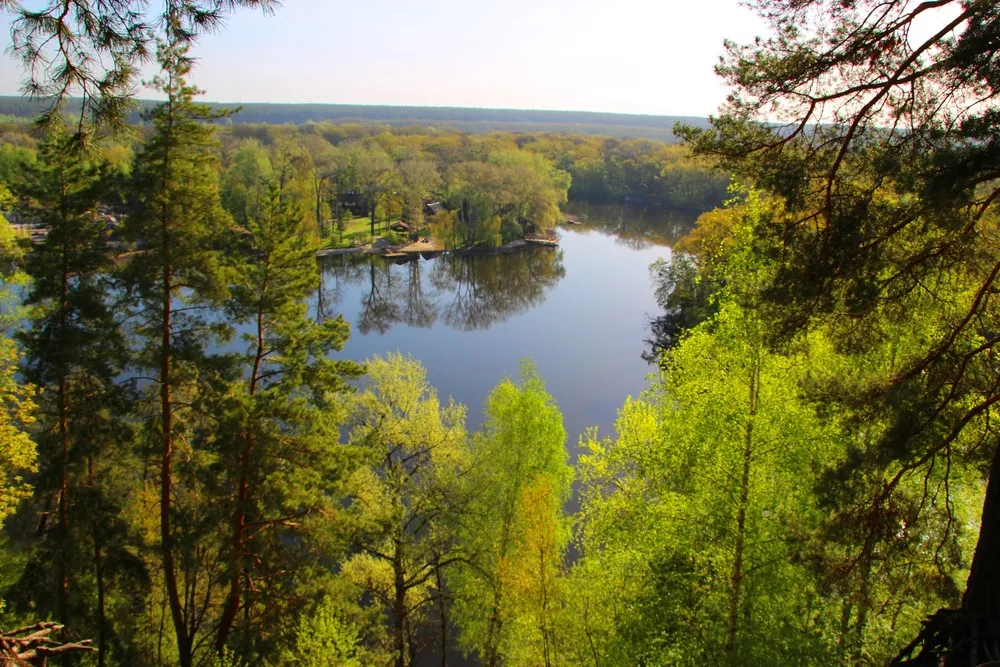
If you have the chance, be sure to visit the village of Koropove in the Zmiiv district of Kharkiv region and its surroundings, climb Cossack Hill and pay respects to the heroic Cossack forebears. Although the village itself is small, it was right here nearby that the Cossack Monastery of St. Nicholas stood, of which only ruins and remains of individual church walls survive today.
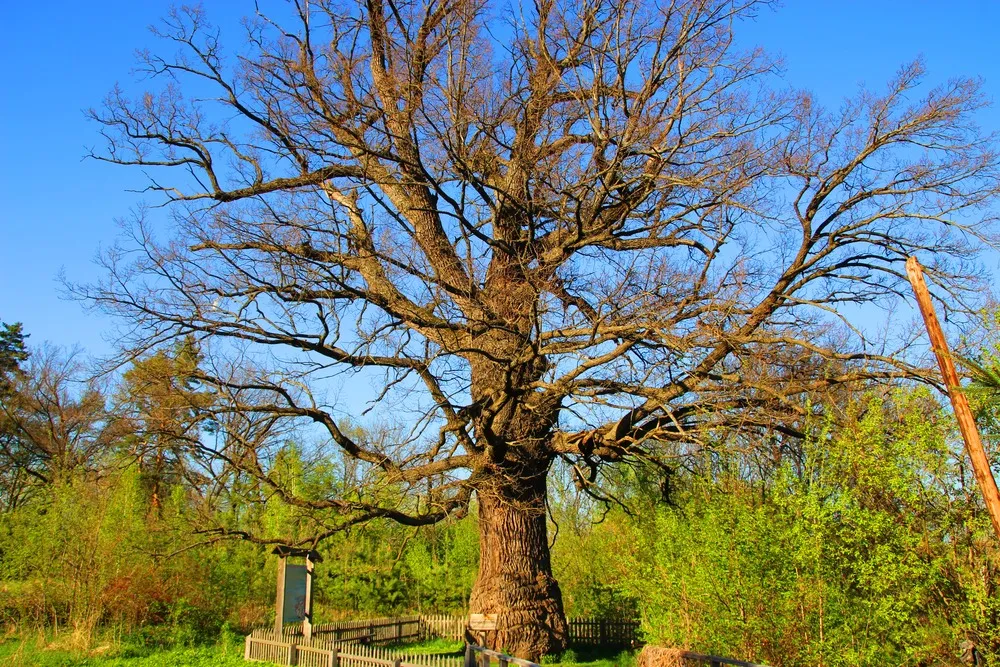
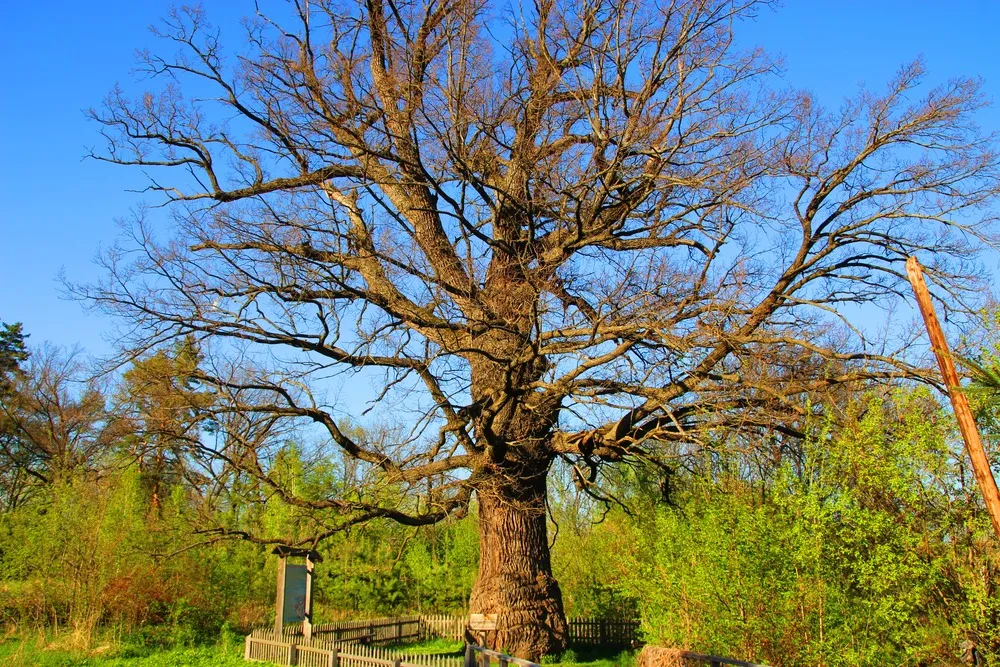
It was founded in 1648 (the date is not established precisely), above the Siverskyi Donets. There were two churches, St. Nicholas and the Transfiguration, so in different documents the monastery was called differently, after the name of the church. In 1668-1670 the monastery became a base for the rebels who supported Stepan Razin; in Sloboda Ukraine the leader’s associate Oleksii Khromyi was active, joined by several Cossack companies with their officers. However, the rebel detachments were defeated by the army of Hryhorii Romodanovskyi, and Oleksii Khromyi was killed. Those who were taken prisoner were subjected to torture and brutal reprisals; among those killed was the Zmiiv centurion Stepan Riabukha. Why did I mention this centurion? In Koropove there is a sturdy old oak named in honour of another Riabukha, Ponkrat. We will come to the oak later; let us return to the monastery.
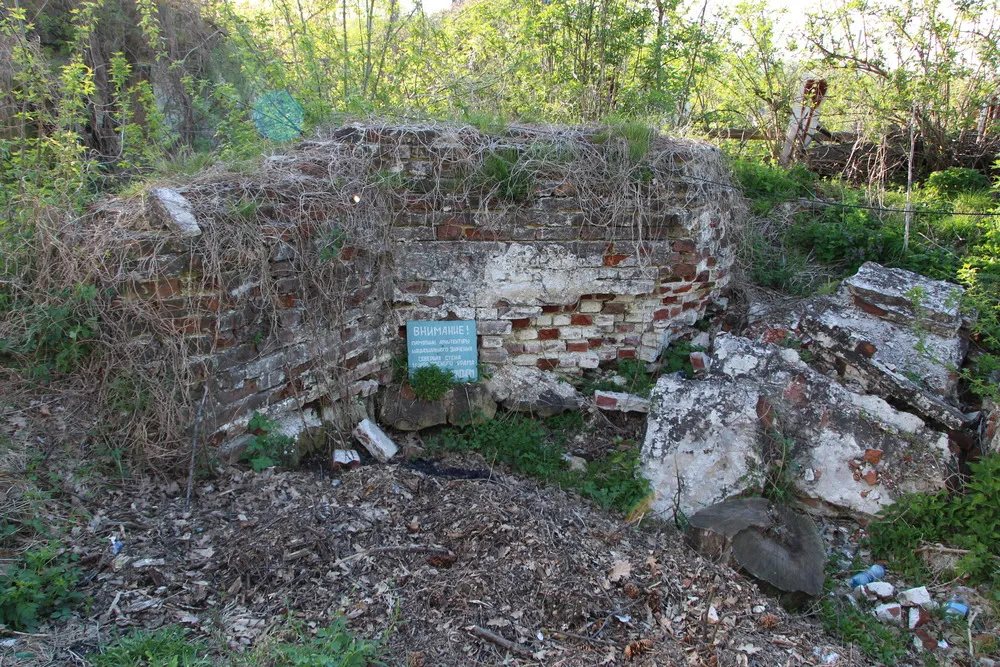
After these events the monastery was destroyed. But as early as 1676 the Zaporozhian Cossacks restored the monastery and even turned it into a fortress. In time the monastery was moved to a new place, to Korobiv Khutir (as Koropove was once called), to where we can now see the remains of the Transfiguration Church. The monastery was a refuge for Cossacks. It was here that Cossacks, worn out by numerous wounds, exhausted by illness and old age, found this refuge and rest and lived out their days.
After that there are no descriptions of the monastery until they appear in 1784. The documents state that the monastery was quite wealthy; repeatedly in the late 17th century it was granted various lands, and it acquired many lands at its own expense. The monastery owned the settlement of Homilsha, where about 200 males lived at the time. In 1703, by a tsar’s charter, the monastery was transferred, together with all its lands and holdings, to the Kyiv Pechersk Lavra.
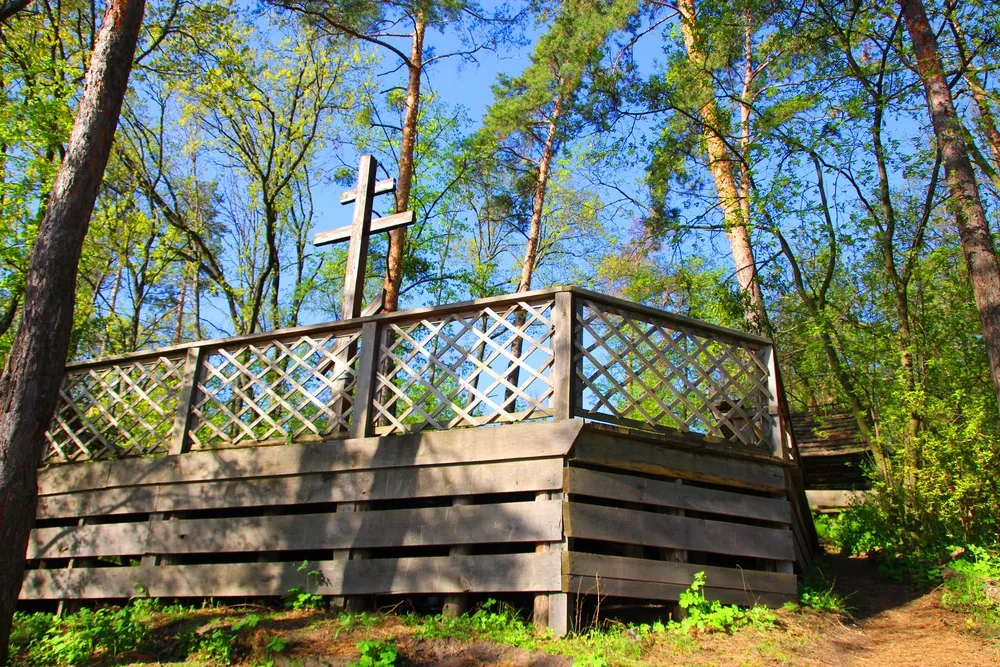
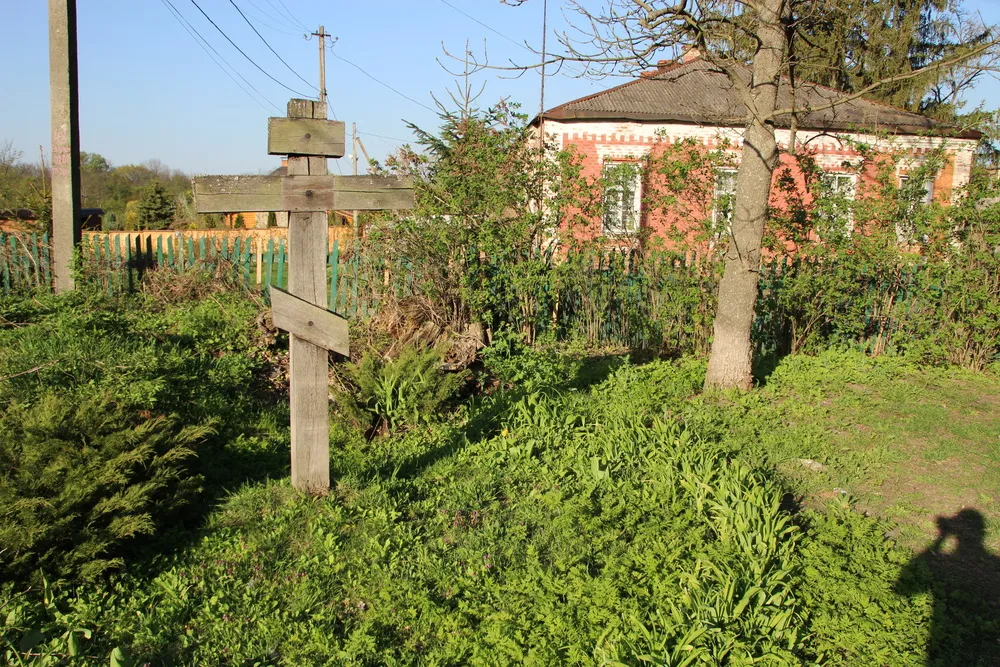
Then comes 1775, when by order of Catherine II the Zaporozhian Sich was destroyed. Some Cossacks again found shelter within the monastery walls. But thirteen years later, in 1788, it was closed and razed to the ground, again by order of Catherine II. There is a legend that the Cossacks who did not wish to submit to the will of the empress all, as one, threw themselves with a battle cry from the high 74-metre cliff into the waters of the Donets and perished. This cliff is now called, in their honour, Cossack Hill, and a memorial cross has been placed on it to commemorate this.
On the other hand, the same documents say that even before the destruction of the cloister it was already deserted, and in 1788 consisted only of the hegumen Faddei Rutskyi and four monks. Be that as it may, the monastery was indeed destroyed; the Transfiguration Church was dismantled and sold together with its iconostasis to Vodolaha, the iconostasis of St. Nicholas Church was sold to Vodiane, and other items were taken to Bilhorod.
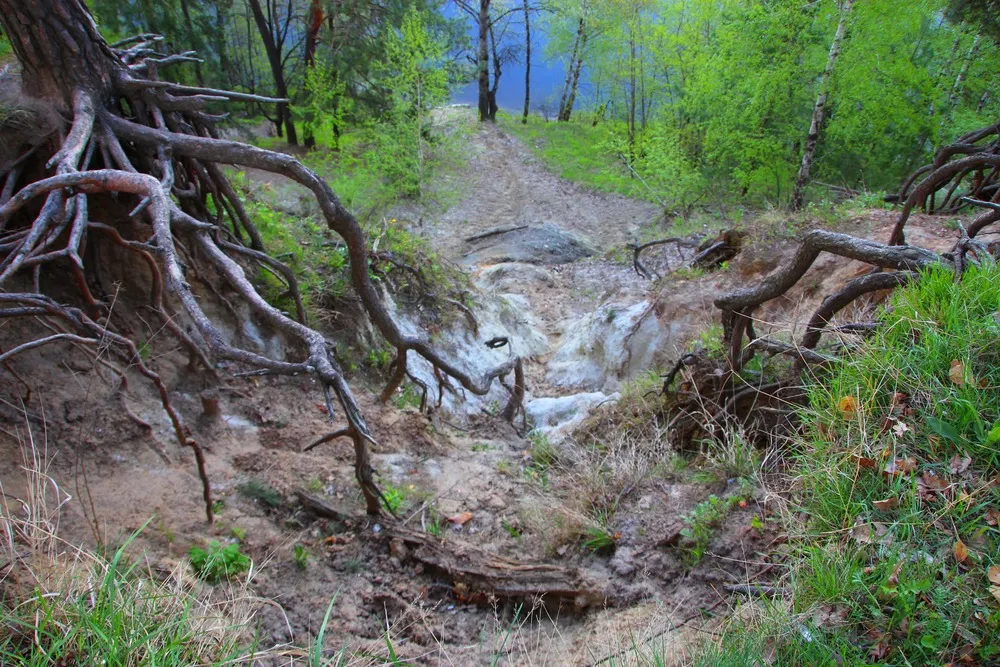
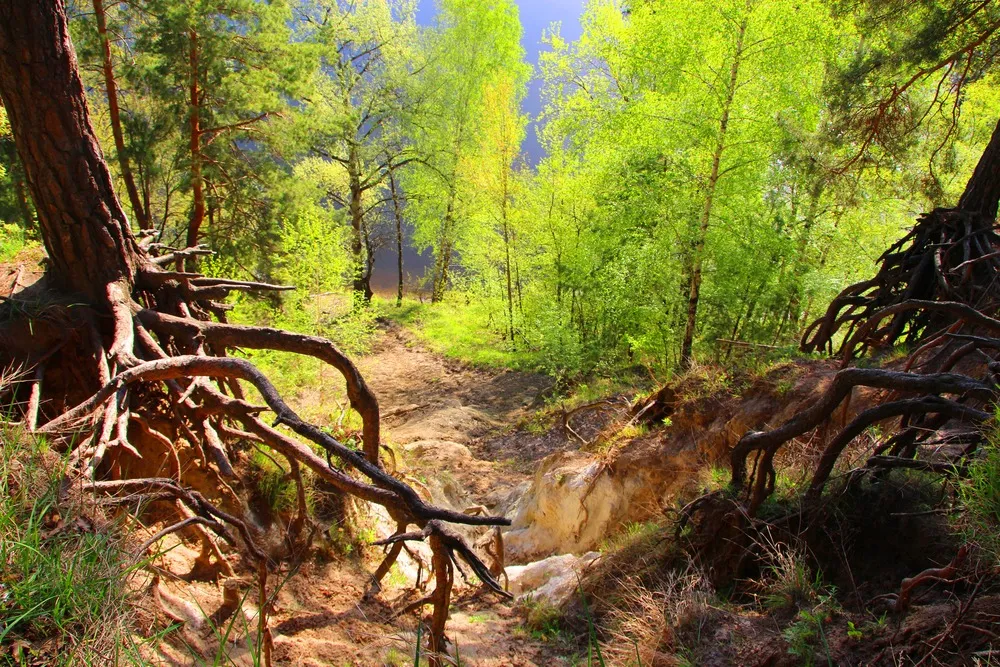
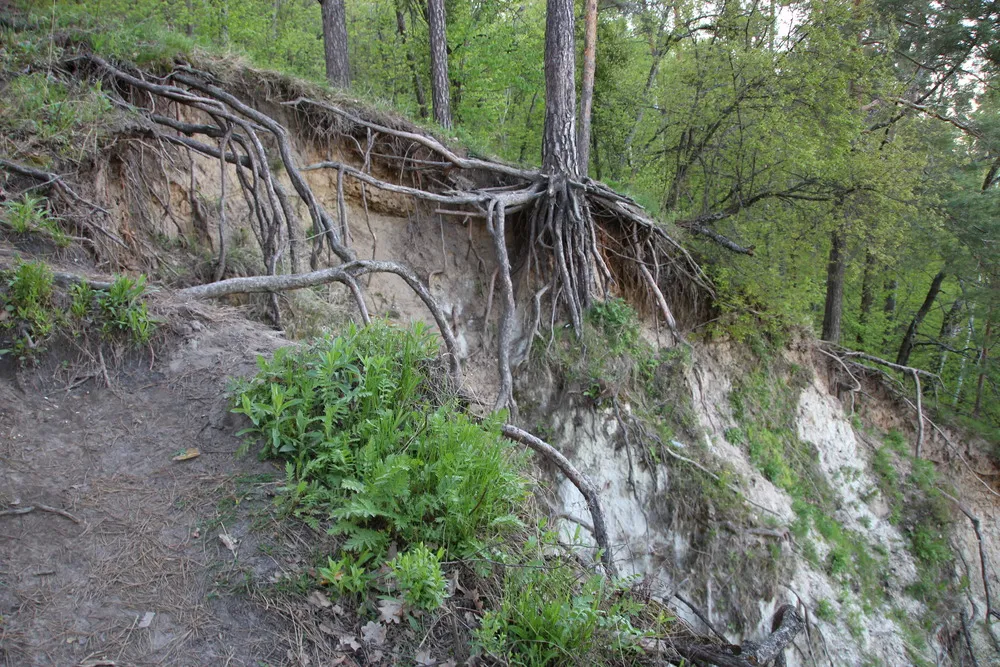
Many other legends are connected with the monastery and the hill. According to one of them, before dying the Cossacks hid their treasures: the gold was buried in the valley that is now called Golden, and the silver was thrown into a lake, and this lake became White. Whether this is true is unknown, but it is an indisputable fact that the lake has a significantly increased level of silver ions, as proved by a number of studies.
Another legend says that Potemkin himself, on Catherine’s orders, dressed up as an old man, got into the cloister and for a long time studied the layout of the monastery labyrinths himself, and then passed all the information to the empress. Well, so they say…
The hill has its own, older legend. According to it, the Serpent Horynych lived on Cossack Hill, and it was here that the battle between him and Mykyta Kozhumiaka took place. And the Serpent’s Ramparts are nothing other than ploughed earth, after Kozhumiaka harnessed the Serpent to a plough.
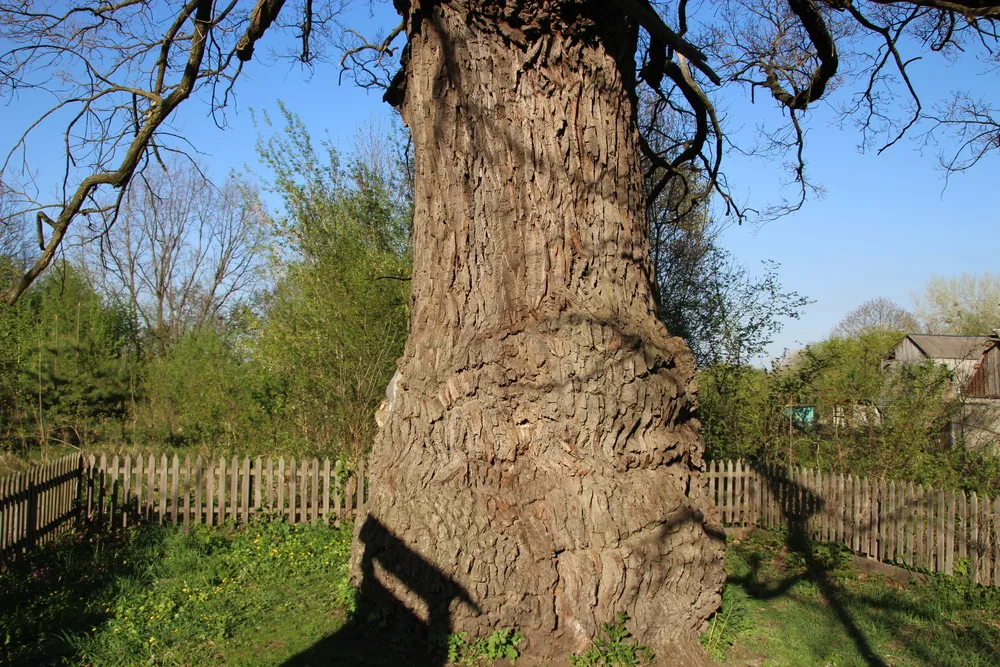
And now, as promised, about the oak. Also a legend, a nice and beautiful one, but fantasy. A young Cossack, Ponkrat Riabukha, fell in love with a girl from Korobiv Khutir, and they had already decided to marry, but then enemies attacked. The Cossack went to defend his land, and told his beloved to wait for him. But the girl could not hold out and married another. When the Cossack returned, he did not reproach her, but only asked God to turn him into an oak by the girl’s house. And so it happened. Since then the Cossack-oak has rustled its branches and told passers-by about his fate. The oak is indeed very old, one of the oldest in Ukraine, with a girth of 7 metres and a height of 24 metres.
Much has changed since those ancient times. Now the surroundings of Koropove are a well-known recreational area, with a host of sanatoriums, hotels and holiday centres.
Text by Ihor Dorozhko, photos by Maksym Nazarenko.