Hryhorivka

· 2 min read
In the middle of the 19th century three Hryhoriis – Hrabovetskyi, Bohachevskyi and Prochytanskyi – settled on the bank of the steppe river Tamara. Other settlers joined them later, but mass settlement began only in 1868. The Catholic migrants from Kyiv Governorate populated the northern part of the village, which for a long time was called “Kyivshchyna”, while the Orthodox migrants from Kamianets-Podilskyi Governorate settled the southern part, which was named “Kamianechchyna”. This division of the village was felt until the Second World War. Today more than 1,800 people live here.
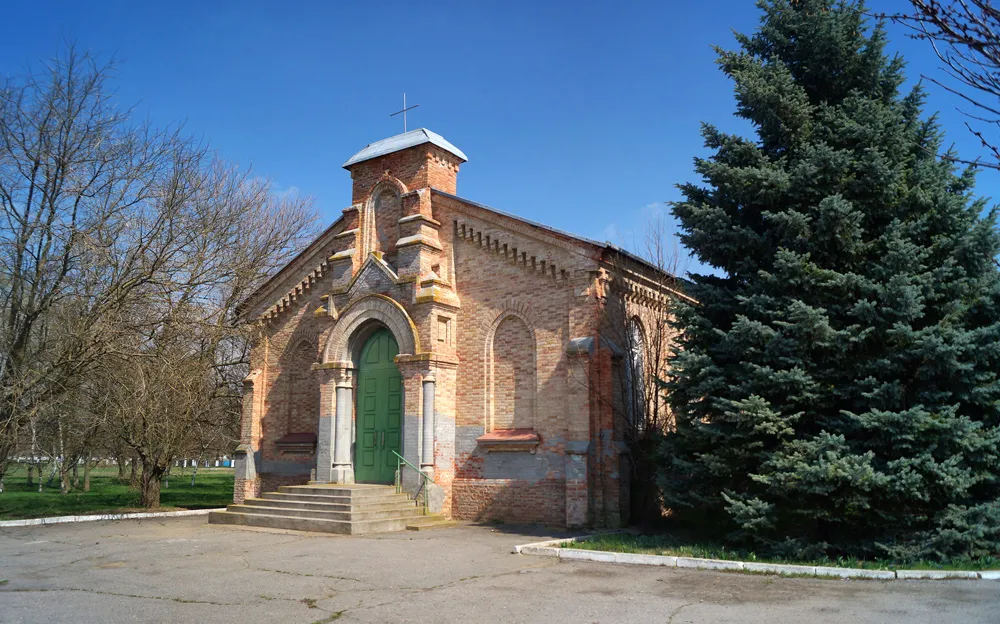
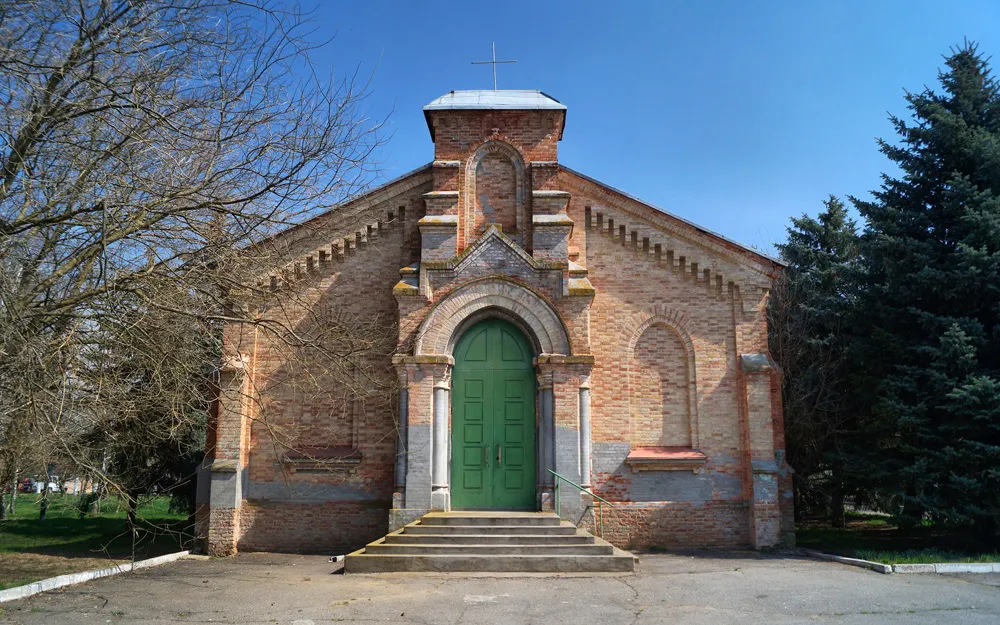
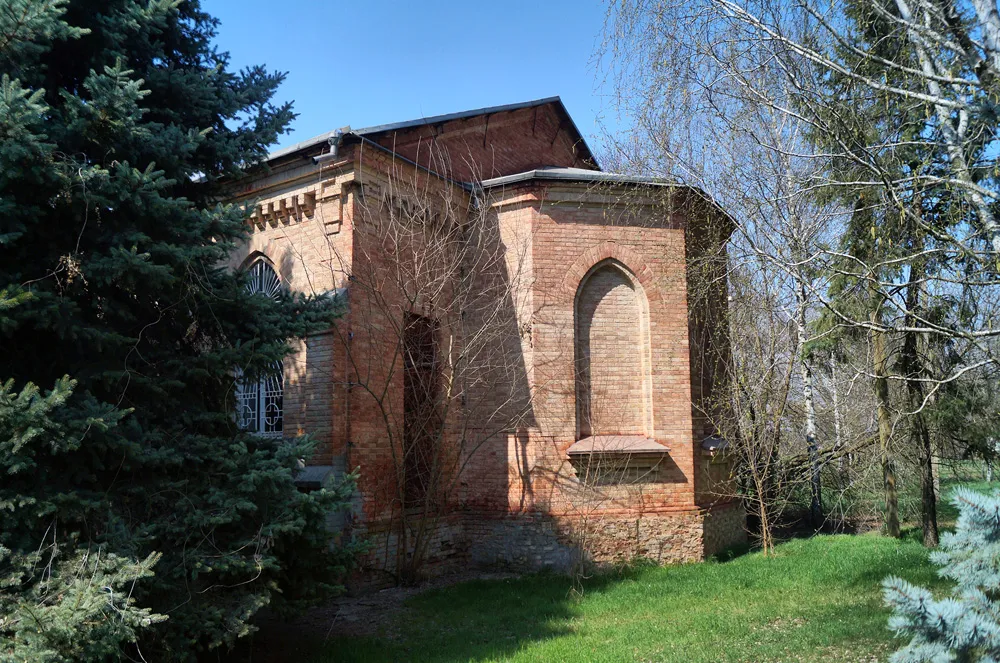
The local Roman Catholics belonged to the parish of St. Ambrose, bishop, in the town of Perekop, which was completely destroyed by the Bolshevik army in 1920. The filial brick church in Hryhorivka was built in 1890 under the direction of Vasyl Rudnytskyi. In 1900 the church was consecrated by Bishop Józef Kessler. According to conflicting data, the church may have had the title of St. Gregory or St. Nicholas. It is likely that some construction work was carried out in the church in 1907. During the First World War the faithful in Hryhorivka were cared for by the rector of the Perekop parish, Fr. Adam Hibulskyi.
With the arrival of Soviet power the church was to be dismantled in order to build a school in the district centre from the materials obtained. But the masonry, to which many eggs had been added during construction, proved so strong that this plan failed. The shrine was used first as a warehouse, then as a club, and after 1969 as the village museum. At the end of the 1990s the local faithful repaired the church. At first they were served by diocesan priests from the parish of St. Anthony of Padua in Oleshky, and later from the parish of the Immaculate Heart of the Blessed Virgin Mary in Tavriisk.
Text from the website “Churches and chapels of Ukraine”
Photos by Roman Malenkov