Novooleksandrivka. The Falz-Fein Palace

· 2 min read
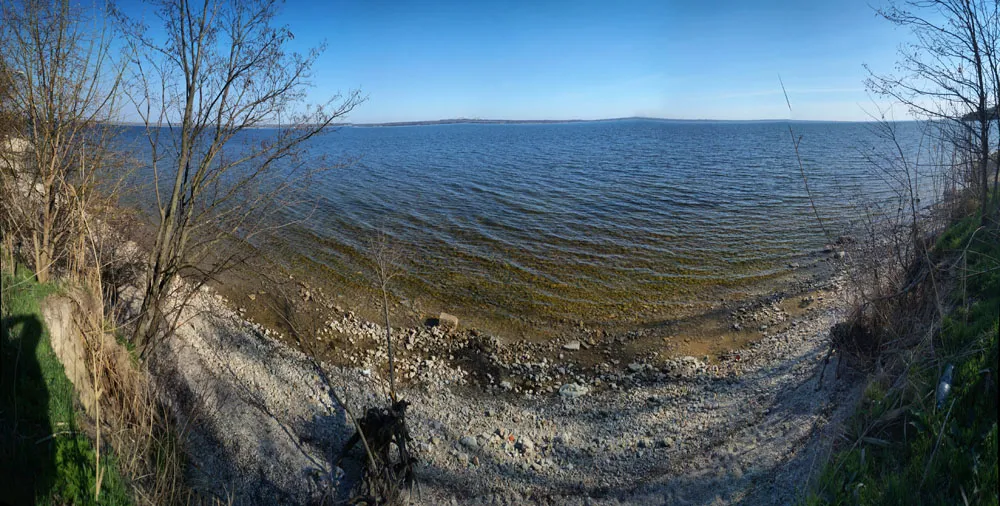
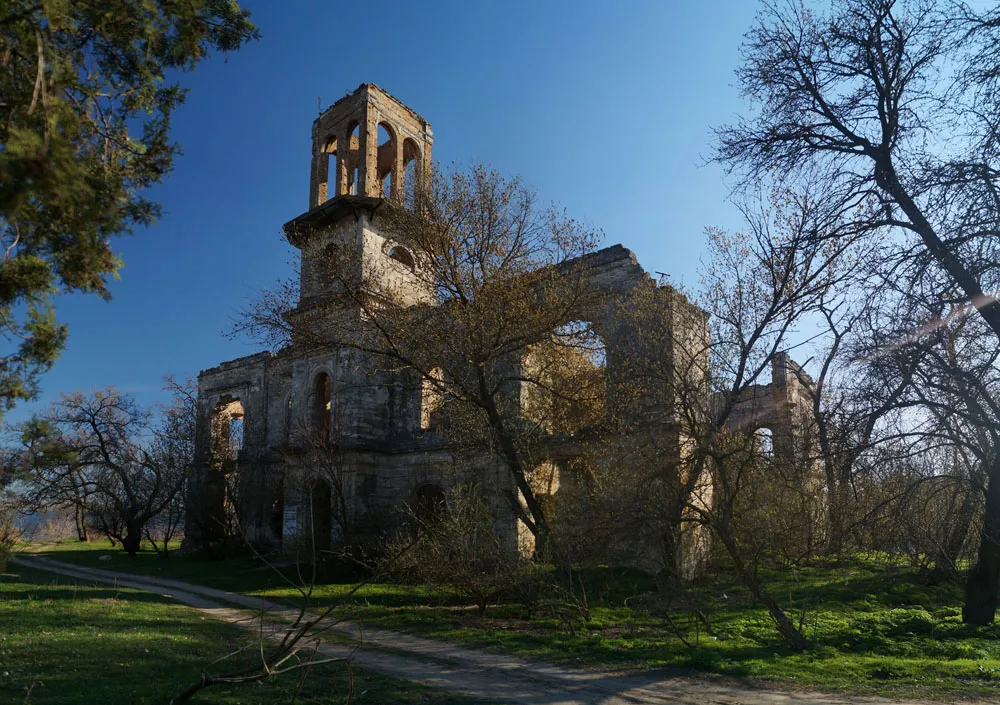
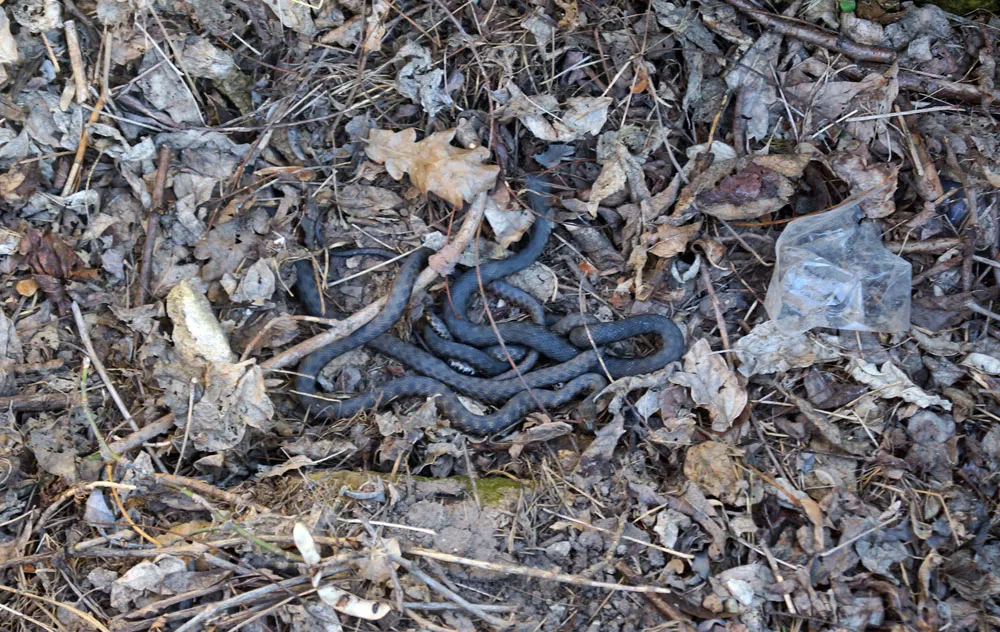
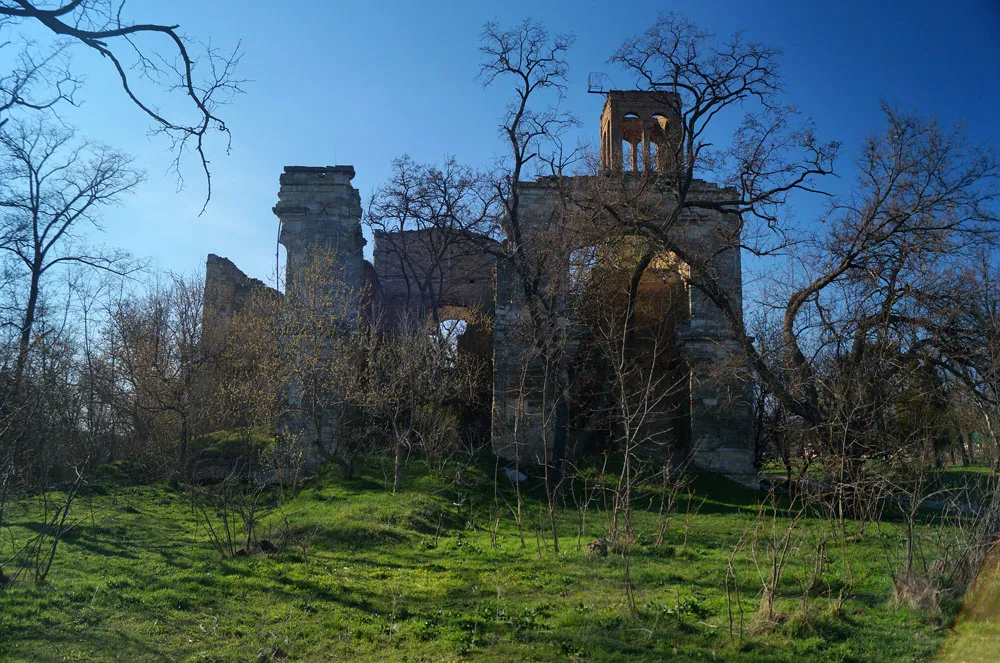
We reached Novooleksandrivka in April 2019 along a terrible road from Kherson. It was almost a rally, which we endured for the sake of the Falz-Fein Palace. We did not regret it at all, because the ruins of the palace amazed us – in a pine forest, on the shore of the Kakhovka Reservoir, which flooded the manor’s arboretum, and with a heap of snakes – there were so many of them here… It reminded me of scenes from the film “Curse of the Snake Valley” – jungle, ruins, snakes. They were water snakes that had spent the winter coiled up in the palace cellars and, with the warmth of April spring, began to wake up and crawl out.
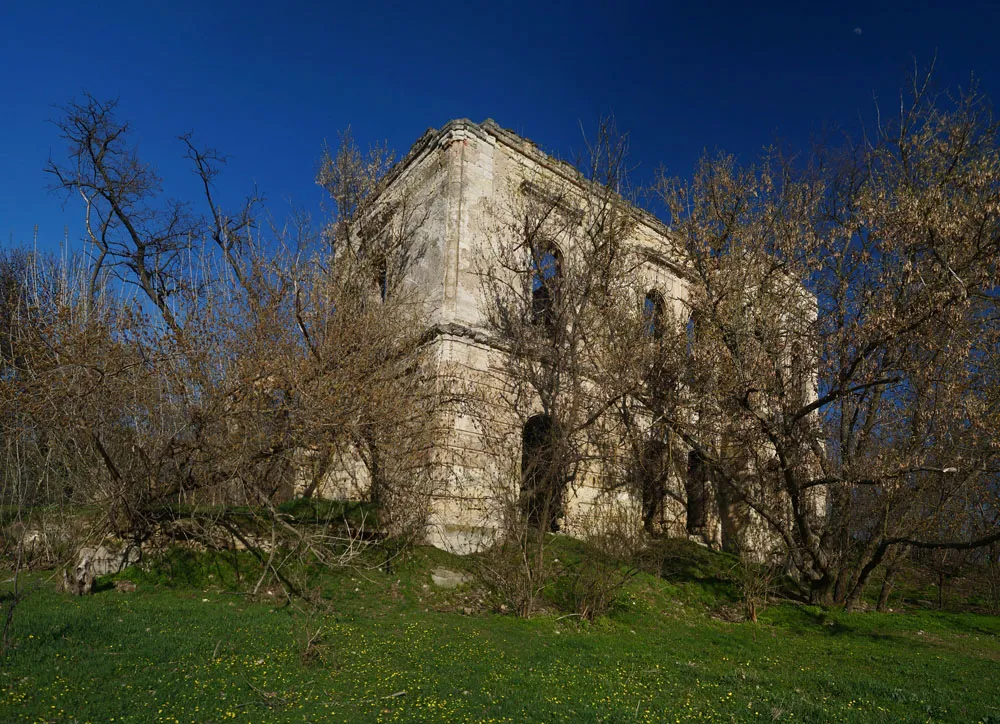
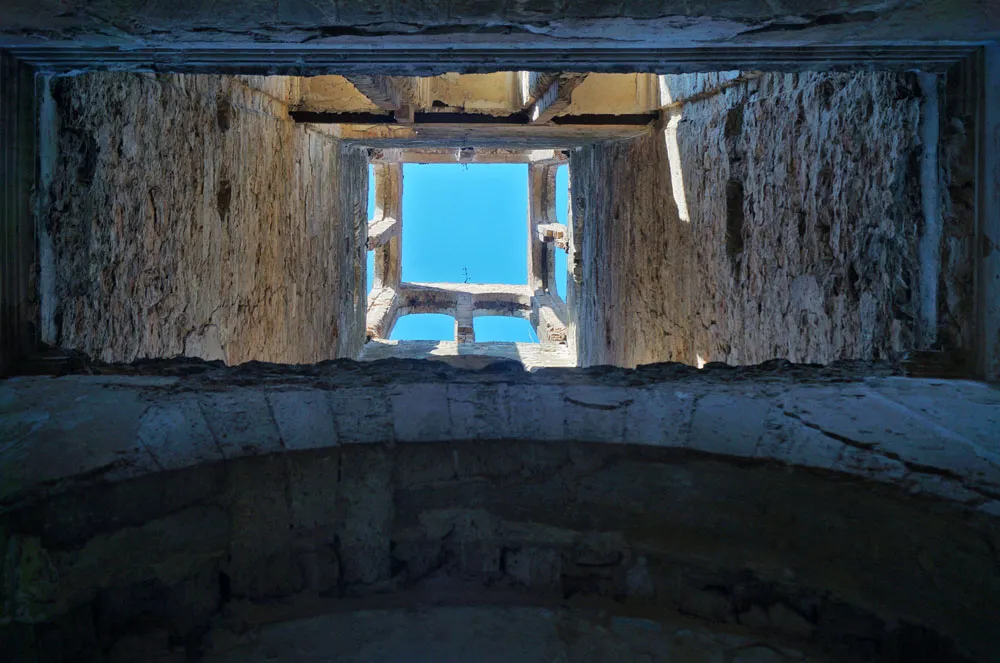
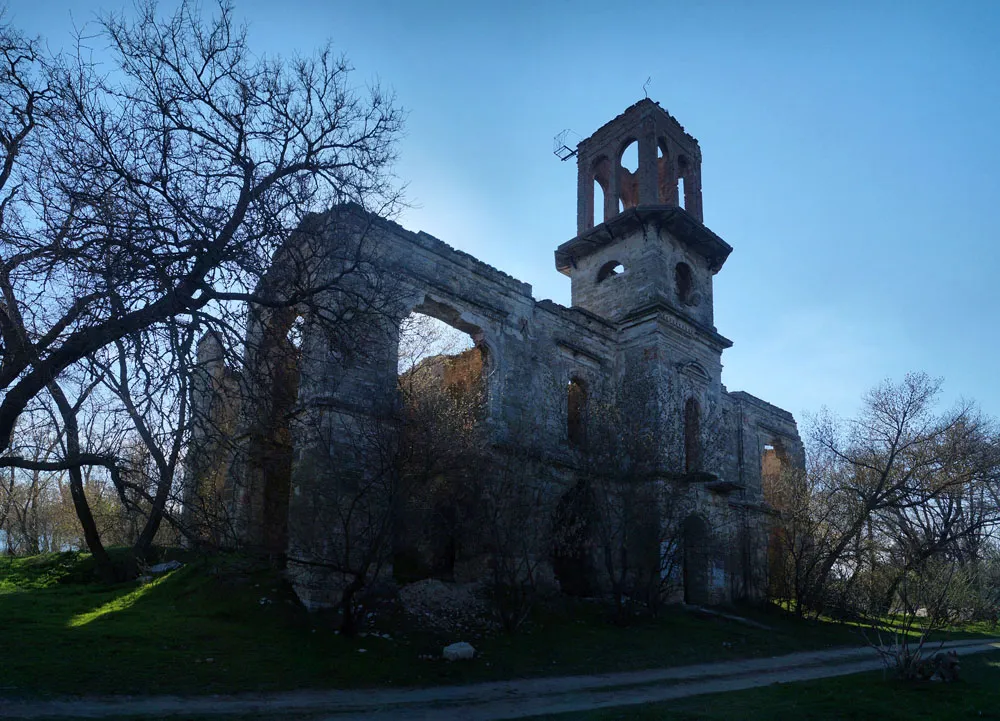
The palace itself – or rather what time and the locals have left of it – is a large rectangular two-storey Neo-Renaissance building with a tower. It was built at the turn of the centuries (19th and 20th) by Oleksandr Falz-Fein, a representative of the well-known family of agrarian magnates of the Kherson region.
The Falz-Feins came to the Russian Empire in the last quarter of the 18th century, after Catherine II invited colonists to the freshly conquered lands of the south. At first they were two separate German families – the Falzes and the Feins. Later they were united by marriage, and Emperor Alexander II, for supplying food to the troops during the Crimean War, confirmed the double surname – Falz-Fein.
At the beginning of the 20th century the Falz-Feins were the richest landowners of southern Ukraine. Their family clan had twenty fine estates and the port of Khorly, which never froze. Their largest and most famous estate was Askania-Nova, about which we have already written. It was founded and developed by Friedrich Falz-Fein. His brother Oleksandr built an estate in the village of Havrylivka – that was what Novooleksandrivka was then called – after its first owner, the poet Gavrila Derzhavin. It is often written that the palace was built by Oleksandr’s son, Oleksandr the Younger. But he was born in 1893 and at the beginning of the 20th century was still a child. Who knows.
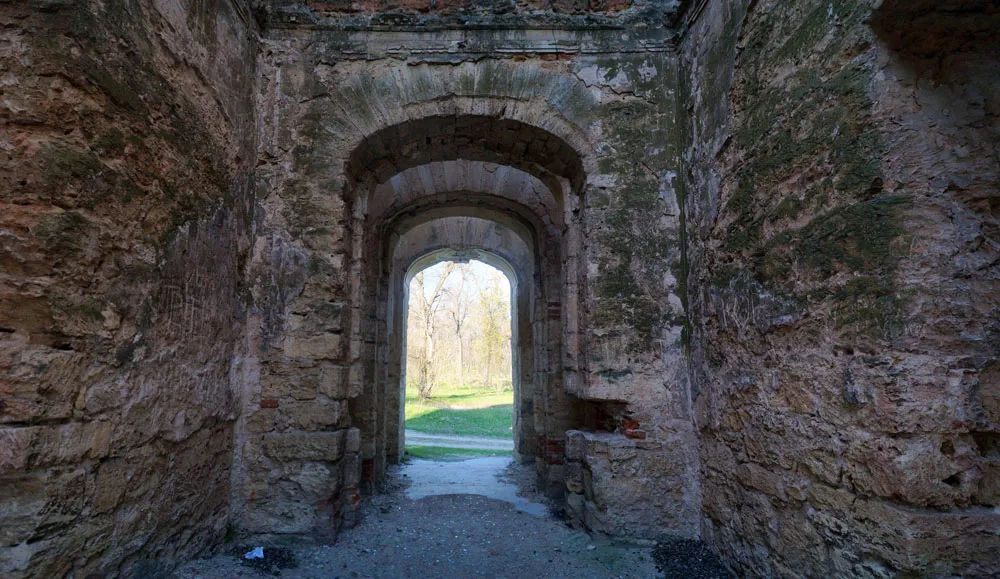
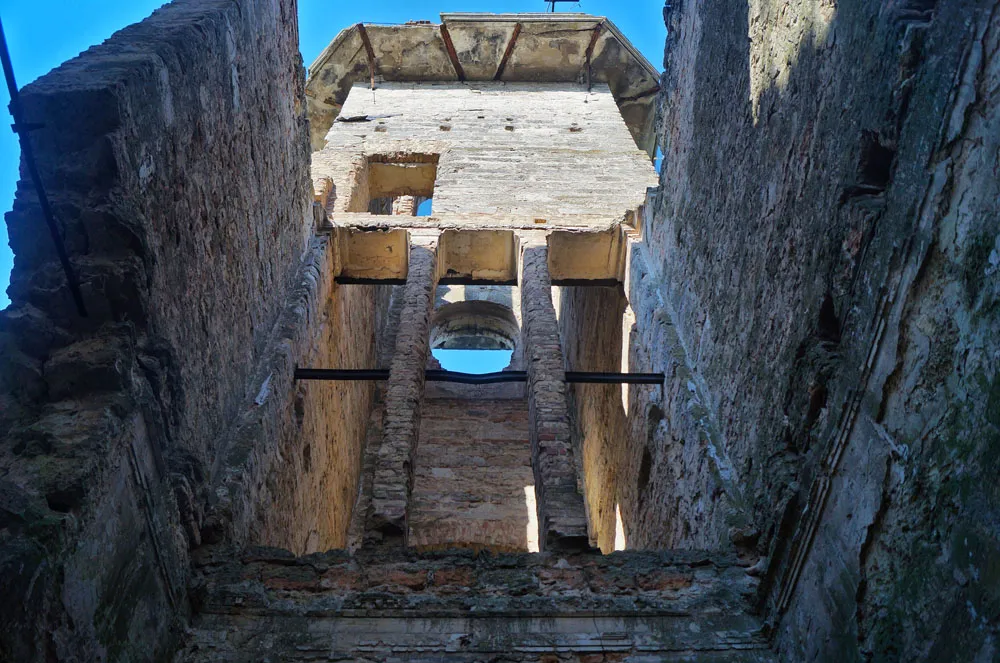
The estate was very large – together with the arboretum it occupied about 300 hectares. There were ponds with rare fish – they were destroyed by the Bolsheviks, who blew up the dam; the arboretum was flooded by the waters of the reservoir, and the palace was almost destroyed, leaving only the walls. They say that a descendant of Oleksandr Falz-Fein, Eduard Oleksandrovych, who was born in this palace in 1912 (died in 2018) and lived in Liechtenstein, visited here and saw the ruins, but who knows what he thought about this barbarity.
Such palaces could become a true adornment of southern Ukraine and greatly increase its tourist appeal. But they stand in ruins.
Text and photos by Roman Malenkov.
We have already written about the Falz-Fein Palace here.