

Korzhivtsi

· 2 min read
We stopped in Korzhivtsi at random, knowing nothing about the village or whether it had any monuments. On the outskirts we saw distinctive, interesting buildings resembling monks’ cells, and immediately thought – a monastery. And so it is – the men’s Monastery of the Nativity of the Mother of God. With an ancient history, too.
The Korzhivtsi Monastery was founded as long ago as 1742 by Jan (Jean) Baptiste Dessier (or Dessiers). Yes, apparently a Frenchman. But he was nonetheless a Pole, though indeed of French origin. A Polish lieutenant colonel and military engineer, he began serving as an engineer at the court of Adam Mikołaj Sieniawski in Berezhany as early as 1689. In 1699 he became commandant of the Medzhybizh castle, and later, in 1702–1704, governor of the Medzhybizh volost. He also remained a building supervisor and architect, and his construction works include Catholic churches (kostels).
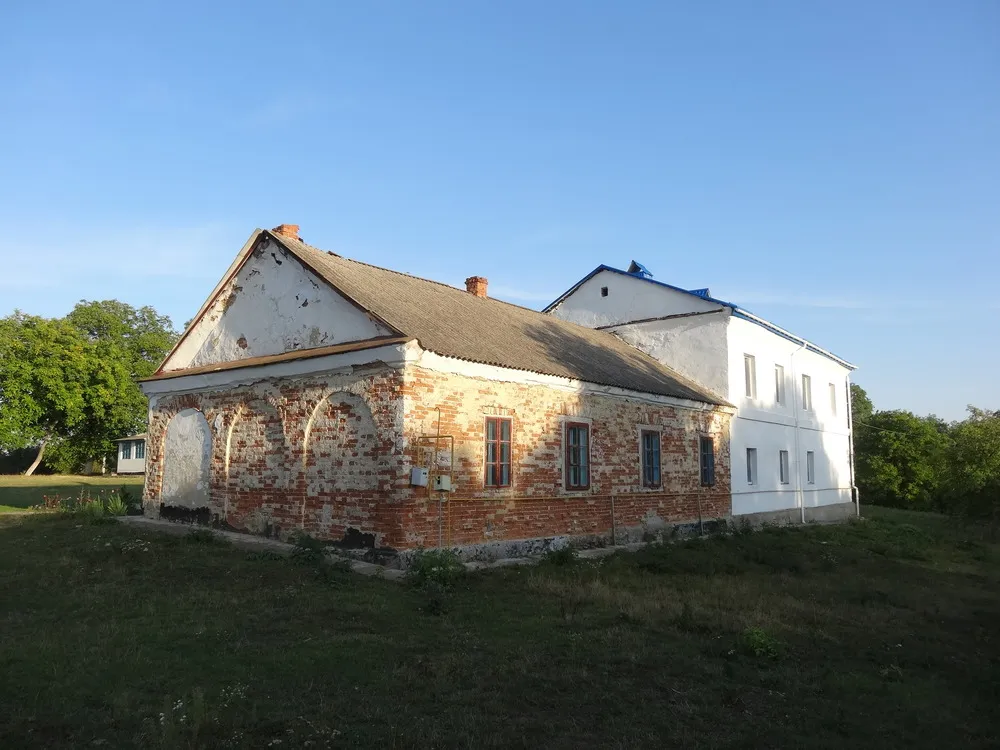
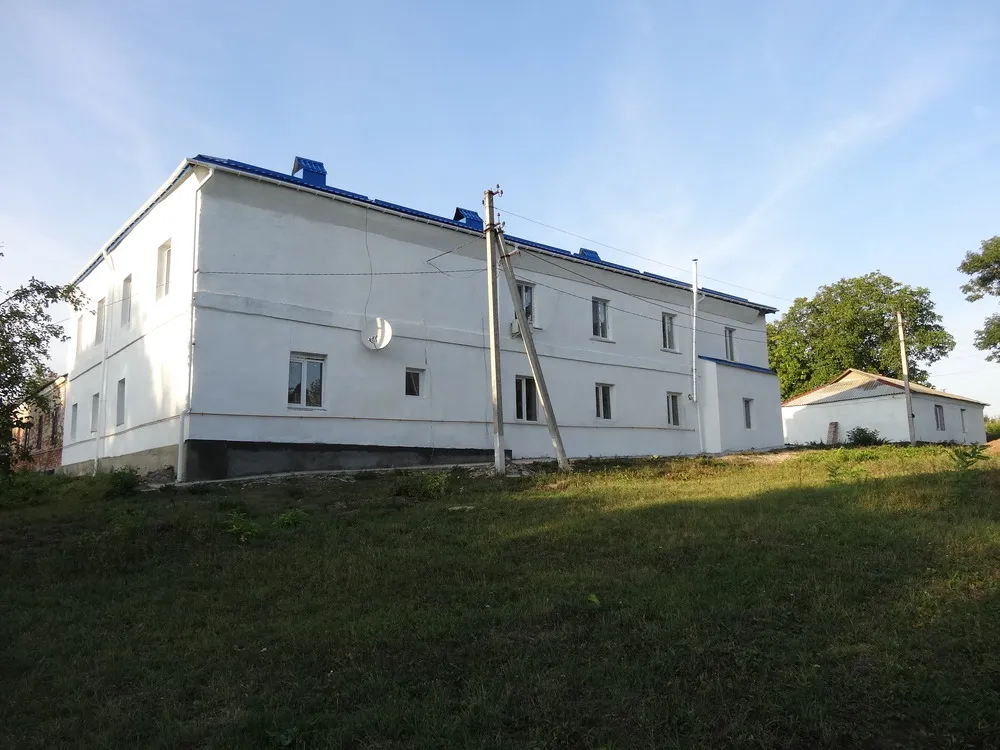
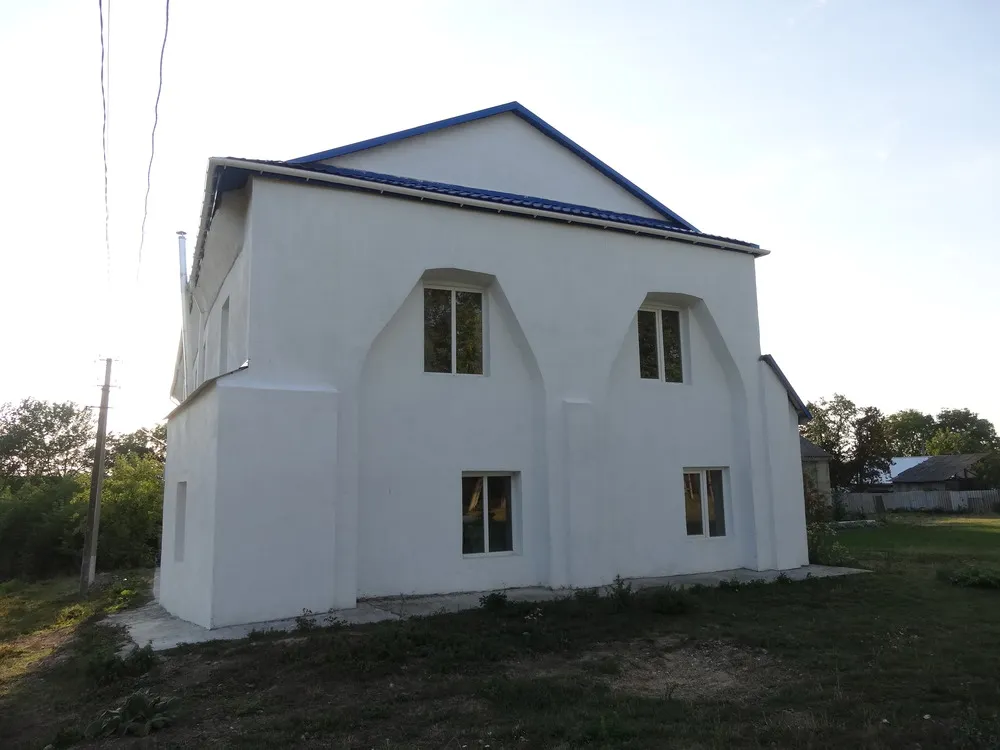
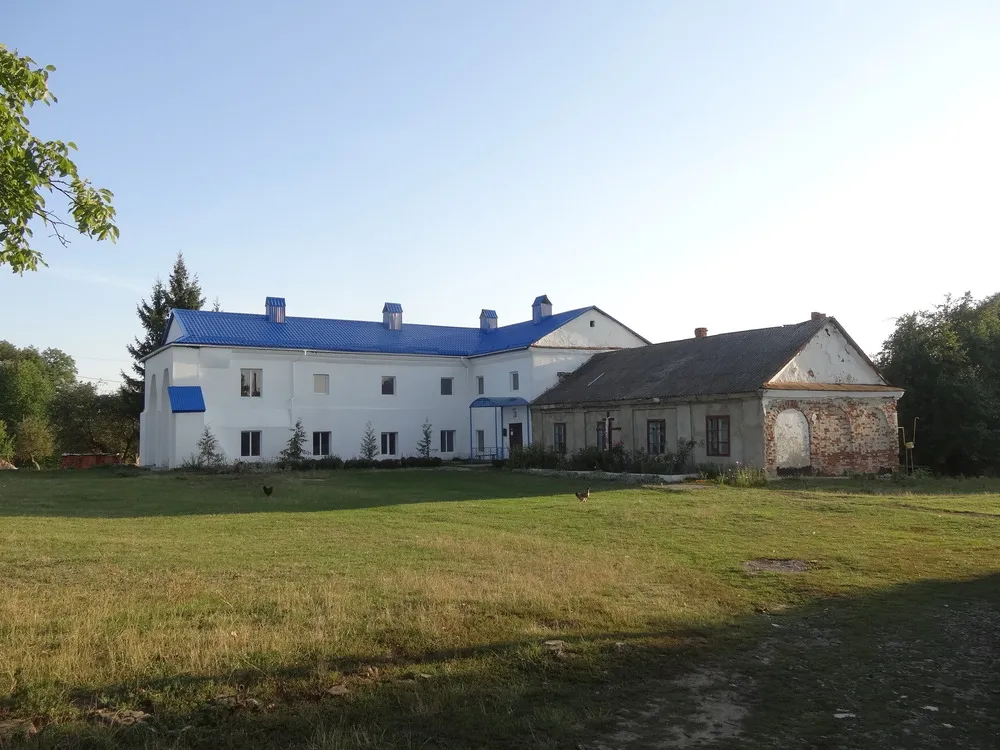
It was probably his military engineering skills and experience that prompted Dessier to build a monastery of precisely a defensive type (the walls there are indeed very thick). The times, too, were troubled. The monastery had two churches, a block of cells, high walls, three towers, and an underground complex with branching passages; it owned forests and arable land, a mill and an apiary. It must be said that in its time the monastery was one of the largest in Podillia. Originally it was Greek Catholic, but in 1796, after the second partition of the Polish–Lithuanian Commonwealth, it was forcibly transferred to the Russian Orthodox Church. In 1832 the Most Reverend Archbishop Xenophon, head of the Podillia eparchy, was buried on its grounds. In 1890 (or 1892) the monastery was given a copy of the miraculous icon of the Iveron Mother of God, which is said to have been painted by Athonite monks.
In Soviet times, namely in 1921, the monastery was closed, some of the buildings were destroyed, and the miraculous icon was lost. Some buildings were converted into a school. The revival of the monastery began in 2011–2012, although as early as 1991 part of the monastery refectory had been handed over to the local religious community (in the other buildings the school continued to operate). The icon of the Iveron Mother of God was also found; it was either with local residents, and then for some time the image was kept in the Holy Intercession Cathedral in Khmelnytskyi. Now it has been fully restored. Another icon has reportedly been found, which is considered to be the old icon of the Korzhivtsi Mother of God, which adorned the monastery’s entrance tower and is a copy of the 1606 icon of the Letychiv Mother of God.
For a time only a single hegumen-abbot lived in the monastery.
Text and photos by Ihor Dorozhok.


